 Complete Gardening
Berries are a powerhouse of nutrients, known for their vibrant colors and tantalizing flavors. But which berry tops the list when it comes to health benefits? We’ve asked dietitians to weigh in on the most nutritious options, considering factors like antioxidant content, fiber, and vitamins. Below, we explore five berries that stand out for their exceptional health properties.
1. Blueberries
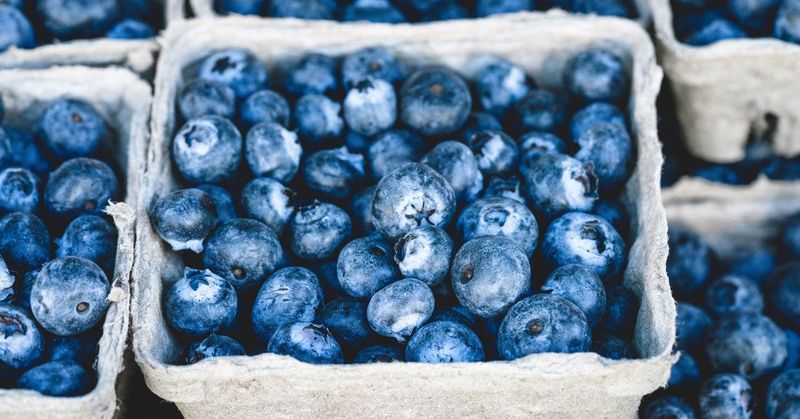
Blueberries are often hailed as a superfood, and it’s easy to see why. Packed with antioxidants, these small berries stand out for their ability to combat oxidative stress.
Their rich flavor and versatility make them a favorite in both sweet and savory dishes. Did you know? Blueberries have been linked to improved brain health, making them a wise choice for mental sharpness.
These berries are also a fantastic source of vitamin C, fiber, and manganese, all contributing to overall wellness and vitality.
2. Strawberries
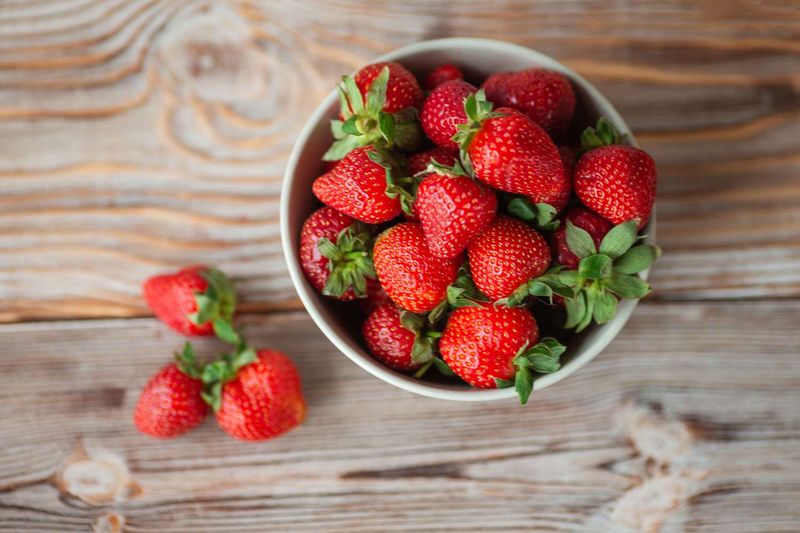
Strawberries are more than just a sweet treat. These berries, bursting with a bright red hue, are a symbol of summer.
Rich in vitamin C, they support immune health and skin vitality. Strawberries also contain ellagic acid, which may help protect against cancer.
The combination of vitamins and antioxidants offers a delightful way to boost heart health. Enjoy them fresh, in salads, or even as a natural sweetener in drinks.
3. Raspberries
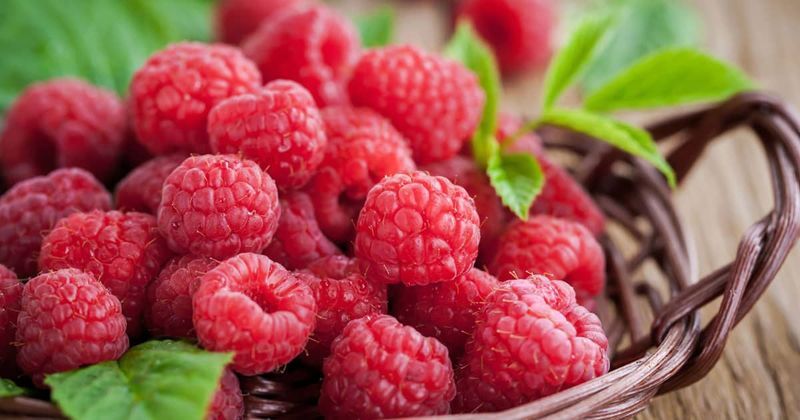
Raspberries are celebrated for their delicate texture and vibrant flavor. These berries are rich in dietary fiber, aiding digestion and promoting a feeling of fullness.
With high levels of vitamin C and quercetin, raspberries offer potent anti-inflammatory properties. Did you know? This berry’s seeds contain omega-3 fatty acids.
Ideal for snacking or as a topping on yogurt, raspberries provide a punch of flavor and nutrients in every bite.
4. Blackberries
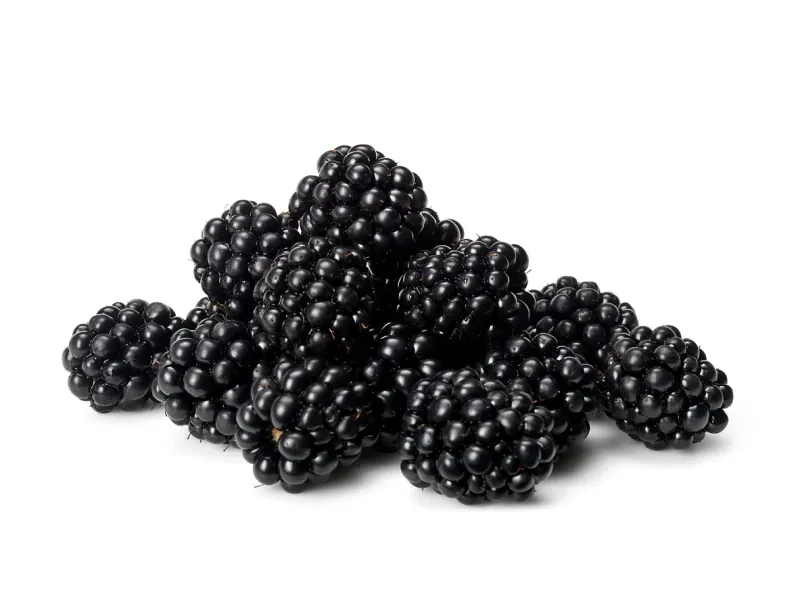
Blackberries are a treasure trove of nutrients, offering a deep, rich flavor that tantalizes the taste buds. They’re high in vitamins C and K, supporting healthy bones and immune function.
Packed with anthocyanins, these berries help reduce inflammation and oxidative stress. Blackberries also contain high levels of fiber, promoting digestive health.
Their unique taste and health benefits make them an ideal addition to desserts or smoothies, infusing both color and nutrition.
5. Goji Berries
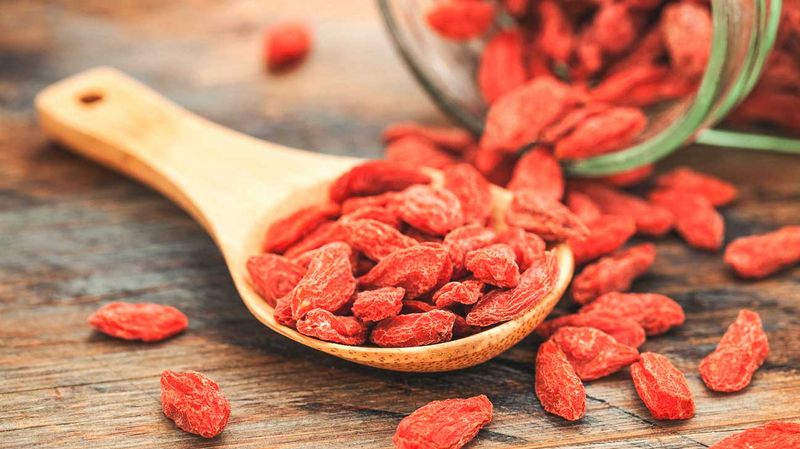
Goji berries, often termed “red diamonds,” have been used in traditional medicine for centuries. These berries boast a unique tart flavor and are rich in antioxidants.
Known for their immune-boosting properties, goji berries also support eye health, thanks to high levels of beta-carotene.
Incorporating goji berries into your diet can be a flavorful way to enhance health, whether added to cereals, smoothies, or enjoyed as a dried snack.
6. Açaí Berries
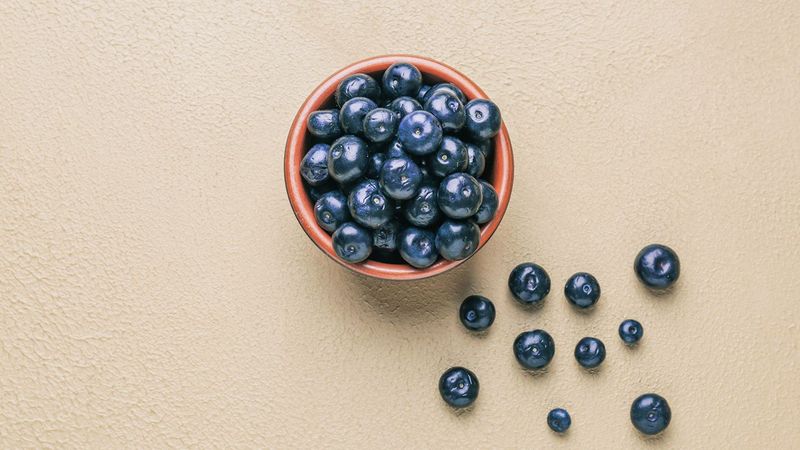
Açaí berries are small, deep-purple fruits originating from the Amazon rainforest. These berries have become a superfood staple, often found in smoothie bowls across the globe. Rich in antioxidants, they support heart health and may help lower cholesterol levels. Additionally, açaí berries are known for their ability to boost the immune system.
Their fiber content aids digestion, making them a popular choice for those seeking a balanced diet. Açaí’s unique taste is a delightful blend of berries and chocolate, offering a refreshing treat. Consider adding them to your morning routine for a nutritious start.
7. Elderberries
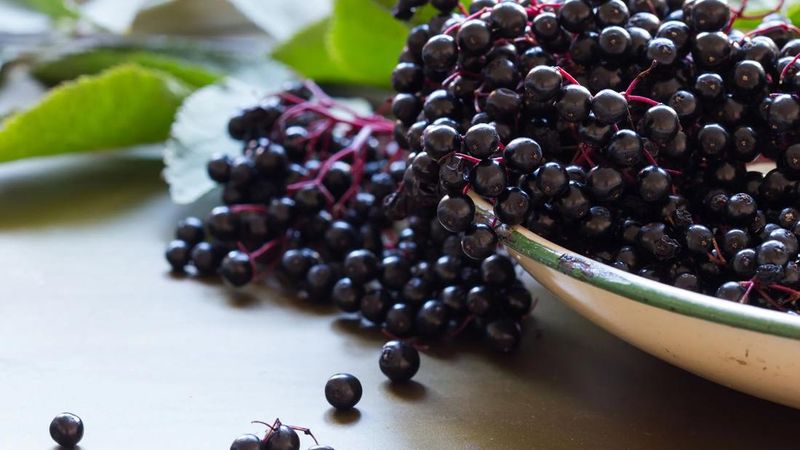
Elderberries have a storied history in traditional medicine, particularly for their antiviral properties. These dark, small berries are often transformed into syrups and supplements designed to support immune health. Rich in vitamin C and dietary fiber, elderberries are a powerful ally during cold and flu season.
The deep purple hue of elderberries indicates a high presence of anthocyanins, compounds known for their antioxidant capabilities. Their tart flavor profile makes them ideal for jams and jellies. Including elderberries in your diet could be a tasty way to bolster your health arsenal.
8. Cranberries
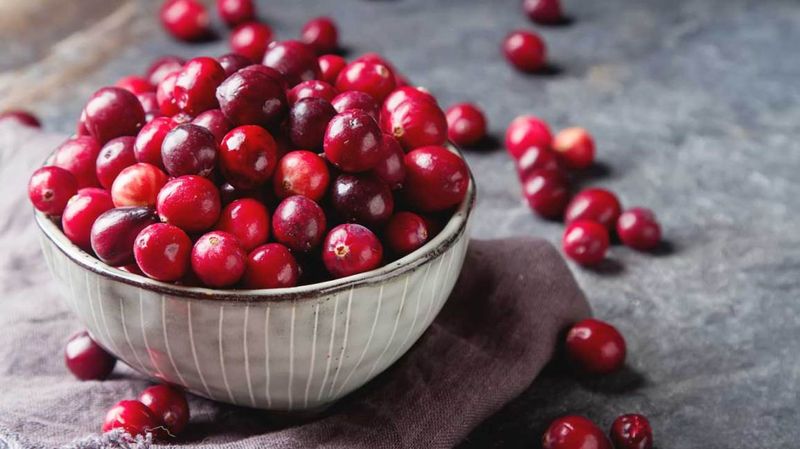
Cranberries are often synonymous with the festive season, but their health benefits extend year-round. Known for preventing urinary tract infections, cranberries possess a unique combination of antioxidants and anti-inflammatory properties. These small, red berries are also a good source of vitamin C and fiber.
The tartness of cranberries can add a zing to various dishes, from salads to desserts. Beyond culinary uses, cranberries offer numerous nutritional advantages. Consuming them regularly can aid digestion and enhance heart health, making them more than just a holiday staple.
9. Bilberries
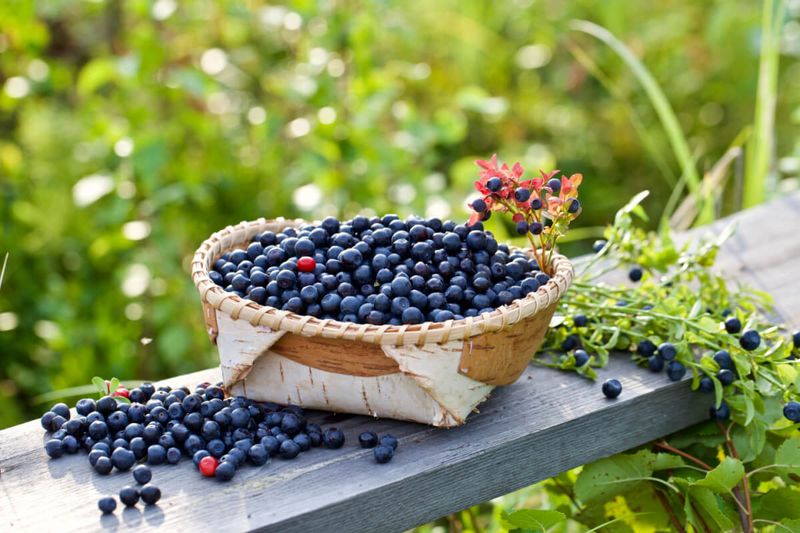
Bilberries, often confused with blueberries, are a European treasure with significant health benefits. Their dark blue hue is a testament to their high antioxidant content. Studies suggest bilberries may improve vision, especially night vision, and support cardiovascular health.
These berries are rich in vitamin C, vitamin E, and polyphenols, contributing to their anti-inflammatory effects. The taste of bilberries is less sweet than their blueberry relatives, offering a tangy alternative. Including bilberries in your diet can be an exciting way to explore new flavors while boosting your health.
10. Mulberries
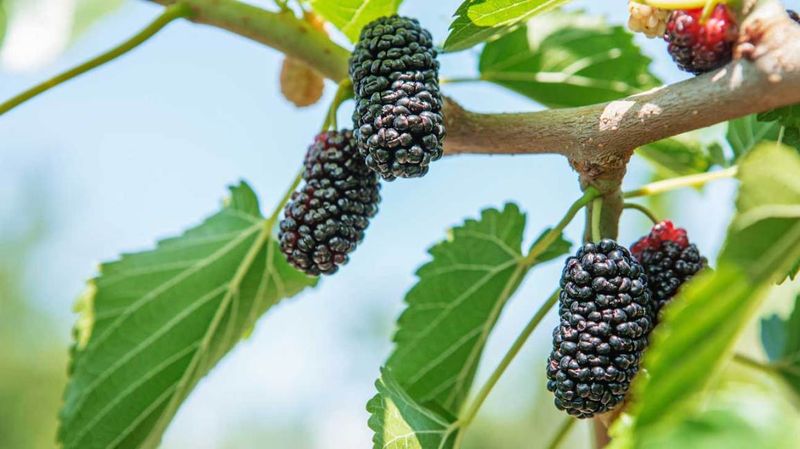
Mulberries, available in white, red, and black varieties, are known for their sweet and juicy flavor. Beyond taste, they offer a range of health benefits, including promoting heart health and weight management. Rich in iron, vitamin C, and potassium, mulberries support overall wellness.
These berries contain resveratrol, a compound linked to reduced risk of heart disease. Mulberries are versatile, enjoyable fresh or dried, and can be added to cereals or baked goods. Including mulberries in your diet might be a delightful way to enjoy a nutritious treat.
11. Sea Buckthorn Berries
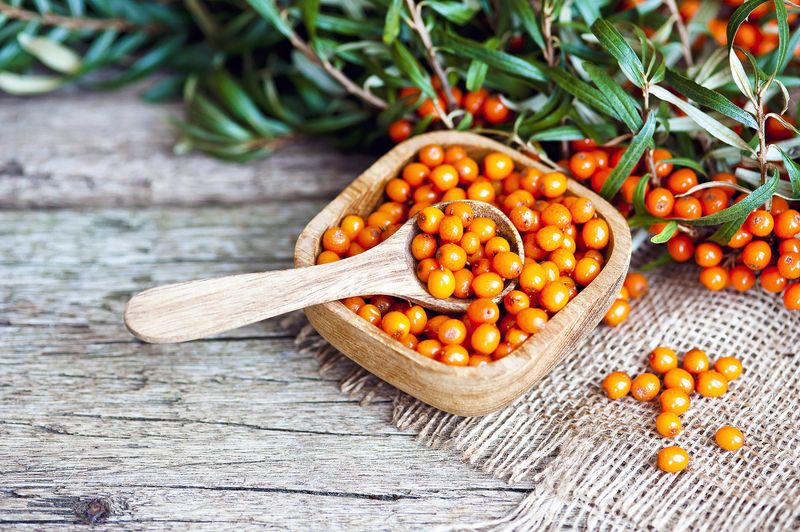
Sea buckthorn berries are small, bright orange fruits that pack a nutritional punch. Known for their high vitamin C content, these berries support the immune system and skin health. Sea buckthorn berries also contain omega-7 fatty acids, rare in the plant kingdom.
Their tart, citrus-like flavor is refreshing and can be used in juices and sauces. Sea buckthorn oil is popular in skincare, touted for its rejuvenating properties. Integrating sea buckthorn berries into your diet could enhance both your internal health and external beauty.
12. Maqui Berries
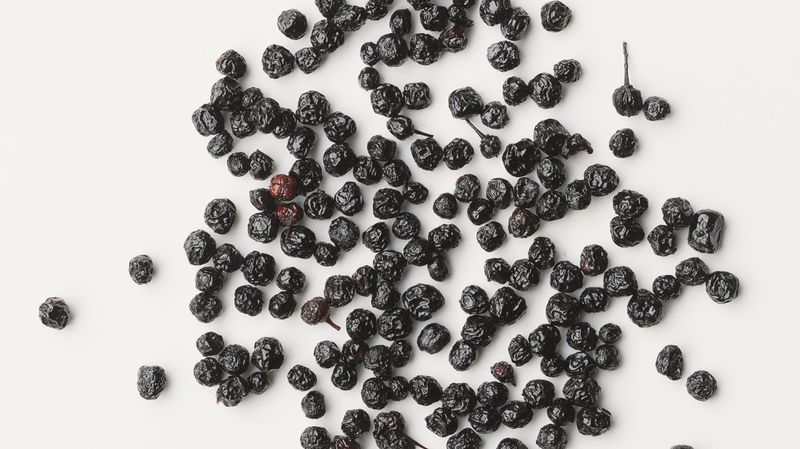
Maqui berries, native to Chile, are a powerhouse of antioxidants, boasting the highest ORAC value among berries. This means they excel in scavenging free radicals and protecting cells from oxidative stress. Their consumption supports anti-inflammatory processes and overall immune function.
These dark purple berries have a subtle sweetness, making them ideal for smoothies and desserts. Maqui berries also contribute to cardiovascular health, offering a multifaceted approach to wellness. Including maqui berries in your diet might be the secret to unlocking a healthier, more vibrant you.
13. Chokeberries (Aronia)
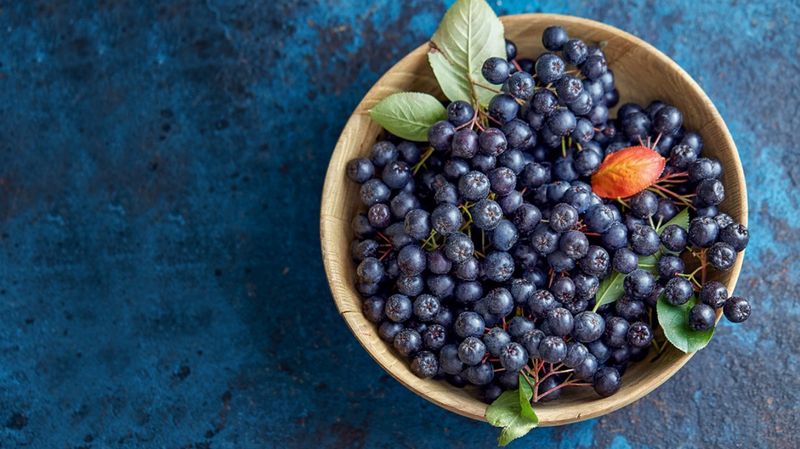
Chokeberries, also known as Aronia, are small, dark berries packed with antioxidants and polyphenols. They are particularly noted for their ability to support cardiovascular health and regulate blood pressure. Rich in fiber, chokeberries also promote digestive health.
Their astringent taste can be quite intense, but when used in juices or baked goods, they offer a unique flavor. Chokeberries’ health benefits make them an excellent addition to a balanced diet, providing far more than just culinary enjoyment.
14. Golden Berries (Physalis)

Golden berries, also known as Physalis, are bright, yellow-orange fruits encased in papery husks. These berries are rich in antioxidants, vitamins A and C, and have anti-inflammatory properties. Golden berries support immune function and promote skin health.
Their tangy, tropical flavor complements both sweet and savory dishes. The unique appearance and taste of golden berries make them a standout ingredient in salads and desserts. Incorporating golden berries into your diet could add a burst of flavor and nutrition to your meals.
15. Lingonberries
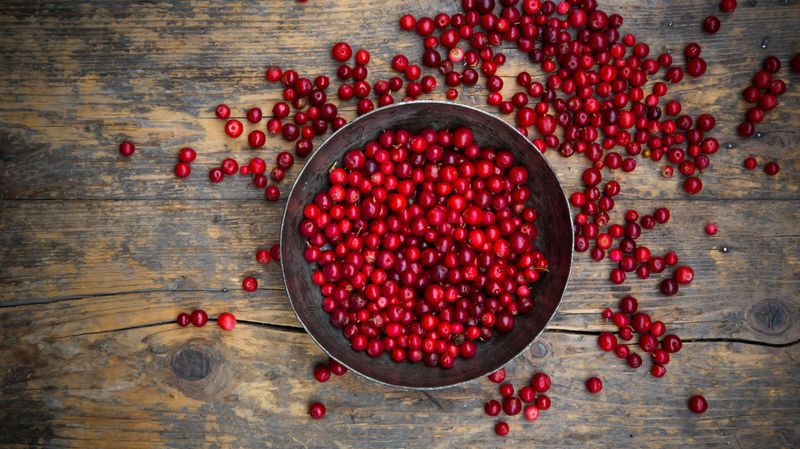
Lingonberries, prevalent in Scandinavian cuisine, are small red berries with a tart flavor. Known for their high antioxidant levels, lingonberries support urinary tract health and may improve gut microbiota. Rich in vitamin C and fiber, these berries offer numerous health advantages.
Their sharp taste is often mellowed with sweeteners, used in jams and sauces. Lingonberries’ bright color and health benefits make them a popular choice in both culinary and medicinal applications. Adding lingonberries to your diet may offer a delightful way to enhance your health and culinary experiences.