Complete Gardening
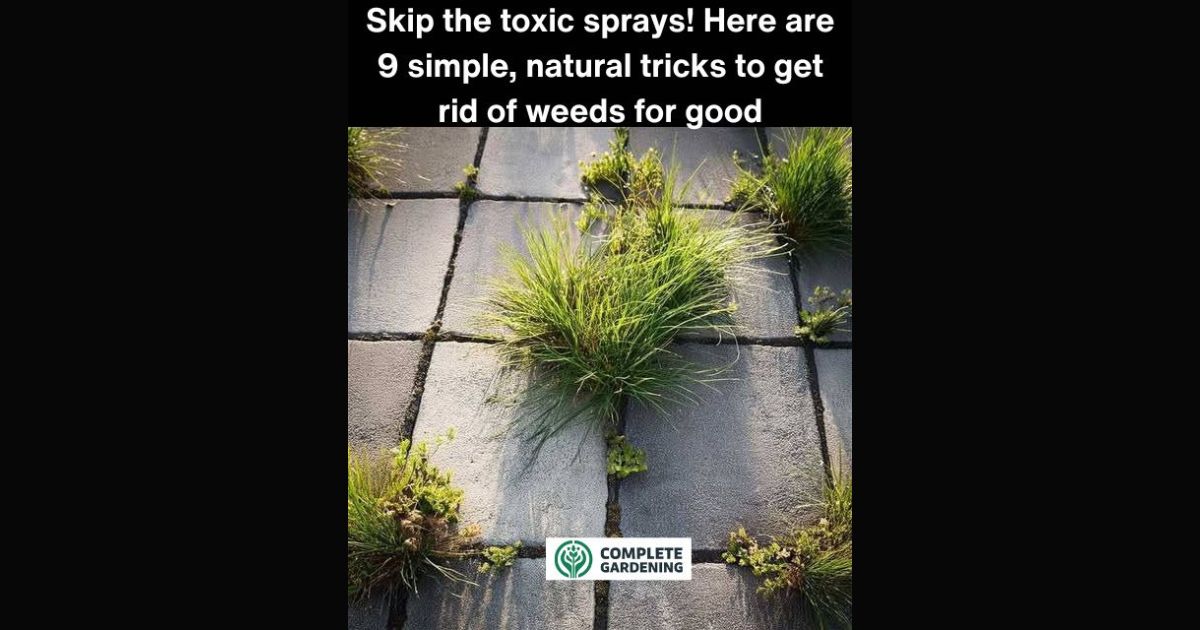
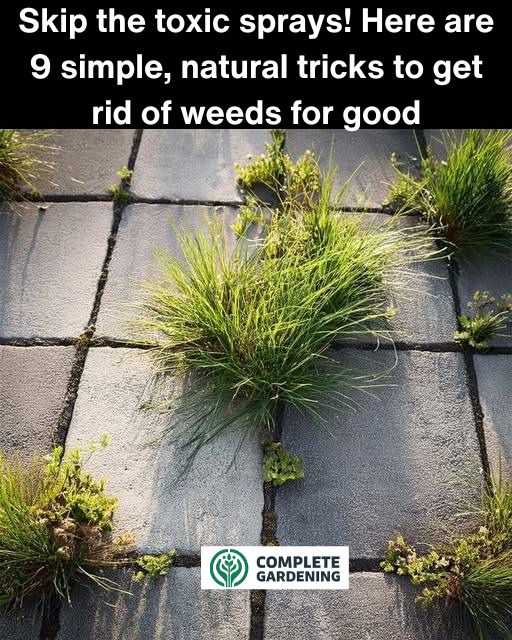
Weeds can quickly take over your garden, stealing nutrients, sunlight, and water from your plants. While chemical weed killers work fast, they often come with hidden dangers — harming the soil, wildlife, pets, and even your health. The good news? You can keep your garden weed-free using natural, eco-friendly methods that are safe, cheap, and effective.
Below are nine proven natural ways to kill weeds that use simple household ingredients. These methods will help you maintain a healthy, thriving garden — no harsh chemicals required.
1. Vinegar Spray – The Natural Weed Killer
Vinegar is one of the easiest and most effective ways to eliminate weeds naturally. Mix 1 gallon of white vinegar, 1 cup of salt, and 1 tablespoon of liquid dish soap in a spray bottle. Shake well and spray directly onto weeds on a sunny day. The vinegar and salt dry out the plant, while the soap helps the mixture stick to the leaves.
Tip: Use carefully, as this mixture can also harm nearby plants.
2. Boiling Water – Quick and Simple
Boiling water is an excellent, zero-cost way to kill weeds growing in cracks or along walkways. Carefully pour boiling water directly over the unwanted plants. The extreme heat destroys the weeds’ cell structure, killing them almost instantly.
Avoid splashing on desirable plants — this method is powerful!
3. Cornmeal Gluten – Natural Weed Prevention
Cornmeal gluten acts as a natural pre-emergent herbicide, meaning it stops weed seeds from germinating. Sprinkle it over your garden soil after your desired plants have matured. It’s great for keeping new weeds from sprouting while enriching the soil with nutrients.
Apply it in early spring for best results.
4. Newspaper Barrier – Block the Sunlight
Weeds can’t grow without sunlight. Layer 5 to 10 sheets of newspaper over weedy areas to smother them. Moisten the paper slightly to keep it in place, then cover it with mulch for an attractive finish.
This method also enriches your soil as the newspaper decomposes naturally over time.
5. Mulch – Starve the Weeds
A thick layer of mulch (around 2–3 inches) keeps sunlight from reaching weed seeds, effectively preventing growth. Organic mulch like bark, straw, or compost not only suppresses weeds but also helps retain soil moisture and improve fertility as it breaks down.
Reapply mulch yearly to maintain protection and nourish your plants.
6. Salt Solution – Use with Care
Salt can be a powerful weed killer, but it must be used sparingly. Mix 3 parts salt with 1 part water, and apply it directly to the weeds. The salt dehydrates the plants and disrupts their water balance.
Avoid using salt in garden beds or lawns, as it can damage soil and surrounding plants if overused.
7. Lemon Juice – Nature’s Acidic Weed Fighter
Lemon juice’s high acidity makes it an excellent natural herbicide. Pour pure lemon juice into a spray bottle and coat the weeds thoroughly. The citric acid breaks down the plant’s outer layer, drying it out quickly.
You can also combine lemon juice with vinegar for a stronger, all-natural weed-killing solution.
8. Rubbing Alcohol – The Precision Killer
Mix 2 tablespoons of rubbing alcohol with 1 quart of water in a spray bottle. Spray directly onto weeds during a sunny day. The alcohol removes the plant’s protective coating, causing it to dehydrate and die.
This method works great for targeting individual weeds without disturbing nearby plants.
9. Hand Weeding – The Tried-and-True Method
Sometimes, nothing beats getting your hands dirty. Hand-pulling weeds ensures you remove them completely, roots and all. Use a weeding tool or small trowel to make the job easier, especially after watering or rain when the soil is soft.
Regular hand weeding prevents future infestations and keeps your garden looking pristine.
Conclusion – A Healthier, Greener Way to Garden
You don’t need harsh chemicals to maintain a beautiful, weed-free garden. With simple ingredients like vinegar, lemon juice, and salt — or even just a little boiling water — you can safely eliminate weeds while protecting your soil, your plants, and the environment.
These nine natural solutions are proof that going eco-friendly doesn’t mean sacrificing results. Embrace these easy methods, and you’ll enjoy a healthier, more sustainable garden that thrives naturally.