 Complete Gardening
In a world driven by meticulous gardening and manicured lawns, the simple act of letting weeds grow can seem rebellious. Yet, this newfound appreciation for nature’s underdogs brings unexpected joy. Instead of battling these resilient plants, I began naming them, finding beauty in their persistence and charm. Each weed tells a story of survival, adaptability, and a unique ecological role that often goes unnoticed. This shift in perspective transforms a mundane chore into an enchanting discovery, revealing the intricate tapestry of life right at our feet. Here’s why I’ve embraced this curious practice and how it can change your view too.
1. Dandelion Delight
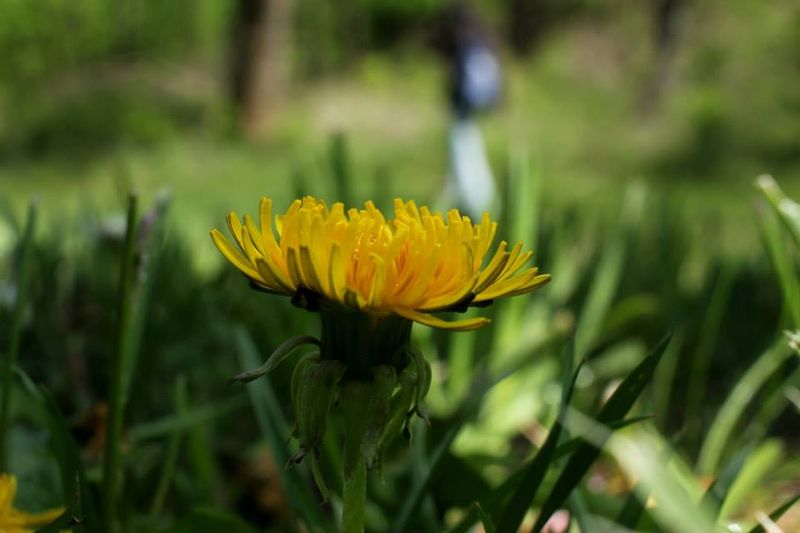
Amidst the chaos of traditional flower beds, dandelions stand out like little golden suns. Their bright yellow blooms are not just weeds; they are harbingers of spring. As a child, who hasn’t made a wish while blowing their puffy seed heads?
These resilient plants adapt to any soil, thriving where others might fail. Often seen as a gardener’s bane, they attract bees and aid pollination. Did you know dandelion leaves are edible and packed with vitamins?
Embracing the dandelion can turn a dull garden patch into a vibrant spectacle. Their cheerful presence promises sunny days ahead.
2. Clover’s Charm
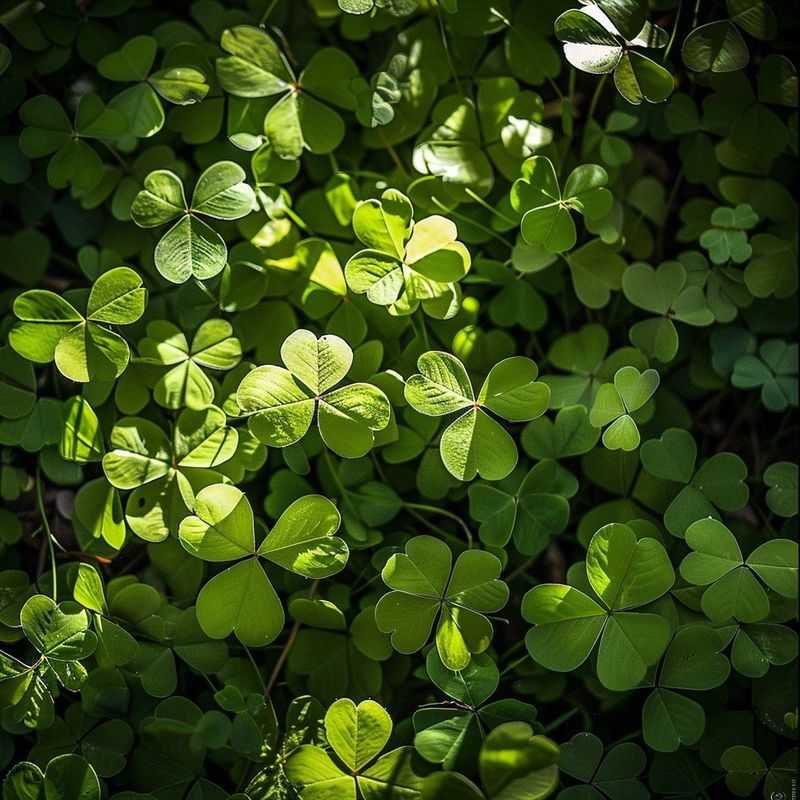
Luck often whispers from the heart of a clover patch. Among the sea of three-leaf clovers, that elusive four-leaf variant becomes a treasure hunt. These tiny plants are more than folklore; they enrich soil by fixing nitrogen.
Their soft, green carpet invites picnics and barefoot strolls, transforming ordinary lawns into lush escapes. Once, clovers were a staple in lawns before grass took center stage.
Rediscovering clover can change your green space into a lucky charm haven. Their gentle beauty and ecological benefits make them a natural wonder worth celebrating.
3. Chicory’s Blue Hue
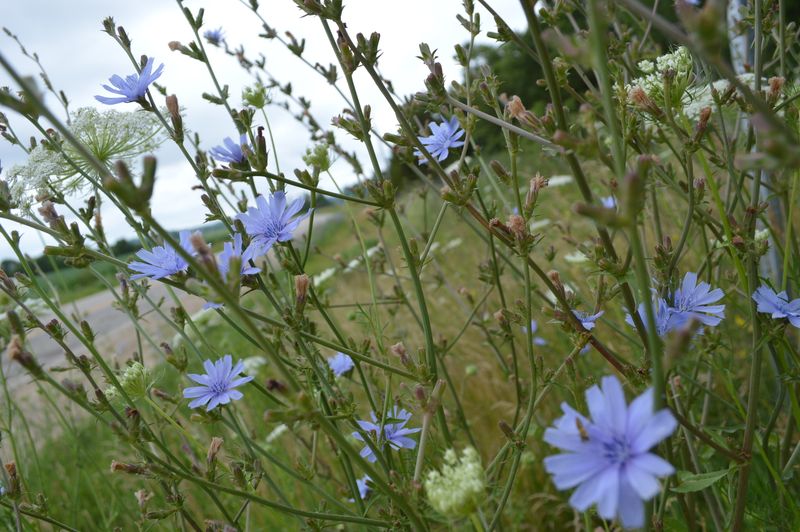
Chicory’s sky-blue flowers are a roadside surprise, often catching the eye on long drives. These hardy plants thrive in the most unexpected places, painting landscapes with their ethereal hue.
Historically, chicory roots were roasted as a coffee substitute, offering a caffeine-free alternative. Their presence in fields and roadsides is a testament to nature’s tenacity.
By celebrating chicory, we acknowledge the beauty in resilience. Its delicate flowers remind us of serene summer skies, challenging the notion of what belongs in a garden. Embrace chicory to add a splash of blue to your world.
4. Queen Anne’s Lace Grace
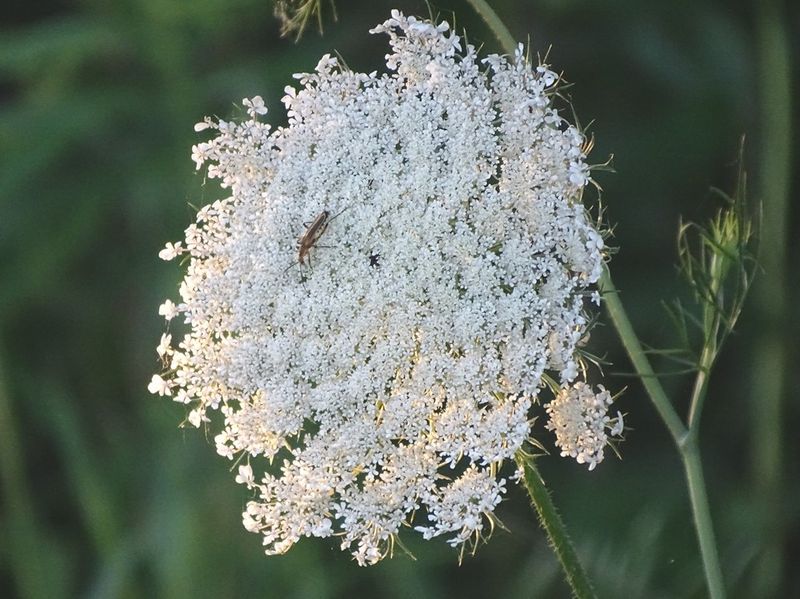
Delicate, lacy blooms that resemble miniature snowflakes—Queen Anne’s Lace adds a touch of elegance to any wild meadow. This wild carrot’s intricate flowers create a visual feast, attracting pollinators with their intricate beauty.
Often mistaken for weeds, they actually support a variety of wildlife. Their roots smell like carrots, hinting at their cultivated cousins.
If left to flourish, Queen Anne’s Lace transforms ordinary patches into enchanting landscapes. They invite us to find grace in the overlooked and embrace nature’s artistry. It’s a wildflower that brings sophistication to untamed spaces.
5. Burdock’s Rugged Resilience

Burdock stands as a symbol of rugged resilience in the plant kingdom. With its large leaves and tenacious burrs that cling to passersby, it tells a tale of survival and determination.
Historically, burdock roots have been used in herbal medicine for their detoxifying properties. These plants thrive in disturbed soils, reclaiming spaces others overlook.
By recognizing burdock’s strength, we learn to appreciate the tenacity required to flourish in adversity. Its presence in an industrial landscape brings greenery to concrete jungles, reminding us of nature’s enduring spirit.
6. Plantain’s Perseverance
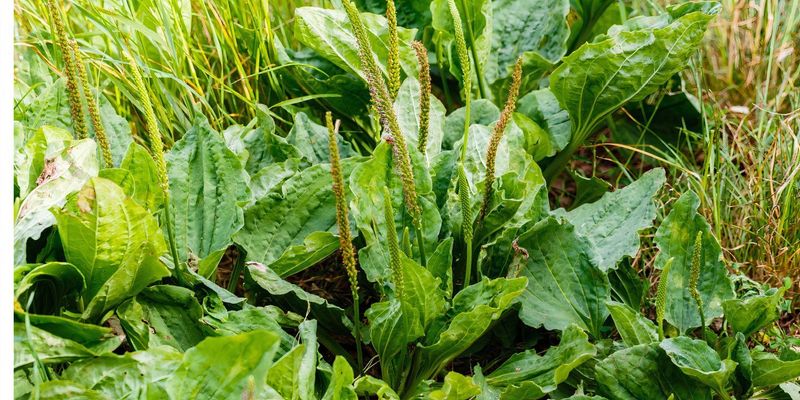
Plantain weeds are often overlooked, dismissed as mere nuisances. Yet, they possess a remarkable strength that allows them to thrive in the most inhospitable conditions. Whether sprouting through cracks in a sidewalk or flourishing in compacted soil, plantains are a testament to nature’s tenacity.
Their leaves, broad and ribbed, provide a lush greenery that adds depth to any garden setting. This resilience, combined with their medicinal properties, shows that beauty can be found in unexpected places. Embracing plantains in my garden has taught me to appreciate the hardiness of nature.
7. Thistle’s Fierce Grace
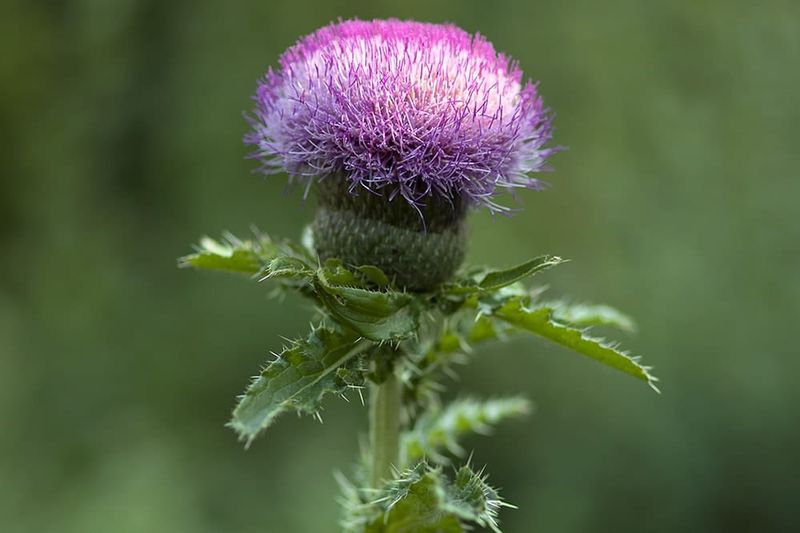
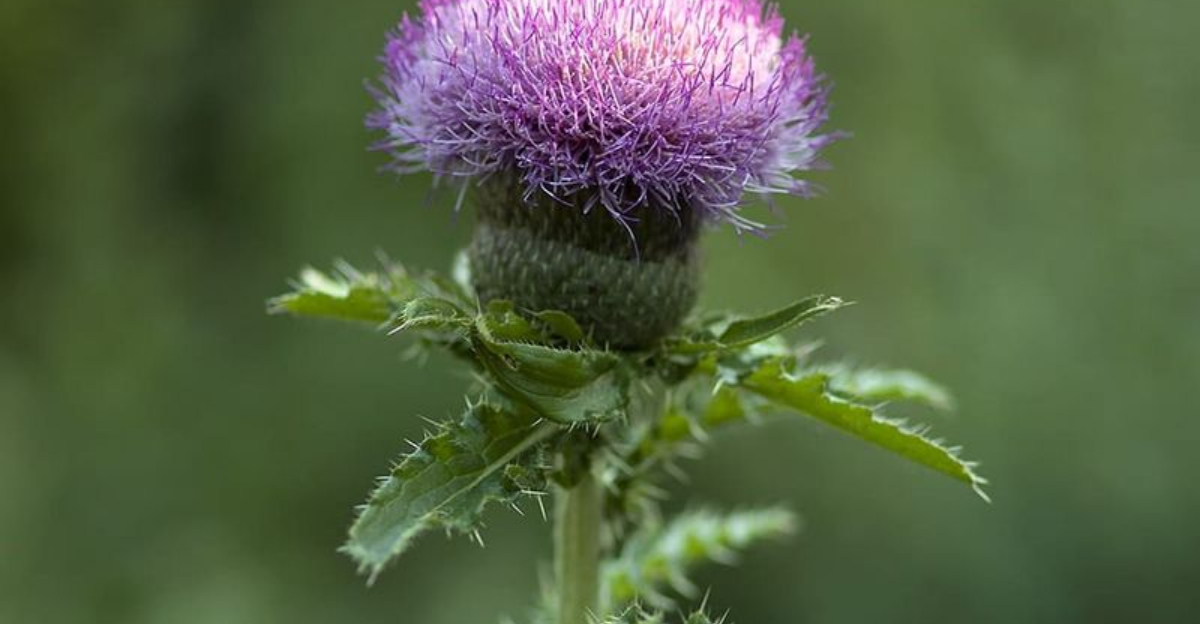
With their spiky leaves and vibrant purple blooms, thistles stand as symbols of fierce beauty. These hardy plants can thrive in poor soil, bringing color and vibrancy to otherwise barren spaces.
Thistles are more than just their prickly exterior; their flowers attract bees and butterflies, contributing to biodiversity. Their presence in the garden reminds me of the importance of looking beyond superficial appearances.
Despite their reputation as weeds, thistles offer a unique charm and elegance, proving that even the most unyielding plants can bring grace to a garden.
8. Nettle’s Nurturing Nature
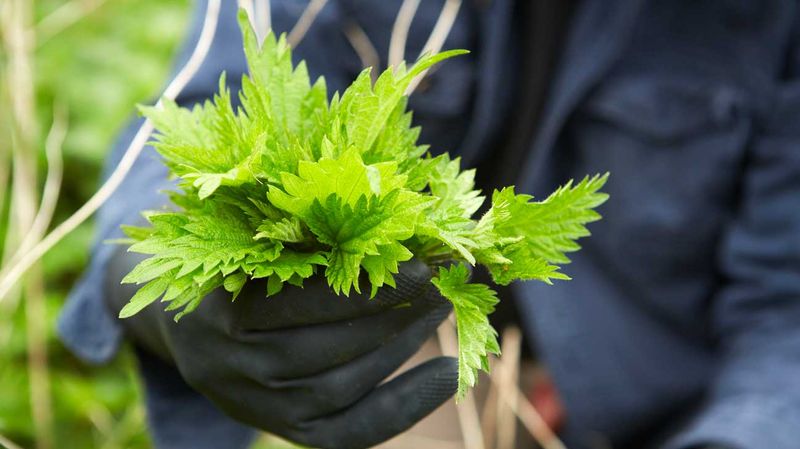
Nettles might sting, but they also heal. Known for their medicinal properties, nettles have been used for centuries to soothe ailments. Their jagged leaves, while intimidating, offer a wealth of nutrients when prepared correctly.
In the garden, nettles support various wildlife, providing a habitat for ladybugs and butterflies. Their presence adds a wild, untamed beauty to the landscape, teaching me to appreciate the intricate balance of nature.
By embracing nettles rather than removing them, I’ve discovered a nurturing aspect of weeds that often goes unnoticed.
9. Bindweed’s Tenacious Spirit
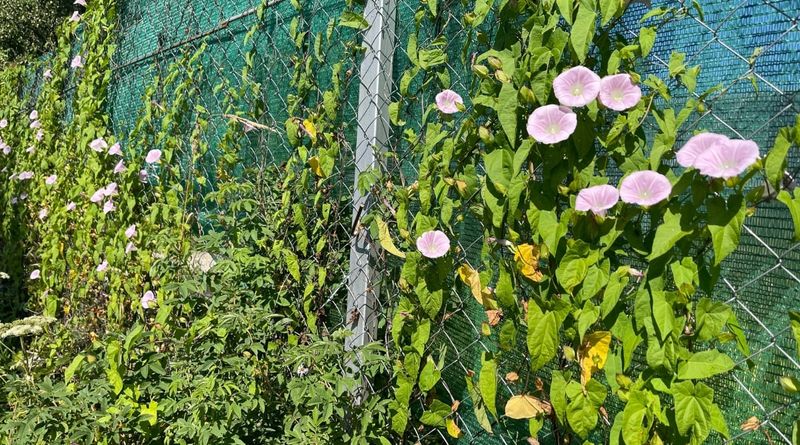
Bindweed is the acrobat of the plant world, known for its twisting vines and beautiful white flowers. Despite often being labeled a nuisance, its ability to climb and cover structures with elegance is undeniable.
The way bindweed wraps around fences and other plants adds an unexpected layer of texture to the garden. Though it requires management, its persistence and ability to adapt to its surroundings mirror life’s challenges.
Embracing bindweed has taught me to see its tenacious spirit as a valuable lesson in resilience and adaptability.
10. Chickweed’s Subtle Charm
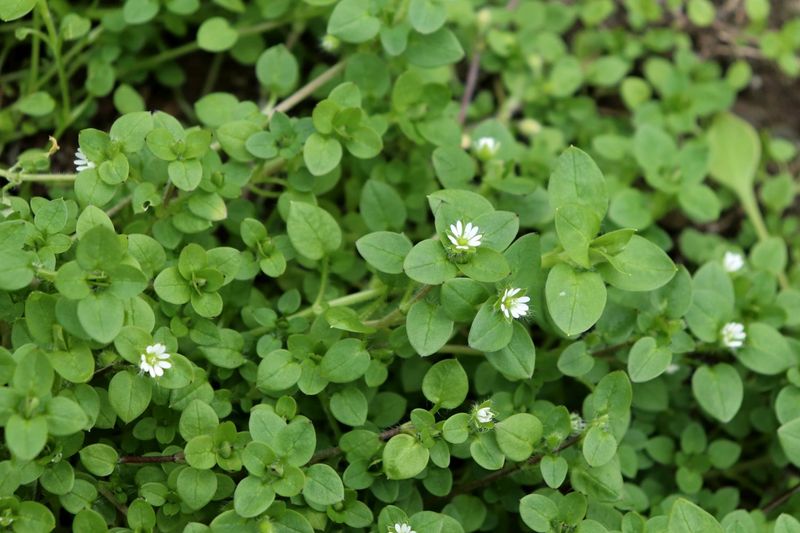
Chickweed may be small, but it certainly leaves an impression. Its tiny white flowers and lush green leaves create a delicate carpet that softens the garden’s appearance.
Chickweed’s subtle charm lies in its ability to spread quickly, filling gaps between other plants. This rapid growth provides a natural ground cover, reducing soil erosion and conserving moisture.
In my garden, chickweed offers a gentle beauty that complements more prominent plants, reminding me that sometimes the smallest details make the most significant impact.
11. Purslane’s Succulent Surprise
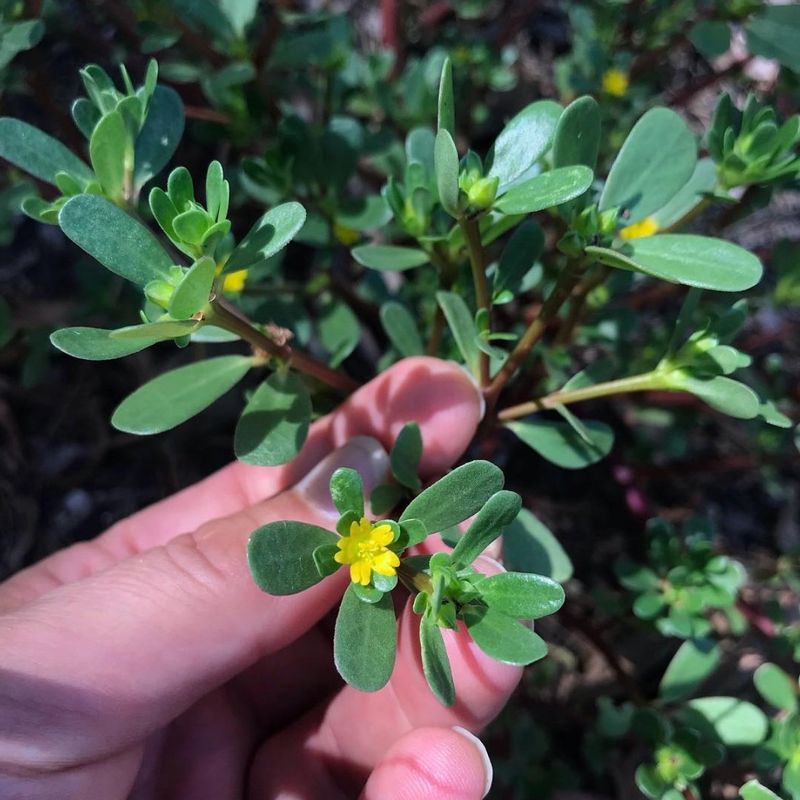
Purslane is a succulent wonder, often found in the most unexpected places. Its thick, fleshy leaves and bright yellow flowers are a delightful surprise in the garden.
This hardy plant is rich in omega-3 fatty acids, making it both a culinary delight and a nutritional powerhouse. Purslane’s ability to thrive in dry, rocky conditions showcases nature’s ingenuity.
By allowing purslane to flourish, I’ve discovered a flavorful addition to my meals and a testament to the adaptability of life.
12. Lamb’s Quarters’ Leafy Legacy
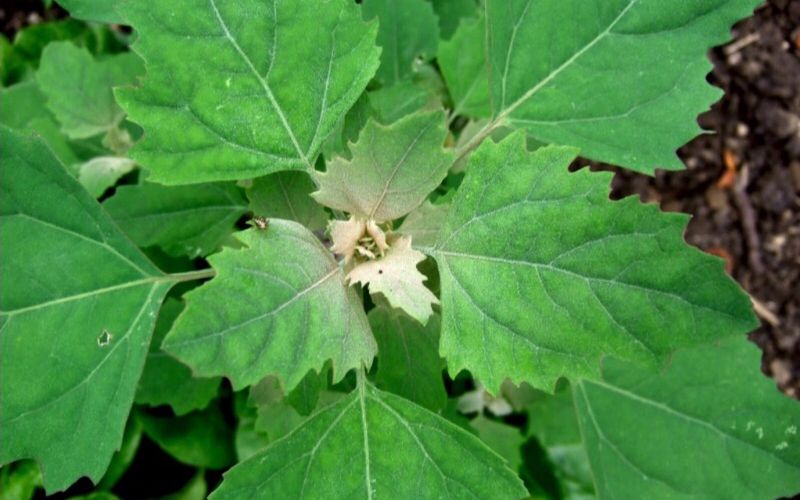
Lamb’s Quarters, often mistaken for a weed, holds a legacy of nutrition. Its dusty, green leaves are not only edible but rich in vitamins and minerals, offering a free source of nourishment.
In the garden, Lamb’s Quarters add a lush, leafy texture, blending seamlessly with other plants. Their presence encourages a more diverse ecosystem, supporting various insects and birds.
Embracing Lamb’s Quarters has enriched my garden and my diet, teaching me to value the hidden treasures that nature provides.
13. Violet’s Vibrant Versatility
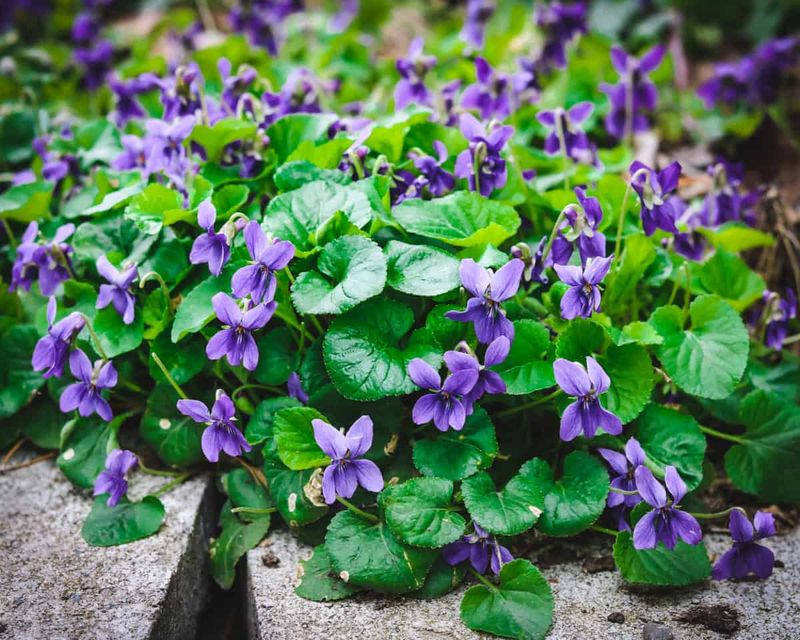
Wild violets are nature’s versatile gems, thriving in shady corners where other plants may struggle. Their heart-shaped leaves and delicate violet flowers bring a splash of color to otherwise dark areas.
Beyond their beauty, violets offer edible flowers and leaves, adding a unique touch to salads and desserts. Their adaptability makes them a valuable addition to any garden.
By welcoming violets, I’ve discovered a versatile plant that enhances both the aesthetic and culinary aspects of my outdoor space.
14. Mugwort’s Mystical Presence
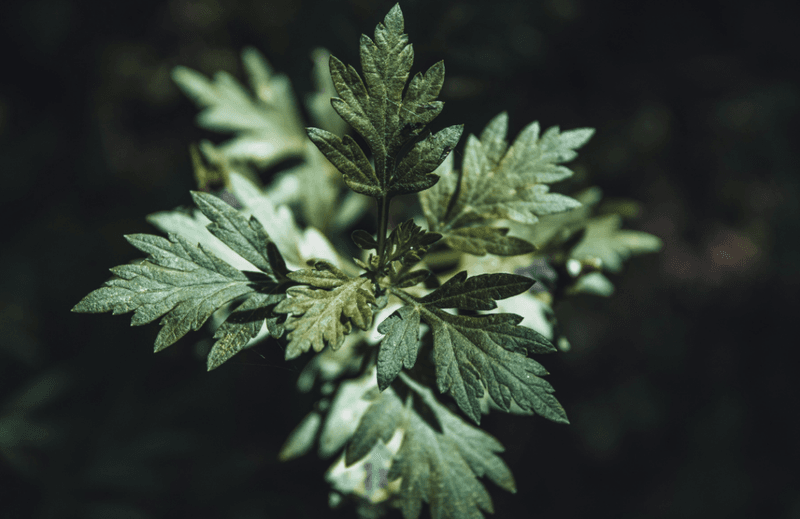
Mugwort, with its silvery foliage and tall stems, carries an air of mystery. Often associated with folklore and dreams, mugwort has a long history of use in traditional medicine.
In the garden, its aromatic leaves and resilience make it a fascinating addition, attracting beneficial insects and adding a unique texture.
Mugwort’s mystical presence enriches the garden with an element of the unknown, inviting curiosity and exploration.
15. Ground Ivy’s Creeping Beauty
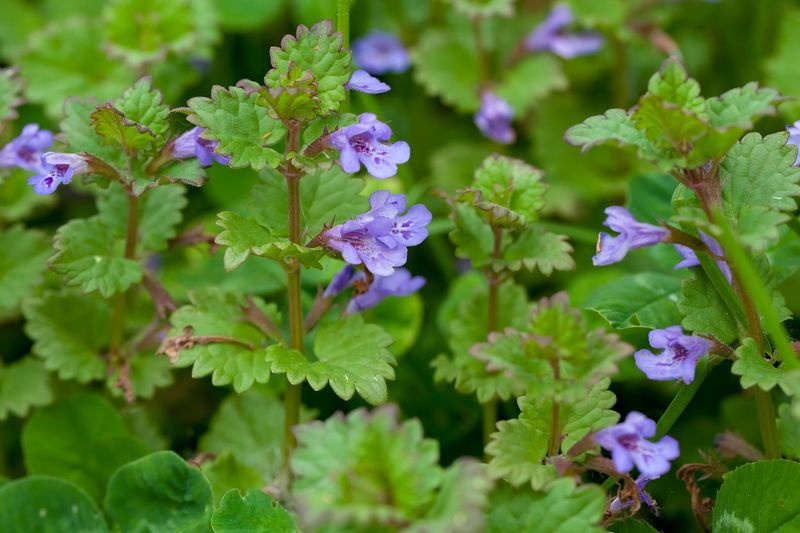
Ground Ivy, often found creeping along paths, brings a touch of whimsy to the garden. Its scalloped leaves and purple flowers create a vibrant tapestry that delights the eye.
Though often seen as invasive, ground ivy’s ability to quickly cover ground helps prevent soil erosion and provides habitat for small creatures.
This creeping beauty has become a cherished part of my garden, reminding me that sometimes the most enchanting plants are those we least expect to admire.