 Complete Gardening
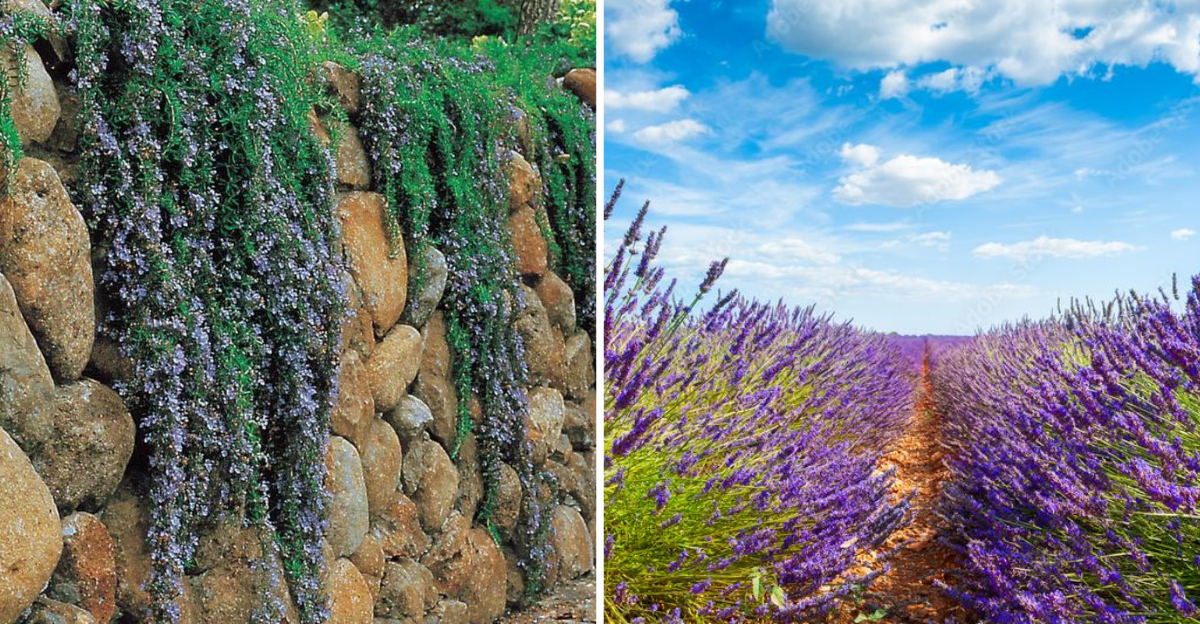
In recent years, a notable trend has emerged among master gardeners: the movement away from traditional fertilizers in favor of more natural, sustainable gardening methods. This shift is driven by the understanding that many plants not only thrive without chemical fertilizers but actually prefer it, leading to healthier gardens and ecosystems. Below, we explore 23 remarkable plants that exemplify this trend, showcasing their unique characteristics and the reasons why they flourish without added fertilizers.
1. Lavender
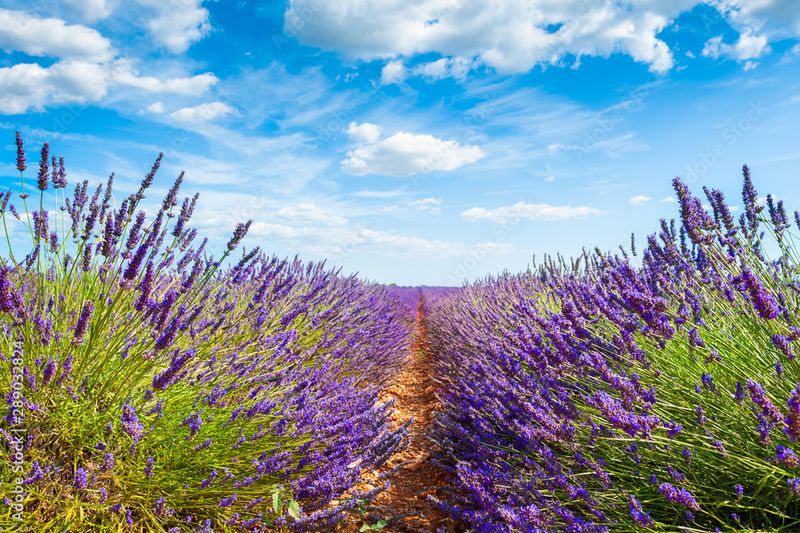
Lavender, with its soothing scent and vibrant purple blooms, entices gardeners with a penchant for tranquility. Renowned for its drought-resistant qualities, lavender thrives in well-drained soil with minimal interference.
Its roots are accustomed to the Mediterranean’s dry climate, making fertilizer superfluous. Historically, lavender’s calming aroma has been used in aromatherapy, weaving a tapestry of relaxation in gardens.
By avoiding fertilizers, one ensures that the plant maintains its natural growth rhythm, enhancing both its fragrance and visual appeal, naturally inviting pollinators like bees and butterflies.
2. Sage
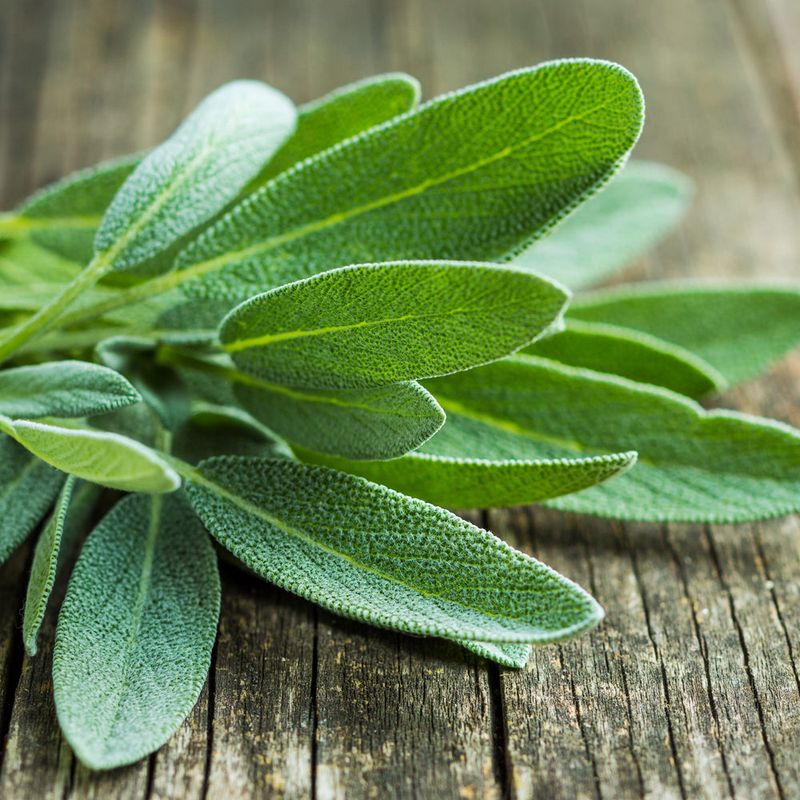
Sage stands as a testament to the beauty of resilience and adaptability. With its silvery leaves and pungent aroma, this herb finds its origins in the rocky soils of the Mediterranean.
Sage prefers poor soil conditions, where fertilizers might impede its growth, causing excessive foliage at the expense of flavor. This makes it a favorite among culinary enthusiasts who cherish its robust taste.
Historically, sage has been used in rituals for its purifying qualities. Embracing its natural growth pattern enhances not only its flavor but also its cultural significance.
3. Thyme
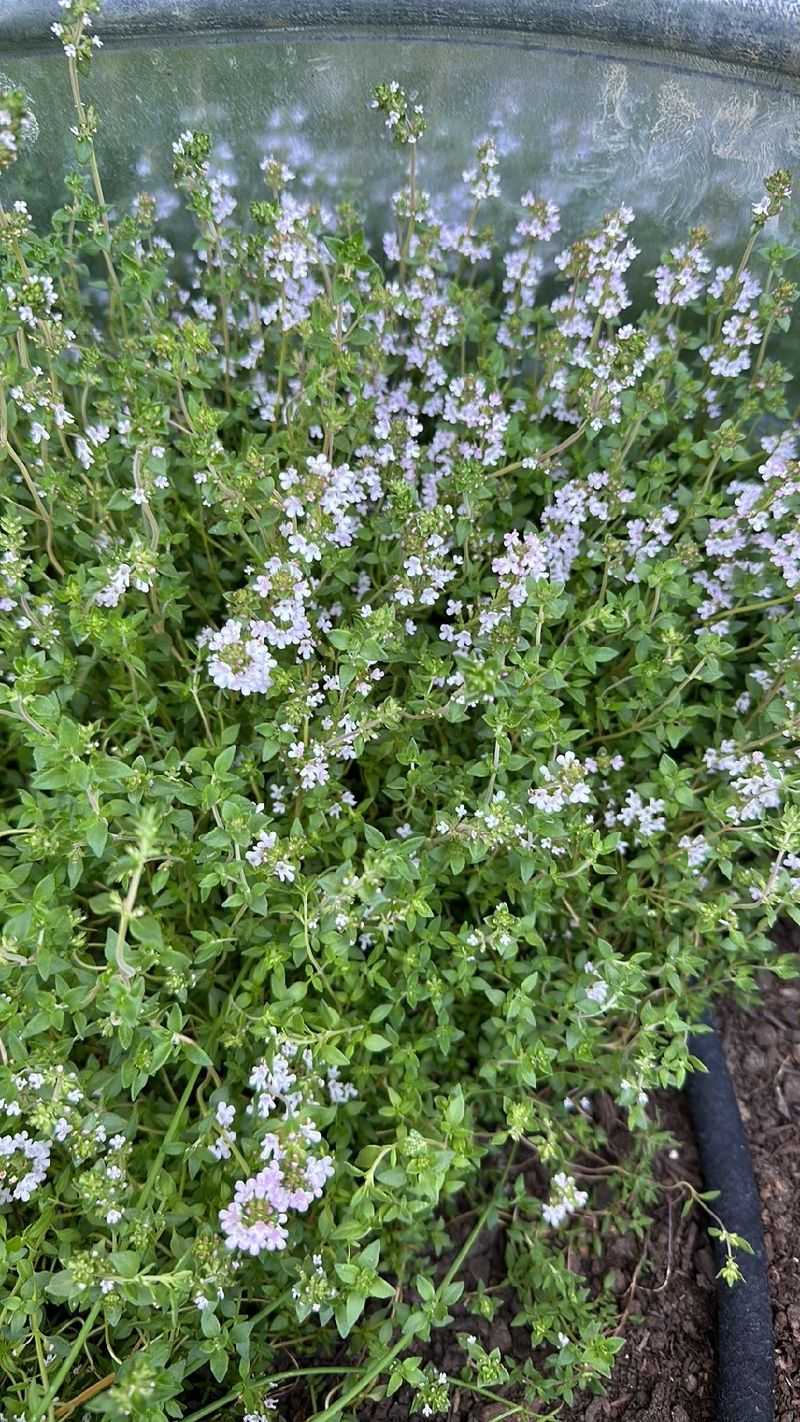
Thyme, a staple in many kitchens, tells a story of endurance and subtlety. Its small, aromatic leaves and delicate flowers thrive in rocky, unfertilized soils.
Thyme’s preference for such environments stems from its origins in the Mediterranean region, where it has thrived for centuries without human intervention. By leaving thyme unfertilized, its aromatic oils concentrate, enriching its culinary uses.
Beyond the kitchen, thyme symbolizes courage and admiration, having been used in ancient Greece as a symbol of bravery—a fitting trait for this resilient plant.
4. Rosemary
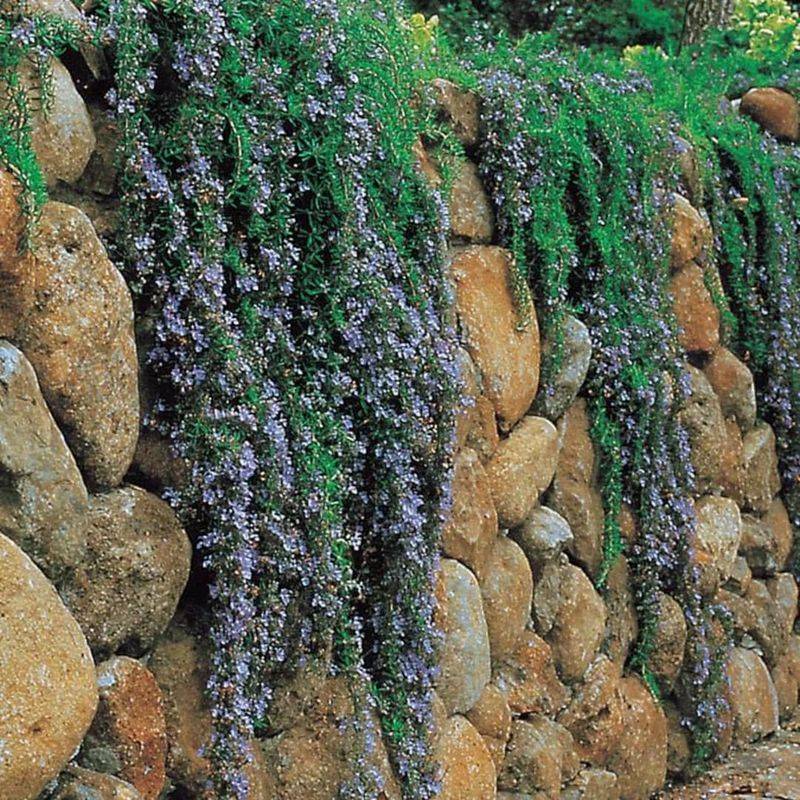
Rosemary stands as a tribute to culinary delight and historical intrigue. Its needle-like leaves and woody stems flourish in well-drained soil without the need for fertilizers.
The plant’s origins trace back to the rocky coasts of the Mediterranean, where it grew wild and unfettered. Rosemary’s rich essential oils are best developed in nutrient-poor soil, which enhances its flavor and aroma.
This aromatic herb has been associated with remembrance and fidelity, making it a cherished part of gardens worldwide, both for its beauty and its uses in cooking and medicine.
5. Oregano
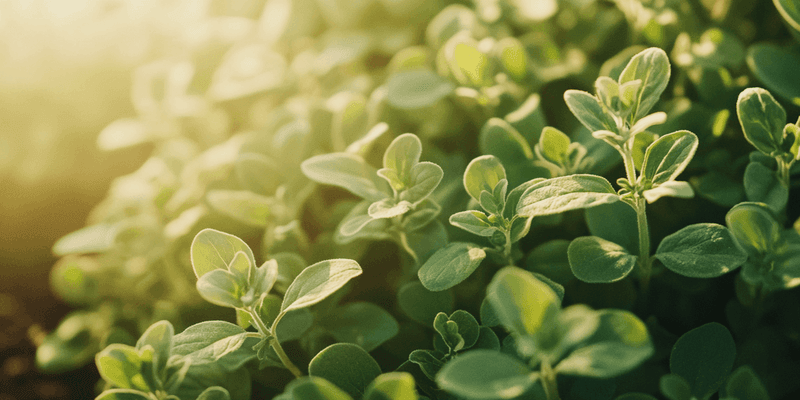
Oregano, revered for its robust flavor and health benefits, captivates gardeners with its hardiness. Originating from the arid mountains of Greece, it has adapted to thrive in less fertile soils.
When left unfertilized, oregano concentrates its essential oils, amplifying its pungent taste, beloved in Italian and Mediterranean cuisines. This resiliency aligns with its historical use as a symbol of joy and happiness in ancient Greece.
Cultivating oregano without fertilizers not only enhances its culinary appeal but also supports the natural ecosystem of your garden, attracting beneficial insects.
6. Mint
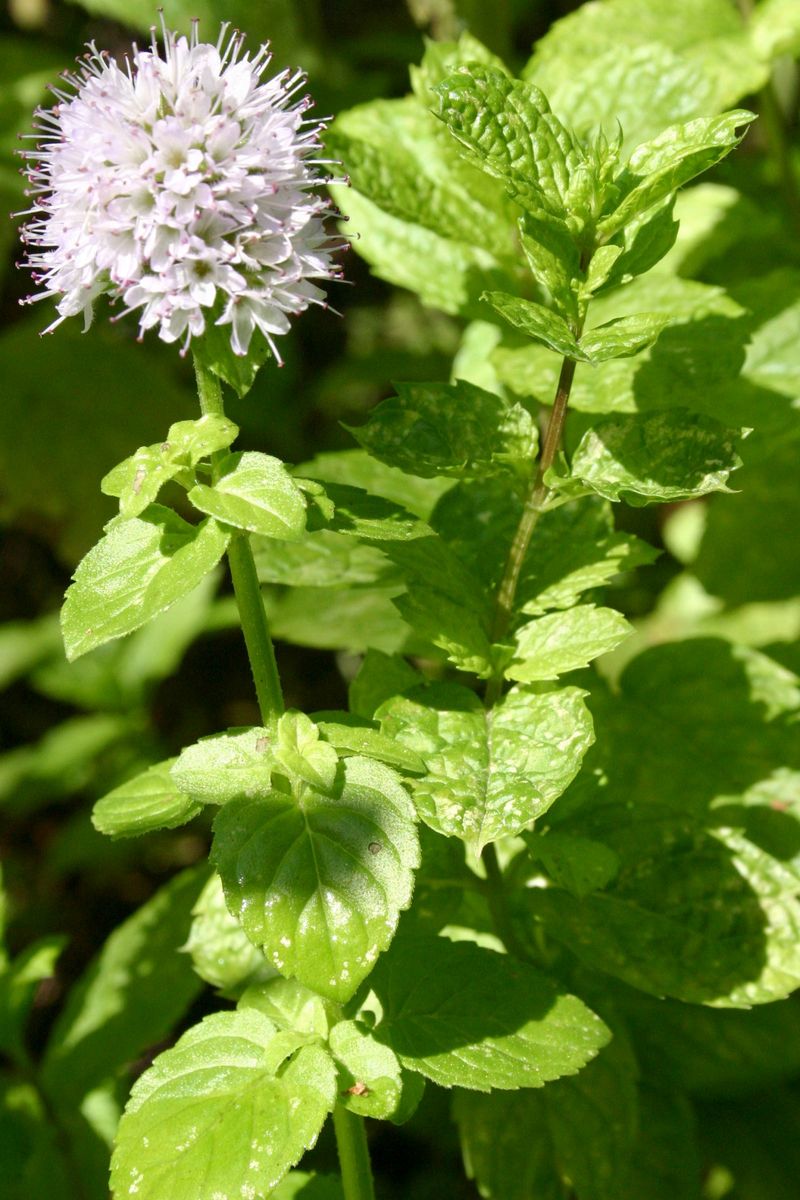
Mint, with its refreshing scent, is a garden’s invigorating breath. Known for its vigorous growth, mint thrives almost too well, often needing containment rather than fertilization.
Native to the moisture-rich regions of Europe, mint spreads rapidly, creating lush carpets of fragrant green without the need for fertilizers. Its fast growth is both a boon and a challenge, requiring gardeners to manage its spread.
Historically, mint has symbolized hospitality and vitality, flavoring everything from teas to salads, and its unrestrained nature echoes its robust, welcoming spirit.
7. Chives
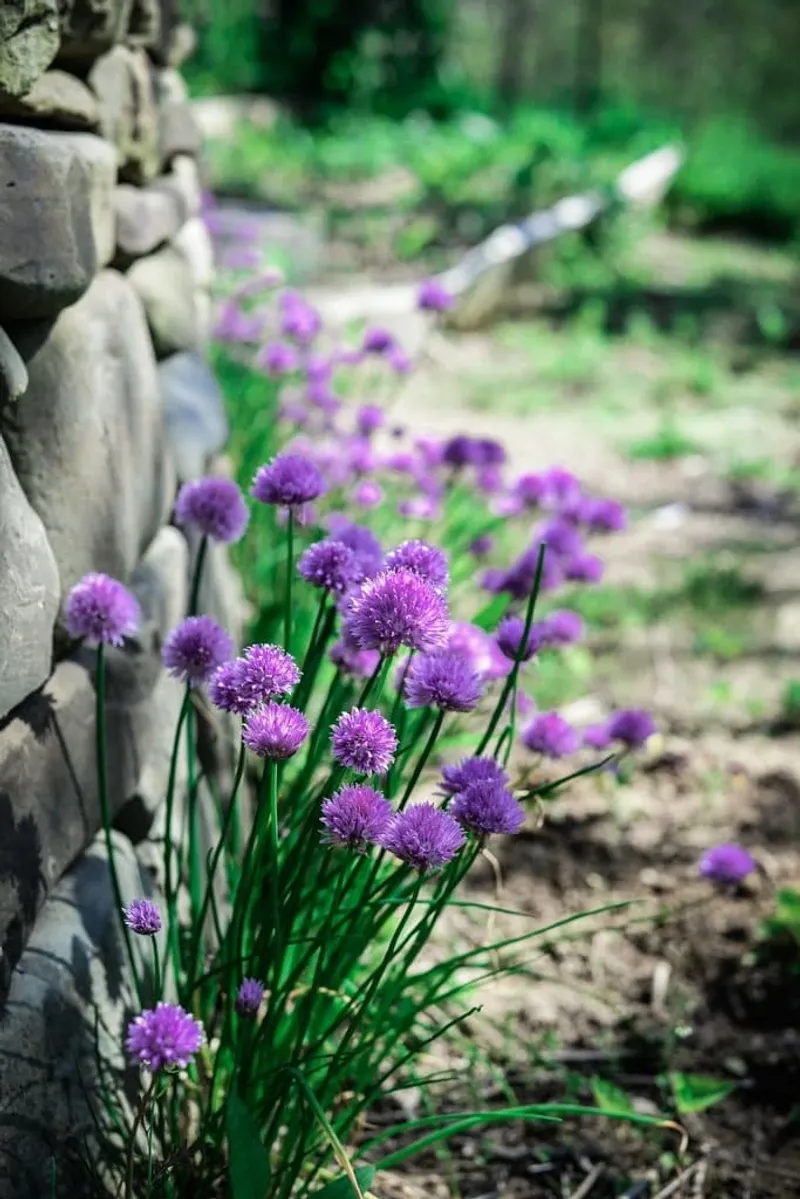
Chives bring a touch of elegance with their slender, grass-like foliage and delicate purple blossoms. This perennial herb thrives in nutrient-poor soils, making fertilizers unnecessary.
Chives’ hardy nature hails from their origins in the cool climates of Europe and Asia, where they grew wild in meadows. Gardeners appreciate chives not only for their culinary versatility but also for their ability to repel pests in vegetable gardens.
This natural resilience, combined with their mild onion flavor, makes chives a staple in sustainable gardening practices, celebrating simplicity and beauty.
8. Chamomile
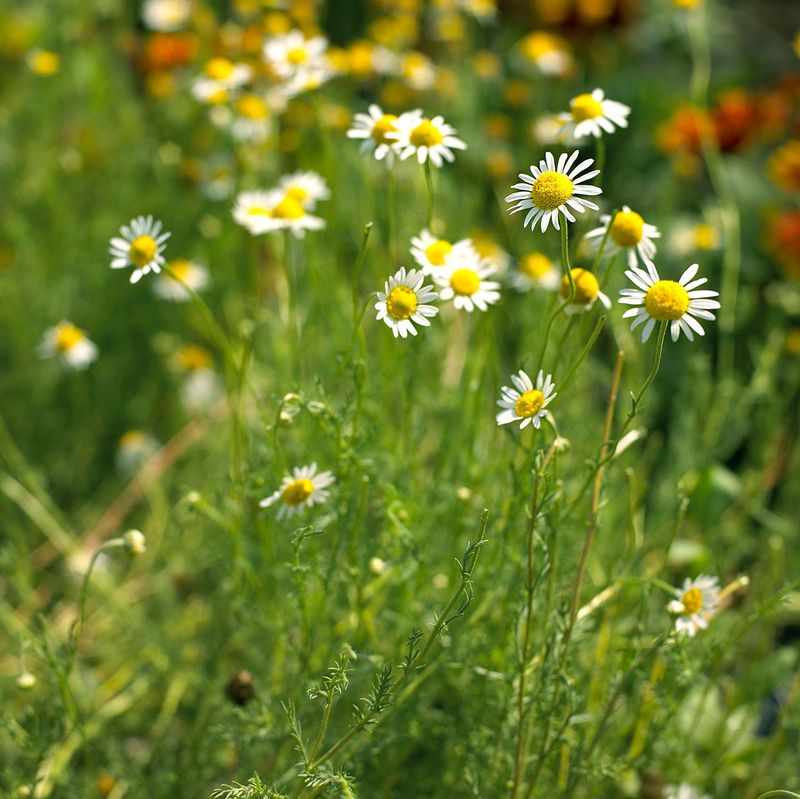
Chamomile, often associated with calm and relaxation, paints gardens with its daisy-like flowers. This plant has a storied past, having been used since ancient times to make soothing teas.
Chamomile thrives in poor, sandy soils, where fertilizers can actually hinder its delicate growth. Originating from Europe, it adapts easily to various climates, enhancing its accessibility to gardeners worldwide.
Its historical use in herbal medicine underscores its reputation as a gentle healer, with gardens gaining both beauty and utility without the need for chemical enhancements.
9. Nasturtium
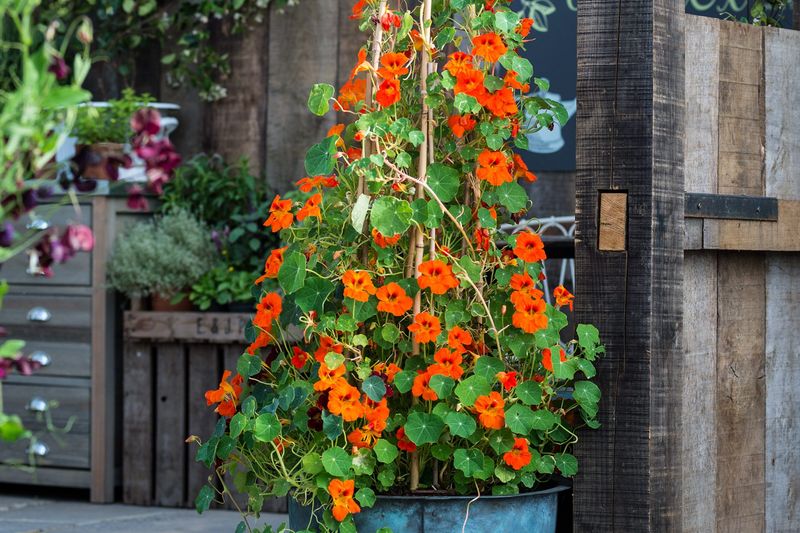
Nasturtiums add a splash of color and peppery zest to gardens, thriving in low-nutrient soils that would stifle other blooms. Originating from South America, they flourish best without fertilizers, which can result in more foliage than flowers.
Their bright blossoms not only attract pollinators but are also edible, adding a spicy note to salads and garnishes.
Historically, nasturtiums have been associated with conquest and victory, a testament to their bold colors and robust nature. They embody the triumph of natural beauty over synthetic enhancement in garden landscapes.
10. Sunflower
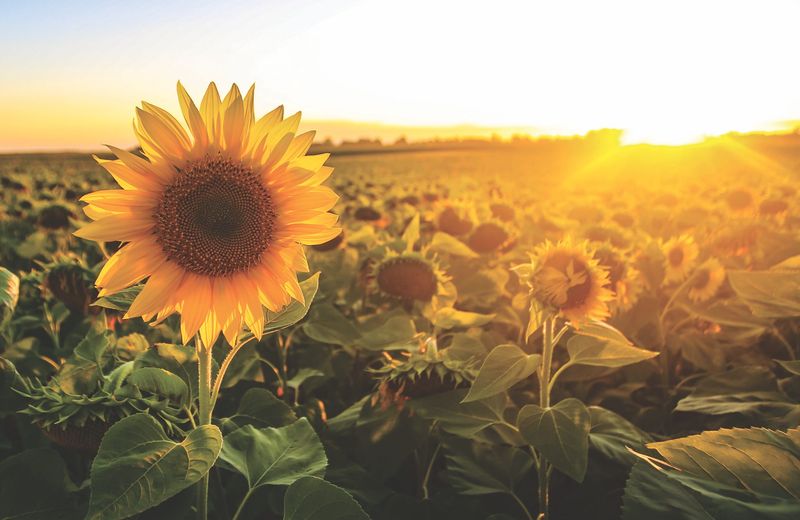
Sunflowers, the epitome of cheerfulness, stand tall in fields and gardens, symbolizing adoration and loyalty. Known for their robust nature, they thrive without fertilizers, drawing nutrients from deep within the soil.
Sunflowers follow the sun—a phenomenon called heliotropism—maximizing their photosynthesis and growth. Their seeds provide a bounty of food for birds and humans alike, showcasing nature’s generosity.
Originating from North America, sunflowers have earned their place in history as a symbol of optimism and energy, their towering presence offering both beauty and utility to gardeners.
11. Marigold
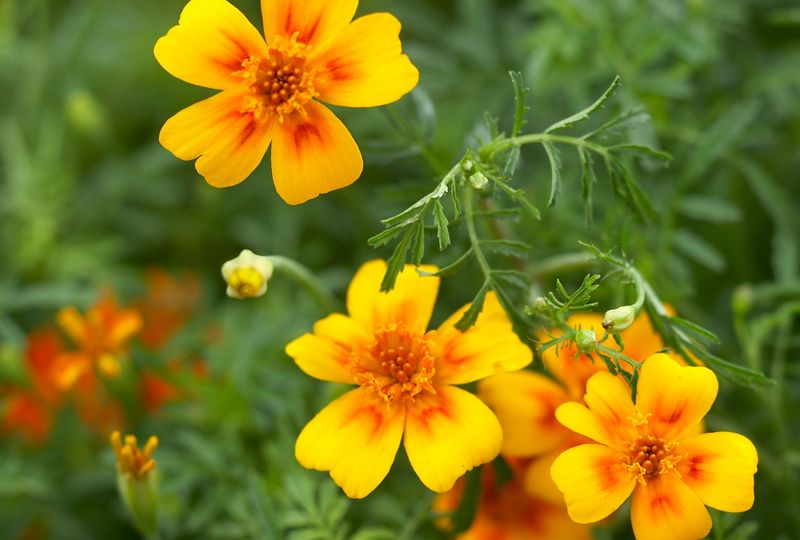
Marigolds, with their sunny hues and distinctive aroma, are a favorite among gardeners for more than just their beauty. These flowers thrive in nutrient-poor soils, where fertilizers can lead to excessive leaf growth at the cost of blooms.
Originating from Mexico, marigolds have been used in traditional medicine and rituals, symbolizing passion and creativity. Their natural pest-repelling properties make them a valuable companion in vegetable gardens, promoting healthier plants overall.
By letting marigolds grow in their preferred conditions, gardeners can enjoy a natural burst of color and ecological balance.
12. Zinnia
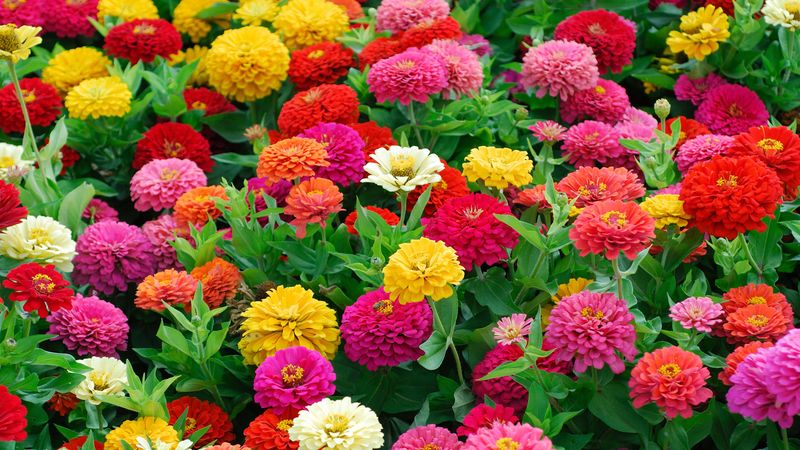
Zinnias bring vibrant color and robust charm to any garden. These flowers thrive in hot, sunny conditions and poor soils, where fertilizers might lead to fewer blooms.
Native to Mexico and the southwestern United States, zinnias are known for their resistance to heat and drought. This makes them ideal for sustainable gardening practices.
Their bold colors and varied shapes attract pollinators like butterflies, adding life and movement to gardens. Historically, zinnias have symbolized lasting affection and endurance, making them a beloved choice for gardeners seeking beauty with minimal intervention.
13. Alyssum
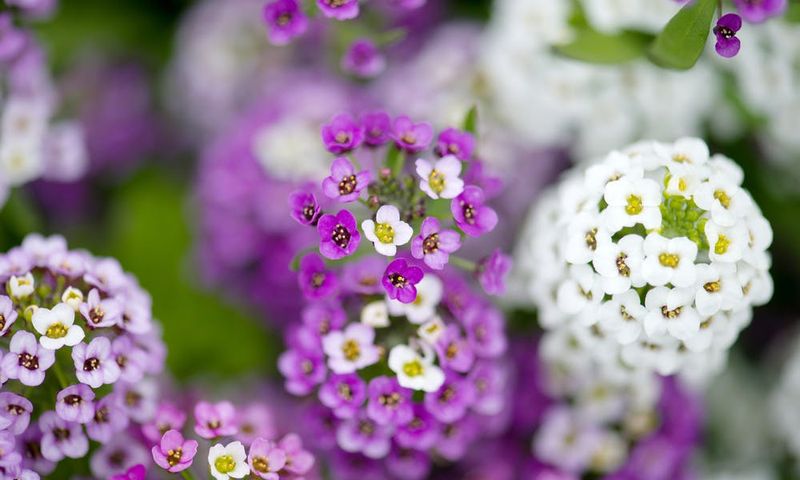
Alyssum, with its delicate clusters of tiny flowers, offers a touch of romance to garden borders and beds. Known for its sweet fragrance, this plant thrives in poor soil conditions, where fertilizers might interrupt its natural blooming cycle.
Originating from the Mediterranean region, alyssum prefers well-drained soils and sunny positions, where it blooms prolifically without human intervention.
Its ability to attract beneficial insects like hoverflies makes it an excellent companion plant. Historically, alyssum has been used to symbolize worth beyond beauty, a fitting tribute to its understated elegance and utility.
14. Bee Balm
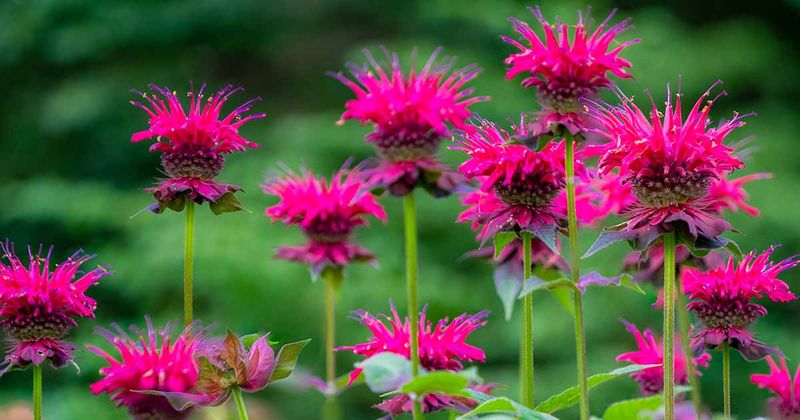
Bee balm, with its striking flowers and aromatic foliage, is a gardener’s delight. Flourishing in poor, well-drained soils, this plant’s vibrant blooms attract a myriad of pollinators, especially bees.
Native to North America, bee balm has a rich history in traditional medicine among indigenous peoples, used for both culinary and healing purposes. Its natural resistance to pests and diseases makes fertilizers unnecessary, aligning with sustainable gardening practices.
The plant’s showy flowers and herbal uses underscore its role as both a visual and practical addition to any garden landscape.
15. Echinacea
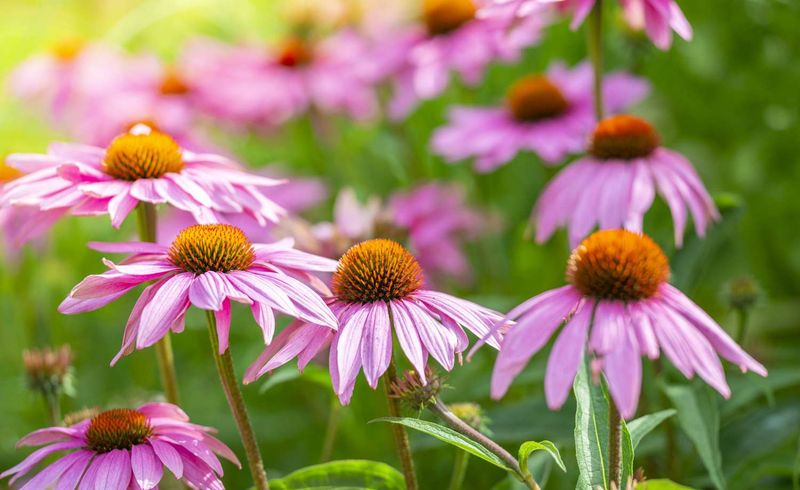
Echinacea, commonly known as coneflower, stands tall with its distinctive blossoms, a favorite in perennial gardens. Thriving in well-drained, unfertilized soils, echinacea is a testament to nature’s resilience.
Native to the North American prairies, it has been used for centuries in herbal remedies, known for its immune-boosting properties. The lack of fertilizers enhances its natural oils, making it even more potent.
Its striking appearance and medicinal uses make echinacea a cherished plant, embodying both beauty and benefit, while attracting beneficial insects to the garden.
16. Black-eyed Susan
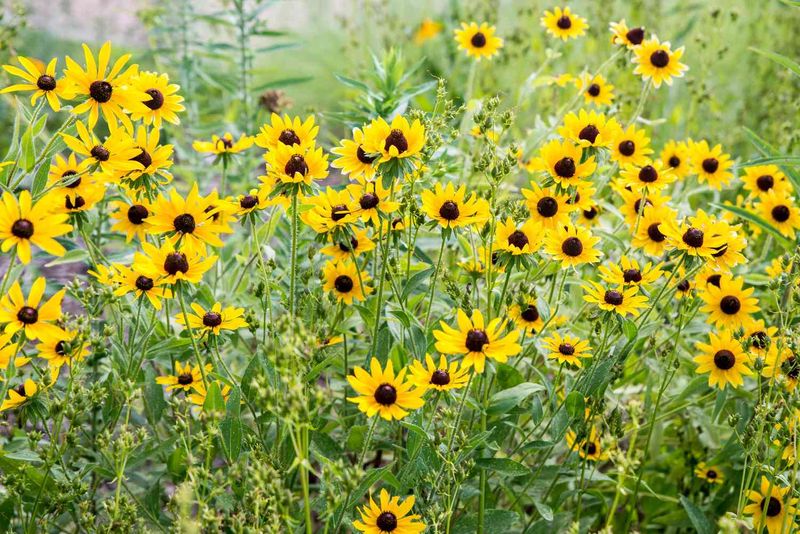
Black-eyed Susans, with their cheerful yellow petals and dark centers, are a classic choice for vibrant garden displays. These hardy perennials thrive in poor soil conditions, where fertilizers are unnecessary.
Native to North America, they have been a symbol of encouragement and motivation, often seen swaying in the summer breeze. The absence of fertilizers allows them to grow naturally, fostering a healthy garden ecosystem and attracting pollinators.
Their resilience and bright blooms make black-eyed Susans a beloved choice for gardeners seeking low-maintenance beauty and ecological harmony.
17. Coreopsis
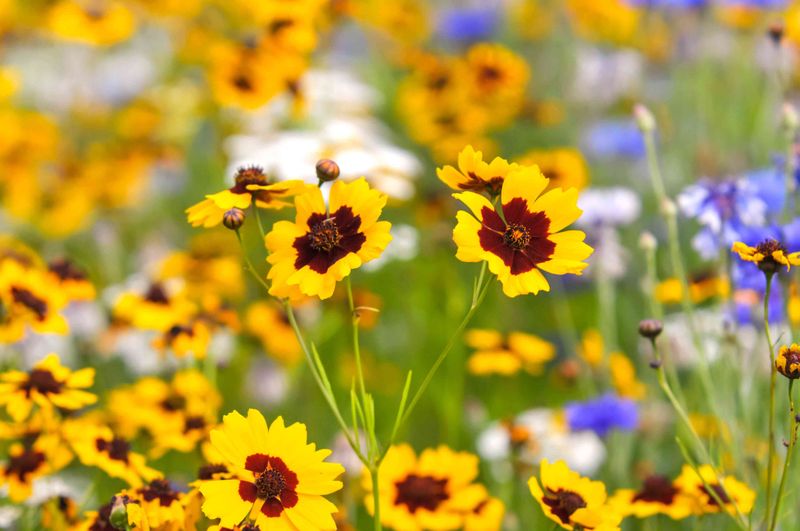
Coreopsis, often referred to as tickseed, brightens gardens with its sunny blooms and easy care. This plant thrives in poor, sandy soils, where fertilizers are unnecessary and even detrimental.
Originating from North America, coreopsis is beloved for its long blooming period and minimal care requirements. Its bright flowers attract a wide range of pollinators, supporting garden biodiversity.
Known historically for its use in creating dyes and teas, coreopsis embodies simplicity and beauty. Its ability to flourish without fertilizers underscores its role in sustainable gardening practices, offering an effortless splash of color.
18. Gaillardia
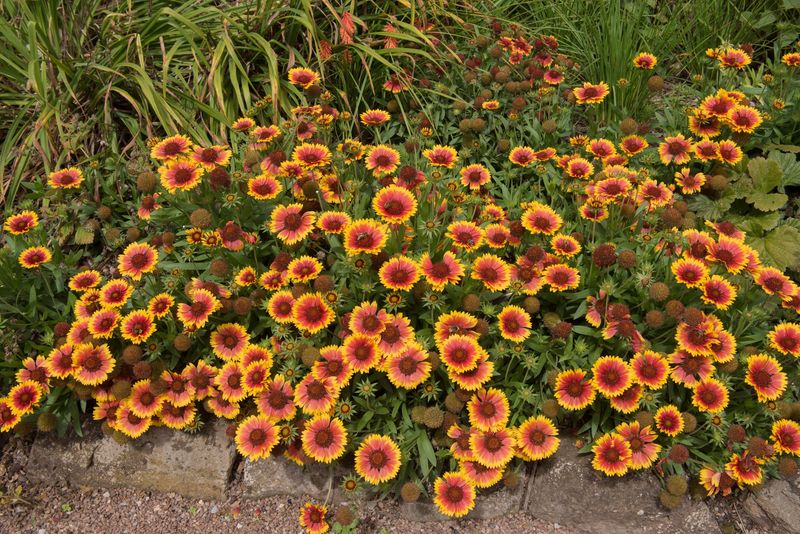
Gaillardia, or blanket flower, dazzles with its fiery red and yellow blooms, reminiscent of a warm sunset. This hardy perennial thrives in poor, well-drained soils, making fertilizers unnecessary.
Native to North America, gaillardia is a testament to resilience, withstanding drought and heat with ease. Its vibrant flowers attract a variety of pollinators, adding life to any garden.
The plant’s common name, blanket flower, reflects its ability to cover ground quickly, offering a natural tapestry of color. Its carefree nature and striking appearance make it a favorite among gardeners who value beauty and simplicity.
19. Sedum
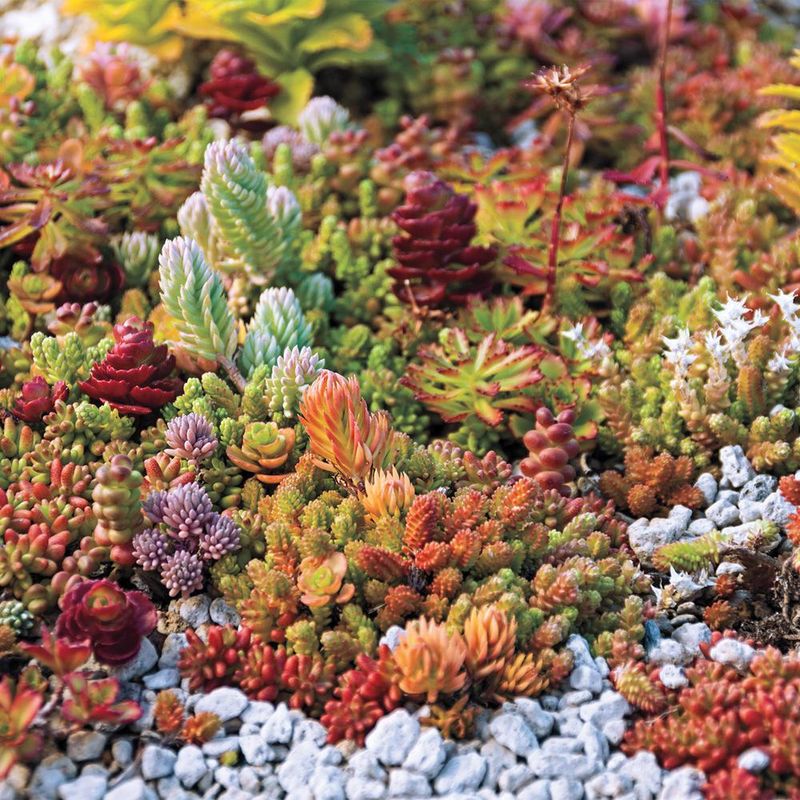
Sedum, with its fleshy leaves and star-shaped flowers, is a staple in rock gardens and dry landscapes. This succulent thrives in well-drained, nutrient-poor soils, where fertilizers can cause harm.
Native to the mountainous regions of Europe and Asia, sedum is known for its drought tolerance and ability to store water in its leaves. Its varied colors and textures add visual interest to gardens, while providing habitat for beneficial insects.
Historically used for medicinal purposes, sedum embodies resilience and adaptability, offering a low-maintenance option for gardeners seeking sustainable beauty.
20. Lantana
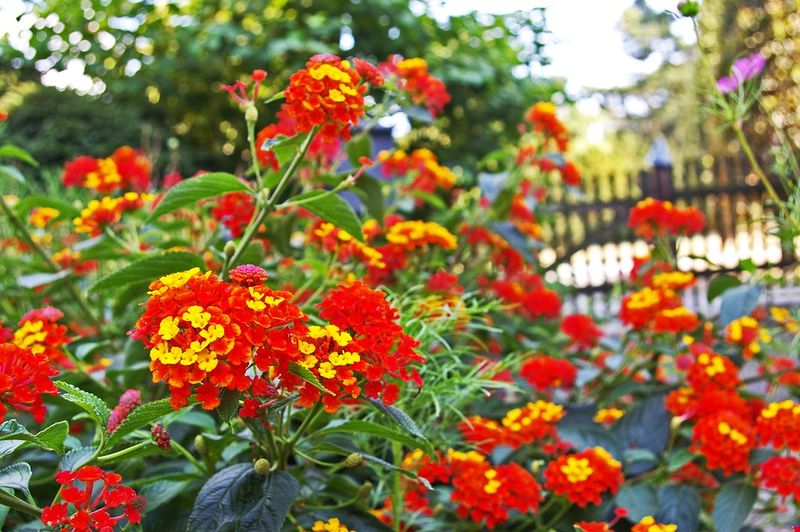
Lantana, with its bright, multi-colored flowers, adds a tropical flair to gardens. Known for its hardiness, lantana thrives in poor soils, where fertilizers might inhibit its natural vibrancy.
This plant, native to the American tropics, is favored for its ability to attract butterflies and hummingbirds, creating a lively garden environment. Its persistent bloom and low water needs make it ideal for xeriscaping.
Lantana’s vibrant colors and ecological benefits highlight its role as a dynamic addition to sustainable gardens, offering both aesthetic appeal and environmental value.
21. Yarrow
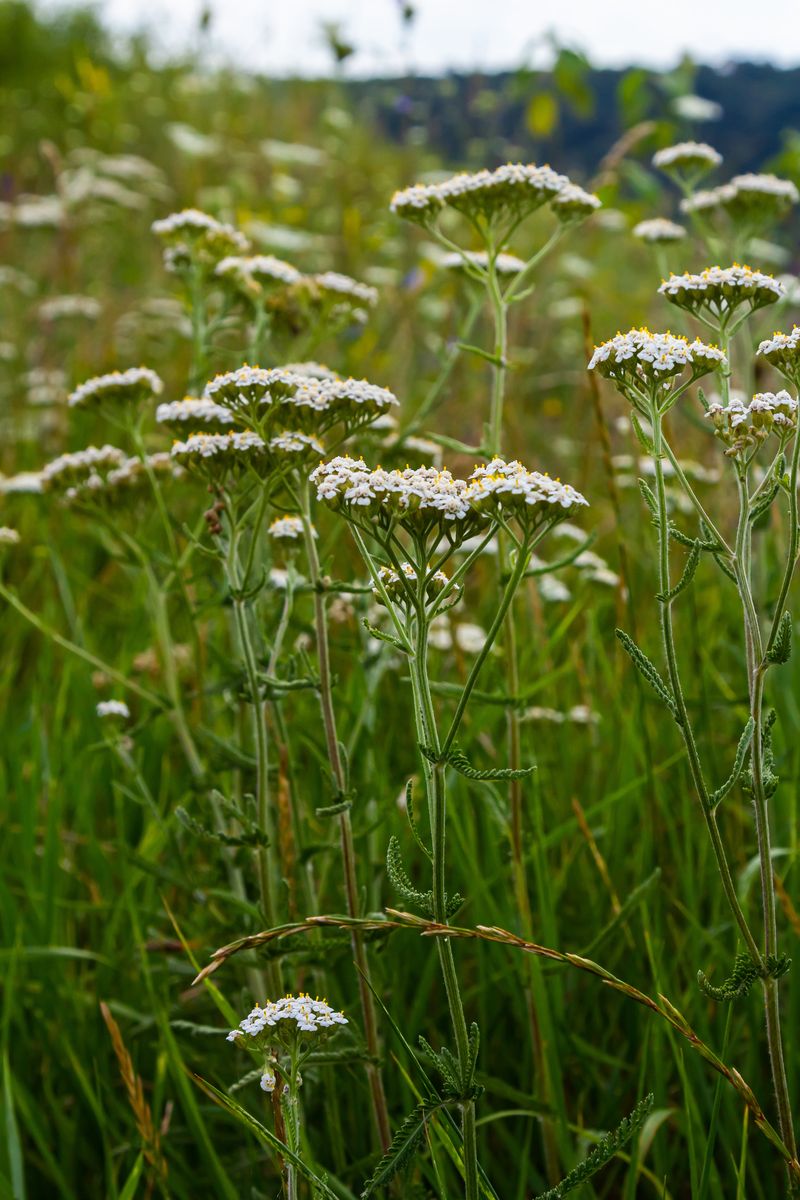
Yarrow, with its feathery foliage and flat-topped flower clusters, is a versatile plant for gardens aiming to blend beauty with utility. Thriving in dry, poor soils, yarrow’s resilience means fertilizers are unnecessary.
Native to temperate regions across the world, yarrow is known for its medicinal properties, particularly in wound healing. This hardy perennial is also valued for its ability to attract beneficial insects and improve soil quality.
Its historical use in herbal medicine underscores its reputation as a healer, making yarrow a cherished choice for those embracing natural gardening techniques.
22. Russian Sage
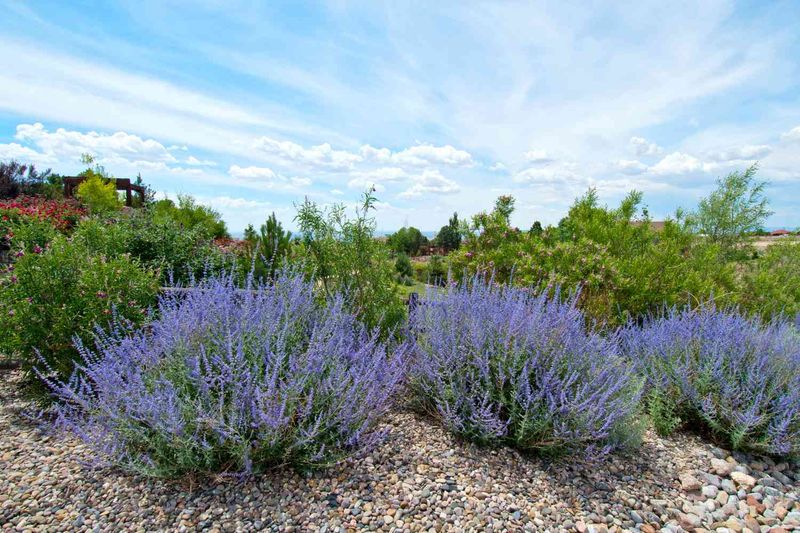
Russian sage captivates with its silvery leaves and lavender-blue flowers, offering a striking visual contrast in any garden. This perennial thrives in hot, dry conditions and poor soils, where fertilizers are unnecessary.
Native to Central Asia and the Himalayas, Russian sage is admired for its drought resistance and minimal care requirements. Its aromatic leaves deter pests, while attracting pollinators like bees and butterflies.
Known for its ability to thrive in challenging environments, Russian sage symbolizes strength and perseverance, making it a popular choice for sustainable garden designs.
23. Salvia
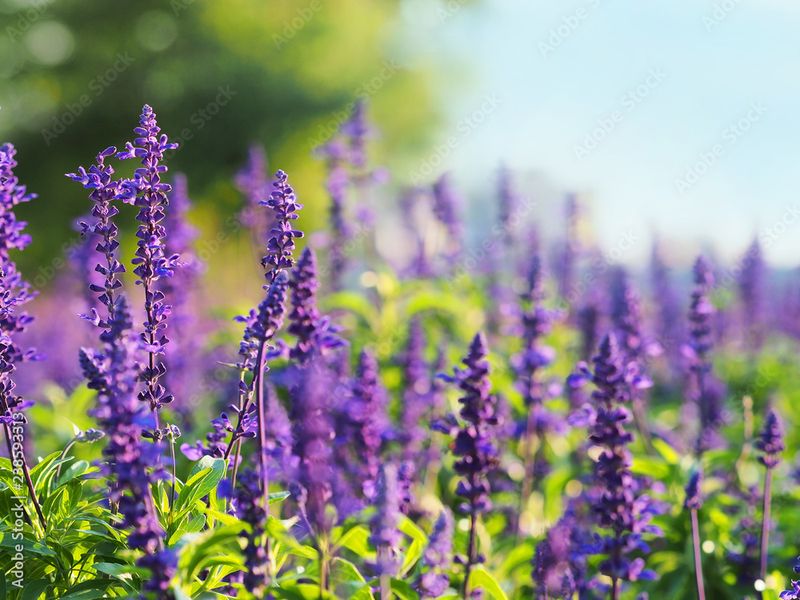
Salvia, with its bold spikes of blue and purple flowers, brings a touch of drama to gardens. Preferring dry, well-drained soil, salvia thrives without the need for fertilizers, which can dilute its vibrant colors.
This plant’s origins can be traced back to the Mediterranean, where it has historically been used for culinary and medicinal purposes. Salvia’s ability to attract pollinators while resisting pests makes it invaluable in sustainable gardens.
The plant’s vibrant blooms and robust nature make it a symbol of wisdom and longevity, offering both beauty and practicality to gardeners.