 Complete Gardening
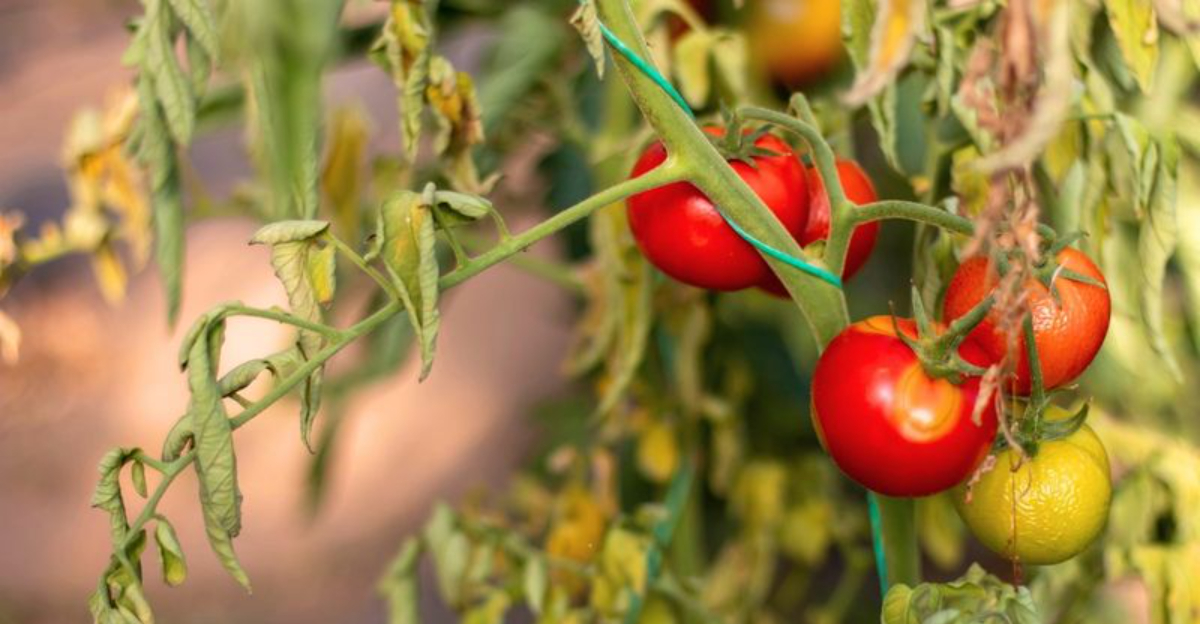
Texas summers can turn your beautiful tomato garden into a disaster zone. When temperatures soar above 90°F during the day and stay hot at night, your tomato plants start acting strange. They drop their flowers, develop weird spots, and refuse to ripen properly.
1. Blossom Drop Ruins Your Harvest Dreams
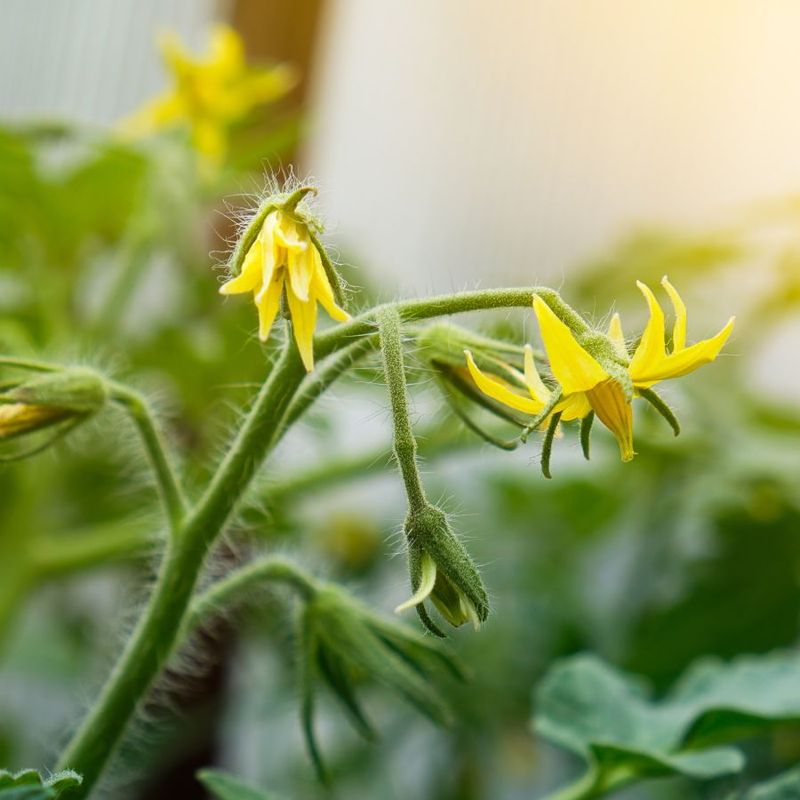
Picture this: your tomato plants look healthy and strong, covered in beautiful yellow flowers. Then suddenly, those flowers start falling off like confetti in the wind.
High temperatures above 90°F cause tomato plants to drop their blossoms before they can turn into fruit. The plant basically panics and decides it can’t handle making babies in such harsh conditions.
Without flowers, you get zero tomatoes. This frustrating problem happens when nighttime temperatures stay above 70°F for too long, preventing the plant from recovering from daily heat stress.
2. Sunscald Turns Perfect Tomatoes into Leather
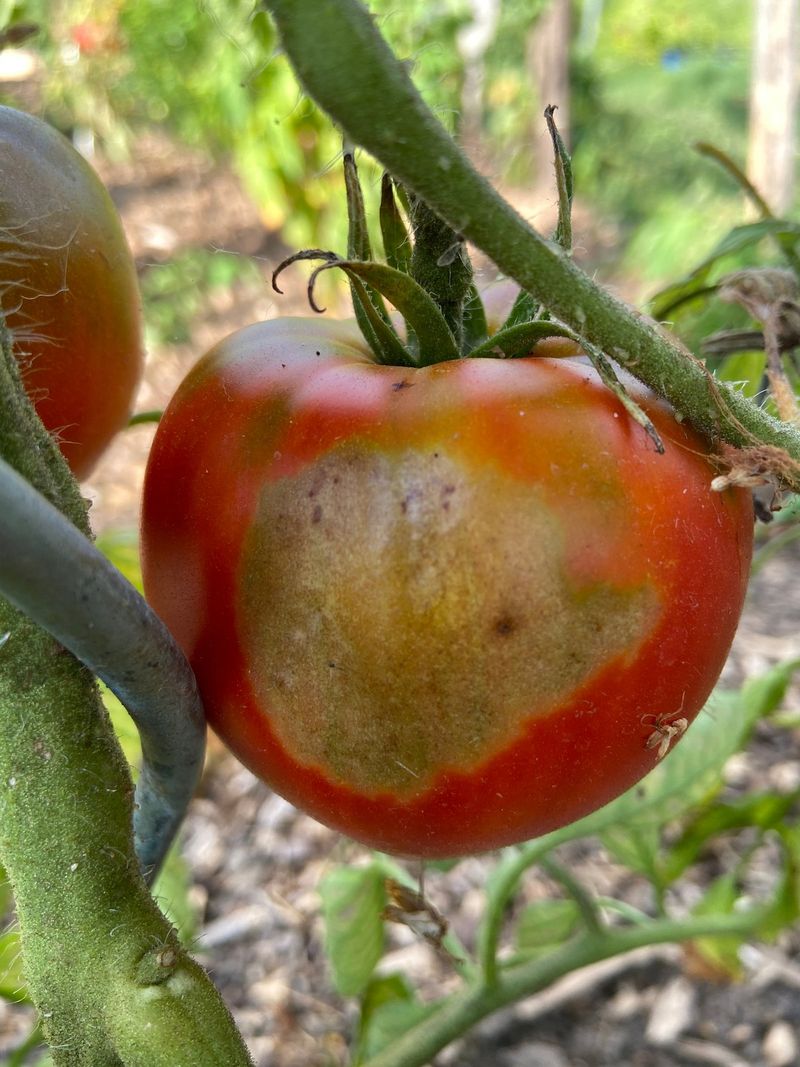
Imagine biting into what looks like a perfect red tomato, only to find tough, leathery patches that taste like cardboard. That’s sunscald, and it’s every Texas gardener’s nightmare.
Direct sunlight combined with intense heat literally cooks the skin of your tomatoes while they’re still growing. These damaged areas turn white or gray and feel like tough leather.
Once sunscald hits, those tomatoes become completely inedible and worthless. The damage usually appears on the side of the fruit that faces the afternoon sun during the hottest part of the day.
3. Delayed Ripening Creates Rainbow Tomatoes
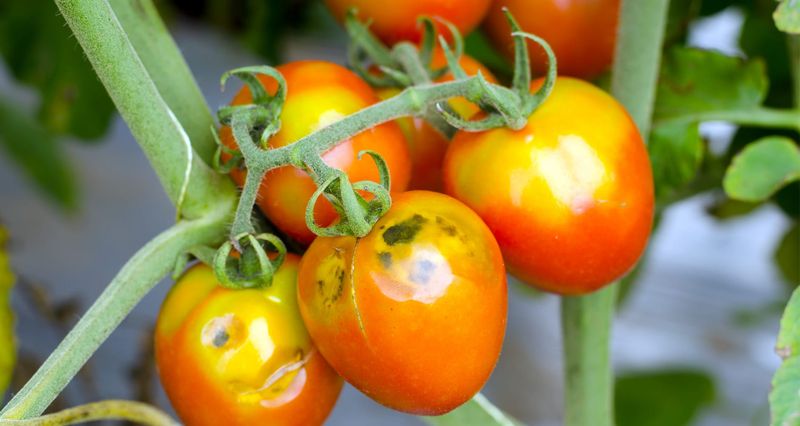
Ever seen a tomato that’s red on the bottom but stubbornly green or yellow on top? Welcome to the weird world of heat-stressed ripening!
Extended periods of extreme heat mess up the natural ripening process in tomatoes. The fruit develops unevenly, creating a strange rainbow effect called “yellow shouldering.”
These partially ripe tomatoes never develop their full flavor and often taste bland or bitter. The green parts stay hard while the red sections become overripe, making the entire fruit disappointing to eat and difficult to use in cooking.
4. Wilting Leaves Signal Plant Panic Mode
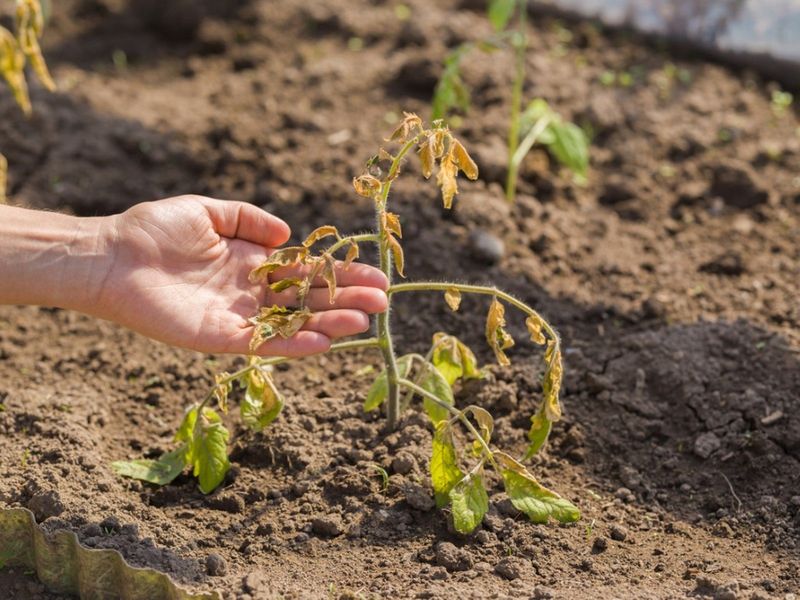
When tomato plants start looking like they’re melting in the afternoon sun, they’re basically waving a white flag of surrender.
Excessive heat causes tomato leaves to wilt dramatically, even when the soil has plenty of moisture. The plant can’t move water fast enough to keep up with the intense evaporation.
This constant wilting weakens the entire plant and reduces its ability to photosynthesize properly. Eventually, the stressed plant becomes more susceptible to diseases and produces fewer, smaller tomatoes that lack the robust flavor you’re hoping for.
5. Root System Struggles in Scorching Soil
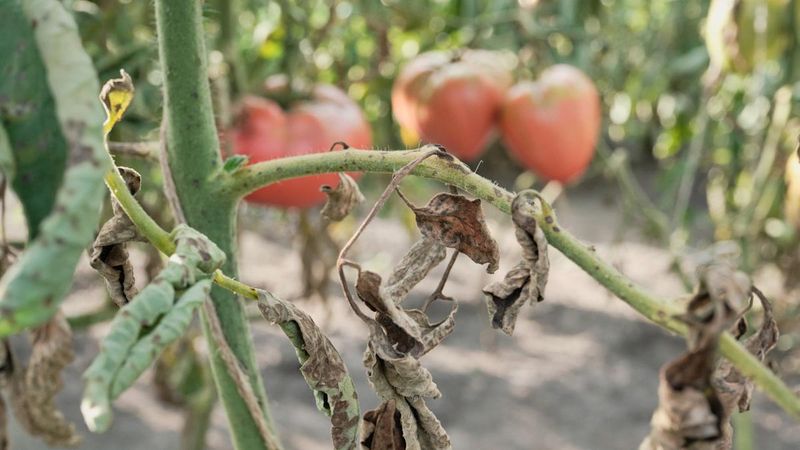
Underground, your tomato roots are literally cooking in soil that feels like a hot oven. When soil temperatures exceed 85°F, roots start shutting down their normal functions.
Hot soil prevents roots from absorbing nutrients and water efficiently. The root system becomes stressed and may even start dying back from the extreme temperatures.
Without healthy roots, even the most beautiful tomato plant above ground will struggle to survive. The entire plant becomes stunted, produces fewer fruits, and may eventually die if the root system sustains too much heat damage over time.
6. Photosynthesis Shuts Down During Heat Waves
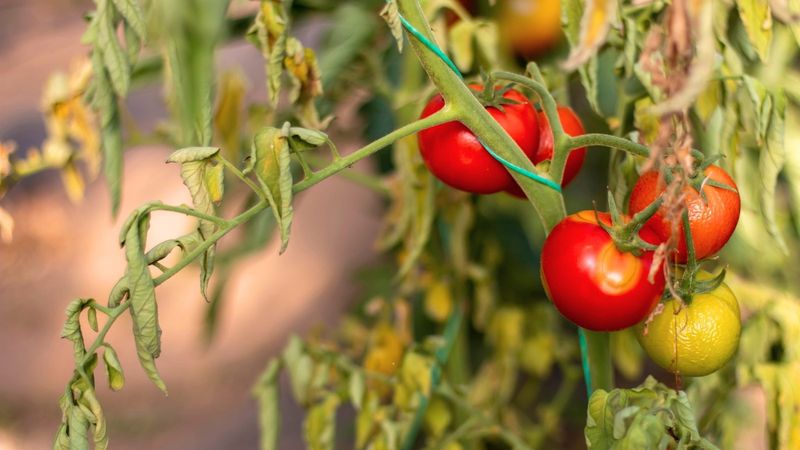
Just like humans slow down in extreme heat, tomato plants basically stop working when temperatures get too crazy. Their food-making process goes on vacation at the worst possible time.
High temperatures interfere with photosynthesis, the process plants use to make their own food. When it’s too hot, the plant closes its leaf pores to prevent water loss.
Closed pores mean no carbon dioxide can enter, so photosynthesis stops completely. Without this essential process, the plant can’t produce energy to grow, flower, or develop fruit, leading to overall poor performance and disappointing harvests.
7. Shade Cloth Magic Saves Your Tomato Crop
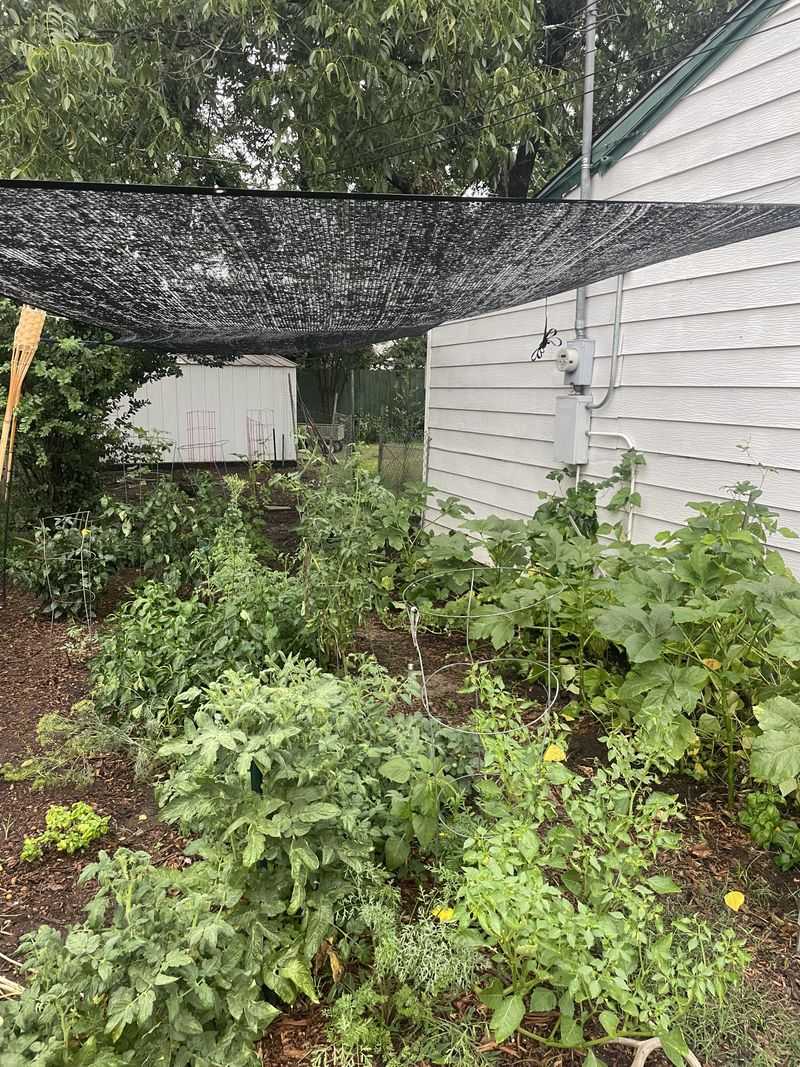
Here’s the game-changing hack that turns tomato failures into success stories: strategic shade cloth installation during peak heat hours.
Installing 30-50% shade cloth over your tomato plants from 10 AM to 2 PM protects them from the most brutal sun while still allowing essential morning and evening light.
This simple solution prevents blossom drop, reduces sunscald, and keeps soil temperatures manageable. Combined with deep watering and mulching, shade cloth can transform your struggling plants into productive, healthy tomato producers even during Texas’s most challenging summer months.