 Complete Gardening
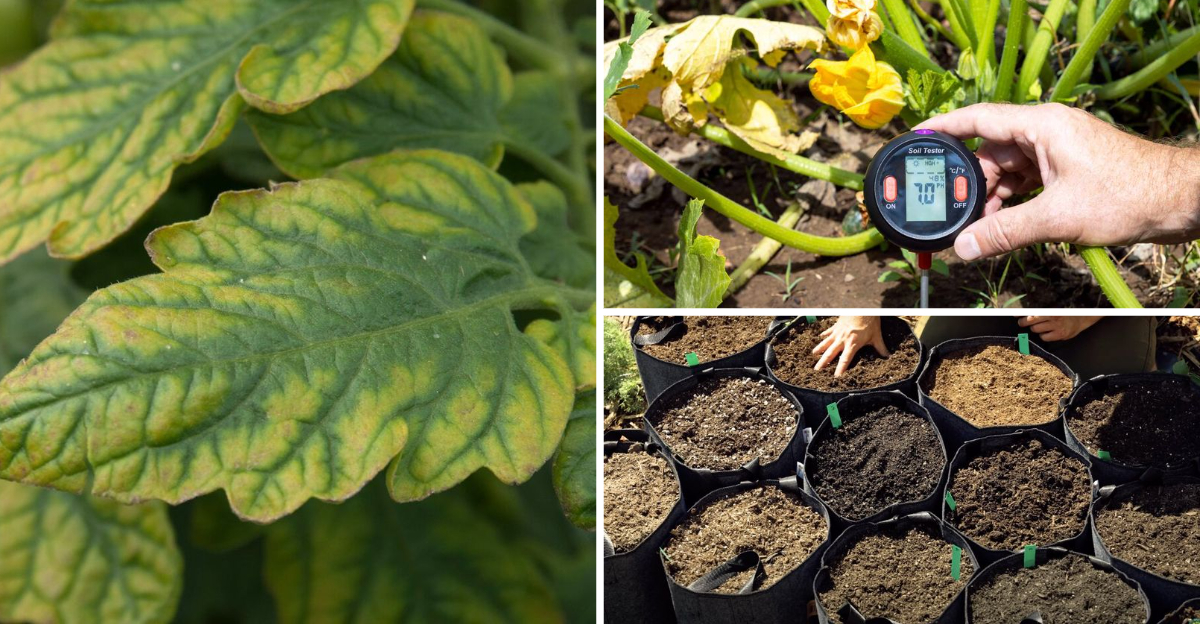
Are you puzzled by the sight of wilted plants despite your diligent watering routine? You’re not alone. Many plant enthusiasts face this frustrating challenge. Let’s explore five common reasons why your plants might be wilting even when you think they’re well-watered.
Overwatering
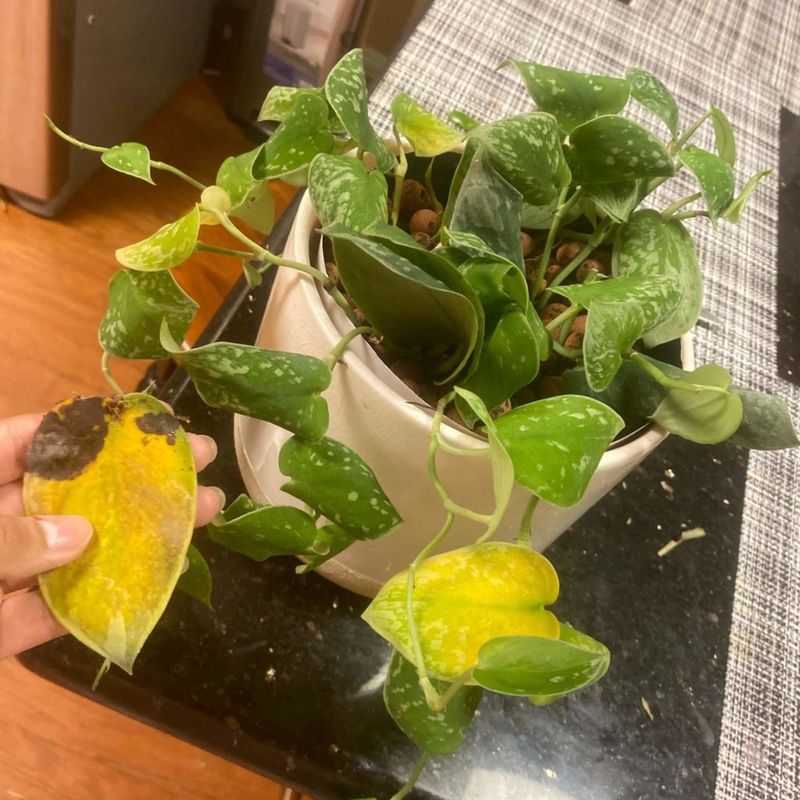
Overwatering is like loving your plants too much. In the quest to keep them hydrated, you might drown them instead. Waterlogged soil suffocates roots, depriving them of oxygen. This causes leaves to droop and turn yellow.
Imagine wearing a raincoat on a sunny day; it’s suffocating. Plants feel the same when roots are submerged constantly. Ensure proper drainage by using pots with holes and checking soil before watering.
As a fun fact, did you know most houseplants prefer drying out between waterings? Next time, let your plant breathe a little.
Poor Drainage
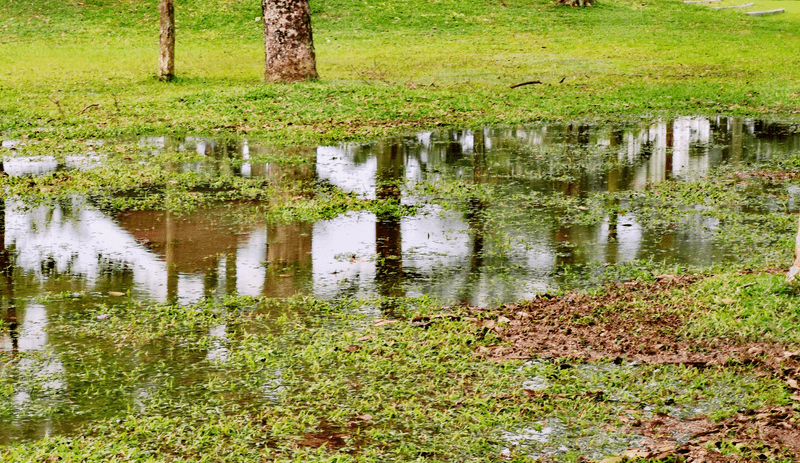
Poor drainage can turn your garden into a swamp. Clay-heavy or compacted soil traps water, leading to root rot. Plants, like us, need breathing space, and soggy soil suffocates.
Consider this: walking in wet shoes all day is uncomfortable. Similarly, plants suffer when drainage is inadequate. Improve soil structure with organic material like compost or use raised beds.
Here’s a quirky fact: adding earthworms to your garden can enhance soil aeration. These natural tillers help keep the soil loose and airy, benefiting your plants.
Underwatering
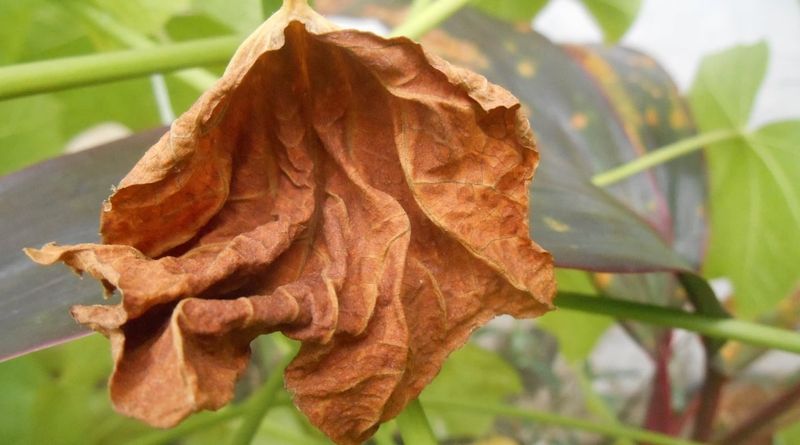
Underwatering is a silent thief, stealing vitality from your plants. When soil dries out completely, roots struggle to absorb moisture. Leaves become crispy, and stems droop.
Consider the scene: a thirsty traveler crossing a desert. That’s how your plant feels when neglected. Check soil moisture regularly and water thoroughly when needed.
Did you know that some plants, like succulents, can store water in their leaves? However, most need consistent hydration to thrive. Keep a close watch on your plant’s thirst.
Improper Light Conditions
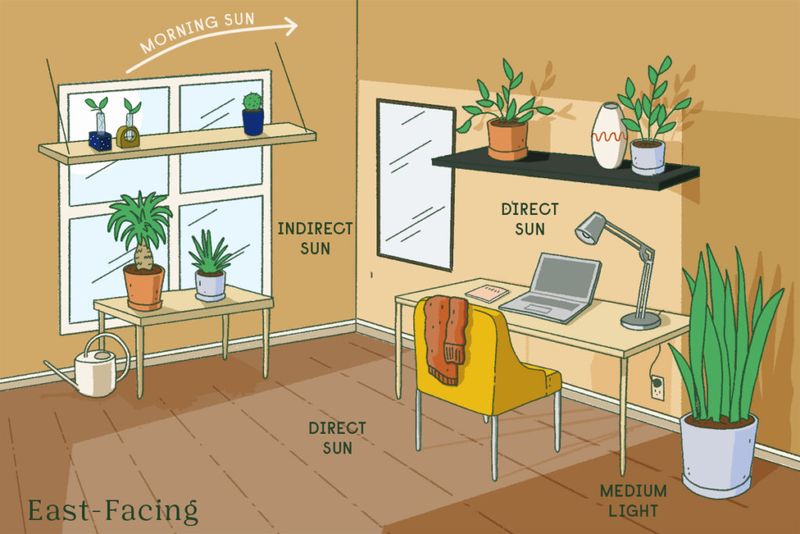
Light is a plant’s lifeline. Without sufficient sunlight, photosynthesis falters. Leaves lose color, and stems weaken. Imagine living in perpetual twilight; it’s disorienting.
For plants, light direction and intensity matter. Ensure they bask in appropriate sunlight for their species. Move them closer to windows or use grow lights as needed.
Here’s an intriguing tidbit: some plants, like the snake plant, can survive in low light, while others crave bright, direct rays. Identify your plant’s light needs for optimal health.
Pests and Diseases
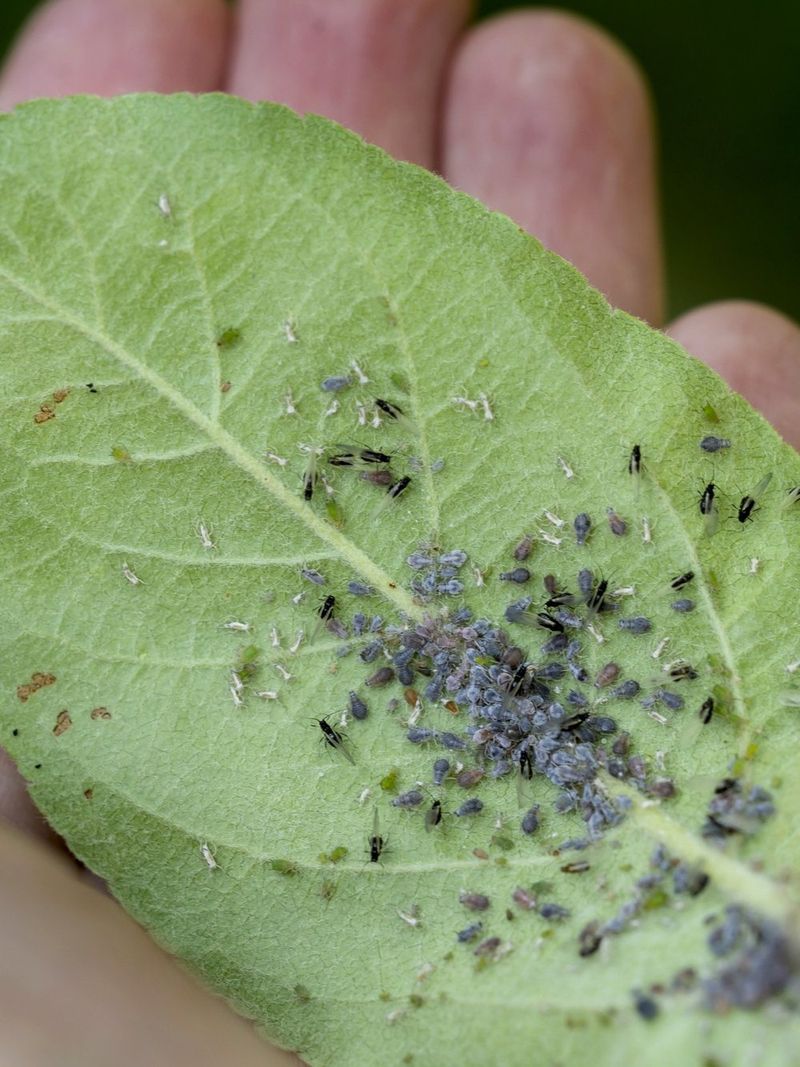
Unwanted guests, like pests and diseases, can sap a plant’s strength. Aphids, spider mites, or fungal infections attack leaves and stems, causing wilting.
Picture this: uninvited house guests overstaying their welcome. That’s how plants feel under infestation. Regularly inspect leaves for signs of trouble and treat promptly with natural remedies or pesticides.
Did you know? Ladybugs are nature’s pest control agents, devouring aphids effectively. Encourage these beneficial insects in your garden to keep it flourishing.
Nutrient Deficiency
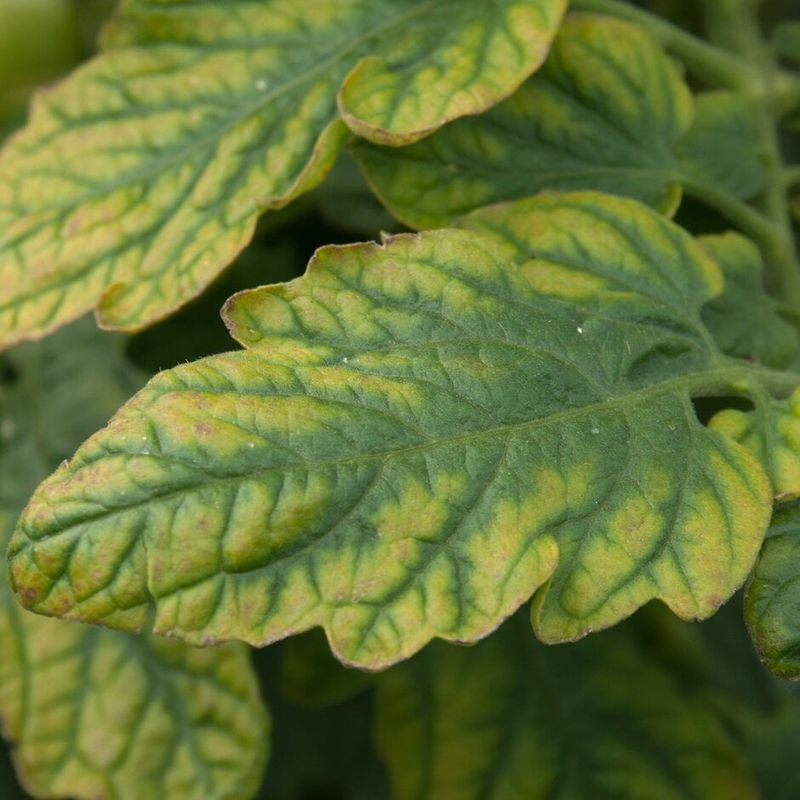
Ever wondered why your plant’s leaves are yellowing despite regular watering? The issue might be nutrient deficiency. Plants need essential nutrients like nitrogen, phosphorus, and potassium to thrive. Without these, they can’t perform photosynthesis efficiently.
Imagine a human body deprived of vital vitamins; the energy levels drop, and so do overall health. Similarly, lacking nutrients, plants struggle to maintain their vigor. To combat this, consider using a balanced fertilizer specifically tailored to your plant’s needs.
A regular check on soil nutrients can ensure your plants receive the nourishment they require.
Temperature Stress
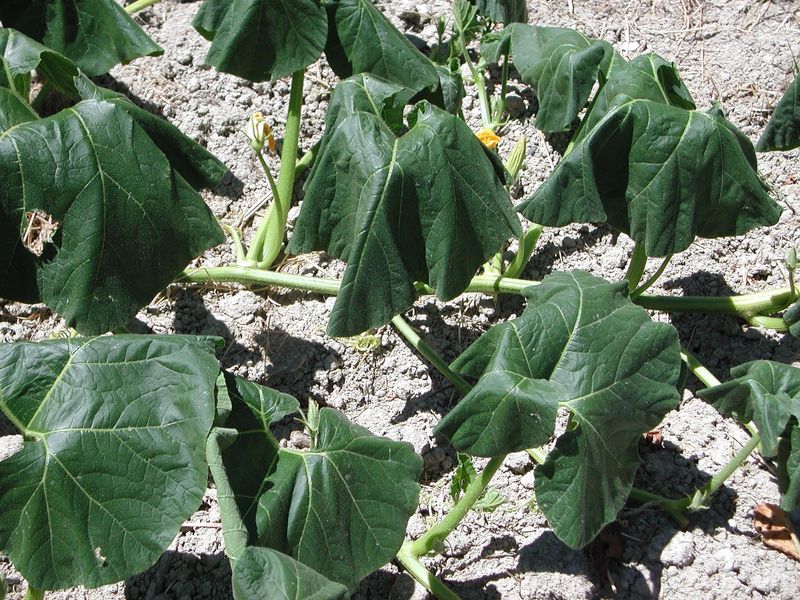
When temperatures soar, plants might wilt regardless of how much you water them. Temperature stress is a silent killer. High temperatures can cause water to evaporate faster from the soil and the leaves.
Plants with shallow roots are particularly vulnerable. Consider the desert cactus thriving in heat but wilting in your cool home. To mitigate this, shade your plants during the hottest parts of the day or move them indoors.
Remember, each plant has its preferred temperature range. Understanding this can save them from needless stress.
Root Bound Conditions
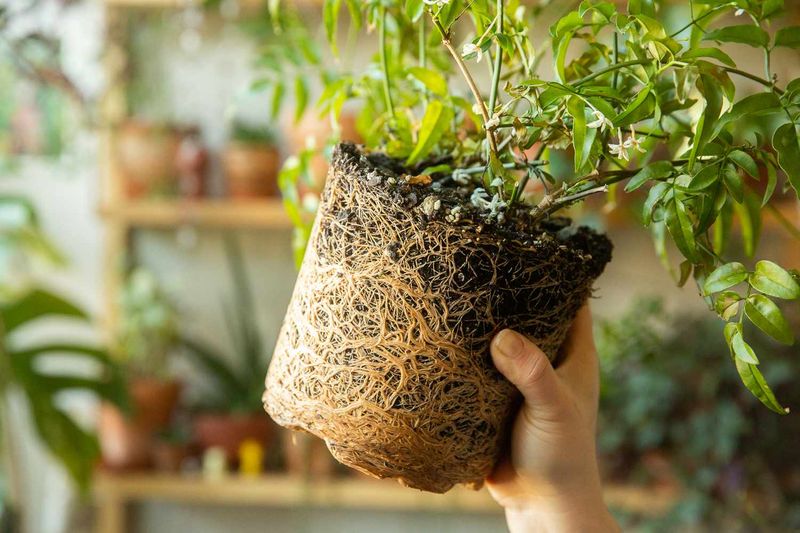
Have you noticed your potted plant looking sad despite regular watering? It could be root bound. In this condition, roots have outgrown their containers, wrapping tightly around themselves.
This restricts water and nutrient absorption, similar to wearing shoes two sizes too small. Check the drainage holes; if roots appear, it’s time to repot. Choose a slightly larger container to allow roots to expand.
Repotting not only revitalizes your plant but also promotes healthier growth. Pay attention to signs of distress, and your plant will reward you with lush foliage.
Soil pH Imbalance
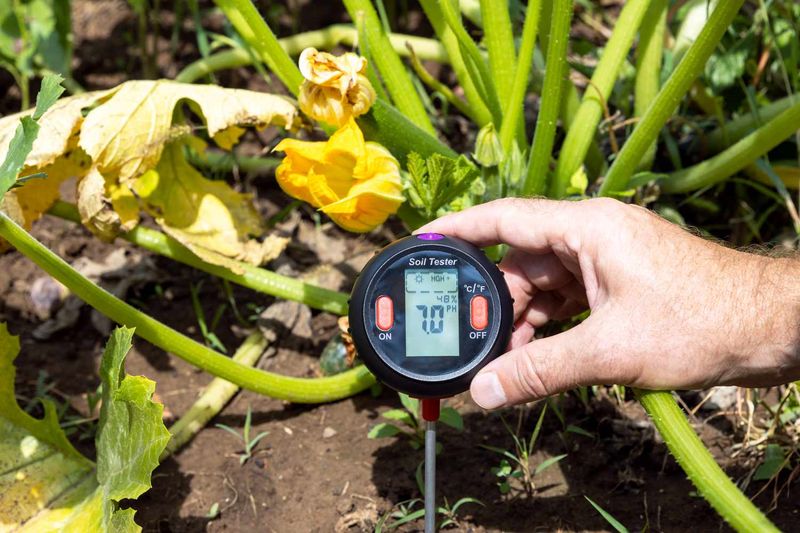
Soil pH imbalance can be a silent saboteur of your plant’s health. Each plant species thrives at a specific pH level, and a mismatch can hinder nutrient uptake.
Imagine attempting to drink from a straw with holes; it’s frustrating and ineffective. Similarly, plants struggle when the soil pH isn’t ideal. Regularly check your soil’s pH level using a simple meter.
Adjustments can be made by adding lime to raise pH or sulfur to lower it. By maintaining the proper pH balance, you’ll enhance your plant’s ability to absorb nutrients efficiently.
Transplant Shock
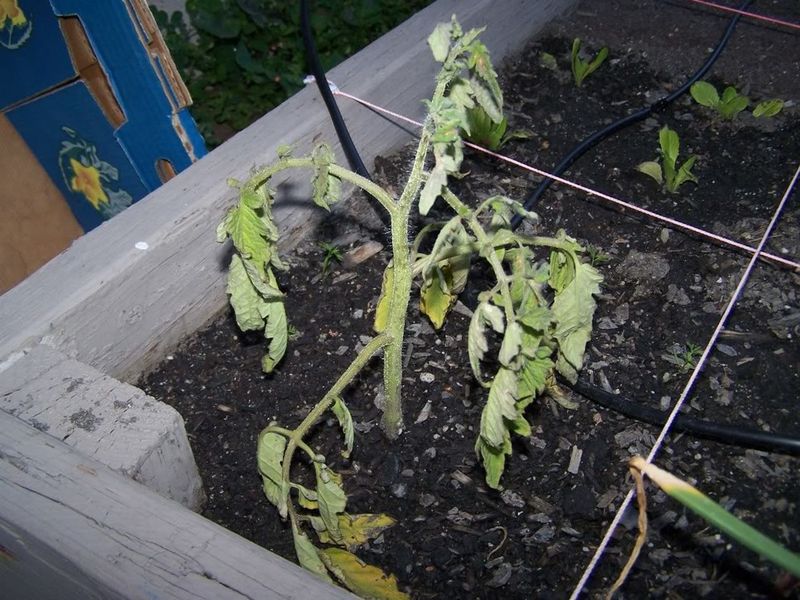
When a plant is moved to a new environment, it may experience transplant shock. This stress can cause wilting, as the plant adjusts to its new conditions. It’s like moving to a new city and taking time to find your rhythm.
During this adjustment period, the plant’s roots struggle to establish themselves and absorb water effectively. To ease the transition, water the plant thoroughly, and provide a little extra care in the weeks following transplantation.
Patience is key, and soon your plant will adapt and thrive once again in its new home.
Chemical Exposure
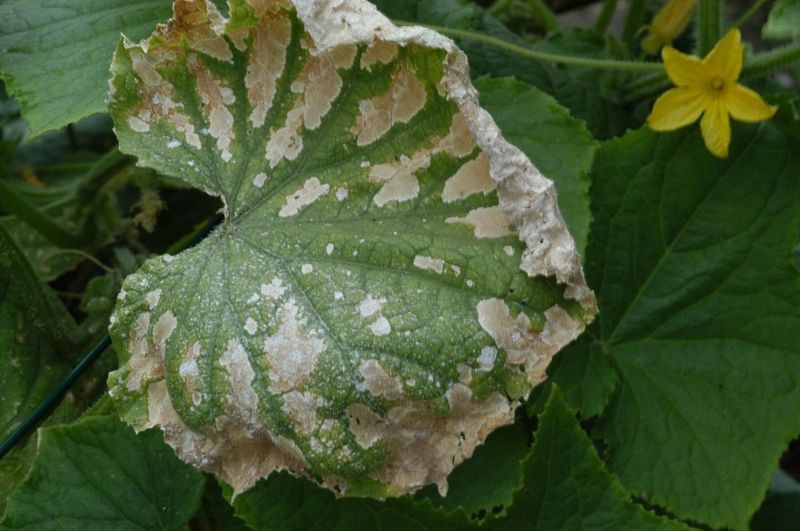
Chemical exposure can be detrimental to plant health. Pesticides, herbicides, and even household cleaners can cause plants to wilt.
These chemicals might enter through runoff or drift, affecting the plant’s ability to function normally. Think of it as a hangover after a night out; the body struggles to recover. Similarly, a plant exposed to harsh chemicals might need time to bounce back.
To protect your plants, use organic alternatives whenever possible and ensure chemicals are applied carefully and away from sensitive areas.
Humidity Levels
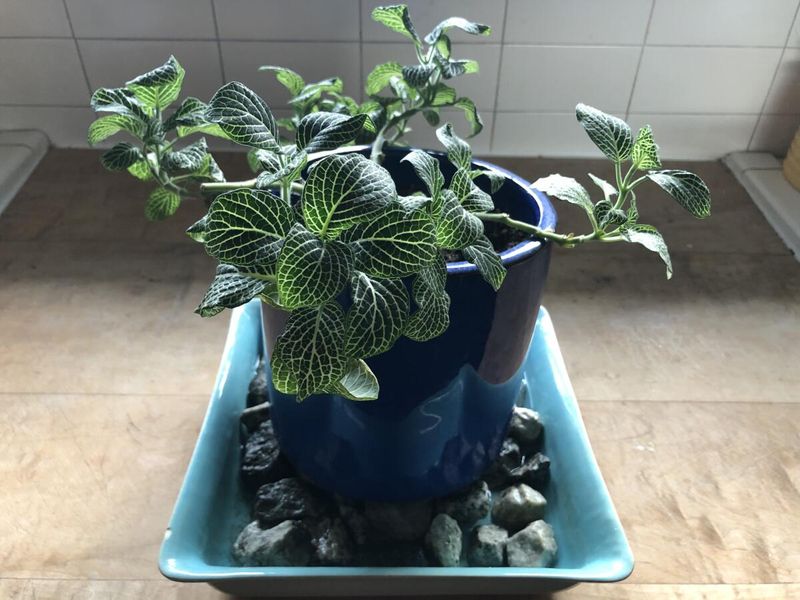
Humidity is often overlooked, but it plays a crucial role in plant health. Low humidity can lead to increased water loss through the leaves, causing wilting.
Imagine your skin drying out in arid weather; it’s uncomfortable and draining. Plants feel the same way. To combat low humidity, mist your plants or use a humidity tray. Alternatively, place them near a humidifier.
Monitoring and adjusting humidity levels can drastically improve your plant’s vitality, especially for species that thrive in moist environments.
Fungal Infection
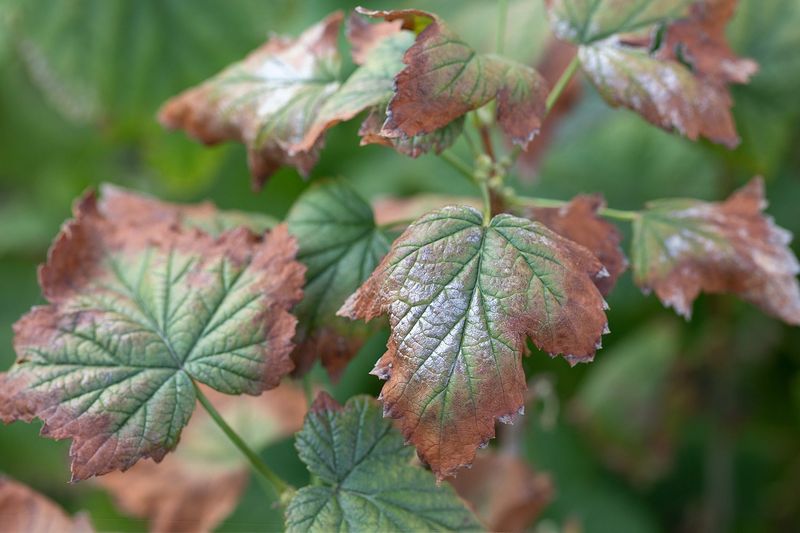
Fungal infections can sneak up on your plants, causing wilting and discoloration. These infections often thrive in warm, damp conditions, spreading through spores.
Picture a cold spreading through a crowded room; it starts small but can affect many. To prevent fungal infections, ensure good air circulation around your plants. Prune affected areas and consider using organic fungicides.
Prevention is key, and vigilance can help you catch infections early, before they cause significant damage to your beloved greenery.
Incorrect Potting Mix
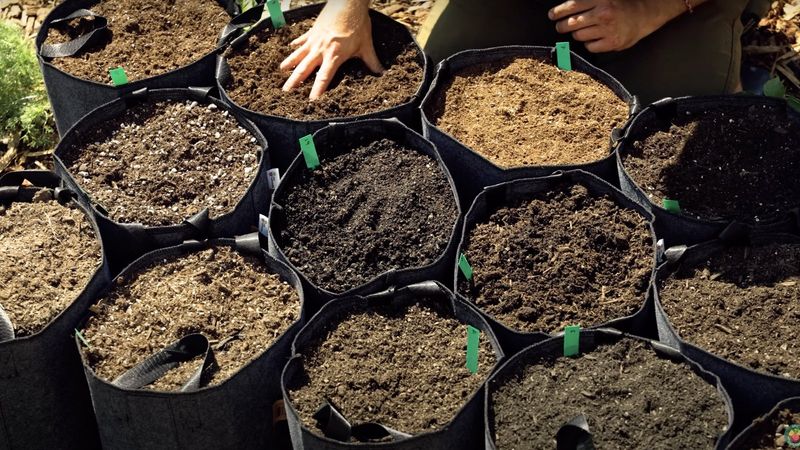
Using the wrong potting mix can impede plant health. Each plant type requires a specific soil composition for optimal growth.
Imagine trying to grow rice in sand; the mismatch in conditions can lead to poor performance. The wrong mix may retain too much moisture or drain too quickly. Research the best soil mix for your plant species.
A well-matched potting mix can transform a struggling plant into a thriving one, providing the support and nutrients it needs for vigorous growth.
Air Pollution
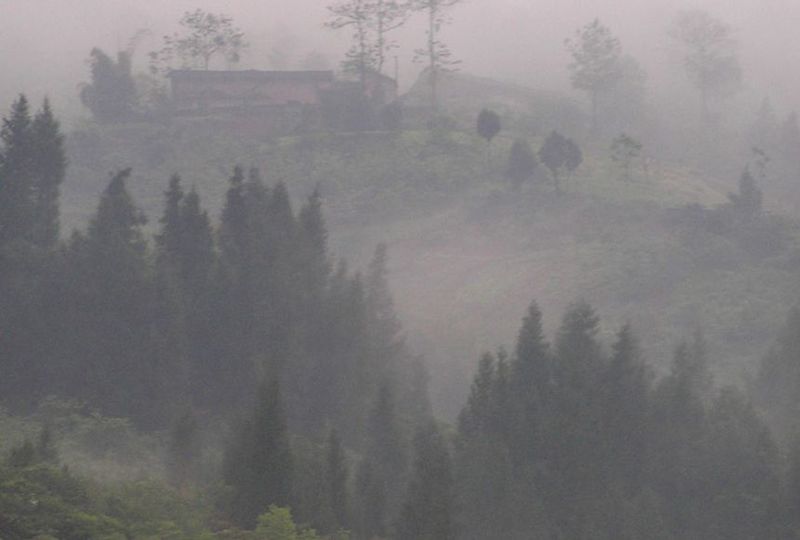
Air pollution is an often-overlooked factor that can cause plants to wilt. Pollutants like ozone and sulfur dioxide can damage plant tissues, leading to reduced photosynthesis.
Consider it akin to trying to breathe in smoky air; the plant struggles to function properly. To protect plants in polluted areas, consider using air-purifying plants or barriers like hedges.
This can improve air quality and protect sensitive plant species from undue stress, allowing them to thrive in less-than-ideal conditions.