 Complete Gardening
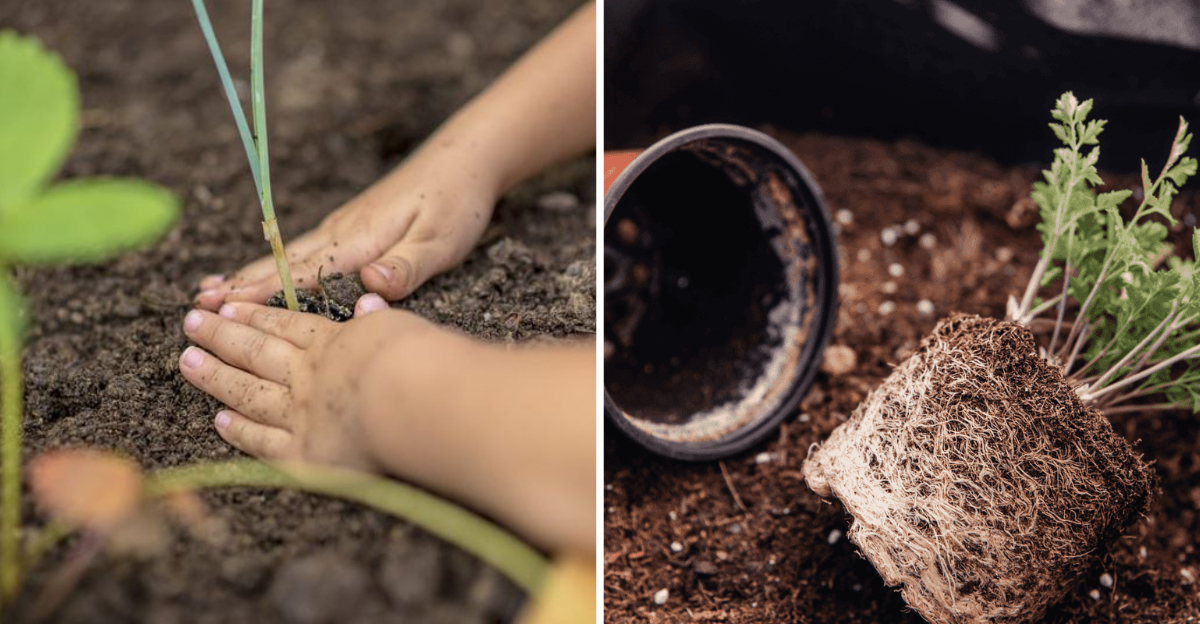
Healthy seedlings are crucial for a successful garden. However, gardeners often face the challenge of seedlings collapsing. Understanding the reasons behind this issue and how to address them is key to nurturing robust plants.
Insufficient Light
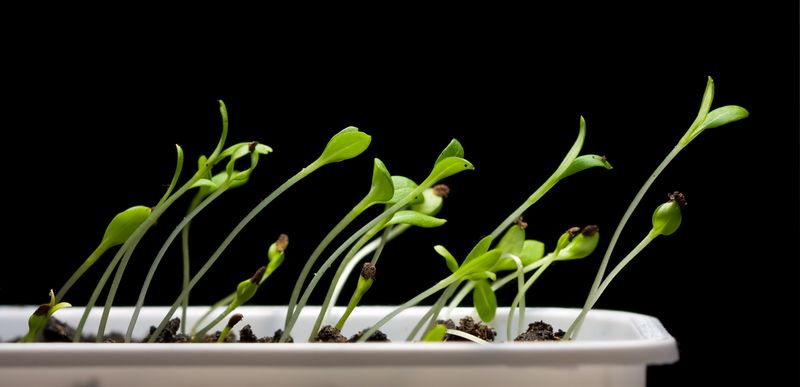
Often, seedlings fall because they lack sufficient light. Under low light, they strain upward, becoming tall and weak. By positioning them under grow lights, you ensure they get adequate illumination.
Try placing them close to the light source but without overheating. This fosters sturdiness by encouraging shorter, stronger stems.
Moreover, rotate your seedlings regularly. This prevents them from leaning excessively in one direction, promoting uniform growth.
Overwatering Issues
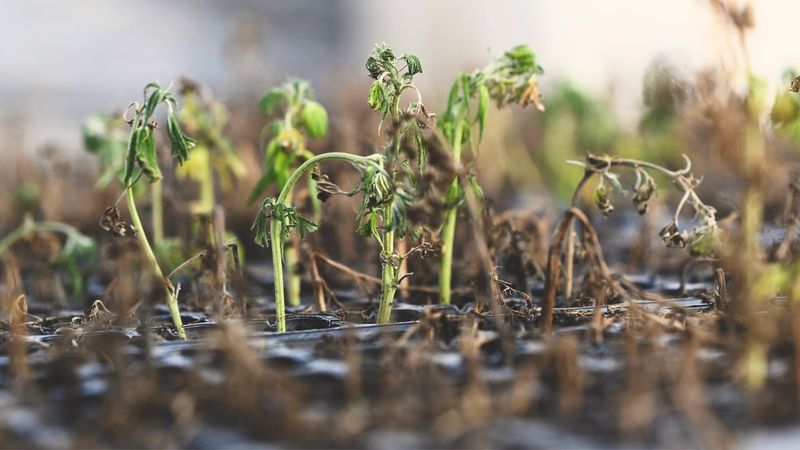
Overwatering is a common pitfall for gardening novices. Excess water causes roots to rot, leaving seedlings unstable. Water logging deprives roots of oxygen, causing them to weaken and collapse.
Watering carefully, allowing soil to dry slightly, helps prevent this problem. Use pots with drainage holes to avoid water accumulation.
Consider watering from the base, ensuring moisture reaches roots without saturation. This method encourages healthier root development, contributing to a stable plant base.
Damping Off Disease
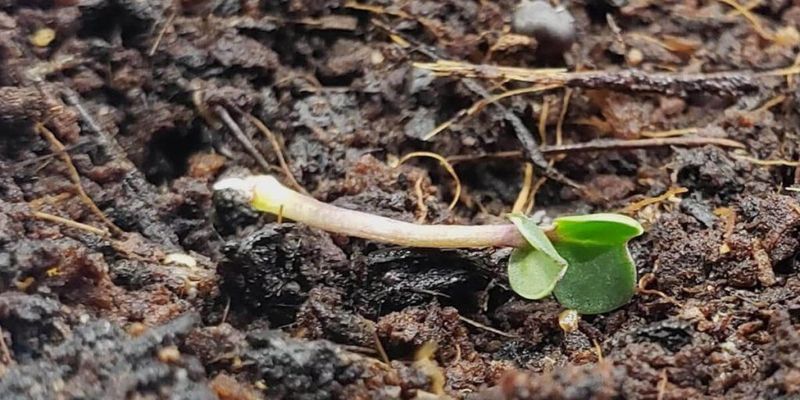
Damping off is a fungal disease that attacks seedlings. It causes stems to rot at the soil line, leading to their sudden collapse.
Good air circulation and sterilizing soil before planting can help prevent this. Maintaining a balanced environment reduces the risk of fungal growth.
Incorporate natural antifungal treatments, like chamomile tea, to protect young plants. These measures help in safeguarding seedlings against this destructive disease.
Nutrient Deficiencies
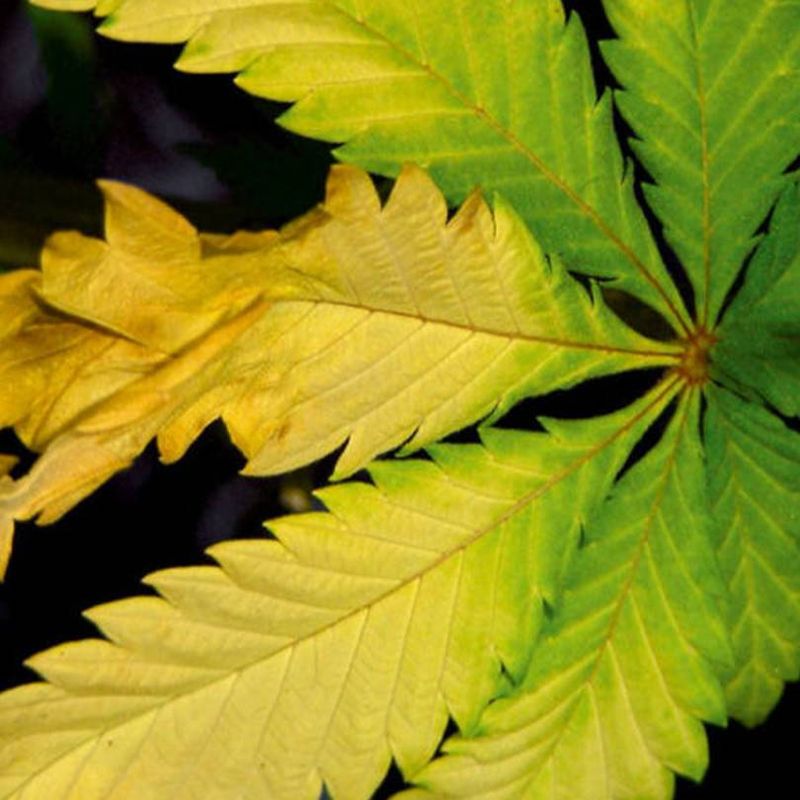
Lack of vital nutrients can make seedlings weak. Yellowing leaves and spindly growth often signal nutrient deficiency.
Ensuring seedlings have a balanced diet of essential nutrients is crucial. Use a diluted, balanced fertilizer to provide them with the necessary nourishment.
Monitor soil health, adjusting nutrient levels as needed. This approach fosters robust growth, leading to strong, upright seedlings.
Poor Air Circulation
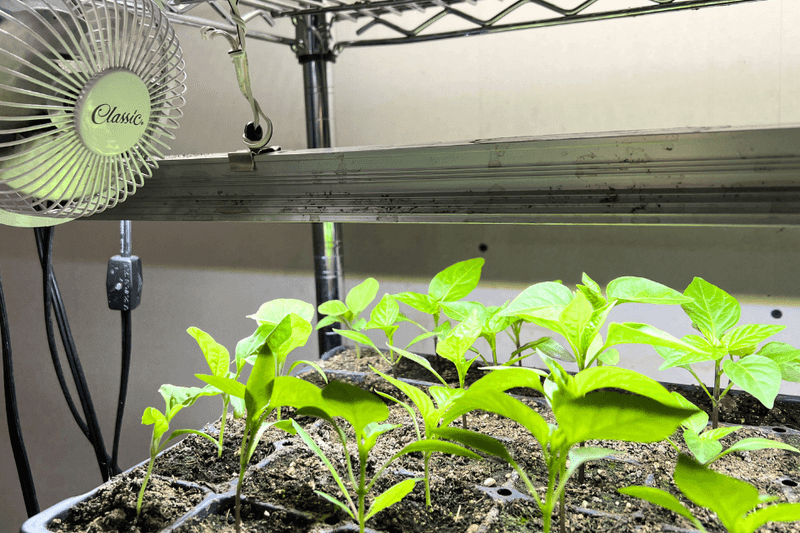
Stagnant air can spell disaster for seedlings, causing them to flop. Proper air circulation strengthens stems, promoting resilience.
By using a small fan, you can mimic natural breezes. This helps seedlings develop thicker, more flexible stems.
Position the fan to gently move the seedlings without damaging them. Good air flow also minimizes fungal issues, offering dual benefits.
Wind Stress
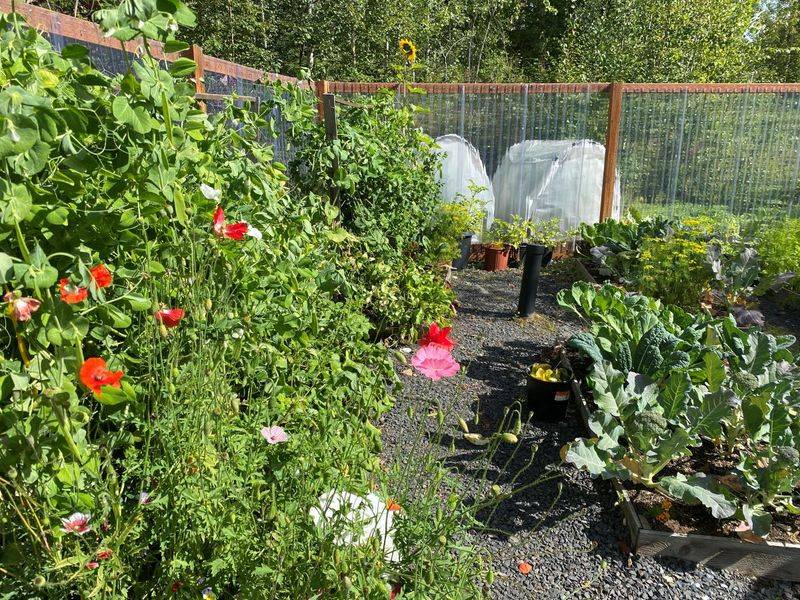
Wind stress can cause seedlings to fall over. A gentle breeze is beneficial, but strong winds can be detrimental.
If your seedlings are exposed to harsh winds, they may develop weak stems and topple. Consider using protective covers or relocating them to a less windy spot.
Windbreaks, such as small barriers or strategic garden placement, can shield fragile seedlings from excessive wind exposure.
Soil Compaction
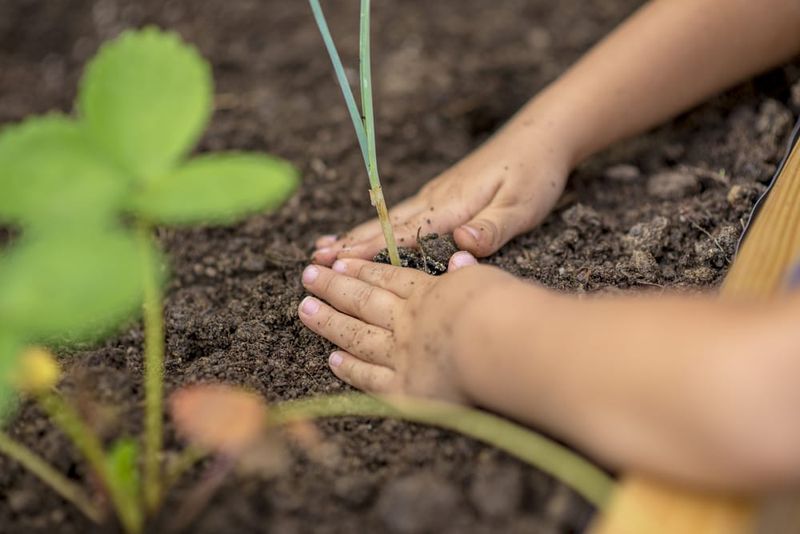
Heavy, compacted soil can inhibit root growth, leading to weak seedlings that fall over.
When the soil is dense, roots struggle to penetrate, causing instability. Loosening the soil can promote healthy root expansion.
Consider using a garden fork to aerate the area, ensuring that your seedlings have the support they need to stand tall.
Temperature Fluctuations
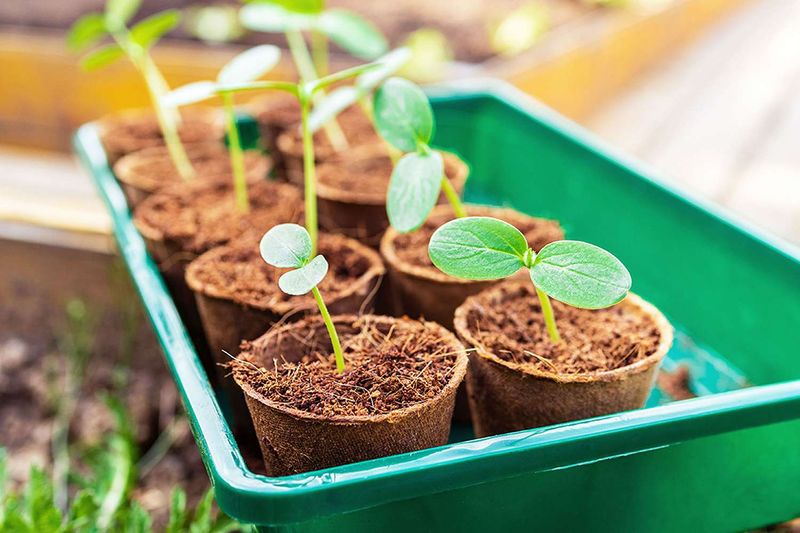
Sudden temperature changes can shock seedlings, causing them to collapse.
Drastic shifts from warm to cold can disrupt growth and weaken stems. Use cloches or row covers to moderate temperatures around sensitive plants.
Stable temperatures promote steady growth, ensuring that young plants remain upright and healthy.
Inadequate Watering Technique
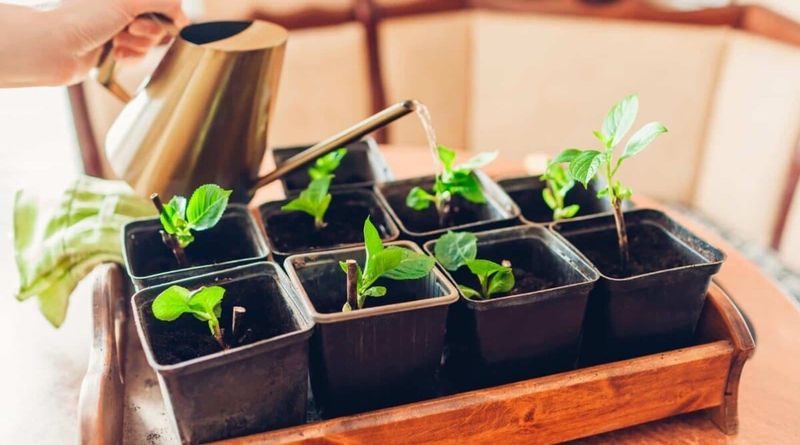
Inadequate watering can lead to drooping seedlings.
Overhead watering may saturate leaves while neglecting roots, causing instability. Water directly at the base to strengthen roots.
Consistent moisture at root level promotes robust growth, ensuring seedlings remain upright.
Transplant Shock
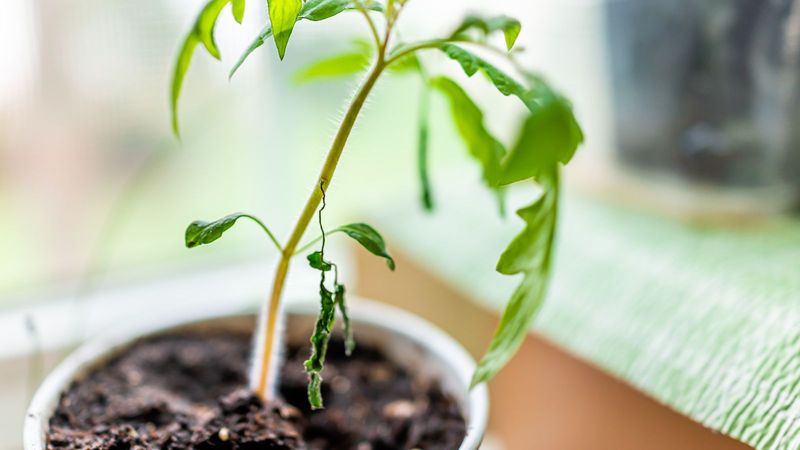
Transplant shock can cause seedlings to fall over.
Moving plants can disrupt their root systems, leading to stress and drooping. Minimizing handling and maintaining consistent conditions can ease the transition.
Gradual acclimatization to new environments promotes recovery and stability.
Insect Damage
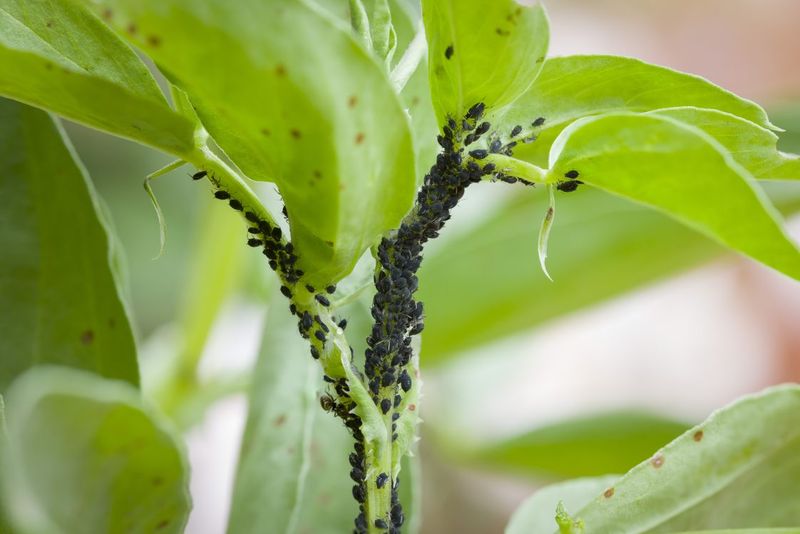
Insect damage weakens seedlings, causing them to topple.
Pests like aphids or cutworms can chew stems, reducing structural integrity. Regular inspections and organic pest control can mitigate these threats.
By protecting seedlings from insects, you ensure their strength and resilience.
Wrong Potting Mix
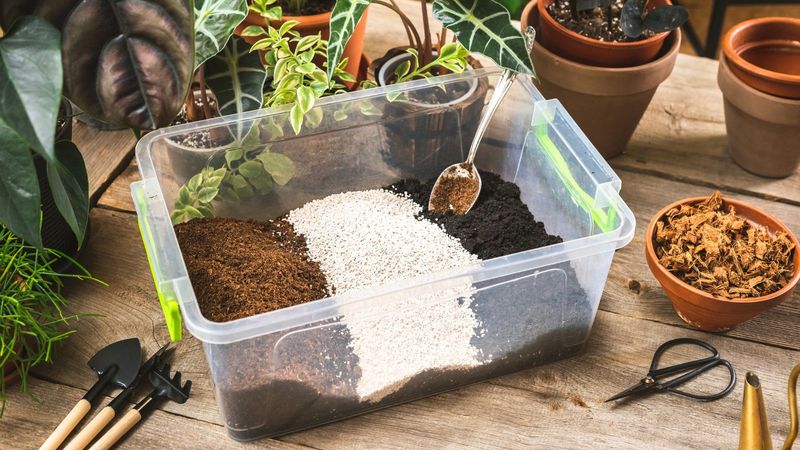
Using unsuitable potting mix can lead to weak seedlings.
If the mix lacks nutrients or proper drainage, roots may weaken. Opt for a quality seed-starting mix to prevent nutrient deficiencies.
A suitable blend promotes healthy growth, keeping seedlings strong and upright.
Crowded Planting
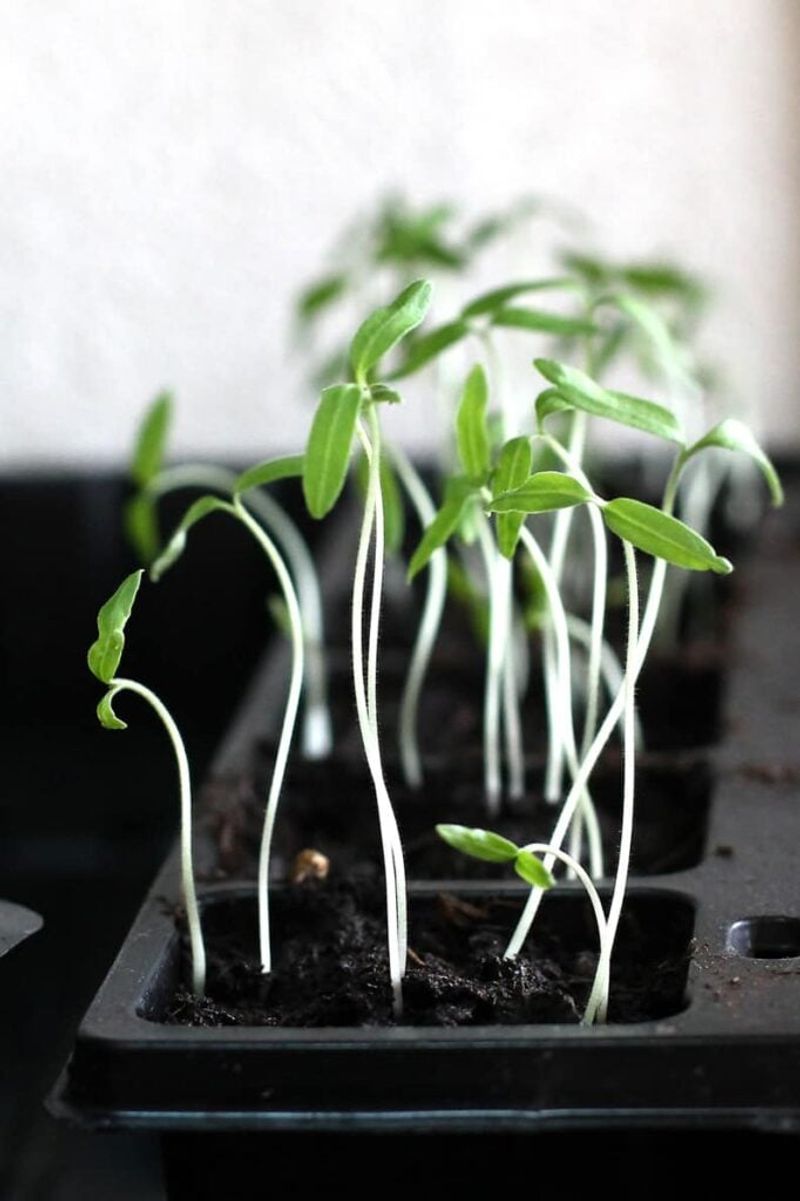
Crowding can cause seedlings to fall.
Limited space leads to competition for resources, weakening plants. Thinning seedlings allows for better air circulation and access to nutrients.
Proper spacing ensures each plant thrives without struggling for survival.
Overhead Heat Sources
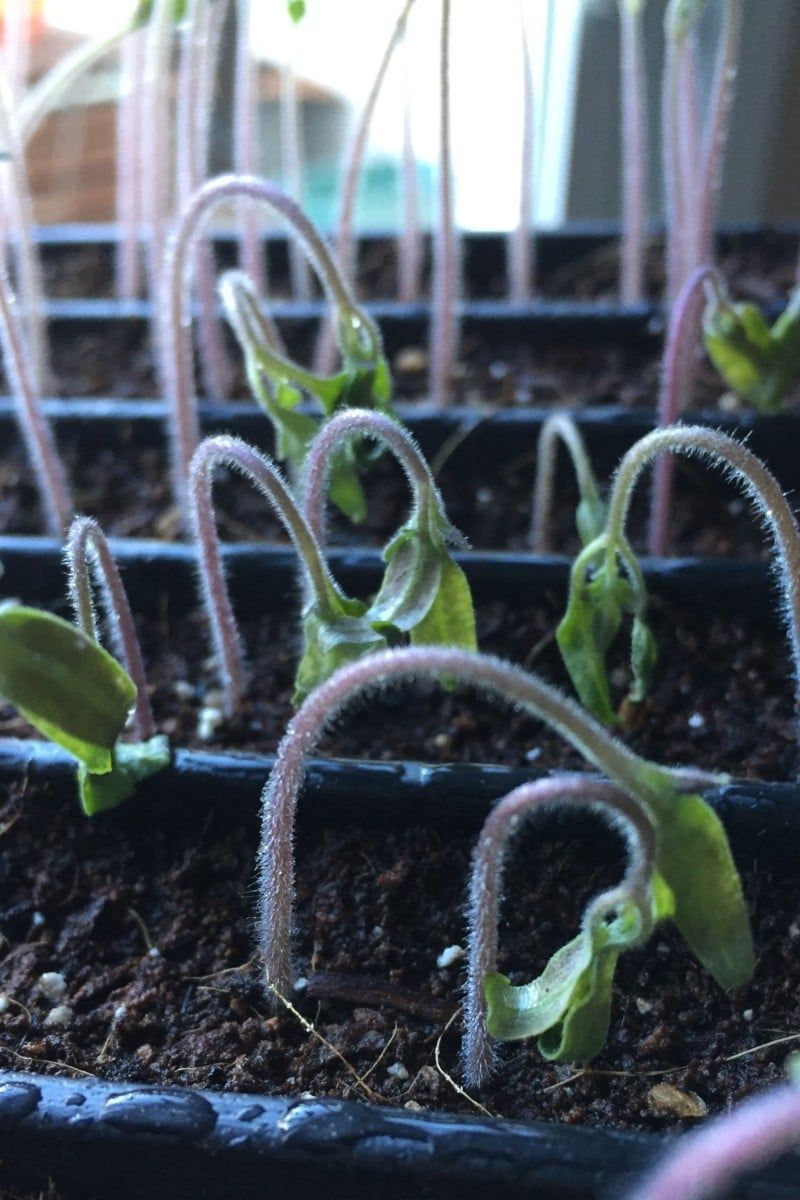
Overhead heat can stress seedlings, causing them to fall.
Excessive heat from grow lights can dry out and weaken plants. Adjusting light position or using fans to dissipate heat helps maintain ideal conditions.
Balanced temperatures promote stable, upright growth.
Incorrect Fertilization
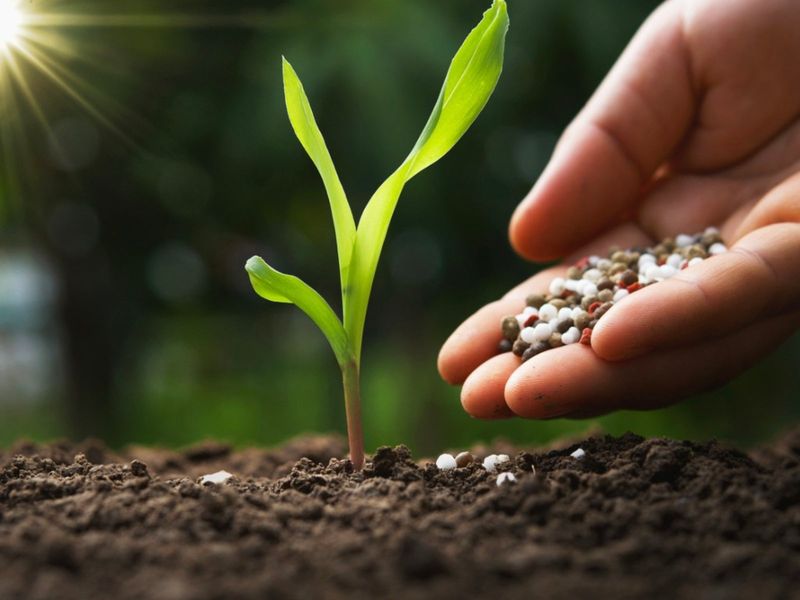
Incorrect fertilization causes seedlings to fall.
Excessive nutrients can burn roots, while deficiencies stunt growth. Following recommended guidelines ensures balanced nutrition.
Proper fertilization supports healthy, resilient seedlings.
Improper Support Structures
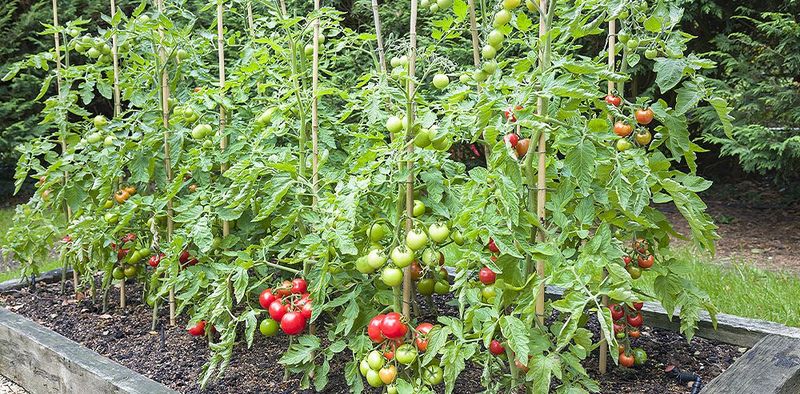
Weak support leads to falling seedlings.
Without proper structures, tall seedlings may collapse. Using stakes or cages provides necessary support, encouraging vertical growth.
Adequate support structures prevent bending and breakage.
Root Bound Conditions
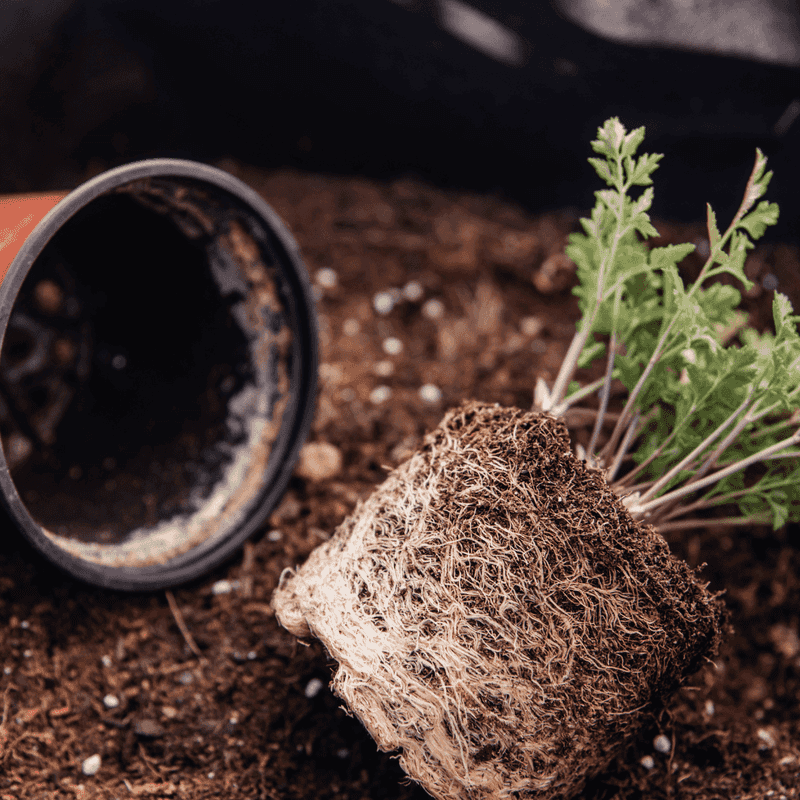
Root bound conditions weaken seedlings.
When confined, roots circle and strangle themselves, leading to poor support. Repotting into larger containers allows roots to spread.
Roomy conditions promote robust growth and stability.