 Complete Gardening
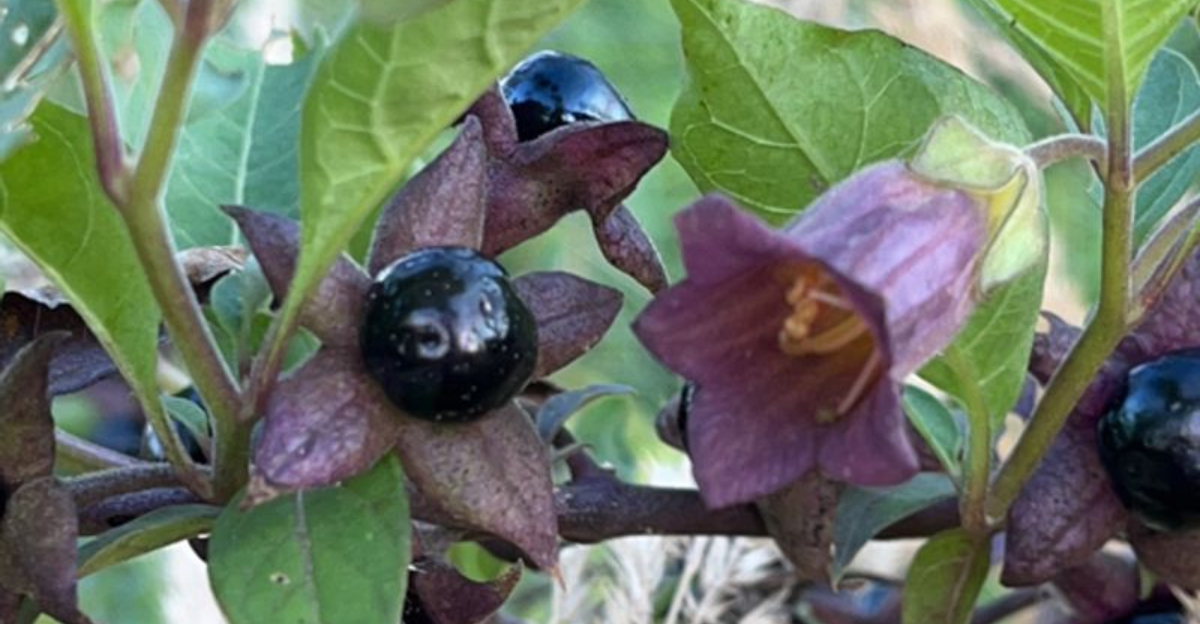
Discover the enchanting world of witchy plants, where nature’s magic unfolds in leaves and blossoms. These plants have been used for centuries in various magical traditions, offering protection, healing, and insight. With their unique properties and fascinating histories, witchy plants continue to captivate those who seek to harness their power. In this guide, we’ll explore ten of the most intriguing witchy plants, each with its own special characteristics and uses.
1. Mandrake
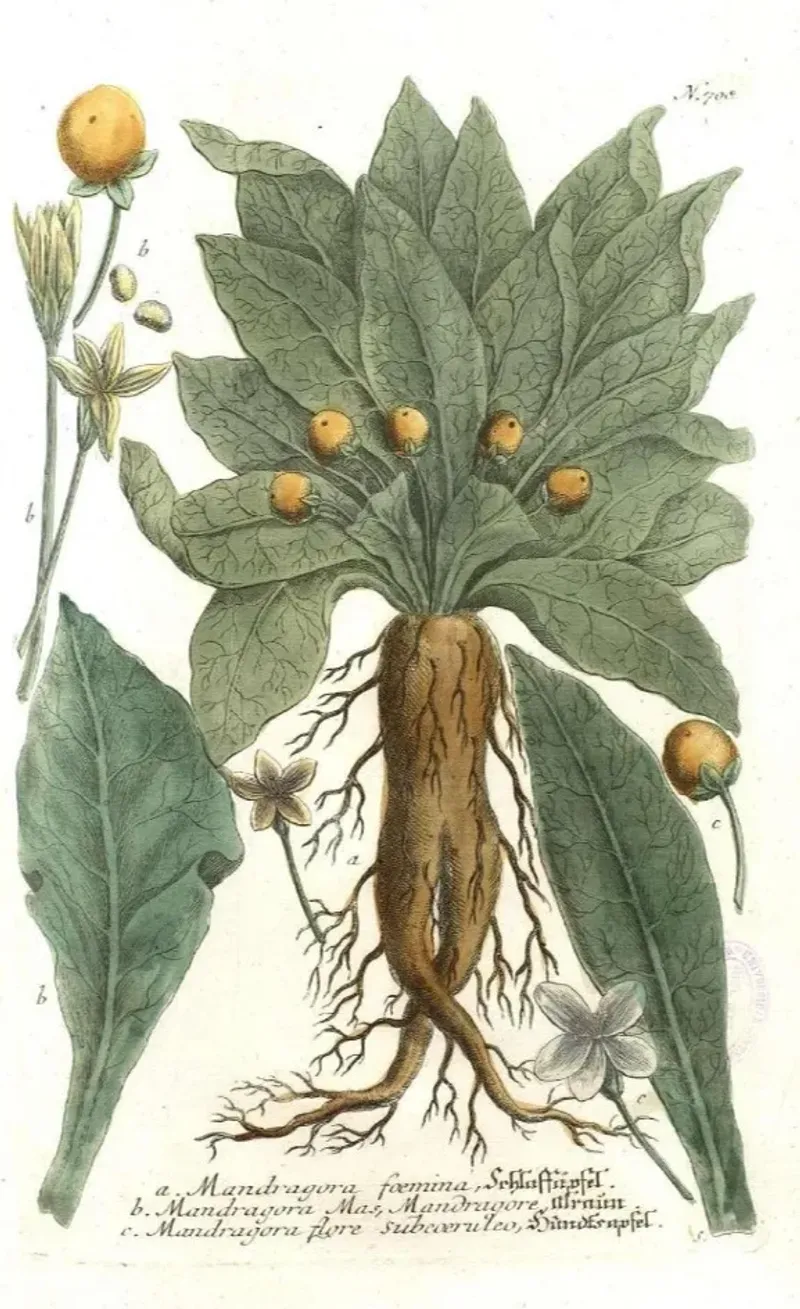
Mandrake, with its eerie roots resembling human figures, has been associated with magic for centuries. Legend has it that its scream can be deadly if unearthed improperly. Ancient witches believed it could amplify their powers.
It was often used in love potions due to its aphrodisiac properties. Many thought mandrake provided protection against evil spirits, enhancing dreams, and promoting fertility.
The plant’s rich folklore and mysterious nature make it a fascinating subject for modern magic practitioners. Its historical ties to witchcraft continue to intrigue and inspire curiosity.
2. Belladonna
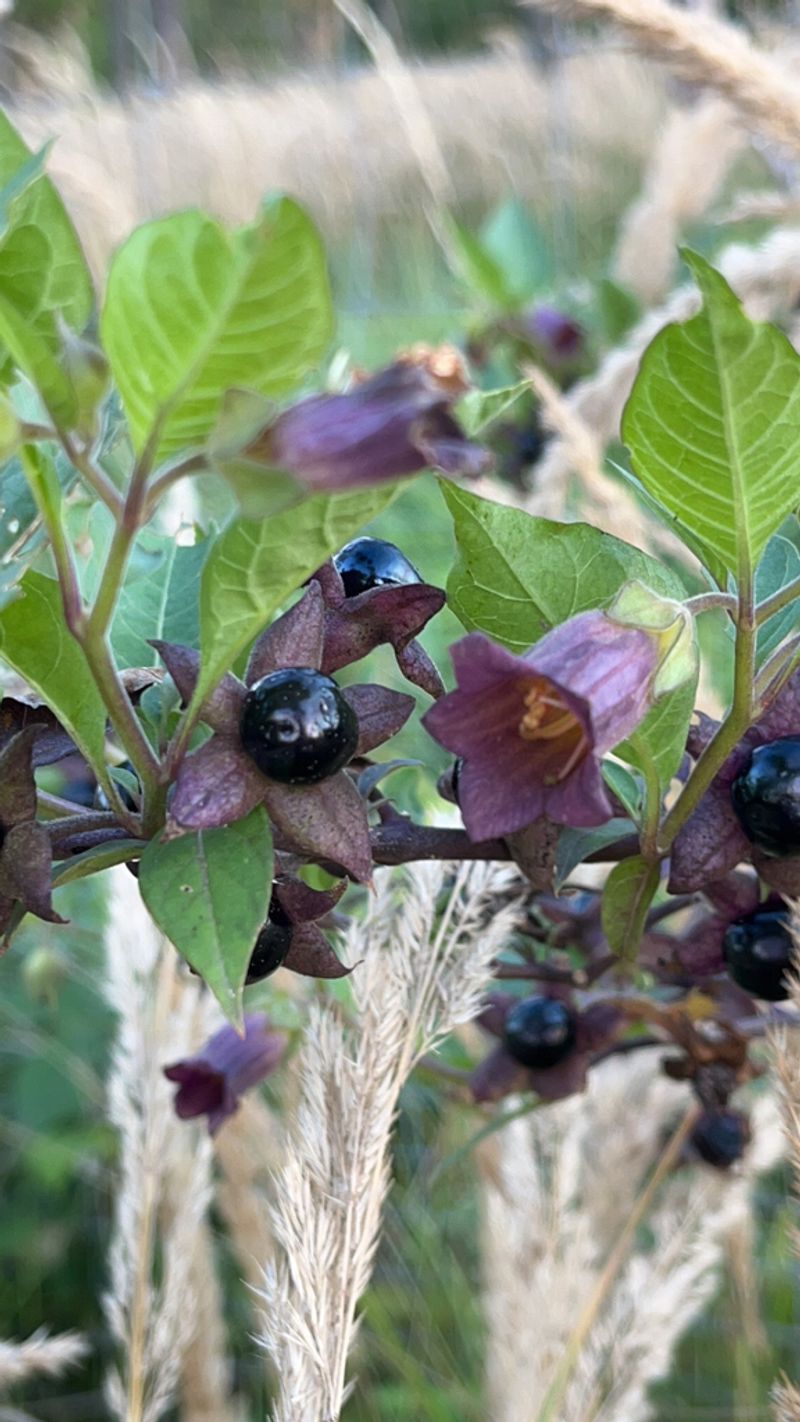
Belladonna, often known as ‘Deadly Nightshade,’ carries a dark allure with its toxic properties. Once used by witches to aid in flying ointments, belladonna’s hallucinogenic effects were both feared and revered.
Some believed it could summon visions or enhance their connection with the spirit world. However, its potent nature demands caution, as even a small dose can be lethal.
Despite its dangers, belladonna remains a symbol of mystery in magical lore, seductive yet perilous, often depicted in tales of enchantment and sorcery.
3. Mugwort

Mugwort, a staple in many witch’s gardens, is renowned for its ability to enhance dreams and intuition. In ancient times, it was burned as incense to clear negative energy. Some used it as a protective charm, wearing it during travel for safety.
Known for its slightly bitter taste, mugwort’s leaves were brewed into teas to promote relaxation and vivid dreaming.
Its connection to the moon makes it a favorite for those practicing lunar magic. Mugwort’s gentle yet profound influence continues to be celebrated in modern witchcraft practices.
4. Wolfsbane
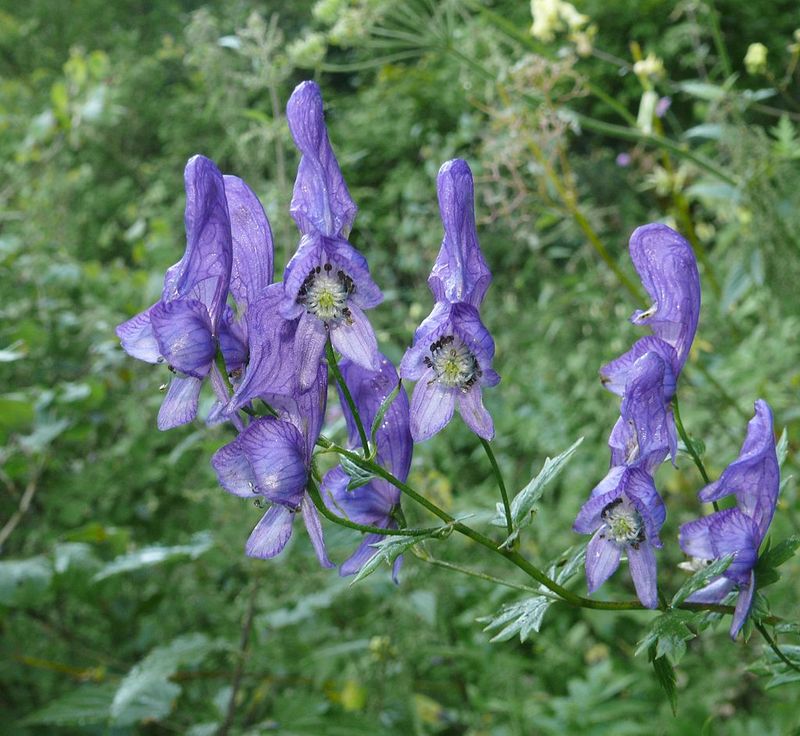
Wolfsbane, or ‘Aconite,’ holds a place of fear and respect in witchy folklore. Its highly toxic nature was believed to ward off werewolves, earning its ominous name. Historically, it was used in potions to render enemies powerless.
The plant’s dark allure and dangerous reputation made it a powerful symbol in protective spells. Ancient witches handled it with extreme caution, aware of its lethal potency.
Today, wolfsbane’s dramatic presence continues to captivate those drawn to the darker side of botanical magic, serving as a stark reminder of nature’s duality.
5. Dandelion
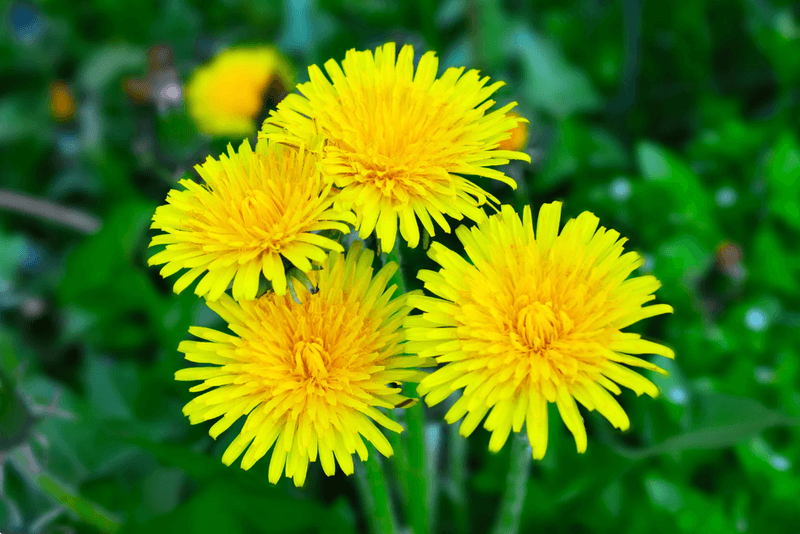
Dandelion, a common sight in gardens, holds a special place in witchcraft for its transformative properties. Known for its resilience, it’s often used in spells related to growth and new beginnings.
The plant’s roots were traditionally roasted for divination, believed to reveal hidden truths about the future. Some practitioners use its leaves in herbal concoctions to promote healing and vitality.
Its sunny disposition and ability to thrive in adversity make dandelion a symbol of hope and renewal in magical circles, inspiring witches to harness its vibrant energy.
6. Yarrow
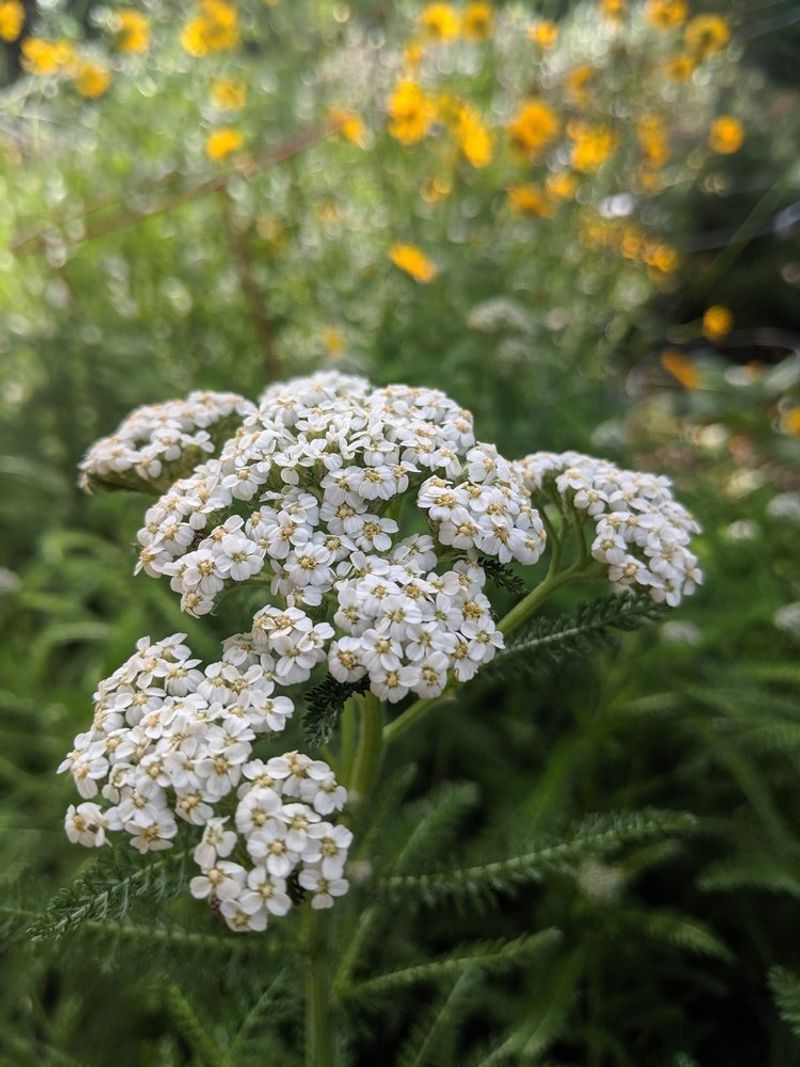
Yarrow, with its feathery leaves and delicate flowers, has long been cherished for its healing and protective qualities. In magical traditions, it was believed to ward off evil and enhance courage.
Used in love spells, yarrow was thought to bring harmony and balance to relationships. Its medicinal properties made it a staple in ancient herbal remedies.
Today, yarrow’s gentle energy is celebrated by those seeking protection and emotional resilience, embodying a timeless connection between the natural and mystical worlds.
7. Hawthorn
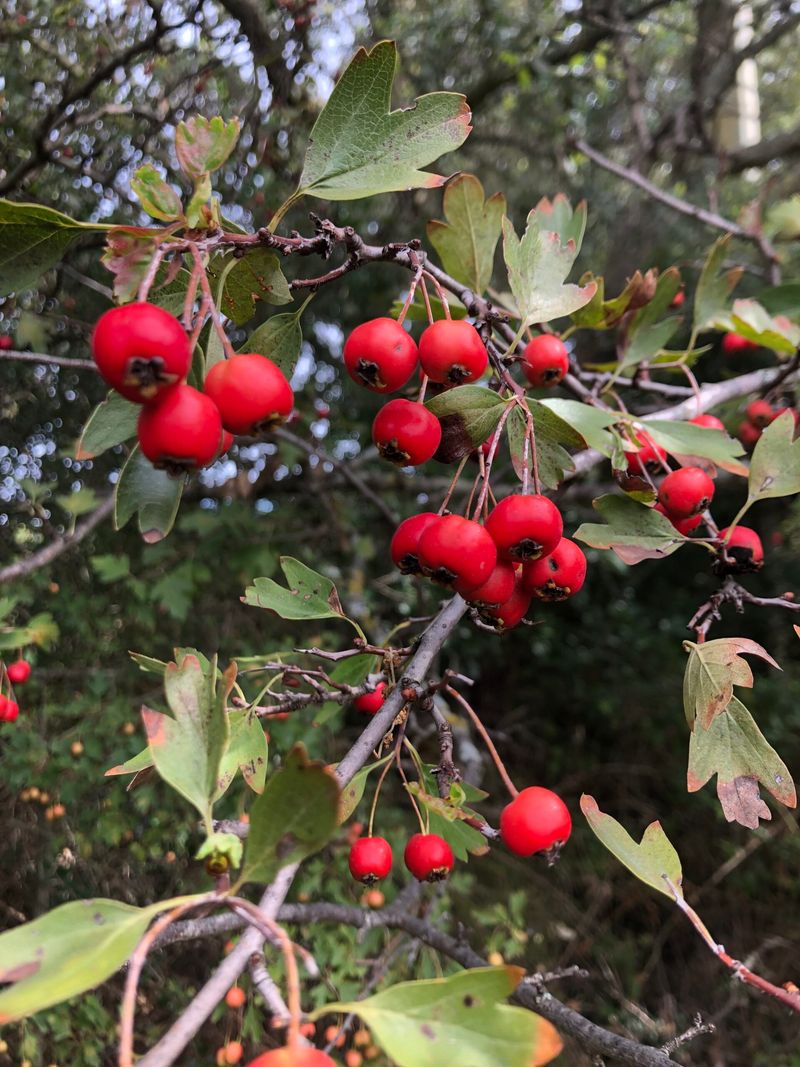
Hawthorn, often associated with fairies and magic, is revered for its protective and heart-healing properties. Folklore suggests that it serves as a portal to the fairy realm, with its blossoms used in fertility rites.
Ancient healers utilized its berries for heart-related ailments, believing in its ability to strengthen love bonds and mend emotional wounds.
Hawthorn’s enchanting presence in magical traditions highlights its role as a guardian of sacred spaces, bridging the gap between human and mystical realms, captivating those who seek its gentle wisdom.
8. Rosemary
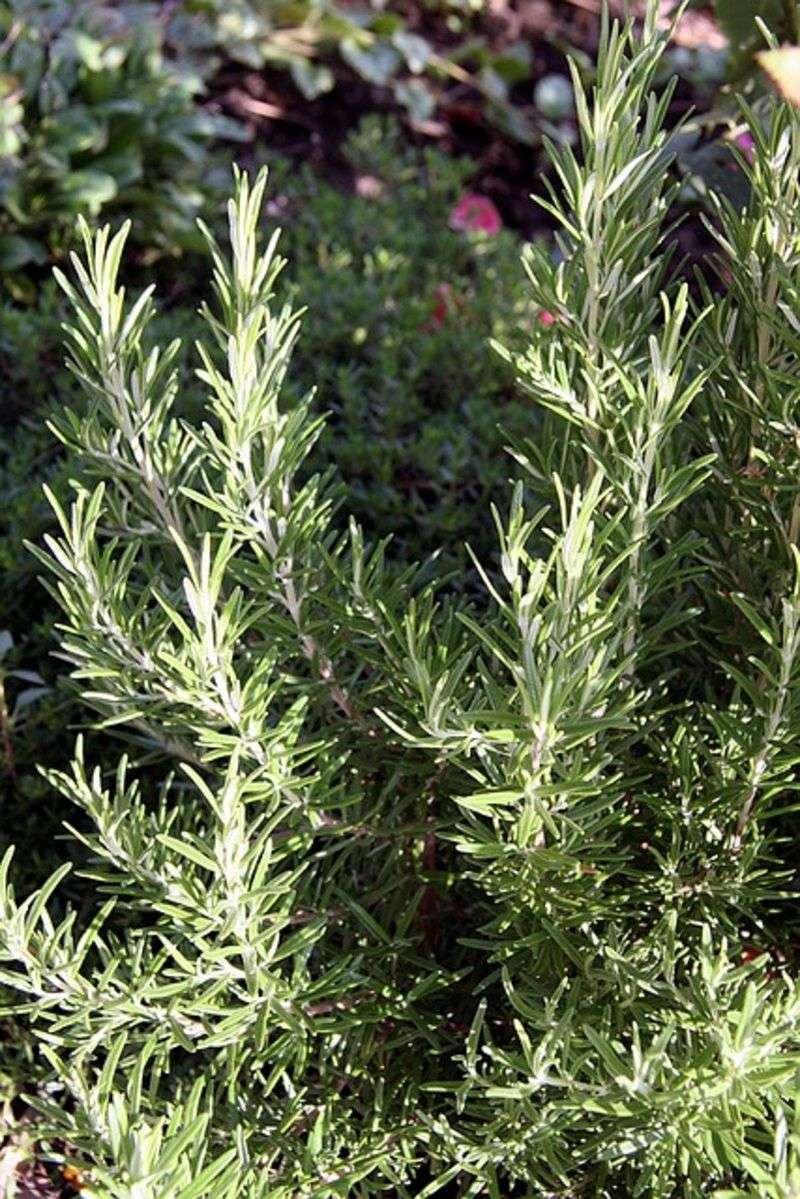
Rosemary, with its aromatic leaves, is a cherished plant in the world of witchcraft. Its association with memory and fidelity made it a popular choice in weddings and funerals, symbolizing remembrance.
The plant’s protective qualities were often used in cleansing rituals to banish negative energy. Herbalists prized rosemary for its healing properties, crafting teas and oils to soothe the body and mind.
Rosemary’s timeless charm endures in modern magic, offering clarity and protection, enriching both the mundane and mystical aspects of life.
9. Lavender
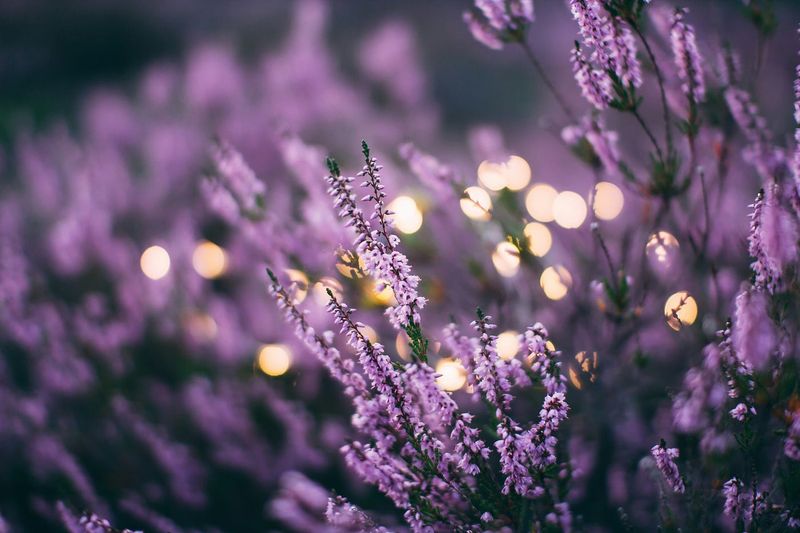
Lavender, known for its soothing fragrance, has long been used for relaxation and purification in magical practices. Witches would use it in spells to attract love and inner peace.
Its calming presence was believed to aid in restful sleep and healing. Lavender’s ability to cleanse and protect made it a staple in purification rituals.
Today, its gentle energy continues to comfort and nurture those who seek harmony and tranquility, embodying the enchanting spirit of botanical magic.
10. Henbane
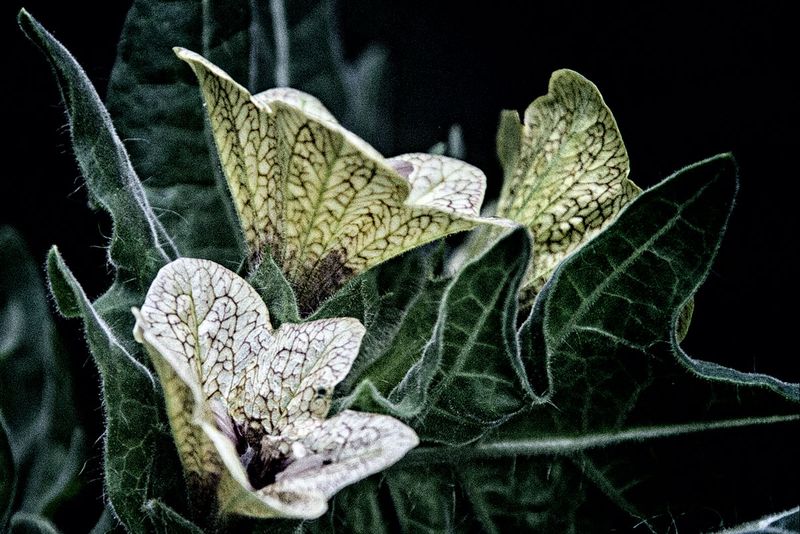
Henbane’s dark reputation stems from its toxic nature and hallucinogenic effects. Historically, it was used in potions to induce visions or communicate with spirits.
Witches valued its ability to alter perceptions, though with great caution, given its dangerous properties. The plant’s mysterious allure has been immortalized in folklore and magical traditions.
Henbane continues to be a subject of fascination for those exploring the boundaries of consciousness, symbolizing the delicate balance between danger and discovery in the world of witchcraft.
11. Elderberry
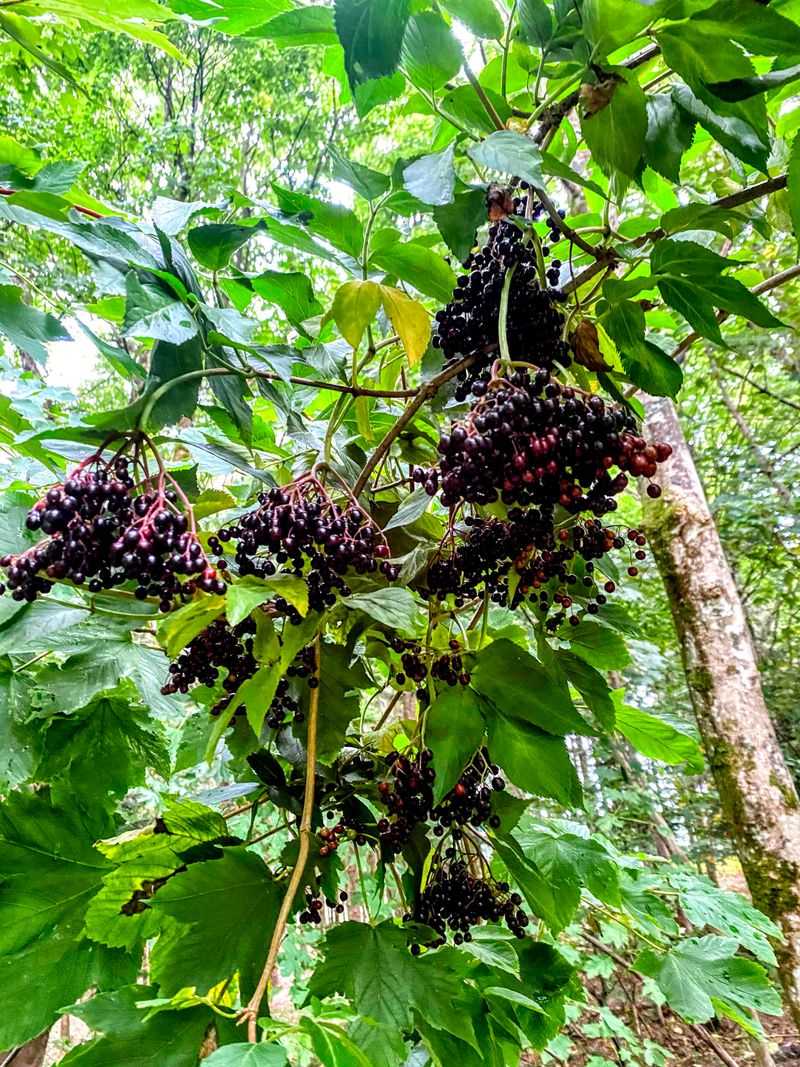
Elderberry’s enchanting allure lies in its deep purple berries, often seen as a protective barrier against evil. Ancient lore suggests this plant was sacred to the fairy folk and used in rituals for protection.
In folklore, burning elder wood was considered a sin, fearing the spirit within. However, brewing its berries into a syrup is a modern magical practice, believed to ward off flu and colds.
Gardeners often plant elderberry near their homes, trusting it to shield against negative energies. Its presence is a beacon of healing and protection, embraced by many.
12. Valerian
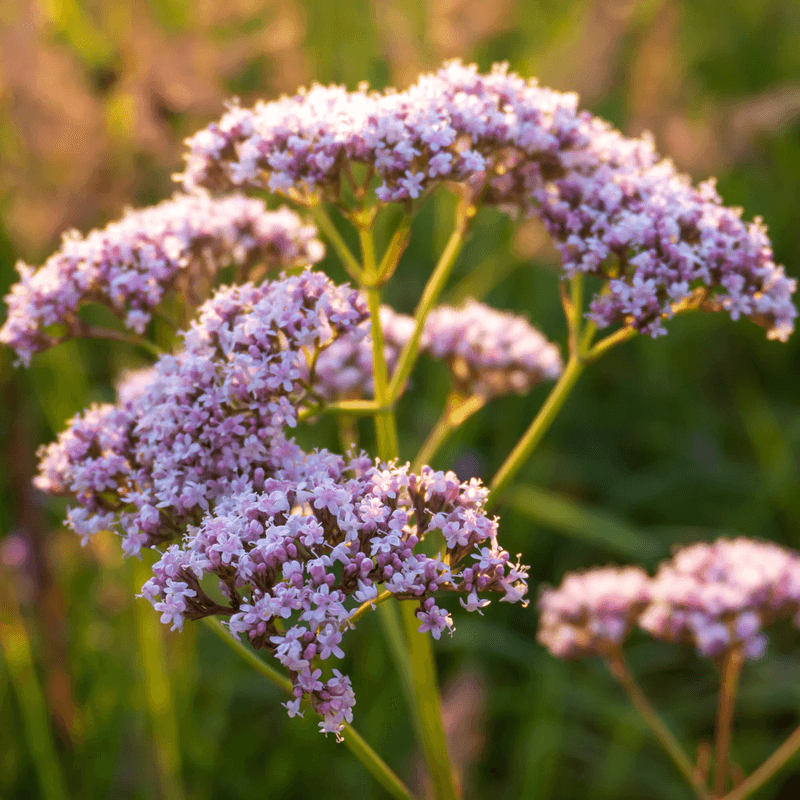
Valerian, with its soft, sweet aroma, is celebrated for bringing serenity to chaotic minds. Ancient Greeks used its root in potions to calm tempers.
Modern witches appreciate valerian for its sleep-inducing properties, often placing it under pillows for restful nights. The plant’s energy is soothing, inviting peace into the home.
In gardens, valerian stands tall, its presence a reminder of tranquility and balance. Its gentle nature makes it a cherished ally for those seeking respite from the world’s noise, offering comfort and quietude.
13. Celandine
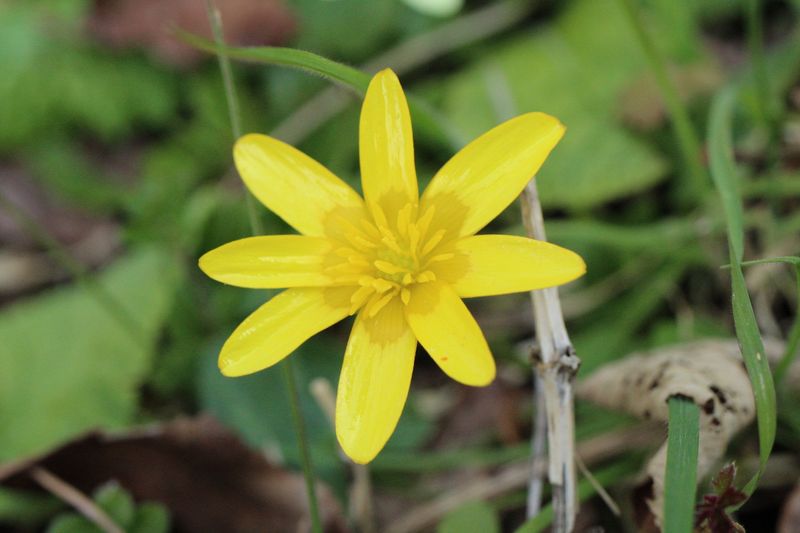
The cheerful yellow celandine is a symbol of joy and light. Known historically as a protector, it was once placed above doors to ward off unwanted spirits.
Some herbalists believe celandine can open the eyes to hidden truths, making it a favorite for divination practices. Its vibrant blossoms catch the sun, radiating positivity.
In gardens, celandine is a splash of sunshine, delighting those who pass by. Its energy is uplifting, encouraging happiness and clarity in thought, embodying hope and enlightenment.
14. Catnip
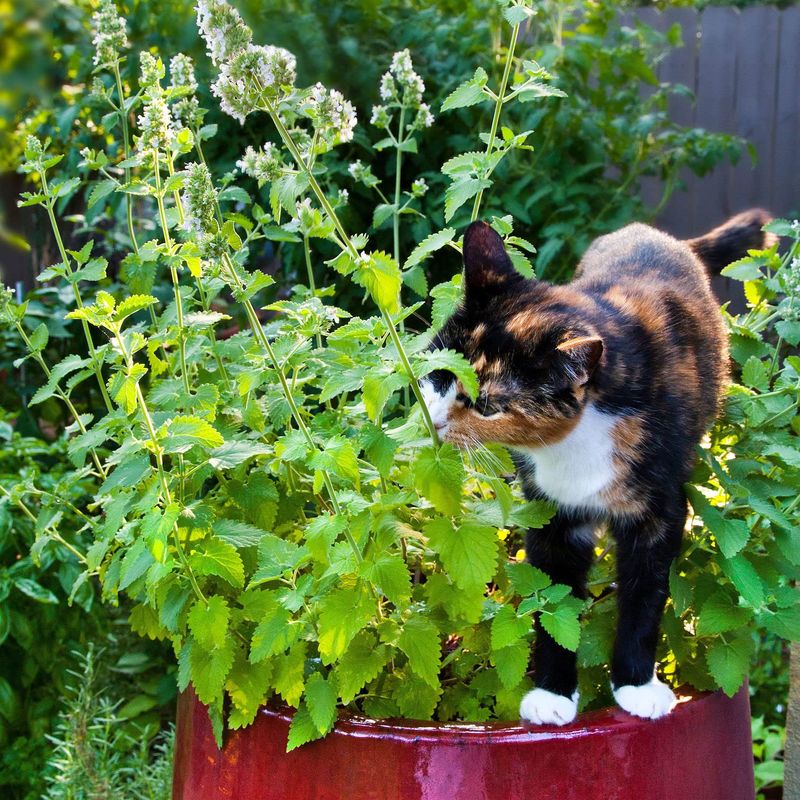
Beloved by felines, catnip is more than a mere plaything. Ancient Egyptians revered it, believing it brought good fortune and joy.
Modern practitioners use catnip in love spells, favoring its ability to attract affection and happiness. Its leaves, when steeped as tea, offer relaxation to humans as well.
In the garden, catnip grows abundantly, a haven for cats and a source of delight. Its playful energy invites laughter and love, making it a cherished addition to magical practices.
15. Angelica
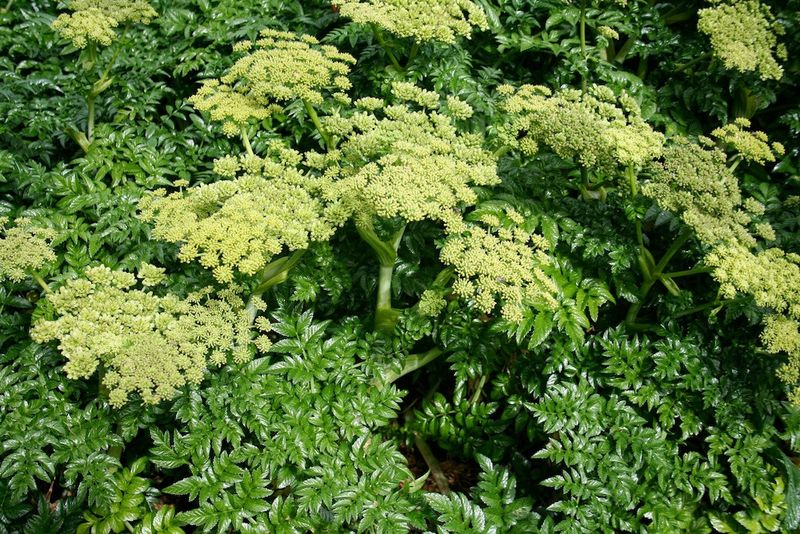
Angelica stands tall and proud, its presence in gardens a testament to protection and healing. In history, it was believed to ward off plagues, earning it the nickname ‘The Root of the Holy Ghost.’
Its roots are used in rituals for purification and courage, often carried as talismans. Angelica’s towering flowers exude a celestial aura, connecting earth and sky.
Gardeners prize angelica for its commanding presence and its ability to uplift spirits. Its essence is both grounding and elevating, a powerful ally in any magical endeavor.