 Complete Gardening
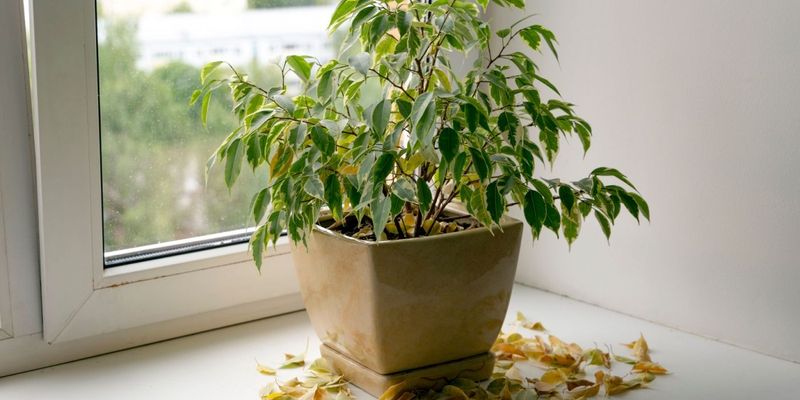
Plants communicate their distress through falling leaves, signaling issues that need immediate attention.
This guide explores six crucial reasons behind leaf drop and provides actionable solutions to revive your green companions.
1. “I’m Drowning Here!” (Overwatering)
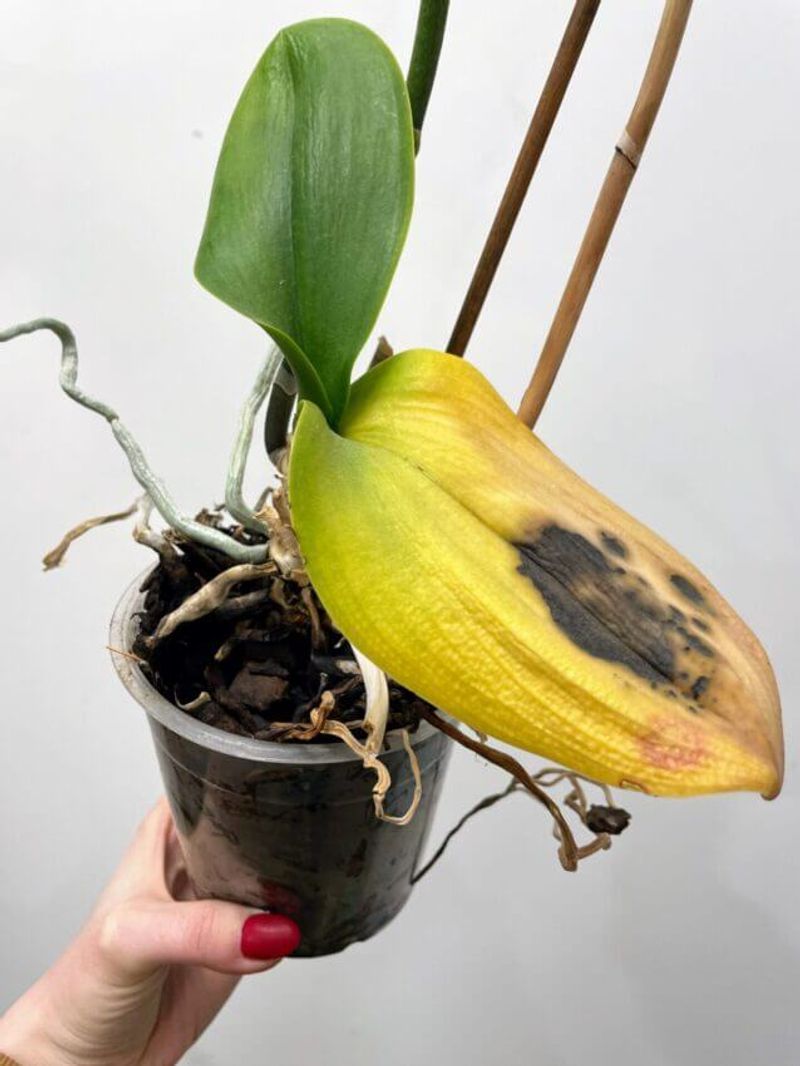
Picture your plant gasping for air, its roots drowning in too much water. Overwatering suffocates the roots, turning lower leaves yellow as a desperate cry for help. Examine the soil; if it’s soggy, halt watering immediately. Check for root rot—look for black, mushy roots. Repot your plant with fresh, well-draining soil, and remember to water only when the top two inches are dry. Your finger is the best moisture meter—poke it in to check! This careful attention can transform your plant’s health dramatically, bringing your green friend back to life.
2. “I’m Thirstier Than a Cactus in Summer!”(Underwatering)
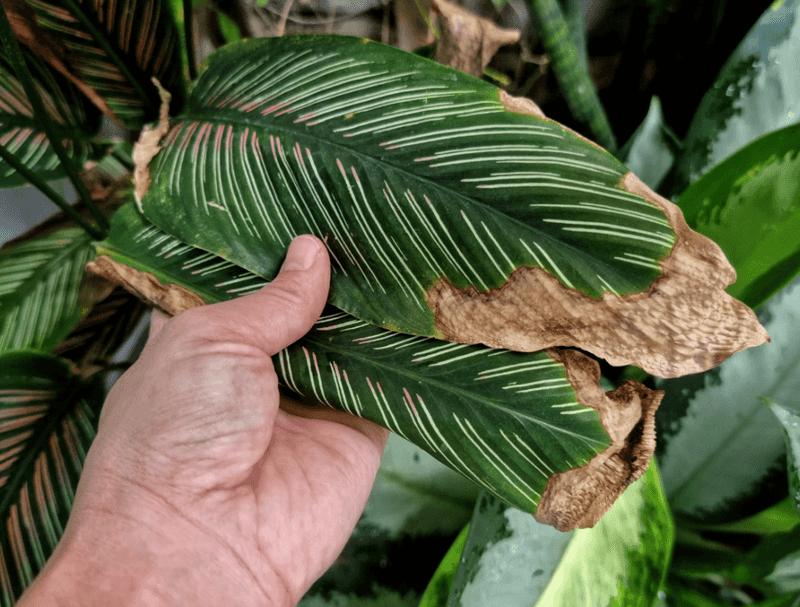
Imagine a parched desert cactus—your plant might feel the same if underwatered. Brown, crispy leaf edges and drooping signal dehydration. The soil may have pulled away from the pot, desperately needing a thorough soak. Water until it drains from the bottom and consider self-watering spikes for thirsty plants. Mist the leaves of humidity-loving plants like ferns. Did you know a dehydrated peace lily can spring back to life in just four hours after watering? Such resilience shows the power of hydration, a simple yet effective remedy.
3. “I Need My Sunglasses!” (Light Stress)
Imagine suddenly needing sunglasses indoors; your plant might feel similarly stressed. Drastic light changes can lead to sudden leaf drop, leaving your plant in shock. If you’ve moved it recently, acclimate gradually to new spots. Most houseplants thrive in bright indirect light. Rotate them weekly for even growth and prevent shock. Variegated plants, such as pothos, are particularly sensitive to low light, dropping leaves more quickly. Understanding these nuances ensures your plant’s happiness and stability, as it basks in the right amount of sunshine.
4. “I’m Freezing/Boiling to Death!” (Temperature Trauma)
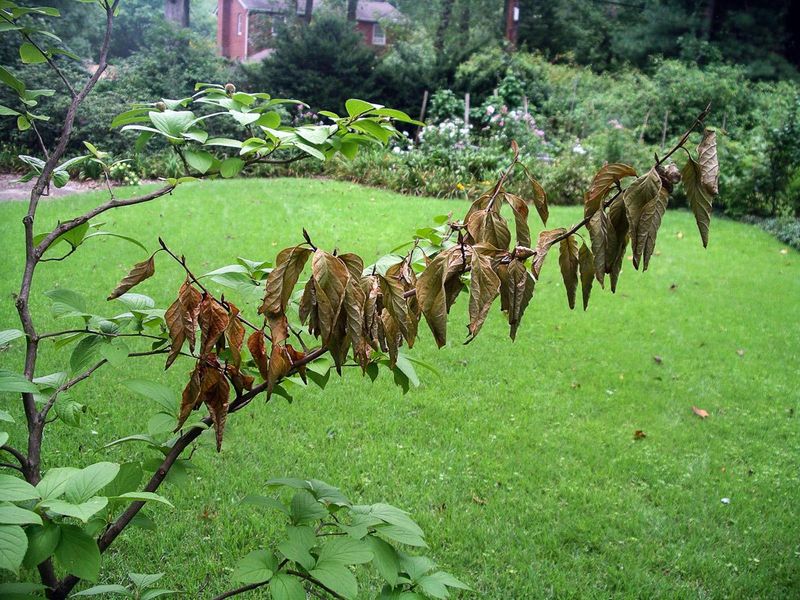
Your plant shivers or swelters when exposed to extreme temperatures, causing leaves to fall. Drafts or sudden temperature swings near windows or vents are often the culprits. Maintain a stable environment between 65-85°F, away from AC or heaters. Grouping plants can create a humidity buffer, providing comfort. Did you know tropical plants can suffer shock below 60°F? Such sensitivity highlights the importance of climate control, ensuring your plant’s vitality and preventing unnecessary leaf loss. A consistent temperature is key to their thriving existence.
5. “I’m Being Eaten Alive!” (Pest Problems)
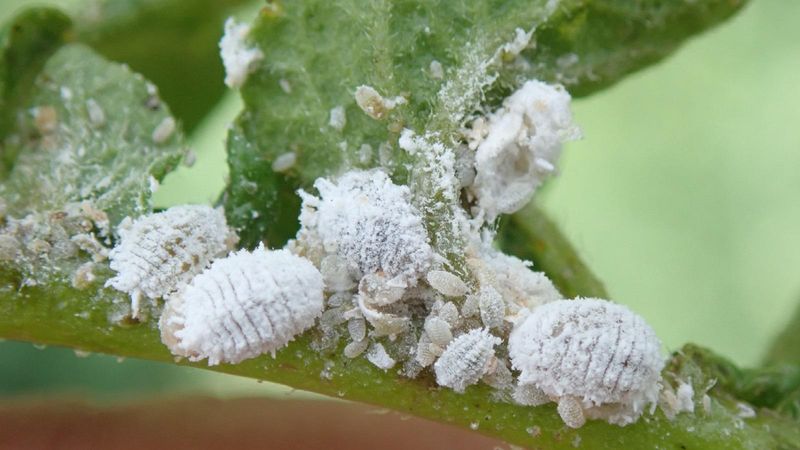
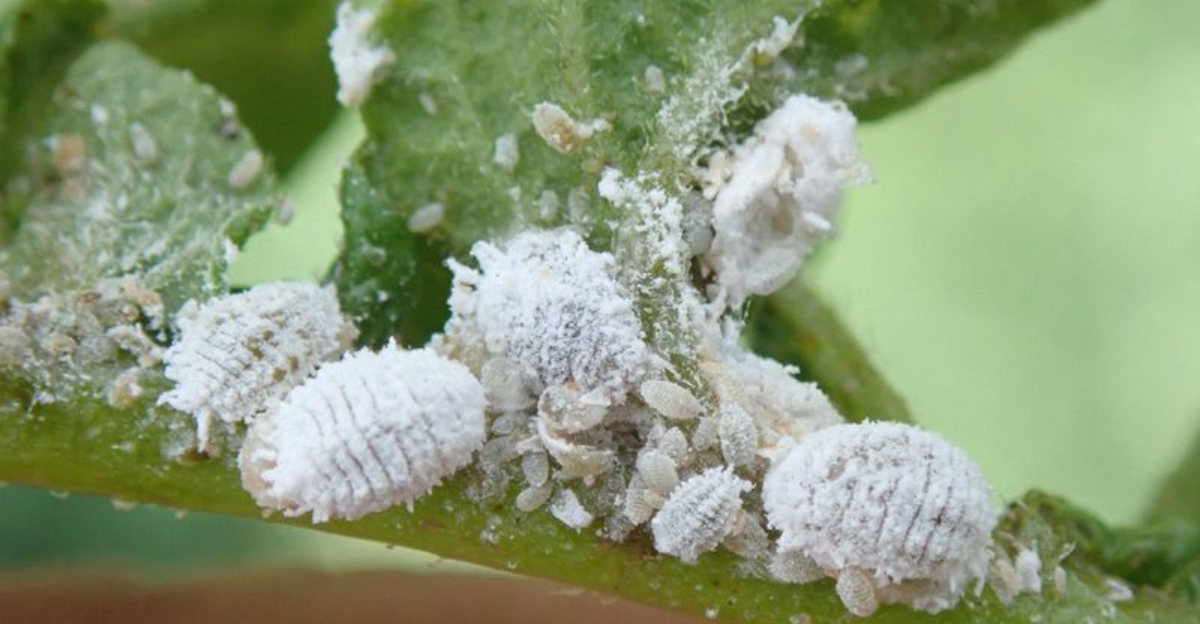
Imagine your plant as a lush buffet for unwanted guests. Sticky residue and tiny bugs are signs of pest problems like spider mites or mealybugs. Isolate the affected plant immediately to prevent spread. Clean the leaves with soapy water and apply neem oil weekly as a preventive measure. Did you know spider mites can infest an entire plant collection in just days? This urgency calls for vigilant care, safeguarding your plants against these tiny invaders. Such proactive steps ensure your plant’s well-being and longevity.
6. Emergency Leaf Drop Action Plan
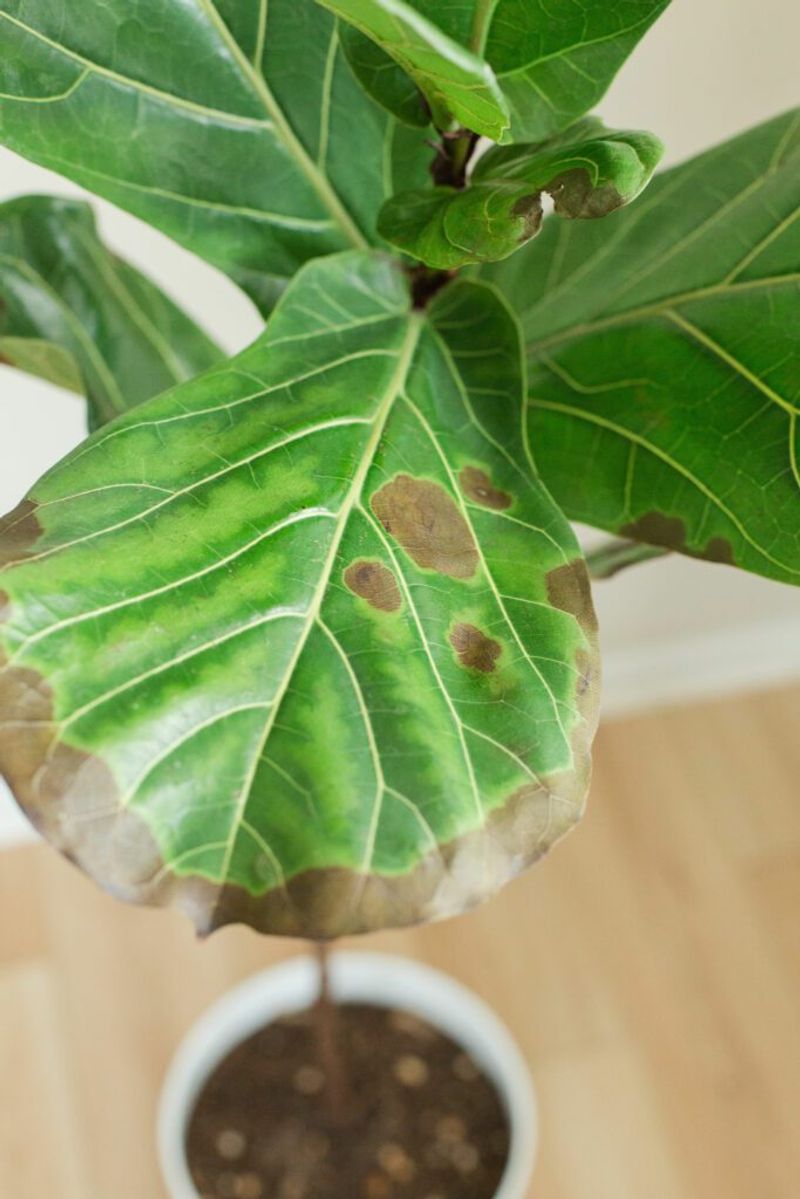
What do you do when your plant’s leaves are dropping en masse? Identifying the cause is crucial—inspect soil, stems, and leaves. Stop the stressor by adjusting water, light, or temperature conditions. Trim damaged leaves with sterilized scissors to prevent further harm. Allow your plant some recovery time, holding off on fertilizer until you see new growth. Remember, some leaf drop is normal, especially in fall, but a sudden mass exodus signals trouble. Your attentive care and timely intervention can restore harmony to your indoor jungle.