 Complete Gardening
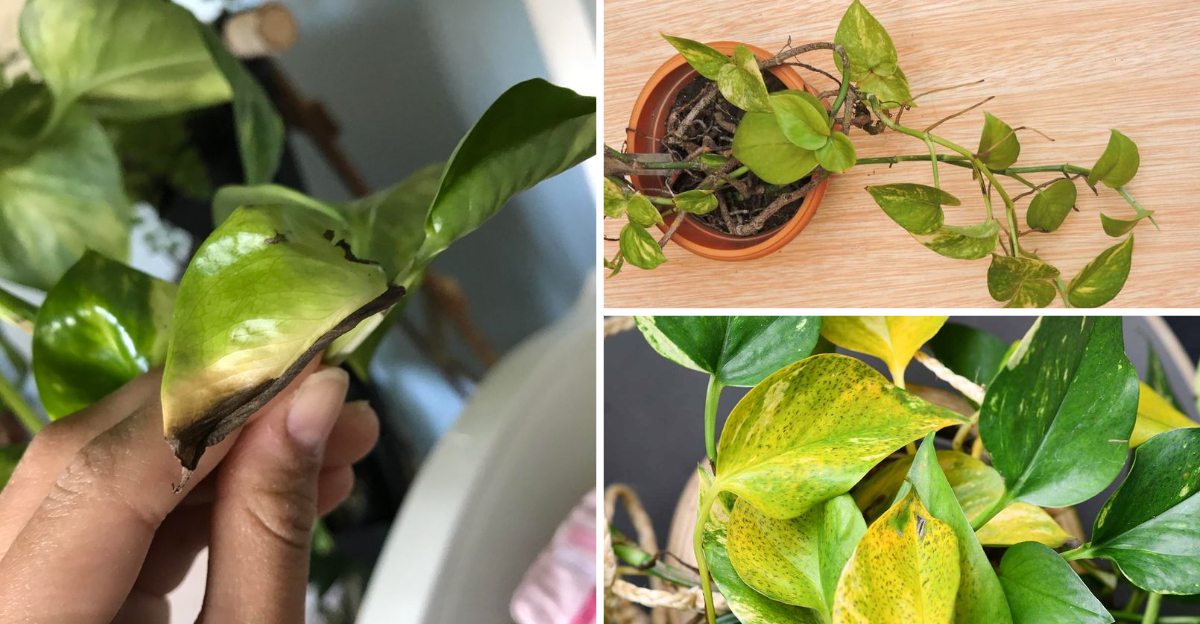
Pothos, often known as Devil’s Ivy, is a popular houseplant praised for its vibrant green leaves and low maintenance needs. However, even the hardiest plants can suffer when their care is neglected or misunderstood. This guide explores 16 signs that your beloved Pothos might be in distress and offers insights into how to nurture it back to health. By recognizing these warning signs, you can ensure your plant thrives and continues to bring a touch of nature into your home.
1. Yellowing Leaves
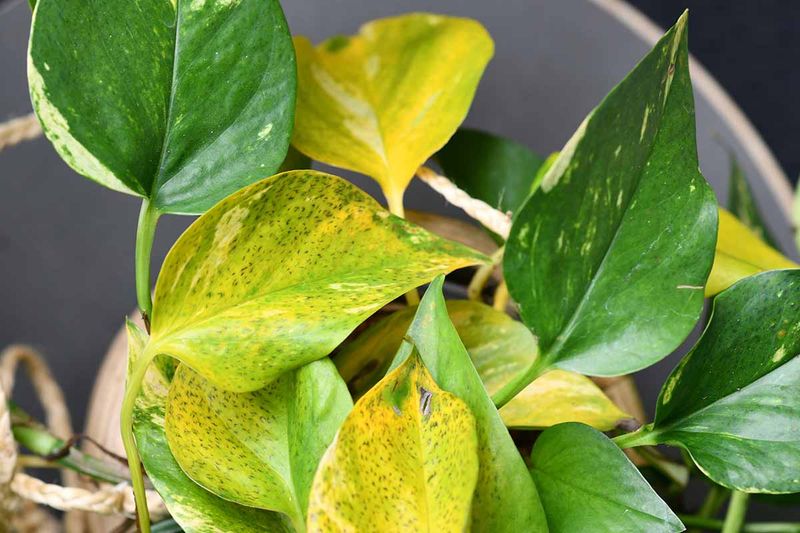
Yellowing leaves on a Pothos can signal distress. This change in color is often a cry for help from your plant, indicating overwatering or a need for nutrients. If you notice the leaves turning yellow, check the soil moisture. Overwatering can suffocate the roots, leading to decay.
Alternatively, a lack of essential nutrients like nitrogen may also cause this issue. Adjust your watering schedule and consider using a balanced fertilizer. Keep in mind that lower leaves naturally yellow and drop as the plant grows, so focus on new growth for signs of distress.
2. Wilting Stems
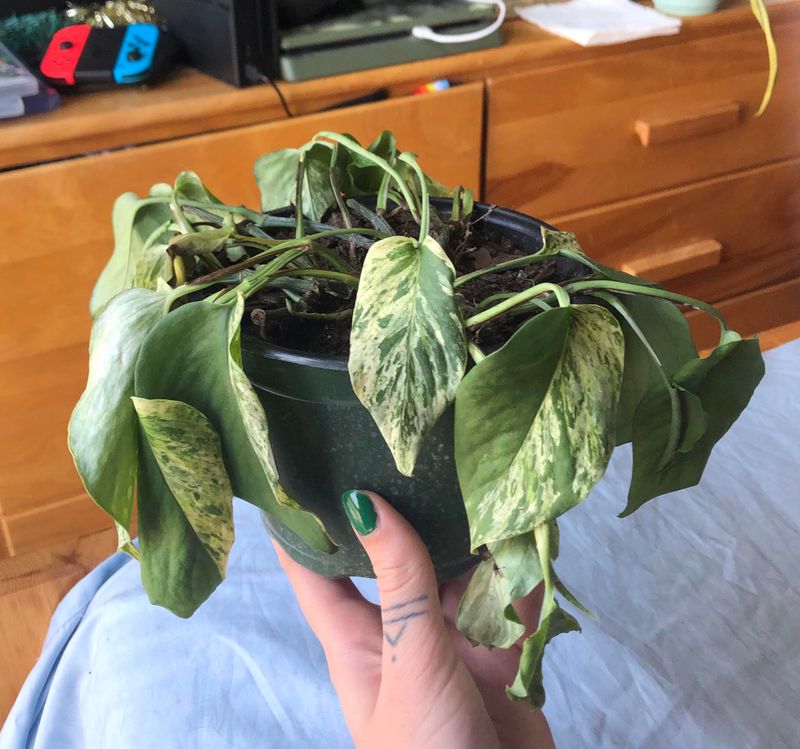
Wilting stems might be whispering that your Pothos needs a drink or is drowning in too much water. A thirsty Pothos will have soft, limp stems that need hydration. Ensure the soil is dry before watering again to avoid waterlogging.
Conversely, overwatering can lead to root rot, causing the stems to wilt despite sufficient water. Adjust your watering routine and observe changes. It’s all about balance. A quirky fact: Pothos stems can bounce back quickly with proper care! This resilience is why they remain a household favorite, even for beginner plant parents.
3. Brown Leaf Tips
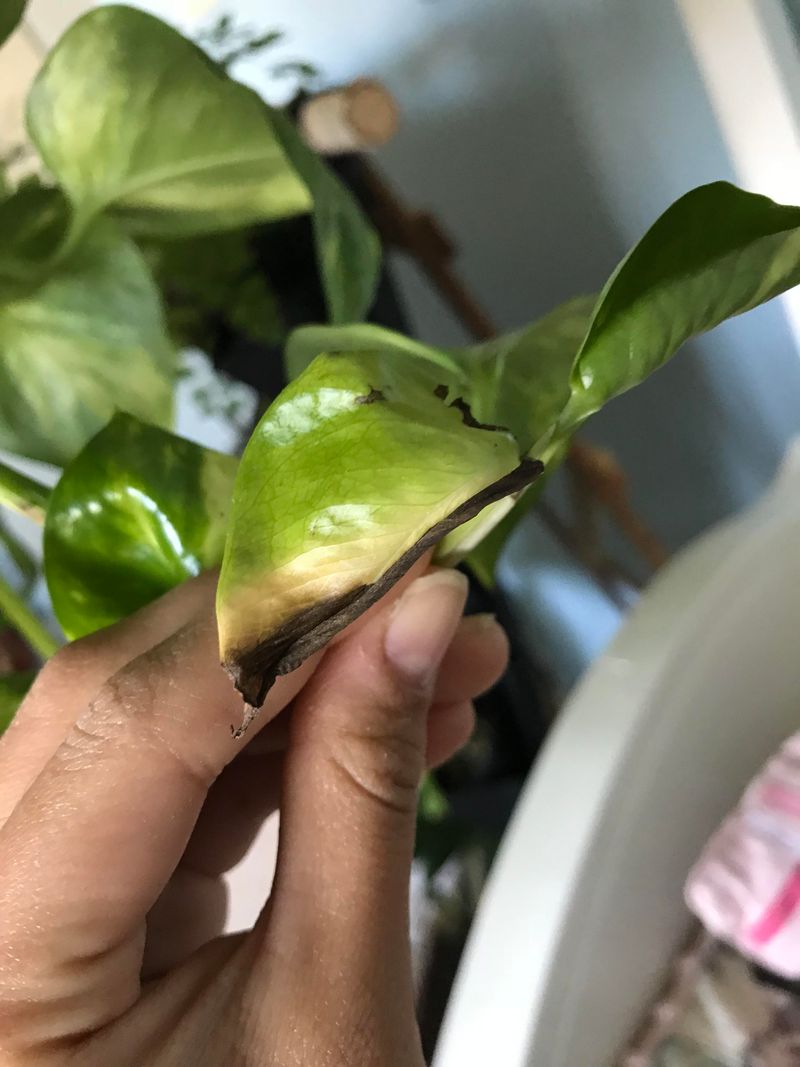
Brown tips on Pothos leaves can be a subtle signal that your plant is unhappy. Often, this browning is a result of inconsistent watering or low humidity. If the air is dry, consider misting the leaves or placing a humidifier nearby.
Inconsistent moisture levels can stress the plant, causing these unsightly tips. A fun fact: Brown leaf tips can also arise from fluoride in tap water. Use distilled or rainwater if you suspect this issue. Embrace the challenge of finding the perfect environment for your Pothos, as it’s well worth the lush, vibrant results.
4. Stunted Growth
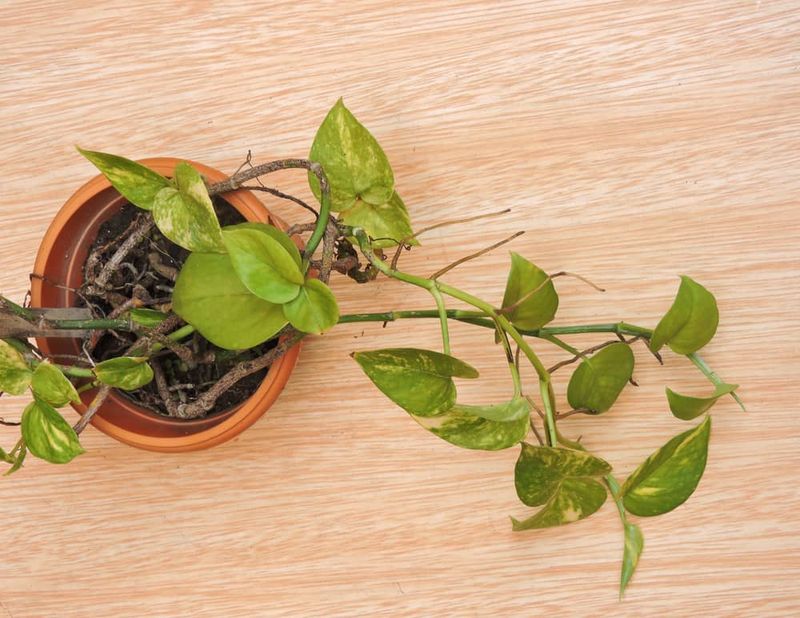
If your Pothos seems to be stuck in time, it might be experiencing stunted growth. This condition often hints at a lack of light or nutrients. Ensure your plant has access to bright, indirect sunlight, and feed it with a balanced fertilizer every few months.
Stunted growth can also be linked to compacted roots. Check if your Pothos has outgrown its pot, and consider repotting if necessary. Did you know? Pothos are known to grow swiftly in optimal conditions, so a little love can go a long way in boosting their growth.
5. Leaf Drop
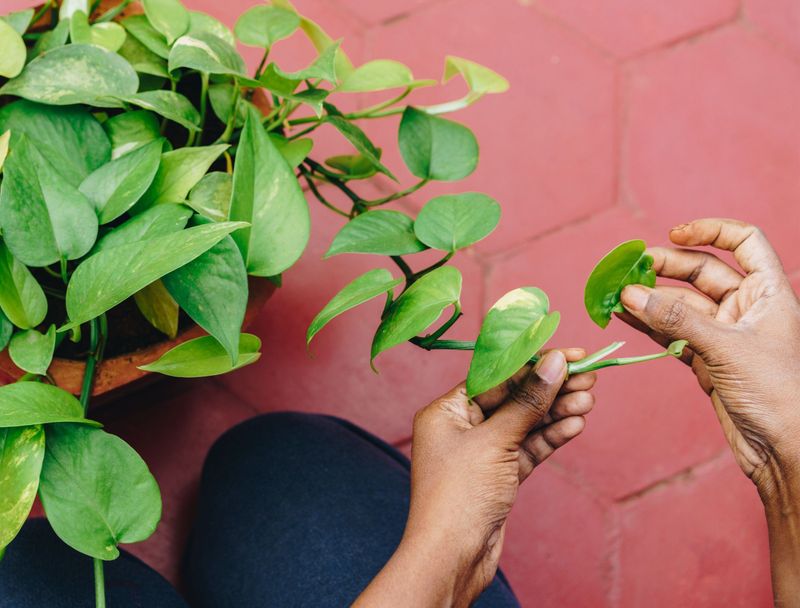
Leaf drop in Pothos can feel like a betrayal, but it’s often just a sign of stress. Temperature fluctuations, such as moving the plant from a warm to a cold area, can trigger this response.
Ensure a stable environment away from drafts and sudden temperature changes. Overwatering, too, can lead to leaf loss, as roots become unable to support the foliage. A quirky tidbit: Pothos might shed older leaves to conserve energy for new growth. Watching for patterns in leaf drop can help diagnose the underlying issue and restore harmony.
6. Discolored Leaves
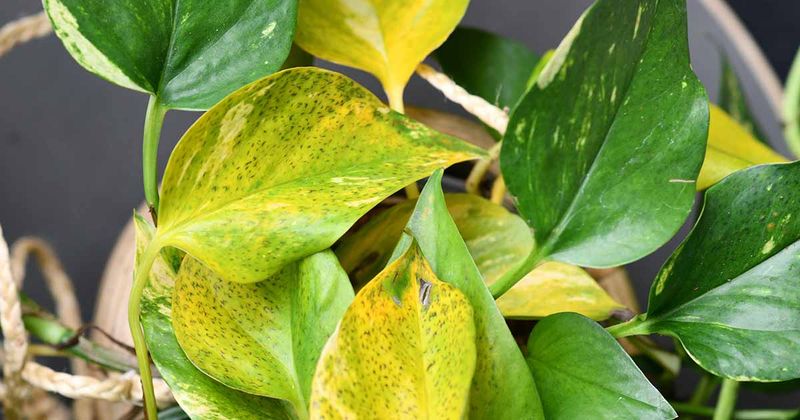
Discolored leaves can be a colorful cry for help from your Pothos. This condition often indicates nutrient imbalances or pests. Examine the leaves closely; yellowing with green veins may suggest an iron deficiency. Treat with an iron-rich fertilizer.
In contrast, check for pests like spider mites or aphids, which can cause spotting and discoloration. A historical tidbit: Pothos were first discovered in the Solomon Islands, where they thrive in naturally balanced conditions. With vigilance, your home can emulate this ideal environment, fostering vibrant and healthy leaf colors.
7. Leggy Vines
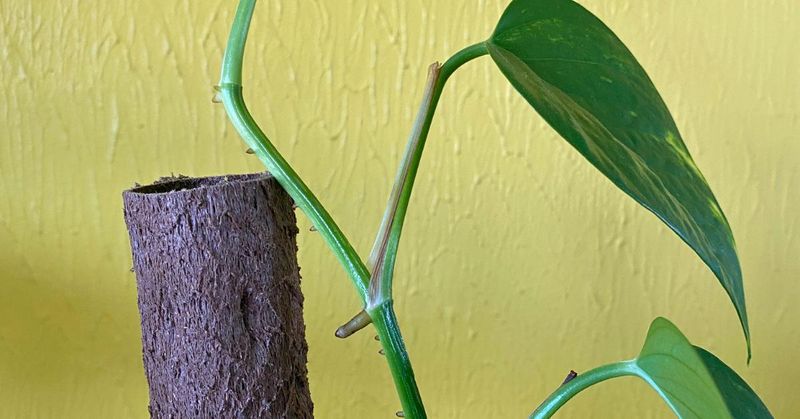
Leggy vines might seem stylish, but they often mean your Pothos is seeking more light. When light is insufficient, the plant stretches out, losing its lush appearance. Try relocating it to a spot with bright, indirect sunlight.
Legginess can also be a sign of nutrient deficiency. Ensure a regular feeding schedule to promote fuller growth. Did you know that trimming leggy vines can encourage bushier growth? Embrace the art of pruning to help your Pothos thrive and regain its lush, verdant form, enhancing its appeal as a decorative marvel.
8. Root Rot
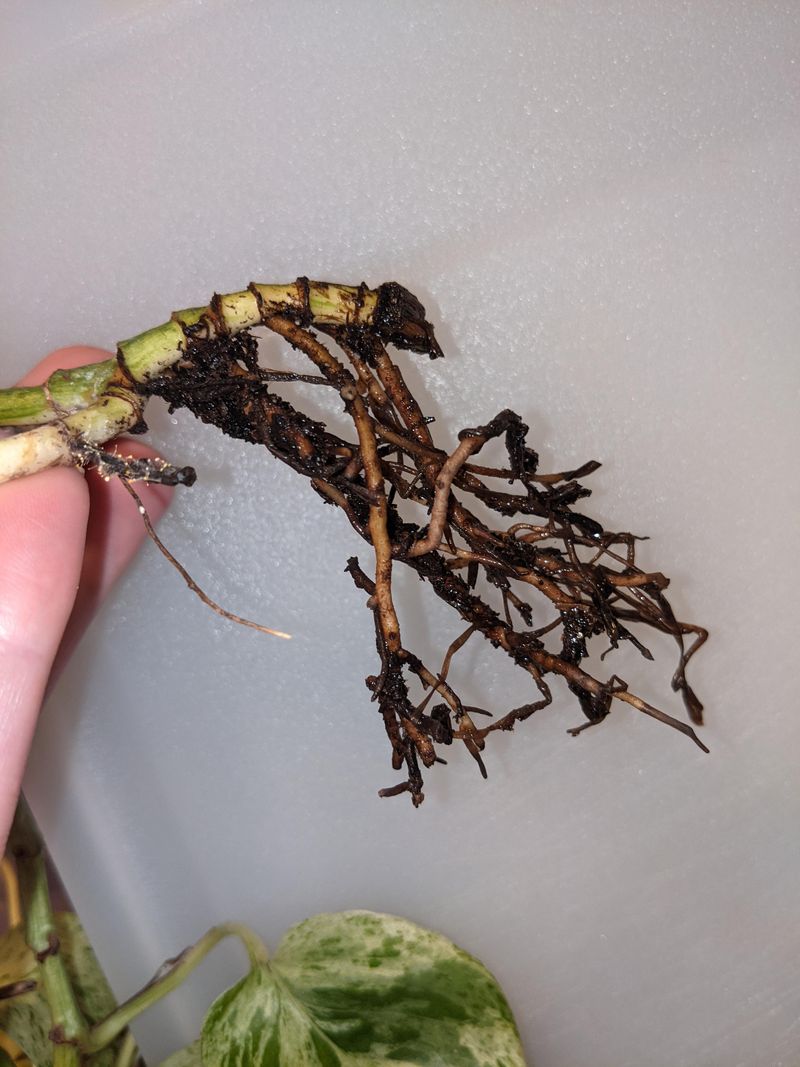
Root rot is a stealthy killer of Pothos plants, often caused by overwatering. Infected roots appear brown and mushy, losing their ability to absorb nutrients. If you suspect root rot, act quickly by trimming away affected roots and repotting in fresh soil.
Ensuring proper drainage is key to preventing this condition. Interestingly, Pothos can often recover from root rot if caught early, owing to their tenacious nature. By maintaining a balanced watering routine, you can safeguard your Pothos against this insidious threat, ensuring a healthy and resilient plant.
9. Sticky Leaves
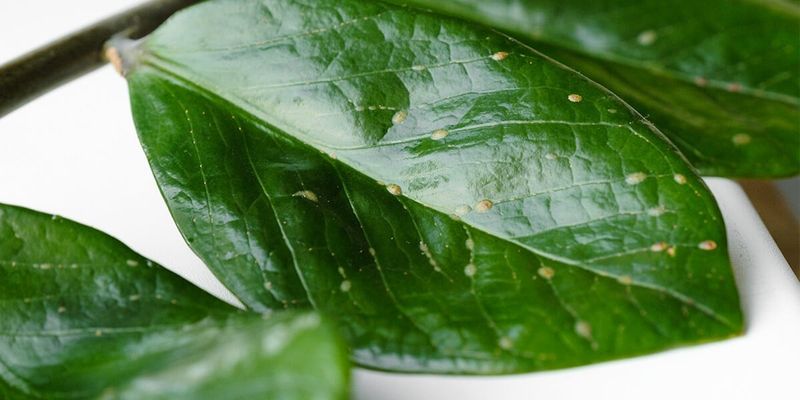
Sticky leaves might be your Pothos’s way of indicating a pest problem, such as scale or aphids. These insects secrete a sticky substance called honeydew. Look closely for tiny invaders and gently wipe the leaves with a damp cloth.
For persistent infestations, consider using insecticidal soap. Curiously, the stickiness isn’t harmful to the plant directly, but the pests causing it are. Regular checks can prevent these infestations from taking hold. By being vigilant, you can keep your Pothos healthy and save it from unwanted guests.
10. Curling Leaves
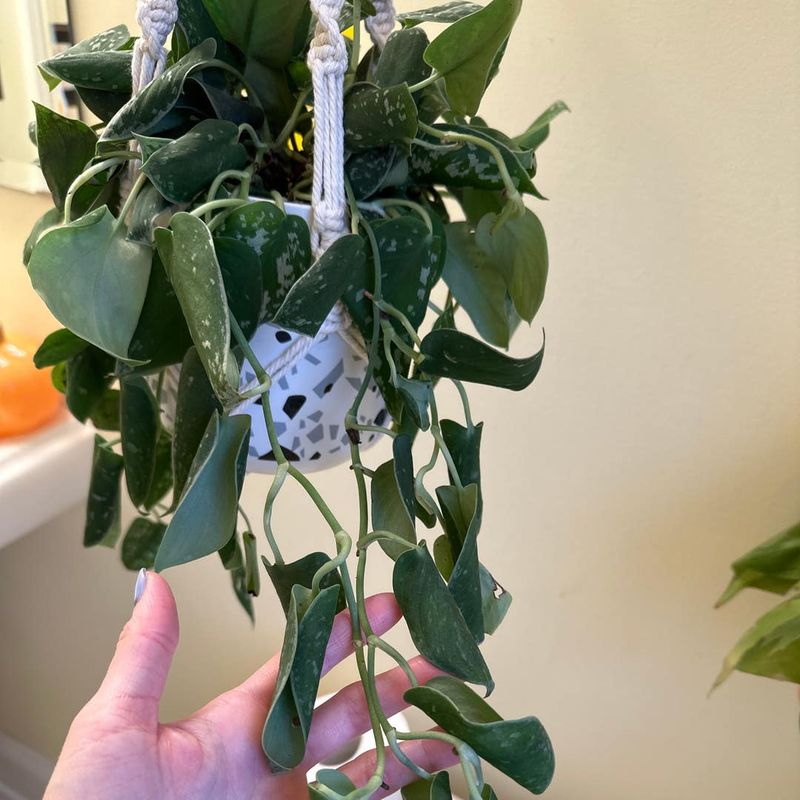
Curling leaves can be the dramatic expression of your Pothos’s discomfort. Often a sign of underwatering or dry air, leaf curling seeks your immediate attention. Check the soil moisture and increase humidity to alleviate this stress.
On the flip side, overwatering can also lead to curling, as roots become compromised. Adjust your care routine to suit the plant’s needs. Curling can also be a response to temperature stress. Did you know? In their native habitats, Pothos enjoy warm, humid environments. Mimicking these conditions can keep your plant happy.
11. Pale Leaves
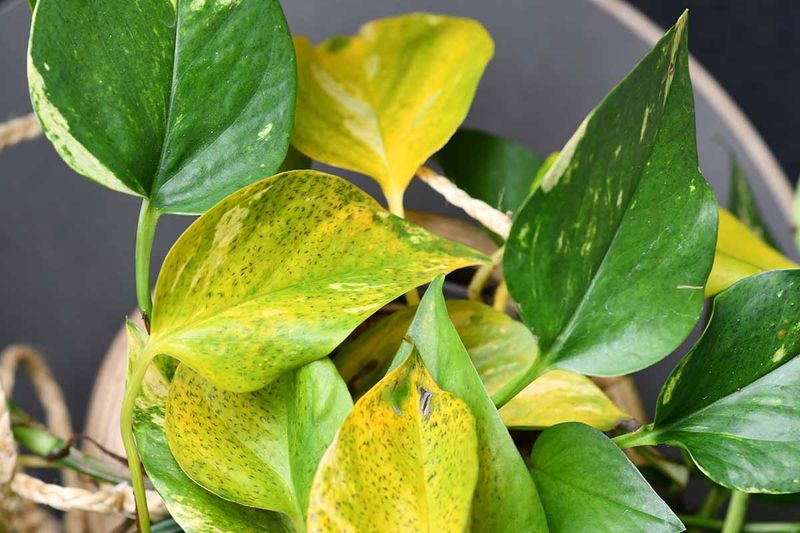
Pale leaves on a Pothos can be a subtle sign of nutrient deficiency or inadequate lighting. If the leaves look washed out, consider feeding your plant with a balanced fertilizer to replenish essential nutrients.
Additionally, ensure it receives enough light, but not direct sunlight, which can scorch the leaves. A fascinating fact: Pothos are adaptable but thrive best with some attention to their environment. By tweaking the light and nutrient levels, you can restore the vibrant green hues that make Pothos a beloved choice for indoor spaces.
12. Moldy Soil
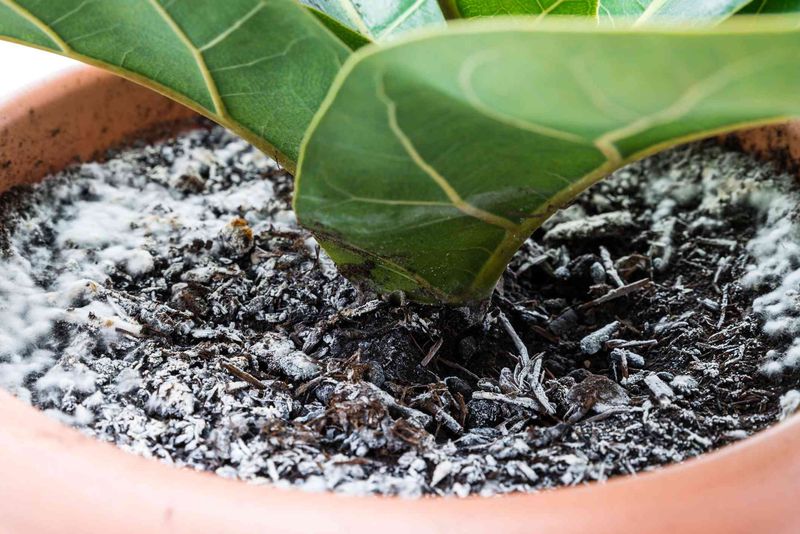
Moldy soil is a red flag for overwatering or poor drainage. When water lingers, it creates an ideal environment for mold to thrive. To combat this, allow the soil to dry between waterings and ensure your pot has proper drainage holes.
Using a potting mix with good aeration can also prevent mold growth. Fun historical note: Pothos are known for their hardiness, but even they can’t tolerate soggy conditions for long. By attending to the soil’s needs, you keep the plant’s environment healthy, fostering robust growth and vibrant leaves.
13. Spotted Leaves
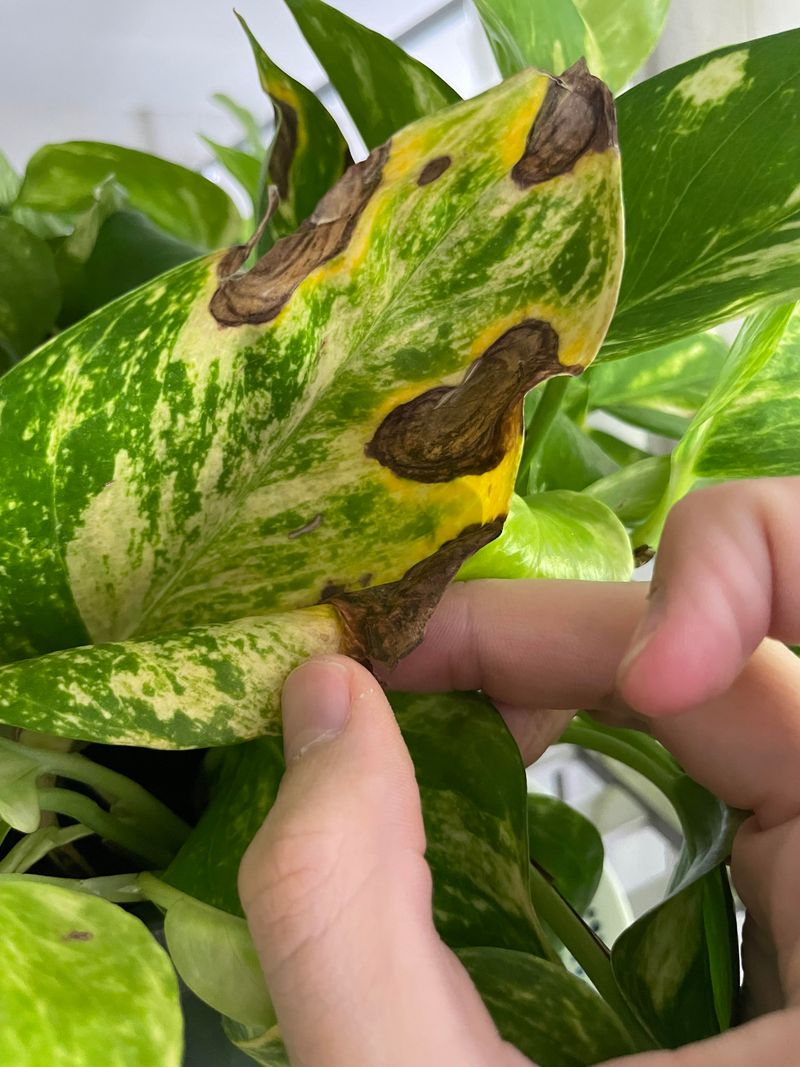
Spotted leaves might be your Pothos’s way of signaling disease or pest trouble. Spots can result from bacterial infections or pests like spider mites. Inspect the leaves and isolate the affected plant to prevent spread.
Using neem oil or a mild fungicide can address these issues. A quirky tidbit: Pothos are resilient, often bouncing back from diseases with proper care. Keeping an eye on leaf condition ensures you catch problems early, allowing for effective treatment and maintaining the plant’s lush, picturesque appearance.
14. Droopy Leaves
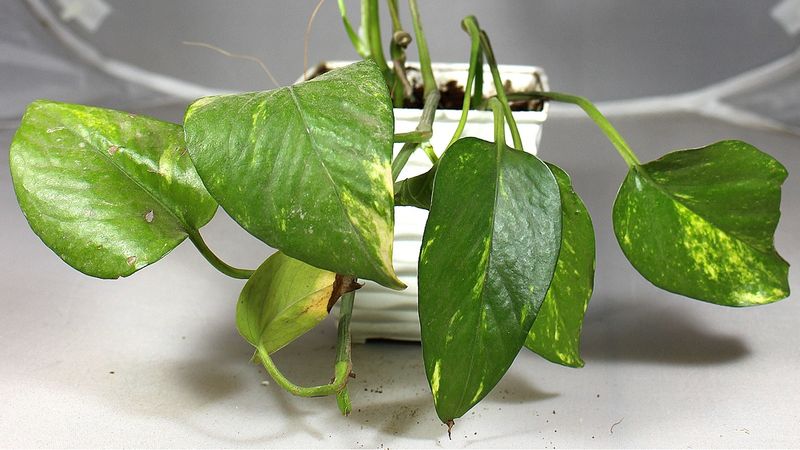
Droopy leaves may seem like your Pothos is sulking, but they often signal a lack of water or overwatering. Check the soil’s moisture level to determine the cause. If dry, water the plant thoroughly, allowing excess to drain.
Conversely, reduce watering if the soil feels soggy. Fun fact: Pothos leaves are quite communicative, perking up with proper care. Observing them can help you adjust your routine to better meet their needs, ensuring a lively and lush plant. Your attentiveness keeps the Pothos thriving as an elegant addition to any room.
15. Inconsistent Leaf Color
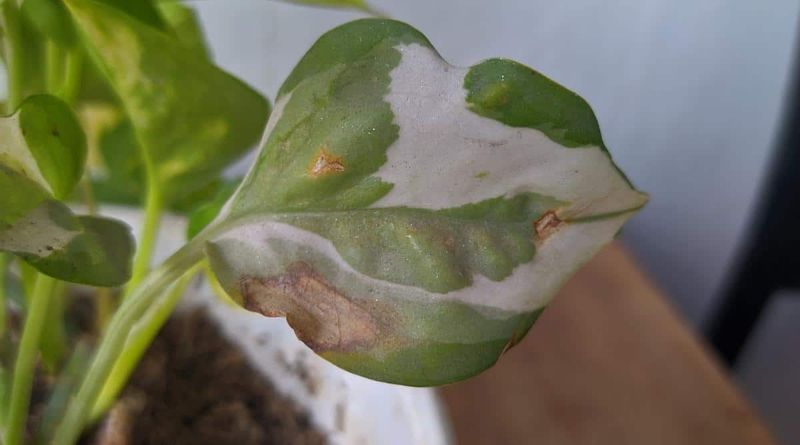
Inconsistent leaf color can be a visual cue that your Pothos’s environment needs tweaking. Uneven hues might signal a need for more consistent lighting or a balanced diet of nutrients. Relocating to a brighter spot or using a complete fertilizer can help.
This inconsistency can also arise from stress factors like repotting or temperature changes. Did you know? Pothos are sometimes called “Devil’s Ivy” because they’re nearly impossible to kill. With regular care and attention to environmental factors, they reward you with vibrant, consistent foliage.
16. Wrinkled Leaves
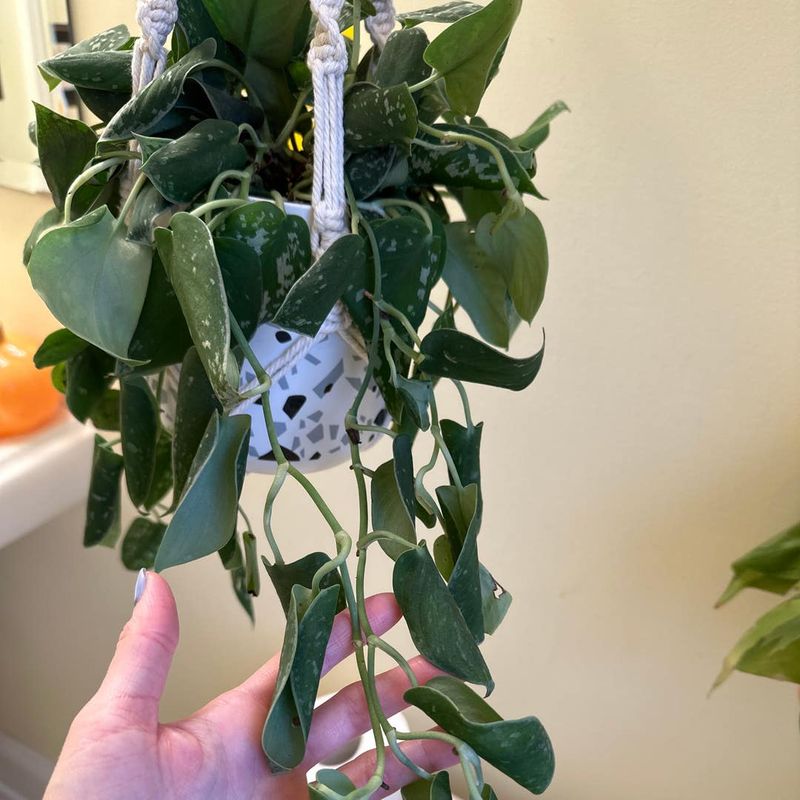
Ever noticed leaves that appear crinkled or wrinkled? This could be a sign of dehydration in your pothos. When the plant lacks sufficient water, the leaves lose their elasticity, resulting in an unsightly, shriveled look.
It’s essential to check the soil moisture regularly. If it feels dry several inches deep, it’s time to water your plant. Make sure not to overwater, as it can lead to other issues.
Placing your pothos in a well-lit area but away from direct sunlight can help prevent leaf dehydration. A balanced watering schedule will keep your pothos vibrant and healthy.