Complete Gardening
When winter arrives, the cold air, shorter days, and dry indoor heat can make life tough for your indoor plants. Many plant owners unknowingly stick to their usual care routines, not realizing that what works in summer can actually harm their plants during the colder months. The good news is that with a few simple adjustments, you can keep your plants healthy, green, and beautiful all winter long.
Here’s how to properly handle your indoor plants in winter — and what common mistakes to avoid.
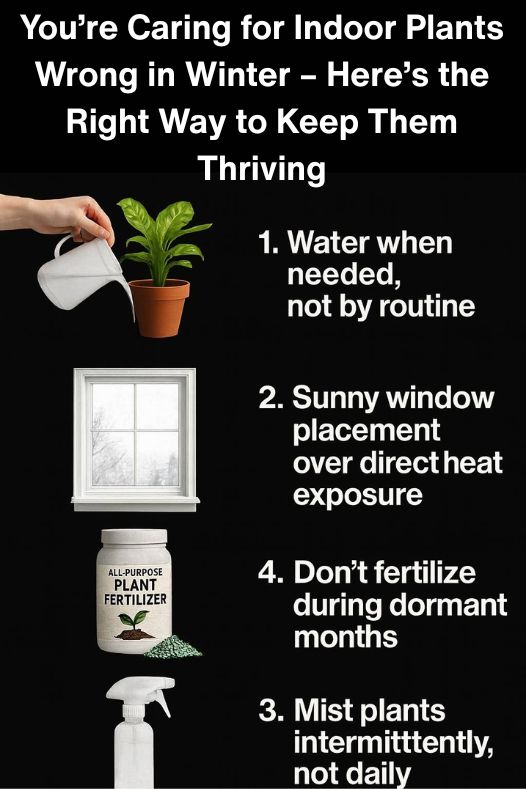
1. Water Less, and Never on a Fixed Schedule
Most plants slow their growth during winter, which means they need much less water. Overwatering is the number-one killer of indoor plants this time of year. Before watering, stick your finger about an inch into the soil — if it feels dry, only then should you water.
Cacti and succulents need very little water in winter, while tropical plants may need a bit more. Always use pots with drainage holes to prevent soggy roots and rot.
2. Give Them Light, but Keep Them Away from Heat
With shorter days and weaker sunlight, move your plants closer to a bright window, ideally one facing east or south. However, avoid placing them too close to cold windows or right next to radiators and heaters. Sudden temperature changes can shock the plant and cause leaf drop.
Keep the room temperature steady — between 60-75°F (15-24°C) — to keep most houseplants happy.
3. Stop Fertilizing Until Spring
Winter is the resting period for most indoor plants, so they don’t need extra nutrients. Feeding them now can lead to salt buildup in the soil and damage the roots.
Pause all fertilizing until spring, when plants start growing again. If you have a few that still show signs of active growth, use a half-strength fertilizer once a month at most.
4. Mist Sparingly – Once or Twice a Week Is Enough
Dry indoor air can be tough on plants, especially those that love humidity. Misting can help — but daily misting can actually cause mold and fungus.
Lightly mist your plants once or twice a week instead. You can also boost humidity by placing a tray of water with pebbles near your plants or running a humidifier nearby.
5. Monitor Indoor Humidity Levels
Most houseplants prefer humidity between 40–60%, but indoor heating often lowers it. Use a small hygrometer to track moisture levels in the air.
If your home is too dry, group plants together to create a more humid microclimate, or run a humidifier for a few hours each day. Tropical plants, in particular, will thank you for it.
6. Rotate Plants Regularly for Even Growth
Plants naturally lean toward the light source, especially in winter when sunlight is limited. Rotate your plants every two weeks so all sides receive light evenly. This keeps them symmetrical and prevents one side from becoming weak or leggy.
7. Keep Leaves Clean for Better Light Absorption
Dust can block sunlight and clog leaf pores, limiting your plants’ ability to photosynthesize. Gently wipe leaves with a damp cloth every couple of weeks to keep them clean and shiny.
Avoid commercial “leaf shine” sprays — they can suffocate the leaves and do more harm than good.
8. Group Plants for Natural Humidity Boost
Grouping plants close together helps them share moisture through transpiration, creating a mini tropical environment. Just make sure the plants have similar light and watering needs so none are overwatered or deprived.
This simple trick not only helps with humidity but also makes your plant display look more cohesive and beautiful.
9. Avoid Repotting in Winter
Winter isn’t the time to repot — most plants are semi-dormant and can become stressed by root disturbance. Only repot if absolutely necessary, such as when a plant is severely root-bound.
If you do repot, choose a container just slightly larger than the current one and ensure it has proper drainage.
10. Protect from Temperature Fluctuations
Drafts and sudden cold air can quickly damage houseplants. Keep them away from exterior doors, cold windows, and heating vents. If your windows get chilly at night, move the plants a few feet back before bedtime.
Using a small thermometer can help you maintain consistent temperatures around your plants, preventing shock.
11. Check Regularly for Pests and Diseases
Even in winter, pests like spider mites and aphids can show up, especially in dry indoor air. Inspect your plants weekly for sticky residue, spots, or webbing.
If you notice pests, isolate the affected plant and treat it with insecticidal soap or neem oil. Keeping your plants clean and humidity balanced will help prevent future infestations.
Conclusion – How to Keep Your Plants Happy in the Cold Months
Caring for indoor plants in winter doesn’t require much extra work — just smarter adjustments. Water less, provide bright light, avoid fertilizer, and maintain steady humidity and temperature. With these simple changes, your indoor plants will stay vibrant and healthy all season long, ready to burst into new growth when spring returns.