Complete Gardening
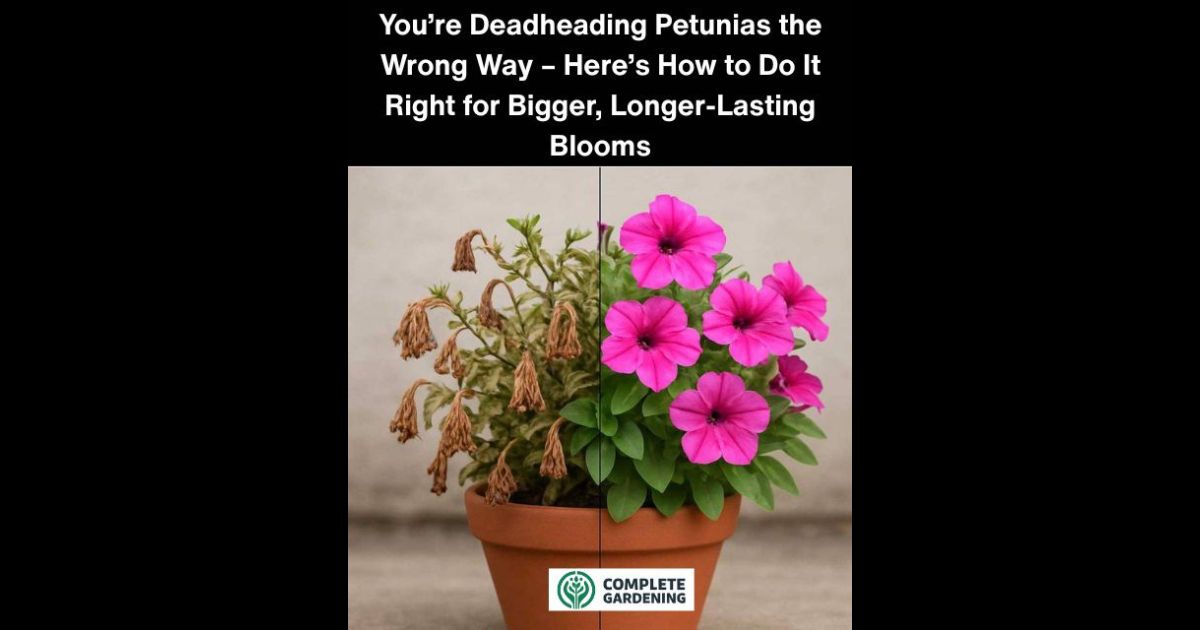
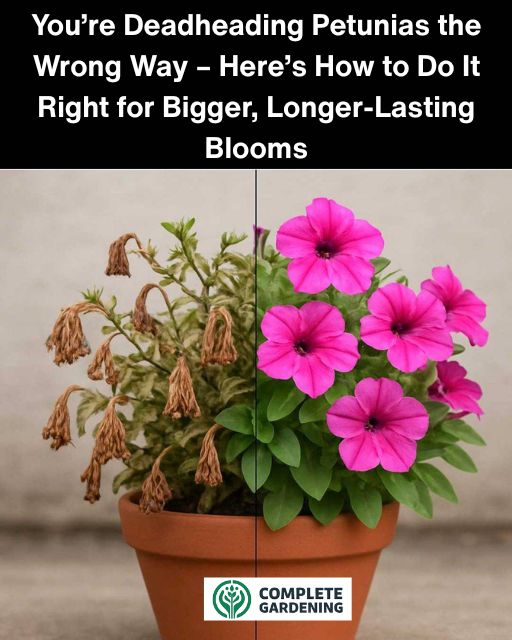
Petunias are one of the most vibrant and rewarding flowers to grow, filling gardens, pots, and hanging baskets with dazzling color all summer long. But there’s one secret to keeping them at their best — deadheading the right way. While most gardeners know they should remove faded flowers, many unknowingly do it wrong, which can actually reduce blooming instead of boosting it.
Here’s exactly how to deadhead petunias properly so you can enjoy bigger, healthier, and more frequent blooms all season long.
1. Why Deadheading Petunias Is So Important
Deadheading means removing spent flowers before they form seeds. For petunias, this step is essential. Once the plant starts seed production, it stops creating new blooms because it thinks its job is done. By snipping off faded flowers, you trick the plant into continuing its flowering cycle.
This simple practice keeps your petunias looking tidy, extends their blooming season, and encourages stronger, more vigorous growth.
2. The Mistakes Most Gardeners Make
Many gardeners think pinching off just the wilted petals is enough — but that’s the biggest mistake. Beneath the petals lies a small green seed pod, and if it’s left behind, the plant still believes it has reproduced. Always remove the entire flower head, including the pod.
Another common error is using dull scissors or waiting too long between deadheading sessions. Both can damage the plant or reduce bloom potential. Deadhead every few days for best results, especially during peak summer.
3. What You’ll Need for Perfect Deadheading
- A pair of sharp, clean pruning shears or scissors
- A small bucket or container for collecting spent flowers
- (Optional) Gardening gloves if you prefer not to handle sticky stems
Clean tools help prevent spreading disease and ensure smooth cuts that heal quickly.
4. The Best Time to Deadhead Petunias
The ideal times are early morning or late afternoon when temperatures are cooler. Avoid midday when the sun is strongest, as this can stress the plant.
During the height of the blooming season, check your plants every two to three days and remove faded flowers before they begin forming seeds.
5. How to Deadhead Step-by-Step
- Find spent blooms: Look for faded, drooping flowers or those losing their color.
- Locate the base: Follow the flower stem down to where it meets the next leaf or side stem.
- Cut cleanly: Snip just above a leaf node, removing the entire flower and seed pod.
- Dispose properly: Collect and discard the dead blooms so they don’t attract pests.
- Repeat regularly: Keep up the routine every few days for continuous flowering.
6. How Weather Affects Deadheading
In hot, dry weather, petunia blooms fade faster, so you’ll need to deadhead more frequently. In cooler, wetter conditions, flowers last longer, meaning you can space out your maintenance.
As summer progresses, regular deadheading becomes even more critical to keep your plants full and bushy.
7. Viral Gardening Hacks – Do They Work?
Some viral tips suggest using nail clippers or dull household scissors — skip those. They can bruise the stems and invite disease. However, one trick that does work is lightly misting the flowers with water before deadheading. This softens the petals, making them easier to remove cleanly.
Always remember: clean, sharp tools and gentle handling are what keep petunias thriving.
8. The Impact on Bloom Size and Quantity
When you deadhead properly, your petunias redirect energy from seed-making to bloom-making. This means bigger, fuller flowers and more of them. Over time, you’ll notice your plant producing new buds faster and staying in bloom much longer.
9. Aftercare: Keeping Petunias Thriving Post-Deadhead
Once you’ve deadheaded, give your plants a little extra care to help them recover and grow stronger.
- Water: Keep the soil consistently moist but never soggy.
- Fertilize: Every 2–3 weeks, use a balanced water-soluble fertilizer to keep nutrient levels high.
- Inspect: Check for pests or diseases regularly and act early if needed.
10. Expert Tips from Gardeners Who Know Best
Professional gardeners agree — the secret to continuous petunia blooms is consistency. Set a routine for checking and trimming your plants. Experts also caution against over-fertilizing, as this can lead to lots of green leaves but few flowers.
Stay balanced — proper nutrition, steady watering, and routine deadheading are all your petunias need to bloom brilliantly.
Conclusion – The Right Way to Deadhead for Endless Blooms
If your petunias aren’t blooming as much as you hoped, the problem might be your deadheading technique. By removing the entire flower and seed pod regularly, you’ll encourage your plants to keep producing fresh, vibrant blooms all summer long.
It’s a simple task that takes just minutes — but the results are incredible. Do it right, and your petunias will reward you with a non-stop display of color that transforms your garden into a summer masterpiece.