Complete Gardening
Winter can be a tough time for houseplants. As daylight fades and indoor heating dries the air, even the most resilient plants can start to wilt, yellow, or drop leaves. But keeping them alive through winter doesn’t mean working harder — it means working smarter. With a few simple changes to your routine, you can help your plants survive the cold months and emerge stronger in spring.
Here’s the right way to care for and revive your houseplants this winter.
1. Water Less, Not More
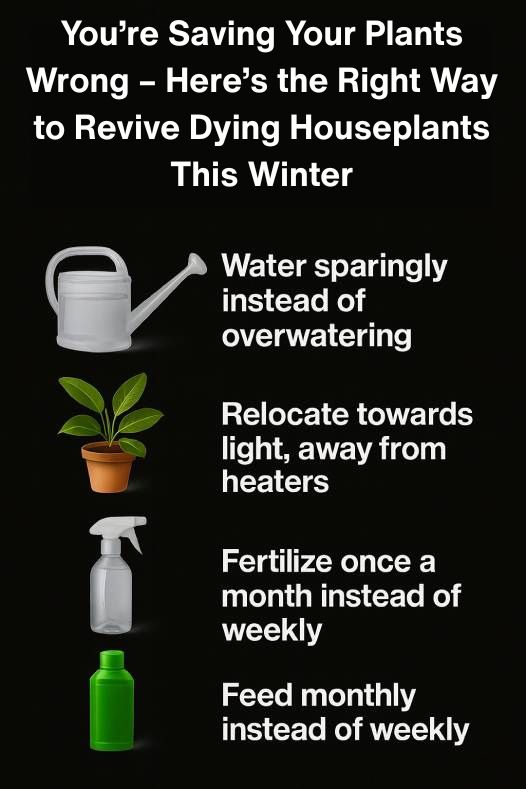
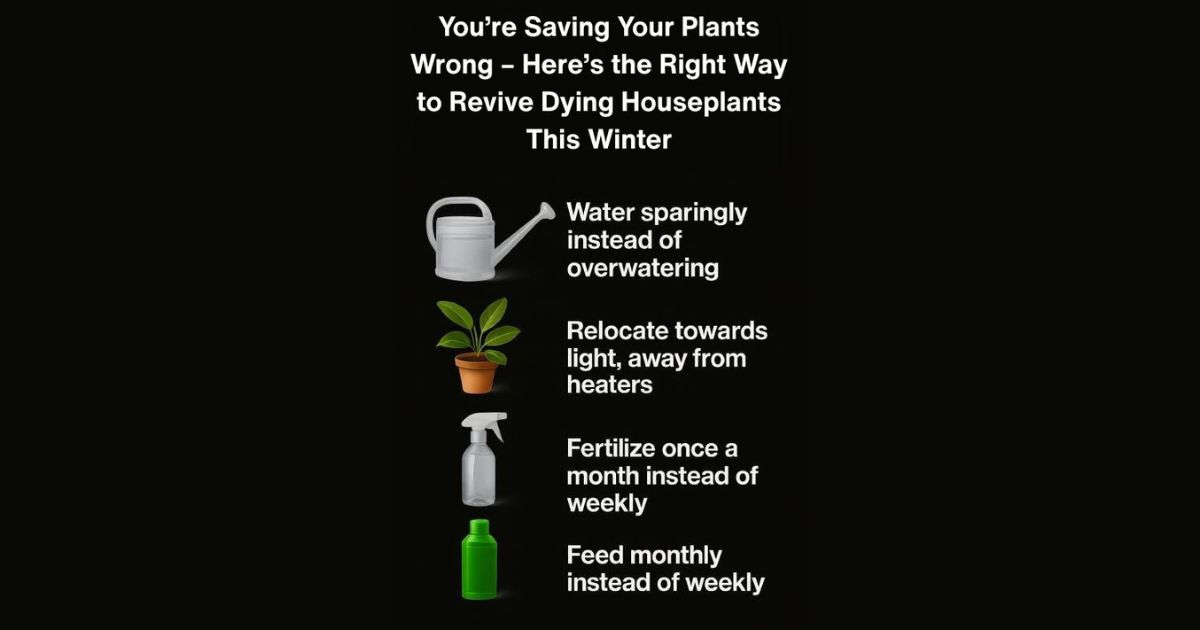
Overwatering is the number one reason plants die in winter. Most houseplants slow their growth during colder months, meaning they need far less water. Always check the soil before watering — if the top inch feels dry, it’s time to water.
When you do water, make sure the soil is evenly moist and allow excess water to drain away completely. Never let your plants sit in standing water, as this leads to root rot. For many plants, watering once every two to four weeks is enough.
2. Move Closer to Light, But Away from Heat
Shorter days mean less sunlight, so help your plants by moving them near bright windows. South or west-facing windows are best, but watch out for cold drafts. Avoid placing them too close to radiators or heating vents — the hot, dry air can dehydrate leaves.
Keep room temperatures between 65–75°F (18–24°C) for most houseplants, and if natural light is scarce, consider adding a grow light.
3. Mist the Air, Not the Leaves
Winter air indoors is often dry, and low humidity can cause crispy leaves. But misting the leaves directly can encourage fungal problems. Instead, focus on humidifying the air.
You can do this by placing a shallow tray filled with water and pebbles under your plants or grouping them together to increase local humidity. Just make sure there’s still enough air circulation to prevent mold.
4. Feed Monthly, Not Weekly
Your plants don’t need as much fertilizer in winter because their growth slows down. Overfeeding can lead to a buildup of salts in the soil, damaging the roots.
Once a month, use a diluted liquid fertilizer at half strength to give them a light nutrient boost. This keeps them healthy without overloading their dormant systems.
5. Use the Right Soil for Winter Conditions
Good drainage is essential in winter. Choose a well-draining potting mix that contains materials like perlite, coco coir, or coarse sand. This prevents excess moisture from clinging to roots and causing rot.
Avoid repotting in winter unless absolutely necessary — it’s best to wait until spring when plants resume active growth.
6. Prune Dead or Damaged Leaves
Pruning keeps your plants healthy and encourages new growth. Trim off brown, yellow, or dead leaves using clean, sharp scissors or shears. Always cut at a slight angle to prevent water from sitting on the cut surface.
Be gentle — removing too much at once can stress the plant, so focus only on visibly unhealthy or dead sections.
7. Inspect for Pests Often
Indoor plants can still attract pests like spider mites, aphids, and fungus gnats, especially in winter. Examine your plants weekly, paying close attention to the undersides of leaves.
If you spot pests, isolate the plant and treat it with neem oil or insecticidal soap. Repeat every few days until the pests are gone, and keep other plants nearby clean to prevent reinfestation.
8. Keep Conditions Stable
Houseplants hate sudden changes. Try to keep the temperature and humidity steady by avoiding drafts, open windows, or moving plants between rooms frequently.
Use a thermometer and hygrometer to monitor your indoor environment — most houseplants do best at 65–75°F (18–24°C) and 40–50% humidity.
9. Rotate for Balanced Growth
Plants naturally lean toward their light source, which can make them grow unevenly. Every two weeks, give each plant a quarter turn. This ensures even light exposure, encourages symmetrical growth, and allows you to check for hidden pest or disease issues.
10. Don’t Overcrowd Your Plants
Crowded plants compete for light, air, and space. This can trap moisture and lead to fungal growth. Give each plant room to breathe by spacing them apart — or use plant stands and shelving to create vertical space.
Proper spacing improves air circulation and reduces the risk of mold, mildew, and pests.
11. Use a Humidifier for the Perfect Environment
Dry indoor air is one of the biggest threats to houseplants in winter. A small humidifier can make a huge difference, keeping humidity around 40–50%.
This prevents leaf tips from browning and helps tropical plants feel at home. As a bonus, it also makes your indoor air healthier for you, too.
Final Thoughts – Let Them Rest to Revive
When it comes to winter plant care, less really is more. By watering sparingly, maintaining steady humidity, and providing consistent light, you can guide your houseplants safely through the season.
Follow these steps, and come spring, you’ll be rewarded with strong, thriving plants ready to burst back into full growth.