Complete Gardening
Roses may be the stars of your garden in summer, but they’re also among the most vulnerable plants when winter sets in. While most gardeners believe they’re doing enough to protect their roses, many are unknowingly making mistakes that leave their plants exposed to frost, wind, and temperature swings.
If you want your roses to not just survive but thrive come spring, proper winter care is essential. Let’s uncover the most common mistakes and the proven methods to ensure your roses bloom beautifully again next season.
1. Understand How Winter Actually Damages Roses
Winter damage doesn’t happen overnight — it builds up from exposure to freezing temperatures, drying winds, and fluctuating weather. The most common issues include root freeze, dieback, desiccation, and cane breakage.
Hybrid teas and floribundas are especially sensitive, as their graft unions and roots can easily freeze. Repeated freeze-thaw cycles — when the plant warms by day and refreezes at night — can rupture cell walls, causing severe tissue damage.
2. Start Protection at the Right Time
Timing is everything. Begin winter protection just before the first hard frost, usually when temperatures consistently dip below 40°F (4°C). Starting too early prevents dormancy, while waiting too long risks early frost damage.
Keep an eye on local forecasts and know your hardiness zone. Having materials ready beforehand saves you from scrambling when the temperature suddenly drops.
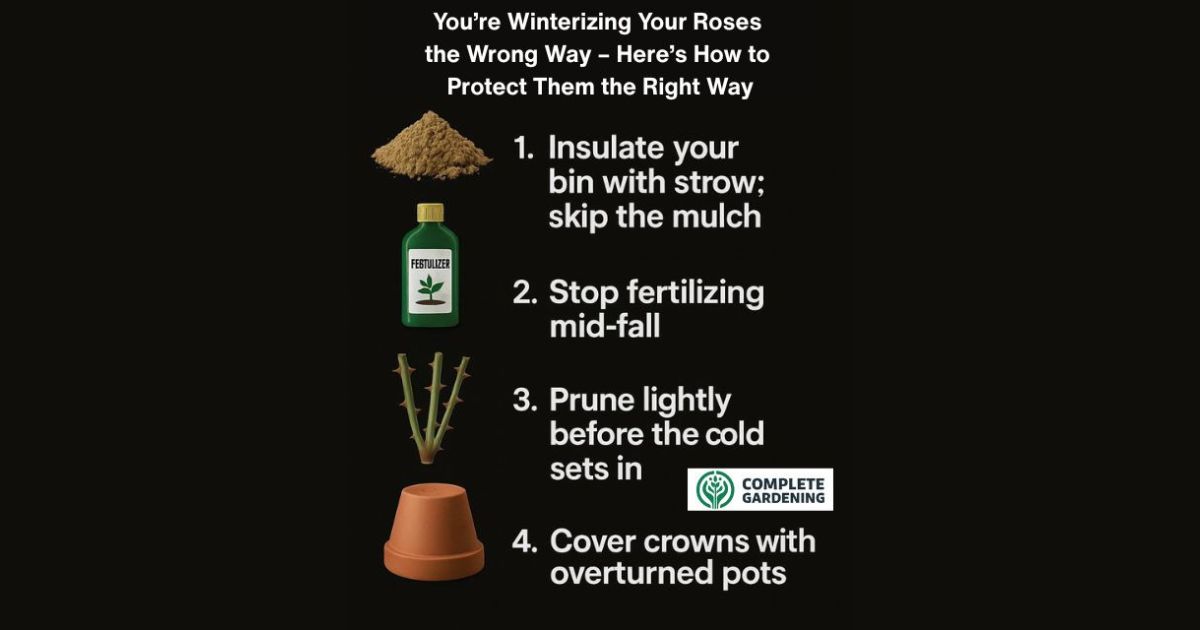
3. Mound Soil, Not Mulch, Around the Base
A big mistake gardeners make is using mulch instead of soil. Soil provides better insulation and maintains more consistent temperatures.
Mound 12 inches of loose, well-draining soil around the base of each rose to protect the graft union and lower canes. Avoid waterlogged soil — it can freeze solid and suffocate the roots. The goal is to create a natural, breathable “blanket” around the crown.
4. Stop Fertilizing by Late Summer
By mid-August, stop feeding your roses. Fertilizer encourages new growth that’s too tender to withstand frost. These soft shoots will freeze and die back, wasting the plant’s energy.
Instead, allow your roses to gradually enter dormancy so they can focus on strengthening their root system and preparing for winter rest.
5. Don’t Over-Prune Before Winter
Resist the urge to prune heavily in the fall. While trimming dead or diseased canes is fine, heavy pruning exposes more of the plant to harsh elements.
Do a light prune to remove weak growth and prevent wind breakage, but save major pruning for spring when the threat of frost has passed. Keeping more of the plant’s structure intact helps protect the inner canes naturally.
6. Focus Protection on the Crown – Not the Canes
Your main focus should be on protecting the crown (where the roots and canes meet). Use burlap wraps, rose cones, or breathable covers to shield this area.
Avoid covering the entire plant with plastic — it traps moisture and promotes fungal disease. Instead, ensure good airflow while keeping the crown insulated and dry.
7. Water Deeply Before the Ground Freezes
Hydration is crucial for winter survival. Give your roses a deep soak in late fall before the ground freezes. Aim for about 1 inch of water per week leading up to frost.
Dry soil increases the risk of dehydration and root damage. Moist soil, on the other hand, retains warmth better and helps the plant endure cold winds.
8. Pick the Right Materials for Winter Protection
Choose breathable, insulating materials like straw, leaves, or burlap. These help maintain warmth without trapping excess moisture.
Avoid plastic or synthetic covers, which can lead to condensation, mold, and rot. Secure all coverings firmly — winter winds can easily undo your hard work if they’re not anchored well.
9. Use Your Garden’s Microclimates to Your Advantage
Location can make or break your roses’ survival. Roses planted near south-facing walls or sheltered fences benefit from reflected heat and protection from wind.
Avoid planting in low spots where frost collects. Understanding these microclimates allows you to tailor your protection for the best results.
10. Viral Hacks to Avoid (and a Few That Actually Work)
Not every viral hack online works for roses. Skip the bubble wrap insulation — it traps moisture and suffocates the plant. Similarly, storing potted roses in garages only works if temperatures stay cool but not freezing.
If you want a reliable hack, try mounding compost instead of plain soil. It provides insulation and slow nutrient release that strengthens the roots before dormancy.
11. Keep Checking All Winter Long
Your job isn’t done once the first frost hits. Regularly inspect your roses throughout winter — storms can shift covers, and dry spells can dehydrate roots.
If a warm spell arrives, temporarily remove covers to prevent overheating and excess moisture buildup. Consistent monitoring ensures your roses stay protected all season.
Final Thoughts: Set Them Up for a Strong Comeback
Winter doesn’t have to mean losing your roses. With proper timing, insulation, and vigilance, you can protect your plants from cold damage and guarantee a vibrant bloom when spring returns.
By avoiding common mistakes and using the right methods, you’ll ensure that your roses not only survive winter — they’ll come back stronger, healthier, and more beautiful than ever.