 Complete Gardening
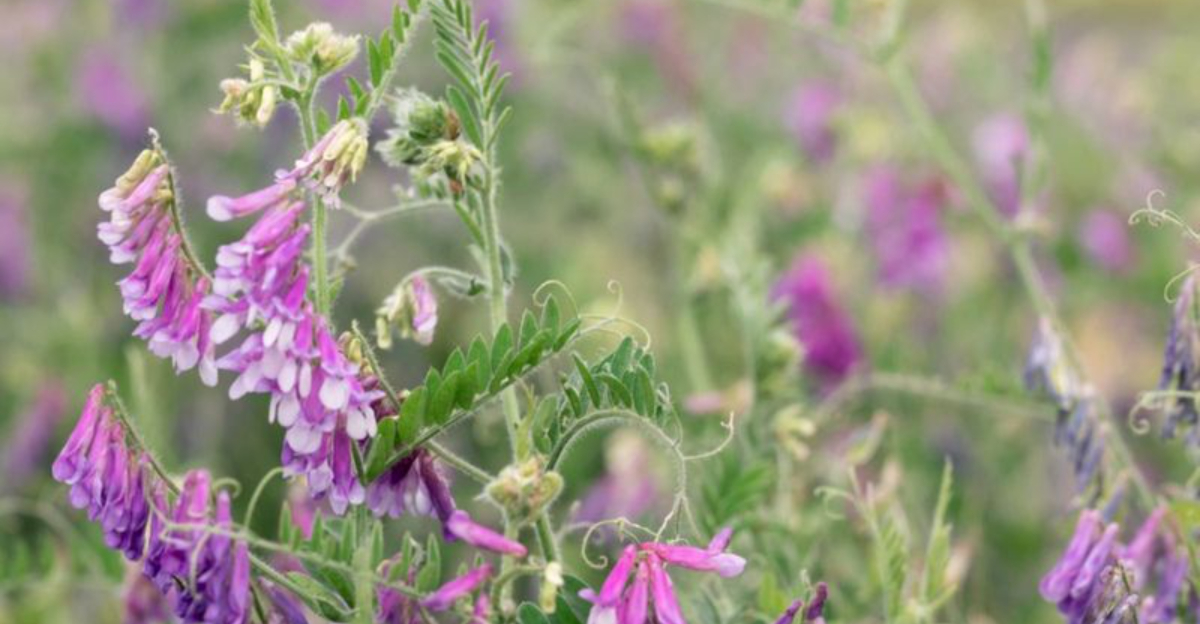
Discover a world where plants thrive without the need for artificial fertilizers. In this blog post, we explore 18 remarkable plants that naturally enrich the soil, providing essential nutrients not only for themselves but also for their neighbors. Say goodbye to synthetic fertilizers and embrace these natural wonders that offer a sustainable way to nourish your garden.
1. Clover
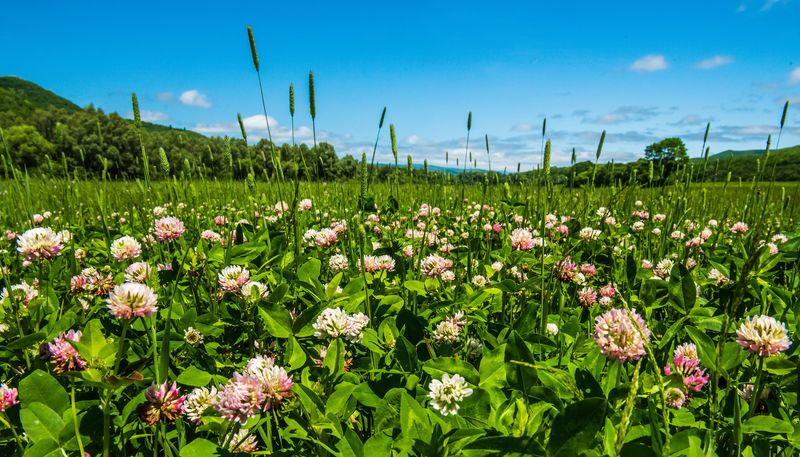
Clover is often dismissed as a simple weed, but its ability to fix nitrogen in the soil makes it a powerhouse in natural fertilization. Historically, farmers have relied on clover to enrich their fields without the need for chemical fertilizers.
Not only does clover improve soil fertility, but it also provides an excellent ground cover, reducing erosion and maintaining soil moisture.
Gardeners appreciate its resilience and adaptability, making it a valuable addition to any eco-friendly garden. With its trifoliate leaves and delicate flowers, clover adds both beauty and function to the landscape.
2. Alfalfa
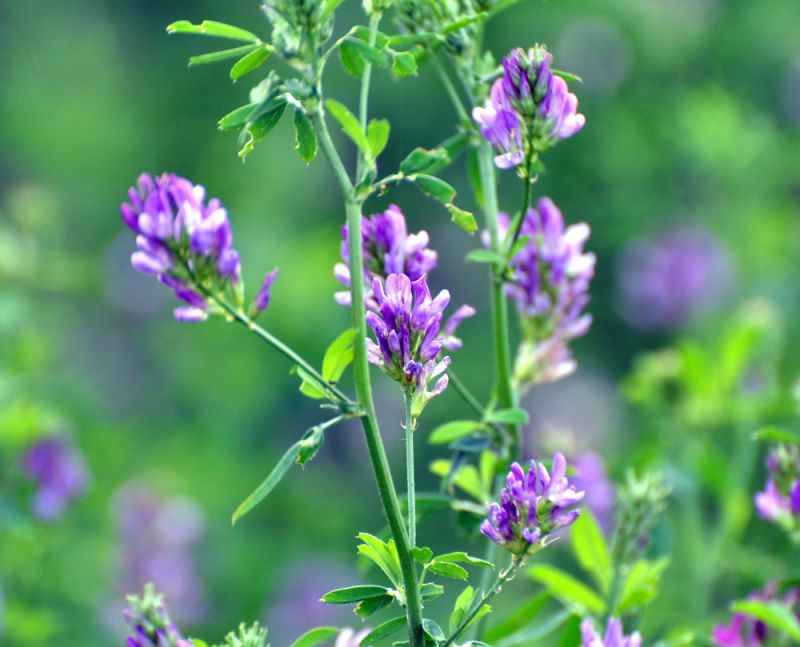
With its deep roots and nitrogen-fixing abilities, alfalfa is a champion of soil enrichment. This perennial legume is not just fodder for livestock; it’s a boon for gardens seeking natural fertility solutions.
Alfalfa’s ability to penetrate deep soil layers means it can access nutrients that other plants can’t, bringing them closer to the surface. Its lush foliage also provides mulch that enriches the ground further.
Many organic gardeners swear by alfalfa as a green manure that revitalizes tired soils, making it a staple for sustainable farming practices.
3. Comfrey
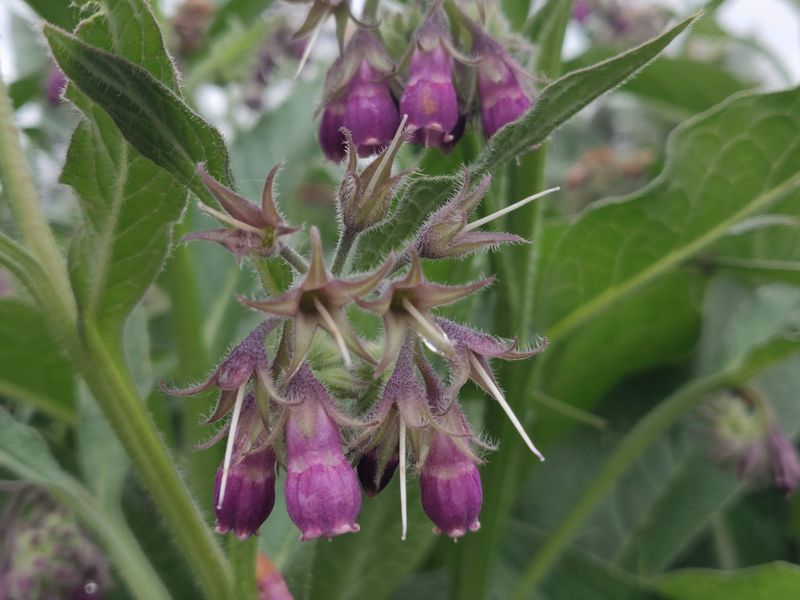
Known for its rapid growth and deep taproot, comfrey is a garden favorite for natural fertilization. Its roots draw nutrients from deep within the soil, making them available to other plants.
Comfrey leaves, rich in potassium, are used as mulch or compost tea, enhancing plant growth and resilience. Its rapid decomposition means nutrients are quickly returned to the soil.
Gardeners often plant comfrey near fruit trees to bolster health and yield. This hardy perennial is not only beneficial but adds a touch of wild beauty to any garden setting.
4. Lupine

Lupines are more than just a pretty face in the garden; they’re a natural fertilizer powerhouse. These vibrant flowers are capable of fixing atmospheric nitrogen, enriching the soil for their neighbors.
Lupines’ striking spikes of vibrant blooms attract pollinators, promoting biodiversity. Their presence in the garden is both functional and visually stunning.
Gardeners value lupines for their ability to thrive in poor soil conditions, making them an ideal choice for areas that need soil improvement. Their beauty and utility make them a cherished addition to any landscape.
5. Fava Beans
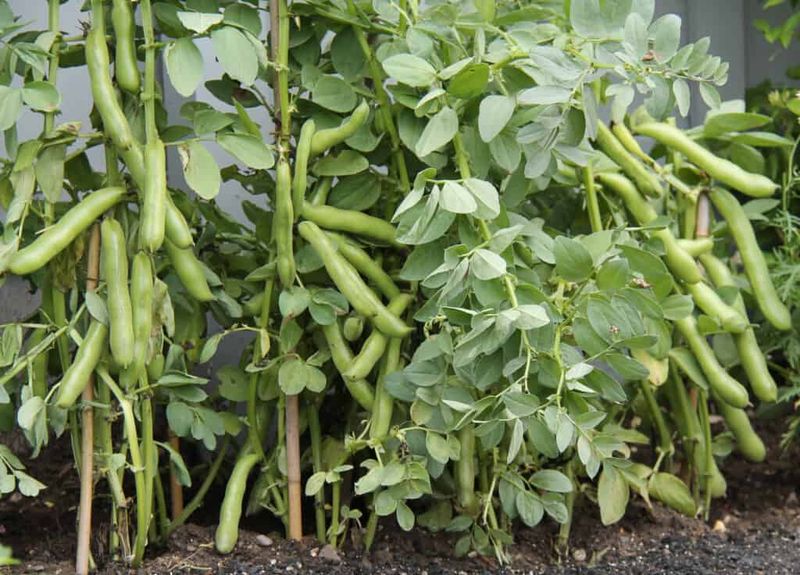
Fava beans are a gardener’s secret weapon against nutrient-poor soil. These legumes fix nitrogen efficiently, replenishing soil fertility for other plants.
Beyond their fertilizing prowess, fava beans offer a delicious harvest. Their tender beans are a culinary delight, celebrated in many cuisines.
Planting fava beans enriches the earth and adds a gourmet touch to the garden. Their lush growth and white flowers create a picturesque scene, making them both a practical and aesthetic choice for sustainable gardening.
6. Peas
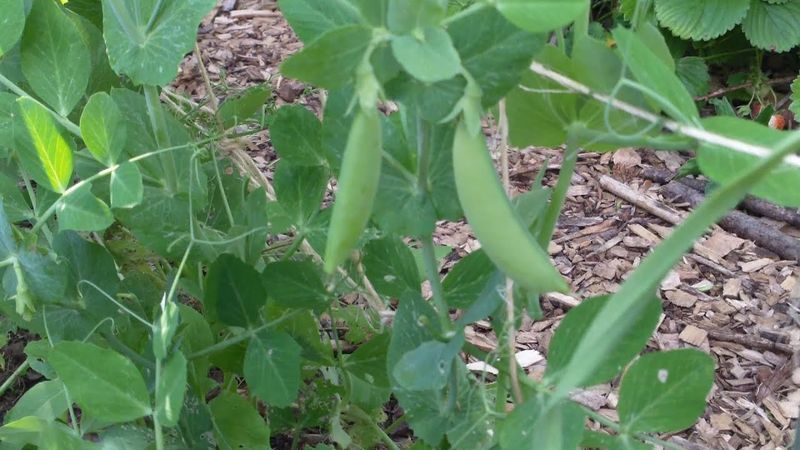
Peas are not only a staple in the kitchen but also a friend to the garden. Their ability to fix nitrogen makes them a key player in natural soil fertility.
As peas grow, they partner with bacteria to convert atmospheric nitrogen into a form plants can use, reducing the need for synthetic fertilizers.
Their vibrant green vines and sweet pods add a touch of charm to any garden. By planting peas, gardeners can enjoy a bountiful harvest while contributing to a healthier, more sustainable ecosystem.
7. Soybeans
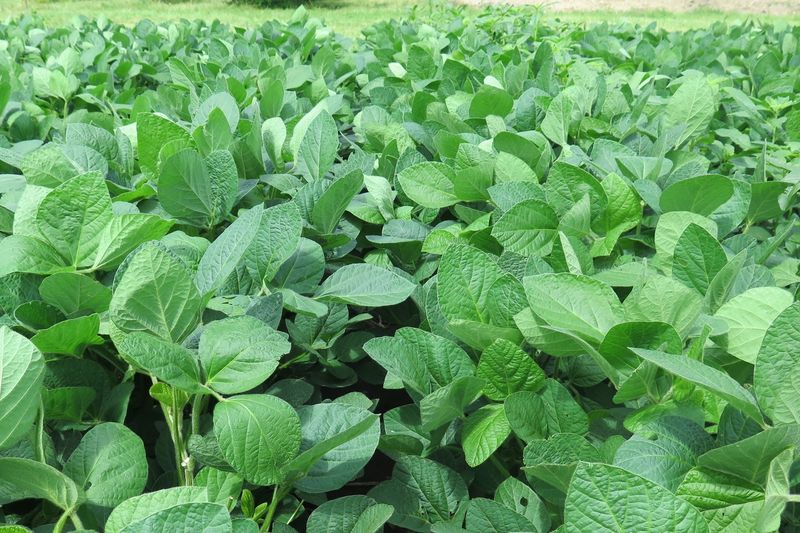
Soybeans are a staple crop with tremendous soil-enhancing capabilities. These legumes work symbiotically with bacteria to fix nitrogen, enriching the soil naturally.
In addition to their fertilizing abilities, soybeans are a versatile crop, used for food, animal feed, and a variety of products.
Cultivating soybeans supports sustainable agriculture, reducing reliance on chemical fertilizers. Their dense foliage provides excellent ground cover, protecting soil from erosion while supporting biodiversity. Soybeans are truly a valuable asset for eco-conscious farmers and gardeners alike.
8. Red Clover
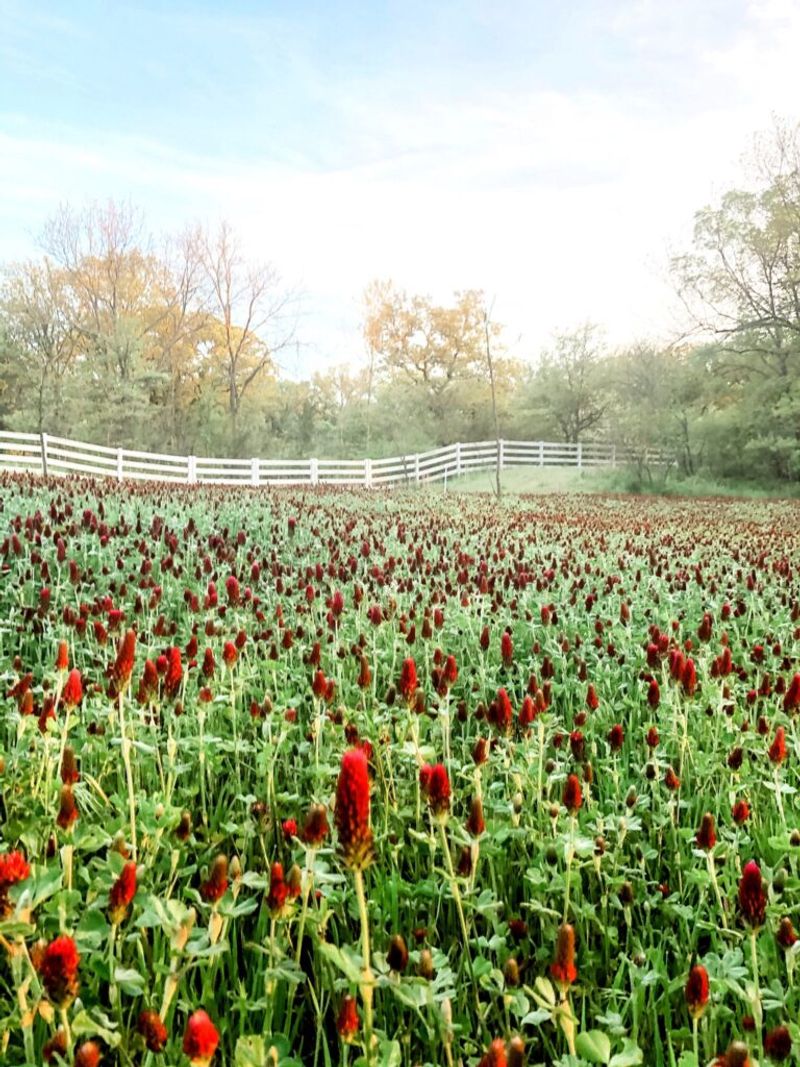
Red clover is a vibrant addition to any garden, known for its striking flowers and fertilizing capabilities. Like its cousin, the common clover, it excels at fixing nitrogen in the soil.
Its deep roots also improve soil structure, making it more aerated and fertile. Red clover is often used in crop rotation systems to rejuvenate tired soils.
The colorful blooms attract beneficial insects, enhancing garden biodiversity. Red clover’s dual role as a beautifier and soil enhancer makes it a popular choice among gardeners seeking natural, sustainable solutions.
9. Vetch
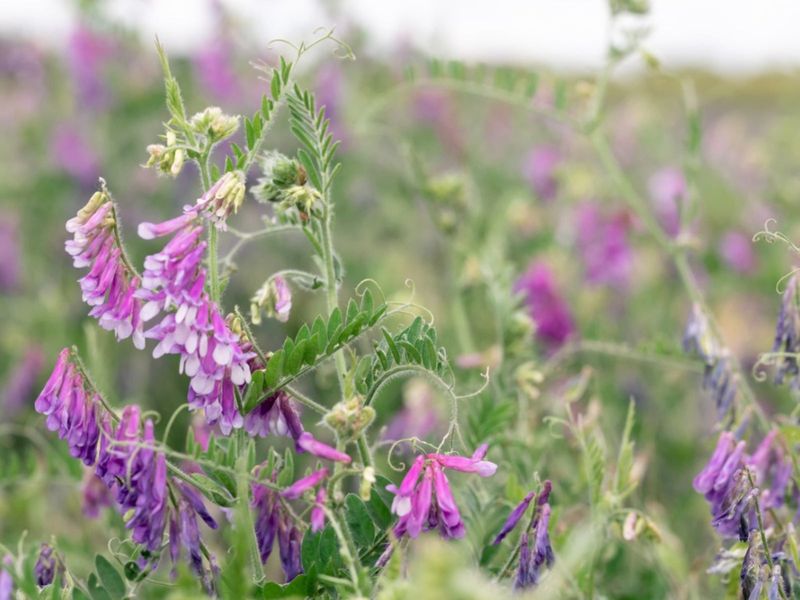
Vetch might be less known, but it’s a gem for enriching soil naturally. As a cover crop, vetch fixes nitrogen, making it available for subsequent plantings.
Its sprawling growth habit helps suppress weeds, adding another layer of utility in sustainable gardening practices. Vetch also improves soil structure with its extensive root system.
Farmers and gardeners use vetch to prepare fields for future crops, ensuring the soil is nutrient-rich and ready for planting. Its purple blooms add a splash of color, making it as attractive as it is functional.
10. Borage
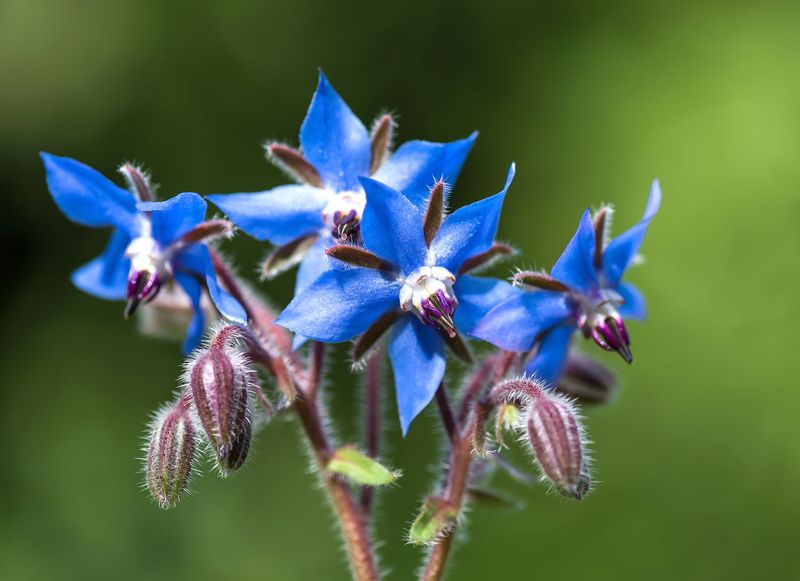
Borage is beloved for its star-shaped blue flowers and its role as a natural soil enhancer. This herb accumulates trace minerals, making them accessible to neighboring plants.
Its leaves, rich in potassium and calcium, make excellent compost material, contributing to a nutrient-rich soil. Borage’s rapid growth and easy cultivation add to its appeal as a garden companion.
In addition to its fertilizing benefits, borage attracts pollinators, promoting a vibrant ecosystem. Its unique appearance and multifaceted utility make borage a standout choice for organic gardeners.
11. Nasturtium
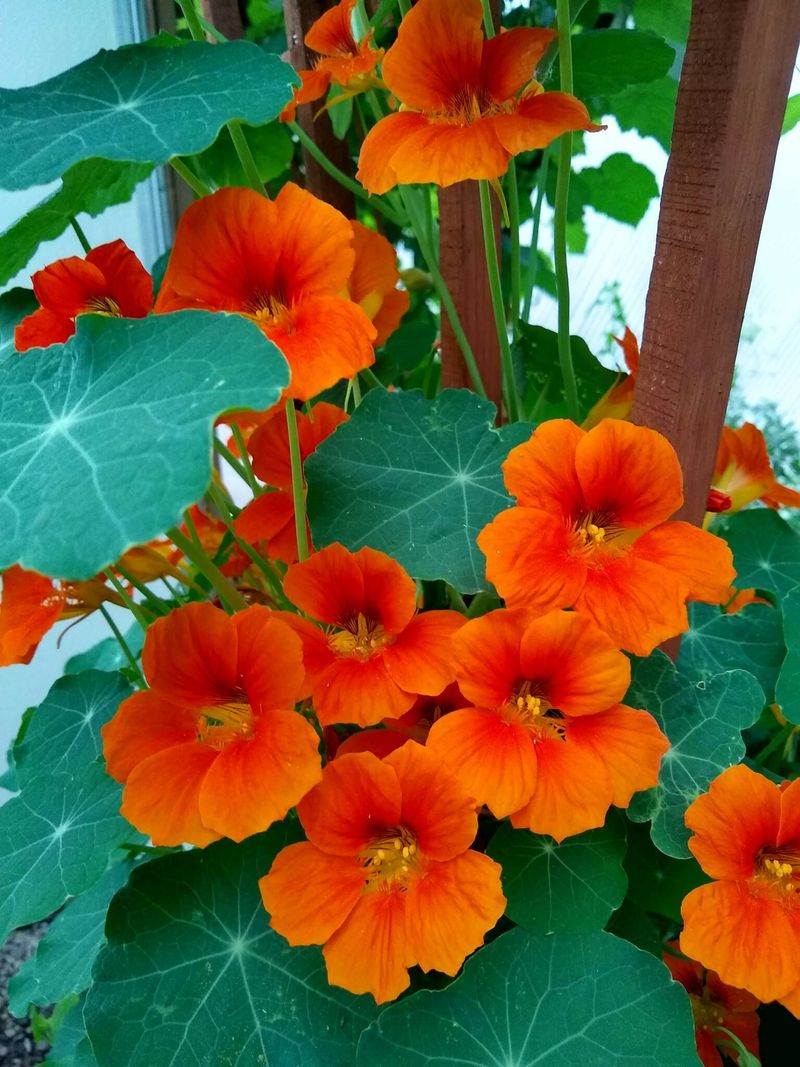
Nasturtiums bring more than just color to the garden; they play a role in natural fertilization too. These vibrant flowers are excellent at drawing aphids away from other plants.
Beyond pest control, nasturtiums add organic matter to the soil as they decompose, releasing nutrients. Their peppery leaves and bright blossoms are also edible, adding a gourmet touch to salads.
Gardeners value nasturtiums for their beauty and functionality, making them an essential part of a permaculture garden. Their role in soil health and aesthetics is unmatched.
12. Buckwheat
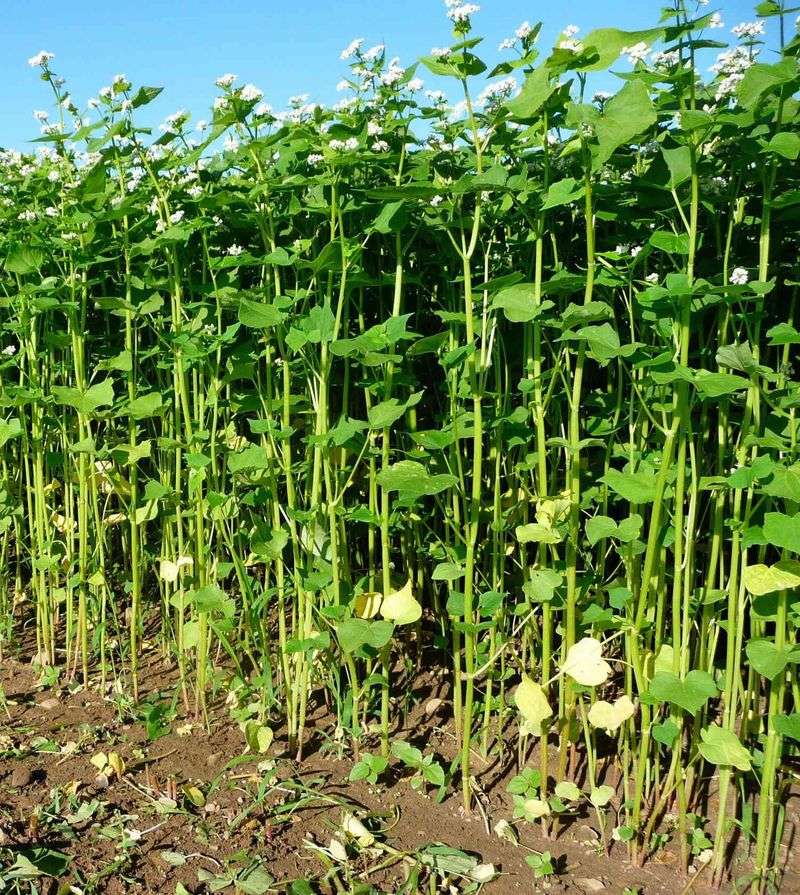
Buckwheat is a fast-growing cover crop that revitalizes soil with its nutrient-cycling abilities. It accumulates phosphorus, making it available to other plants when it decomposes.
In addition to improving soil health, buckwheat suppresses weeds, reducing the need for chemical herbicides. Its quick growth and adaptability make it a favorite among organic farmers.
The white flowers of buckwheat attract beneficial insects, contributing to a balanced ecosystem. Its role in organic farming is as pivotal as its beauty is understated, making it a versatile crop.
13. Sunflowers
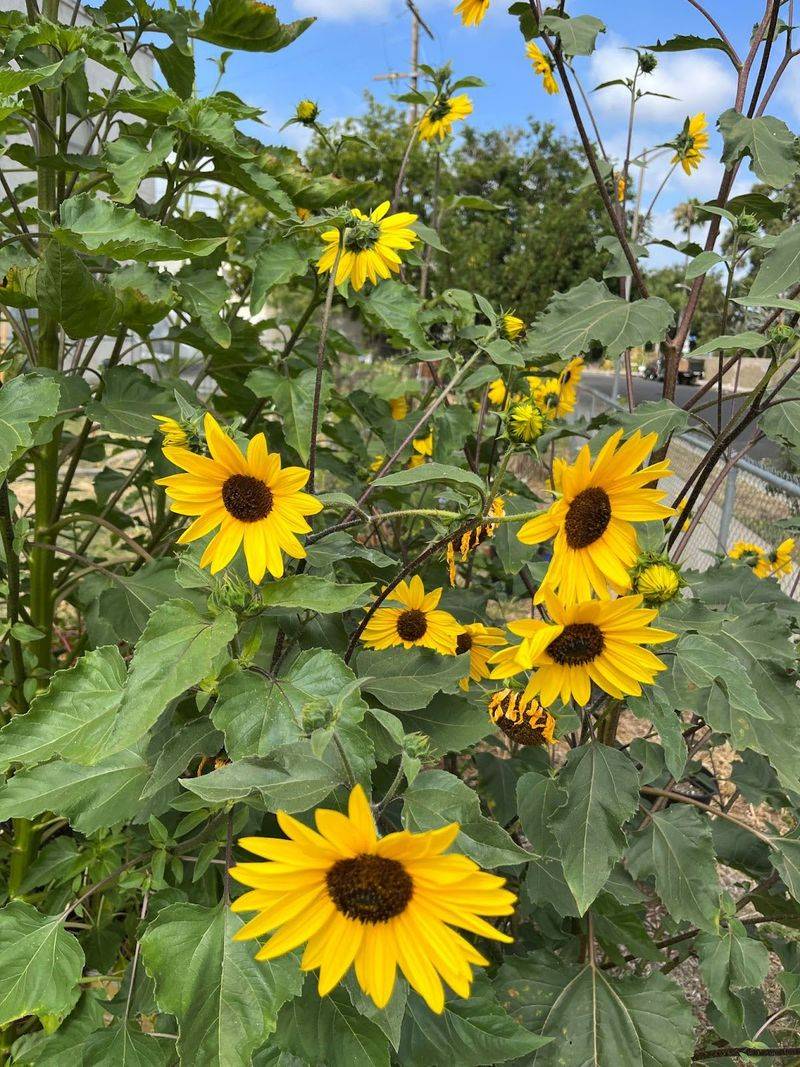
Sunflowers are not just iconic for their sunny disposition; they offer benefits to the soil as well. These giants of the garden can draw toxins from the earth, a process known as phytoremediation.
Their ability to attract pollinators and beneficial insects is unmatched, enhancing garden biodiversity. Sunflowers’ tall stalks provide natural trellises for climbing plants, adding vertical interest.
Gardeners adore sunflowers for their dual role as ornamental and functional plants. Their cheerful presence and soil-improving capabilities make them a staple in eco-friendly gardening practices.
14. Yarrow
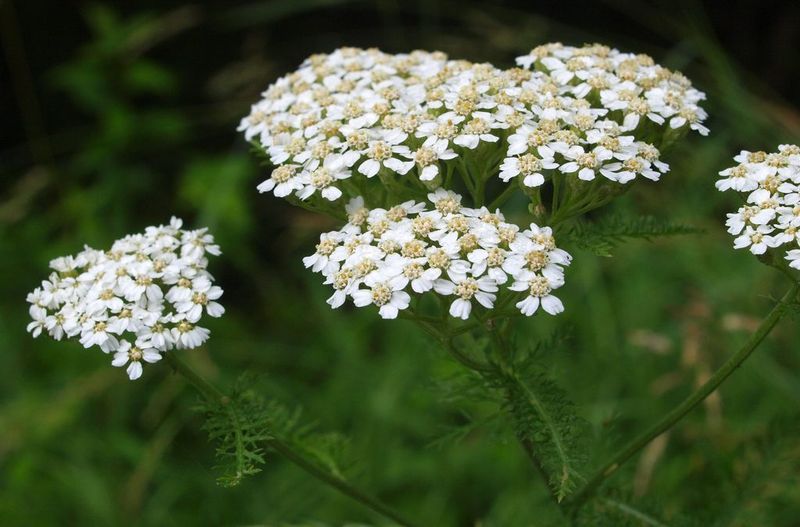
Yarrow is a hardy perennial with a reputation for enhancing soil health. Its deep roots break up compacted soil, improving aeration and drainage.
This plant’s leaves are used in compost to speed up decomposition, enriching the resulting humus. Yarrow’s flowers attract beneficial insects, contributing to a balanced garden ecosystem.
Known for its medicinal properties as well, yarrow is valued not only for its soil benefits but also for its beauty. It’s a versatile addition to any garden, offering both visual appeal and practical advantages.
15. Mint
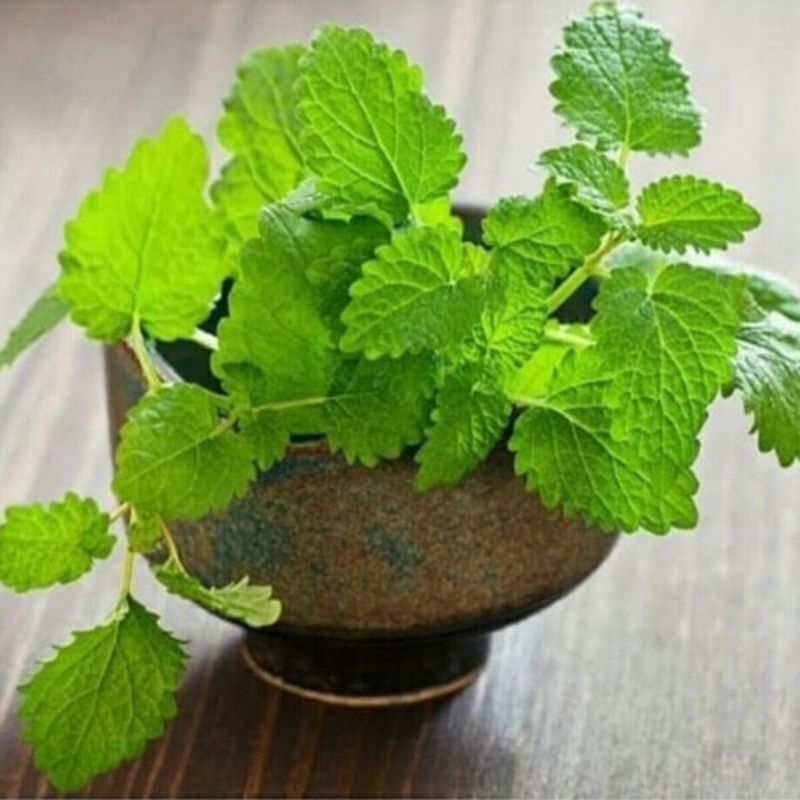
Mint is more than just a culinary delight; it’s a natural enhancer for garden soil. Its aggressive growth habit helps cover bare soil, preventing erosion and retaining moisture.
When used in compost, mint leaves add essential nutrients, enriching the soil. Its strong aroma deters pests, making it a formidable ally in organic gardening.
Gardeners often plant mint to repel unwanted insects while enjoying its refreshing scent and flavor. Its dual role as a pest deterrent and soil enhancer makes mint an invaluable part of a sustainable garden.
16. Chickpeas
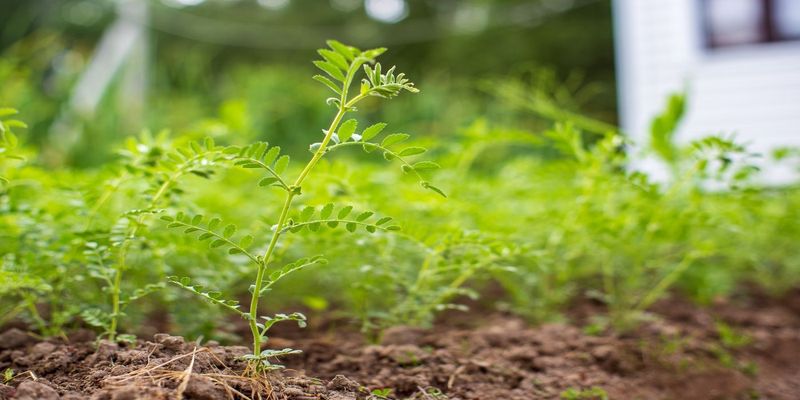
Chickpeas are not just a staple in many cuisines, but also in sustainable gardening. These legumes fix atmospheric nitrogen, enriching the soil and supporting other plants.
Their growth helps improve soil structure, making chickpeas a practical choice for crop rotation systems. As they flourish, chickpeas contribute organic matter, enhancing soil health.
Gardeners appreciate chickpeas for their ability to thrive in diverse conditions, offering both a nutritious harvest and soil benefits. Their role in permaculture gardens is both significant and rewarding, bridging culinary and agricultural worlds.
17. Fenugreek
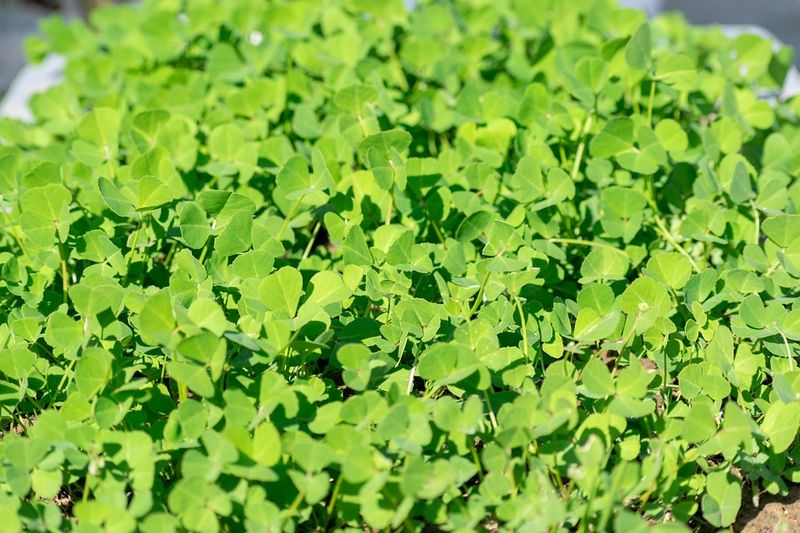
Fenugreek is celebrated not only for its culinary uses but also for its soil-enhancing properties. This legume fixes nitrogen, improving fertility naturally.
Its leaves and seeds are rich in nutrients, making fenugreek a valuable compost addition. The plant’s rapid growth and hardiness ensure that it can thrive in various conditions.
Gardeners often integrate fenugreek into their planting schemes for its multifaceted benefits. It supports soil health while offering a flavorful harvest, making it a cherished component of organic gardening.
18. Tansy
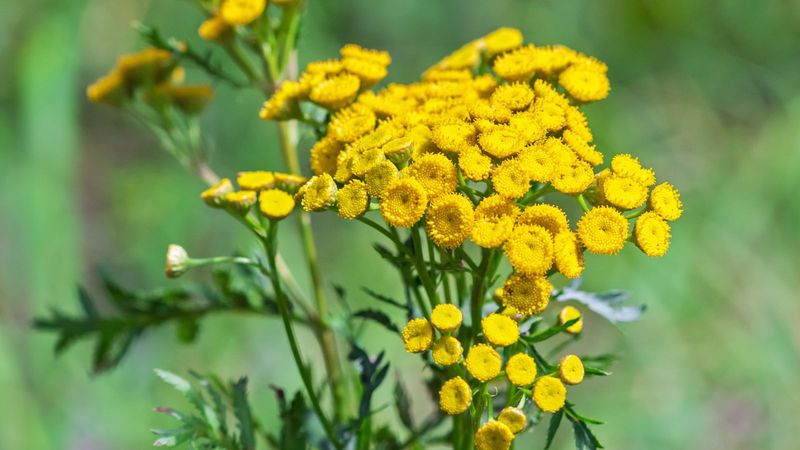
Tansy is a robust herb that brings more to the garden than just its bright flowers. It’s known for repelling pests and enriching soil with its decomposing foliage.
Gardeners use tansy as a companion plant to deter insects, while its leaves add nutrients to compost. Its presence in the garden promotes a healthier ecosystem by attracting beneficial predators.
Tansy’s adaptability and usefulness make it a favorite among those seeking natural solutions. Its vivid blooms and practical benefits ensure it remains a beloved choice in sustainable gardening practices.