 Complete Gardening
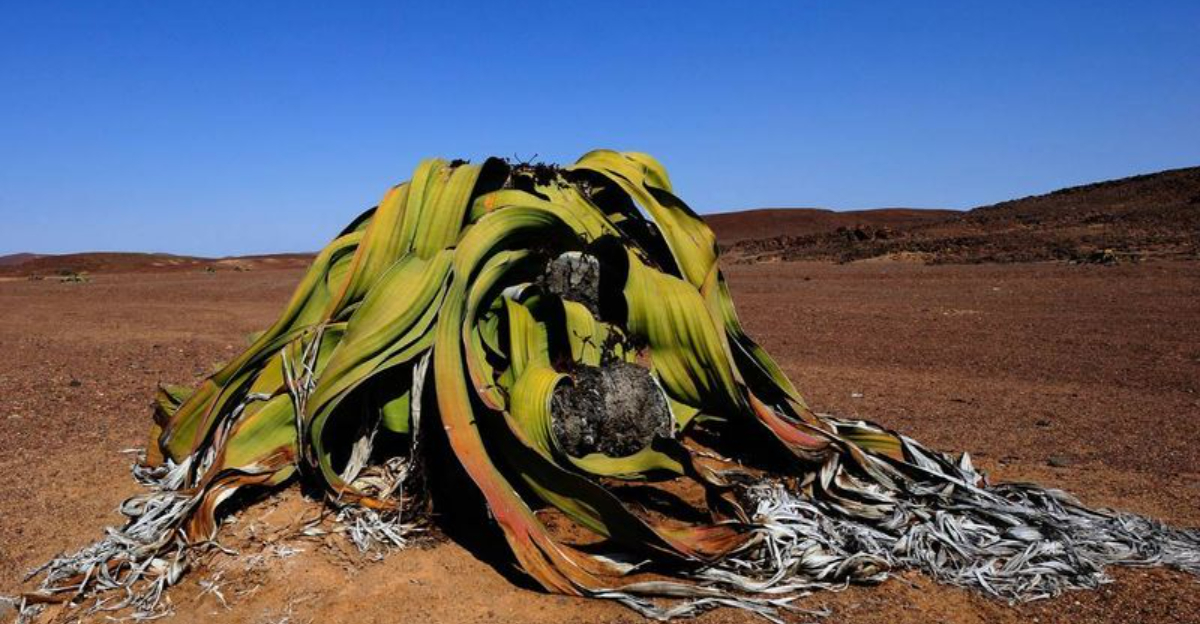
Explore the fascinating world of zombie plants, species that defy death and regenerate even in the harshest conditions. These ten remarkable plants exhibit survival tactics that make them seem to rise from the grave, earning them the title of ‘zombie plants.’ From desert terrains to frozen landscapes, these plants have adapted to thrive in environments where others perish. Delve into the unique characteristics that allow them to ‘come back to life’ and their incredible resilience that captures the imagination of botanists and nature enthusiasts alike.
1. Resurrection Fern (Pleopeltis polypodioides)
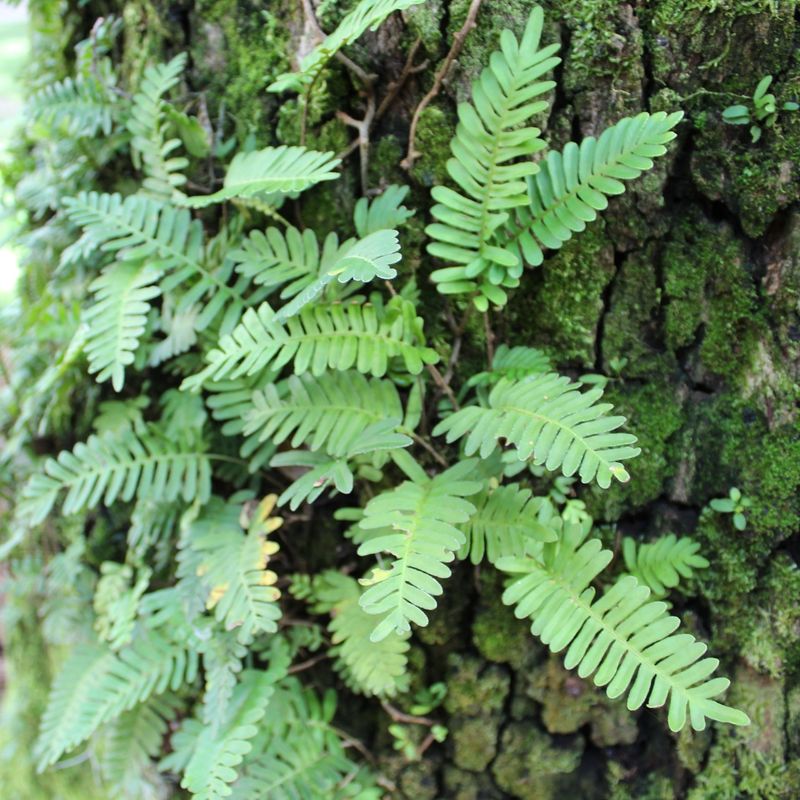
The Resurrection Fern curls up during drought, turning an unassuming brown, but within hours of rainfall, it unfurls vibrant green leaves. Found clinging to trees and rocks in the southeastern U.S., this fern’s resilience is astonishing. Its ability to lose up to 97% of its moisture content and still survive makes it a botanical marvel. It’s no wonder this fern captures the imagination, embodying the spirit of life against all odds.
2. Rose of Jericho (Selaginella lepidophylla)
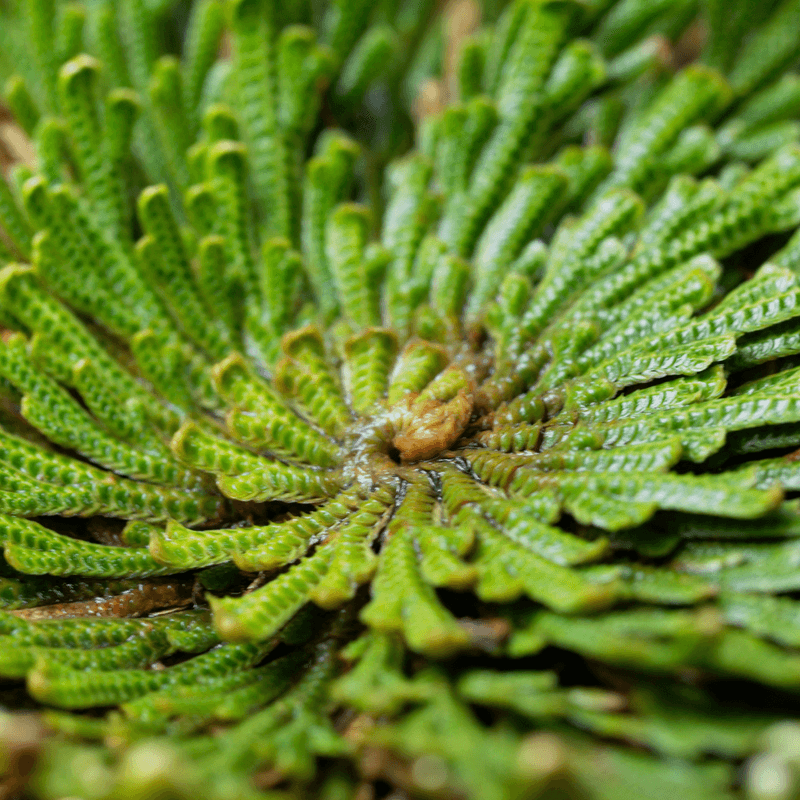
Commonly known as the “dinosaur plant,” the Rose of Jericho can survive years without water. Curled into a tight ball, it appears lifeless, but once soaked, it unfurls, revealing its vibrant green fronds. This ability to “resurrect” is why it’s often a symbol of hope and renewal. Its ancient origins and unique survival mechanism make it a botanical curiosity. Watching it transform is like witnessing a miracle, as if nature itself performs a magic trick with remarkable finesse.
3. Hydnora africana (The Underground Zombie Plant)
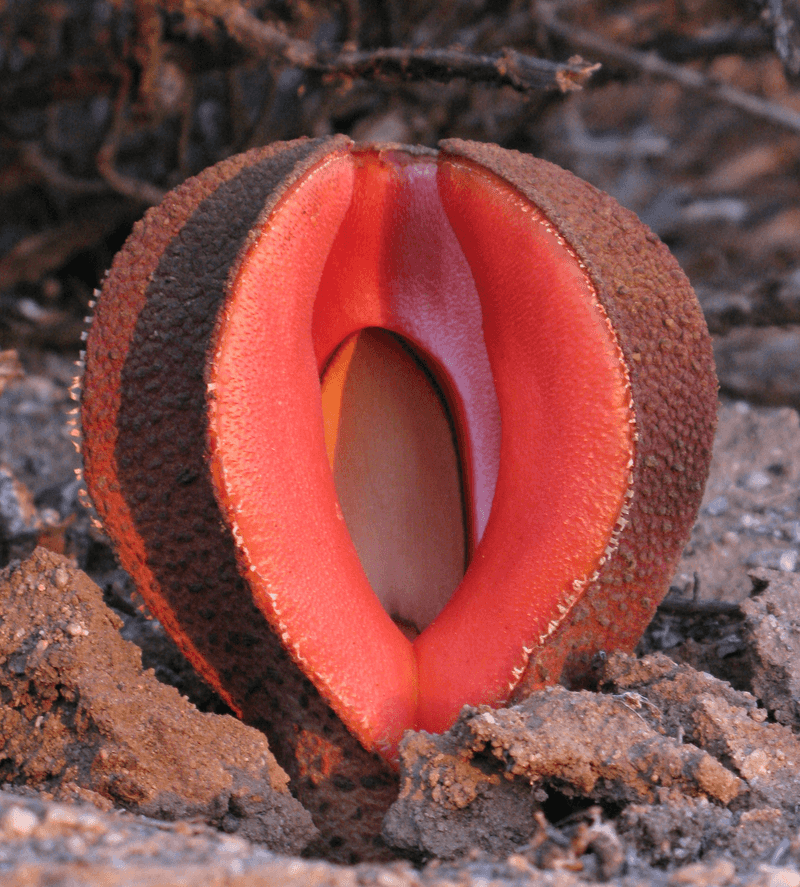
Lurking beneath the surface, Hydnora africana waits patiently to bloom from its subterranean home. This parasitic plant lives underground for years, only emerging with a strange, foul-smelling flower. Resembling something from another world, its odor attracts beetles, which becomes an unwitting partner in its pollination. This alien-like plant showcases nature’s creativity, thriving in the challenging conditions of its South African habitat. Its bizarre appearance and survival strategy intrigue botanists and adventurers alike, making it a true anomaly.
4. Ice Plant (Mesembryanthemum crystallinum)
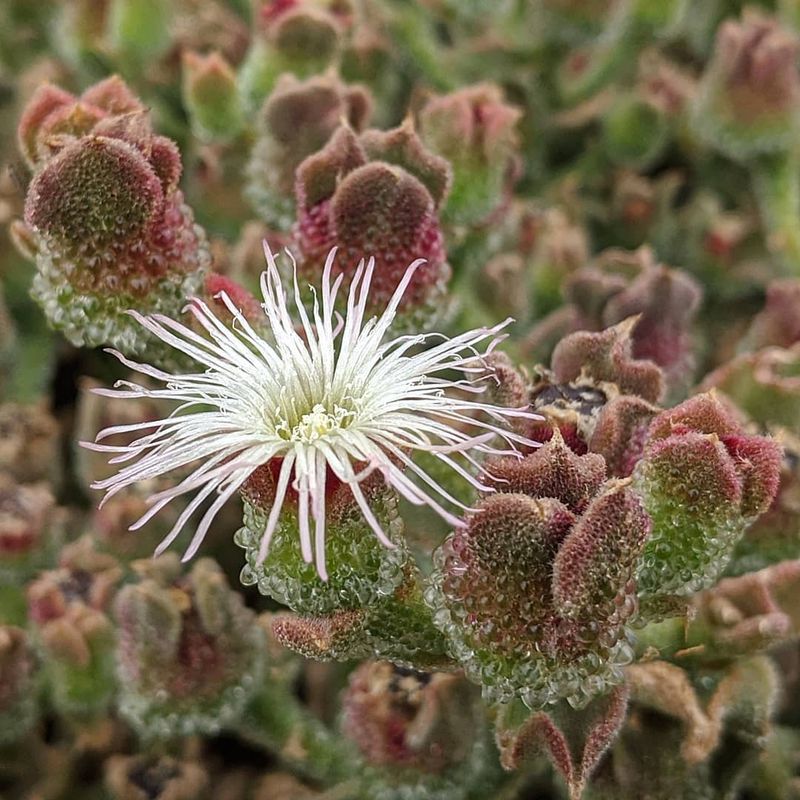
The Ice Plant thrives in conditions that would freeze other plants to death. Its succulent leaves store water, allowing it to withstand extreme cold and regenerate when thawed. Found in coastal and desert regions, its crystal-like leaves reflect sunlight, giving it a jewel-like appearance. This plant’s survival strategy is a testament to nature’s adaptability. Its ability to endure and flourish in harsh environments underscores its role as a resilient survivor in the plant kingdom.
5. Dragon’s Blood Tree (Dracaena cinnabari)
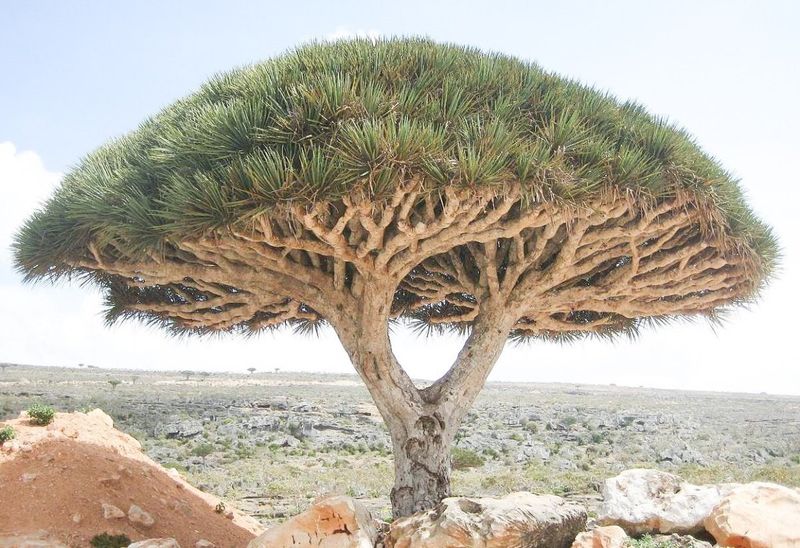
The Dragon’s Blood Tree, with its umbrella-like canopy, survives in the arid landscapes of Socotra Island. Known for secreting a blood-red resin, used in ancient medicine, it withstands extreme drought conditions. Legend has it that this tree grows where dragon blood was spilled, adding to its mythical allure. Its unique silhouette and red sap are striking features that captivate the imagination, embodying the mystique of enduring legends and the harsh beauty of its habitat.
6. Tumbleweed (Salsola tragus)
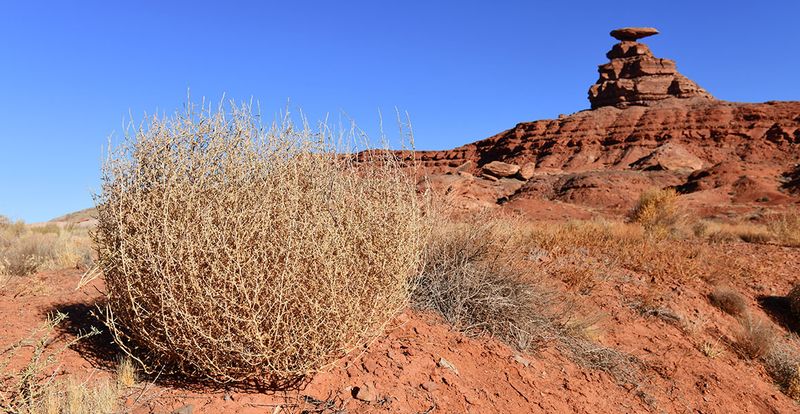
The tumbleweed, a symbol of the American West, is not native to the U.S. Originating from Russia, it invades landscapes by dying, detaching, and rolling for miles to spread its seeds. This plant’s life cycle is a testament to nature’s persistence, using movement as a strategy for survival. Its journey across plains, propelled by the wind, is a captivating dance of life and death, ensuring its legacy continues. The tumbleweed’s adaptability and resilience make it a fascinating study in plant ecology.
7. Welwitschia (Welwitschia mirabilis)
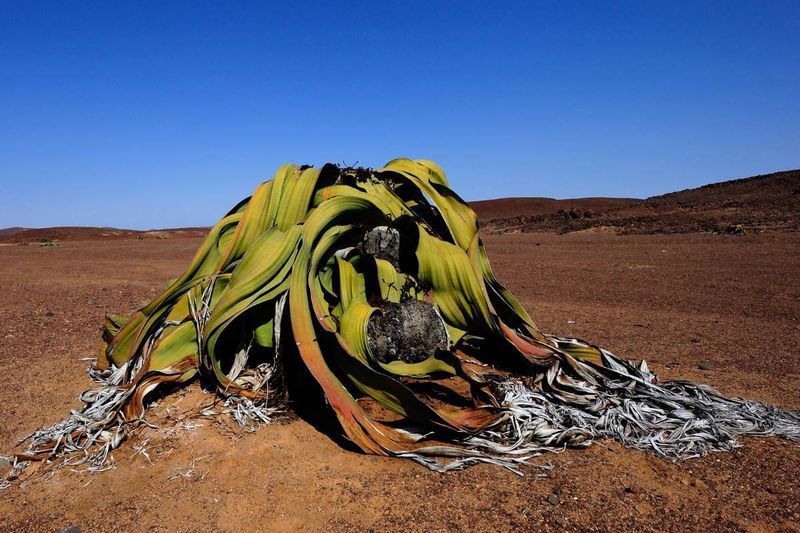
In the harsh Namib Desert, Welwitschia stands as a testament to endurance. With only two leaves that grow continuously, this ancient plant absorbs fog to survive the parched desert. Living for up to 2,000 years, it is a relic from another age, a living fossil embodying resilience. Its appearance, with sprawling leaves that seem to defy time, captures the stark beauty of its environment. Welwitschia’s ability to thrive in such an unforgiving climate makes it an icon of survival.
8. Giant Hogweed (Heracleum mantegazzianum)
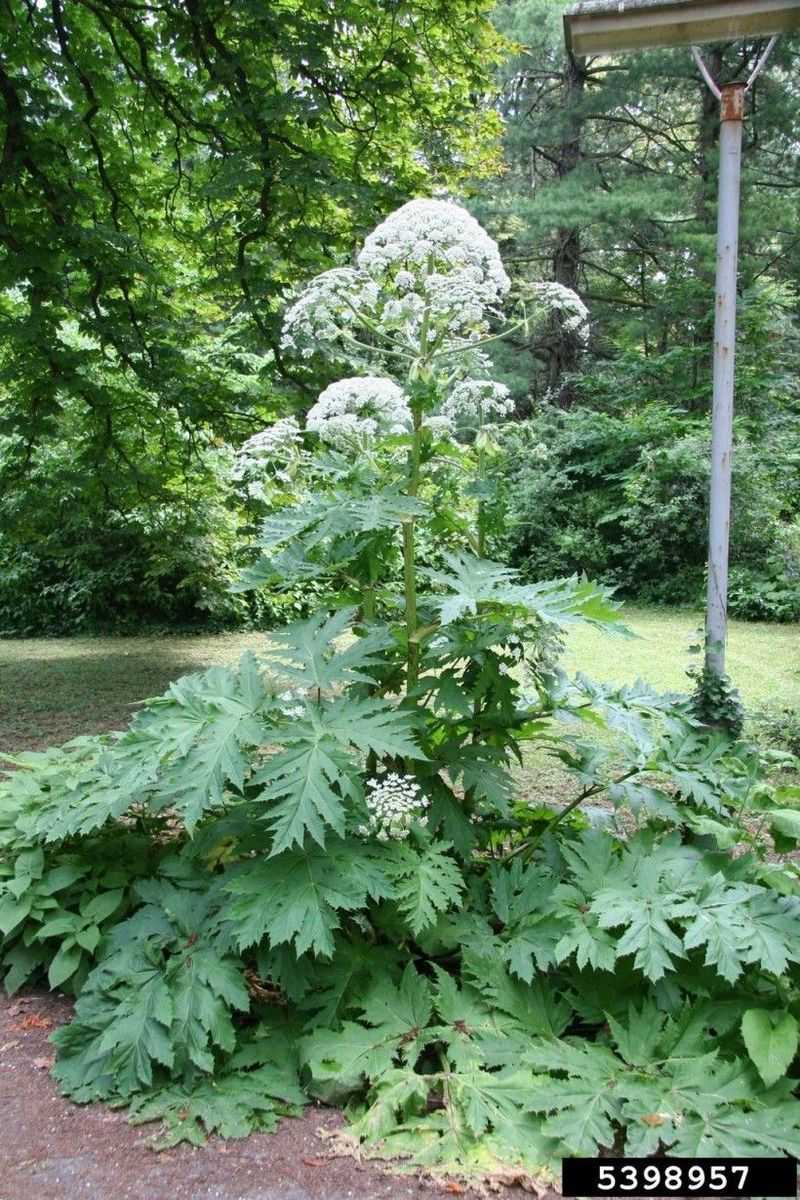
The Giant Hogweed, with its towering stature and large leaves, is both a marvel and a menace. Its perennial roots allow it to regrow each year, thriving despite winter’s death. However, its toxic sap, which causes severe burns, makes it dangerous. Native to the Caucasus region, it invades landscapes with a sinister beauty. The plant’s dual nature—an emblem of growth and a warning of its toxic touch—adds to its complex allure. Handle it with care, for it is as formidable as it is fascinating.
9. Ghost Plant (Monotropa uniflora)
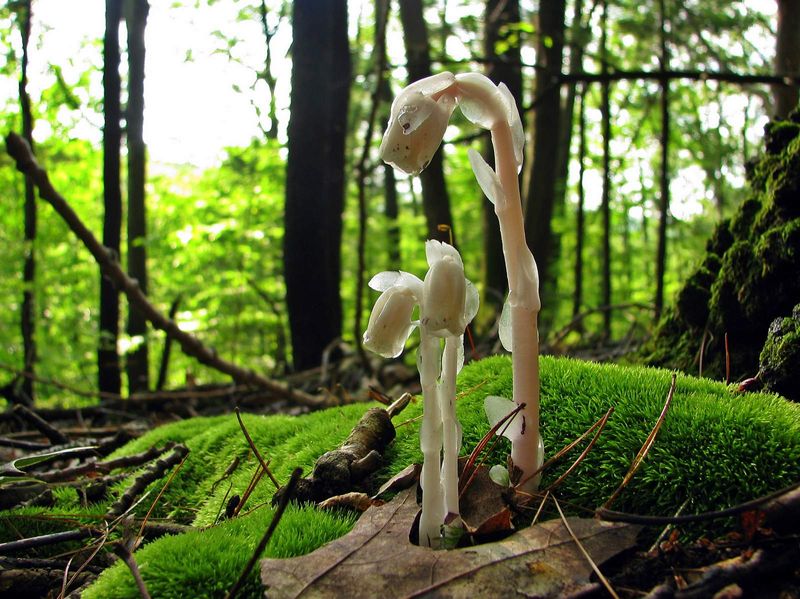
The Ghost Plant, or “Corpse Plant,” defies convention by thriving without chlorophyll. Feeding on fungi, it emerges ghostly white, a spectral presence in the forest. Its mycoheterotrophic lifestyle is a fascinating adaptation, appearing almost otherworldly. This plant’s ethereal beauty and unusual survival strategy make it a subject of intrigue, whispering tales of mystery in the shaded undergrowth. Its ghostly appearance, seeming to float above the forest floor, is an enchanting sight, capturing the imagination of those who encounter it.
10. Dead Man’s Fingers (Decaisnea fargesii)
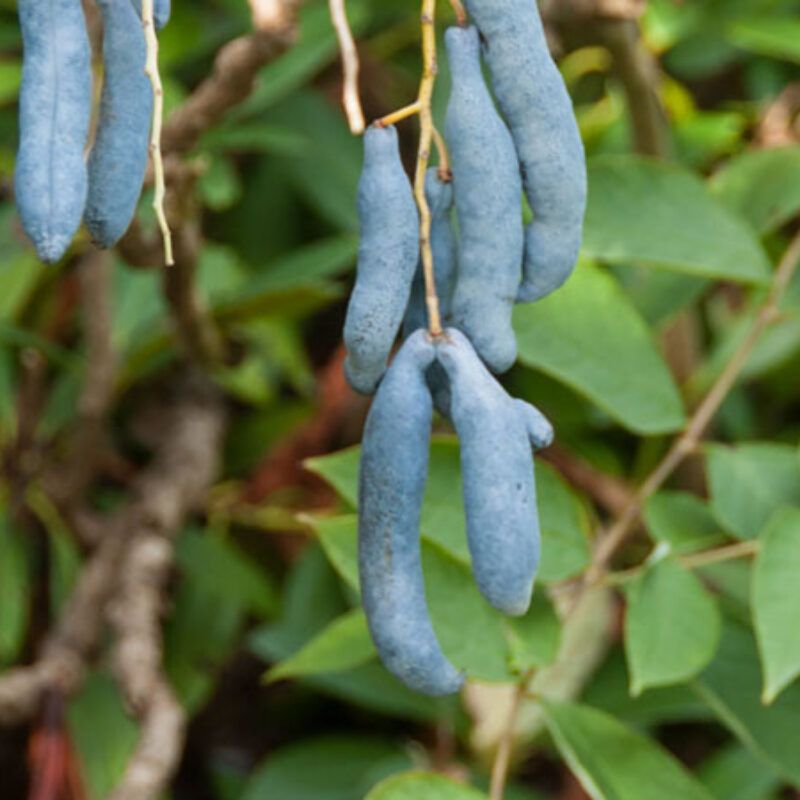
Named for its eerie, blue, sausage-like pods, Dead Man’s Fingers beckons with a morbid curiosity. As the pods split open, they reveal a jelly-like pulp, edible yet odd. This plant thrives in temperate gardens, its peculiar appearance striking against the greenery. Its unusual fruit earns it a place in garden lore, tempting the brave with its edible, though unsettling, offerings. The plant’s macabre charm and edible mystery make it a captivating presence in any horticultural setting.