 Complete Gardening
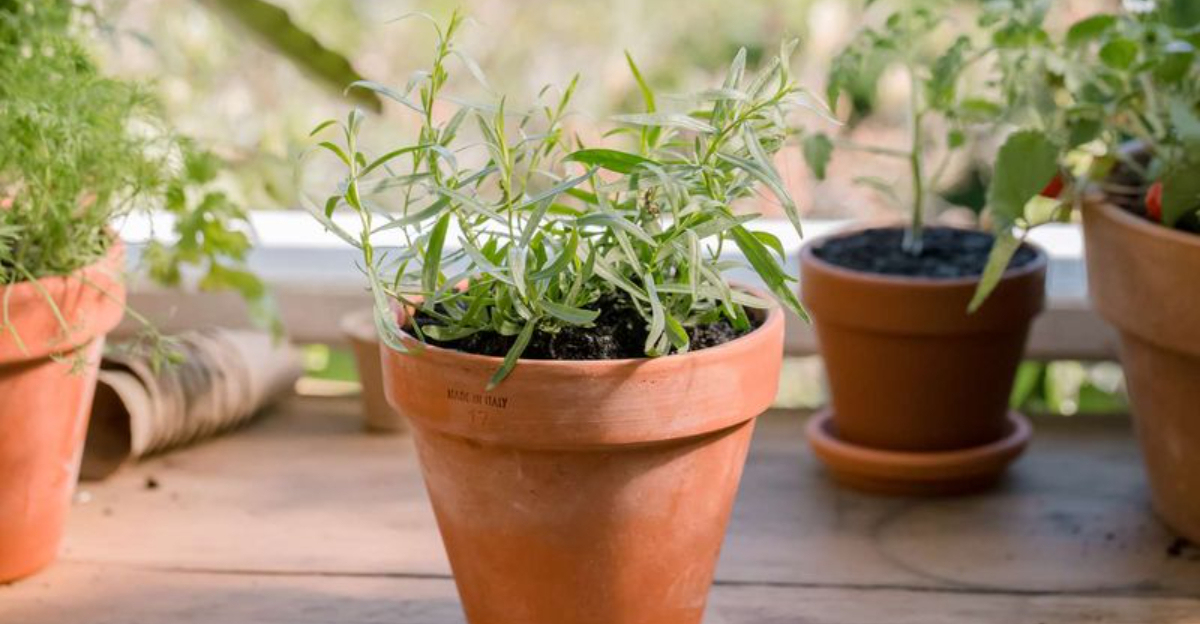
Exploring container gardening can be a rewarding experience, especially when it comes to growing herbs. Some herbs thrive in the contained environment of a pot, while others prefer the freedom of a garden bed. This blog post examines 15 herbs that flourish in containers and 10 that struggle to survive. Discover which herbs to choose for your container garden and which ones to avoid to ensure a thriving herbal oasis.
1. Basil
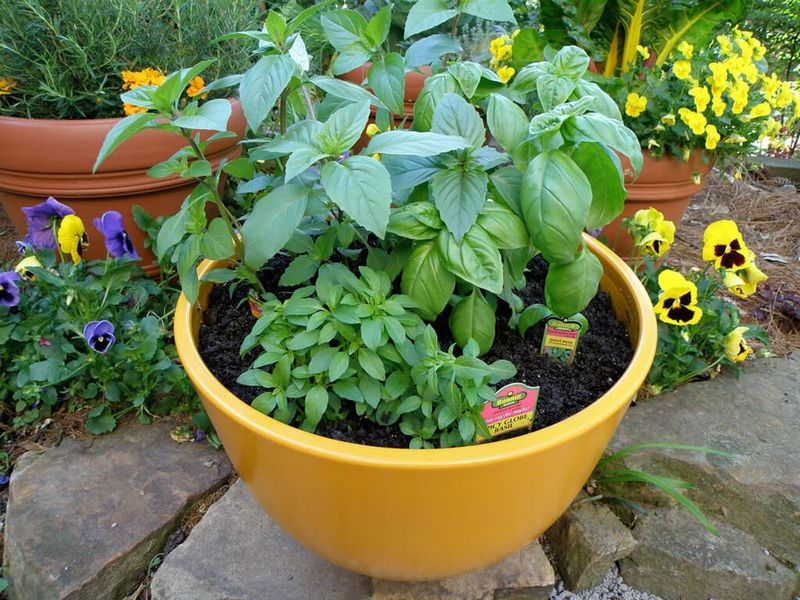
Basil, especially the fast-growing ‘Genovese’ or ‘Spicy Globe’ varieties, finds its happy place in containers. The compact nature of these plants makes them ideal for pots, where they can bask in full sunlight. Imagine stepping into your kitchen and brushing your hand against the aromatic, sweet leaves. That’s the joy of growing basil in containers. Not only does it save garden space, but it also keeps this aromatic herb within arm’s reach for culinary adventures. Just ensure the potting mix is well-drained, and you’ll enjoy a thriving basil plant that complements your favorite dishes with ease.
2. Chives
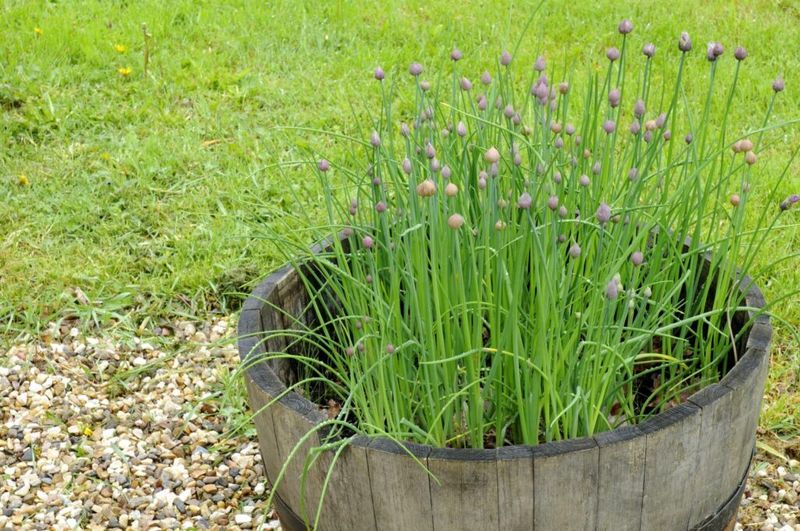
Chives are the unsung heroes of container gardening, perfect for even the smallest spaces. With their clumping habit and shallow roots, they fit snugly into small pots, making them a staple on sunny windowsills. Picture the slender, green stalks swaying gently in the breeze, adding a touch of freshness to your kitchen. Chives are not just visually appealing but also a versatile ingredient for your culinary repertoire. They thrive with minimal effort, requiring just a sunny spot and regular watering, and reward you with a mild onion-like flavor that enhances a variety of dishes.
3. Parsley
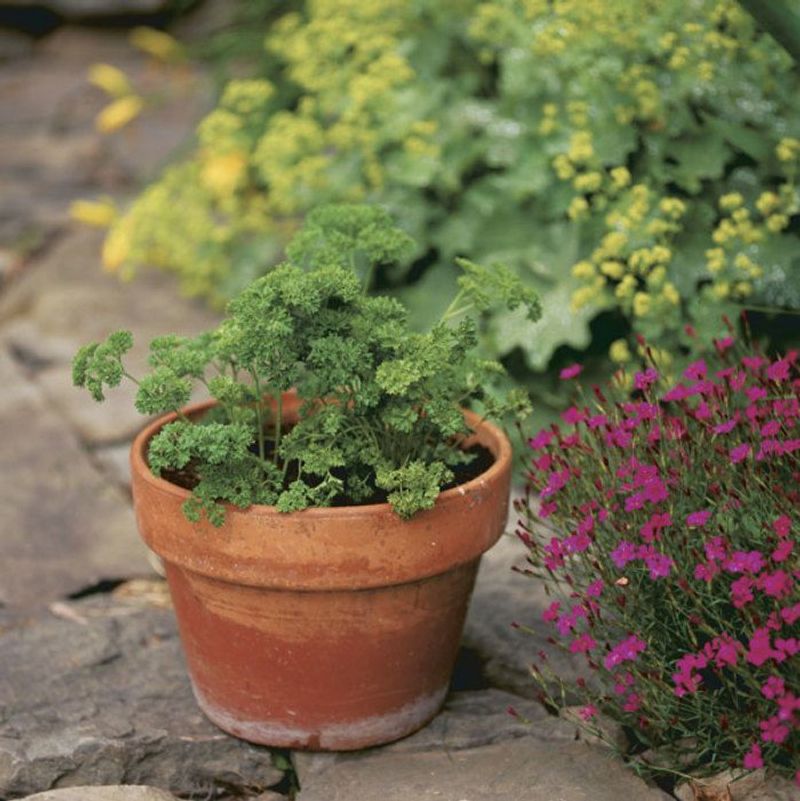
Parsley, whether flat-leaf or curly, is a versatile herb that adapts beautifully to container life. Its vibrant green leaves add a pop of color to any patio or balcony garden. Imagine plucking a few sprigs to garnish your dishes or blend into sauces, knowing they’ve grown just outside your door. Parsley’s resilience to partial shade and its preference for medium-sized containers makes it a favorite for gardeners with limited space. Ensure the soil remains moist but not waterlogged, and this herb will flourish, offering fresh, aromatic leaves ready to elevate your cooking.
4. Mint
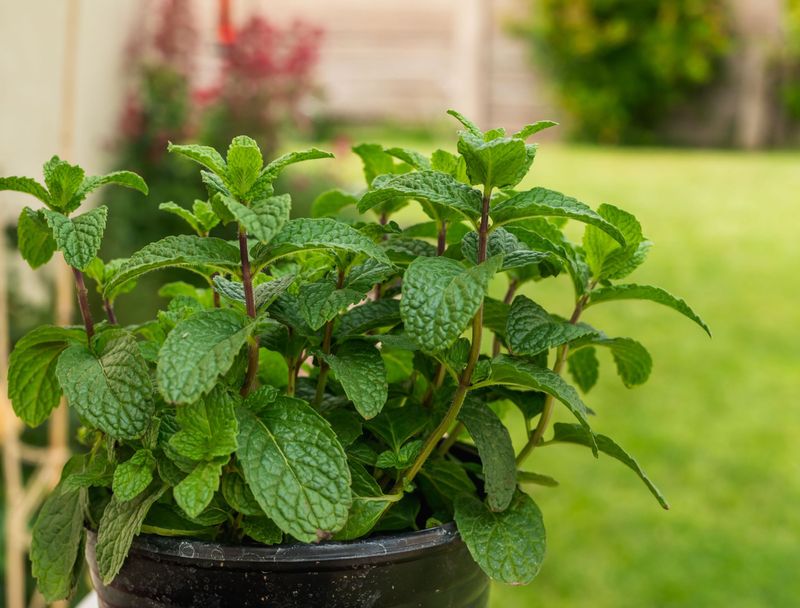
Mint is the wild child of container gardens—spirited and eager to grow. Its vigorous nature, especially in pots, offers endless harvests without the worry of takeover. Imagine the fresh aroma wafting through your garden as you brush past its lush leaves. Mint’s invasive roots are well-contained in pots, allowing you to enjoy its refreshing taste in teas, desserts, and savory dishes. Simply keep the soil moist and provide partial sunlight, and this versatile herb will thrive. With its vibrant green leaves, mint is a delightful addition to any herbal collection.
5. Thyme
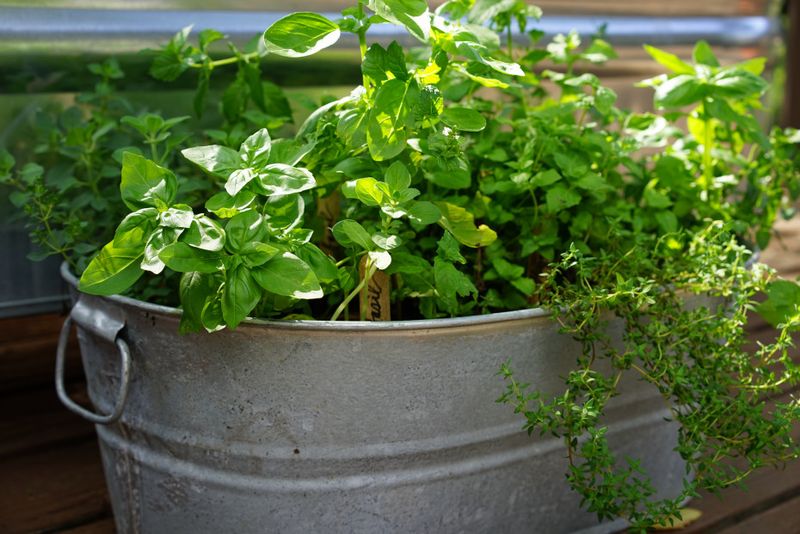
Thyme is the understated gem of the herb world, thriving quietly in a shallow pot under bright sunlight. Its low-growing, drought-tolerant nature makes it a favorite for container gardeners. Envision the tiny, aromatic leaves releasing their earthy fragrance as you tend to your patio oasis. Thyme’s adaptability means it requires minimal care, needing just well-drained soil and occasional watering. This herb complements a wide array of dishes, from roasted vegetables to savory meats, making it a must-have for culinary enthusiasts. Its subtle charm enhances both your garden and your kitchen.
6. Oregano
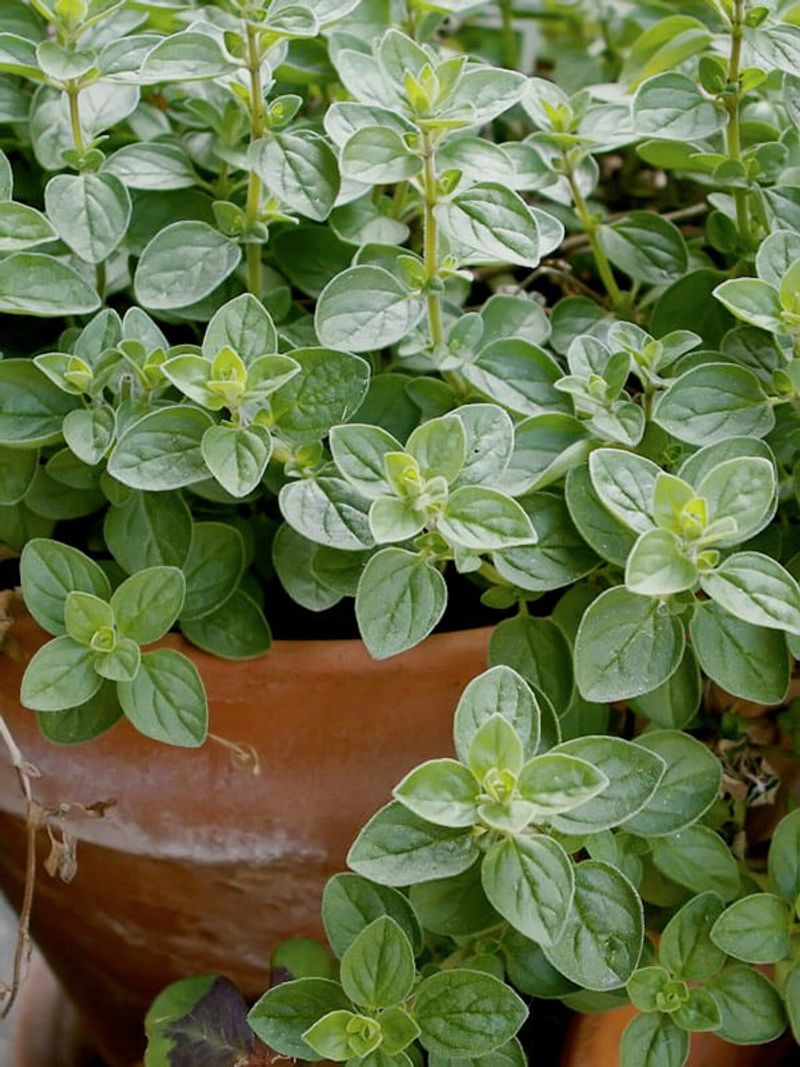
Oregano brings a taste of the Mediterranean to your container garden with its compact, woody-stemmed presence. This heat-loving herb thrives in sunny spots, making it ideal for patios that soak up the sun’s rays. Picture the robust aroma filling the air as you pick fresh leaves for your homemade pizzas and pasta sauces. Oregano’s hardy nature allows it to withstand dry conditions, needing minimal watering once established. Its ability to flourish in pots ensures a steady supply of flavorful leaves, making it a staple for any herb garden enthusiast who adores Mediterranean cuisine.
7. Rosemary
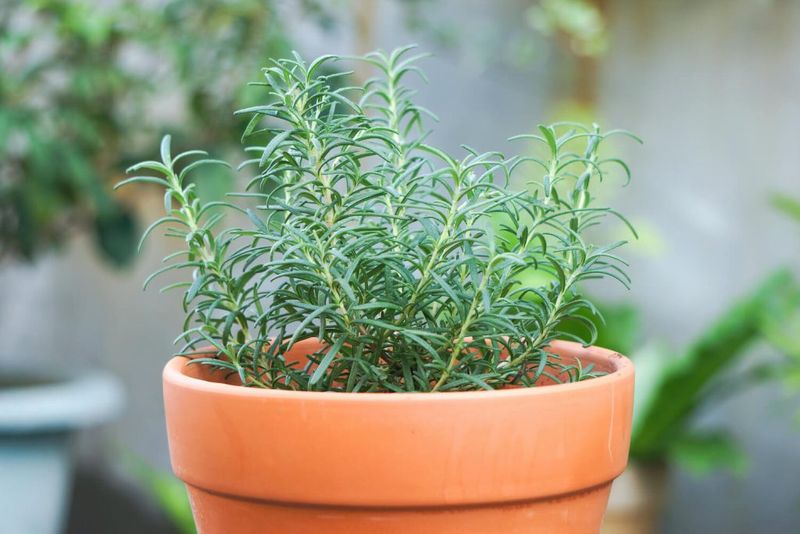
Rosemary, with its needle-like leaves and woodsy aroma, transforms any container into a fragrant haven. This small shrub, particularly the slow-growing ‘Prostratus’ cultivar, adapts beautifully to large pots. Imagine placing it on a sun-drenched balcony, where it stands as a sentinel of scent and flavor. Rosemary’s love for sunlight and well-drained soil makes it a resilient addition to your container garden. It’s perfect for those who cherish aromatic herbs that can enhance roasts, breads, and marinades. A touch of rosemary’s evergreen charm adds a dash of elegance to urban garden settings.
8. Sage
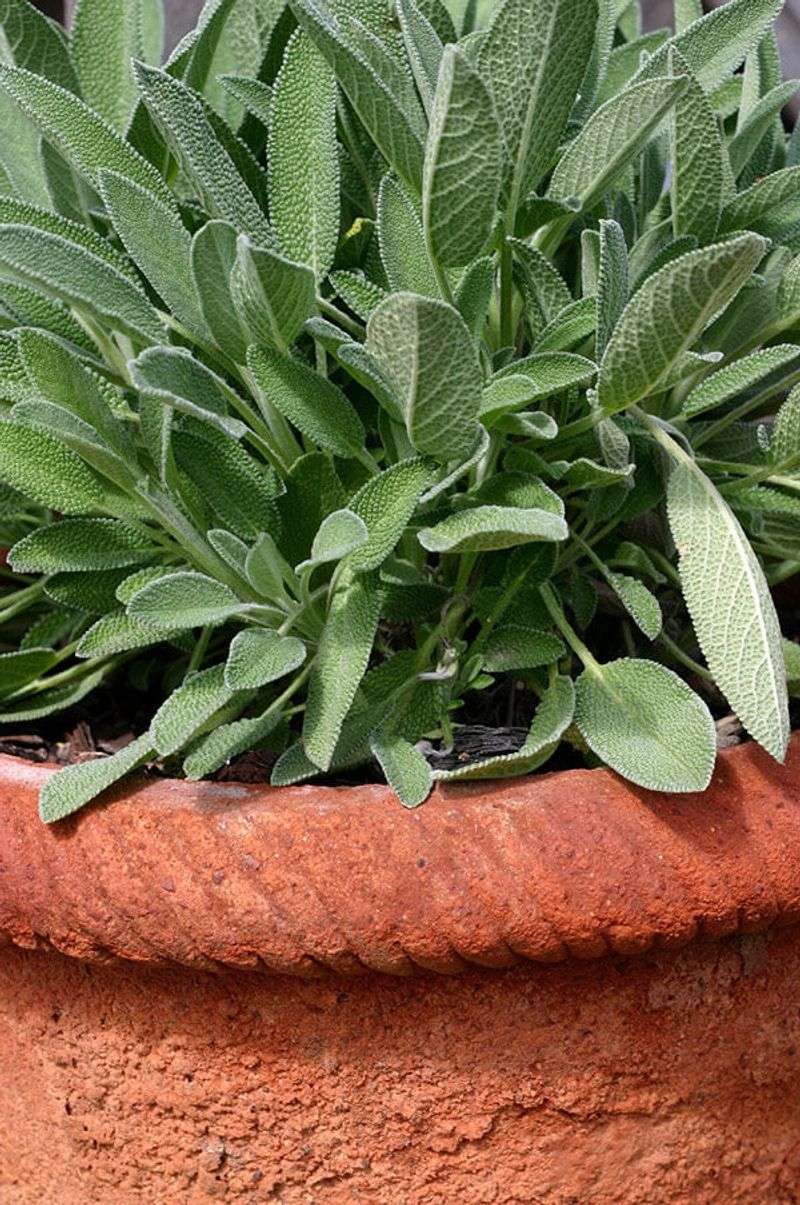
Sage is the sage of container herbs—wise, resilient, and fragrant. Its hardy nature makes it an excellent choice for medium pots, where it rewards gardeners with its aromatic, broad leaves. Visualize a garden where the earthy scent of sage mingles with the breeze, inviting you to explore its culinary uses. From stuffing to herbal teas, sage offers versatility with minimal care. This drought-resistant herb thrives in well-drained soil and partial to full sunlight, making it a staple for both novice and seasoned gardeners. Sage adds a touch of rustic charm to any herbal collection.
9. Cilantro/Coriander
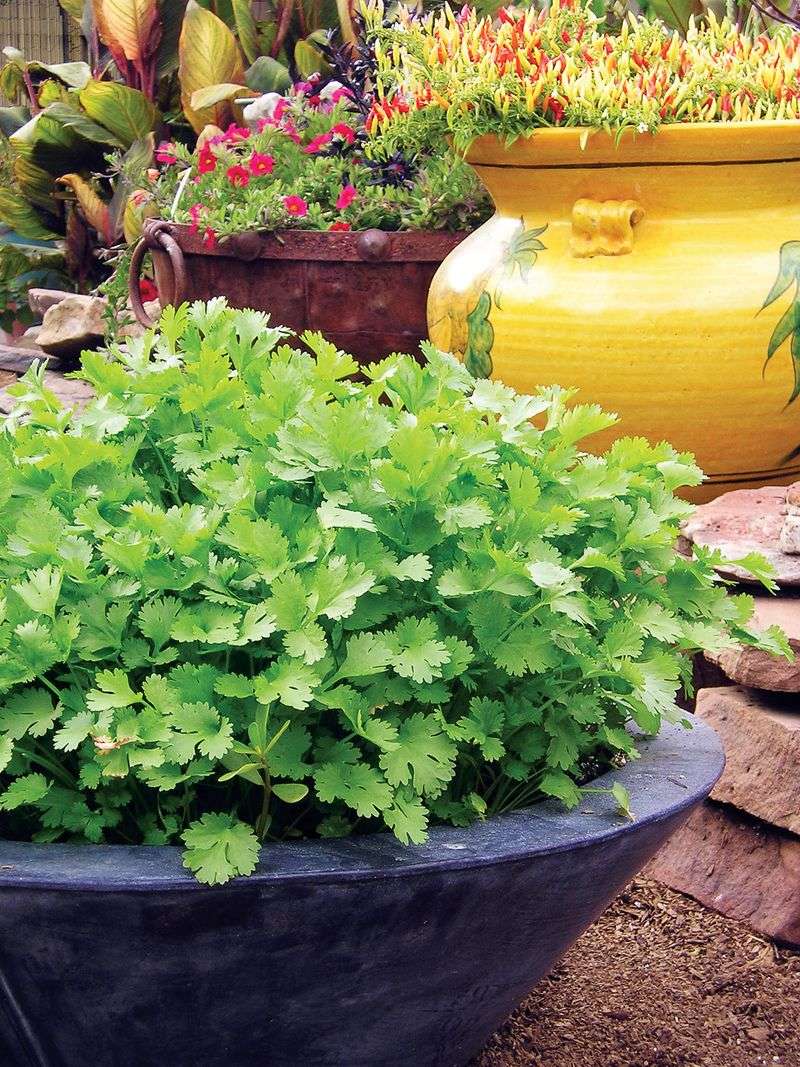
Cilantro, also known as coriander, is the quicksilver of the herb world, flourishing rapidly in deep pots. Its feathery leaves are not only visually appealing but also a staple in global cuisines. Imagine the burst of flavor it brings to your dishes, from salsas to curries. Cilantro’s shallow roots make it ideal for container gardening, and succession planting can ensure a continuous harvest. Just keep the soil moist and place it in a sun-dappled spot. With its bright, citrusy aroma and zesty flavor, cilantro brings an international flair to your culinary creations.
10. Dill
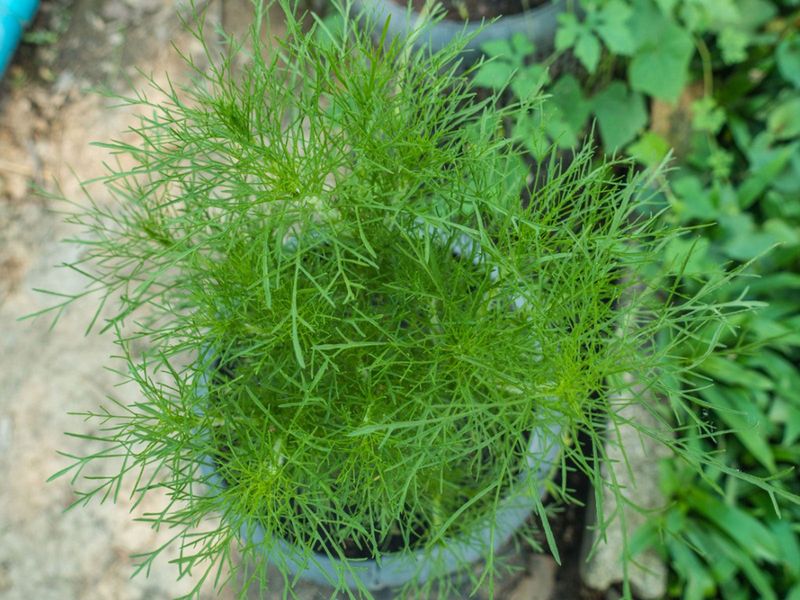
Dill stands tall and proud in the container garden, with its feathery leaves and delicate yellow flowers reaching for the sky. This herb performs admirably in deep, narrow pots, where it benefits from staking as it grows up to 3 feet. Imagine the scent of dill wafting through the air, reminiscent of summer gardens and pickling days. Its unique flavor enhances salads, fish dishes, and pickles, making it a versatile addition to your herbal repertoire. Dill’s love for sunlight and well-drained soil ensures it flourishes, providing fresh fronds ready for culinary adventures.
11. Tarragon
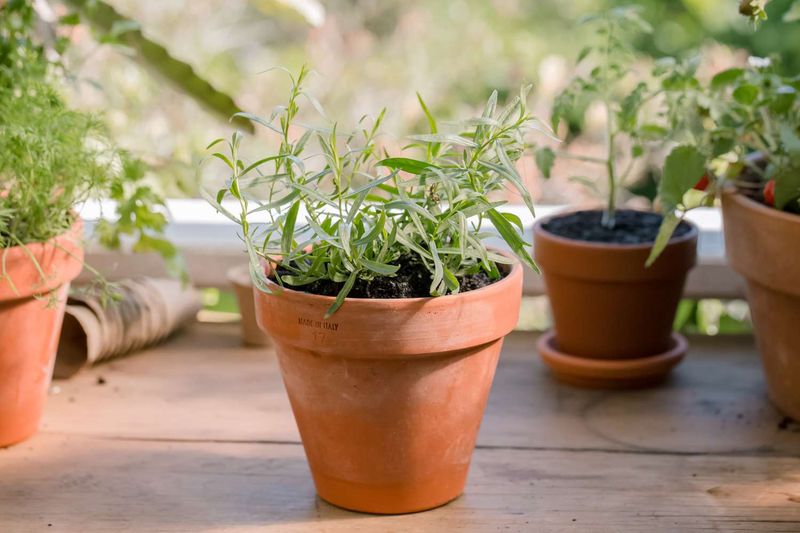
French tarragon is the elegant aristocrat of container herbs, with its glossy, anise-flavored leaves offering culinary sophistication. Its clumping habit fits nicely in pots, making it an ideal choice for those with limited space. Picture the herb adding a touch of refinement to your kitchen counter, ready to enhance sauces, salads, and more. Tarragon thrives in well-drained soil and enjoys a sunny spot, though it can tolerate some shade. Regular pruning encourages bushy growth, ensuring a plentiful supply of its aromatic leaves. A must-have for any herb lover who appreciates a hint of French flair.
12. Marjoram
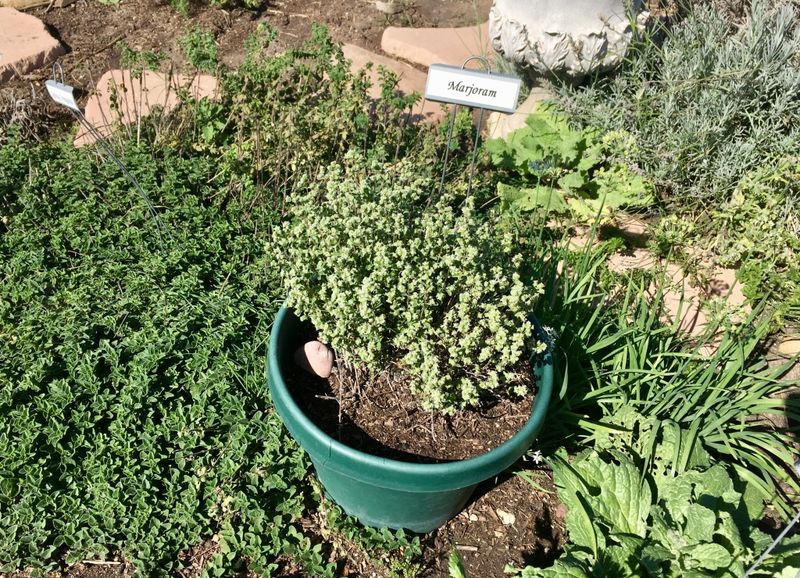
Marjoram, a tender perennial, behaves like an annual in many gardens, making it perfectly suited for containers. Its compact habit and sweet, citrusy flavor add charm and zest to your culinary creations. Envision marjoram sitting on a sunlit windowsill, its soft, green leaves basking in the morning light. This herb thrives in well-drained soil and a sunny location, requiring only moderate watering. Its gentle aroma and delicate flavor make it ideal for soups, stews, and salads. For those who appreciate a subtle yet distinct herb, marjoram is a delightful addition to any container garden.
13. Lemongrass
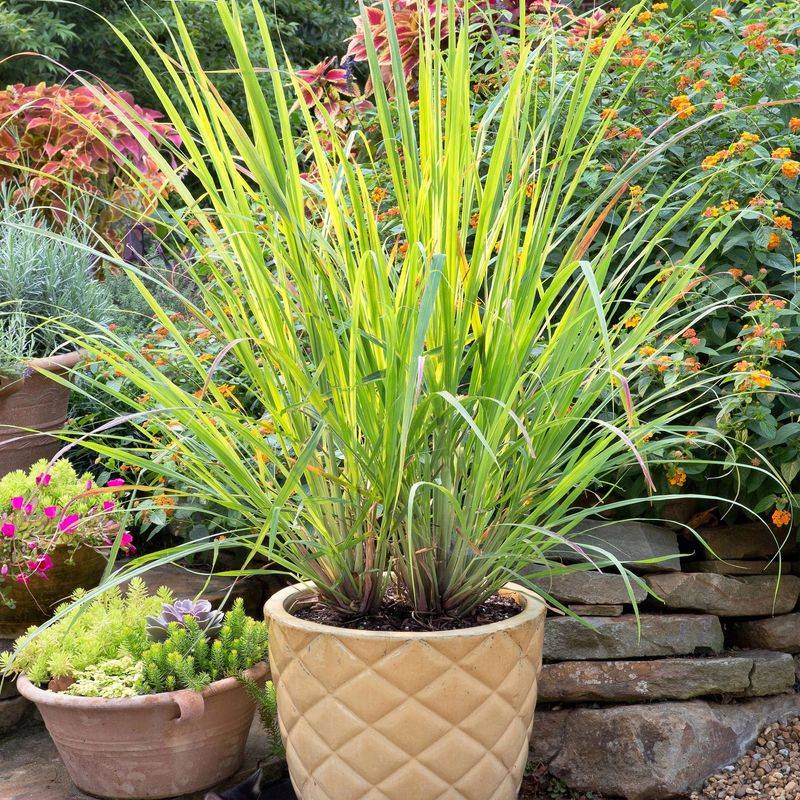
Lemongrass transports you to a tropical paradise with its citrusy fragrance and clumping stalks. Although it requires a large pot, this herb rewards you with a refreshing aroma and culinary versatility. Imagine the scent of lemongrass filling the air as you wander through your garden on a sunny day. Its stalks add a zesty kick to teas, soups, and stir-fries, making it a favorite in Asian cuisine. With its need for full sunlight and well-drained soil, lemongrass thrives when given ample space to grow. A tropical touch to any container garden, it promises delight and flavor.
14. Chervil
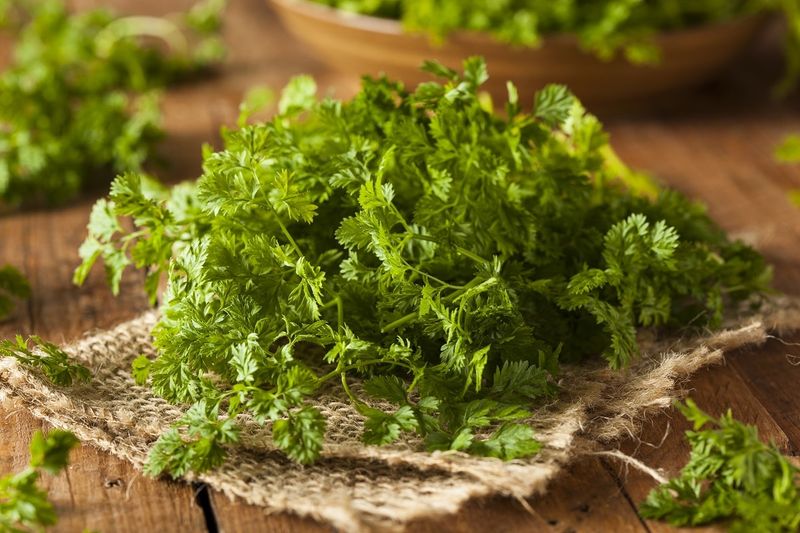
Chervil is the delicate darling of the herb world, thriving in shaded containers during the cooler months of spring and fall. With its fern-like leaves and mild, anise flavor, it adds a touch of elegance to salads and sauces. Picture this herb gracing your garden with its refined presence, offering a subtle aroma reminiscent of French cuisine. Chervil prefers moist, well-drained soil and benefits from being planted in a shaded spot to prevent bolting in warm weather. Its gentle nature and unique flavor profile make it a charming addition to any herb enthusiast’s collection.
15. Chamomile
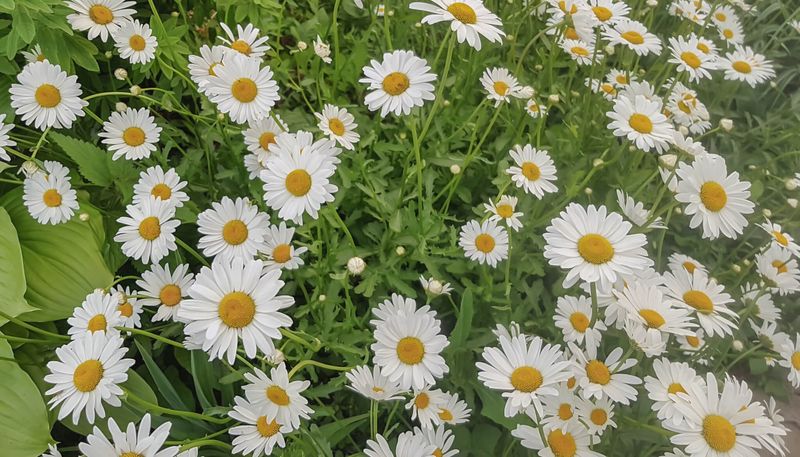
Chamomile is the calming companion of container gardens, with its dwarf varieties like ‘Treneague’ staying under 12 inches tall. Its feathery foliage and daisy-like blooms create a soothing visual in small pots, perfect for a garden table. Imagine the gentle sway of chamomile in the breeze, bringing tranquility to your space. This herb thrives in well-drained soil and requires partial to full sunlight, adding a touch of serenity to your garden. Known for its calming properties, chamomile is a cherished addition for those who enjoy a relaxing cup of tea at the end of a long day.
1. Lovage
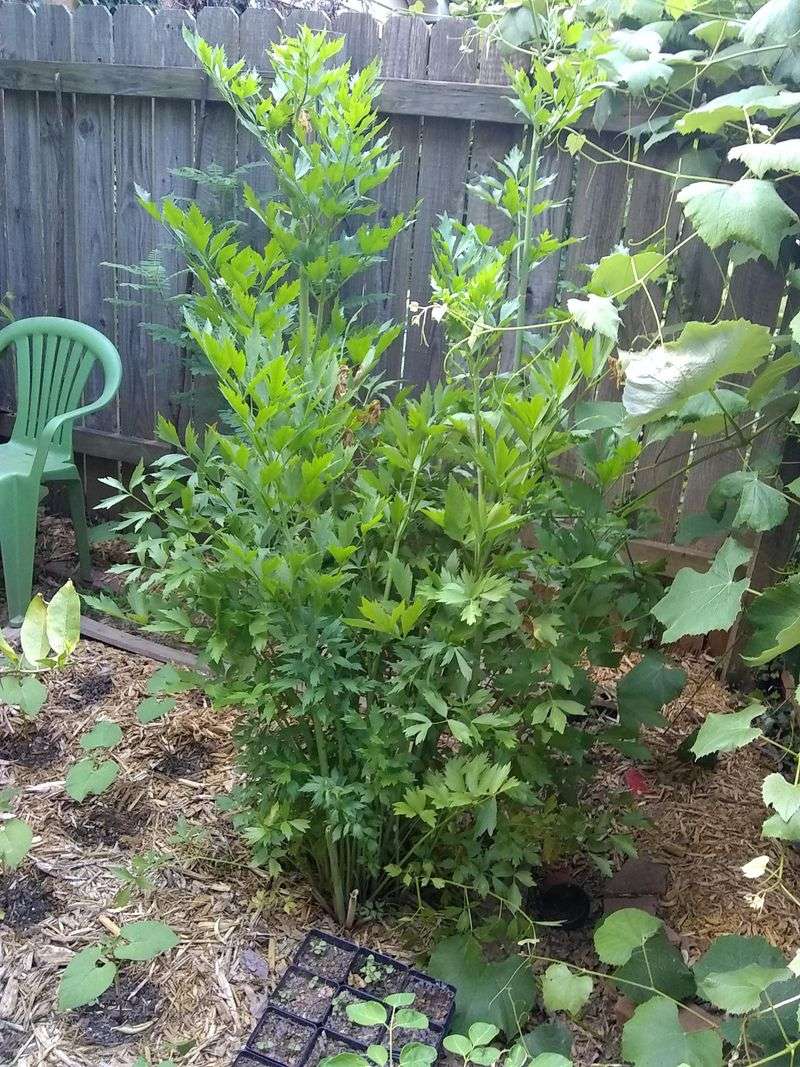
Lovage is the towering giant of herbs, with its 4–6 ft stalks and expansive root system making it unsuitable for container life. It thrives in open ground where it can spread its roots and grow to its full potential. Imagine this herb as a regal presence in your garden, with its celery-like flavor enhancing soups and stews. Lovage requires plenty of space and deep soil for optimal growth, making it best suited for traditional garden beds. Its impressive stature and robust flavor profile make it a fascinating addition for those with ample garden space to explore.
2. Horseradish
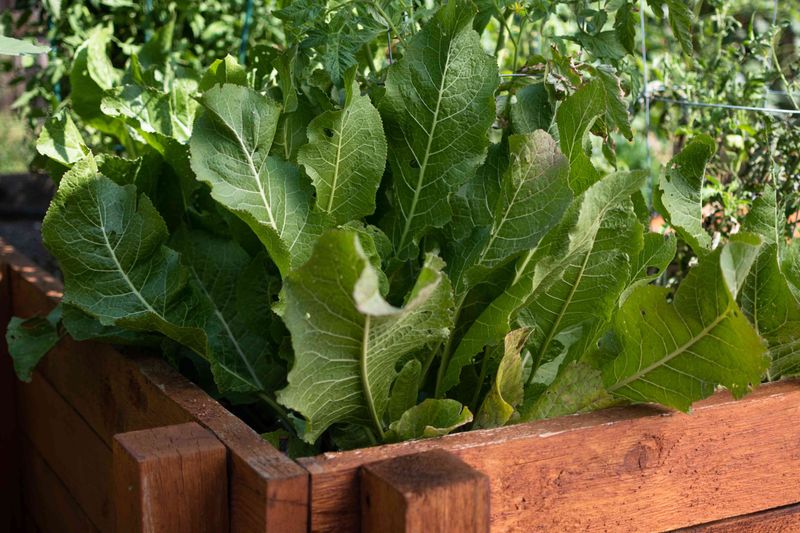
Horseradish is the fiery rebel of the herb world, demanding deep soil for its long, thick roots to develop fully. In containers, its growth is restricted, leading to poor yields. Visualize horseradish thriving in rich garden soil, where its robust roots can grow uninhibited. Its pungent flavor adds a spicy kick to sauces and condiments, making it a favorite among those who enjoy bold flavors. Although it’s best left in traditional garden beds, horseradish can thrive with minimal care, provided it has the space to spread its roots and flourish to its full potential.
3. Comfrey
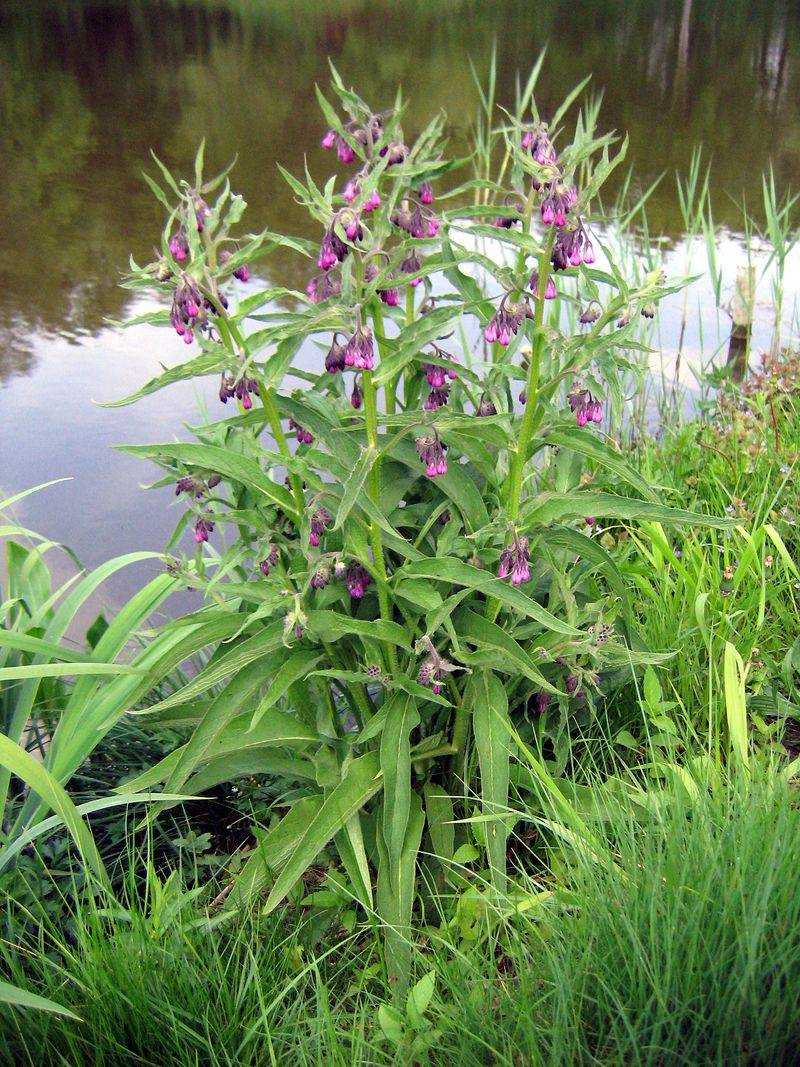
Comfrey is the sprawling outcast of container gardening, known for its aggressive spread via underground roots. In pots, it quickly outgrows its confines, making it better suited for open fields. Envision comfrey surrounded by wildflowers, its large leaves and vibrant presence adding life to a natural landscape. This herb benefits from vast space to spread, and its fast growth provides ample foliage for composting or herbal remedies. Comfrey requires minimal maintenance when planted in the ground, thriving in a variety of conditions. However, its need for space makes it incompatible with container life.
4. Echinacea (Purple Coneflower)
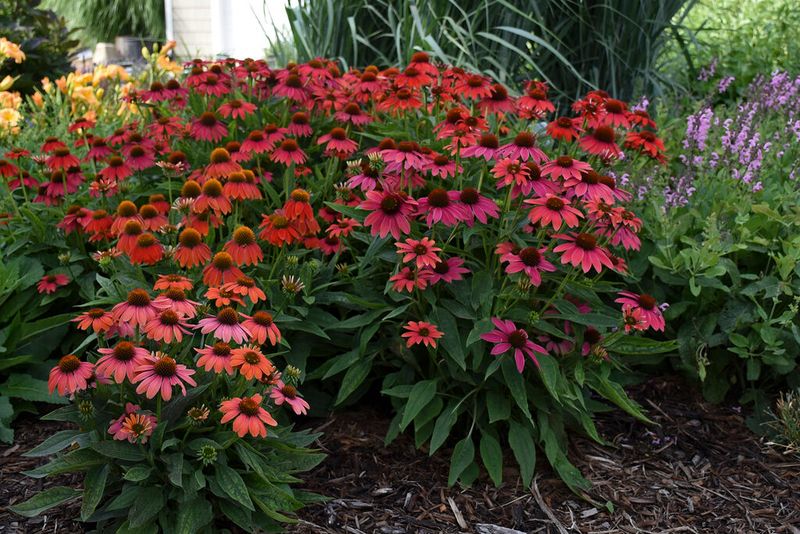
Echinacea, or purple coneflower, is the garden star with its striking purple petals and clumping growth habit. However, its strong taproots and large clumps make it unsuitable for container gardens. Picture echinacea in a traditional garden bed, attracting bees and butterflies with its vibrant blooms. This herb thrives in open spaces where it can spread its roots and grow tall. Known for its immune-boosting properties, echinacea is a favorite among herbalists. To see it flourish, provide ample space in a garden bed, allowing its beauty and health benefits to enhance your outdoor space.
5. Angelica
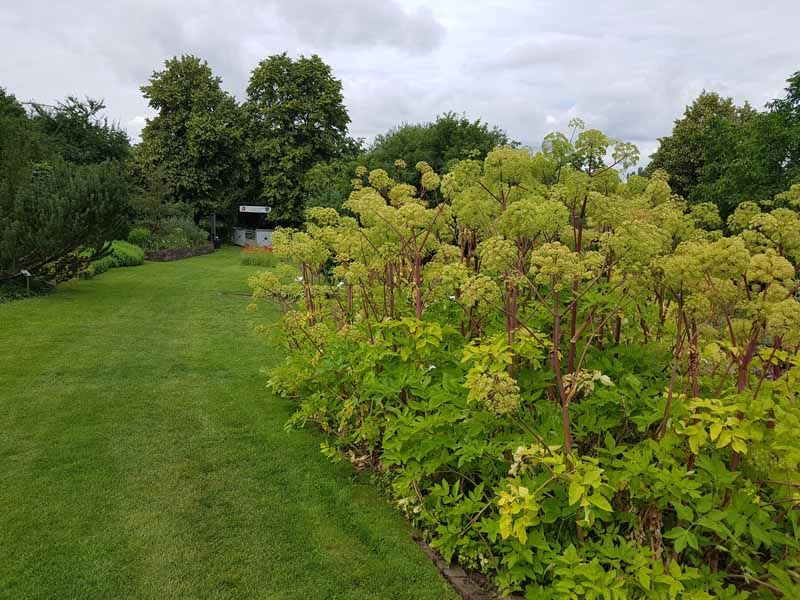
Angelica is the majestic giant of herb gardens, with its tall stature and broad leaves demanding space to thrive. In containers, it struggles due to its deep taproot and bulk. Visualize angelica in a large garden setting, its greenish flowers standing tall against the sky. This herb requires full-bed space to reach its potential, making it ideal for traditional gardens rather than pots. Angelica’s unique flavor is often used in confections and liqueurs, adding a distinctive touch to culinary creations. For those with ample space, angelica offers both visual impact and culinary intrigue.
6. Valerian
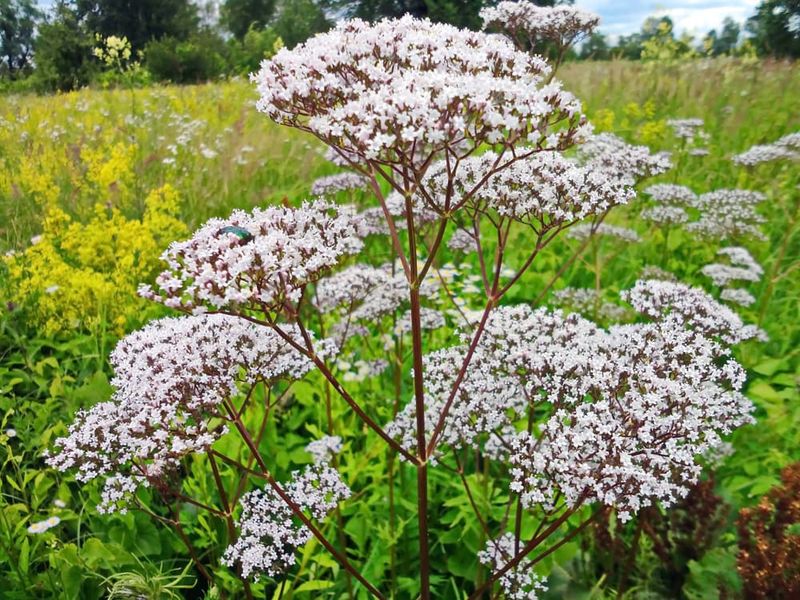
Valerian is the deep-rooted perennial that thrives in expansive spaces, with its feathery foliage and tall floral spikes. In containers, it’s unable to spread its roots and flourish. Picture valerian in a woodland garden, its fragrant white flowers adding a touch of elegance to the landscape. Known for its calming properties, valerian requires room to grow to its full potential. This herb benefits from rich, well-drained soil and ample space, making it best suited for garden beds. For those who appreciate its soothing qualities, valerian offers both beauty and tranquility.
7. Fennel
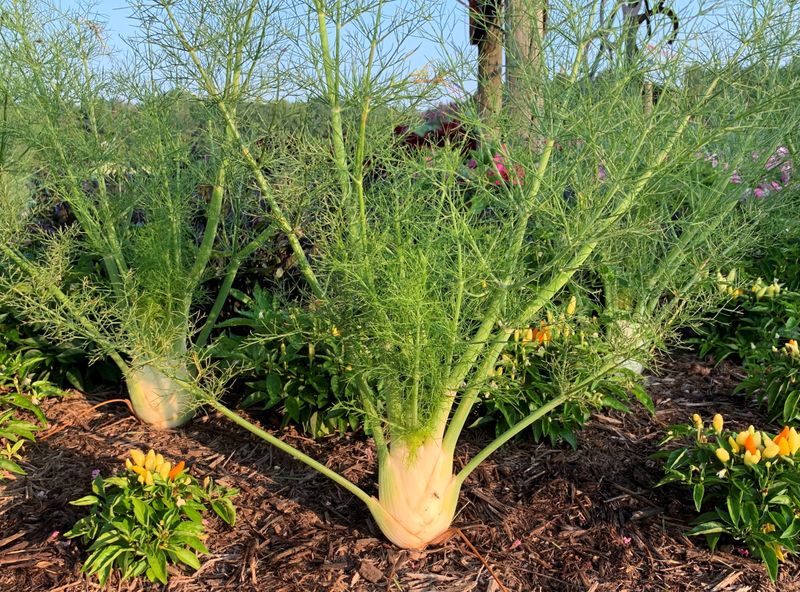
Fennel is the aromatic powerhouse of herbs, with its bulbous base and tall flower stalks needing full garden soil to thrive. In containers, it’s often stunted and less flavorful. Imagine fennel in a sunlit garden, its feathery fronds swaying in the breeze, adding an anise-like flavor to dishes. This herb thrives in open ground where its roots can expand and its stalks can reach impressive heights. Fennel’s bold flavor profile is a favorite in Mediterranean cuisine, making it a must-have for those with ample garden space. Its majestic presence and culinary versatility are truly unmatched.
8. Mugwort
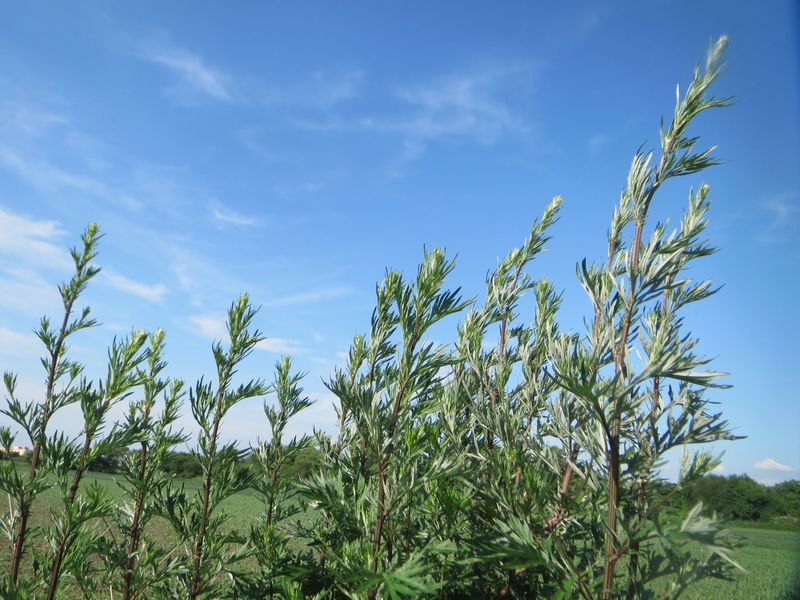
Mugwort is the free spirit of the herb world, notorious for its aggressive spread via underground runners. In containers, it’s a rebel, often breaking out of its confines. Picture mugwort in an open meadow, its silver-green leaves shimmering under the sun. This hardy herb thrives in a variety of conditions, needing ample space to roam. Known for its historical use in herbal medicine, mugwort’s presence in gardens is both practical and ornamental. However, its wild nature makes it better suited for open landscapes where it can grow uninhibited, far away from the constraints of a pot.
9. Yarrow

Yarrow is the resilient survivor of the herb family, with its tough, wiry roots making it prone to becoming root-bound in containers. In open fields, it flourishes with ease. Imagine yarrow under a clear blue sky, its white flowers nodding gently in the breeze. This herb is known for its medicinal properties, often used in teas and tinctures. Yarrow thrives when given space to expand its roots, making it better suited for garden beds. Its ability to enhance garden biodiversity and its historical significance make yarrow a valuable addition to expansive garden landscapes.
10. Ginseng
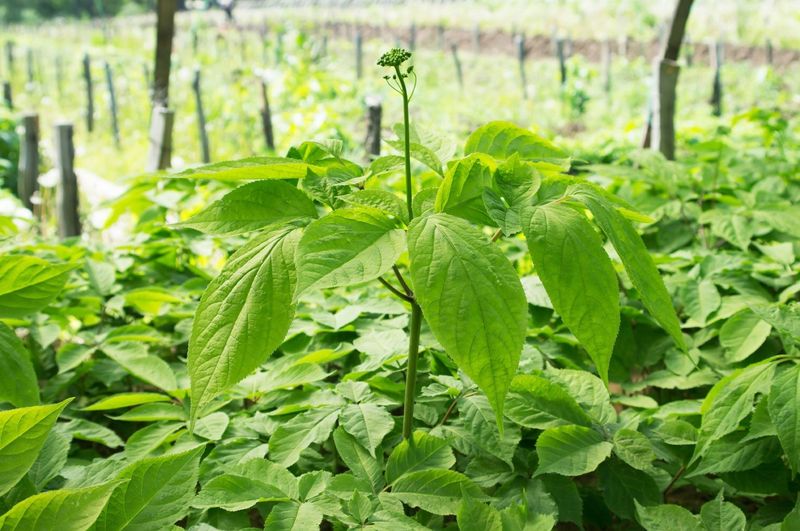
Ginseng is the enigmatic treasure of the herbal world, with its deep, finicky roots requiring specific conditions to thrive. In containers, it often struggles, unable to establish properly. Picture ginseng in a shaded woodland garden, its green foliage and red berries adding a touch of intrigue to the landscape. Known for its health benefits, ginseng prefers rich, well-drained soil and dappled shade. This herb requires patience and space, flourishing best in natural settings that mimic its native habitat. For those who cherish its medicinal properties, ginseng offers both a challenge and a reward in traditional garden beds.