 Complete Gardening
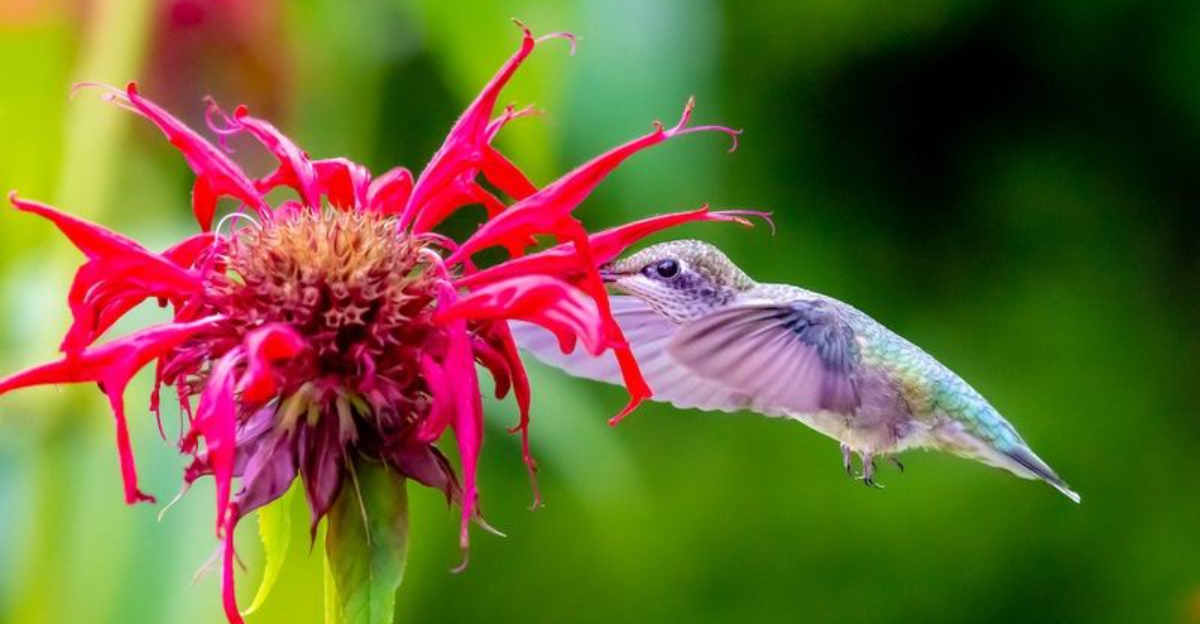
Wildflowers are not just beautiful additions to our landscapes; they play crucial roles in soil health and ecosystem balance.
While some wildflowers can enrich the soil and support biodiversity, others may be detrimental, spreading invasively and disrupting local ecosystems.
This article explores ten wildflowers that are beneficial for soil revival and ten that are best avoided. Discover how choosing the right plants can make a significant difference in soil health and biodiversity.
1. Purple Coneflower (Echinacea purpurea)
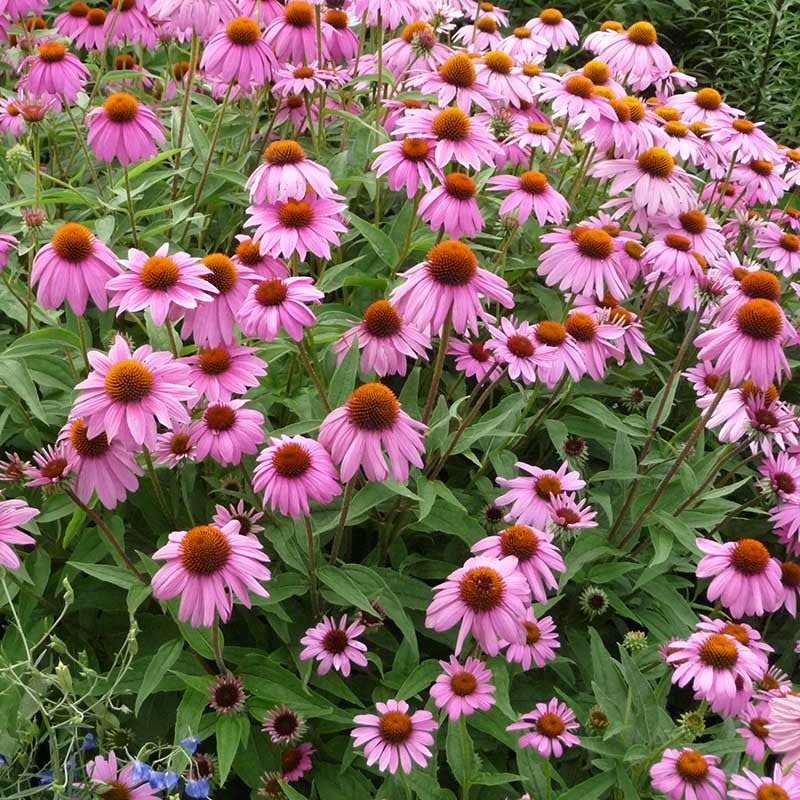
Purple Coneflower, with its striking purple petals and conical center, is more than just a pretty face. Its deep roots work tirelessly beneath the surface, breaking up compacted soil and improving aeration.
This resilient plant attracts pollinators like bees and butterflies, enhancing the surrounding biodiversity. By stabilizing soil and reducing erosion, Purple Coneflower makes an excellent addition to gardens aiming for sustainability.
Its medicinal properties also make it popular in herbal remedies. Whether you’re looking to revitalize your soil or support local wildlife, Echinacea purpurea is a top choice.
2. Black-Eyed Susan (Rudbeckia hirta)
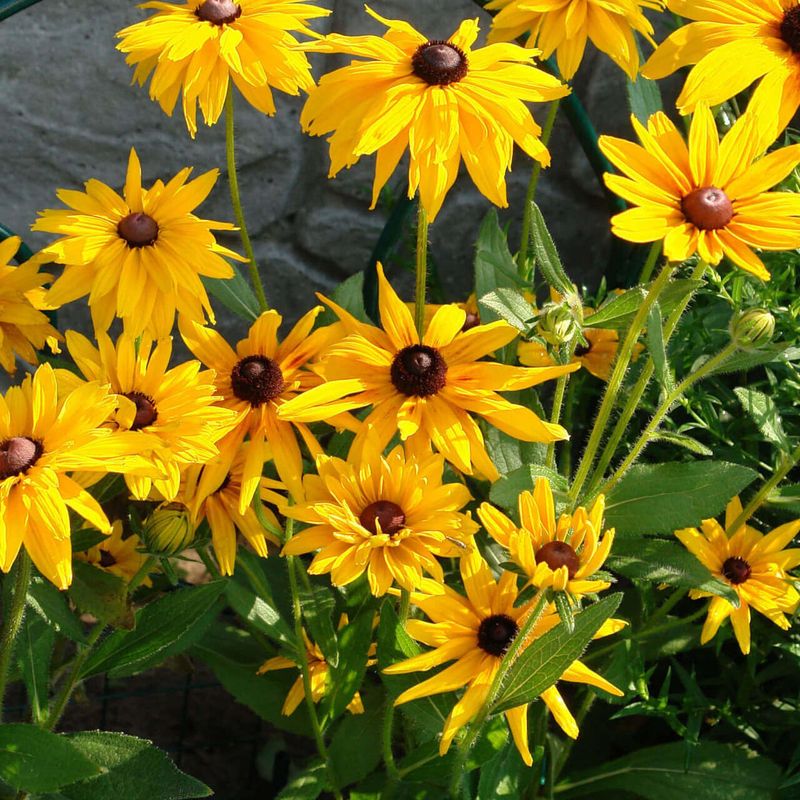
Black-Eyed Susan stands resilient in the face of poor soil conditions. With its golden-yellow petals and sturdy nature, it helps control erosion and stabilizes the ground it grows on.
This hardy flower thrives in various environments, making it a versatile choice for landscapers. As it blooms, Black-Eyed Susan attracts a multitude of pollinators, adding vibrant life to any garden.
Its adaptability and low maintenance make it an ideal candidate for areas needing a touch of nature’s resilience and beauty. Embrace its presence for a garden full of life and stability.
3. Yarrow (Achillea millefolium)
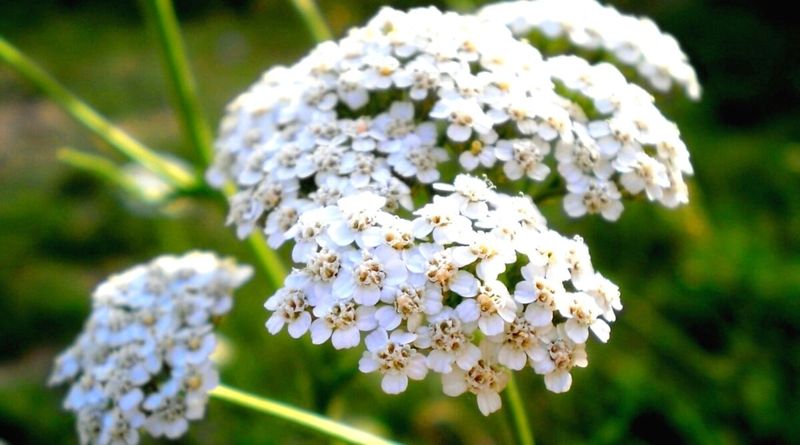
Yarrow is a powerhouse plant for soil improvement, known for its ability to enhance soil structure. With feathery green leaves and flat-topped clusters of white flowers, this wildflower is a dynamic nutrient accumulator.
It draws essential nutrients from deep within the soil, redistributing them closer to the surface. Yarrow’s presence not only benefits the soil but also serves as a haven for beneficial insects.
Its hardiness makes it suitable for a variety of soil types, and its medicinal uses add further value. Consider Yarrow for enriching both soil and ecosystem.
4. Lupine (Lupinus spp.)
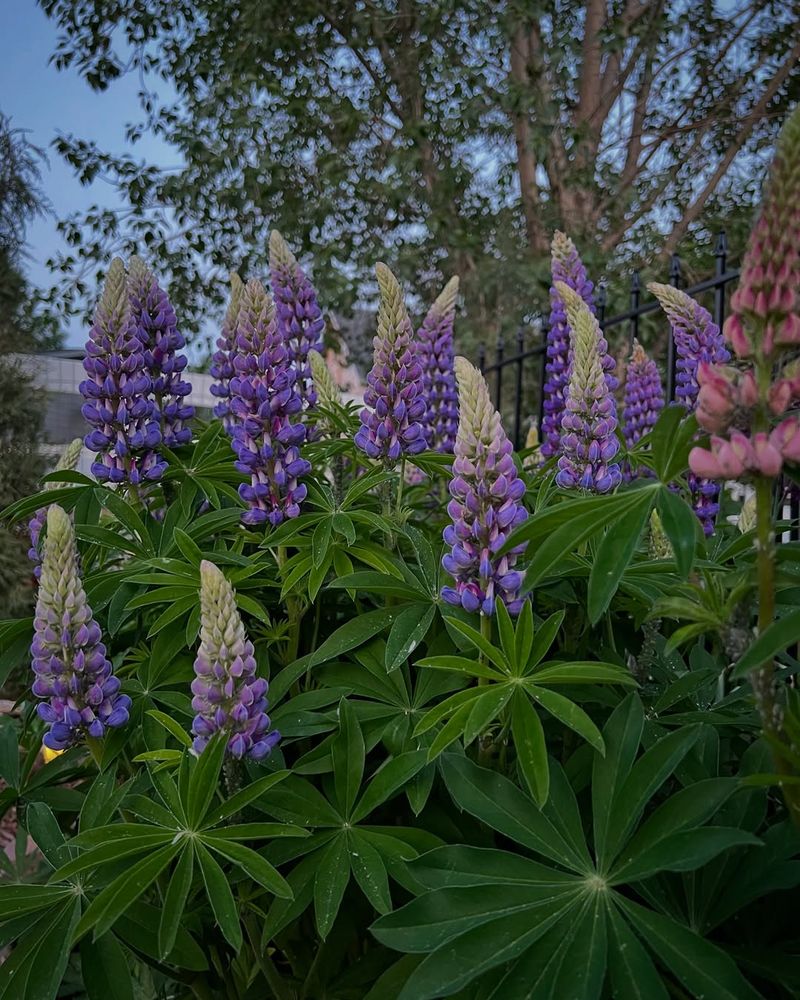
Lupine, with its striking spires of blue and purple, is not just visually appealing but also vital for soil health. As a nitrogen-fixer, Lupine enhances depleted soils by converting atmospheric nitrogen into a form plants can use.
This process not only enriches the soil but also supports the growth of neighboring plants. Lupine’s nectar-rich flowers attract pollinators, boosting biodiversity.
Its ability to thrive in poor soil conditions makes it an excellent choice for restoring degraded landscapes. Plant Lupine and witness a transformation in soil vitality and ecosystem health.
5. Coreopsis (Coreopsis tinctoria)
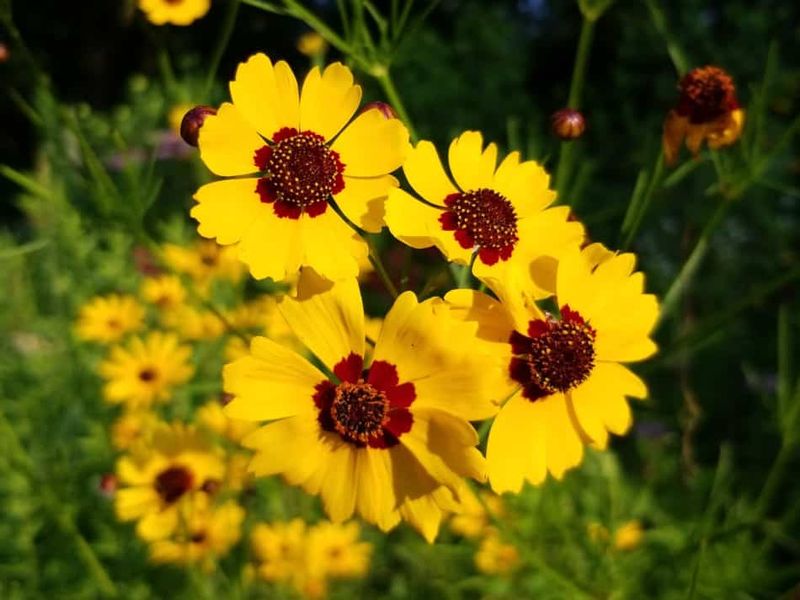
Coreopsis, known for its sunny, daisy-like flowers, thrives in dry and poor soils, making it a champion for challenging landscapes. Its robust nature supports pollinators and beneficial insects, creating a thriving micro-ecosystem.
This wildflower is an excellent choice for gardeners seeking to add color and resilience to their plots. It requires minimal maintenance, making it ideal for those who prefer a low-effort yet impactful addition.
Coreopsis’s ability to flourish in less than ideal conditions highlights its resilience and beauty, making it a must-have for eco-conscious gardeners.
6. Blanket Flower (Gaillardia pulchella)
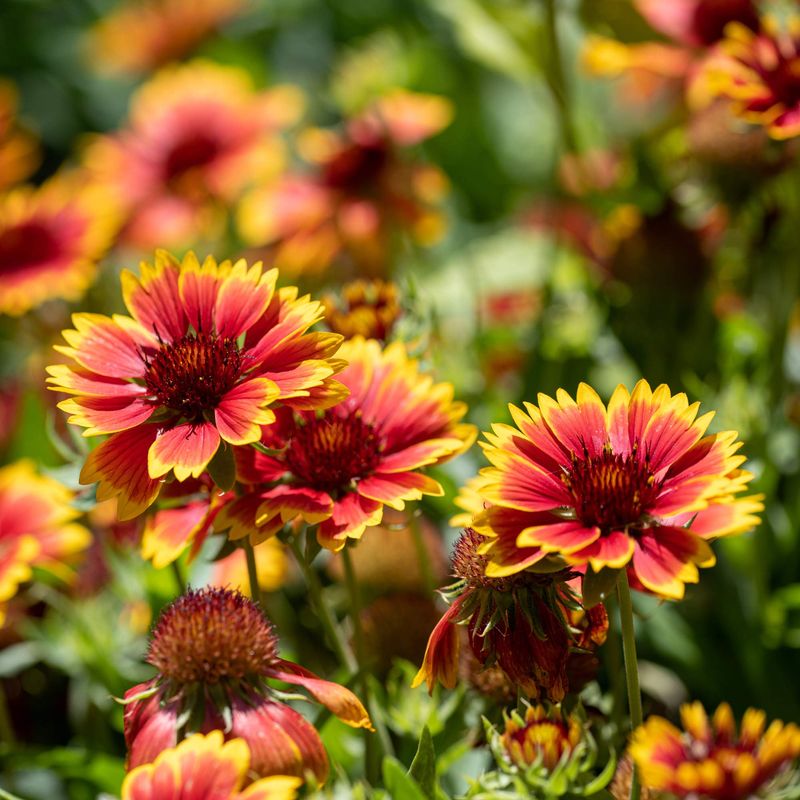
Blanket Flower offers a burst of color with its red and yellow blooms, known for improving soil’s drought tolerance. This vibrant plant not only adds visual appeal but also contributes to soil health by enhancing its ability to retain moisture.
Ideal for dry and sandy soils, Blanket Flower supports pollinators and provides habitat for beneficial insects. Its long-blooming nature ensures a continuous splash of color throughout the growing season.
Choose Blanket Flower to bring life and resilience to your garden, creating a sanctuary for both plants and pollinators.
7. Bee Balm (Monarda spp.)
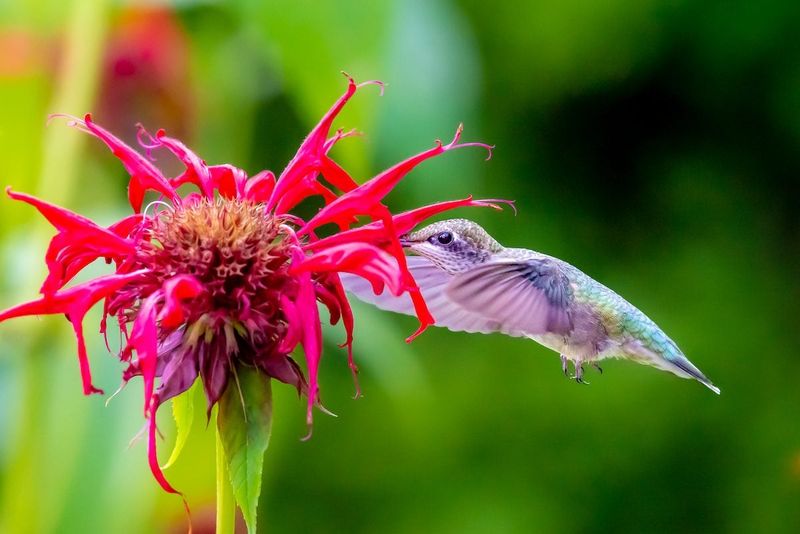
Bee Balm, with its unique, tubular flowers, is a magnet for bees and other pollinators. This aromatic plant not only adds a splash of color to gardens but also enriches the soil by adding biomass as it decomposes.
By attracting beneficial predatory insects, Bee Balm helps control pest populations naturally. Its vibrant hues and pleasant scent make it a garden favorite, while its ecological benefits enhance soil and biodiversity.
Incorporate Bee Balm into your garden to enjoy a lively, fragrant, and sustainable environment.
8. Golden Alexanders (Zizia aurea)
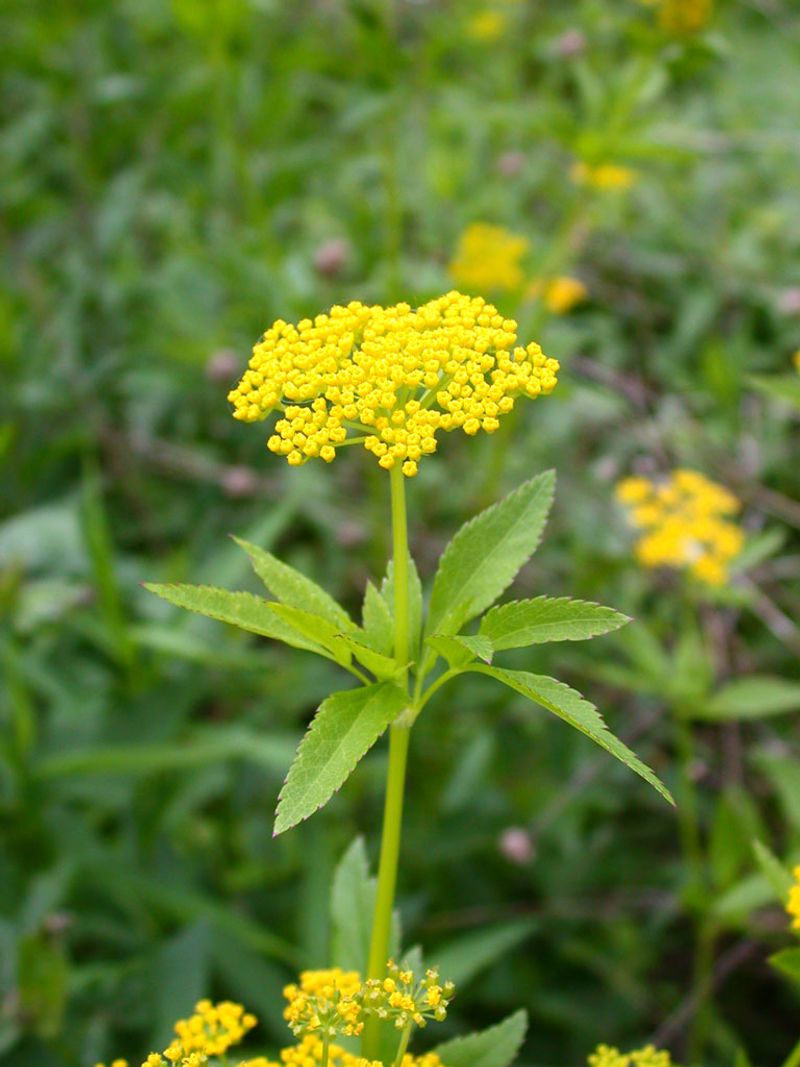
Golden Alexanders, with their cheery yellow clusters, are a boon for native bees and butterflies. This wildflower enriches the soil by enhancing organic matter content, making it a valuable addition to any eco-friendly garden.
As a native plant, it seamlessly integrates into local ecosystems, supporting pollinators and other beneficial insects.
Its adaptability to different soil types and conditions makes Golden Alexanders a versatile choice for gardeners wanting to boost soil health naturally. Plant them to create a thriving habitat for wildlife and a healthier ground underneath.
9. Milkweed (Asclepias spp.)
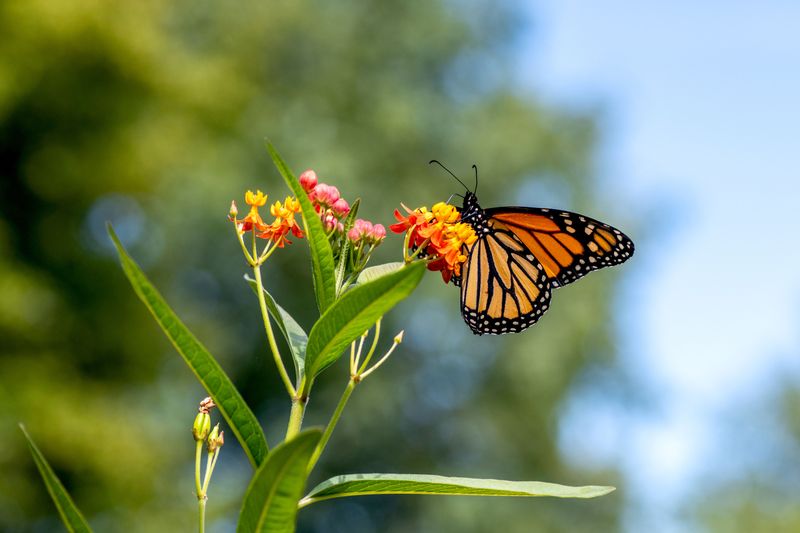
Milkweed is synonymous with supporting monarch butterflies, providing both habitat and food for these majestic creatures. Beyond its role in biodiversity, Milkweed is adept at thriving in poor soils, helping improve soil structure and stability.
Its deep roots prevent erosion, making it a great choice for areas prone to soil degradation. By planting Milkweed, gardeners contribute to the conservation of monarch butterflies while enhancing soil health.
It’s a win-win for both the environment and those seeking to rejuvenate their gardens with minimal effort.
10. California Poppy (Eschscholzia californica)
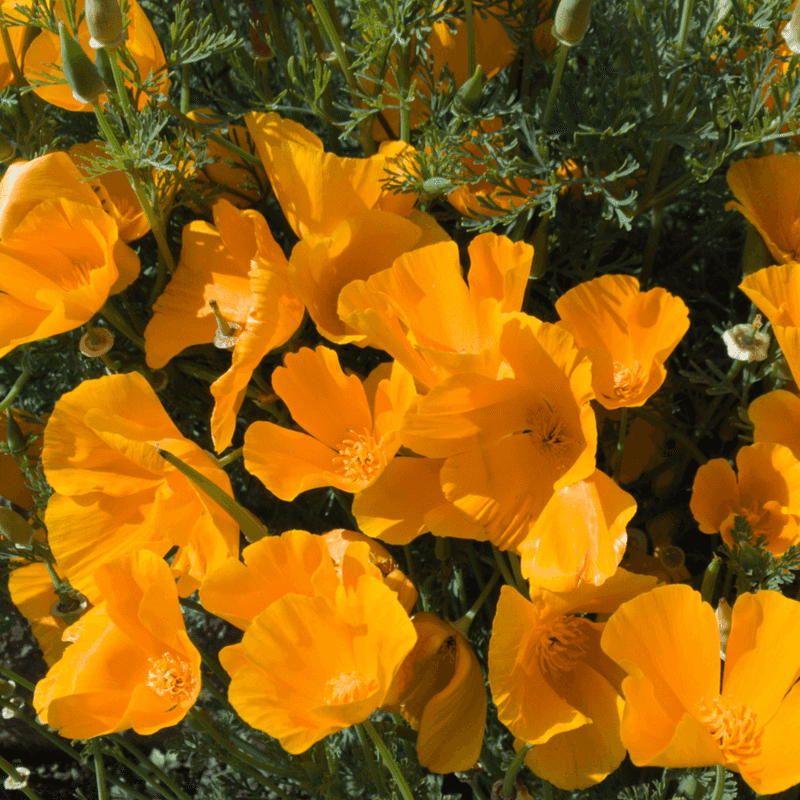
California Poppy, with its brilliant orange petals, is a hardy plant that thrives in sandy or clay soils, stabilizing loose ground. Its vibrant blooms not only add visual appeal but also attract a variety of pollinators.
This drought-tolerant plant requires little maintenance, making it ideal for areas with challenging growing conditions.
By choosing California Poppy, gardeners can enjoy a landscape filled with color and vitality, all while contributing to soil stability and biodiversity. Its resilience and beauty make it a standout choice for sustainable gardening.
1. Crown Vetch (Securigera varia)
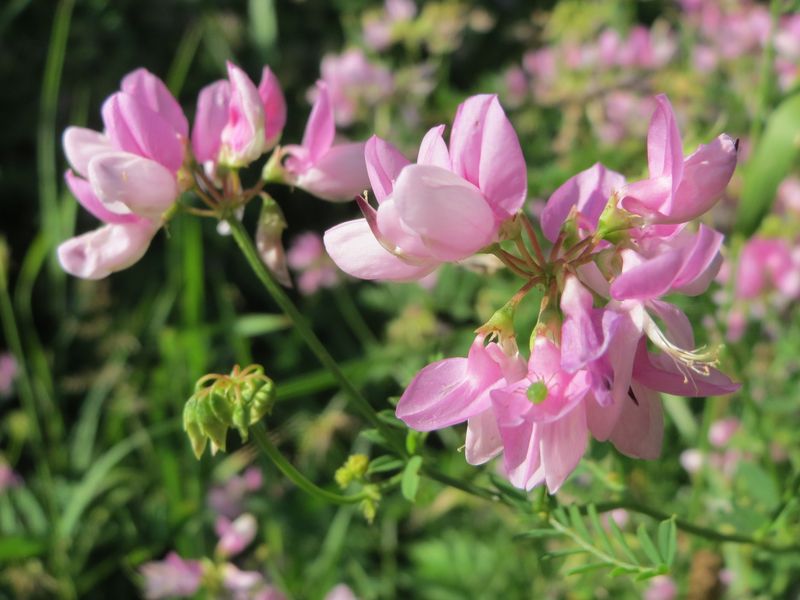
Crown Vetch might seem appealing with its dense foliage and pink blooms, but it’s a notorious invader. This plant aggressively smothers native vegetation, altering soil chemistry in the process.
Once established, Crown Vetch is challenging to remove and can hinder efforts to cultivate native plants. Its invasive nature makes it unsuitable for gardens aiming to support local biodiversity.
Avoid planting Crown Vetch to protect native ecosystems and maintain soil health. Awareness of its impact is crucial for ecological conservation efforts.
2. Purple Loosestrife (Lythrum salicaria)
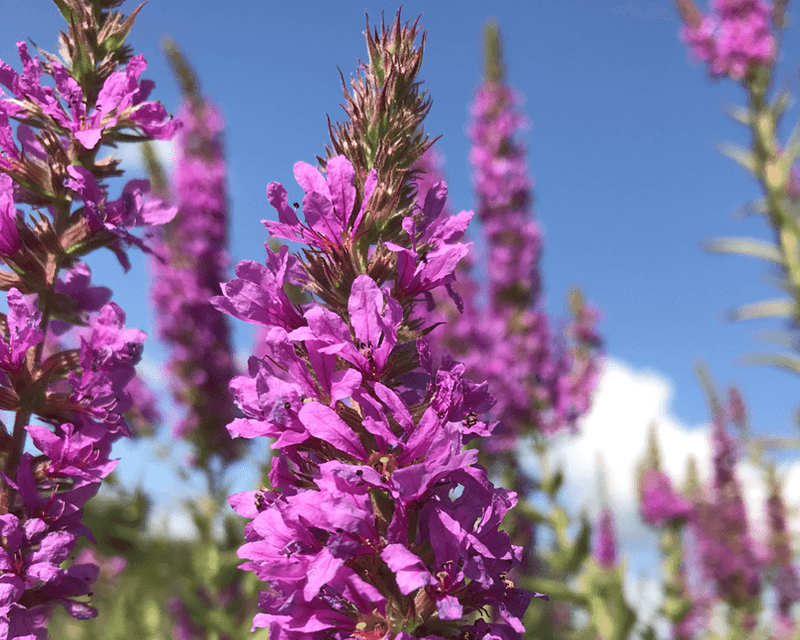
Purple Loosestrife is a striking plant, but its beauty belies its destructive nature. Highly invasive, it spreads rapidly in wetlands, displacing native species and altering water flow patterns.
Its dense growth outcompetes beneficial plants, reducing biodiversity and harming local ecosystems. While it may add color to an area, the ecological cost is significant. Preventing its spread is vital to conserving wetland habitats.
By choosing native alternatives, gardeners can protect local flora and fauna, ensuring a balanced and thriving ecosystem.
3. Dame’s Rocket (Hesperis matronalis)
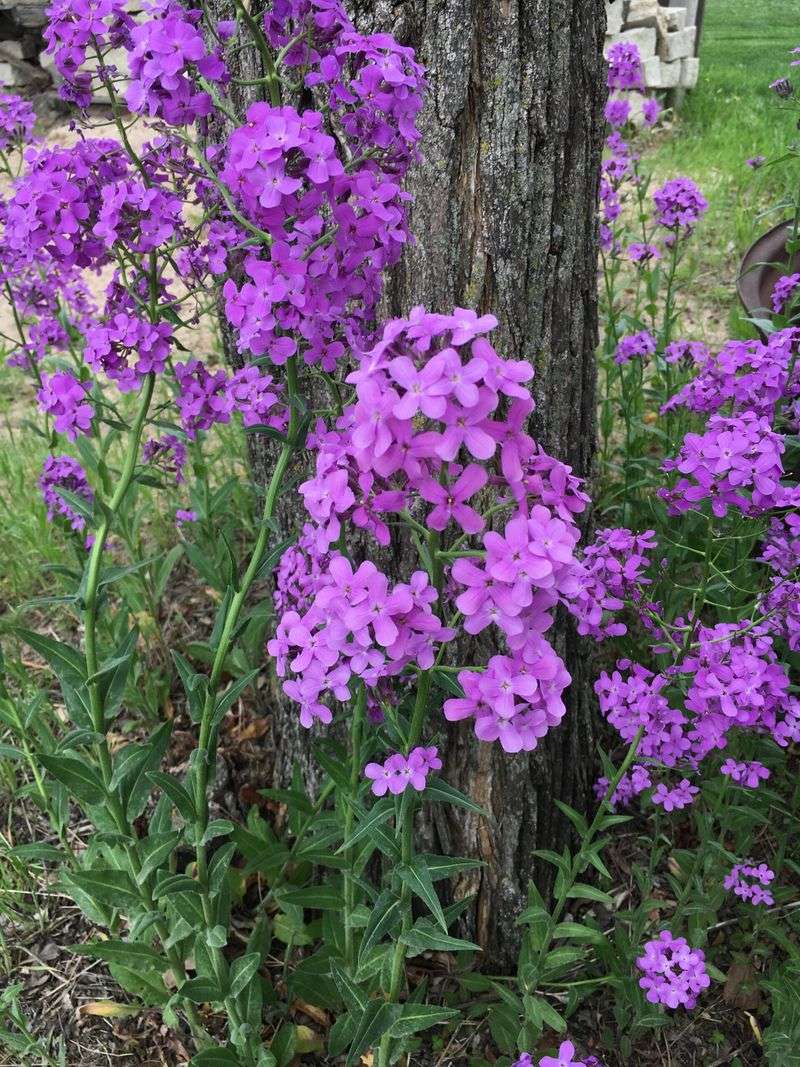
Dame’s Rocket, with its fragrant lavender flowers, can quickly become a garden’s worst enemy. It spreads rapidly, outcompeting native wildflowers and disrupting established ecosystems.
Though visually appealing, this plant’s invasive tendencies make it a threat to biodiversity. Its ability to dominate landscapes is concerning for conservationists and gardeners alike.
Opting for native wildflowers instead helps maintain ecological balance and supports local wildlife. Understanding Dame’s Rocket’s impact is essential for preserving natural harmony in garden and wild settings alike.
4. Oxeye Daisy (Leucanthemum vulgare)
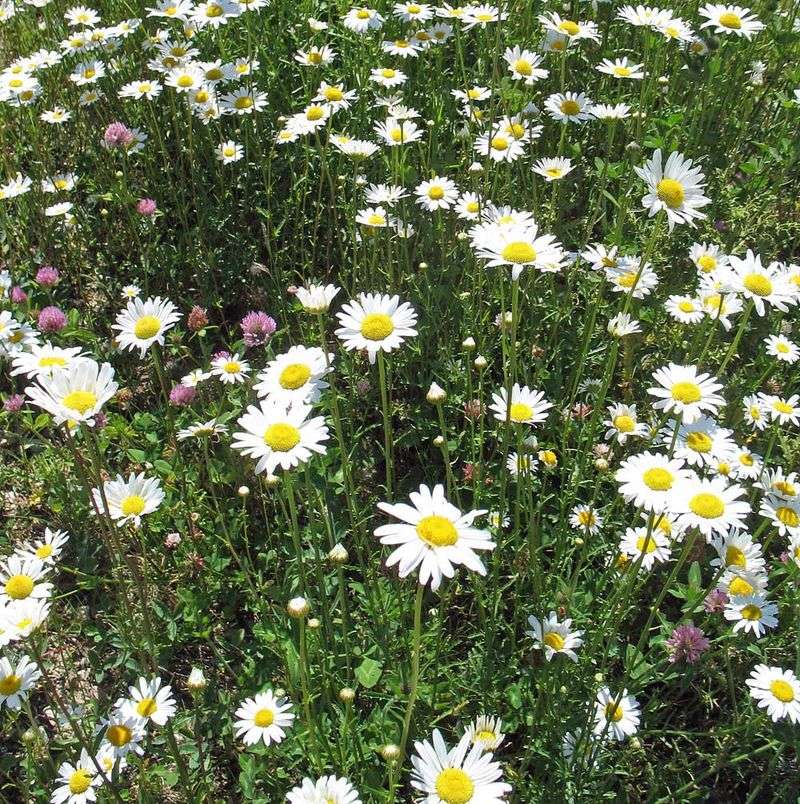
Oxeye Daisy may bring to mind idyllic meadows, but its invasive nature tells a different story. This plant tends to colonize meadows and pastures, reducing biodiversity by outcompeting native flora.
Despite its charming appearance, the Oxeye Daisy poses a threat to agricultural and natural landscapes. Its ability to spread easily makes it a concern for those looking to preserve native plant species.
Avoiding Oxeye Daisy in gardening and restoration projects is crucial for maintaining ecological integrity and supporting diverse ecosystems.
5. Yellow Toadflax (Linaria vulgaris)
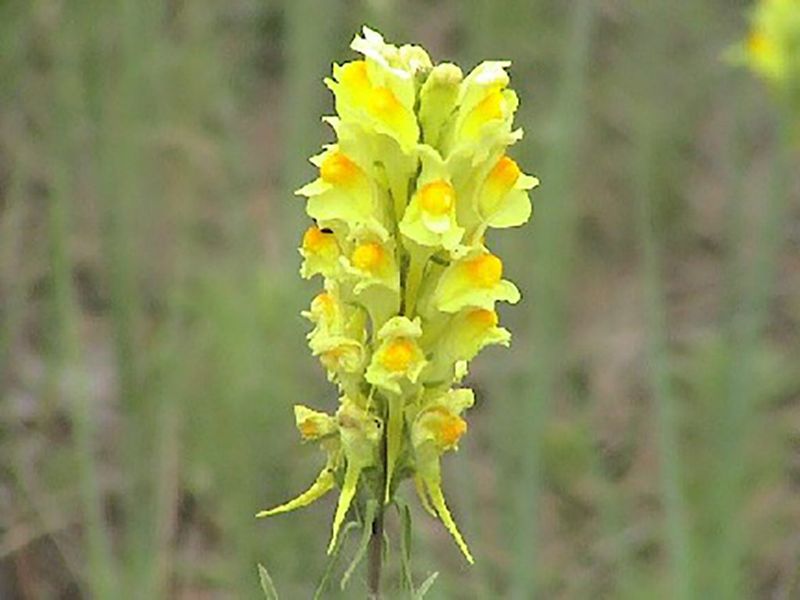
Yellow Toadflax, often mistaken for a snapdragon, is a vigorous invader. Its aggressive growth in dry soils and resistance to control measures make it a formidable foe for native plants.
This plant’s ability to spread unchecked can lead to the displacement of more beneficial wildflowers, reducing overall biodiversity. While its yellow blooms may be attractive, the ecological damage it causes is significant.
Avoid planting Yellow Toadflax to protect native ecosystems and promote healthy biodiversity in garden and wild areas alike.
6. Garlic Mustard (Alliaria petiolata)
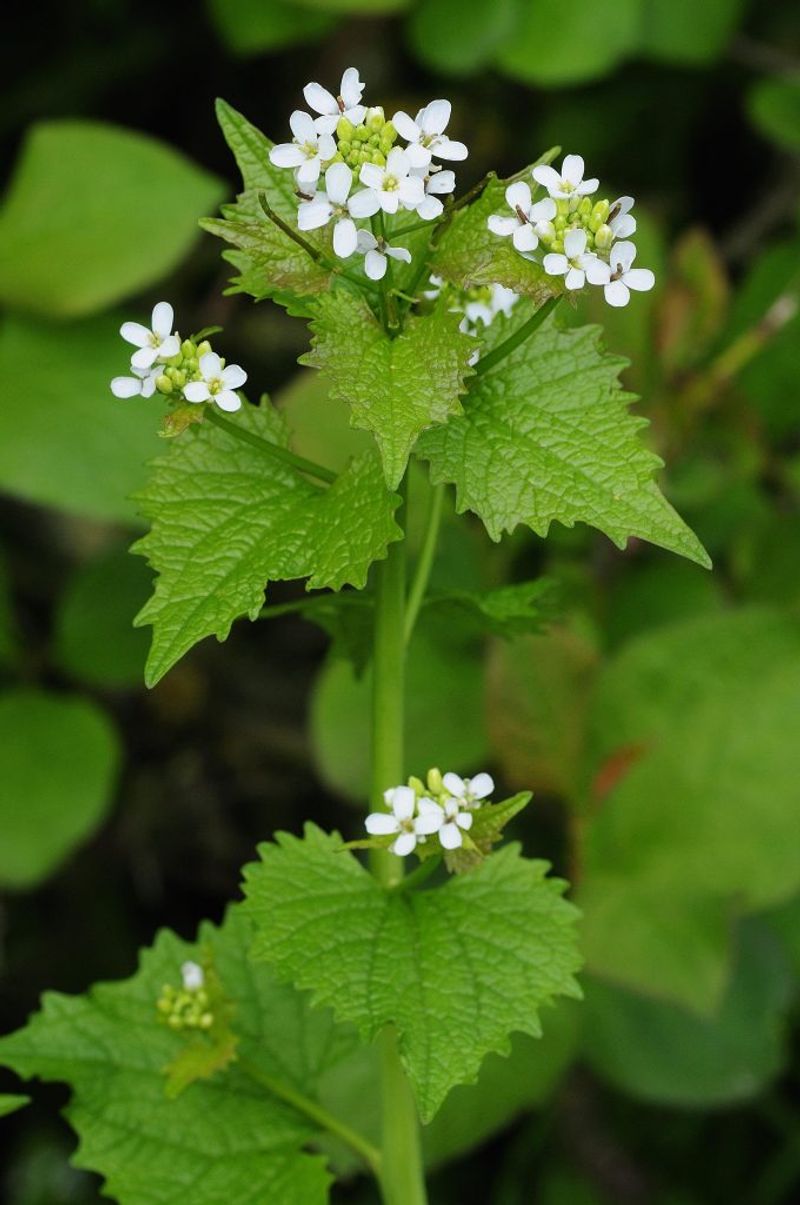
Garlic Mustard is more than a culinary conundrum; it’s an ecological disruptor. This plant releases chemicals that harm beneficial soil fungi, hindering the growth of native plants.
Its ability to spread rapidly makes it particularly troublesome in forested areas, where it can dominate the understory. Removing Garlic Mustard is essential for restoring native habitats and ensuring the health of forest ecosystems.
Opting for native plants over Garlic Mustard is a proactive step in conservation efforts, supporting a balanced and thriving environment.
7. Sweet Clover (Melilotus spp.)
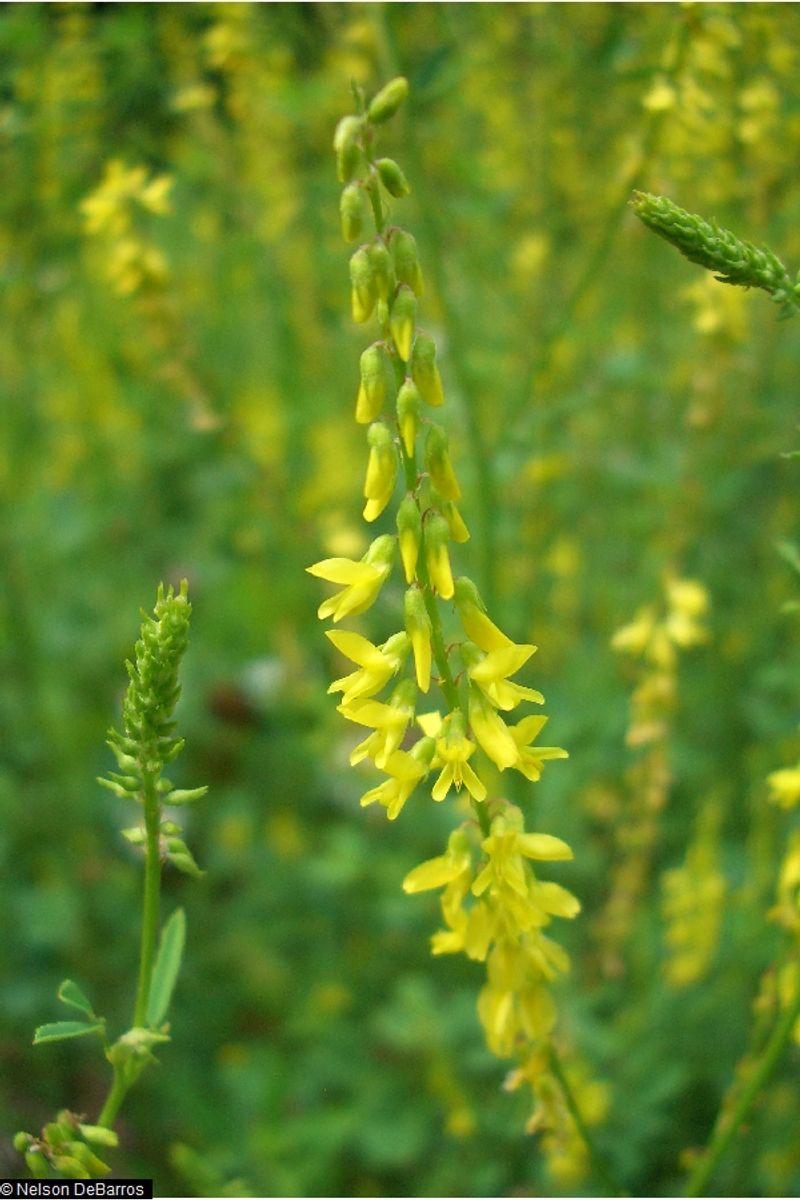
Sweet Clover may seem innocuous, but this nitrogen-fixer has gone rogue. Its ability to spread rapidly poses a threat to native plant communities, as it outcompetes local species.
While it enriches soil with nitrogen, the ecological cost is significant, leading to reduced biodiversity. Managing Sweet Clover populations is crucial for preserving native habitats and supporting diverse ecosystems.
Awareness of its invasive potential can guide planting decisions, ensuring gardens and natural areas remain vibrant and balanced. Choose native alternatives to support ecological health.
8. Bird’s-Foot Trefoil (Lotus corniculatus)
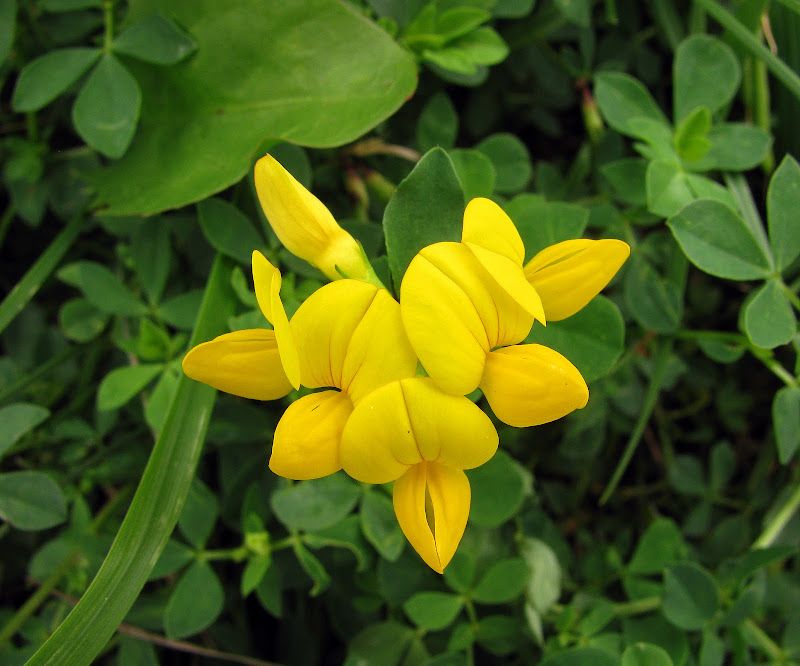
Bird’s-Foot Trefoil, despite its cheerful yellow flowers, is a formidable invader. It alters soil nitrogen levels, impacting native plant communities and quickly invading prairies and open spaces.
This plant’s ability to spread aggressively poses challenges for conservation efforts seeking to maintain native biodiversity. By understanding its impact, gardeners and conservationists can make informed choices to protect local ecosystems.
Avoid planting Bird’s-Foot Trefoil in garden and restoration projects to ensure a balanced and thriving plant community.
9. Bouncing Bet (Saponaria officinalis)
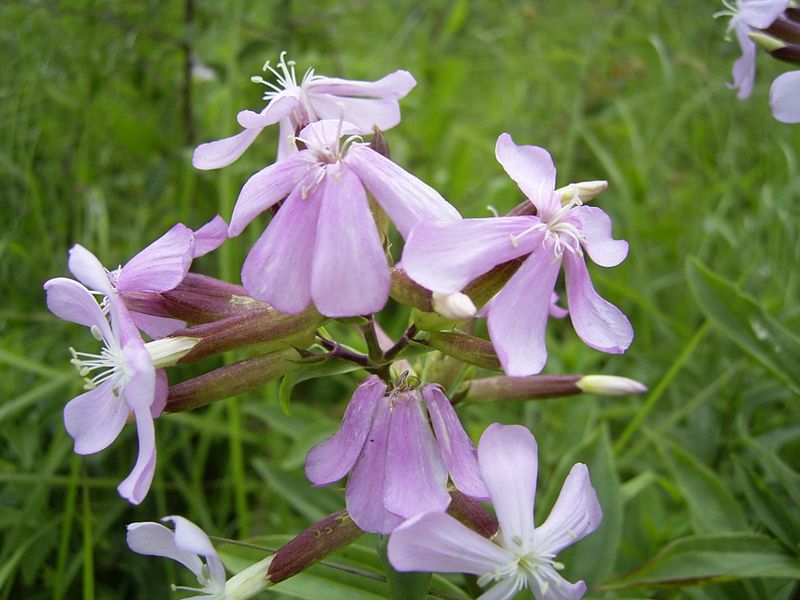
Bouncing Bet may catch the eye with its delicate pink flowers, but it’s a garden menace. This plant’s invasive nature allows it to spread quickly, choking out more beneficial wildflowers.
While it may add a splash of color, the ecological impact is detrimental, reducing diversity and threatening native species. Avoiding Bouncing Bet in garden settings is crucial for supporting local biodiversity and maintaining ecological balance.
Choosing native plants over this invader ensures a healthier and more vibrant garden environment.
10. Spotted Knapweed (Centaurea stoebe)
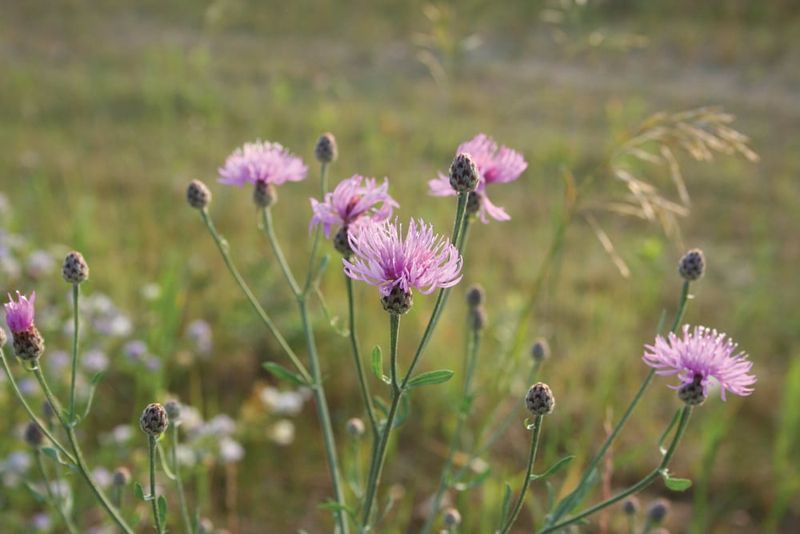
Spotted Knapweed is a formidable invader, known for degrading soil and releasing toxins that inhibit native plant growth. Its purple flowers may seem appealing, but the ecological damage it causes is severe.
This plant’s ability to spread rapidly makes it a significant threat to natural and agricultural landscapes. Managing its spread is essential for preserving soil health and supporting native plant communities.
Avoiding Spotted Knapweed in planting projects helps protect biodiversity and ensures a balanced ecosystem. Awareness and eradication are key to combating its impact.