 Complete Gardening

Lilacs, with their enchanting fragrance and vibrant blooms, are a beloved choice for many gardeners.
However, achieving a thriving lilac bush requires avoiding some common pitfalls that can stifle their blooms and diminish their beauty.
Let’s explore ten mistakes that could be holding your lilacs back, and learn how to cultivate healthier, more prolific plants.
1. Overwatering

Lilacs thrive in well-drained soil, and overwatering them is a common mistake that can lead to root rot. Imagine the roots suffocating in overly wet conditions, unable to access the air they need.
This can lead to stunted growth and a disappointing display of blooms. Ensure your lilac soil is moist but not waterlogged, and consider planting them on a slight slope to improve drainage.
Less frequent, deep watering encourages the roots to grow deeper, resulting in a more resilient plant. Regularly check the soil moisture to keep your lilacs healthy and blooming.
2. Improper Pruning

Pruning lilacs correctly is crucial for a lush bloom. Many enthusiasts prune at the wrong time or cut too much, leading to fewer flowers.
Lilacs should be pruned immediately after blooming, as they set the next year’s buds soon after. Removing too much foliage can also stress the plant.
Focus on cutting out old, non-productive wood to promote new growth. Use sharp, clean tools to make precise cuts and prevent disease. Remember, a well-pruned lilac is a happy lilac, preparing it for a beautiful bloom next season.
3. Insufficient Sunlight

Sunlight is essential for lilacs to bloom profusely. Placing them in areas with insufficient light is a mistake that can severely hinder flowering.
These sun-loving plants require at least six hours of direct sunlight daily. Without it, you might notice leggy growth and fewer blooms.
Consider relocating your lilac to a sunnier spot or trim back overhanging branches that block the sun. Ensuring your lilacs bask in the sun can lead to a more vigorous and vibrant display of flowers.
4. Ignoring Soil pH

Soil pH plays a vital role in lilac health. An imbalance can turn leaves yellow and impair growth.
Lilacs prefer slightly alkaline to neutral soil, around 6.5 to 7.0 pH. Testing the soil pH regularly can help you maintain the ideal conditions.
If the pH is too low, consider adding lime to raise it. Conversely, if it’s too high, sulfur can help lower the pH. Proper soil pH ensures that your lilacs can absorb essential nutrients, promoting lush growth and vibrant blooms.
5. Overcrowding

Lilacs need space to grow and breathe. Planting them too close together is a common oversight that can lead to poor air circulation and increased disease risk.
Each bush should have ample space around it, typically about 5 to 15 feet, depending on the variety. This spacing allows for air movement, reducing the likelihood of fungal infections.
Proper spacing also ensures that each bush can receive adequate sunlight and nutrients, leading to healthier and more productive plants. Give your lilacs room to flourish, and they’ll reward you with abundant blooms.
6. Neglecting Pest Control
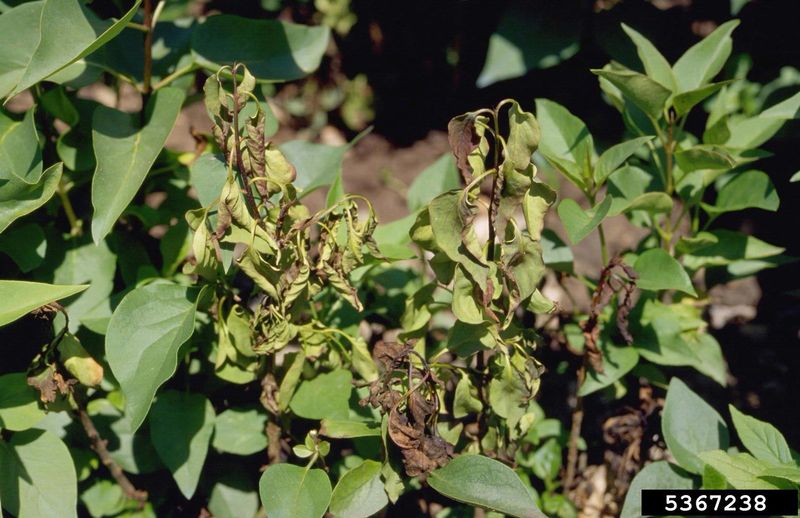
Pest control is often overlooked, yet it’s essential for lilac health. Aphids, borers, and scale insects can wreak havoc if left unchecked.
These pests can cause leaf curl, discoloration, and even spread diseases. Regularly inspect your lilacs for signs of infestation and take action promptly.
Natural remedies like neem oil or insecticidal soap can be effective in controlling these pests. Maintaining vigilance helps protect your lilacs from damage, ensuring a robust and blooming bush.
7. Over-Fertilization

While fertilization can promote growth, overdoing it can be detrimental to lilacs. Excessive nitrogen encourages leafy growth at the expense of flowers.
Lilacs generally require minimal fertilization. A balanced, slow-release fertilizer applied in early spring can suffice. Avoid fertilizing late in the season, as it can interfere with bud formation for the next year.
Proper fertilization practices ensure that your lilacs focus on producing magnificent blooms rather than abundant foliage.
8. Ignoring Deadheading

Deadheading is an often overlooked task that can enhance lilac blooming. Removing spent flowers prevents seed production, allowing the plant to direct energy towards new growth.
Using clean, sharp scissors, cut off the dead blooms just above a set of leaves. This encourages the development of more flowers and keeps the bush tidy.
Regular deadheading can lead to a fuller and more floriferous lilac display. Embrace this simple practice to keep your lilacs looking their best throughout the blooming season.
9. Choosing the Wrong Variety

Selecting the wrong lilac variety for your climate can result in disappointing blooms. Some varieties require cold winters to thrive, while others are more suited to milder climates.
Research the lilac varieties that match your region’s climate before planting. Consulting with local nurseries can provide valuable insights.
Choosing the right variety ensures that your lilacs have the best chance to bloom beautifully. Appropriate selection leads to happier plants that can grace your garden with their fragrant flowers.
10. Failure to Mulch

Mulching might seem trivial, but it plays a crucial role in lilac care. It helps retain soil moisture, suppress weeds, and regulate temperature.
Apply a layer of organic mulch, such as wood chips or shredded bark, around the base of the lilac. Ensure it doesn’t directly touch the stem to prevent rot.
Mulch acts as a protective blanket and encourages a stable growing environment. This simple step can lead to healthier and more vigorous lilacs, ready to impress with their stunning blooms.