 Complete Gardening
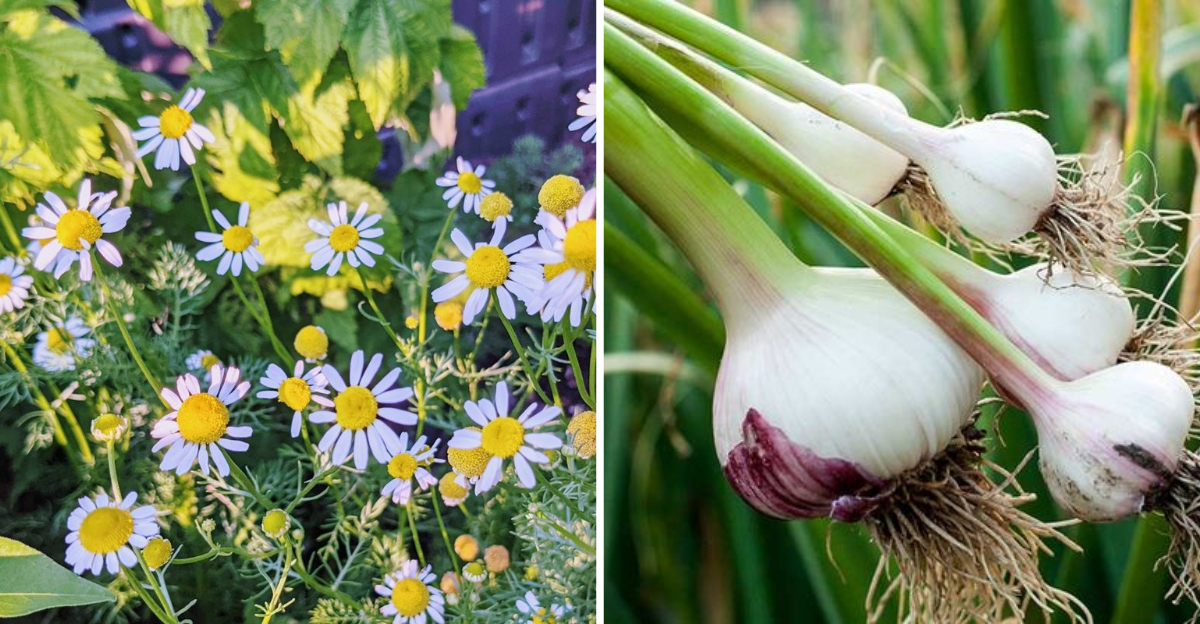
Enhancing the growth and health of your apple trees can be as simple as choosing the right companion plants. These carefully selected plants not only provide mutual benefits like pest control and nutrient enhancements but also create a harmonious ecosystem in your garden. By integrating these companions, you can ensure your apple trees flourish with vigor and productivity.
1. Nasturtiums
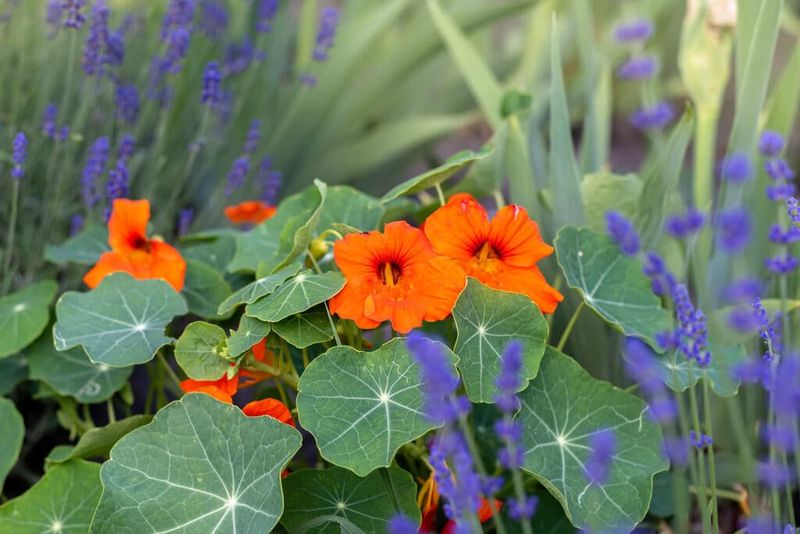
Nasturtiums bring a burst of color and life to your apple orchard. With their vibrant orange and yellow blossoms, they act as a natural pest deterrent. Aphids are particularly drawn to them, keeping these pests away from your precious apple trees.
Not only are they visually appealing, but nasturtiums also fix nitrogen in the soil, enhancing soil fertility.
Did you know? Nasturtiums are edible and add a peppery kick to salads. Their easygoing nature makes them a delightful and practical addition to any garden setting.
2. Chamomile
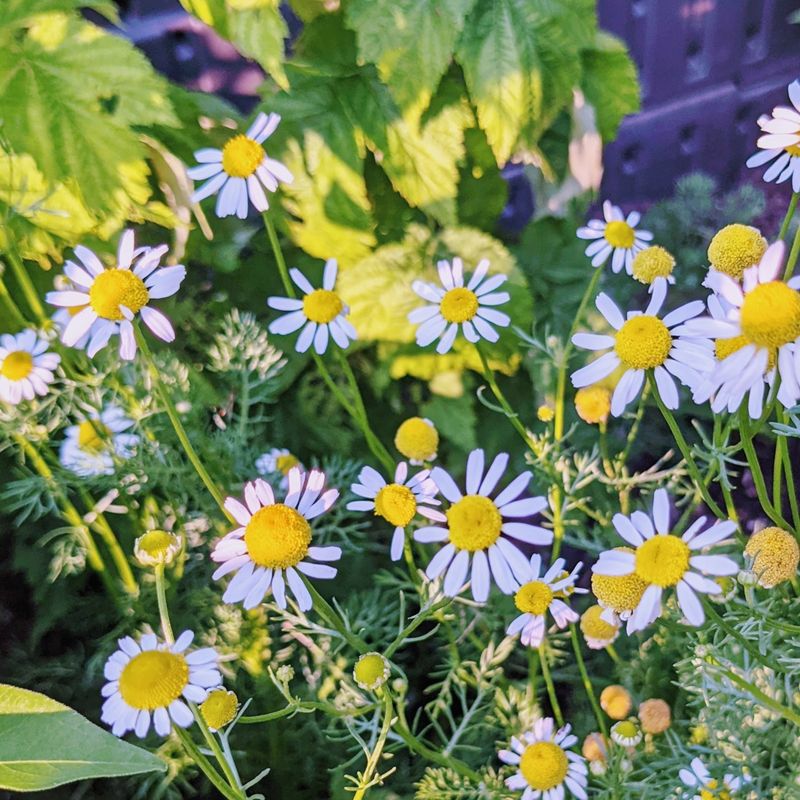
Chamomile isn’t just for tea lovers; it’s a fantastic companion for apple trees. Known for its calming properties, chamomile offers benefits beyond its soothing aroma. It attracts beneficial insects that prey on pests, keeping your garden balanced.
This herb also enhances the flavor and health of neighboring plants, making apples tastier.
Growing chamomile is easy, and it enriches the soil with essential nutrients. Its gentle demeanor complements the sturdiness of apple trees, creating a peaceful and productive garden environment.
3. Comfrey
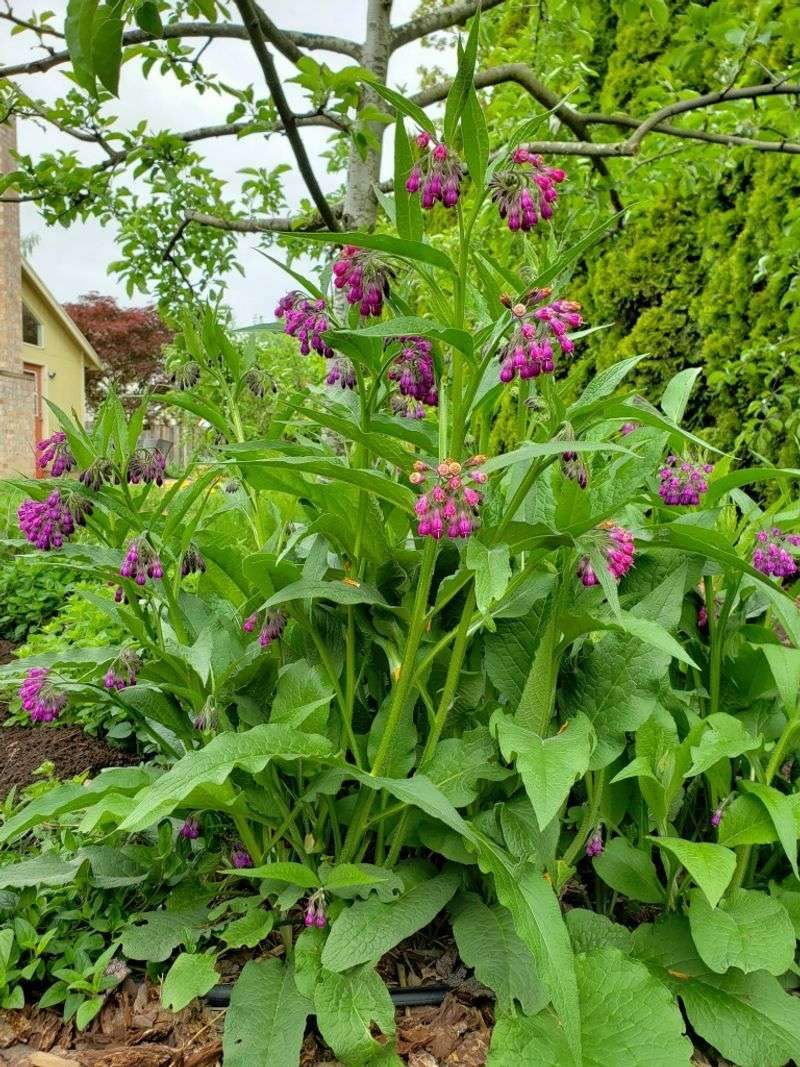
Comfrey is a powerhouse plant in any orchard. With its deep roots, it mines nutrients from the subsoil, bringing them to the surface for shallower-rooted plants like apple trees.
Known for its rapid growth, comfrey provides excellent mulch when cut back. This organic matter enriches the soil, making it a perfect natural fertilizer.
Its presence attracts pollinators, which enhances the fruiting of apple trees. Comfrey’s resilience and utility make it an ideal choice for those looking to boost their garden’s productivity naturally.
4. Garlic
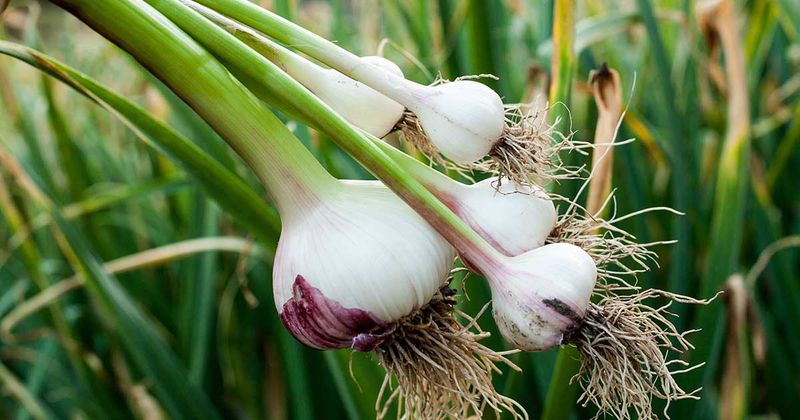
Garlic is more than a kitchen staple; it’s a gardener’s secret weapon. This potent plant is renowned for its ability to repel pests such as apple scab and codling moths.
Planting garlic around apple trees creates a natural defense system. Its antimicrobial properties also prevent root diseases, promoting healthier trees.
Garlic’s robust flavor translates into a garden of robust health, making it a beloved companion for many fruit trees. Adding garlic to your orchard not only enhances the health of apple trees but also provides a fresh supply of garlic cloves for culinary use.
5. Clover
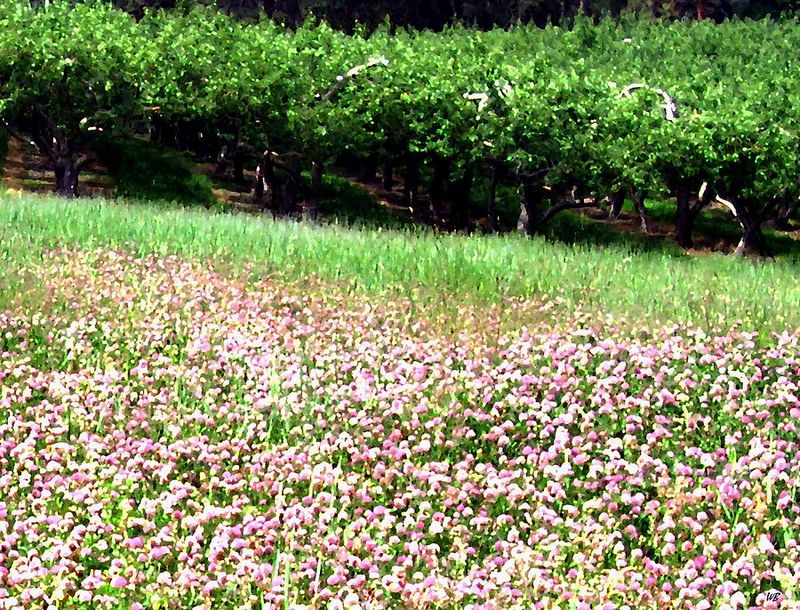
Clover might seem humble, but it’s a powerhouse for apple trees. This ground cover fixes nitrogen, enriching the soil naturally.
Its dense growth suppresses weeds, providing a tidy landscape and reducing competition for nutrients. Clover attracts beneficial insects like bees, which are essential for pollination and fruit production.
As a natural mulch, clover maintains soil moisture, ensuring apple trees thrive even in dry spells. It’s a versatile plant that supports the health and productivity of apple trees with minimal maintenance.
6. Yarrow
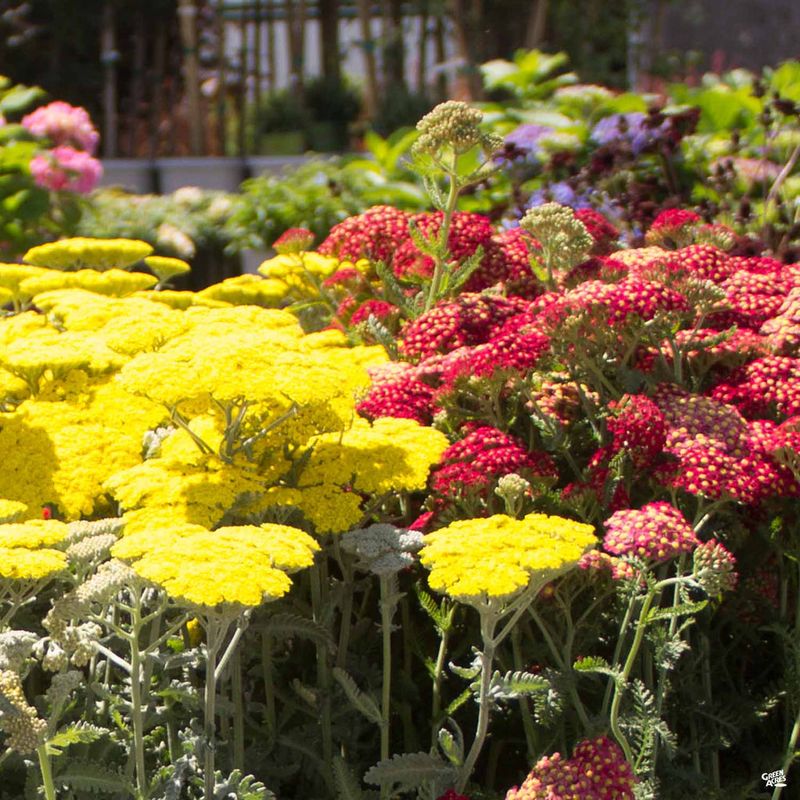
Yarrow is a garden multitasker, offering numerous benefits to apple trees. Its aromatic leaves are known to repel insect pests, creating a protective bubble around your orchard.
Yarrow also attracts helpful insects like ladybugs and lacewings, both of which are natural predators to common orchard pests.
This plant’s deep roots improve soil structure and water retention, ensuring apple trees remain hydrated. Yarrow’s versatility and beauty make it a valuable addition to any apple tree garden.
7. Dandelion
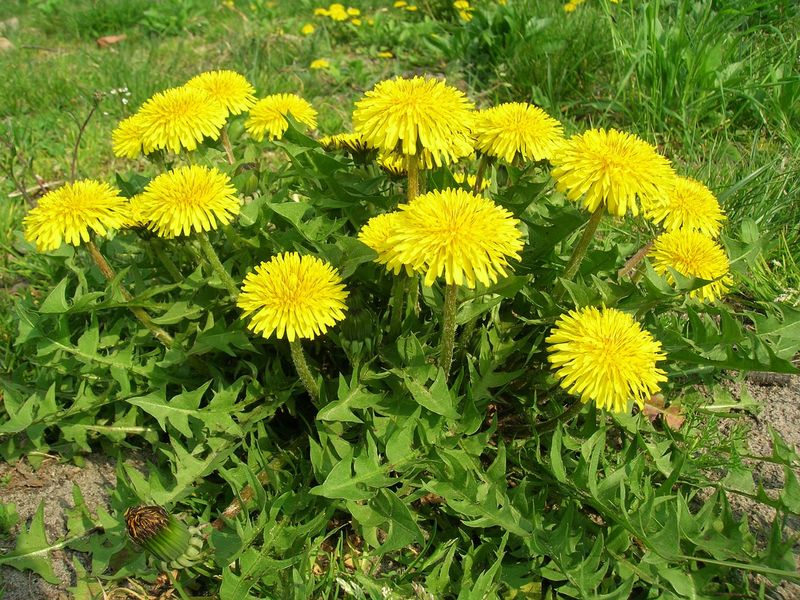
Dandelions, often seen as weeds, are actually beneficial companions for apple trees. Their deep taproots draw nutrients like calcium from the soil depths, making them available to apple trees.
These golden blooms also attract pollinators, which is crucial for apple production.
Despite their reputation, dandelions enrich the garden ecosystem and support apple tree health. Their sunny disposition brightens any garden, making them a surprising yet effective ally in your orchard.
8. Mint
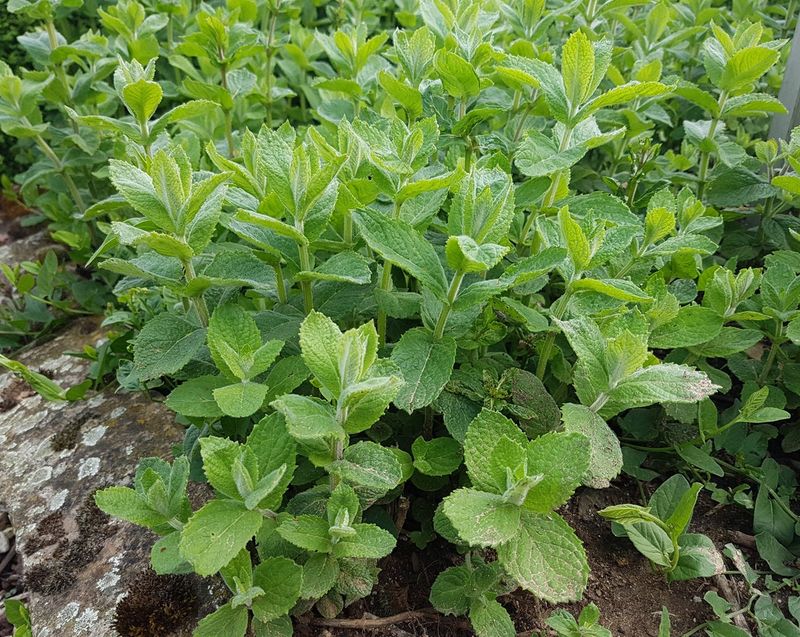
Mint is more than a refreshing herb; it’s a dynamic garden companion. Known for its strong aroma, mint deters pests that often plague apple trees.
Its rapid growth provides excellent ground cover, suppressing weeds and conserving soil moisture. Mint also attracts beneficial insects, adding to the biodiversity in your garden.
While it requires management to prevent it from becoming invasive, mint’s myriad benefits make it a worthy addition to any apple orchard.
9. Horseradish
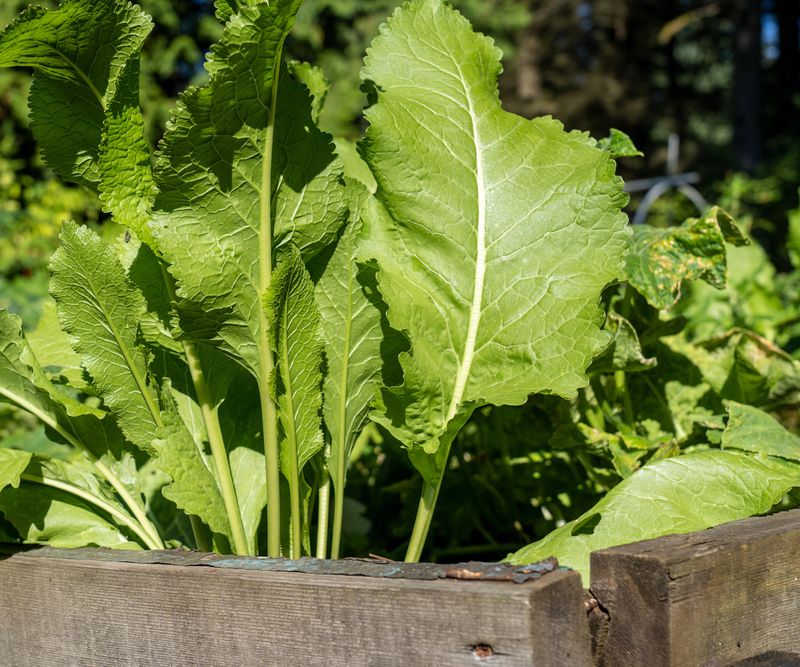
Horseradish, with its bold flavor, is an unexpected ally for apple trees. Its pungent roots repel many common pests, while the leaves enrich the soil with nutrients.
This plant’s hardy nature means it requires little care, making it ideal for busy gardeners. Horseradish also supports soil health by improving its structure and drainage.
Adding horseradish to your garden introduces both flavor and functionality, enhancing the growth of apple trees effortlessly.
10. Borage
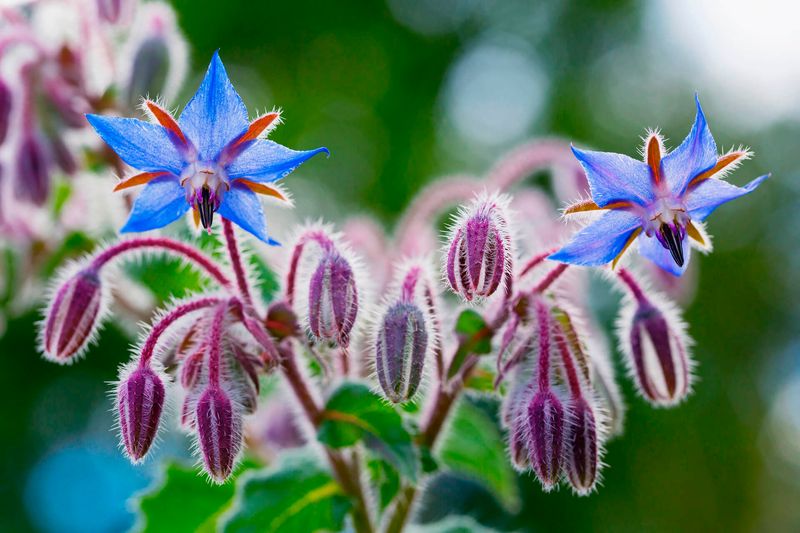
Borage, with its starry blue flowers, is a standout in any garden. This companion plant is celebrated for attracting pollinators, which boosts apple tree yields.
Borage leaves enrich the soil with trace minerals, benefiting nearby plants. It’s also known to repel tomato hornworms and cabbage worms, protecting your orchard.
With its vibrant blooms and beneficial properties, borage creates a flourishing and protective environment for apple trees.
11. Calendula
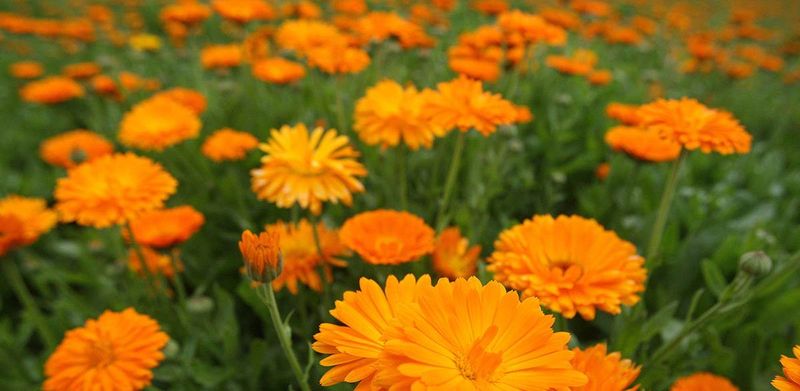
Calendula offers a cheerful presence with its radiant blooms. Known for its pest-repelling properties, calendula can deter aphids and other insects that may harm apple trees. Its roots also promote beneficial soil microbes.
The sunny disposition of calendula extends beyond its appearance. It has been used medicinally for centuries, offering healing properties. Planting calendula near apple trees can help maintain a balanced garden ecosystem.
Did you know? Calendula is often referred to as “pot marigold,” although it’s not a true marigold. Its history traces back to ancient Egypt, where it was valued for its rejuvenating qualities.
12. Dill
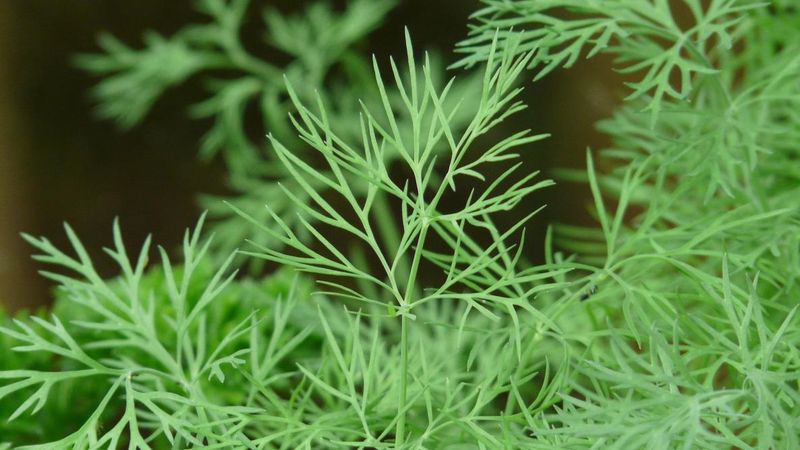
Dill is not just a kitchen staple but a dynamic garden companion. Its feathery leaves and umbels attract beneficial insects like ladybugs and parasitic wasps. These insects help control apple pests, protecting the tree naturally.
Dill’s aromatic nature can confuse and repel pests while also drawing pollinators. Its presence near apple trees fosters a healthy environment.
Fun fact: Dill has been used since ancient times as a remedy for digestive troubles. Its seeds were even found in the tomb of Egyptian Pharaohs, highlighting its historical significance.
13. Chives
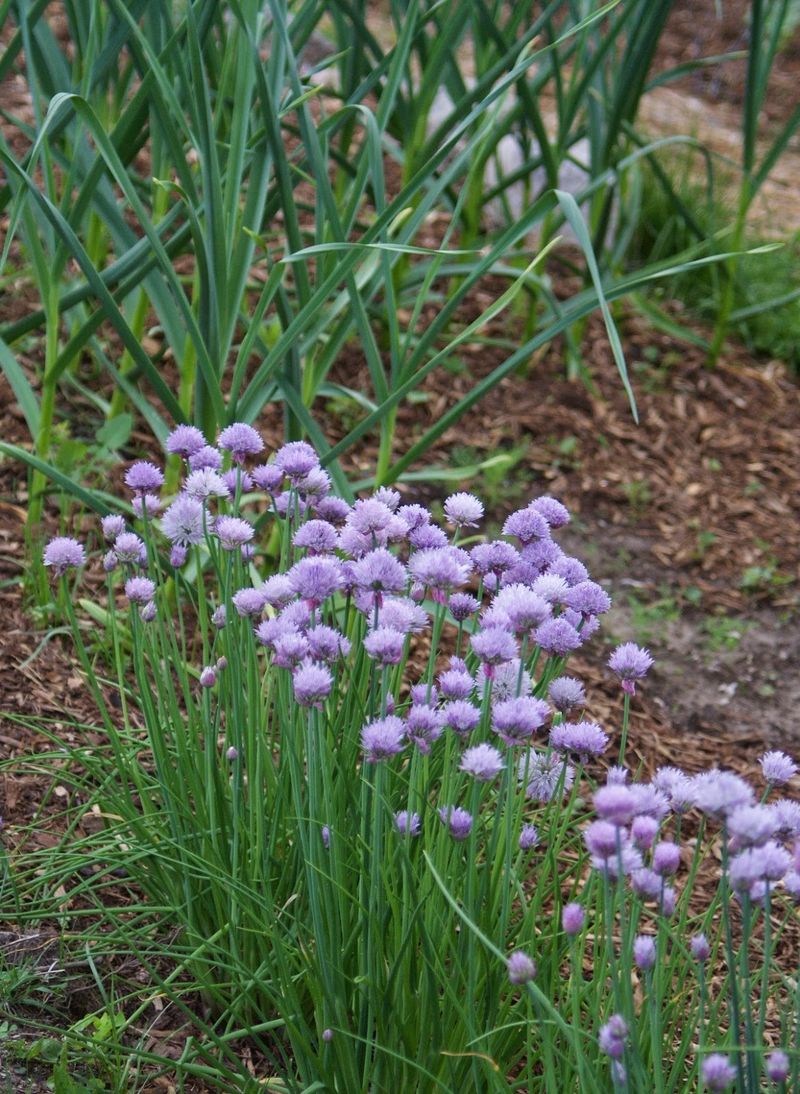
Chives bring a burst of flavor and fragrance to the garden. With their vibrant purple flowers, they attract pollinators, ensuring better fruit set for apple trees. Their sulfur compounds deter apple scab and other fungal diseases.
This resilient herb stands as a natural pest deterrent, warding off aphids and Japanese beetles. Chives also enhance the soil with nutrients, promoting apple tree vitality.
Historically, chives have been cherished for their culinary uses and were believed to drive away evil spirits. Their presence in your garden is both practical and delightful.
14. Tansy
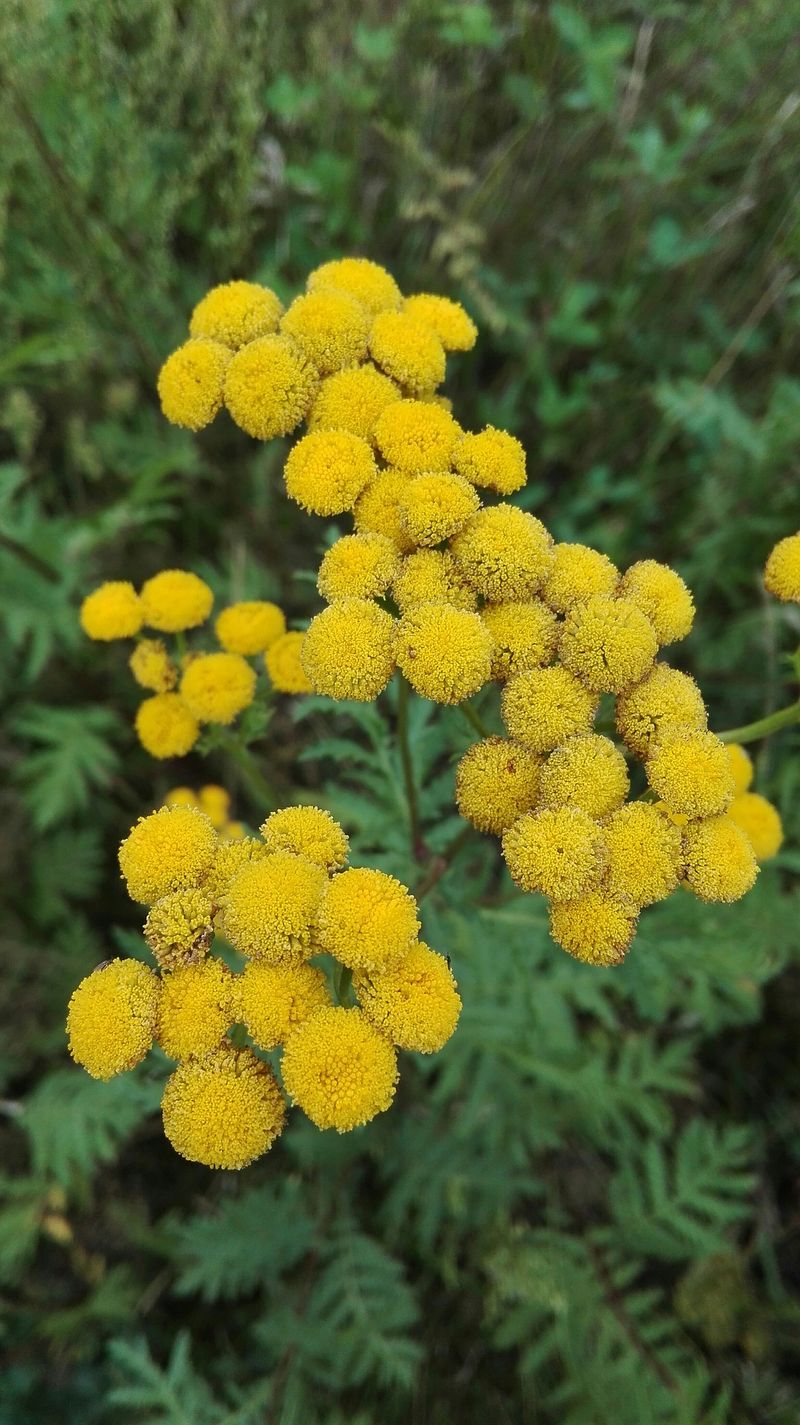
Tansy’s striking yellow flowers add a touch of brightness to any garden. Known for its pest-repelling capabilities, tansy can ward off ants and beetles that threaten apple trees. Its aromatic leaves release compounds that deter insects.
The robust nature of tansy makes it a fitting companion for apple trees, enhancing their growth without competing for nutrients.
Did you know? Historically, tansy was used in religious ceremonies and as a medicinal herb. Its versatility in the garden mirrors its rich cultural heritage, making it a valuable addition to any orchard.
15. Catnip
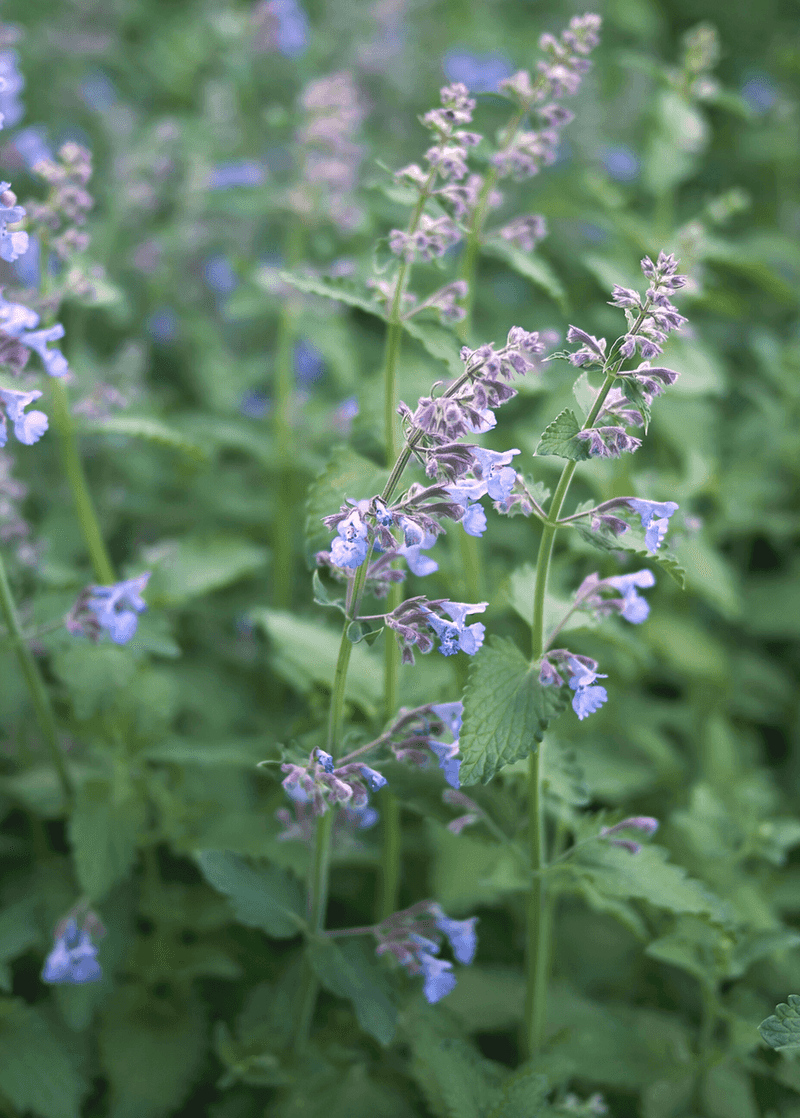
Catnip is not only a feline favorite but a garden ally. Its soft leaves and lavender flowers attract pollinators while repelling pests such as aphids and flea beetles that may damage apple trees.
The volatile oils in catnip are effective in deterring pests, creating a protective barrier. Its role in the garden extends to improving biodiversity and promoting a healthy ecosystem.
Interestingly, catnip has been used in herbal remedies for centuries, especially in treating colds and fevers. Its dual function as a medicinal and companion plant is truly remarkable.