 Complete Gardening

Explore the fascinating world of plants that glow under black light. These ten plants exhibit unique characteristics that make them shine brightly under ultraviolet light, revealing hidden patterns and colors. Whether through natural pigments or scientific modification, each plant offers a glimpse into the wonders of nature. Perfect for garden enthusiasts, science lovers, or anyone intrigued by the magical glow of plants, this list will illuminate your curiosity.
1. Chlorophyll-Rich Plants (Most Green Leaves)

Green leaves, like those of spinach and kale, possess a secret talent: they glow red under black light. This intriguing phenomenon is due to chlorophyll, the pigment responsible for photosynthesis. Surprisingly, under ultraviolet light, chlorophyll emits a red fluorescence, turning ordinary leaves into fiery spectacles.
Most leafy greens share this hidden ability, adding an enchanting aspect to a nighttime botanical experience.
These common plants reveal a hidden dimension when illuminated by UV, transforming the mundane into the magical.
2. Four O’Clocks (Mirabilis jalapa)

Four O’Clocks, known scientifically as Mirabilis jalapa, are enchanting flowers that conceal an extraordinary feature. Their yellow and white blooms contain betaxanthins, pigments that glow under ultraviolet light. Some varieties even exhibit a surprising glow in complete darkness!
This unexpected luminosity adds a playful and whimsical touch to any garden. Whether you’re a casual gardener or a plant aficionado, Four O’Clocks provide a delightful nighttime surprise.
3. African Violets (Saintpaulia)
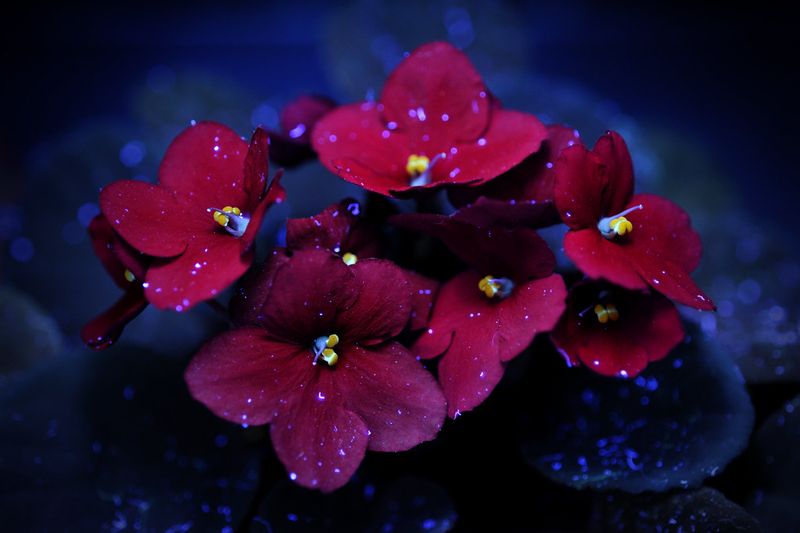
African Violets, or Saintpaulia, are beloved houseplants known for their vibrant flowers. However, under black light, certain cultivars reveal yet another layer of beauty.
The anthocyanin pigments within the petals emit a captivating blue-purple glow, turning these modest flowers into radiant stars of the night.
These violets, already popular for their charming appearance, become even more alluring when their hidden glow is unveiled.
4. Portulaca (Portulaca grandiflora – Moss Rose)

Portulaca, commonly known as Moss Rose, adds a colorful splash to any garden. But under black light, some varieties of Portulaca become even more dazzling.
These flowers reflect ultraviolet light, causing their petals to seemingly glow with an inner brilliance.
Moss Roses, often admired for their resilience and vibrant blooms, surprise and delight with this hidden luminescence, offering an enchanting twist to their usual sunny demeanor.
5. Canna Lily (Canna spp.)
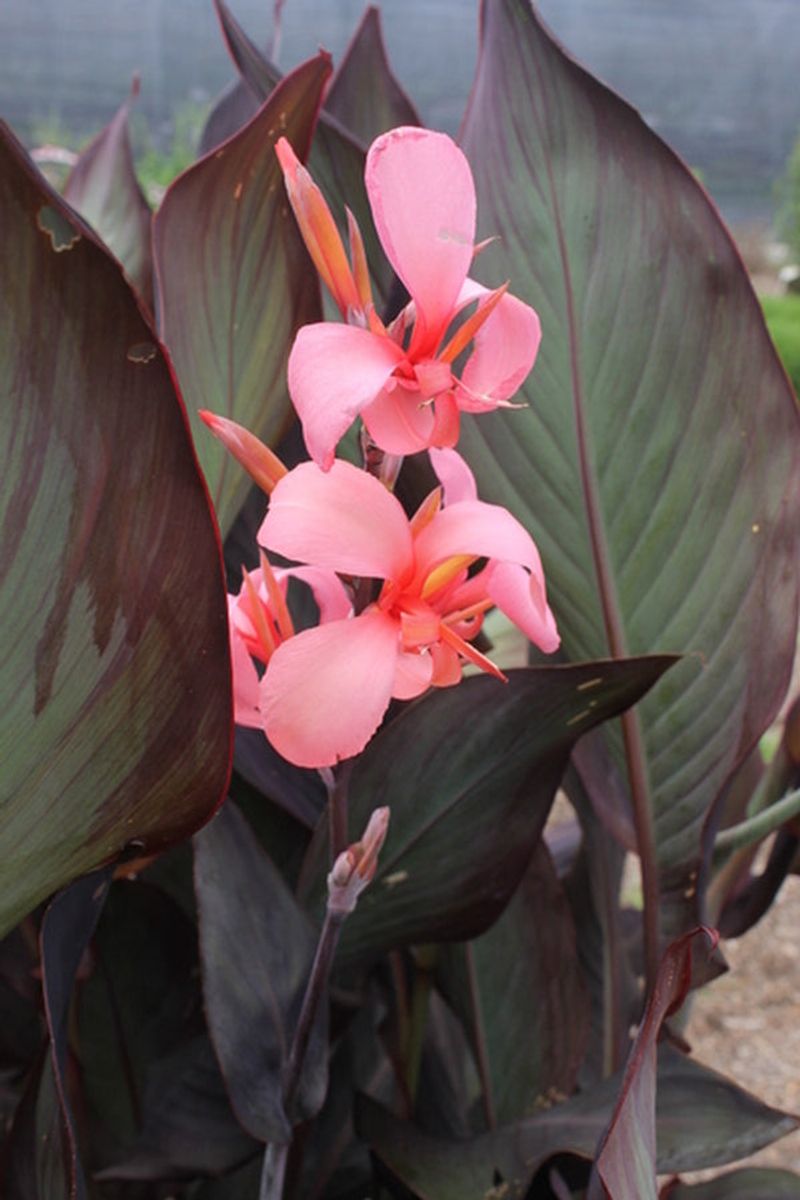
Canna Lilies, with their striking appearance, are known for their vibrant flowers and lush foliage. Under black light, both the flowers and waxy leaves of Canna Lilies reveal an unexpected fluorescent glow.
This phenomenon is attributed to flavonoids, compounds that enhance their vivid appearance under ultraviolet illumination.
The Canna Lily, already favored for its dramatic aesthetics, becomes an alluring nocturnal spectacle, captivating those who venture into its luminous realm.
6. Sunflowers (Helianthus annuus)

Sunflowers, the iconic symbols of summer, hide a magical trait that only appears under black light. The pollen of these towering blooms glows, creating a mesmerizing starry effect as if the flowers are dusted with stardust.
This unique characteristic adds a mystical aura to the already cheerful and sunny demeanor of sunflowers.
Nature’s brilliance is truly showcased with this unexpected luminescence, turning a familiar landscape into an ethereal night-time wonder.
7. Orchids (Certain Species)
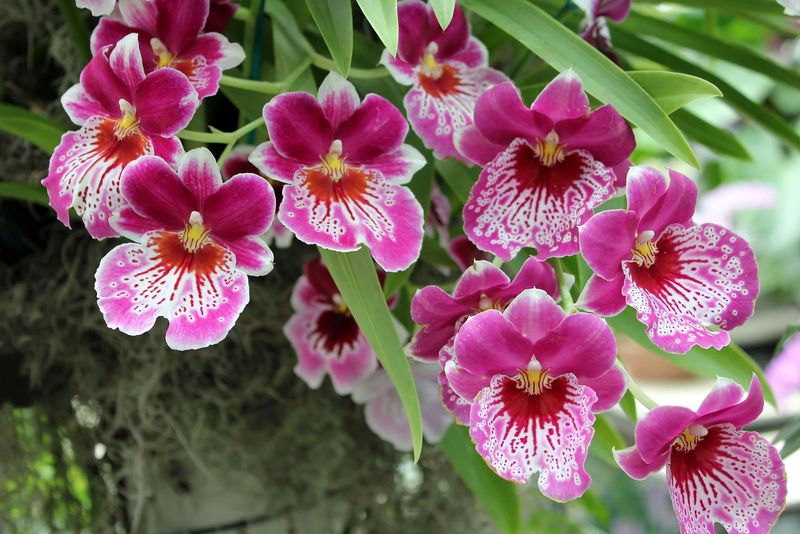
Orchids, particularly certain tropical species, are renowned for their exotic beauty and diversity. Under black light, some orchids reveal intricate UV-reflective patterns, enhancing their allure to both pollinators and admirers.
This secret display adds a new dimension to their complex elegance, captivating those fortunate enough to witness it.
These mysterious patterns, invisible in daylight, transform orchids into luminous gems of the night, showcasing nature’s artistic creativity.
8. Tobacco Plants (Nicotiana tabacum – Bioengineered Glow)

Tobacco plants have taken a scientific leap into the futuristic realm of bioengineering. By introducing bioluminescent genes from fungi, scientists have created tobacco plants that emit a gentle green glow.
This genetic modification highlights the potential for creating sustainable light sources and exploring new frontiers in plant science.
The transformation of tobacco plants into glowing beacons showcases the merging of nature with technology, offering a glimpse into the future of botanical exploration.
9. Arabidopsis (Genetically Modified)
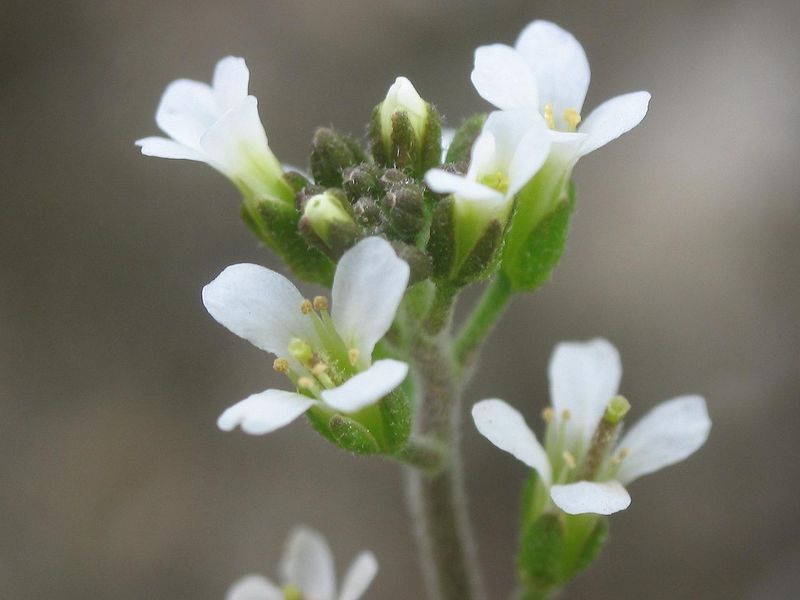
Arabidopsis, a staple in genetic research, has been modified with genes from fireflies or jellyfish, resulting in a continuous glow. This small flowering plant, often used as a model organism, now illuminates the possibilities of genetic engineering.
This genetic modification not only advances scientific understanding but also opens doors to practical applications, such as creating low-energy lighting solutions.
Arabidopsis, now a beacon of innovation, exemplifies the exciting intersection of science and nature.
10. Glowing Mushrooms (Bioluminescent Fungi – Mycena chlorophos)

Though not a plant, the glowing mushrooms of the Mycena chlorophos species deserve a spotlight. Found in dark forests, these fungi naturally emit a green glow, creating a magical landscape without the need for UV light.
This natural bioluminescence, a result of a chemical reaction within the mushrooms, adds a mystical charm to the forest floor.
These glowing mushrooms, a testament to nature’s wondrous capabilities, invite us to explore the hidden luminescence of the natural world.