 Complete Gardening
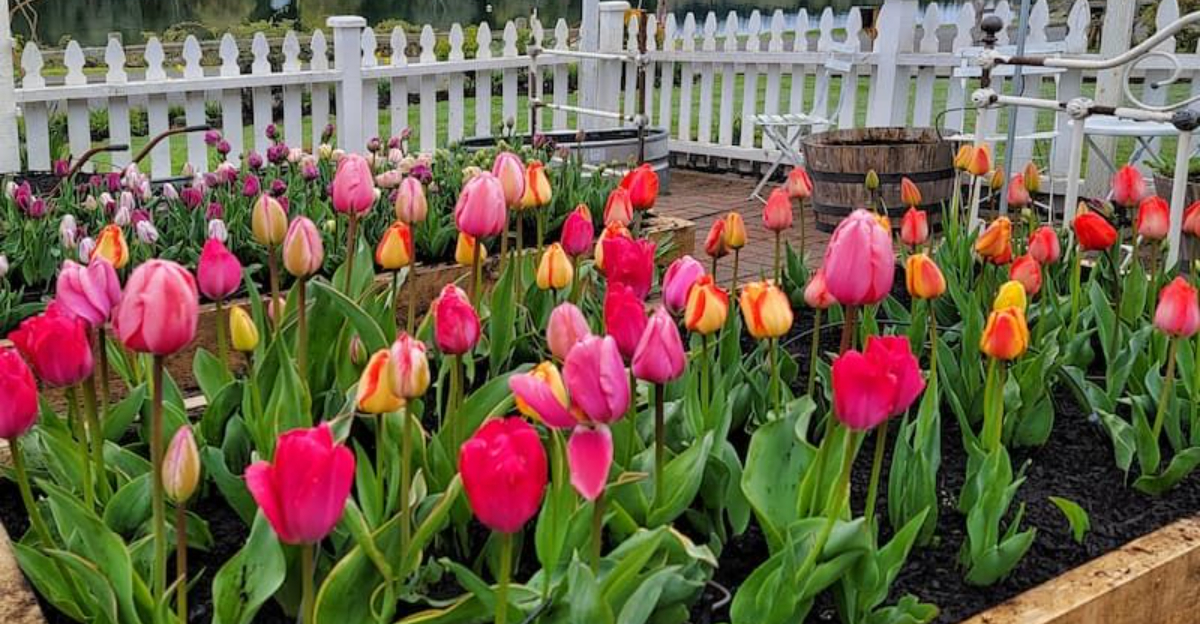
Transplanting plants can be a daunting task, especially when dealing with certain species that have intricate root systems or specific growth requirements.
While some plants resist being moved, there are others that not only survive but thrive when transplanted.
In this blog post, we explore 10 plants that are notoriously difficult to transplant and offer suggestions for 10 alternatives that are more forgiving and eager to settle into new surroundings.
1. Mature Peonies
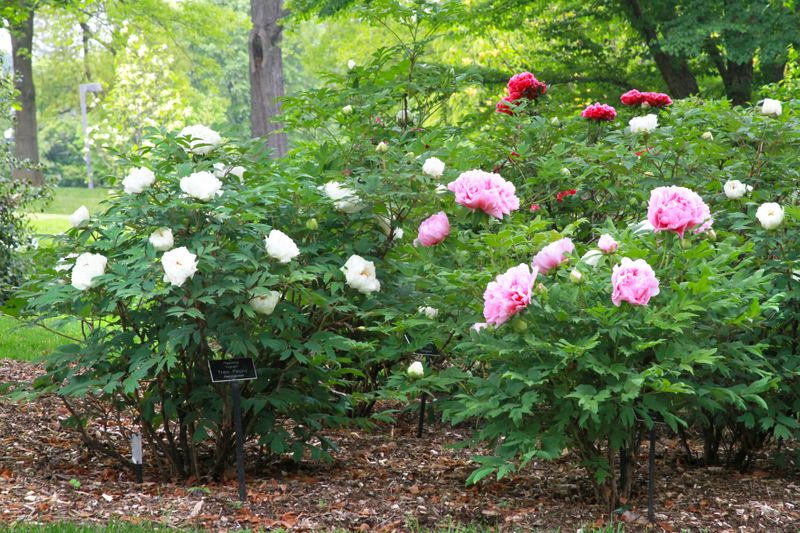
Mature peonies, with their majestic blooms and deep historical roots, are beloved by gardeners. However, once settled, these plants develop intricate root systems that dislike disturbance.
Peonies are known for their preference to stay put once established; moving them can result in a loss of blooms or even plant failure. Their delicate roots are akin to a tightly woven tapestry, complex and easily disrupted.
If you must transplant, ensure it’s during dormancy and handle with care. Remember, patience and gentle hands are key to giving these elegant giants a fighting chance.
2. Established Japanese Maples
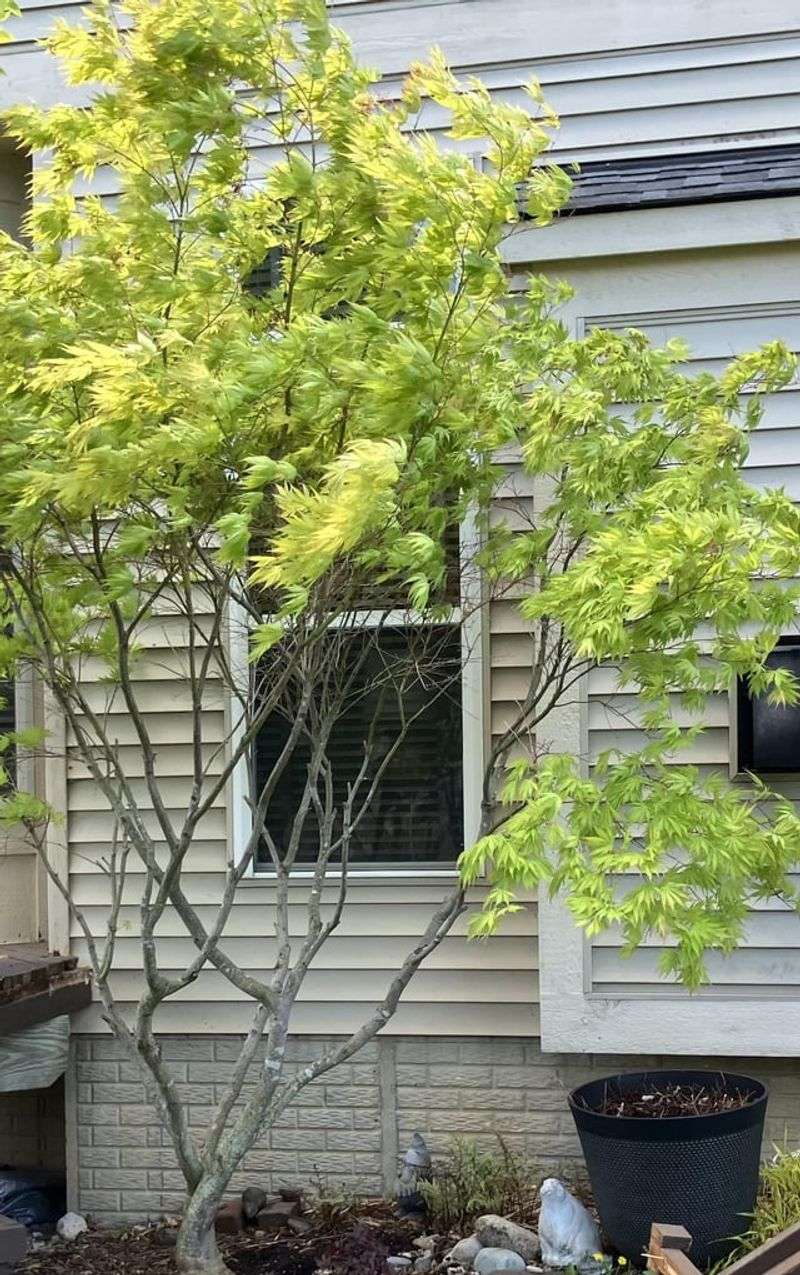
Japanese maples are the epitome of grace and elegance. Once established, their fragile root networks bind closely with the soil, making relocation a risky endeavor. These trees often suffer significant transplant shock, with leaves wilting and branches drooping.
Even under optimal conditions, the stress can be too much for them. It’s their intricate root system that supports their stunning foliage.
If transplantation is unavoidable, consider expert help and ensure the new site mimics their original home in terms of soil and light conditions. Their beauty is worth the effort.
3. Overgrown Hydrangeas
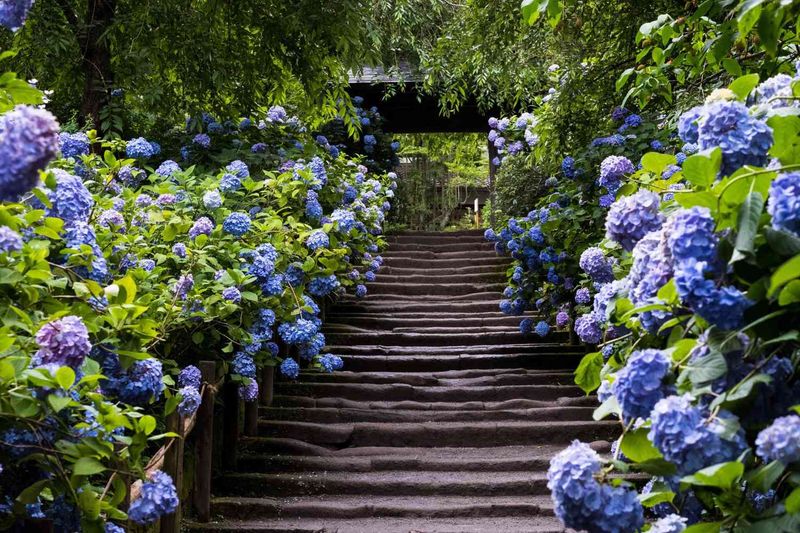
Hydrangeas are garden favorites, celebrated for their voluminous blooms. However, when these bushy beauties become overgrown, relocating them is a challenge. Their roots are sensitive and moisture-dependent, requiring careful handling.
Moving them can lead to wilting or reduced flowering. The secret to success lies in keeping the roots hydrated and minimizing disturbance. It’s a delicate dance, balancing moisture and stability.
When done right, these plants reward with vibrant blooms. If you need to relocate, consider dividing the bush into smaller sections to aid recovery.
4. Mature Camellias
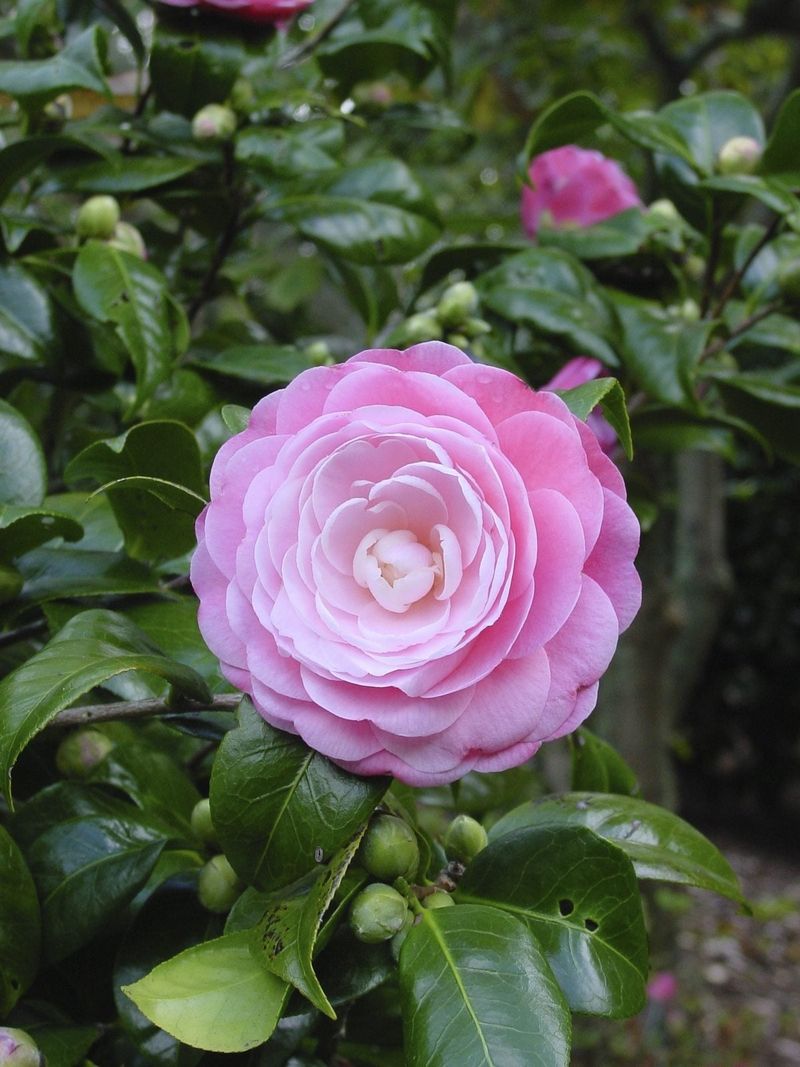
Mature camellias, with their lush, waxy leaves and exquisite flowers, are a testament to gardening skill. These plants are renowned for their fussy nature, demanding specific soil and microclimate conditions to truly flourish.
The older they get, the less tolerant they become to change. Transplanting can lead to leaf drop and flower loss. If moving is the only option, replicate their original environment as closely as possible, ensuring shade and well-drained, acidic soil.
Every effort spent nurturing these temperamental beauties is reflected in their stunning blooms.
5. Large Rhododendrons
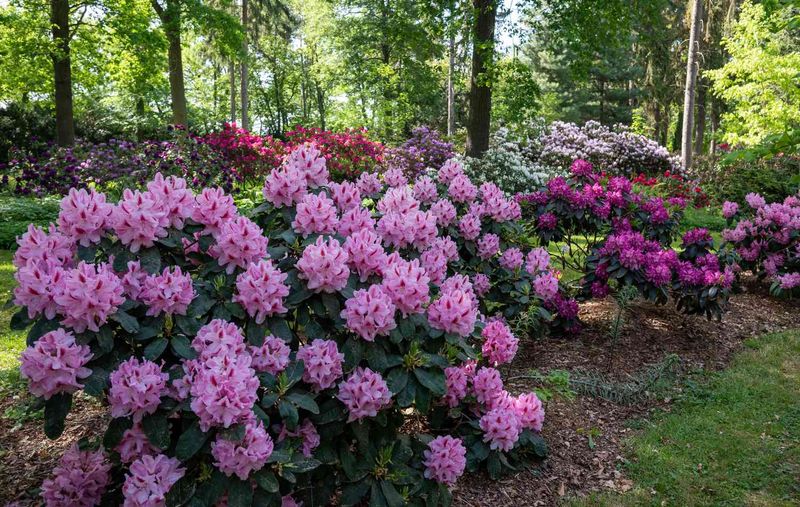
Rhododendrons, with their vibrant displays, can be the pride of any garden. Yet, their shallow, fibrous roots pose a challenge when transplanting. These roots are easily damaged, often resulting in poor re-establishment and reduced flowering.
The key is gentle handling, ensuring roots remain intact and moist. Plant them in a spot mimicking their original conditions—partial shade, acidic soil, and good drainage.
Despite their challenges, rhododendrons’ beauty makes them worth the effort. Gardeners who manage this delicate process are rewarded with lush blooms and healthy growth.
6. Established Weeping Willows
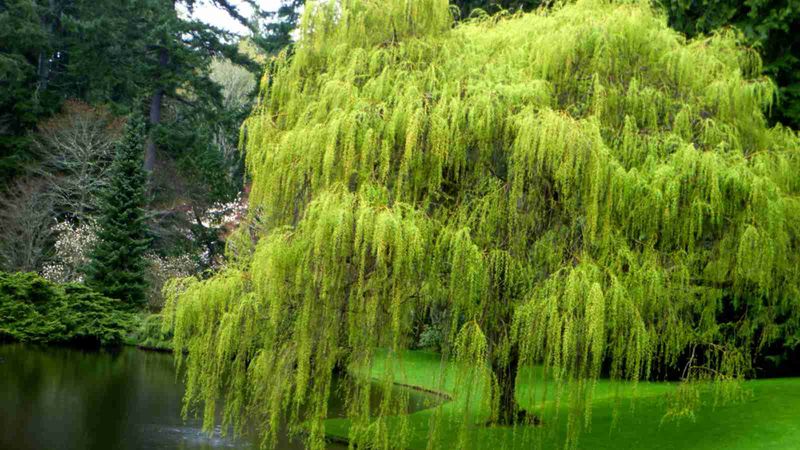
Weeping willows, with their graceful drooping branches and romantic silhouette, are often features of picturesque landscapes. However, their expansive root systems run deep and wide, making transplanting a formidable task.
Even small willows resist being moved, often leading to transplant failure. Their roots intertwine with surrounding soil, creating a bond that’s hard to break. If transplanting is necessary, it’s best to do so when the tree is dormant.
Ensure the new site is near water, reflecting their natural habitat. Their elegance and natural beauty are worth the challenges faced.
7. Old Vines (Grapevines or Kiwi Vines)
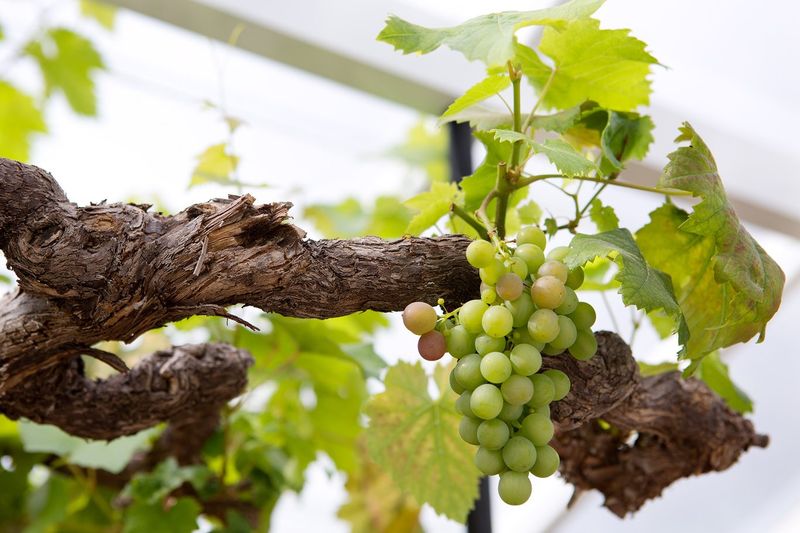
Old vines, whether grape or kiwi, are stalwarts of their domain, but deeply entrenched. These woody vines establish their presence with time, creating a robust root network. Moving them often spells disaster, with reduced productivity or failure to thrive.
Their roots, like an aged wine, improve with time, deepening their connection with the earth. If you must move them, it’s crucial to minimize root disturbance and provide similar growing conditions.
With tender care, these vines can continue to produce sumptuous fruit. Their endurance and resilience are their hallmark.
8. Mature Wisteria Vines

Mature wisteria vines, with their cascading purple blooms, are the epitome of garden romance. However, once established, their extensive root systems make them a nightmare to transplant.
These vines intertwine with structures, creating a lasting bond. Moving them often results in stunted growth or failure to bloom. If relocation is unavoidable, do so with extreme caution, ensuring every root is accounted for.
A new site should replicate their original environment for best results. Their charm and breathtaking blooms are worth the extra effort and care.
9. Large Fruit Trees
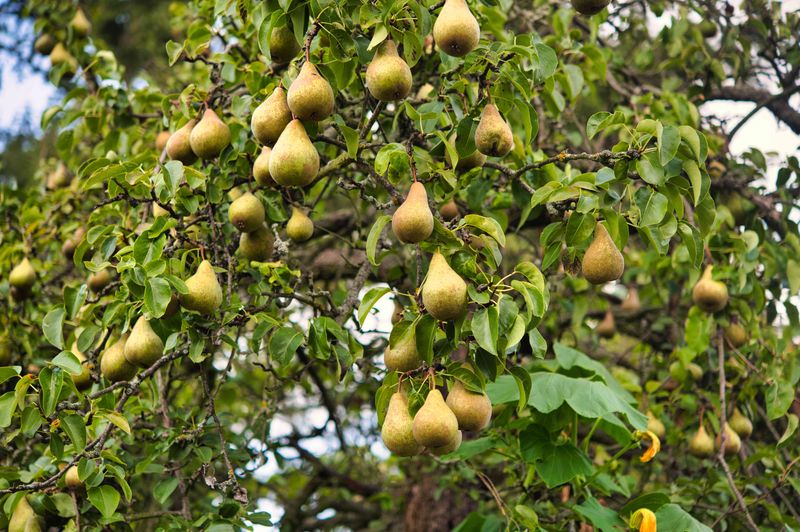
Large fruit trees, like apples or pears, are anchors of the orchard, offering shade and bounty. Their vast root systems are their lifeline, making major disturbance a risky venture.
Transplanting these giants often requires professional intervention to ensure success. The roots, deeply embedded, support their seasonal bounty. If relocating, ensure the new site provides ample space and similar soil conditions.
With careful attention, these trees can continue to thrive and produce. Their presence and produce make them cherished additions to any landscape.
10. Certain Bulbous Perennials (Mature Lilies)
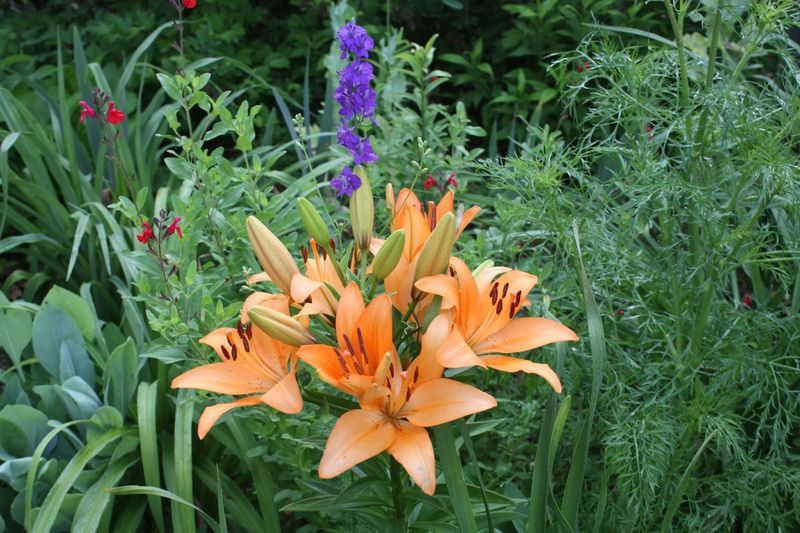
Mature lilies, with their elegant stems and vibrant blooms, are garden staples. Yet, once the bulbs have matured, moving them poses challenges. Over time, these bulbs become set in their ways, losing the capacity to produce healthy offsets post-disturbance.
It’s their established bulb systems that support their stunning displays. If relocation is necessary, ensure the bulbs are handled gently and replanted at the same depth.
By respecting their growth cycle, you can help them continue to grace your garden with beauty and fragrance. Their charm is truly timeless.
1. Daffodils
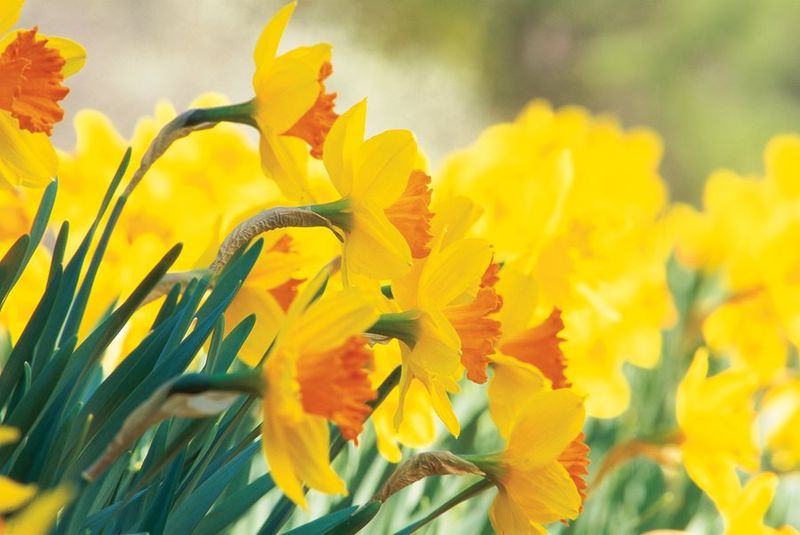
Daffodils are the heralds of spring, their bright yellow blooms a joyful sight after winter’s gloom. These bulbs multiply readily and adapt well to new locations, making them a gardener’s dream.
When transplanting, timing is key—move them after the foliage has died back but before the ground freezes. Their resilience and willingness to adapt make them a reliable choice for any garden.
With minimal effort, they establish quickly and return year after year, brightening borders and beds. Their cheerful demeanor makes them a favorite amongst gardeners.
2. Tulips
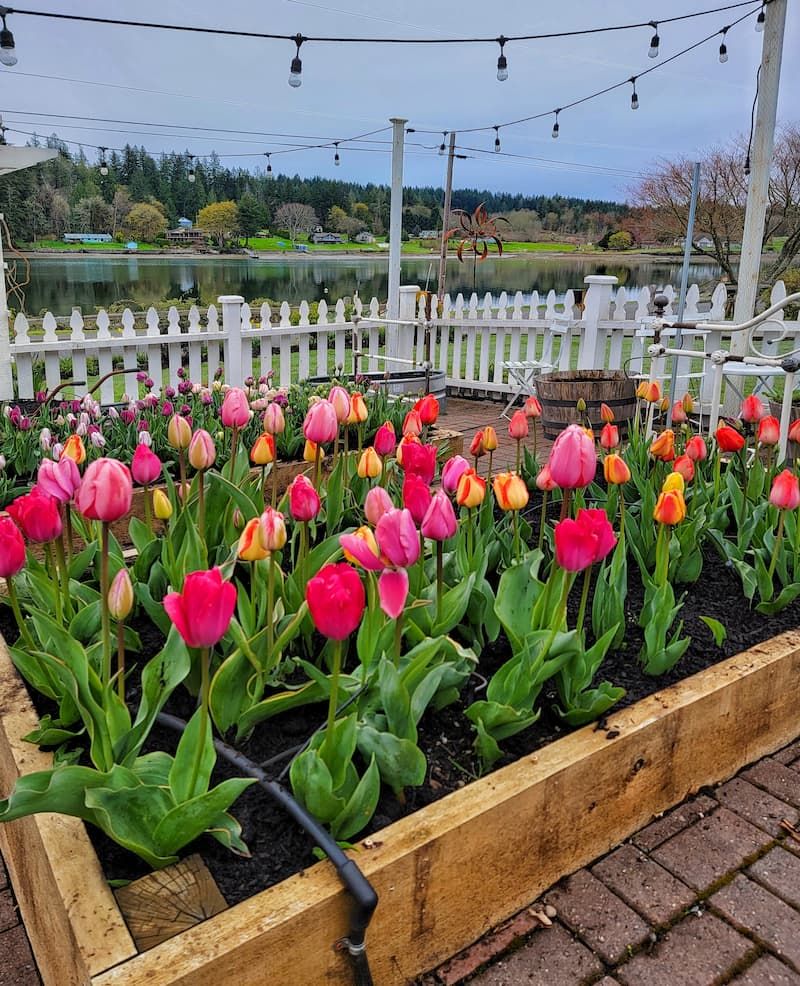
Tulips, with their striking colors and elegant forms, are a beloved spring staple. Transplanting these bulbs requires attention to seasonal timing for best results. Ideally, move them after blooming and when foliage has yellowed.
With proper care, tulips adapt to new settings, rewarding with vibrant displays. These bulbs prefer well-drained soil and sunny spots, enhancing their growth.
With thoughtful care, tulips thrive in a new home, ready to grace gardens anew each spring. Their resilience and beauty make them a perennial favorite, capturing hearts and imaginations alike.
3. Creeping Phlox
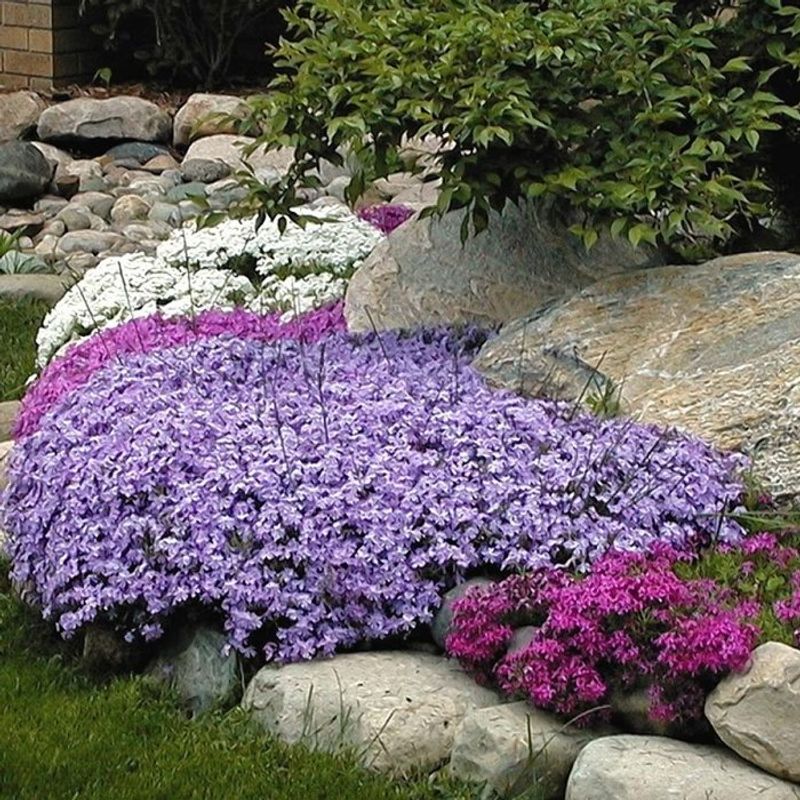
Creeping phlox is a hardy ground cover, its vibrant hues creating carpets of color in gardens. Known for its resilience, this plant transplants with ease, quickly establishing new roots.
Ideal for filling gaps in rock gardens or borders, it thrives with minimal care. Phlox forms a dense mat, suppressing weeds and stabilizing soil. When moving, ensure the roots are kept moist and replanted promptly.
This low-maintenance beauty rewards with lush growth and a cascade of blooms each spring, providing a burst of color to any landscape.
4. Hostas (Young Divisions)
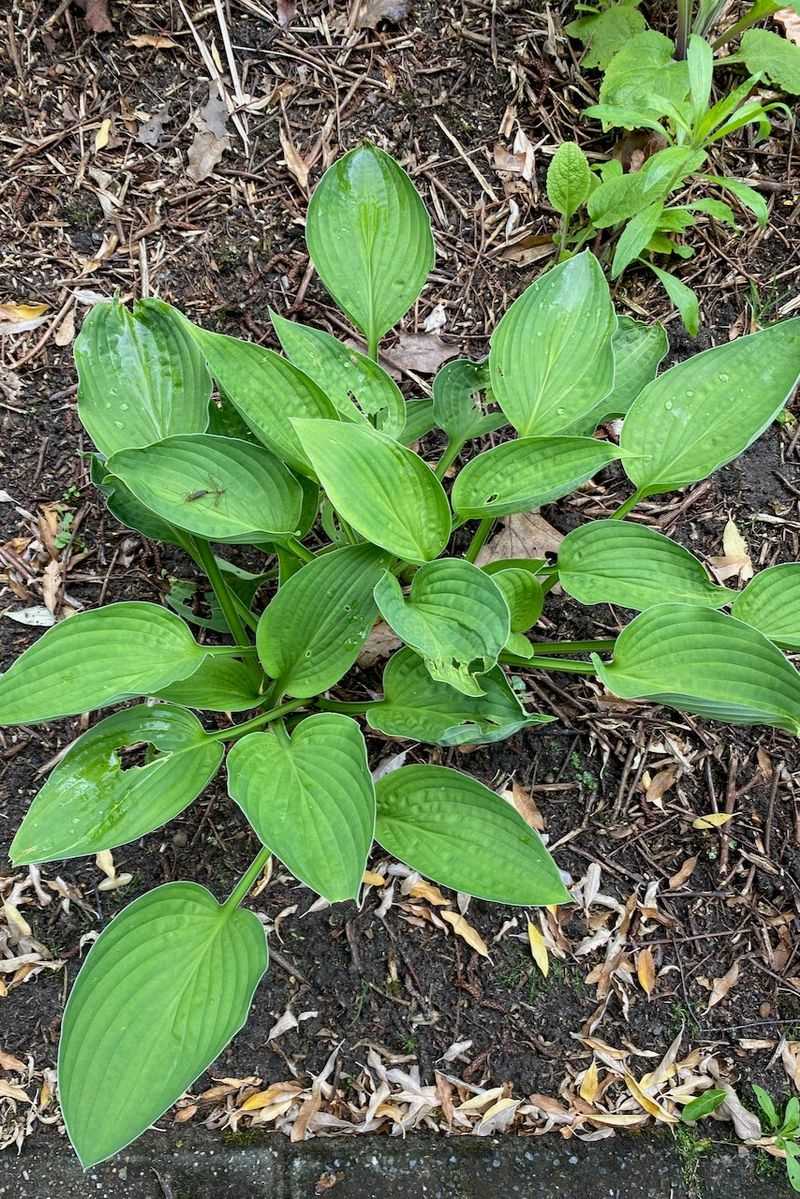
Hostas, with their lush foliage, bring texture and color to shaded spots. While mature hostas may resist relocation, younger divisions transplant successfully. Begin by dividing larger clumps in early spring or fall when the plant is dormant.
These young divisions establish quickly, thriving in well-drained soil and partial shade. Their adaptability and resilience make them a gardener’s favorite for filling shady borders.
With minimal care, hostas grow vigorously, providing lush greenery and, occasionally, delicate blooms. Their beauty and ease make them a cherished addition to any garden.
5. Sedum (Stonecrop)

Sedum, also known as stonecrop, is a succulent wonder. Its fleshy leaves and clusters of small blooms add interest to sunny spots. Known for drought tolerance, sedum transplants easily, thriving in various conditions.
Ideal for rock gardens or borders, it prefers well-drained soil and sunlight. When moving, simply replant stems or divisions, and watch as it spreads. Sedum’s low-maintenance nature makes it a favorite for busy gardeners.
Its resilience and beauty transform spaces into vibrant, living landscapes, offering color and texture throughout the growing season.
6. Daylilies
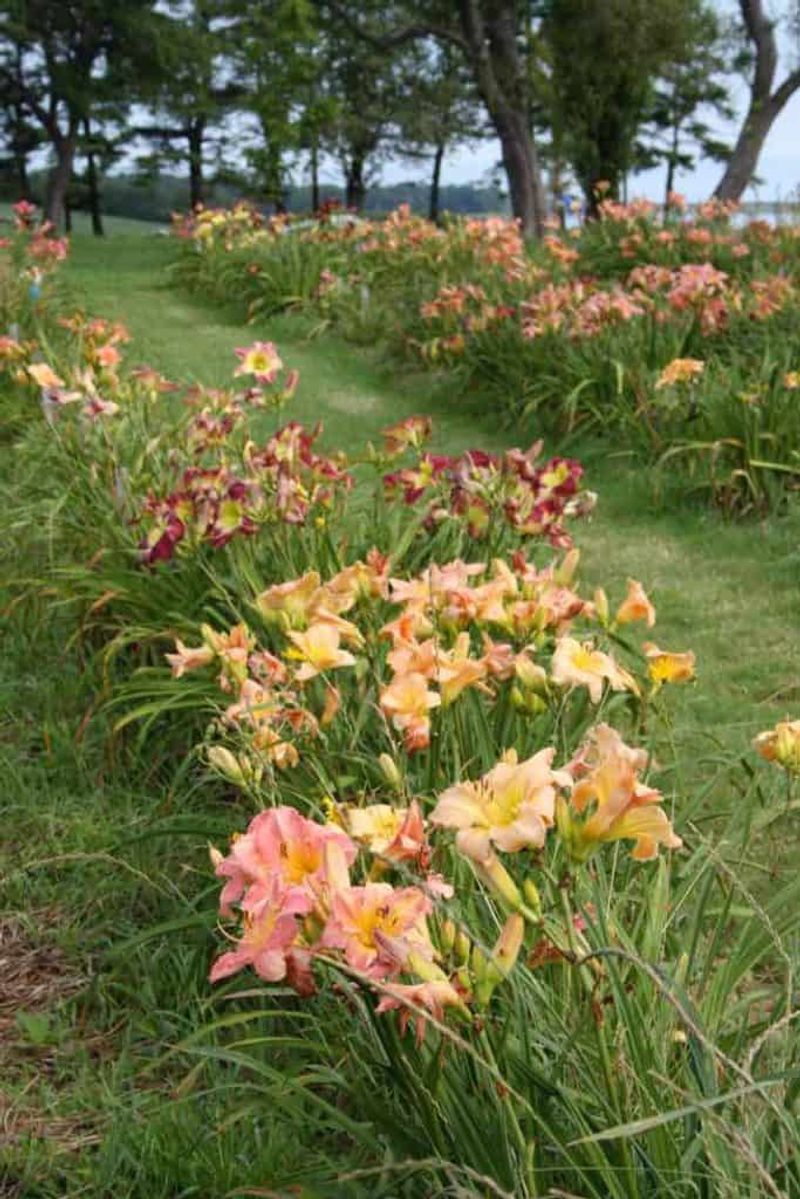
Daylilies, known for robust growth, are forgiving perennials when moved. Their arching foliage and vibrant blooms bring color to sunny spots. These plants adapt well, thriving in most soils as long as drainage is adequate.
When transplanting, divide clumps in spring or fall, replanting immediately. Daylilies quickly establish, providing lush flowers and greenery with minimal care. Their resilience and beauty make them a garden staple, offering waves of color and elegance.
For gardeners seeking reliable blooms, daylilies are a wise choice, brightening landscapes with ease.
7. Young Peonies or Fresh Divisions
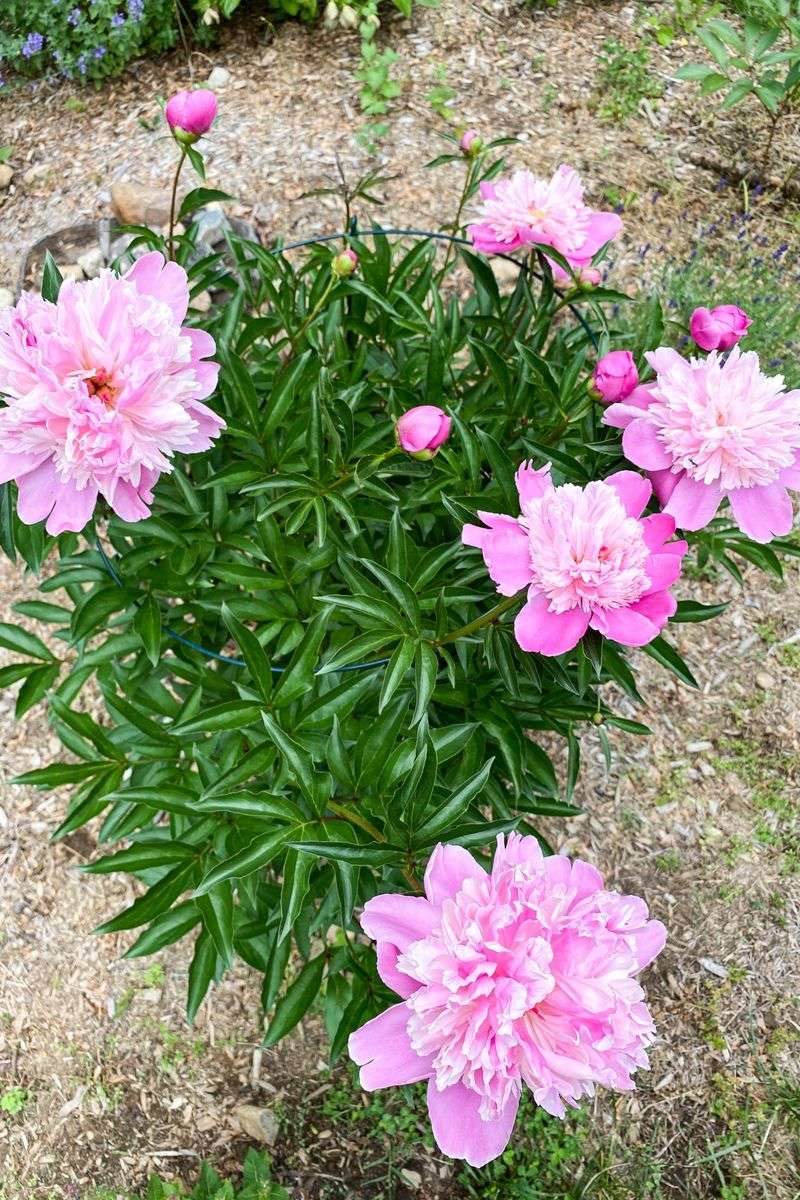
Instead of moving mature peonies, consider dividing younger clumps. These fresh divisions transplant with greater success, establishing quickly in rich soil. Begin in early fall or spring, when the plant is dormant, ensuring roots are kept moist.
Young peonies adapt to new environments, thriving with minimal care. Their elegant blooms and lush foliage are a gardener’s delight. With proper attention, these plants grow vigorously, rewarding with stunning flowers.
For those seeking longevity and beauty, young peonies or divisions offer an ideal solution, ensuring vibrant gardens for years to come.
8. Ornamental Grasses (e.g., Fountain Grass)
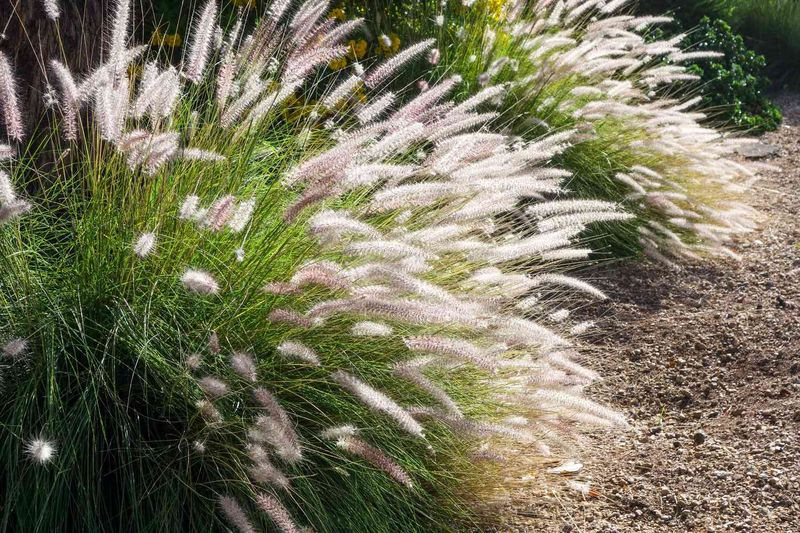
Ornamental grasses, like fountain grass, add movement and texture to gardens. These adaptable plants transplant easily, recovering quickly in new sites. Suitable for sunny spots, they thrive in well-drained soil.
When moving, divide clumps in spring or fall, ensuring roots remain moist. With minimal fuss, they establish, providing lush tufts and elegant plumes.
Their graceful form and resilience make them a garden favorite, adding a dynamic element to landscapes. For those seeking low-maintenance beauty, ornamental grasses offer an ideal solution, enhancing gardens with texture and movement.
9. Impatiens
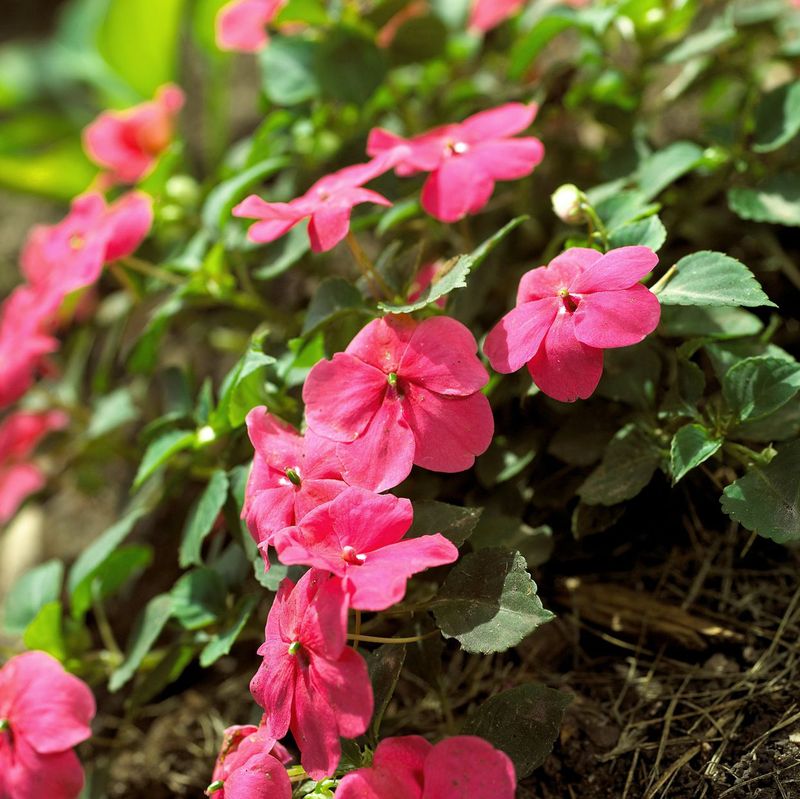
Impatiens, with their vibrant blooms, bring color to shaded spots. Known for rapid growth and hardiness, they transplant easily, adapting well to new environments. Ideal for refreshing flower beds, they thrive in moist, well-drained soil.
When moving, ensure roots are kept moist and replant promptly. Their resilience and beauty make them a garden staple, providing continuous color throughout the growing season.
For gardeners seeking a splash of color with minimal effort, impatiens are a perfect choice. Their lively blooms and adaptability brighten any landscape.
10. Pansies
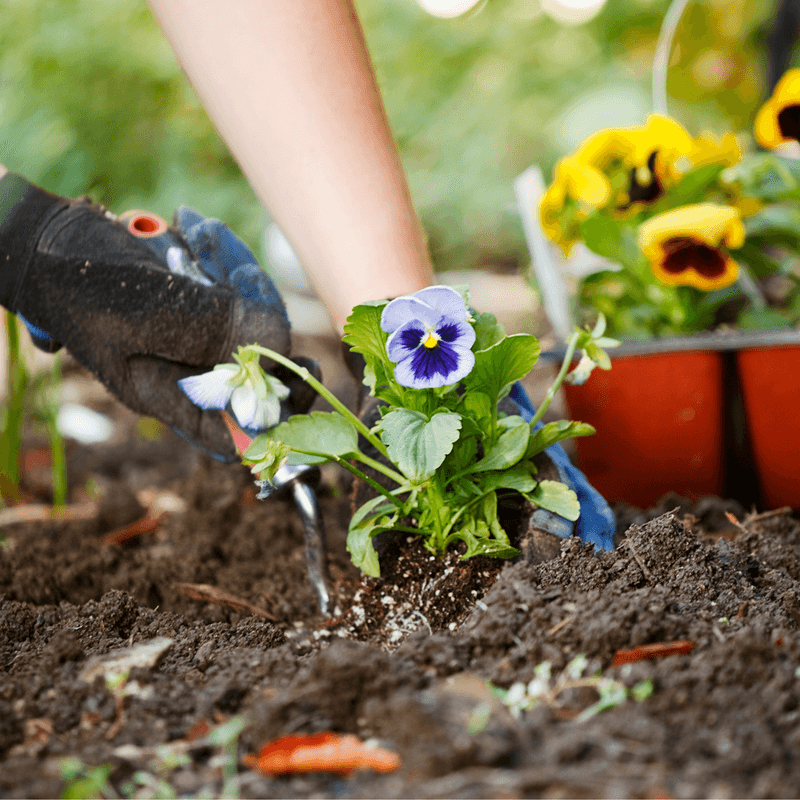
Pansies, with their cheerful blooms, add bright colors to gardens. These versatile flowers transplant easily, adapting well to various conditions. Ideal for adding a pop of color, they thrive in rich, moist soil and partial sun.
When moving, ensure roots are kept moist and replant quickly. Pansies re-establish with ease, providing vibrant displays and continuous blooms. Their hardy nature and vibrant colors make them a garden favorite, bringing joy to any landscape.
For gardeners seeking reliable color and charm, pansies are an excellent choice, enhancing gardens with ease.