 Complete Gardening
Bee balm is a favorite among gardeners for its vibrant blooms and ability to attract pollinators. However, to ensure it thrives, it’s essential to choose its neighbors wisely. Some plants, due to differing soil, moisture, and sunlight preferences, can hinder bee balm’s growth. Here are ten plants you shouldn’t plant next to bee balm.
1. Mint
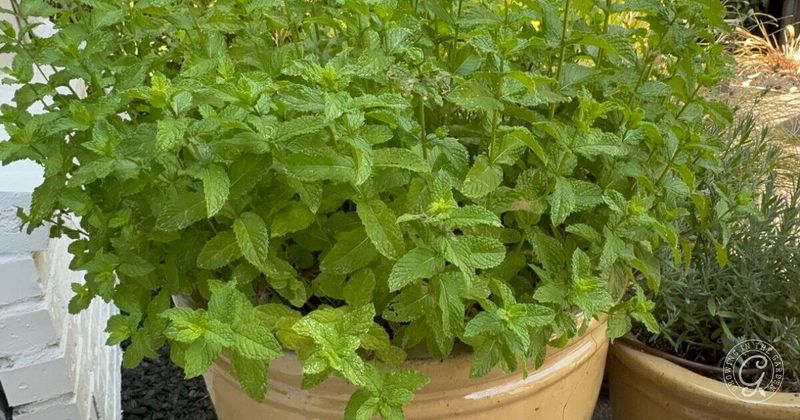
Mint, with its aggressive underground runners, can take over garden spaces rapidly. This vigorous growth can lead to root competition with bee balm, causing overcrowding and stress. Imagine a garden bed where mint’s vibrant green leaves cover the ground, leaving little room for other plants to establish themselves. Bee balm, which also spreads but enjoys a balanced coexistence with its neighbors, may find itself overshadowed. This aggressive nature of mint makes it a challenging companion, pushing bee balm out of its comfort zone and hindering its growth and vibrancy.
2. Lamb’s Ear
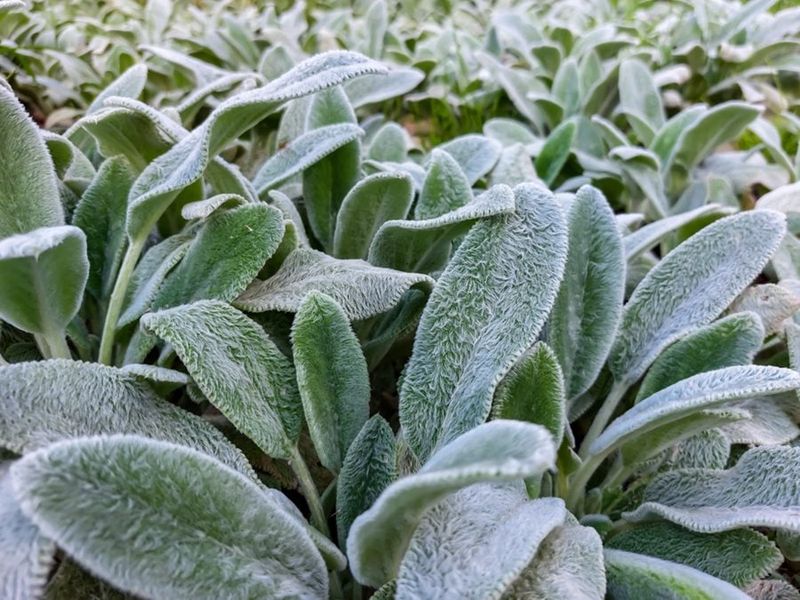
Lamb’s Ear, known for its velvety silver leaves, prefers conditions that are quite unlike bee balm’s. It thrives in dry, well-drained soils, creating a serene, low-maintenance patch that enjoys basking in full sun. Imagine the soft texture of Lamb’s Ear leaves, contrasting with the vibrant, moisture-loving bee balm. When planted together, one can almost see the discomfort as Lamb’s Ear struggles with excessive moisture, while bee balm yearns for the rich, moist soil it loves. This mismatch makes them unsuitable partners in the garden.
3. Hostas
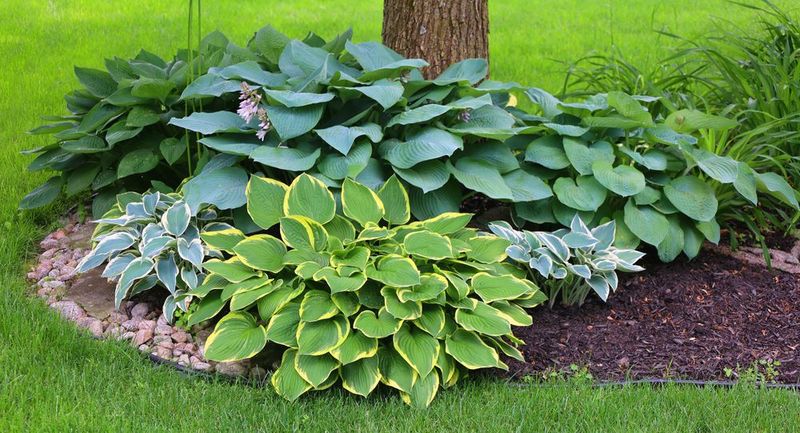
Hostas, with their lush, broad leaves, often thrive in shaded, moist areas of the garden. Picture a peaceful, shaded corner where hostas create a leafy oasis. Unfortunately, bee balm’s preference for full sun can clash with hostas’ shade-loving nature. This fundamental difference in sunlight requirements makes them incompatible garden neighbors. Hostas, accustomed to cool shadows, may wilt under the bright sun that bee balm loves. This mismatch can lead to unhappy plants struggling to find their place, resulting in a less cohesive garden environment.
4. Lavender
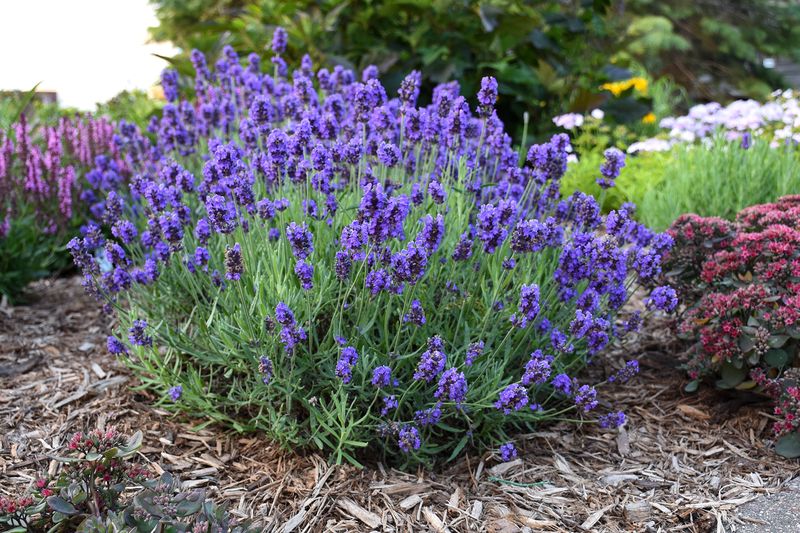
Lavender, with its aromatic purple blooms, prefers dry, sandy soils and hot, sunny environments. Imagine the soothing fragrance of lavender wafting through a sunlit garden. However, this idyllic scene contrasts sharply with the needs of bee balm, which thrives in rich, moist soil. Planting them together leads to discord, as lavender struggles with the moisture-loving conditions that bee balm requires. This difference in soil and moisture preferences creates tension between the two, making their companionship in the garden less harmonious and more of a challenge.
5. Sage
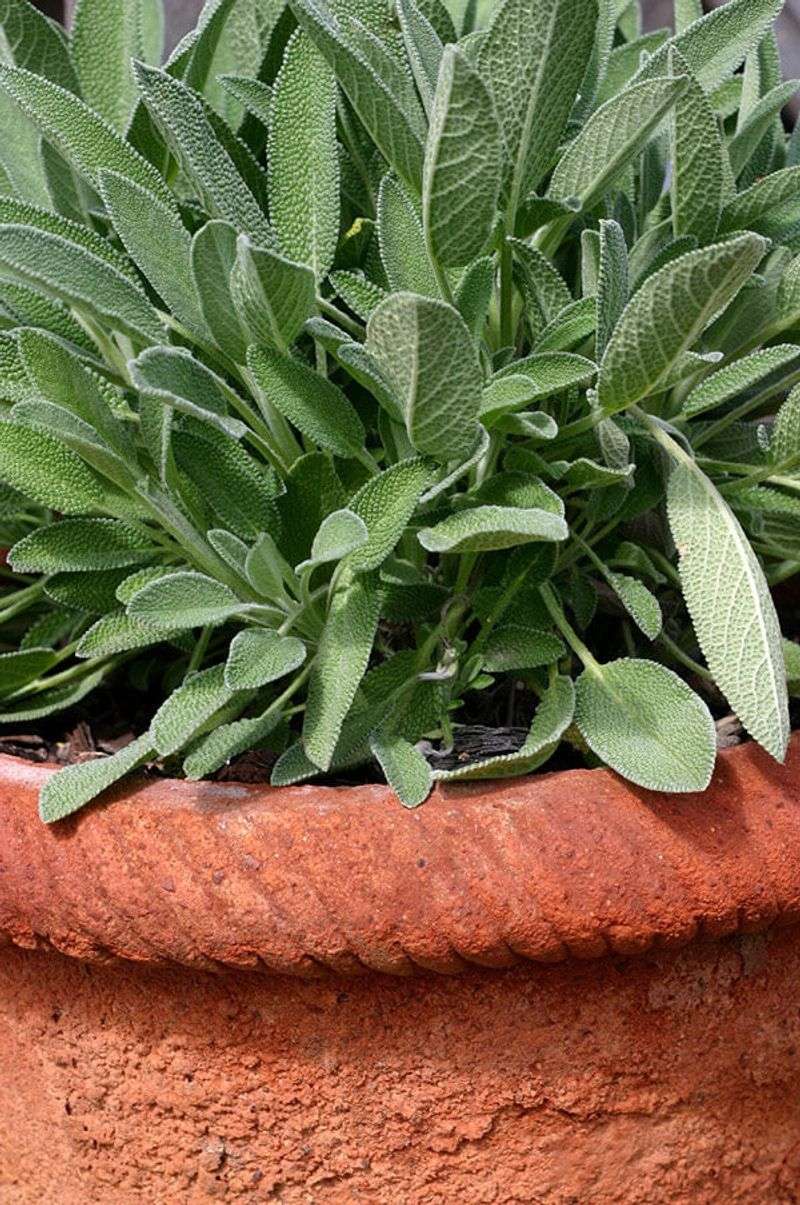
Sage, like its cousin lavender, flourishes in drier environments. Its soft, green-gray leaves are a staple in Mediterranean gardens, enjoying sunny spots with well-drained soil. Picture a sun-drenched garden where sage stands strong against the hot summer days. Bee balm, on the other hand, craves moisture and rich soil, making them ill-suited companions. The moist conditions that benefit bee balm can leave sage feeling waterlogged and unhappy. This clash in environmental preferences means sage and bee balm might better thrive in separate parts of the garden.
6. Thyme
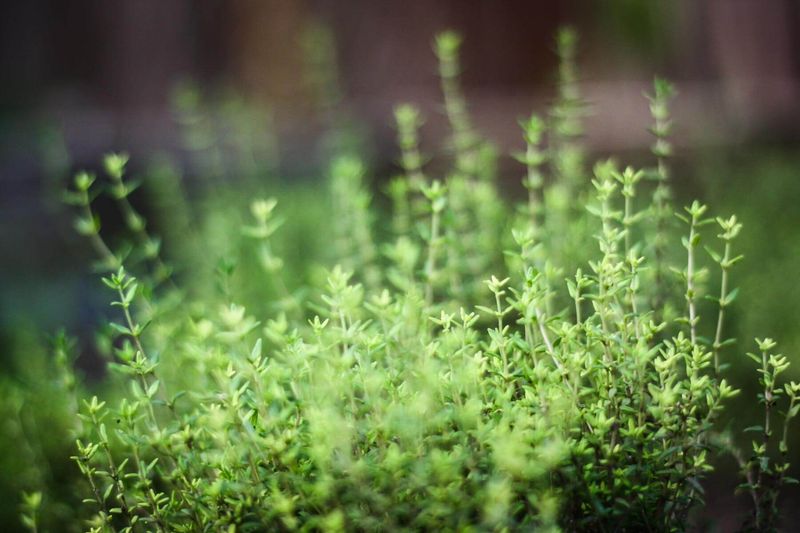
Thyme, with its low-growing, aromatic foliage, thrives in poor, dry soils where it can bask in the sun without much competition. Picture this hardy herb spreading across a sunny patch, its tiny leaves releasing a fragrant aroma. However, this isn’t the ideal companion for bee balm, which demands richer, moister conditions. Thyme resents the competition from taller, thirstier plants like bee balm, and may struggle to find its footing in such an environment. This dynamic makes them less than ideal neighbors, each needing distinct conditions to flourish.
7. Peonies
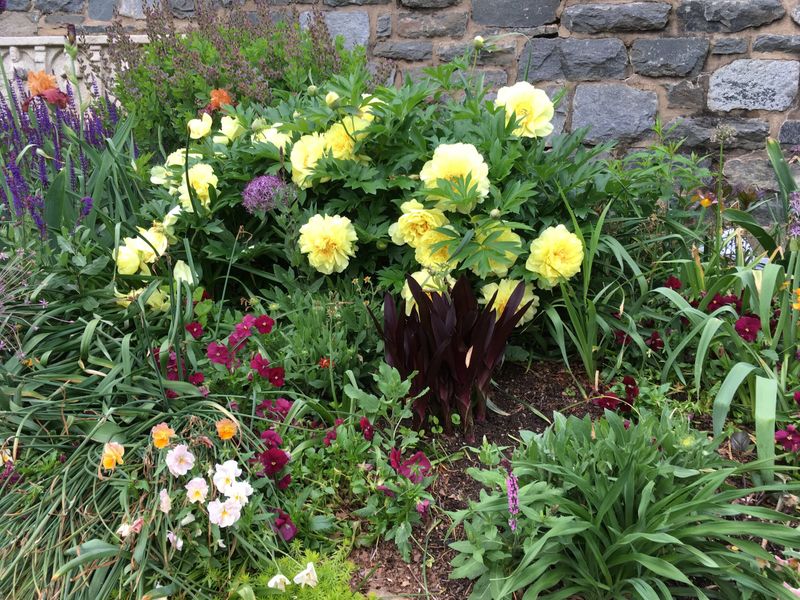
Peonies, with their extravagant blooms, prefer space and sunlight without much competition for root space. Imagine a garden where peonies stand tall, their blossoms gently swaying in the breeze. However, bee balm’s sprawl and tendency toward mildew can pose challenges. Peonies can be susceptible to fungal issues, especially when crowded, making them less than ideal companions for bee balm. The need for breathing space and good air circulation for both plants means they might be happier when planted apart, allowing each to shine in their own way.
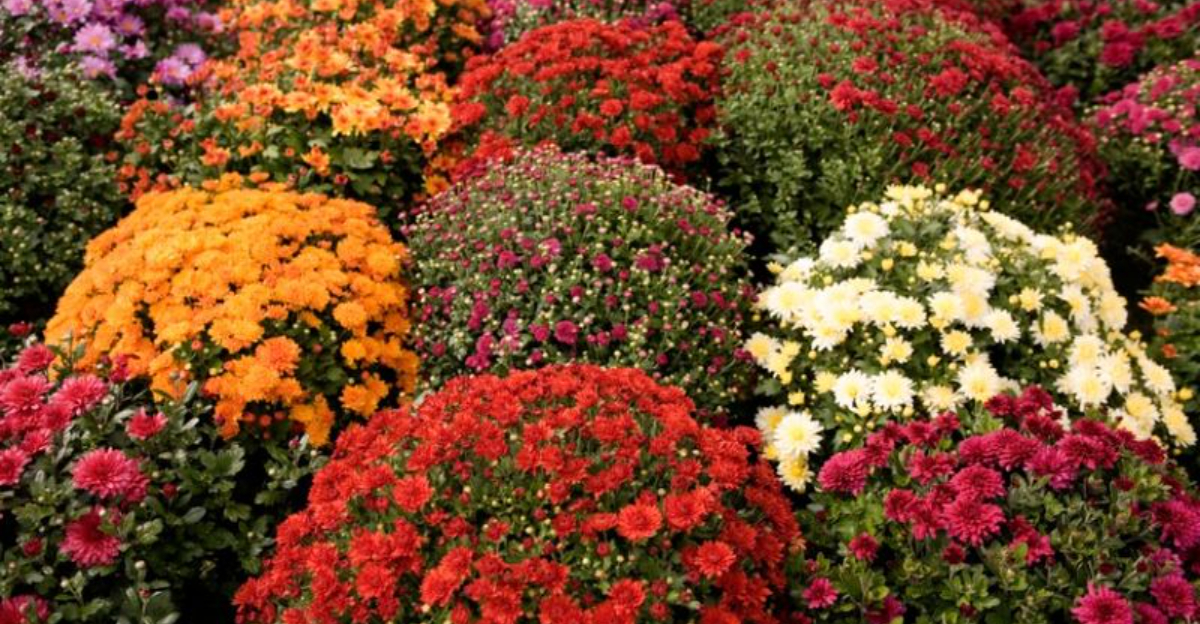
8. Chrysanthemums
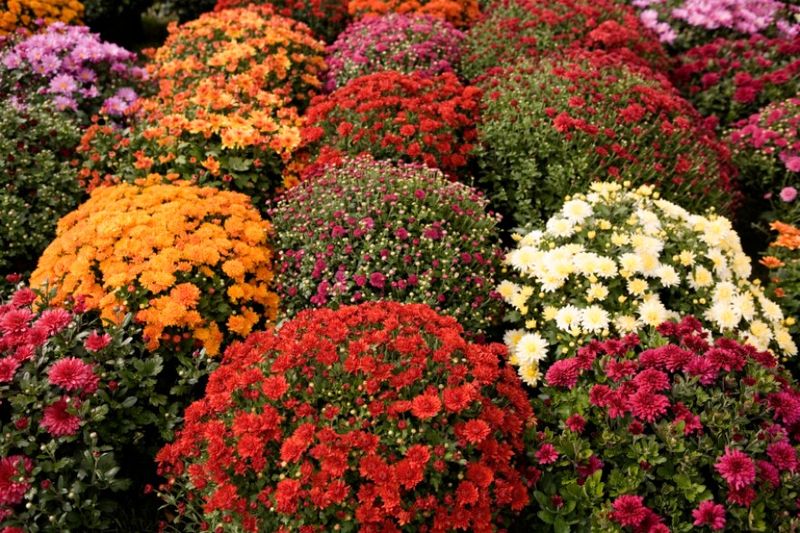
Chrysanthemums, with their striking autumn colors, can light up a garden. Picture a garden bed bursting with their vibrant hues. Yet, both chrysanthemums and bee balm are prone to powdery mildew. Planting them together can exacerbate this issue, with mildew spreading swiftly between them. This shared susceptibility, combined with their similar growth habits, can turn a garden bed into a battleground. To ensure both plants thrive, it might be wise to give them their own spaces, reducing the risk of disease and promoting healthier growth overall.
9. Roses
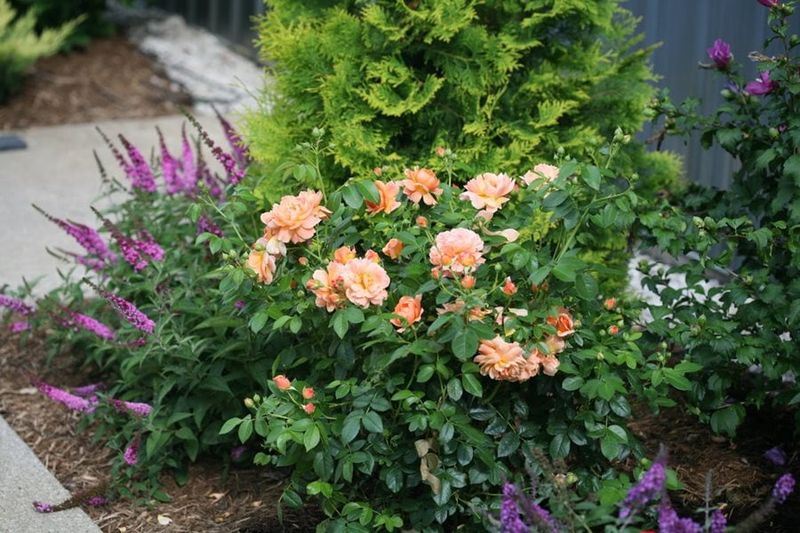
Roses, known for their timeless beauty, require careful management to avoid fungal infections. Picture a rose garden with each plant meticulously pruned and basking in sunlight. However, bee balm’s tendency to sprawl can crowd the rose’s space, increasing the risk of disease. Both plants need good airflow to prevent fungal issues, making them less compatible as garden neighbors. While their blooms can complement each other visually, their differing growth habits and susceptibility to diseases suggest they might be better suited to separate areas to maintain their health.
10. Yarrow
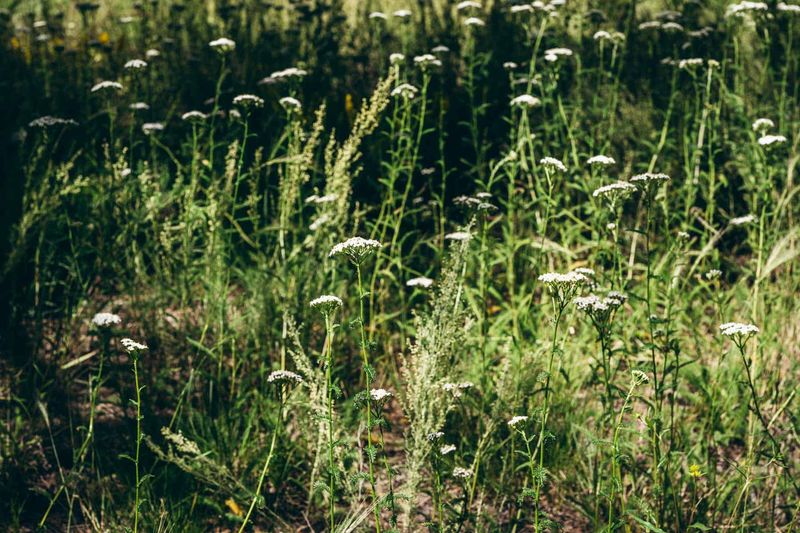
Yarrow, with its flat-topped clusters, thrives in meadows with dry, poor soil. Picture a wild, sun-drenched meadow where yarrow’s sturdy stems rise above the ground. This environment is perfect for yarrow but not for bee balm, which prefers the rich, moist conditions of garden beds. The differing soil needs and environmental preferences create a discord when planted together. To preserve the health and beauty of both plants, it might be best to let yarrow bask in its own sunny, dry corner, away from bee balm’s moisture-loving habitat.