 Complete Gardening
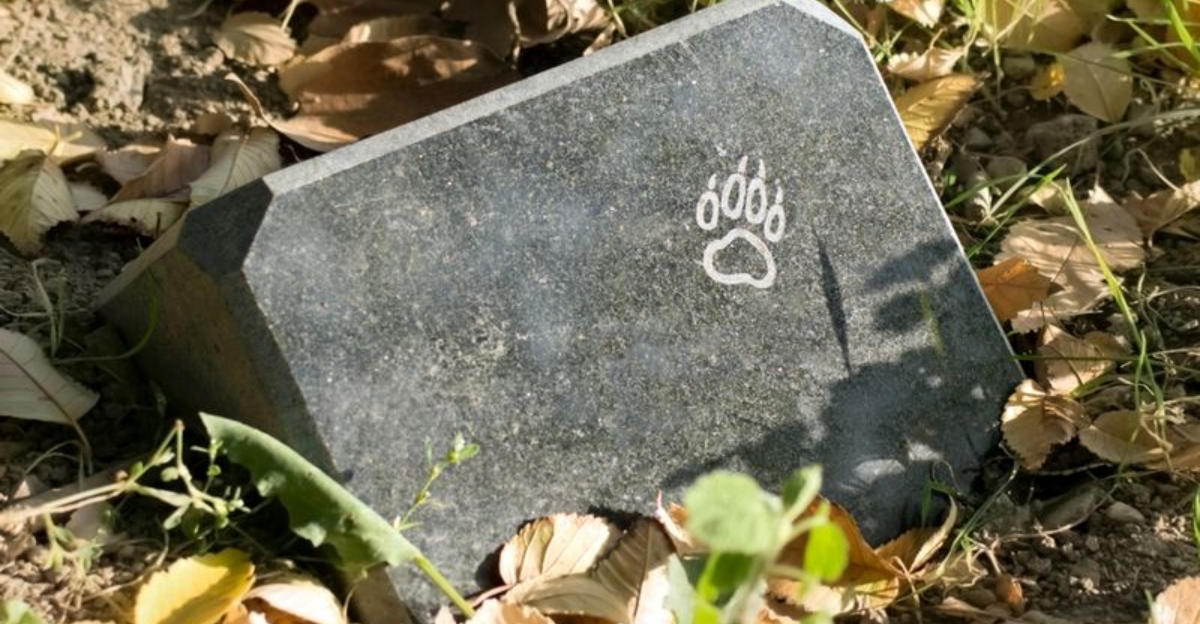
When a beloved pet passes away, the emotional toll can be immense. Many people consider burying their pets in their backyard as a way to keep them close. However, this seemingly heartfelt decision can lead to unforeseen complications. From environmental hazards to legal issues, there are multiple reasons why backyard pet burials are a poor choice. This article explores ten critical reasons to reconsider this practice, offering insights into the potential pitfalls and suggesting more respectful and safer alternatives.
1. Environmental Concerns
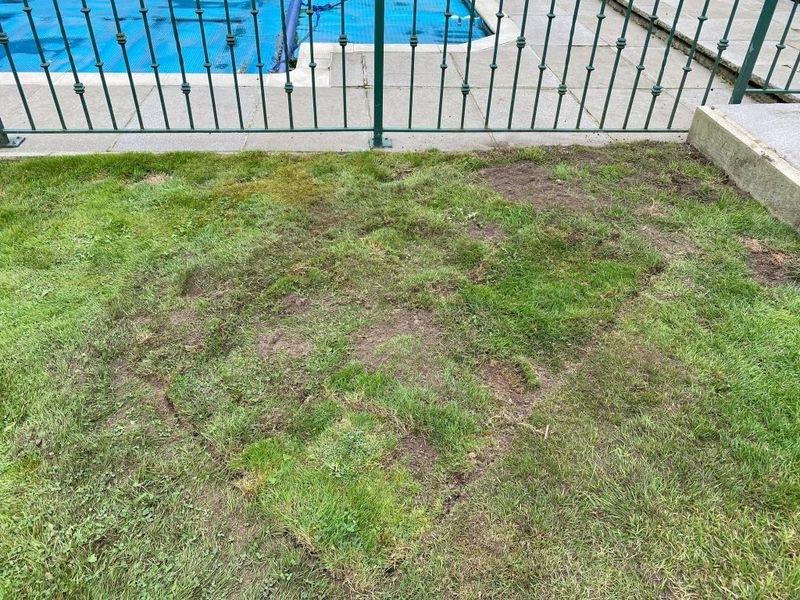
When you bury a pet in the backyard, it might seem like a natural return to the earth. However, this can expose the ground to harmful substances. Decomposing bodies can leach chemicals and pathogens into the soil, affecting nearby plants and possibly contaminating groundwater.
Think about the broader environmental impact. The soil disruption can affect local ecosystems, and small animals may dig up the remains, spreading pathogens further. Therefore, while a backyard burial may seem environmentally friendly, it often carries hidden ecological risks.
2. Legal Issues
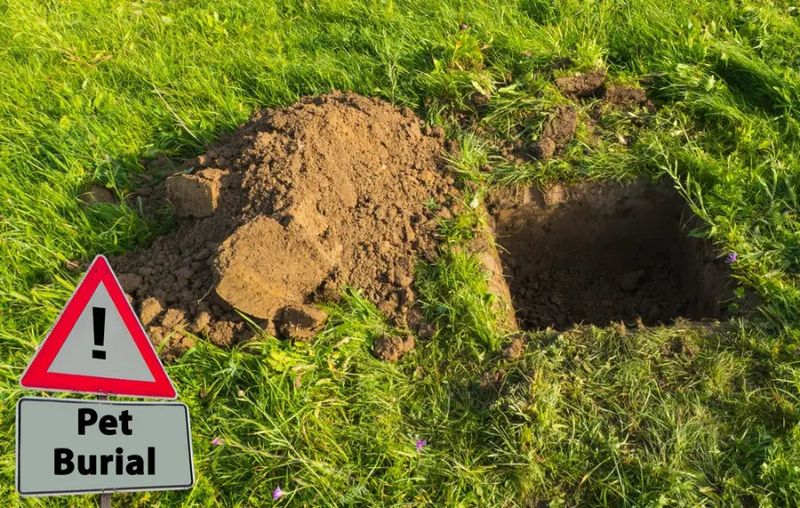
Pet burial isn’t always as simple as it seems. Before you dig, consider the legal implications. Many municipalities have strict regulations about burying animals on residential property.
Ignoring these laws can lead to fines or legal disputes with neighbors. Laws are often in place due to environmental and public health concerns, meaning they should not be overlooked. Checking local ordinances can save you from unexpected legal troubles and ensure your actions respect both the law and community standards.
3. Health and Safety Risks
Backyard pet burials might unwittingly expose your household to health risks. Decomposing pet remains can attract rodents and pests, carrying disease or disturbing your garden.
Furthermore, children playing in the backyard might inadvertently dig up the site, posing a grim and potentially traumatic experience.
The unseen health hazards extend beyond your home, affecting neighborhood safety. Knowledge about these dangers can steer you toward safer, more hygienic choices, protecting both your family and community.
4. Emotional Distress
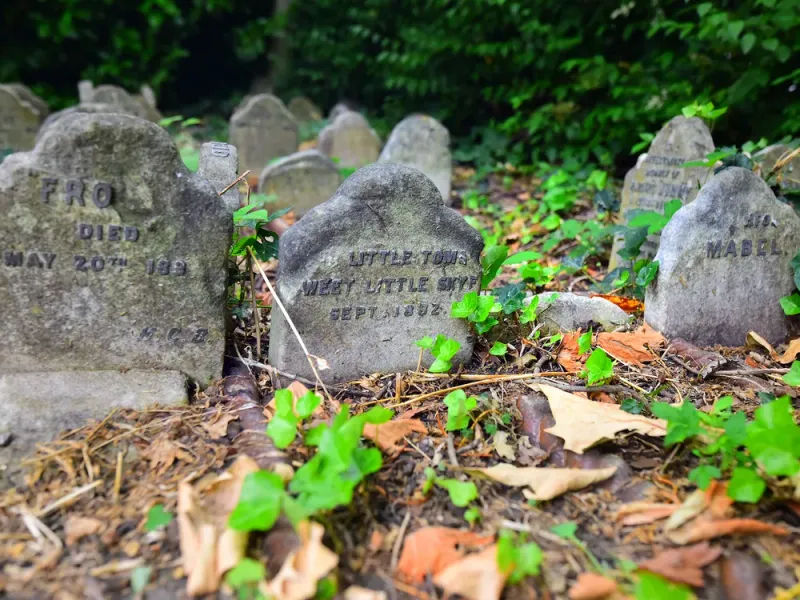
While some find solace in keeping their pet nearby, backyard burials can prolong grief. Each glance at the burial site might trigger fresh waves of sadness and loss.
The constant reminder can impede emotional healing, making it difficult for family members to move on. Instead of closure, the proximity may lead to continuous mourning.
Considering alternative memorials, such as pet cremation, can offer a more comforting way to honor your pet’s memory without the daily emotional burden.
5. Disturbance from Other Animals
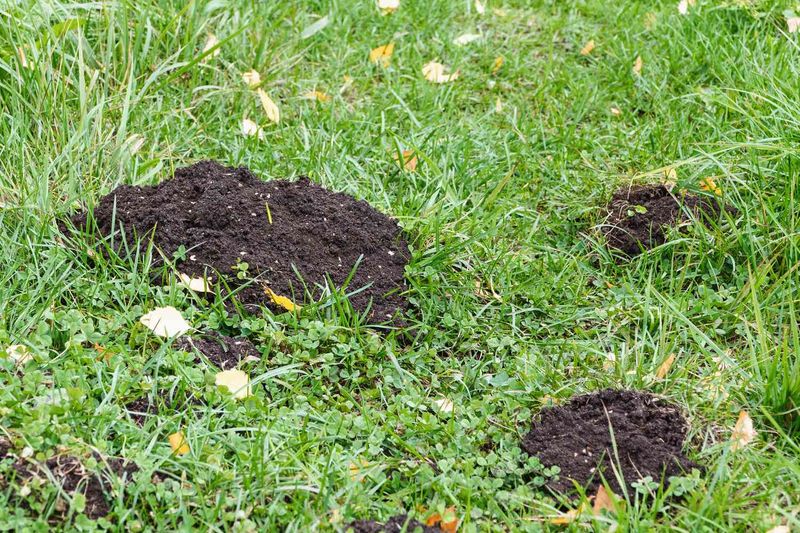
Nature can interfere with your plans. Other animals, from neighborhood dogs to wild creatures, may dig up buried pets, drawn by the scent.
Such disturbances not only disrespect your pet’s resting place but also pose a hygiene risk. This unsightly mess can lead to further distress and potential health concerns.
To avoid such unsettling events, it might be best to consider alternatives that provide a secure and lasting memorial for your beloved pet.
6. Property Value Implications
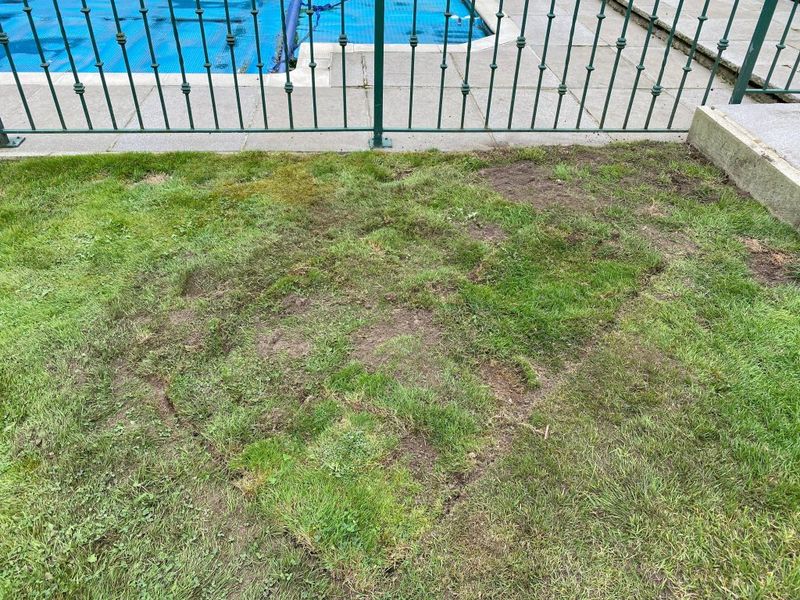
Burying a pet in your backyard could impact your property’s value. Prospective buyers might find the presence of pet graves unsettling or a potential health risk.
Additionally, any legal violations or environmental concerns related to the burial could become a disclosure issue during property sales. This can complicate transactions, possibly reducing the appeal and value of your home.
Thinking ahead, it’s wise to consider how this decision might affect future prospects and choose alternatives that won’t compromise your property’s worth.
7. Improper Decomposition
Natural decomposition in a backyard setting is often misunderstood. Factors like soil type, moisture, and burial depth can lead to improper decomposition.
This might result in unpleasant odors or unsightly garden spots, not to mention potential health hazards. Such a scenario can be distressing for those hoping for a peaceful resting place for their pet.
Exploring other options, like professional cremation services, can ensure your pet’s remains are handled with care, leaving no unpleasant aftermath.
8. Invasion of Privacy
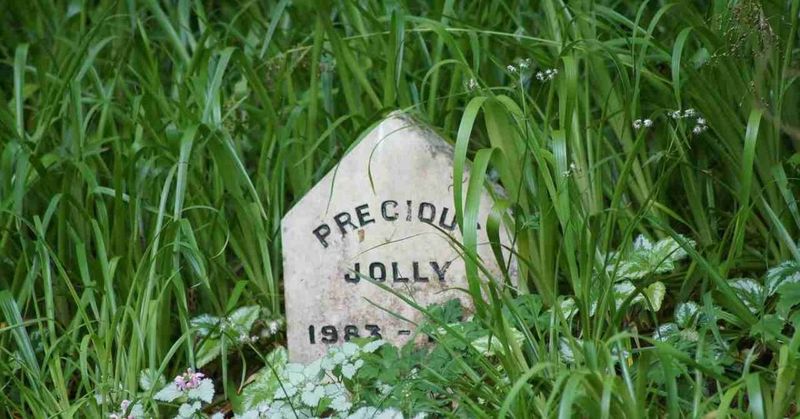
In urban or closely-knit communities, backyard pet burials might breach privacy. Neighbors, curious or concerned, may view or discuss the burial site, leading to discomfort.
This lack of privacy can affect neighborly relations and lead to unwanted attention or gossip. Consideration of your living environment and community standards is essential before proceeding with a backyard burial.
Opting for professional services might respect both your privacy and your pet’s memory more effectively.
9. Memorial Limitations
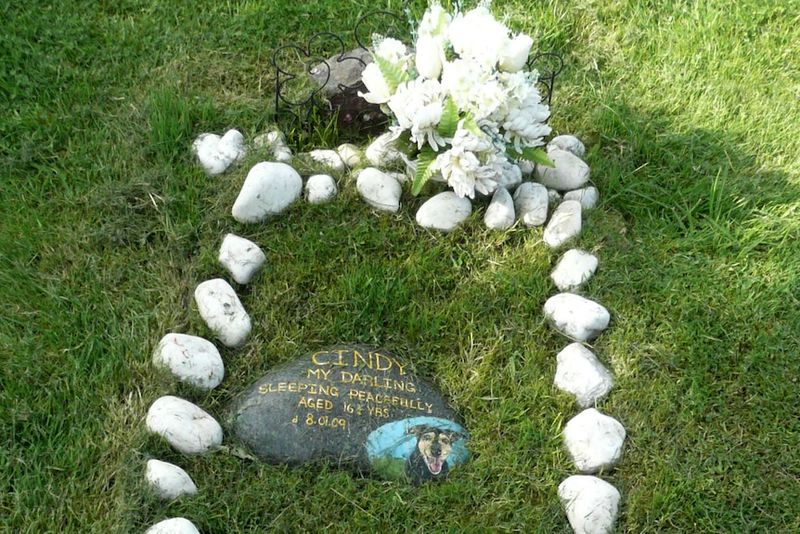
Backyard burials restrict memorialization options. A simple stone or plaque might not convey the sentiment you wish to express.
Memorial products offered by professional services can provide personalized tributes, reflecting your pet’s unique spirit. The backyard confines limit creative expression, often leaving you with a plain and unremarkable marker.
Exploring custom memorial options can offer a more meaningful commemoration, celebrating your pet’s life in a way that truly honors their memory.
10. Emotional Burden on Future Generations
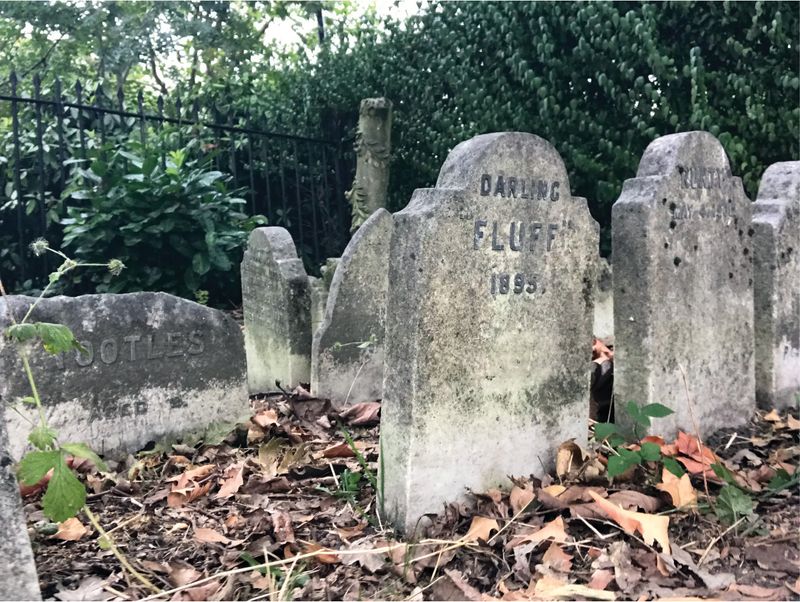
Consider the legacy left for future generations. A pet’s burial in your backyard could become an emotional burden for your children, who might face difficult decisions about relocation or property changes.
The site can become a source of family tension, as sentimental attachment conflicts with practical needs. Such a legacy may not be what you intend to pass down.
Choosing an alternative resting place can spare your family from potentially heart-wrenching decisions, ensuring peace of mind for years to come.
11. Soil Contamination by Decomposing Materials
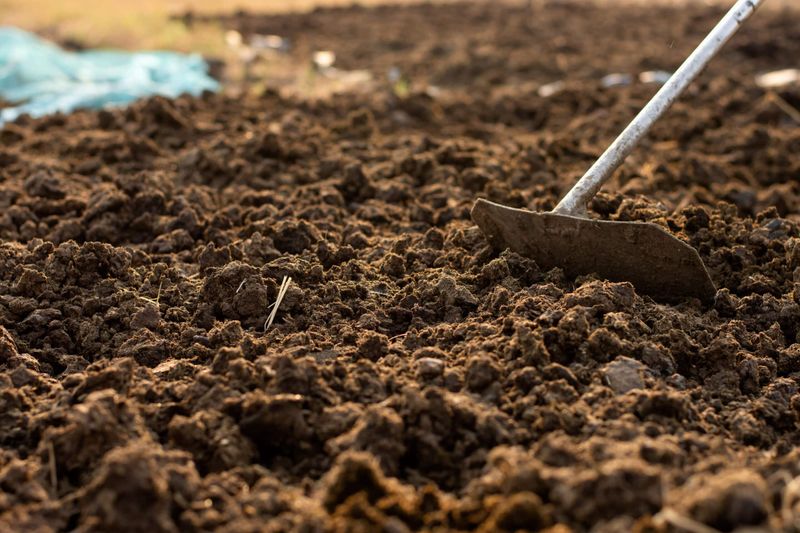
Decomposing organic matter, like a pet’s remains, can alter soil composition.
This change might not be visible immediately, but over time it could affect plant growth in the area. The imbalance in nutrients can lead to stunted or uneven plant development.
In some cases, it could even introduce harmful bacteria into the soil, impacting its fertility. For gardeners, this presents a silent but significant problem, affecting the entire garden ecosystem.
Furthermore, this could deter new plantings or cause existing plants to fail, making the garden less inviting and lush.
12. Emotional Attachment Complicating Future Moves
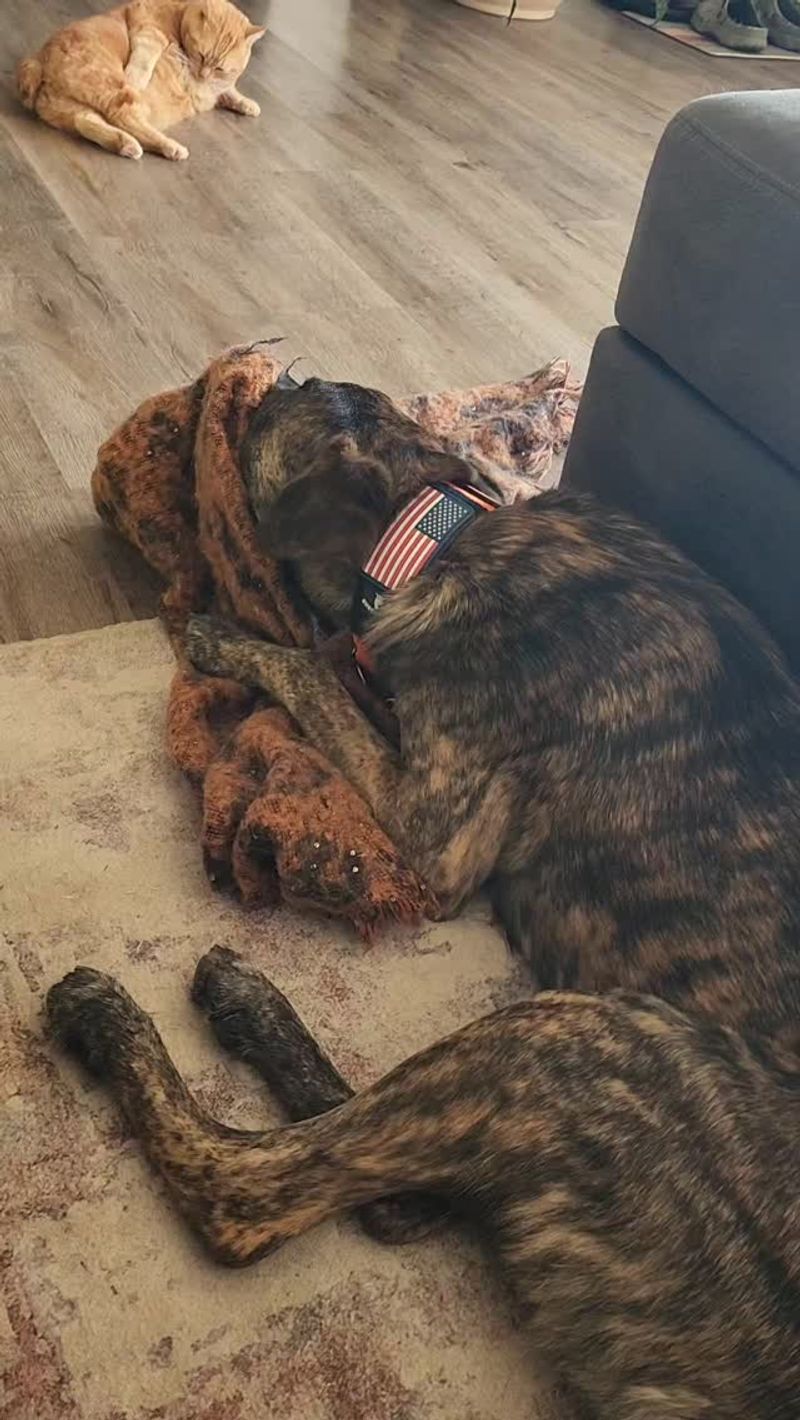
Moving is stressful, but leaving behind a pet’s resting place adds emotional weight.
For many, the burial site becomes a sacred space, deeply intertwined with memories. This bond can complicate decisions on relocating, forcing people to choose between the practicality of a move and emotional attachment.
This emotional dilemma can lead to prolonged indecision and stress.
Additionally, new homeowners might not share the same sentiment, potentially leading to disputes. Thus, backyard burials inadvertently tie one’s heart to a specific location, complicating future changes.
13. Legal Issues with Unmarked Graves
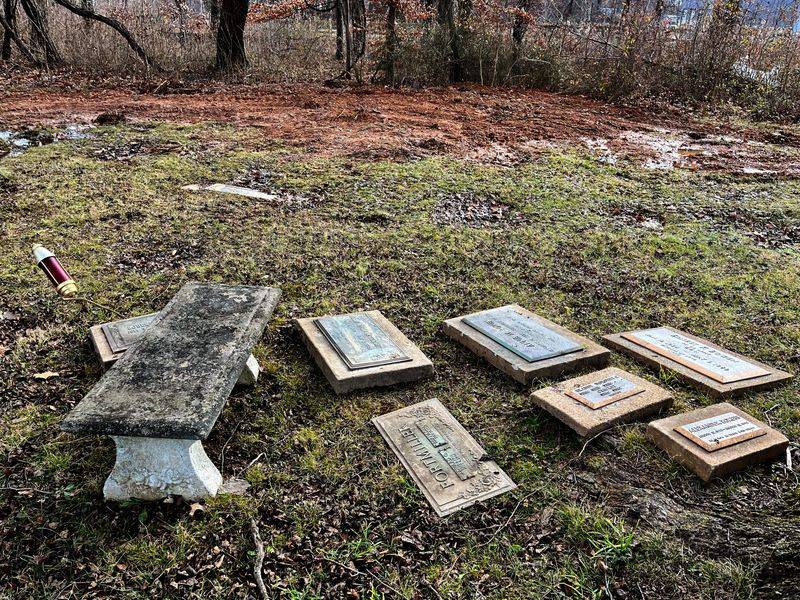
Burial laws can be surprisingly strict.
Many areas have regulations about where animals can be buried, often requiring specific permits or markings. Unmarked graves can lead to legal troubles, especially if property lines change or disputes arise.
A lack of awareness about these laws can result in unintended legal battles.
Moreover, future property buyers can face challenges in navigating these regulations, turning a simple oversight into a complex legal conundrum.
Thus, the simplicity of a backyard burial might mask potential legislative pitfalls.
14. Neighbor Disputes over Land Use
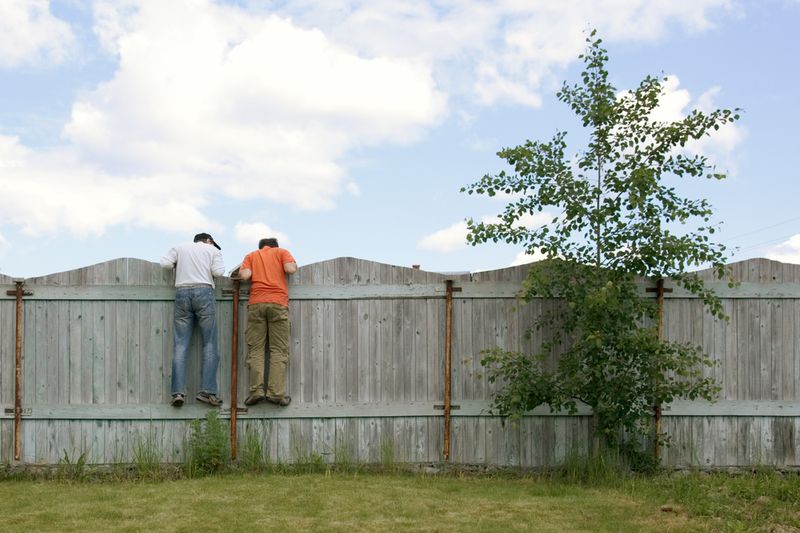
Shared land boundaries can be a source of discord.
When a pet is buried near a property line, neighbors might have differing views on the use of that space. This can lead to disputes over land rights, especially if the burial is unmarked or unofficially designated.
Differing opinions on aesthetics or property use can exacerbate tensions.
In some cases, these disagreements escalate, requiring mediation or legal intervention.
Such conflicts can strain neighborly relations, turning a well-intentioned gesture into a point of contention.
15. Animals Disturbing Graves
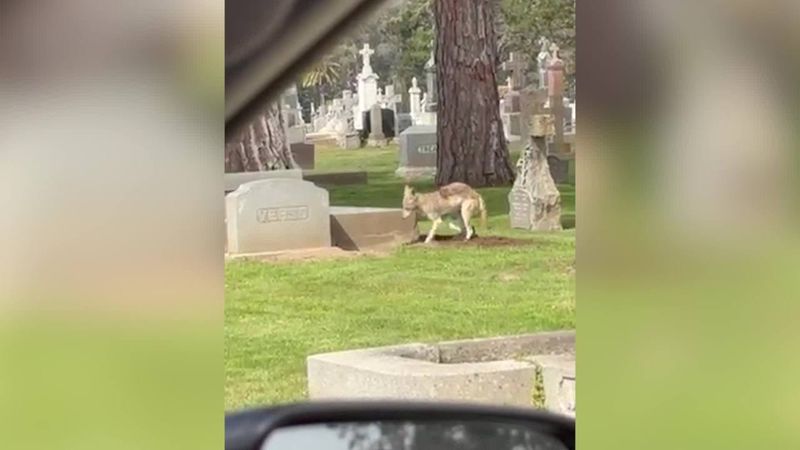
The scent of decomposing remains can attract curious animals.
Wildlife, like raccoons or stray dogs, might dig at the burial site, disturbing the peace intended for your pet. This not only disrupts the grave but can also lead to further mess and emotional distress.
Moreover, repeated disturbances can damage the surrounding area, turning a serene spot into a chaotic one.
Preventing such issues requires constant vigilance and could necessitate additional protective measures.
Unfortunately, the natural curiosity of animals challenges the sanctity of backyard burials.
16. Unpredictable Weather Impacting Burial Sites
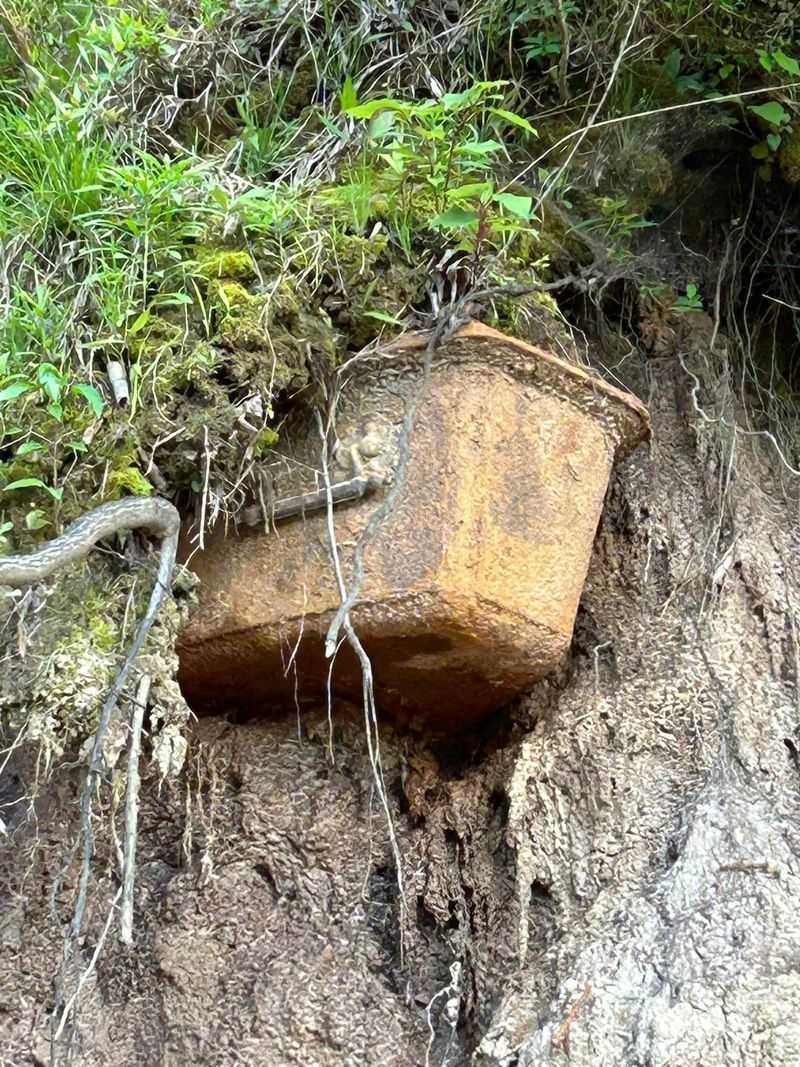
Weather is unpredictable and can affect burial sites dramatically.
Heavy rain or flooding might expose a pet’s remains, leading to unexpected and distressing situations. Soil erosion or shifting can alter the burial ground, making it less stable and harder to maintain.
Such weather impacts can require additional intervention, like reinforcing the site.
This adds to the emotional and practical burden of maintaining a respectful resting place. Having a pet’s grave affected by weather unpredictability transforms a heartfelt spot into a logistical challenge.