 Complete Gardening
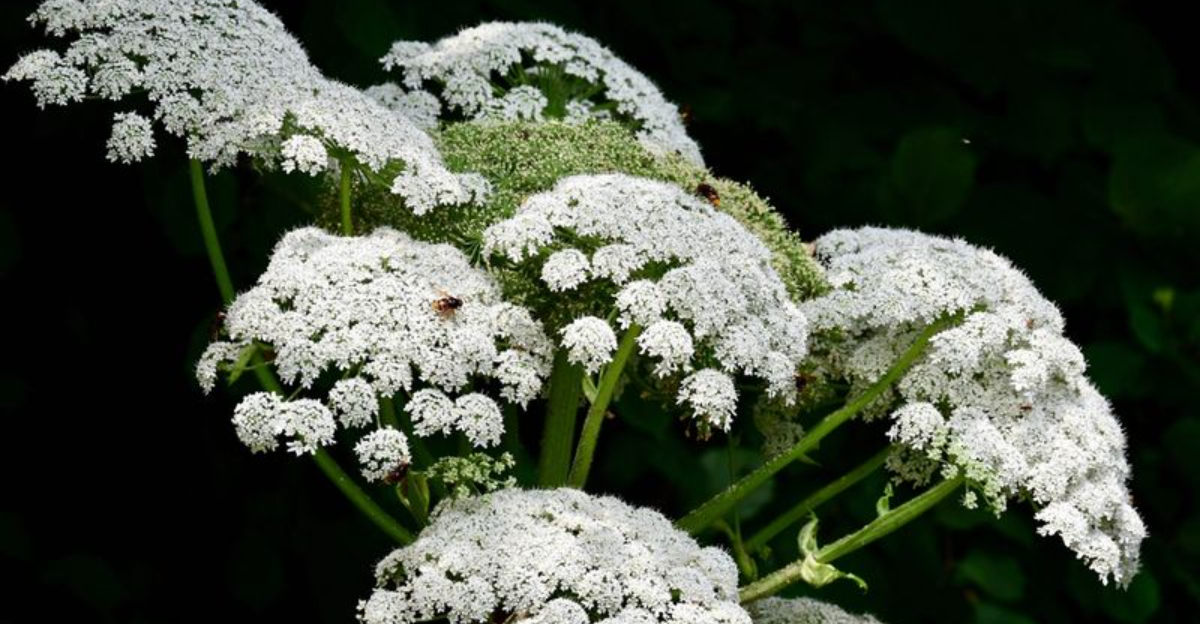
Hogweed is an invasive plant that poses serious risks to both the environment and human health. Recognizing the dangers associated with this plant is crucial for garden safety and well-being.
Here, we explore ten compelling reasons why eliminating hogweed from your garden should be a priority.
1. Severe Skin Burns
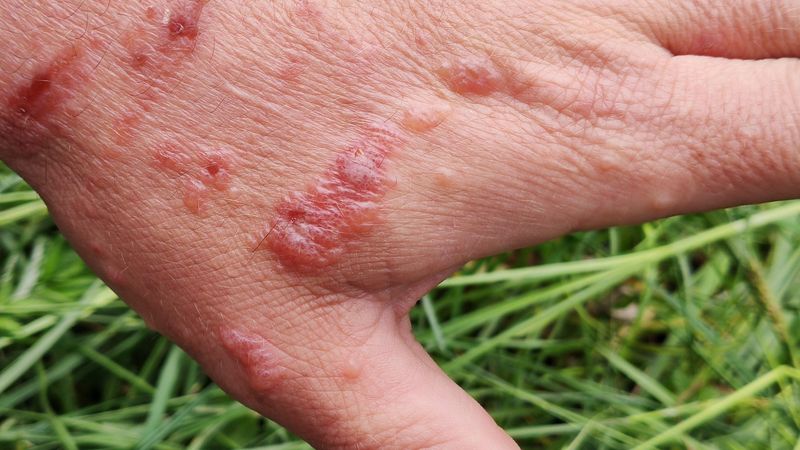
Hogweed sap can cause burns. Imagine tending to your garden, only to encounter a plant that leaves behind painful, blistering burns. Within hours, the affected skin may turn red and develop large blisters.
Even a brief touch with hogweed can result in severe irritation. The plant’s toxic sap reacts with sunlight, causing phytophotodermatitis. This condition not only causes discomfort but may also lead to long-term skin sensitivity.
Due to these painful reactions, removing hogweed becomes essential to prevent harm to family and pets. Protect your skin by eradicating this hazardous plant.
2. Environmental Threat
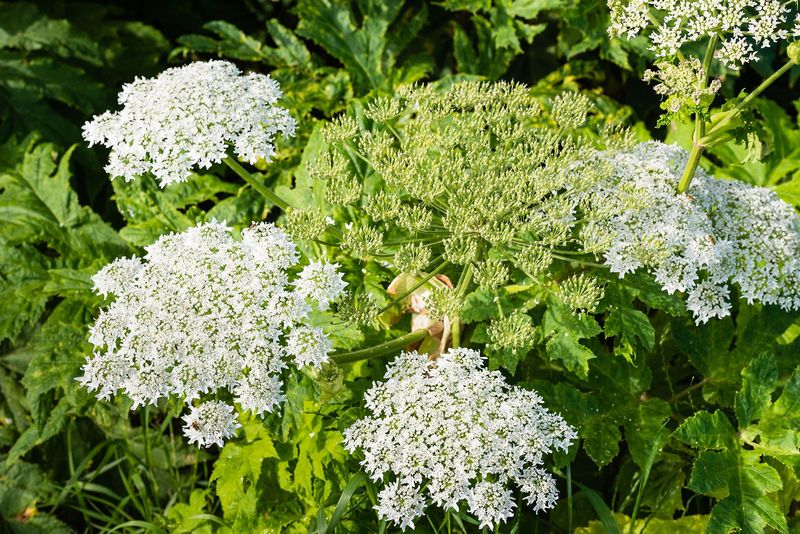
Hogweed is an environmental bully. In gardens, it can swiftly overshadow native flora, leading to biodiversity loss. This invasive species competes aggressively for resources like sunlight, water, and soil nutrients, effectively choking out other plants.
Its rapid growth and dense foliage make it difficult for other species to thrive. As a result, the delicate balance of local ecosystems can be disrupted.
Preventing hogweed from taking over is crucial to maintaining the ecological health of your garden. Act now to preserve nature’s diversity in your backyard.
3. Potential Blindness
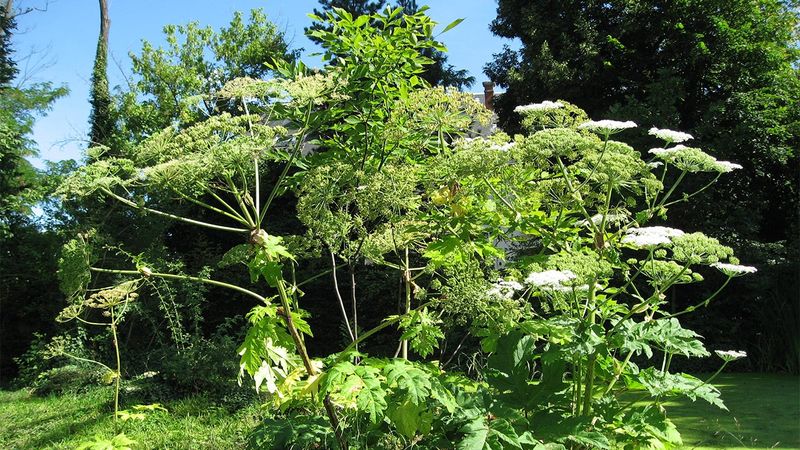
Contact with hogweed is not just a skin issue. Imagine the horror of accidentally getting its sap in your eyes. The irritation can be immediate and severe, potentially leading to temporary or even permanent blindness if not treated quickly.
This alarming effect makes hogweed particularly dangerous in areas where children and pets play. Eye exposure to hogweed sap is a medical emergency.
Swift removal of hogweed from gardens is essential to prevent accidental injuries. Protect your eyesight by ensuring hogweed is not part of your garden environment.
4. Harm to Pets
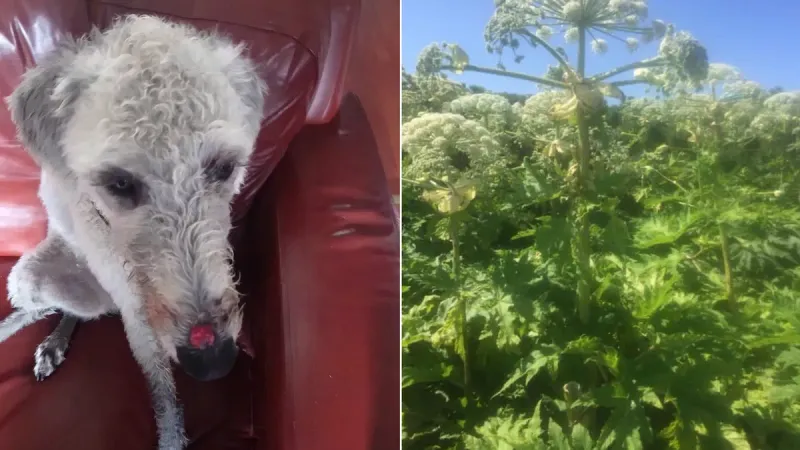
Gardens are a haven for pets, but not when hogweed lurks. Pets may unknowingly brush against this noxious plant, leading to painful skin irritation or worse.
Imagine your curious dog exploring the garden, only to end up with red, blistered paws. The toxic sap can cling to fur and transfer to other surfaces, increasing exposure risk.
Removing hogweed ensures a safe environment for your furry friends. Keep your pets safe by eliminating this hazardous plant from your garden before it poses a threat.
5. Gardener’s Hazard
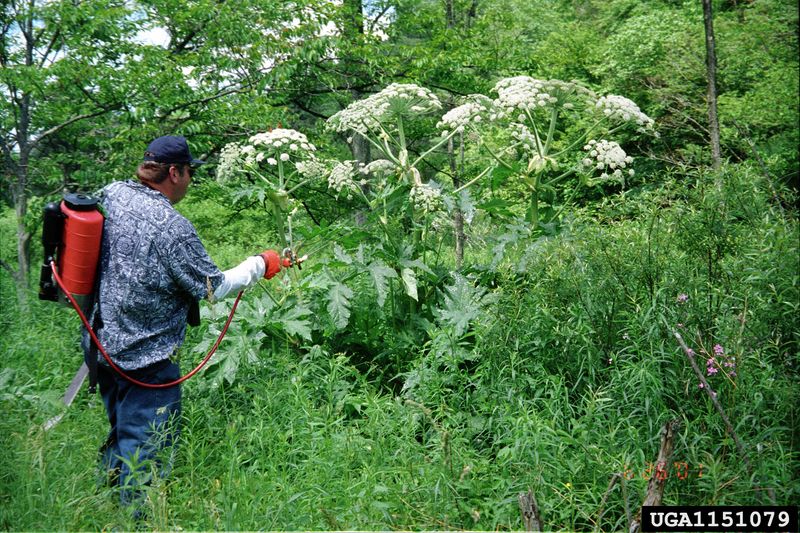
Tending to a garden should be a joy, not a hazard. For gardeners, hogweed poses significant risks. The plant’s sap can easily transfer to unprotected skin, causing painful reactions.
Imagine reaching down to pull weeds, only to discover hours later the burning rash that develops. Even seasoned gardeners can fall victim to this unwelcome plant.
Using protective gear and ensuring hogweed is removed can prevent such unpleasant surprises. Make gardening a pleasure by safeguarding against the dangers of hogweed exposure.
6. Legal Implications
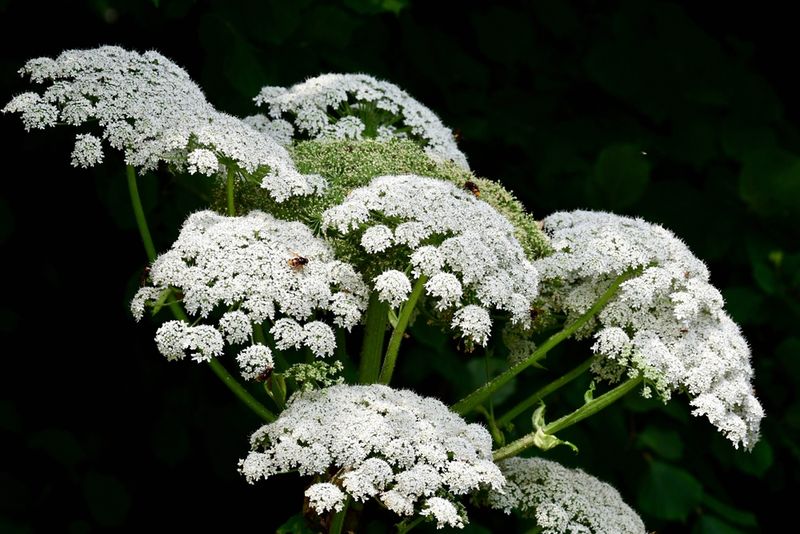
Growing hogweed is not just a personal risk—it can have legal consequences. In many regions, allowing hogweed to spread is against the law due to its invasive nature and threat to public safety.
Imagine facing fines or being required to cover removal costs because of this plant. Local authorities may hold property owners responsible for the spread of hogweed.
Understanding these regulations and acting accordingly can prevent potential legal issues. Stay informed and compliant by removing hogweed promptly from your property.
7. Rapid Spread
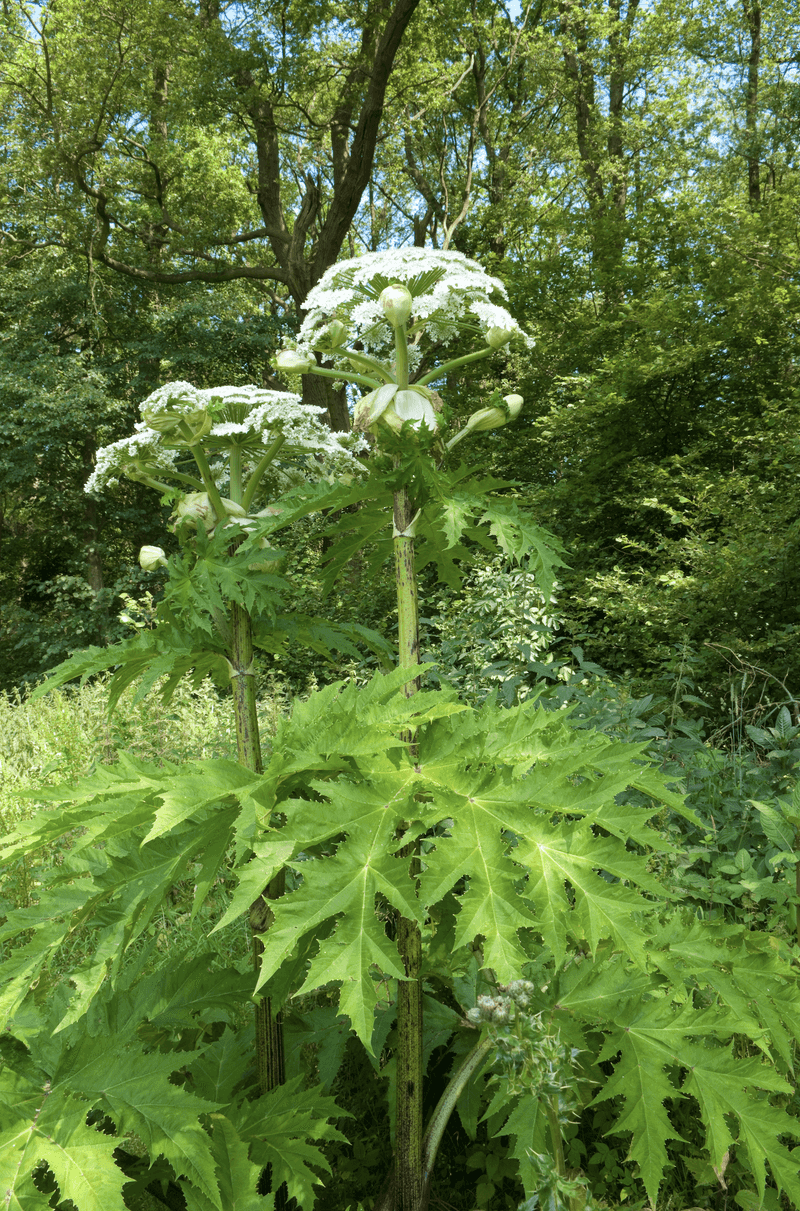
Hogweed’s growth is relentless. Once established, it can quickly take over gardens, spreading through seeds that are easily dispersed by wind or water.
Imagine watching your carefully tended garden slowly fade under the overwhelming presence of hogweed. This rapid spread can be difficult to control once it starts, making early intervention crucial.
Preventing hogweed’s invasion helps maintain the beauty and health of your garden. Act swiftly to keep your landscape free from this intrusive plant.
8. Allergy Inducer
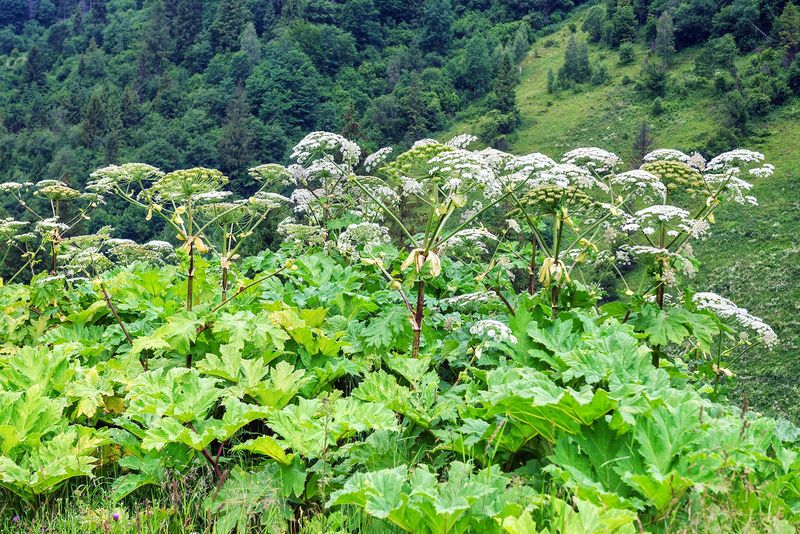
Hogweed can be more than just an eyesore—it’s also a potent allergen. For those sensitive to pollen, hogweed can trigger severe allergic reactions.
During bloom, its pollen can cause sneezing, itchy eyes, and runny noses. Imagine enjoying a sunny day in your garden, only to be interrupted by allergy symptoms caused by this uninvited guest.
Removing hogweed helps ensure a more comfortable, sneeze-free outdoor experience. Protect your respiratory health by keeping this allergenic plant out of your garden.
9. Soil Degradation
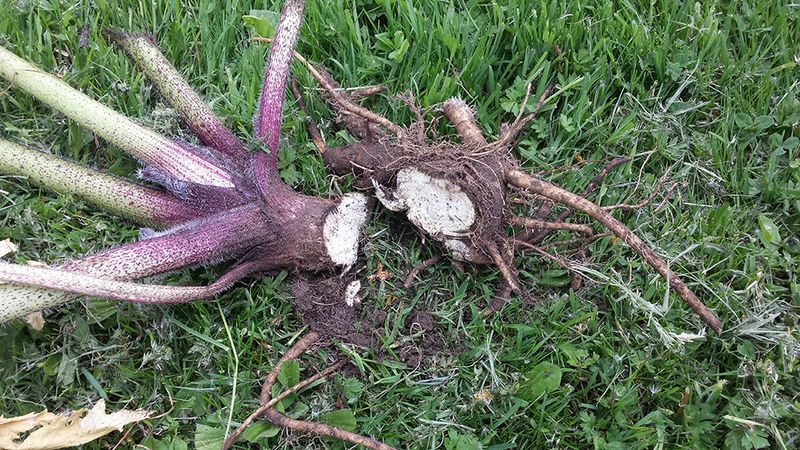
Hogweed doesn’t just impact what’s above the ground—it affects the soil too. Its extensive root system can lead to soil degradation, affecting the overall health of the garden.
Imagine the gradual decline in soil quality, leading to poorer growth conditions for other plants. Hogweed’s presence can cause erosion and nutrient depletion, making the ground less fertile.
By removing hogweed, you can help restore soil health and maintain a vibrant garden. Preserve your soil quality by addressing hogweed issues promptly.
10. Resistant to Control
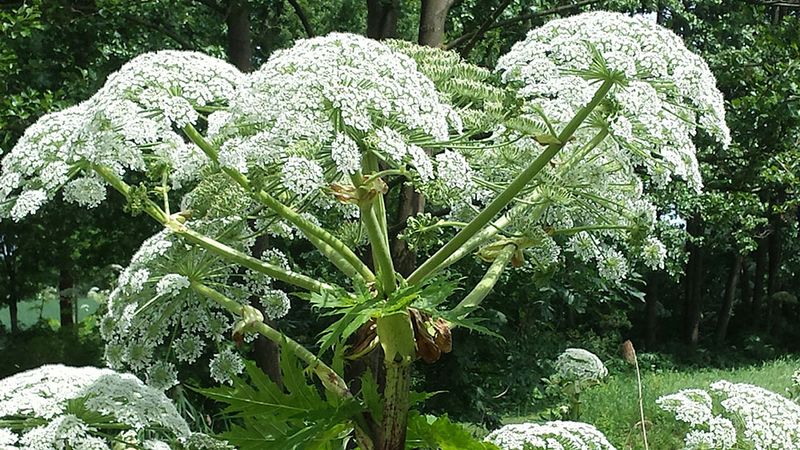
Dealing with hogweed can be frustrating due to its resistance to many control methods. Imagine trying various herbicides and physical removal techniques, only to see the plant return.
Hogweed’s resilience means that without persistent and thorough removal efforts, it can quickly re-establish itself. This stubborn nature makes it a formidable adversary in garden management.
To effectively manage hogweed, consistent and informed control measures are necessary. Overcome the challenge by committing to a robust removal strategy.