 Complete Gardening
Gardening enthusiasts know that choosing the right plants can transform a garden into a stunning oasis. However, not everyone has the time or expertise to care for high-maintenance plants.
Thankfully, there are shrubs that offer beauty without the burden of extensive upkeep. This blog post will introduce you to ten such shrubs, along with five you might want to think twice about including in your garden.
Whether you’re looking for vibrant blooms or lush greenery, these selections will help your garden thrive with minimal effort. Let’s explore these garden-friendly and not-so-friendly shrubs.
1. Lavender
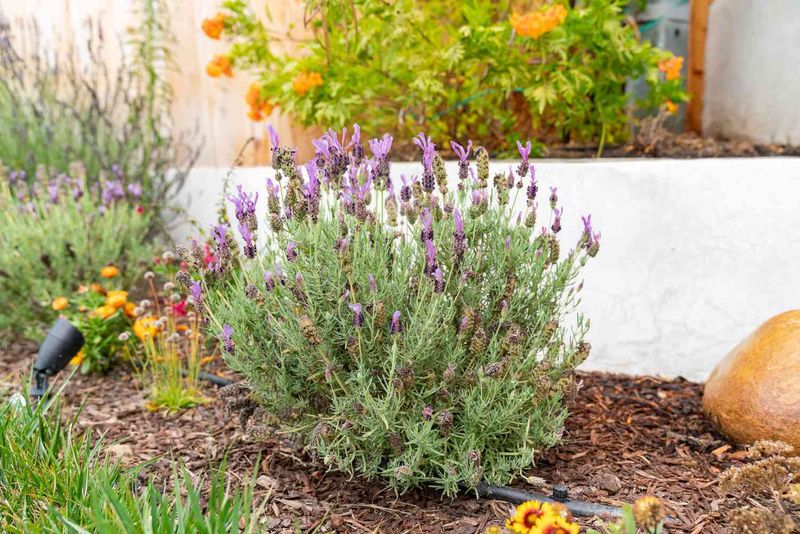
Imagine stepping into your garden and being greeted by the soothing scent of lavender. This hardy shrub not only offers a beautiful display of purple flowers but also fills the air with a calming aroma.
Lavender thrives in full sun and well-drained soil, requiring little more than occasional pruning to maintain its shape.
Its drought-resistant nature makes it perfect for low-maintenance gardens, and it attracts pollinators like bees and butterflies, adding life to your garden. Plant lavender near walkways for a delightful sensory experience every time you pass by.
2. Boxwood
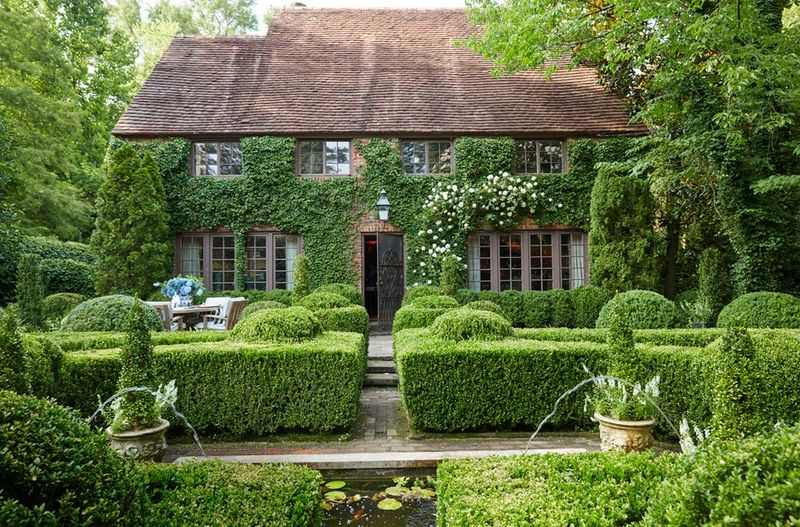
Boxwood is the unsung hero of garden design. Its dense foliage and compact form make it ideal for creating structured hedges or topiaries. This evergreen shrub requires minimal maintenance, thriving in various soil types and tolerating both sun and shade.
Regular trimming keeps it looking its best, but even without constant attention, boxwood maintains its elegant appearance year-round.
Its versatility allows it to be shaped into decorative forms, adding a touch of sophistication to any garden. Whether used as borders or focal points, boxwood effortlessly elevates your garden’s aesthetic.
3. Forsythia
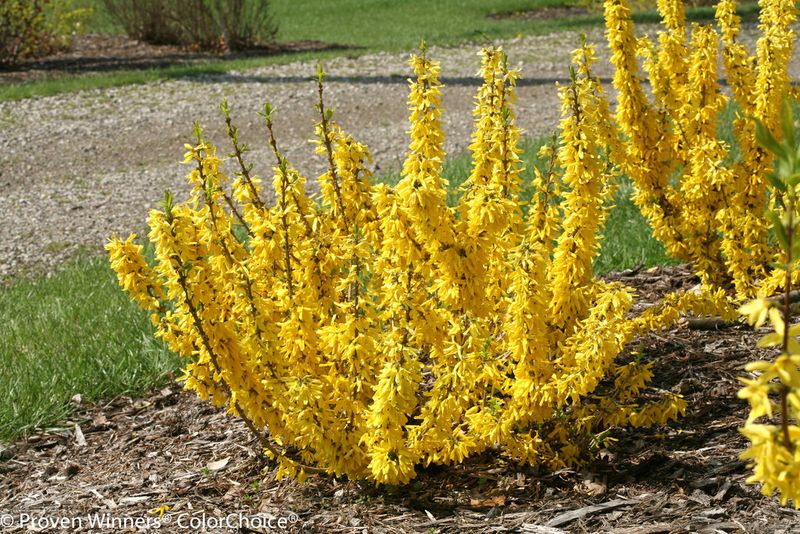
Forsythia bursts into bloom with vibrant yellow flowers, heralding the arrival of spring. This deciduous shrub is a favorite for those who love a splash of color early in the season.
Forsythia grows rapidly, adapting to most soil types and requiring little more than an annual prune to shape.
Its resilience to pests and diseases makes it a worry-free addition to your garden. Forsythia’s energetic blooms attract wildlife, enhancing the biodiversity of your outdoor space. Plant it as a standalone feature or as part of a mixed border for a cheerful garden display.
4. Spirea
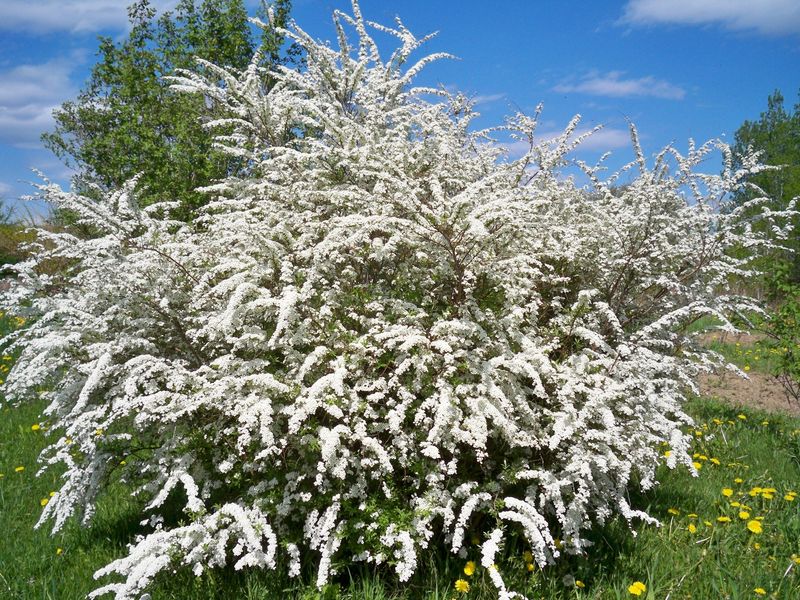
Spirea offers a profusion of delicate blooms that grace gardens with their gentle charm. These shrubs are easy to grow, thriving in full sun and tolerating a range of soil conditions.
Spirea requires minimal pruning, usually just a light trim after flowering to encourage new growth.
Its cascading clusters of flowers provide a soft, romantic feel, making it perfect for cottage gardens.
Spirea’s foliage also adds interest, with some varieties displaying vibrant fall colors. This adaptable shrub is a reliable choice for gardeners seeking effortless beauty.
5. Hydrangea
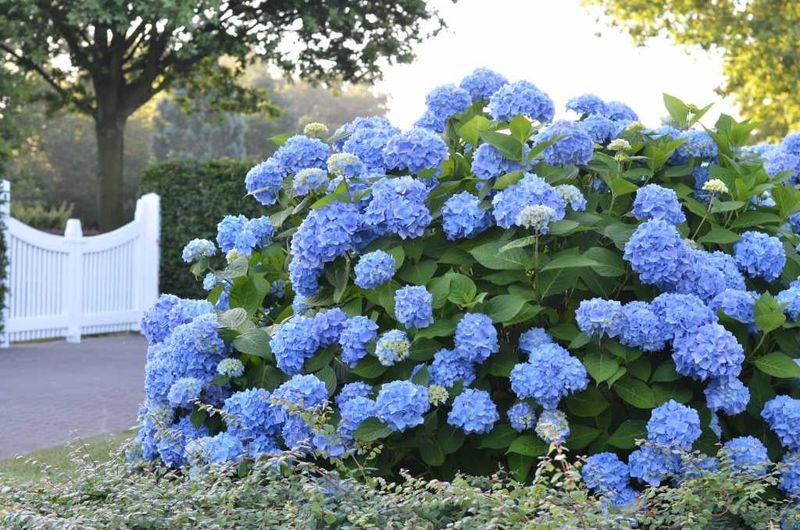
Hydrangeas are beloved for their impressive blooms that create a stunning visual impact. These shrubs thrive in well-drained soil and partial shade, requiring regular watering to keep their flowers lush.
Pruning hydrangeas can be minimal, depending on the variety, allowing them to flourish with little intervention. The large, vibrant blooms are a magnet for pollinators, bringing life and movement to your garden.
Hydrangeas offer a range of colors, from blue to pink, depending on soil acidity, adding versatility and charm to your outdoor space.
6. Lilac
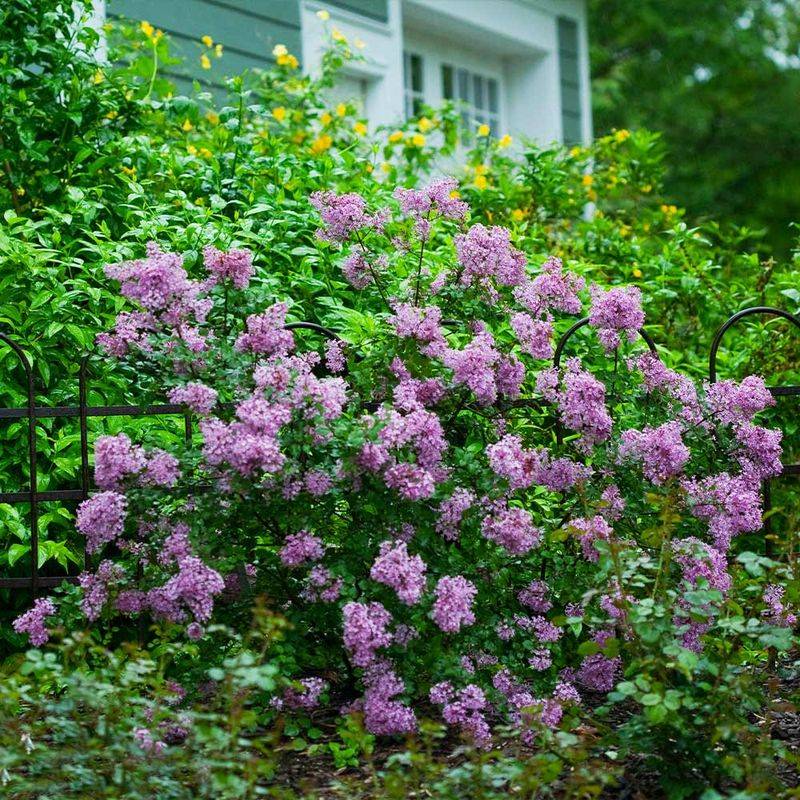
Lilacs are cherished for their intoxicating fragrance and beautiful blooms. These deciduous shrubs are easy to grow, preferring sunny locations with well-drained soil. Lilacs require pruning after flowering to keep them healthy and promote new growth.
Their fragrant purple or white flowers are a highlight in any garden, making them a popular choice for borders or as standalone specimens.
Lilacs attract butterflies, enhancing the sense of a thriving ecosystem. Their pleasant aroma and vibrant blooms provide sensory delight and visual appeal with minimal maintenance.
7. Azalea
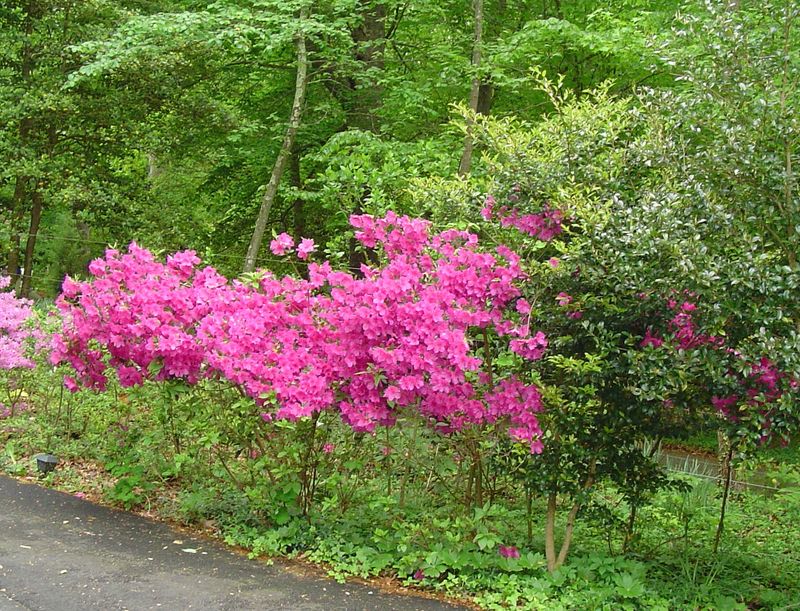
Azaleas are a favorite for their stunning, colorful blooms that light up gardens in spring. These shrubs thrive in acidic, well-drained soil, requiring minimal pruning after flowering to maintain their shape.
With a wide variety of colors, azaleas can suit any garden theme, from subtle pastels to vibrant hues. They prefer partial shade, making them ideal for brightening up darker areas of your garden.
Azaleas’ resilience and low maintenance needs make them an excellent choice for gardeners seeking easy elegance and seasonal color.
8. Rhododendron
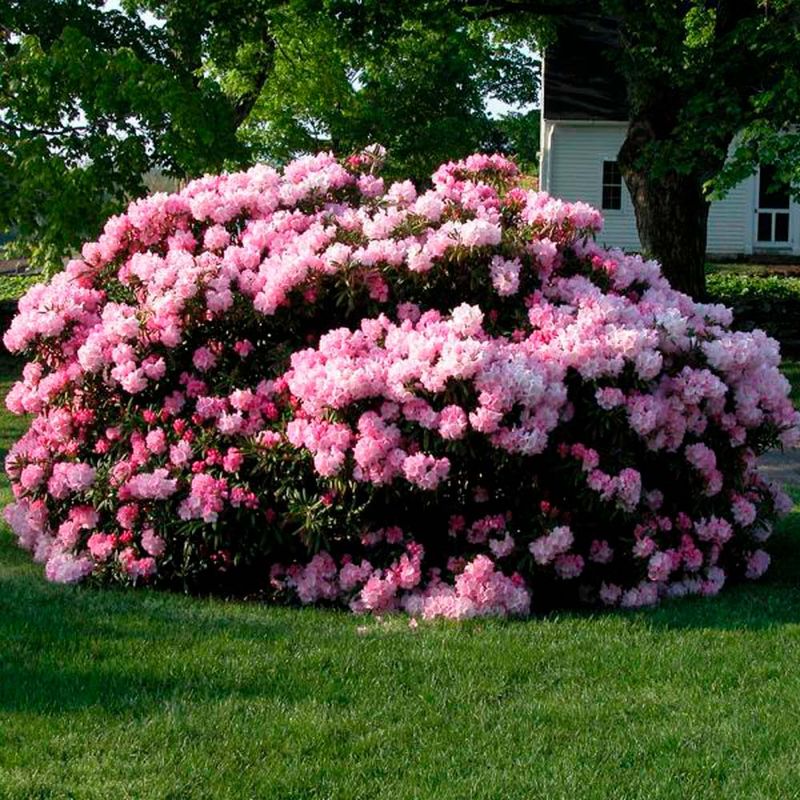
Rhododendrons are prized for their large, showy blooms and evergreen foliage. These shrubs thrive in acidic, well-drained soil and prefer dappled sunlight, making them suitable for woodland gardens.
Rhododendrons require minimal pruning, usually just removing spent blooms to encourage new growth. Their spectacular flowers create a dramatic focal point, attracting pollinators and enhancing garden biodiversity.
With a wide range of colors and sizes, rhododendrons offer variety and beauty for garden enthusiasts seeking low-maintenance charm.
9. Viburnum
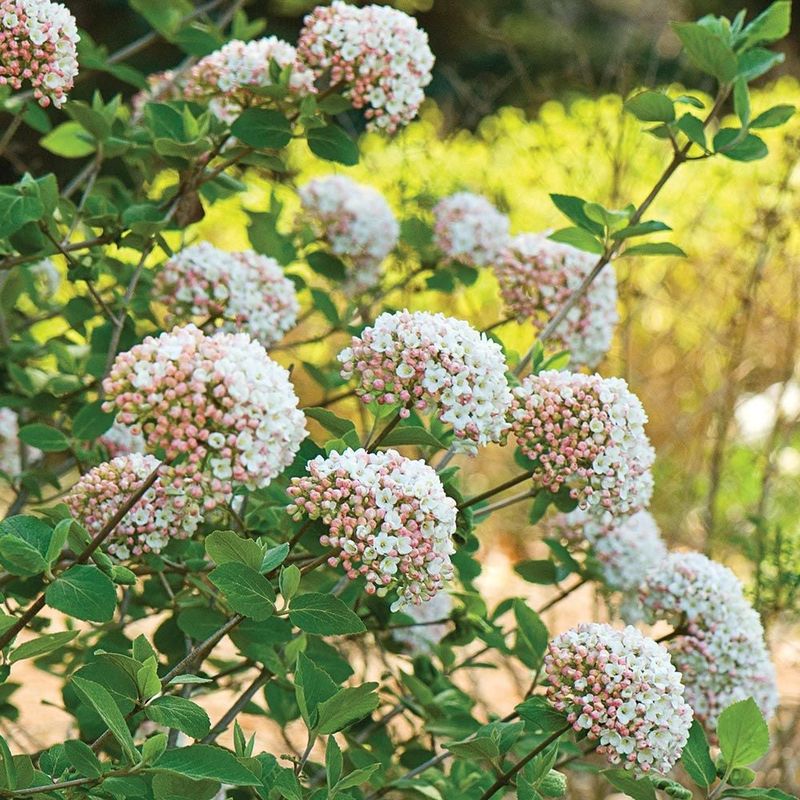
Viburnum is a versatile shrub known for its fragrant flowers and vibrant berries. It adapts well to different soil types and thrives in both sun and partial shade, requiring minimal care to flourish.
Pruning is mainly to shape and control growth, making viburnum an easy choice for gardeners seeking both beauty and practicality. Its seasonal interest includes spring blooms and colorful fall foliage, adding dynamic visual appeal.
Viburnum’s ability to attract wildlife further enriches your garden with life and activity, offering a harmonious blend of aesthetics and ecology.
10. Butterfly Bush
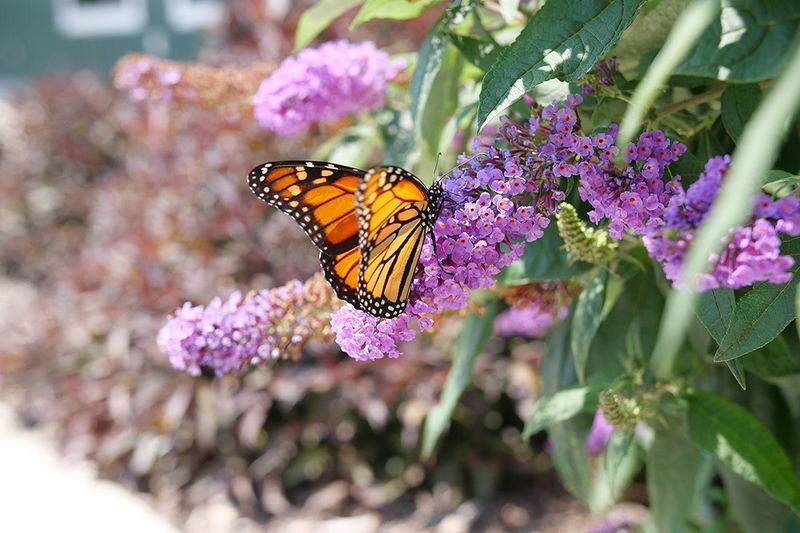
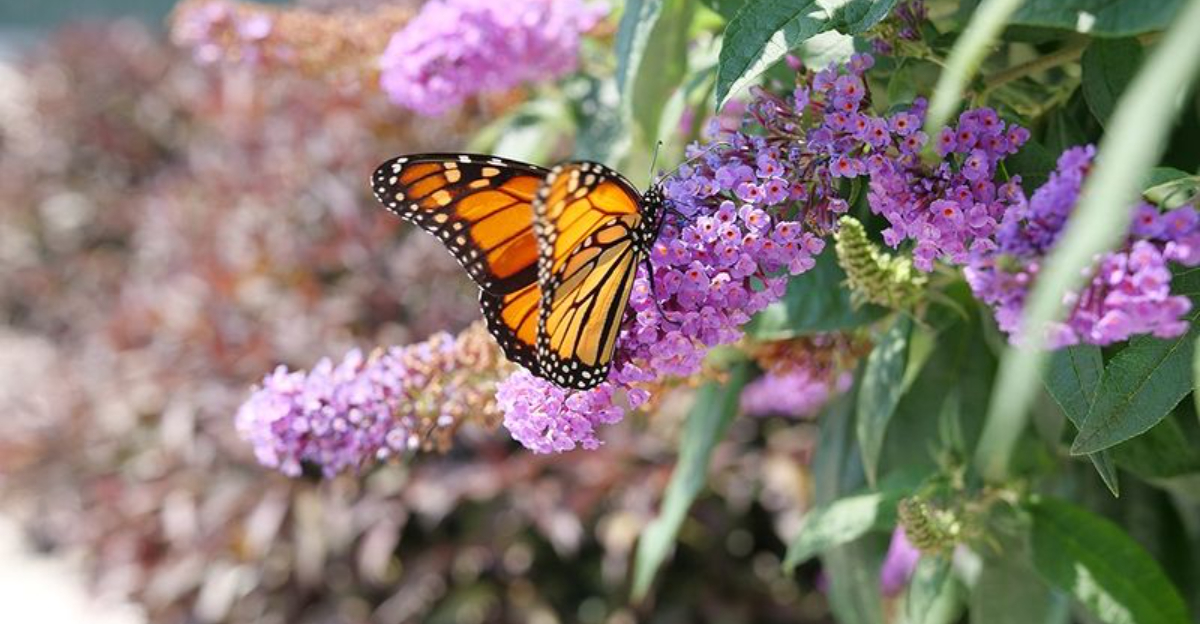
The butterfly bush is a magnet for pollinators, offering an abundance of nectar-rich flowers that attract a variety of butterflies and bees. These shrubs are hardy and adaptable, thriving in sunny locations with well-drained soil.
Pruning is simple, typically done in late winter to promote vigorous growth. The butterfly bush’s long, arching branches and colorful blooms provide a lively, dynamic garden atmosphere.
Its ability to attract beneficial insects makes it an essential addition for those looking to support garden biodiversity while enjoying vibrant, easy-care flowers.
1. Russian Sage
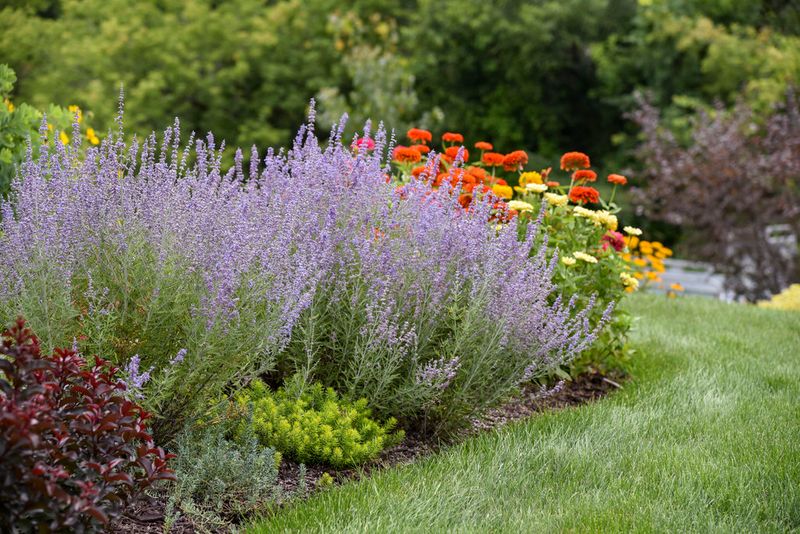
Russian sage adds a touch of whimsy to gardens with its tall, wispy stems and lavender-blue flowers. This drought-resistant shrub thrives in poor, well-drained soil and full sun, requiring minimal maintenance.
Its aromatic foliage and long blooming season make it a favorite among gardeners seeking low-effort beauty. The airy, open habit of Russian sage lends a soft texture to borders or mixed plantings.
Its resilience and ability to attract pollinators like bees make it a valuable addition to any garden seeking both charm and ecological benefits.
2. Japanese Barberry (Avoid)
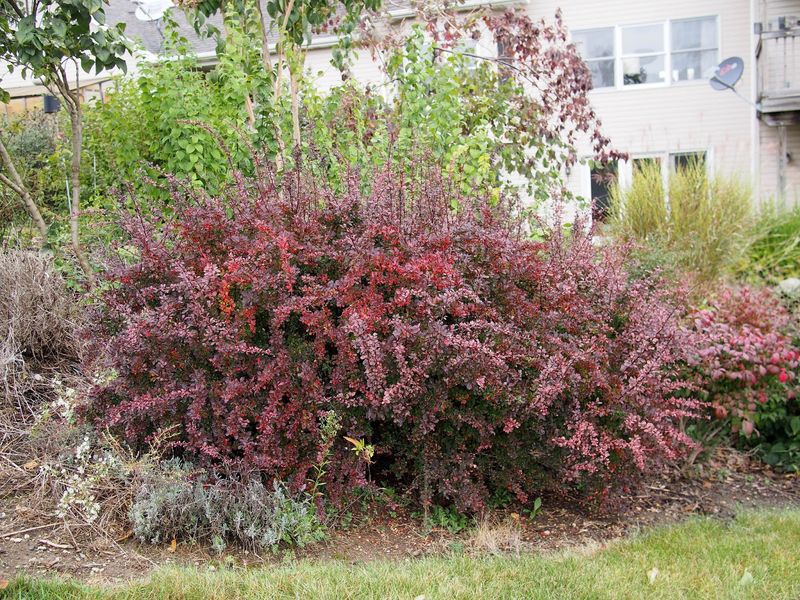
While Japanese barberry may seem appealing with its colorful foliage and berries, it’s best avoided. This invasive shrub can quickly take over gardens, outcompeting native plants and altering ecosystems.
Its dense growth and sharp thorns make it difficult to manage, posing a challenge for gardeners. Additionally, Japanese barberry is a known host for ticks, increasing the risk of Lyme disease.
Instead of planting barberry, consider native alternatives that support local wildlife and promote biodiversity, ensuring a healthier and more sustainable garden environment.
3. Burning Bush (Avoid)
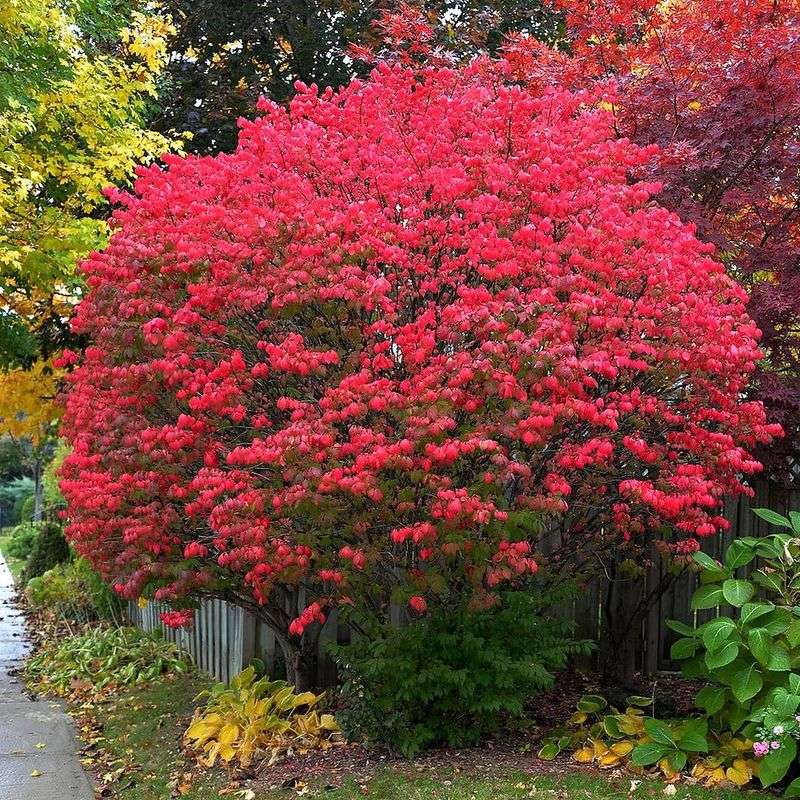
The burning bush is renowned for its brilliant red foliage in autumn, but it comes with significant drawbacks. This shrub is highly invasive, spreading aggressively and displacing native flora.
Its ability to thrive in various conditions makes it difficult to control, leading to ecological imbalances. The burning bush is often banned in certain regions due to its invasive nature.
Opt for native shrubs that offer similar fall color without the environmental impact, helping preserve local ecosystems while still enhancing your garden’s seasonal display.
4. Privet (Avoid)
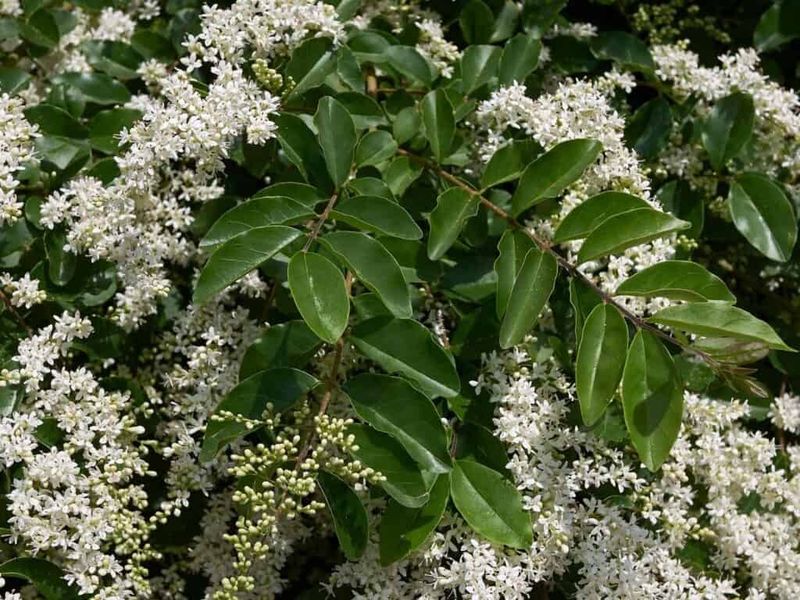
Privet hedges are popular for their dense, leafy growth, but they often become more trouble than they’re worth. These shrubs are invasive, spreading rapidly and requiring frequent trimming to maintain their shape.
Privet can outcompete native species, reducing biodiversity and altering habitats. Their rapid growth may appeal to those seeking quick privacy, but the long-term maintenance and ecological impact make them less desirable.
Consider alternative native hedgerow plants that support local wildlife and offer a more sustainable solution for creating garden boundaries.
5. Chinese Wisteria (Avoid)
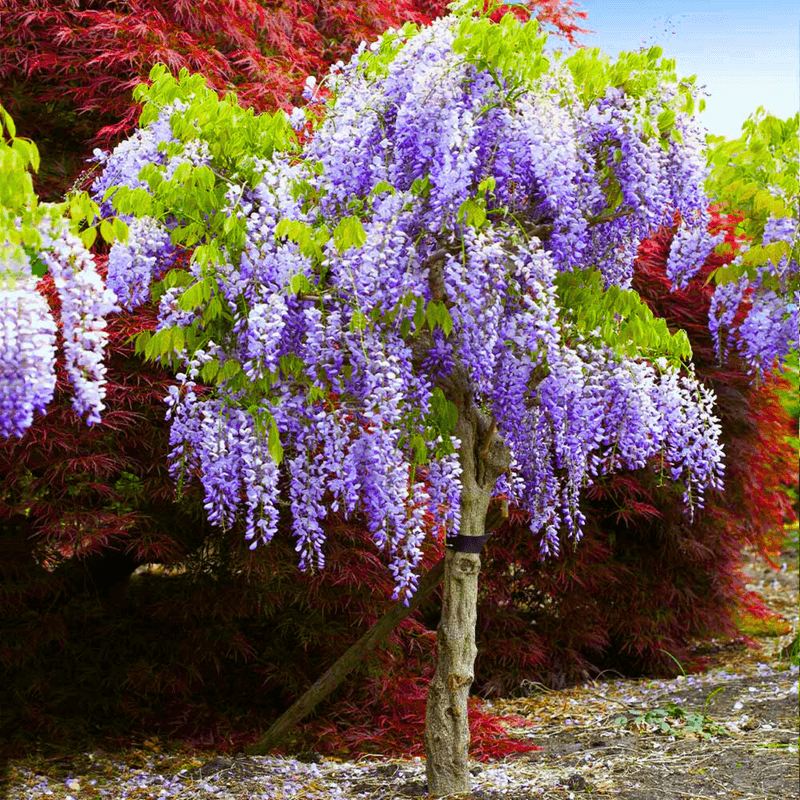
Chinese wisteria is admired for its cascading, fragrant blooms, but it poses significant challenges for gardeners. This vigorous vine can overtake structures and plants, requiring constant pruning to keep in check.
Its invasive nature allows it to spread rapidly, damaging native habitats and reducing biodiversity. While its beauty is undeniable, the maintenance and ecological risks make it an unsuitable choice for many gardens.
Opt for less aggressive native vines that provide similar visual appeal without the drawbacks, ensuring a balanced and harmonious garden environment.