 Complete Gardening
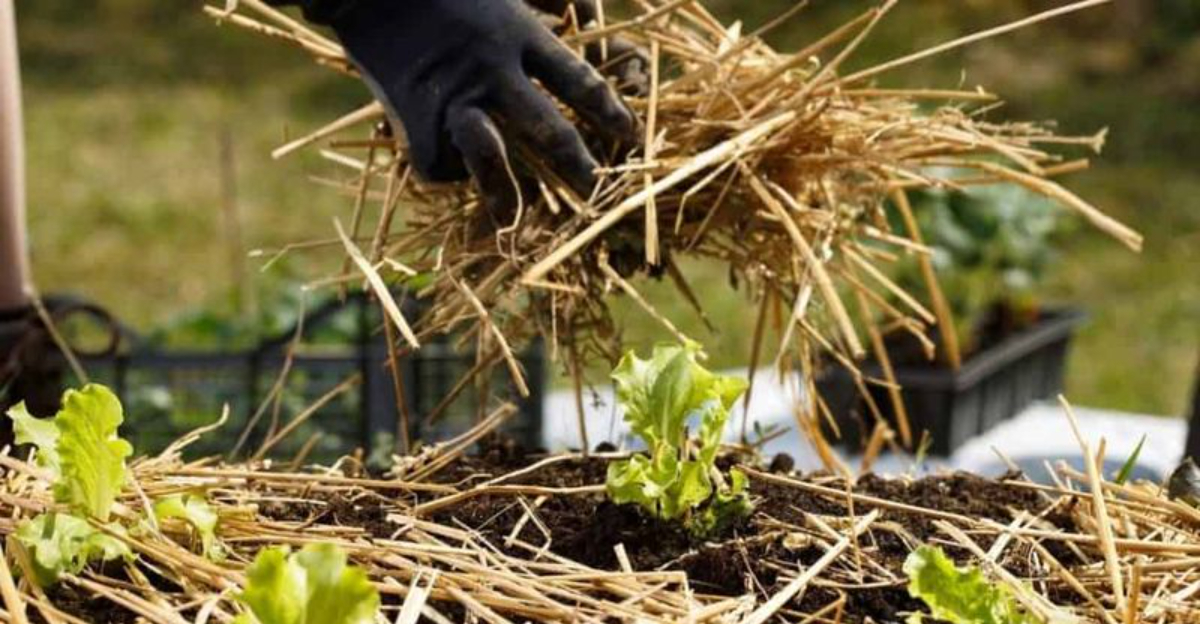
March is one of the most important months in the gardening calendar. While the garden may still look quiet, the work you do now can prevent many common issues later in spring and summer – from weeds and pests to weak plants and poor soil.
Taking a few simple steps early in the season can save hours of frustration later.
1. Add Fresh Compost to Garden Beds
Winter weather often leaves soil depleted and compacted. Adding a layer of compost helps restore nutrients and improves soil structure.
Spread about 2 to 5 centimeters of compost over your beds to feed soil microbes and prepare the ground for planting.
2. Apply Mulch Before Weeds Appear
Weeds begin germinating as soon as soil temperatures rise. Adding mulch in March blocks sunlight from reaching weed seeds.
A layer of 5 to 8 centimeters of organic mulch can dramatically reduce weed problems later.
3. Inspect Plants for Early Pests
Many pests overwinter on stems, leaves, or in soil. Checking plants early allows you to remove problems before populations explode.
Look closely at:
- Leaf undersides
- New buds
- Stem joints
Early detection makes pest control much easier.
4. Clean and Sharpen Garden Tools
Sharp tools make pruning cleaner and reduce damage to plants. March is a good time to clean blades, sharpen pruners, and disinfect tools to prevent spreading disease.
5. Check Soil Drainage
Spring rain can reveal drainage problems. If water pools in certain areas, consider improving drainage with compost, raised beds, or better soil structure.
Plants growing in waterlogged soil often develop root problems.
6. Start Seeds Indoors
Many vegetables and flowers benefit from an early indoor start. Beginning seeds now allows them to develop strong roots before transplanting later in spring.
Just make sure seedlings receive plenty of light.
7. Prune Dead or Damaged Growth
Remove broken branches and dead stems from trees, shrubs, and perennials. This encourages healthier new growth and improves airflow around plants.
8. Refresh Mulch Around Trees and Shrubs
Old mulch may have decomposed over winter. Replenishing it helps conserve moisture, protect roots, and reduce weed competition.
Keep mulch slightly away from the base of trunks and stems.
9. Plan Your Garden Layout
March is a great time to review what you’ll plant and where. Rotating crops, spacing plants properly, and planning companion plantings can prevent many disease and pest problems later.
10. Feed the Soil Before the Plants
One of the smartest habits gardeners follow is focusing on soil health first. When soil contains enough organic matter and microbial life, plants become more resilient.
Healthy soil often means fewer pests, fewer diseases, and stronger growth.
A Little Work Now Saves a Lot Later
Gardening problems rarely appear overnight – they usually begin weeks earlier. By taking care of soil, plants, and preparation in March, you give your garden a stronger foundation for the entire season.
Sometimes the easiest way to solve garden problems is to prevent them before they start.