 Complete Gardening
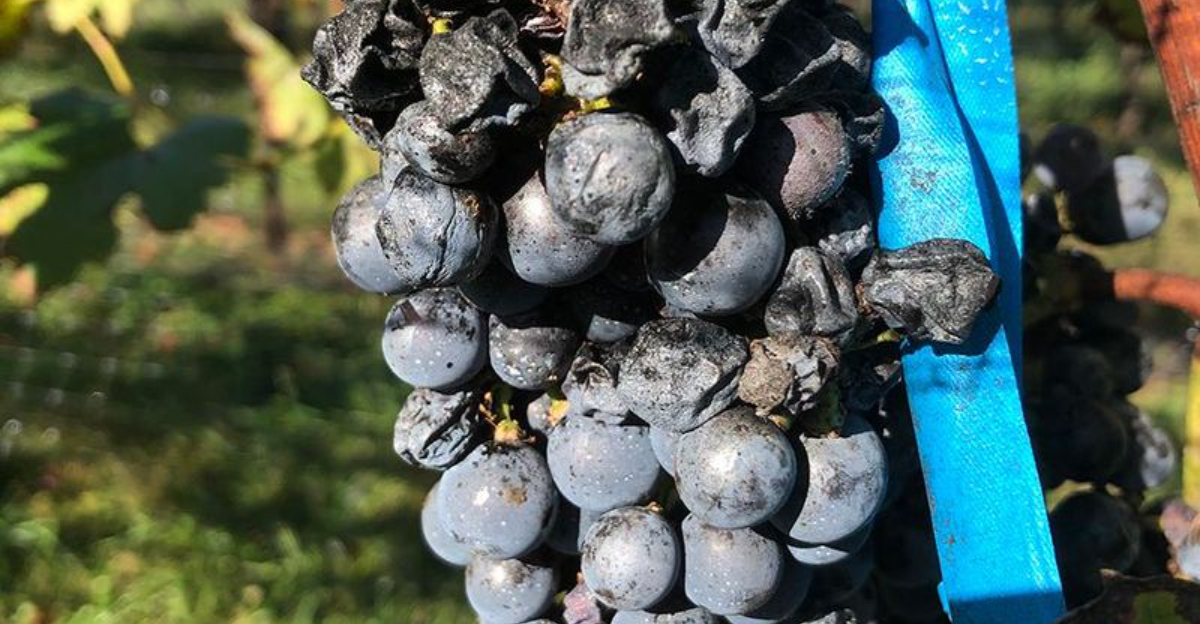
Gardening enthusiasts and professionals alike are often familiar with the standard tools and substances that help cultivate vibrant plant life. However, beyond the usual fertilizers and pest controls lies a fascinating world of unusual garden chemicals that can dramatically influence growth, resilience, and flowering in unexpected ways. From growth hormones discovered in peculiar circumstances to natural polymers derived from crustaceans, these chemicals offer intriguing possibilities for gardeners willing to explore beyond conventional methods. Discover ten such chemicals that might just revolutionize your gardening approach.
1. Gibberellic Acid (GA3) – The Giant Growth Hormone
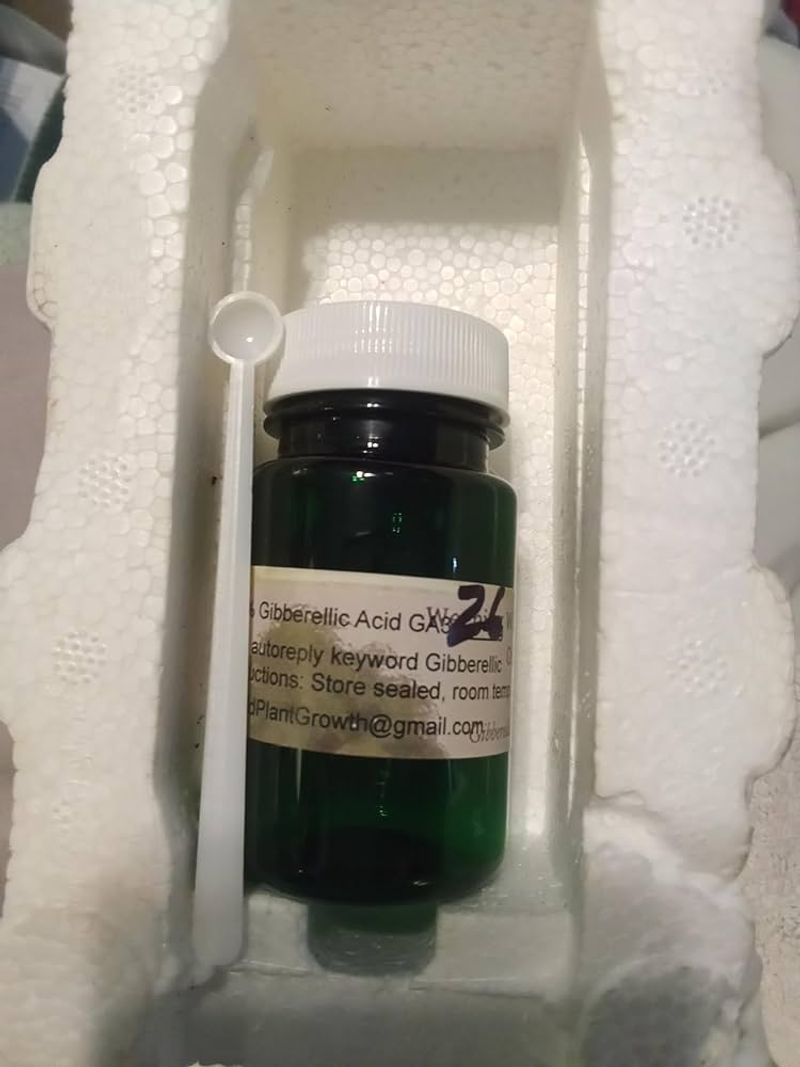
Gibberellic Acid (GA3) is a natural plant hormone known for its impressive ability to accelerate germination and elongate plant stems. Imagine pumpkins the size of small cars at your local fair—that’s the magic of GA3. Originally discovered when Japanese scientists observed abnormally tall rice plants due to a fungal infection, this hormone has since become an intriguing tool for gardeners aiming to produce record-breaking vegetables. While its capabilities may seem like magic, GA3 offers a tangible method to push the boundaries of plant growth beyond the ordinary.
2. Silver Thiosulfate – The Sex-Changer for Plants
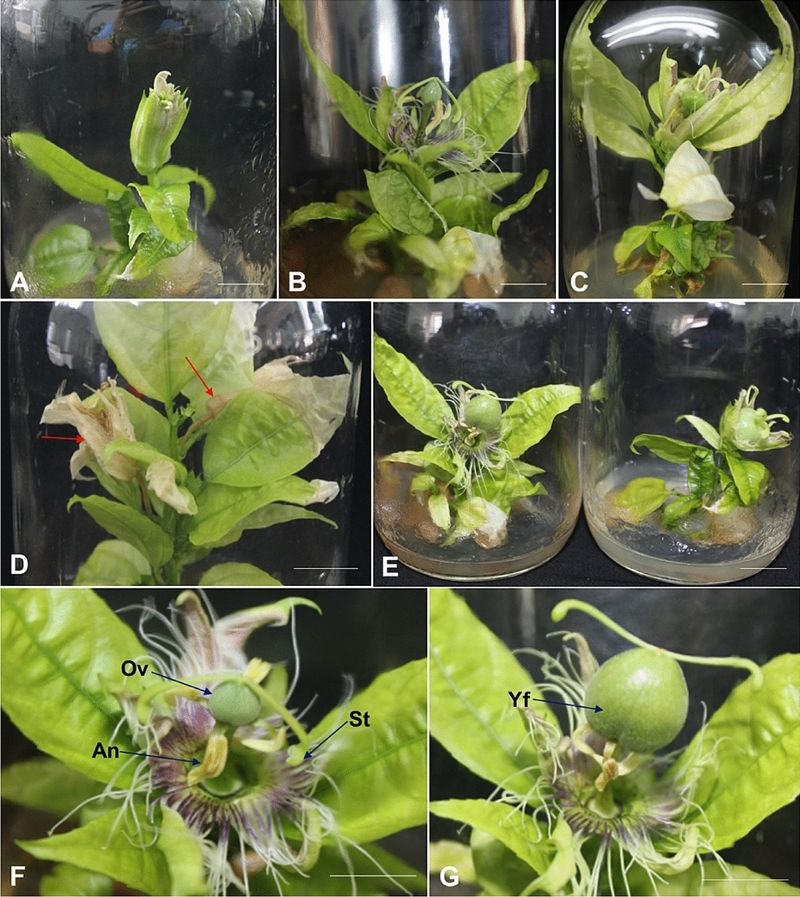
Silver Thiosulfate is a fascinating compound that has the unique ability to alter the sex of plant flowers. Imagine controlling the reproductive process of your garden plants with precision. By blocking ethylene inhibitors, Silver Thiosulfate forces female flowers on otherwise male plants, such as cannabis and cucumbers. This chemical is not just a tool for breeders but also a testament to the ingenuity of modern horticultural practices, enabling controlled pollination without genetic modification.
3. Chitosan – Crab Shells for Plant Immunity
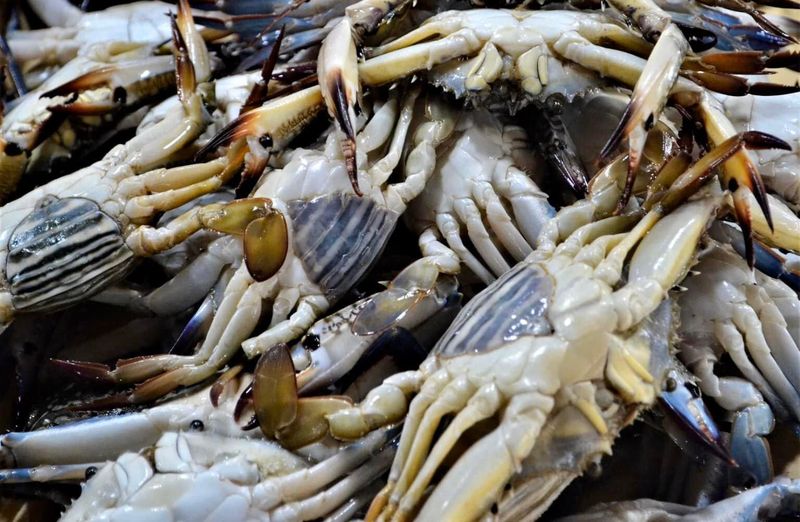
Chitosan, derived from the shells of crustaceans like crabs, offers a natural way to boost plant resistance against fungi and pests. Picture a garden with healthier, more resilient plants, thanks to this unique polymer. Chitosan’s versatility extends beyond horticulture; it also finds use in weight-loss supplements and even biodegradable food packaging. Its multifunctionality and eco-friendly nature make it a valuable asset in both gardening and various industrial applications.
4. Paclobutrazol – The Bonsai Maker

Paclobutrazol is the secret behind perfectly manicured bonsai trees and neatly trimmed hedges. This growth retardant allows gardeners to control plant size, creating aesthetically pleasing landscapes. Imagine your backyard transformed into a peaceful Japanese garden, where every plant is perfectly proportioned. However, caution is advised, as overuse can lead to soil toxicity. Despite this risk, Paclobutrazol remains an essential tool for those seeking to master the art of plant miniaturization.
5. Colchicine – The Polyploidy Creator
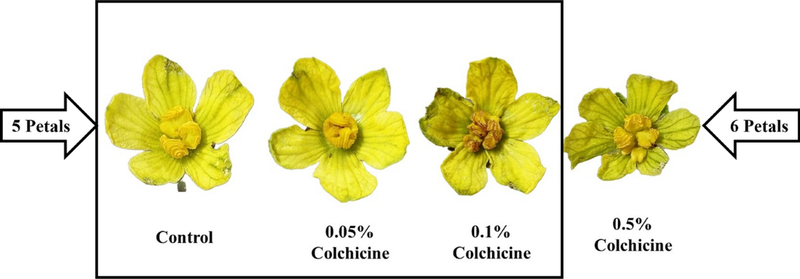
Colchicine offers a glimpse into the world of genetic enhancement by doubling a plant’s chromosomes. Envision flowers with larger-than-life blooms or seedless fruits that delight the senses. Sourced from the autumn crocus, this chemical has applications beyond horticulture, including medical uses like gout treatment. However, it’s crucial to handle Colchicine with care due to its toxicity in high doses. This fascinating chemical represents the blend of science and nature in crafting extraordinary plant features.
6. Sodium Silicate – The Tomato Saver
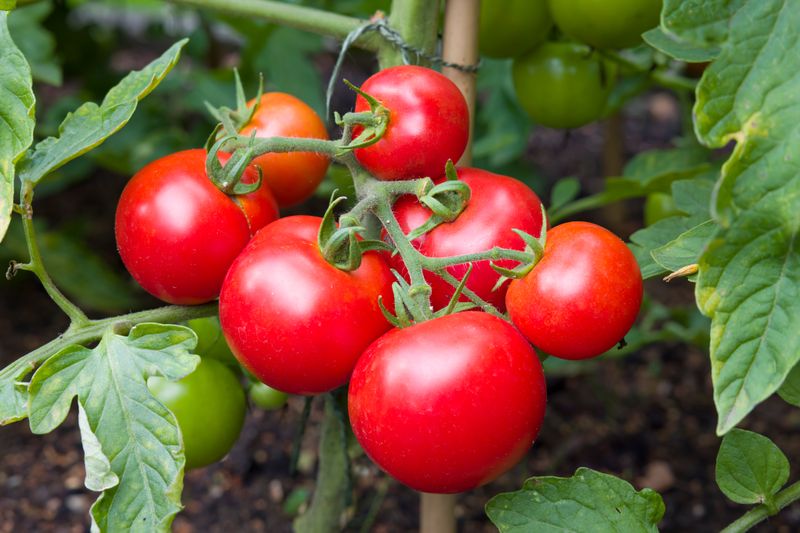
Sodium Silicate is a gardener’s ally in preventing blossom-end rot in tomatoes and peppers. Imagine enjoying a bountiful harvest of flawless tomatoes, each one free of unsightly blemishes. This chemical works by strengthening cell walls, providing a sturdy defense against common fruit disorders. Sodium Silicate’s utility isn’t confined to gardening; it’s also employed in concrete and fireproofing materials, showcasing its diverse applications and reliability across various fields.
7. Kinetin – The Anti-Aging Spray

Kinetin serves as a rejuvenating agent in the plant world, delaying the aging of leaves and keeping cut flowers fresh longer. Imagine a bouquet that retains its vibrant hues and vitality well beyond expectations. This cytokinin’s role extends into cosmetics, where it’s marketed as a ‘plant-based youth factor’ for skin creams. With its dual applications in both botany and beauty, Kinetin stands as a testament to the interconnectedness of nature’s processes and human ingenuity.
8. Myclobutanil – The Not-So-Organic Fungicide
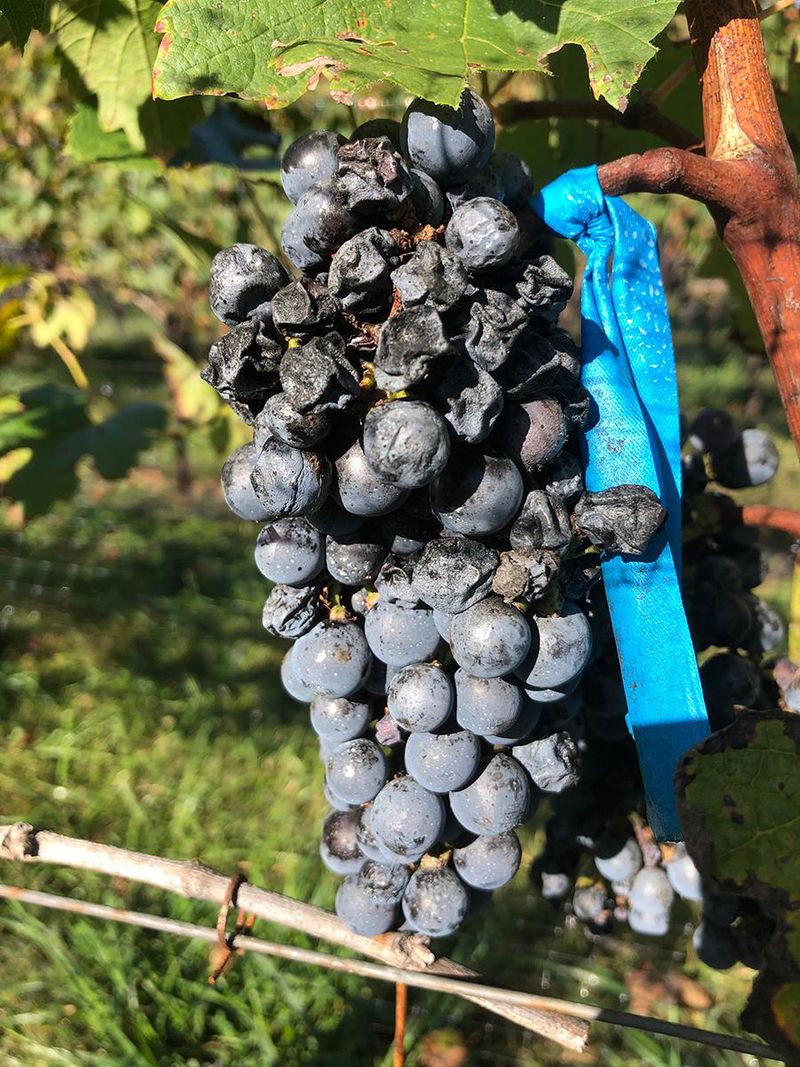
Myclobutanil is a powerful fungicide that plays a crucial role in protecting crops like grapes and roses. Despite its effectiveness, it’s controversial due to its byproducts, which can transform into hydrogen cyanide when heated. This property restricts its use in organic farming and cannabis production. Myclobutanil’s reach extends to human health, where it’s used to treat athlete’s foot, highlighting its potency and versatility. Its application requires careful consideration of both benefits and risks.
9. Calcium Carbide – The Fake Fruit Ripener
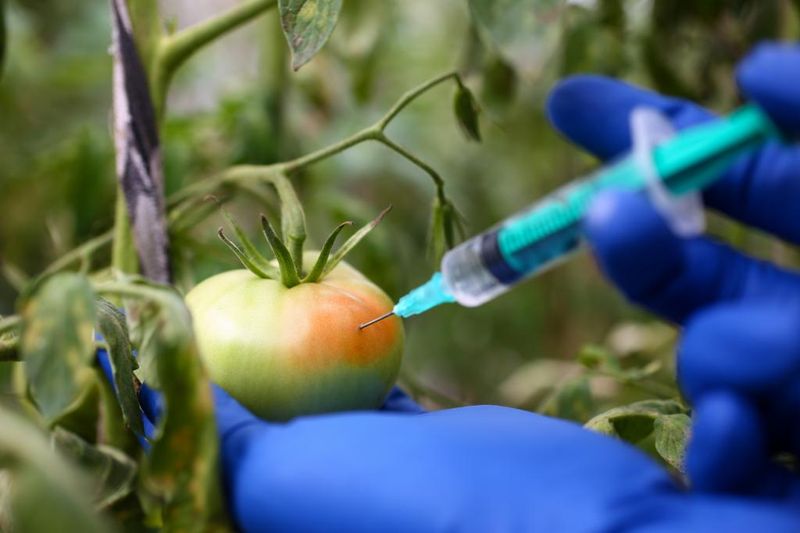
Calcium Carbide is notorious for its illegal use as a fruit ripener in various countries. Picture a bustling market with mangoes and bananas displaying unnaturally uniform hues. This chemical releases ethylene gas, prompting rapid ripening. However, industrial-grade carbide may contain harmful contaminants like arsenic, posing health risks. Its usage demonstrates the fine line between agricultural innovation and consumer safety concerns, highlighting the ongoing challenges in ensuring food safety standards.
10. Sodium Hypochlorite (Diluted Bleach) – The Orchid Sterilizer
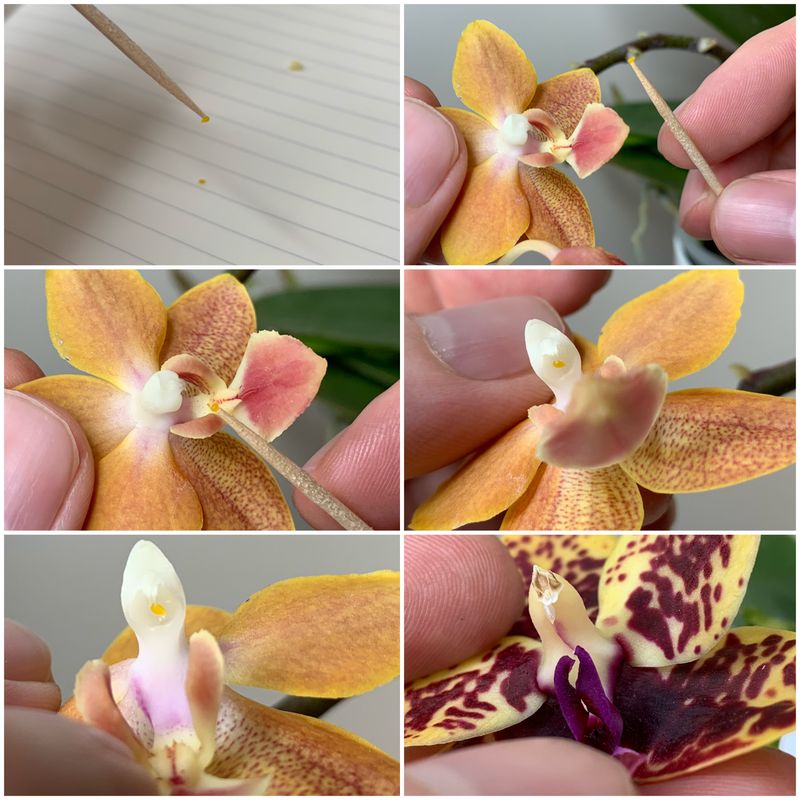
Sodium Hypochlorite, commonly known as diluted bleach, plays a vital role in the sterilization of orchid seeds for laboratory germination. Imagine the delicate process of handling tiny seeds, ensuring each one is free from fungal threats. Orchids, prized for their exotic beauty, require meticulous care during propagation. This chemical’s principle extends into tissue culture labs, where it’s used for cloning rare plants, showcasing its importance in both horticultural science and the preservation of biodiversity.