 Complete Gardening
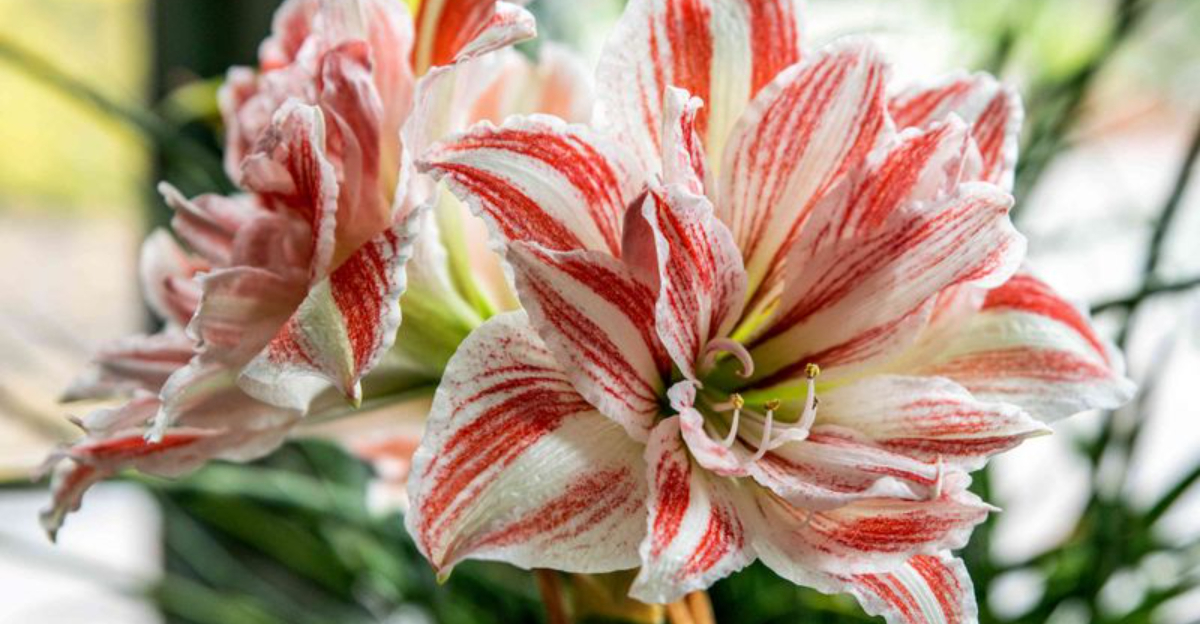
Amaryllis plants are known for their stunning and vibrant blooms. However, to achieve such beauty, they require the right care and attention, especially when it comes to fertilizing.
In this guide, we’ll explore 12 effective fertilizing tricks that can make your amaryllis bloom like never before.
These tips are designed to enhance the growth and blooming potential of your plant, ensuring that it dazzles with every flowering cycle.
1. Choose a Balanced Fertilizer
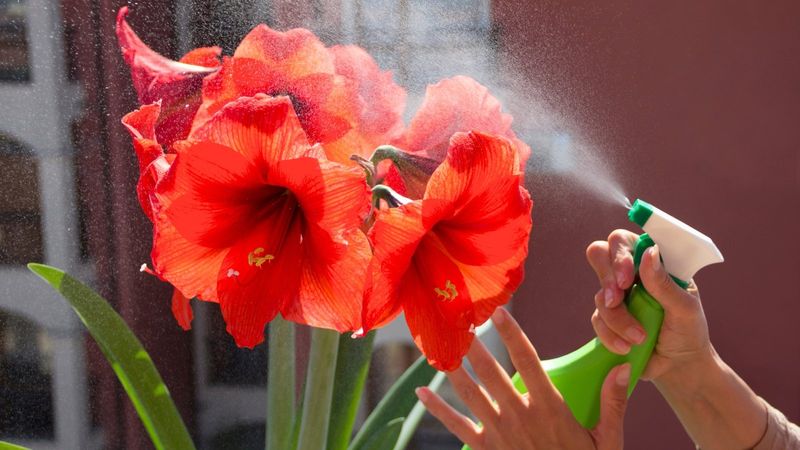
Selecting a balanced fertilizer is crucial for the healthy growth of your amaryllis. Look for one with equal parts nitrogen, phosphorus, and potassium.
This ensures that the plant receives all the necessary nutrients in the right proportions. A balanced fertilizer supports robust root development and vibrant blooms.
When purchasing, check the label for a 10-10-10 or similar formulation. This choice will provide a steady supply of nutrients throughout the growing season. Opt for a product suitable for bulb plants, as it will cater specifically to their needs.
2. Start Fertilizing After Planting
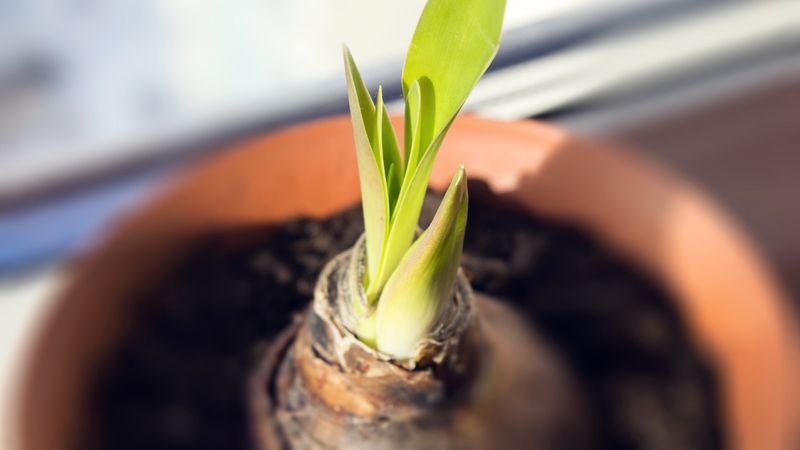
Begin fertilizing your amaryllis after planting the bulb. This timing allows the plant to absorb nutrients as it starts its growth journey. Apply the fertilizer when you notice green shoots emerging.
Use a gentle approach, ensuring not to overwhelm the young plant. A light application helps the bulb establish itself and prepares it for robust growth. Choose a water-soluble fertilizer for precise control over nutrient delivery, ensuring even distribution.
3. Feed Regularly
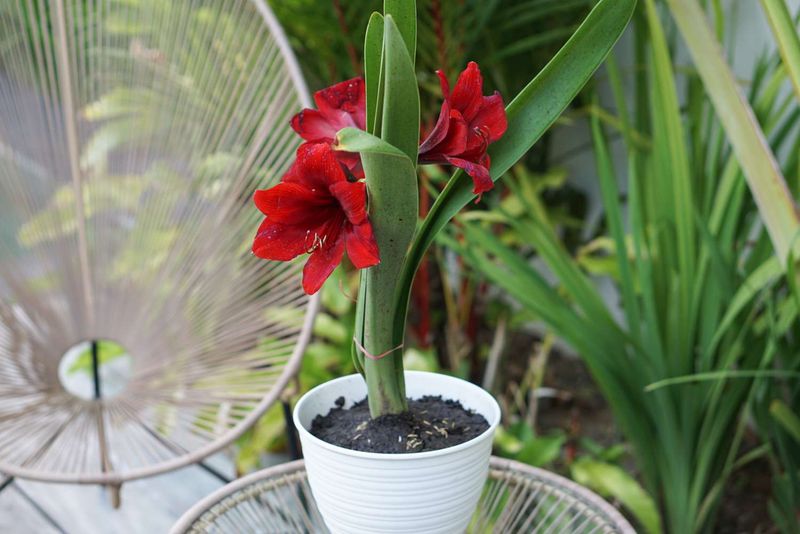
Regular feeding is essential for consistent blooms. Create a fertilization schedule that aligns with your amaryllis’s growth cycle. Generally, feeding every 4-6 weeks is effective.
Regular applications provide a continuous nutrient supply, supporting healthy leaves and blooms. Adjust frequency based on the plant’s response and environmental factors. Observing growth patterns will guide you in fine-tuning your schedule.
4. Use Liquid or Slow-Release Fertilizer
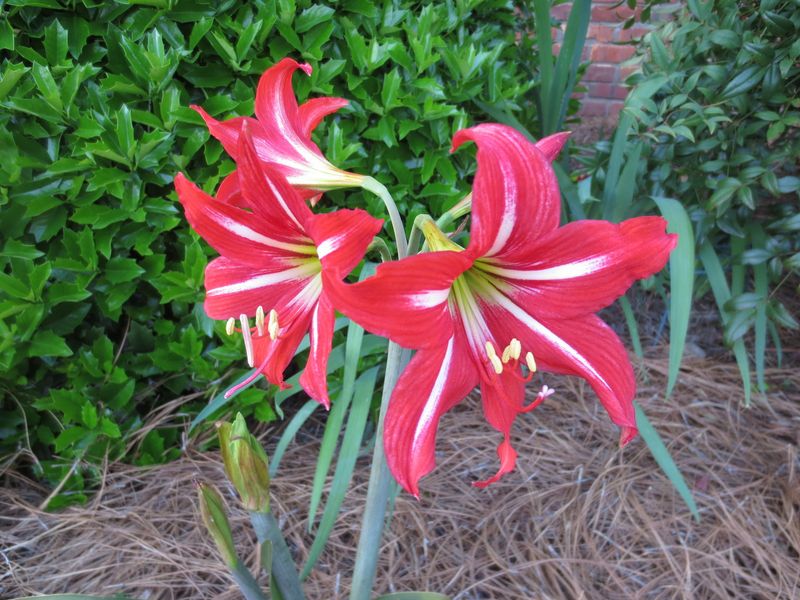
Consider using liquid or slow-release fertilizers. Liquid fertilizers offer quick nutrient uptake, ideal for active growth phases. They allow you to correct nutrient deficiencies promptly.
Slow-release options provide steady, long-term nutrition. They release nutrients gradually, minimizing the risk of over-fertilization.
This method suits gardeners seeking low-maintenance solutions. Evaluate your routine and choose a method that fits best, considering plant needs and convenience.
5. Avoid Overfertilizing
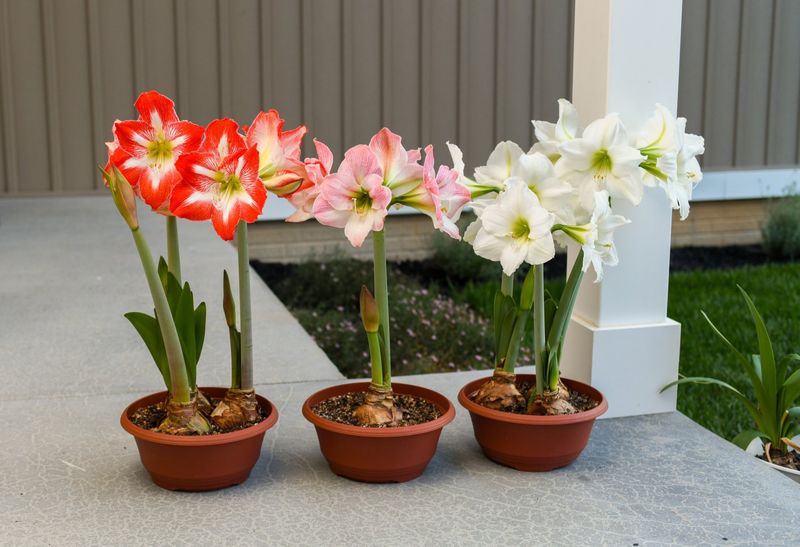
Overfertilizing can harm your amaryllis by causing nutrient burn and inhibiting growth. Less is often more, so exercise caution. Signs of overfertilization include yellowing leaves and stunted growth.
If you suspect overfertilization, flush the soil with water to remove excess salts. Adopting a conservative approach ensures your plant receives just the right amount of nutrients without adverse effects.
6. Use a High-Phosphorus Fertilizer for Flowering
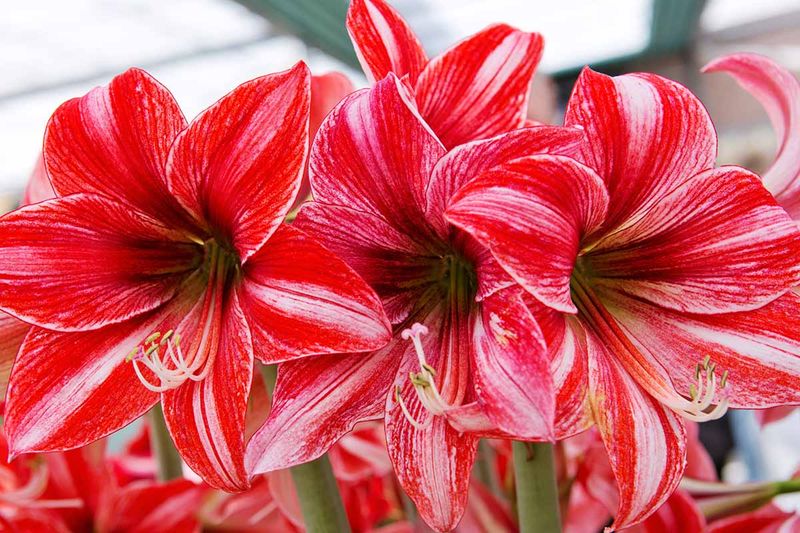
To enhance flowering, switch to a high-phosphorus fertilizer as blooms form. Phosphorus supports the development of vibrant and large flowers.
Look for formulations with a higher middle number, such as 10-30-10. Apply it just as buds appear, maximizing the nutrient availability during flowering stages. This targeted approach focuses energy on blossom production, ensuring breathtaking blooms.
7. Reduce Fertilization After Blooming
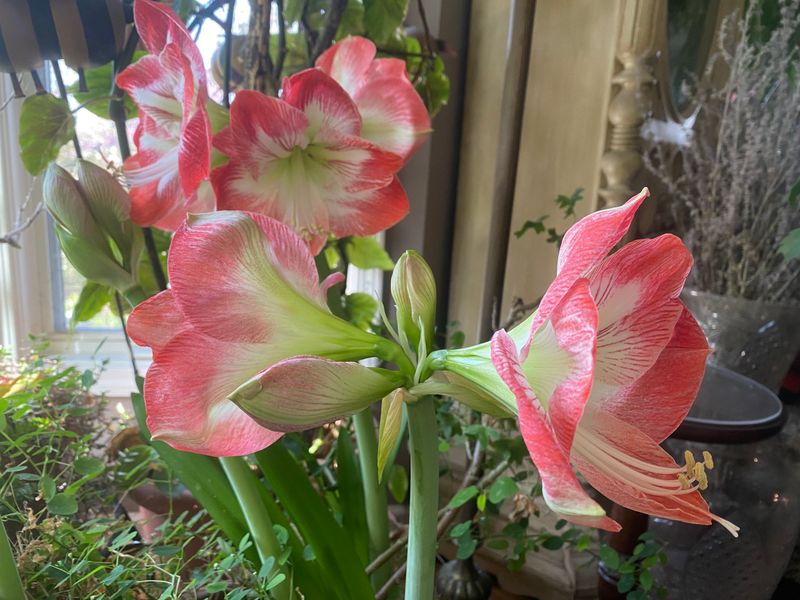
Once the blooming period ends, reduce fertilization. The plant requires fewer nutrients as it transitions to a resting phase. This adjustment prevents unnecessary nutrient buildup in the soil.
Gradually taper off feeding, allowing the plant to naturally wind down. This practice helps maintain soil health and prepares the bulb for dormancy.
8. Stop Feeding During Dormancy
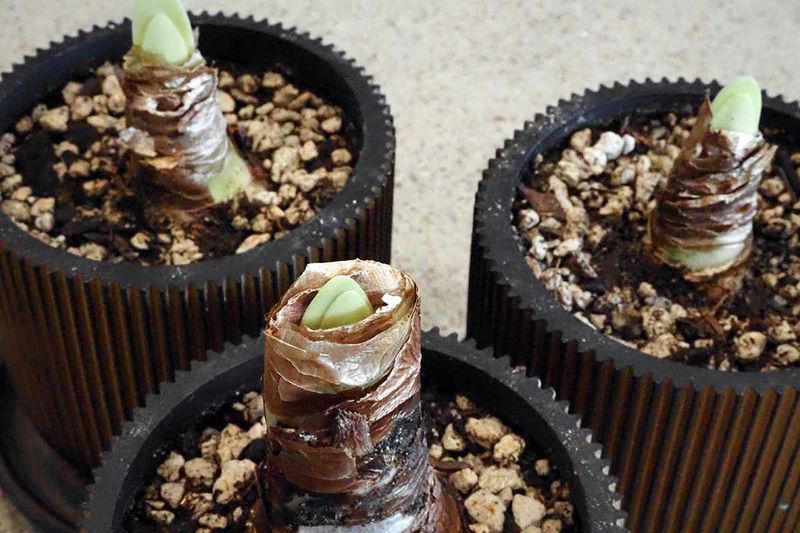
During dormancy, do not fertilize your amaryllis. This period allows the bulb to rest and rejuvenate. Nutrients are not needed as growth ceases temporarily.
Refrain from feeding until new growth emerges. This pause in fertilization aligns with the plant’s natural cycle, setting the stage for future blooming success.
9. Use Organic Options
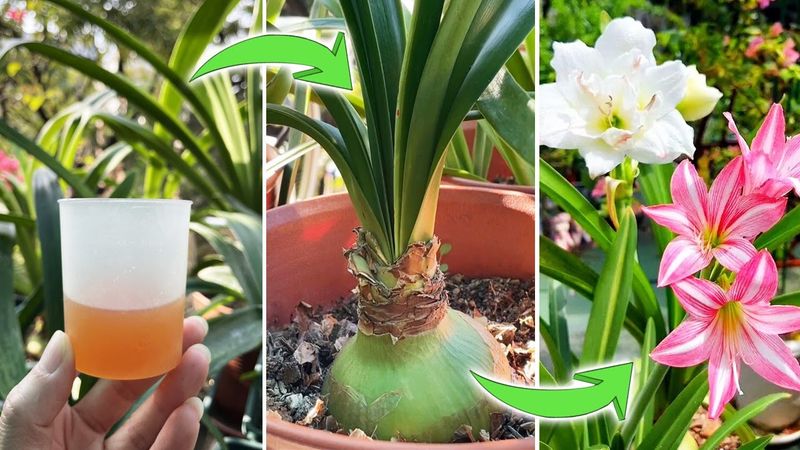
Organic fertilizers offer a natural alternative for feeding your amaryllis. They improve soil health and support sustainable gardening practices. Common organic options include compost, bone meal, and fish emulsion.
These products release nutrients slowly, reducing the risk of overfertilization. Opting for organic choices enhances the plant’s resilience and encourages eco-friendly gardening. This method aligns with a holistic approach to plant care.
10. Ensure Proper Watering
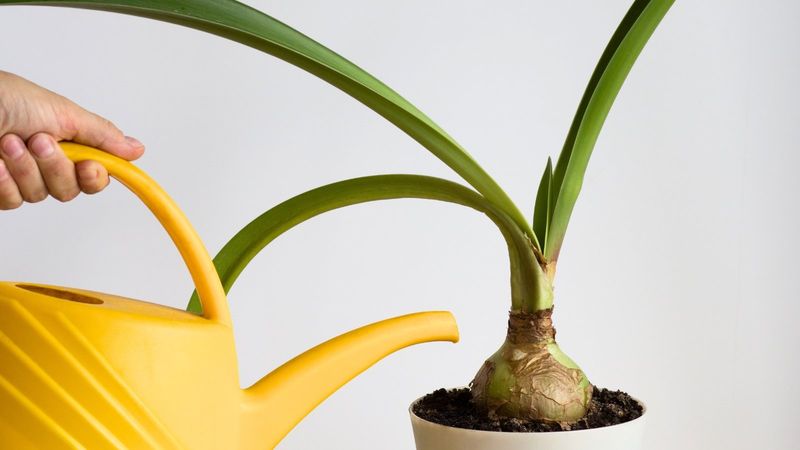
Proper watering complements fertilization, ensuring nutrient uptake. Water helps dissolve fertilizers, making nutrients accessible to the plant.
Ensure the soil is evenly moist but not waterlogged. Overwatering can wash away nutrients, while underwatering limits their absorption. Balance is key to successful fertilization and healthy growth.
11. Flush Out Excess Salts
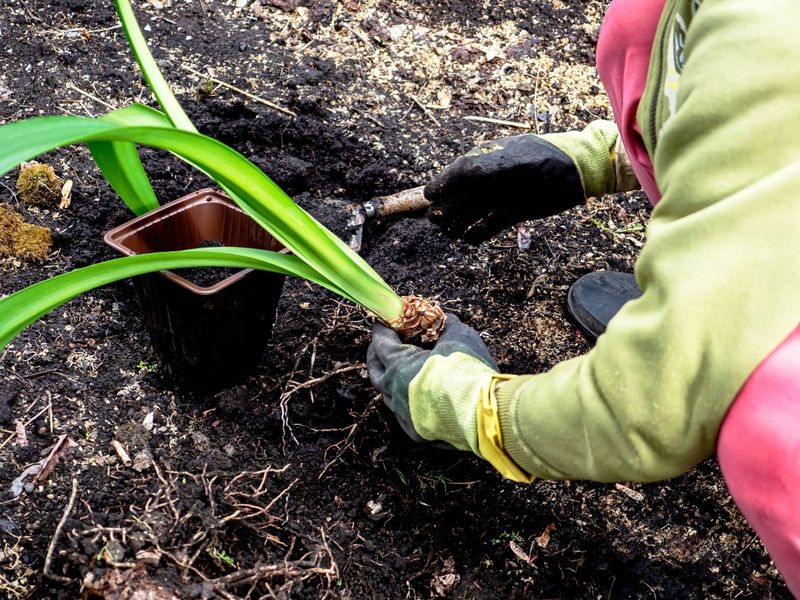
Periodically flush the soil to remove salts from fertilizers. Accumulated salts can harm plant roots and inhibit growth.
To flush, water thoroughly, allowing excess to drain away. This practice prevents nutrient imbalances and promotes healthy soil conditions. Regular flushing supports long-term plant vitality.
12. Resume Fertilization After Dormancy
As the dormancy period ends and new growth appears, resume fertilization. This timing jumpstarts the plant’s active growth phase, providing necessary nutrients for development.
Begin with a balanced fertilizer to encourage strong root and leaf growth. This careful reintroduction of nutrients supports a seamless transition from dormancy to active growth, setting the foundation for future blooms.