 Complete Gardening
Your backyard could be hiding incredible flavors that Native Americans discovered centuries ago. Iowa’s native prairie plants offer amazing tastes and health benefits that most gardeners never explore. Growing these forgotten gems transforms your yard into a natural grocery store while supporting local wildlife and creating a stunning landscape.
1. Wild Strawberry – Nature’s Tiny Sweet Treasures
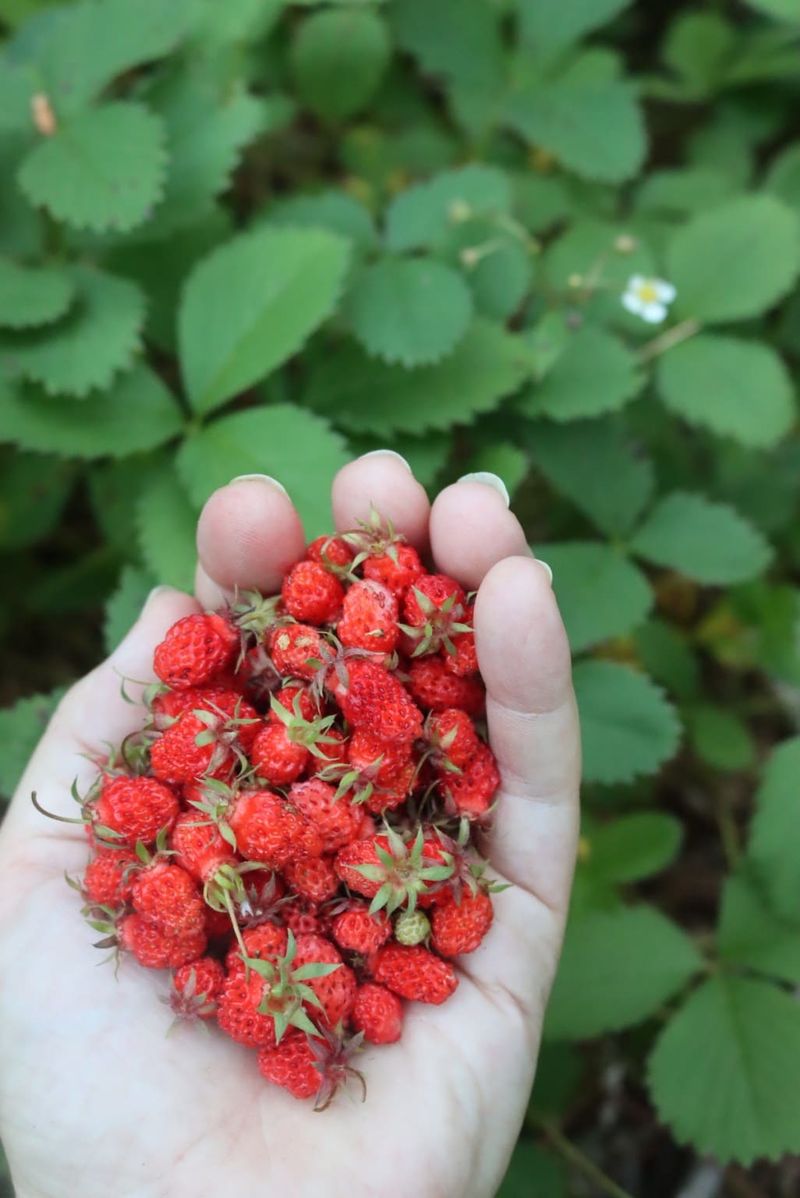
Forget giant grocery store berries that taste like water. Wild strawberries pack incredible flavor into packages smaller than your thumbnail.
These ground-hugging plants spread naturally through runners, creating living carpets of heart-shaped leaves. Their white flowers bloom in spring, followed by ruby-red berries bursting with concentrated sweetness.
Perfect for rock gardens, woodland edges, or anywhere you want edible ground cover that actually tastes amazing.
2. Prairie Turnip – The Underground Bread of the Plains
Native tribes called this plant “tipsin” and considered it prairie gold. The taproot grows deep, storing starchy energy that sustained entire communities through harsh winters.
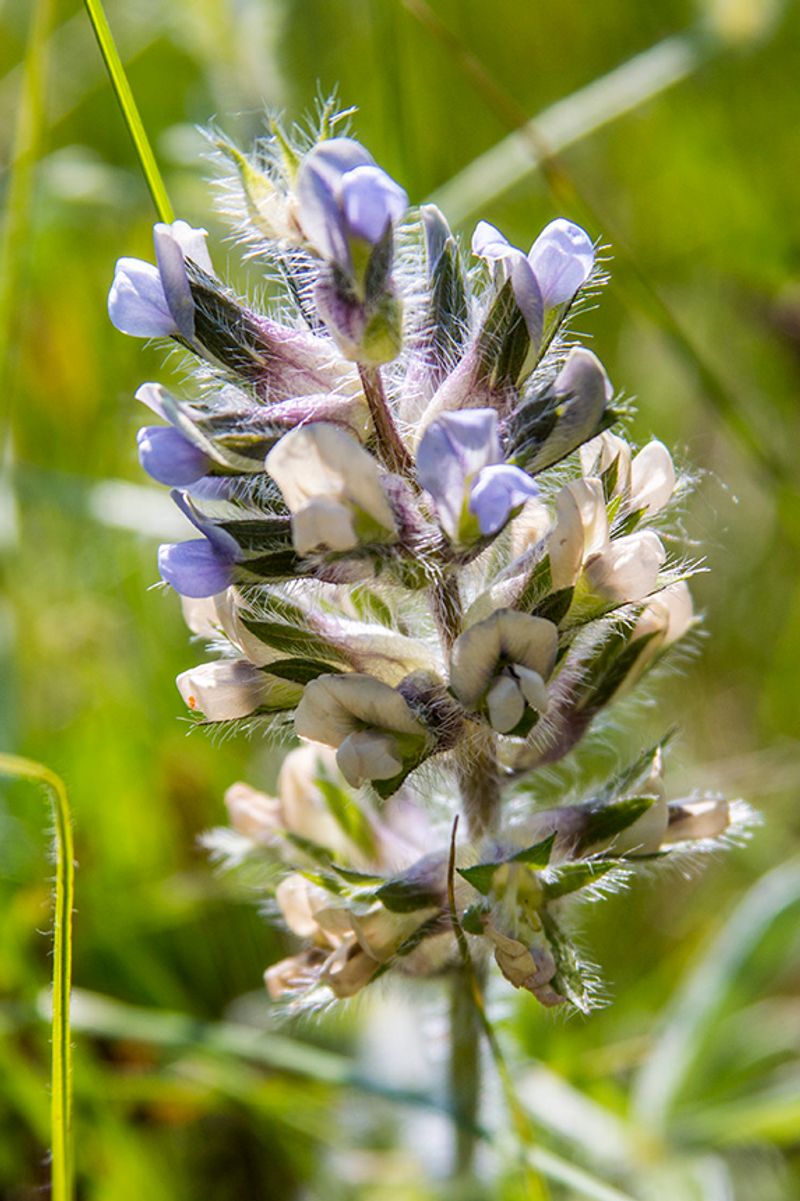
Above ground, you’ll see delicate purple flowers and silvery leaves that shimmer in prairie winds. Below lies a carrot-shaped root with nutty, potato-like flavor when cooked.
Harvest after three years for best results, then slice and dry for winter storage or grind into nutritious flour.
3. Wild Plum – Tart Gems from Prairie Thickets
Spring transforms these thorny shrubs into clouds of white blossoms that perfume entire neighborhoods. Bees go absolutely crazy for the nectar-rich flowers.
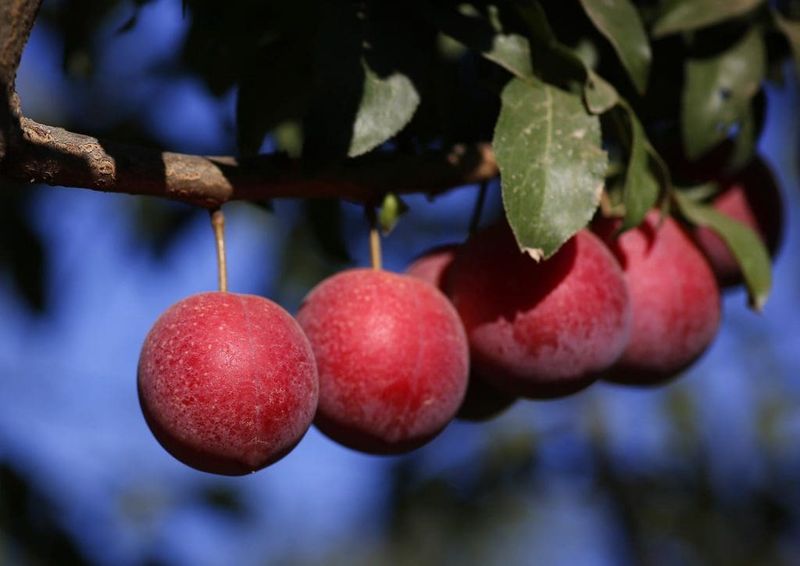
By late summer, branches bend under clusters of marble-sized plums ranging from yellow to deep red. The flesh tastes intensely tart and fruity, perfect for jellies that capture summer’s essence.
Plant several varieties together for better fruit production and create natural privacy screens that feed your family.
4. Elderberry – Purple Powerhouses of Immunity
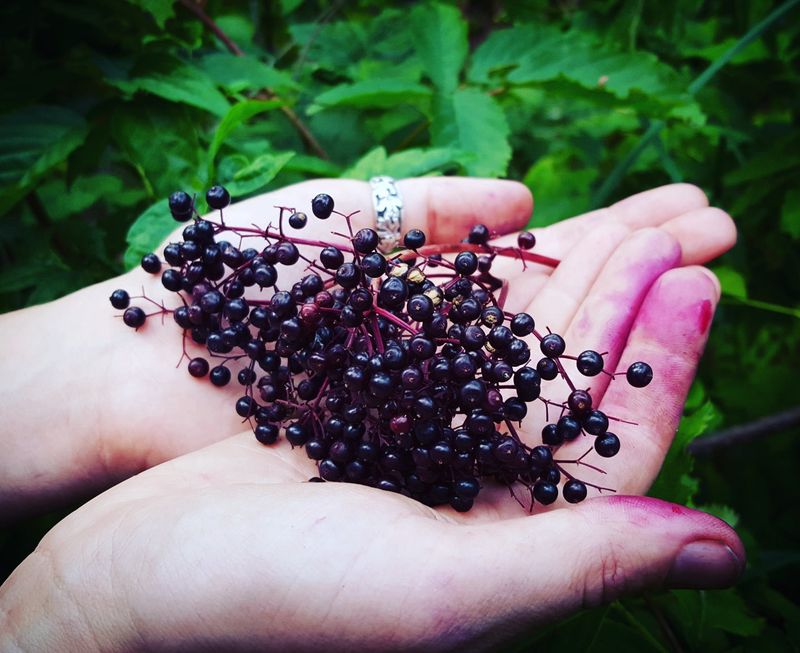
European settlers quickly learned what Native Americans knew for centuries: elderberries fight illness like botanical warriors. Modern science confirms these dark purple clusters contain immune-boosting compounds.
Massive flower heads bloom creamy white in early summer, attracting beneficial insects by the thousands. Later, heavy purple berry clusters droop from branches like natural chandeliers.
Always cook the berries before eating to unlock their medicinal magic safely.
5. Serviceberry – Sweet Surprises in Early Summer
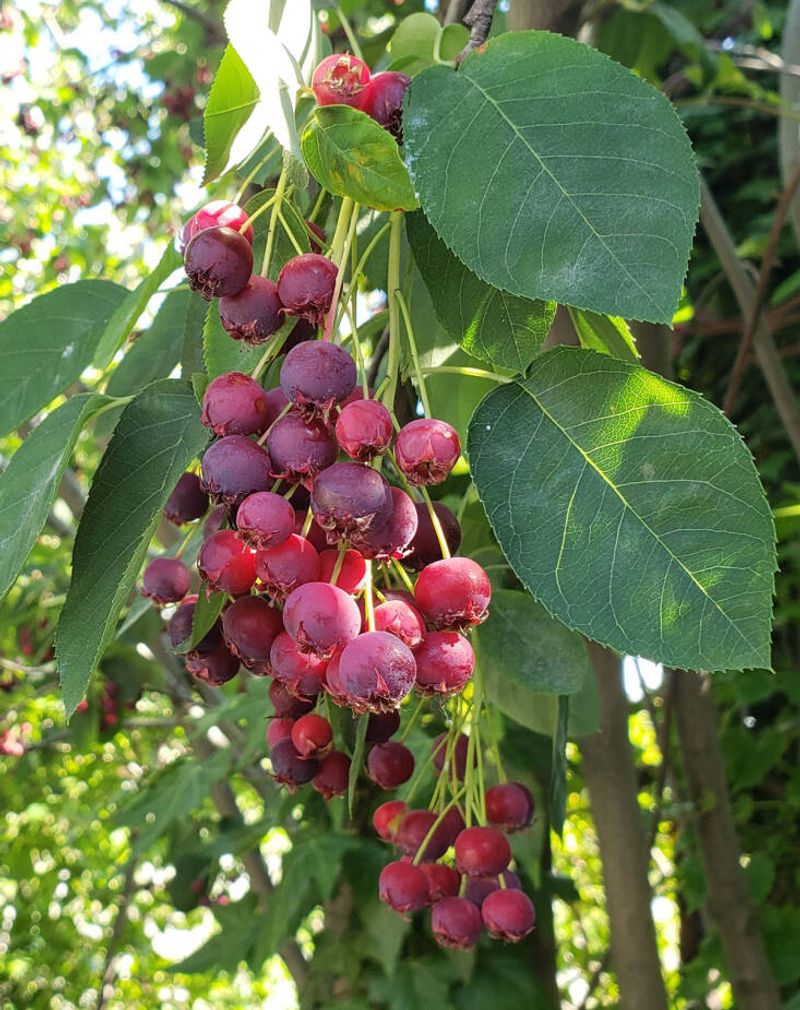
Children discover these before adults do, drawn by berries that taste like blueberry pie filling straight from the tree. The Saskatoon berry feeds more wildlife species than almost any other native plant.
Clouds of white flowers announce spring’s arrival, followed by berries that ripen from red to deep purple. Each bite delivers concentrated antioxidants and natural sweetness that makes store-bought fruit seem bland.
Grows happily in partial shade where other fruit trees struggle.
6. Wild Garlic – Pungent Prairie Seasoning
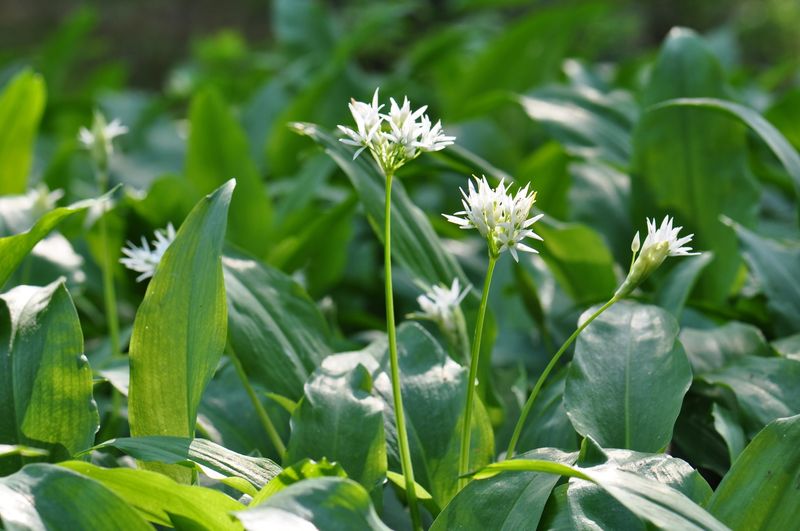
Your nose finds these before your eyes do. Wild garlic announces itself with unmistakable aroma when leaves are crushed or stepped on.
Slender green shoots emerge early in spring, followed by delicate white flower clusters that attract native pollinators. Both leaves and small bulbs add mild garlic flavor to any dish without overpowering delicate tastes.
Harvest sustainably by taking only outer leaves, allowing plants to continue growing and spreading through underground bulb division.
7. Wood Sorrel – Lemony Leaves for Salad Lovers
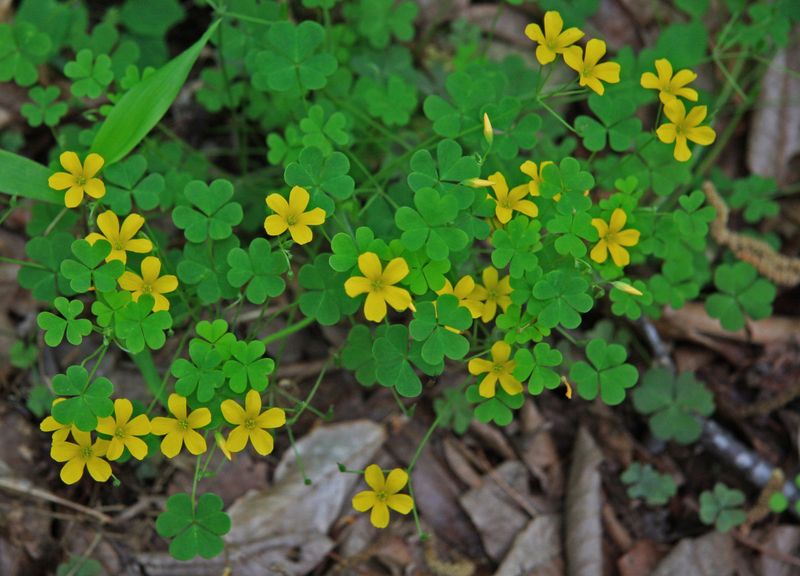
Kids instinctively munch these heart-shaped leaves that taste like green lemonade. The tangy, citrus flavor comes from natural oxalic acid that adds zing to boring salads.
Three-leaflet leaves fold up at night or during storms, earning the nickname “sleeping beauty.” Yellow flowers bloom continuously through summer, followed by explosive seed pods that shoot seeds several feet when touched.
Perfect edible ground cover for shady spots where lettuce won’t grow successfully.
8. Wild Bergamot – Minty Medicine from the Prairie
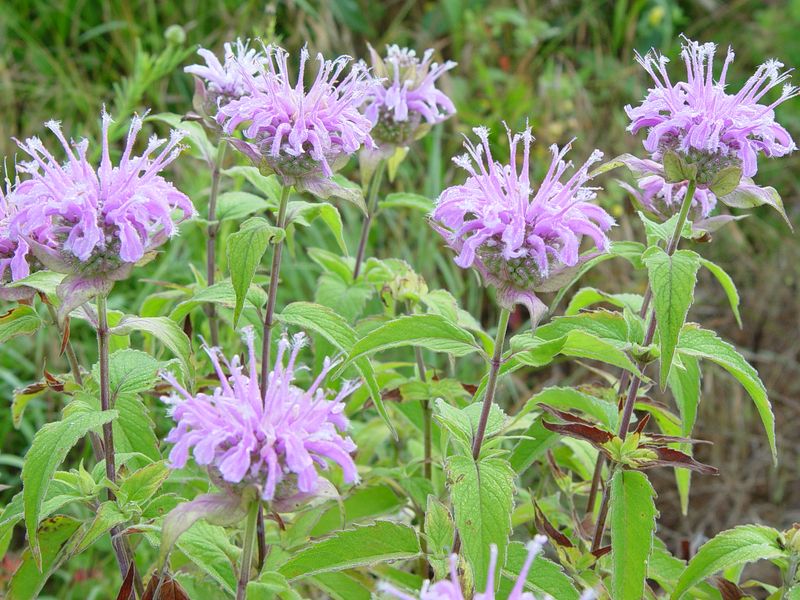
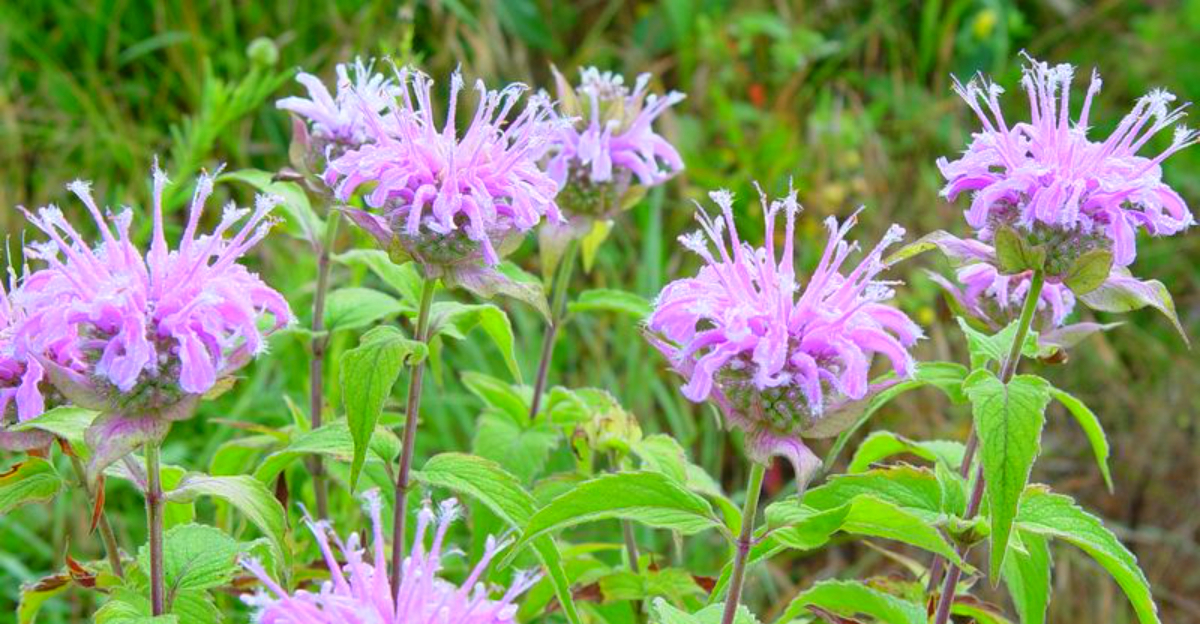
Crushing the leaves releases intoxicating mint-oregano fragrance that Native Americans used for respiratory ailments. Bees and butterflies consider the lavender flowers absolute paradise.
Sturdy square stems grow three feet tall, topped with shaggy flower heads that bloom for months. Fresh leaves make soothing tea that calms upset stomachs and clears stuffy sinuses naturally.
Dried leaves retain their potency for months, providing homegrown medicine cabinet essentials that actually work when you need them most.
9. Lamb’s Quarters – The Spinach That Grows Itself
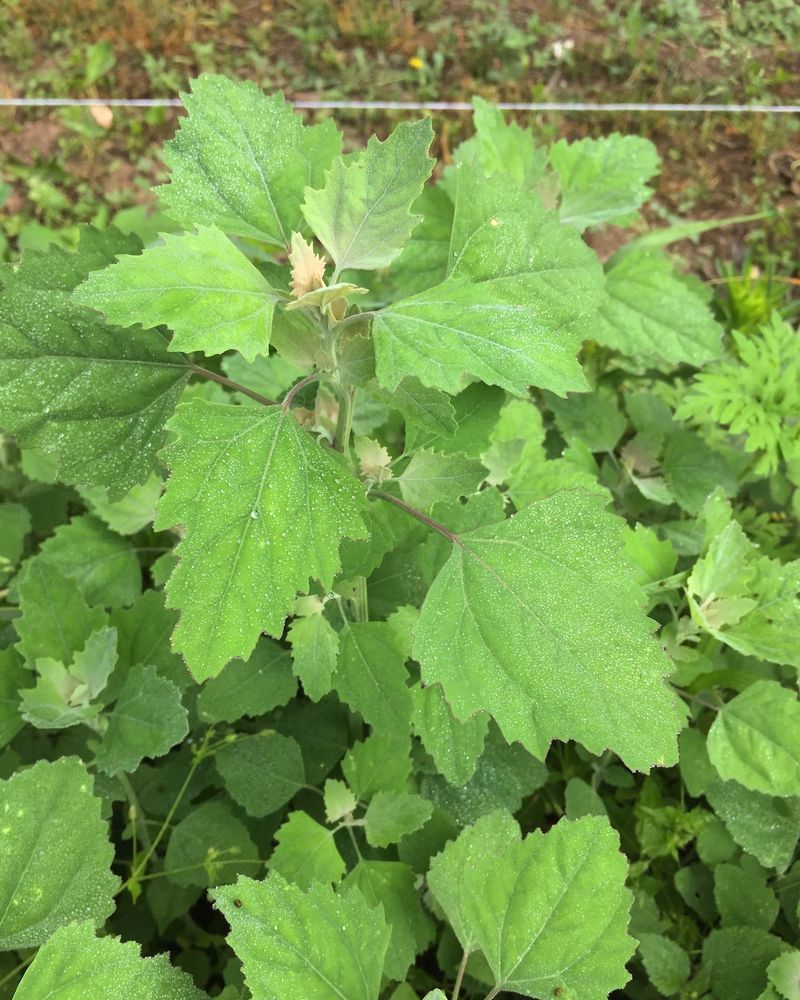
Gardeners often pull this “weed” without realizing they’re discarding nutritional gold. Lamb’s quarters contains more vitamins and minerals than expensive organic spinach from fancy stores.
Diamond-shaped leaves with white undersides grow on plants that can reach shoulder height in rich soil. Young leaves taste mild and tender, while older ones develop stronger, more complex flavors.
Self-seeds prolifically, ensuring constant harvests of free, nutritious greens that improve your soil while feeding your family.
10. Wild Mint – Cool Refreshment from Creek Beds
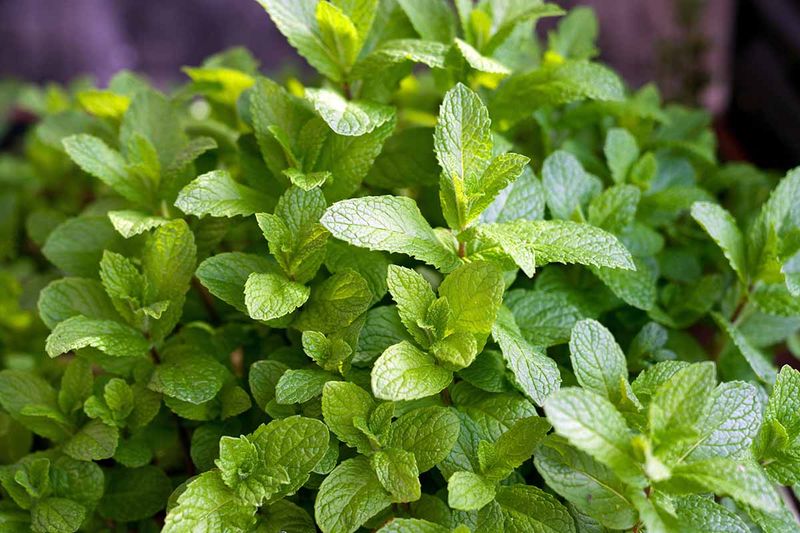
Following the scent leads you to hidden water sources where wild mint thrives in perpetually moist soil. Native Americans chewed leaves to freshen breath and settle queasy stomachs.
Purple flower spikes attract hummingbirds and specialized mint-loving bees throughout late summer. Leaves maintain their cooling menthol punch even after drying, creating homemade tea that rivals expensive store-bought varieties.
Spreads aggressively through underground runners, so plant in containers or dedicated areas where spreading won’t cause problems.
11. Purslane – Succulent Superfood Hiding in Plain Sight
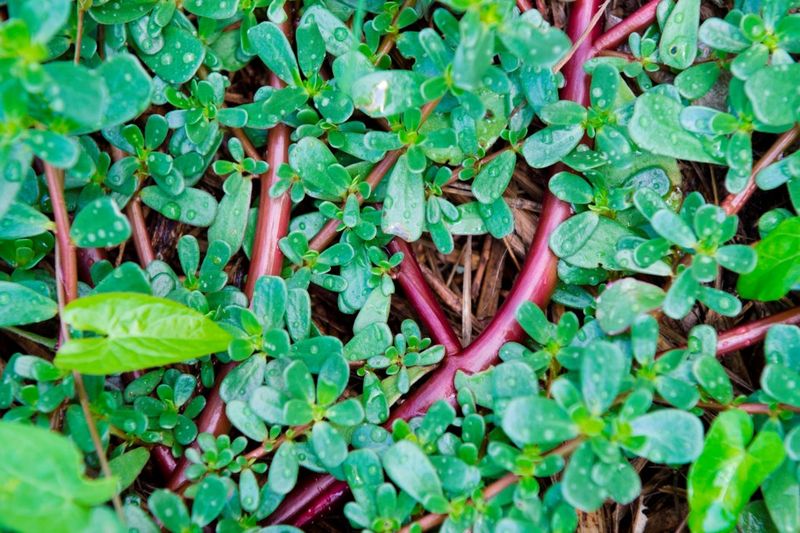
Omega-3 fatty acids aren’t just found in expensive fish supplements. Purslane contains more of these essential nutrients than any other leafy green vegetable.
Thick, paddle-shaped leaves and red stems sprawl across bare soil, storing water like tiny cacti. Small yellow flowers open only in bright morning sunshine, closing by afternoon heat.
Raw leaves add crunchy texture and mild lemony flavor to salads, while cooked purslane becomes tender and slightly mucilaginous, perfect for thickening soups.
12. Wild Asparagus – Springtime Spears of Deliciousness
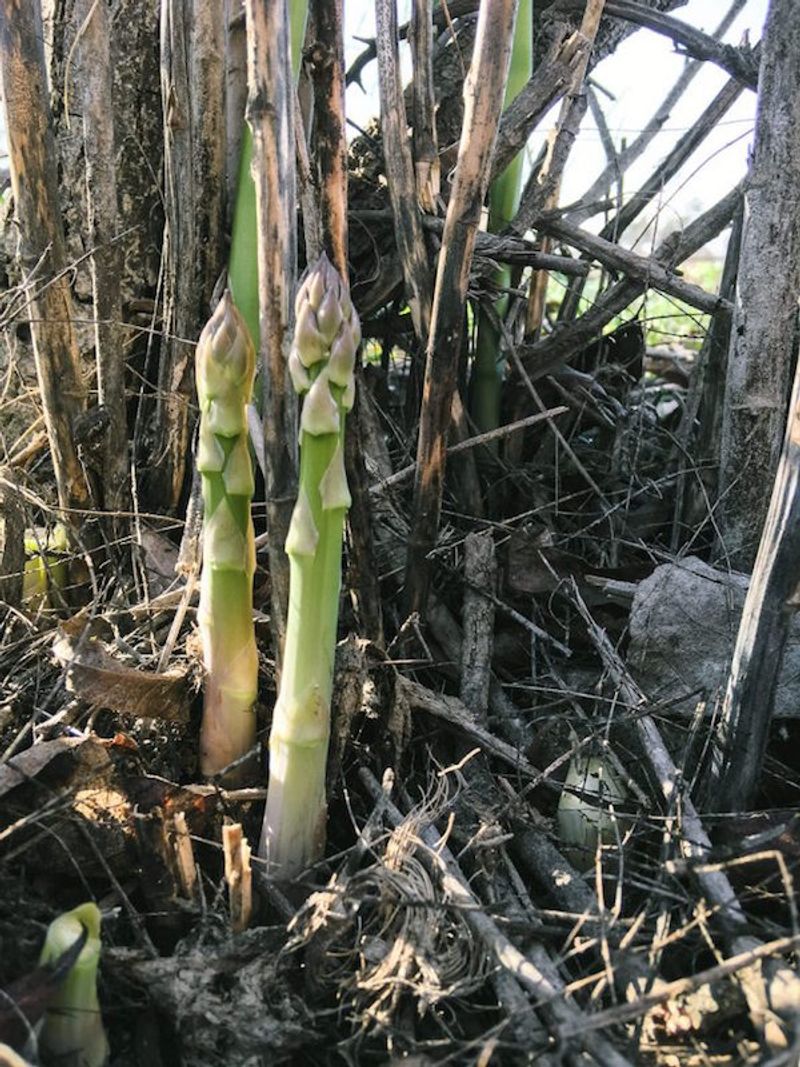
Roadside ditches and abandoned farmsteads hide these culinary treasures that emerge like green fingers reaching toward spring sunshine. Once you find a patch, you’ll have decades of harvests.
Tender spears appear in early spring, growing incredibly fast in warm weather. Later, feathery foliage creates airy texture that supports beneficial insects and adds movement to prairie gardens.
Cut spears when pencil-thick for best flavor and texture, leaving thinner shoots to develop into next year’s root energy.