 Complete Gardening
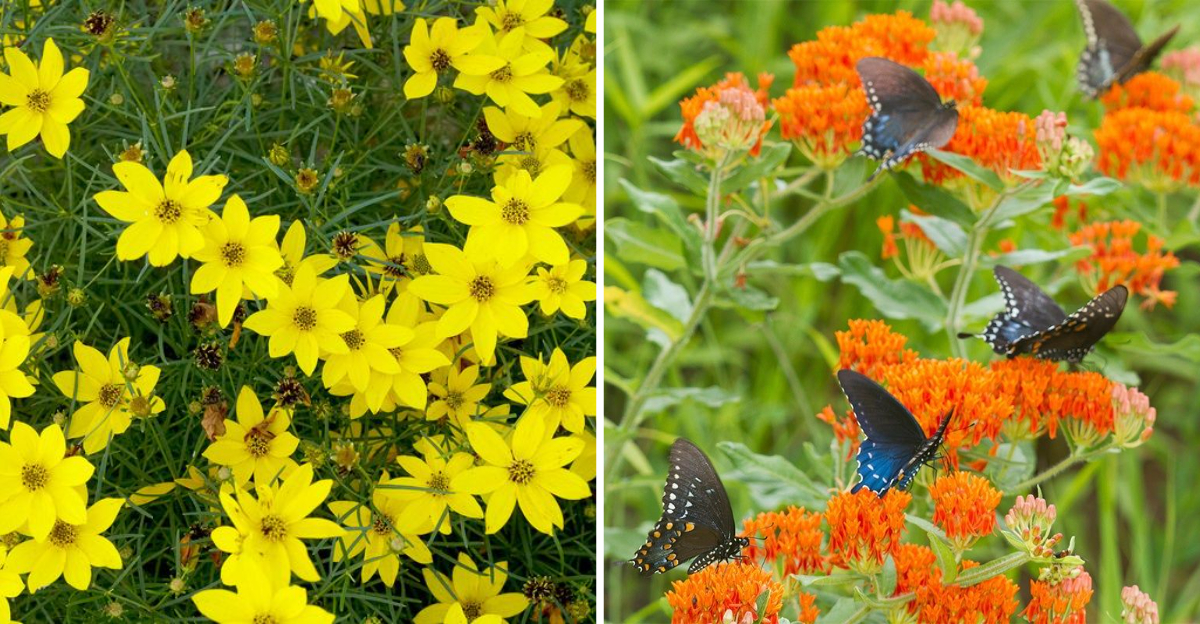
Explore a world of perennial plants that bring beauty to your garden with minimal effort. Whether you’re seeking plants that thrive with little care or ones that almost grow themselves, this guide has you covered.
Discover 12 perennials that anyone can grow and 10 that demand practically nothing from their caretaker. Perfect for both novice and seasoned gardeners, these selections promise continuous blooms and lush foliage season after season.
1. Black-eyed Susan
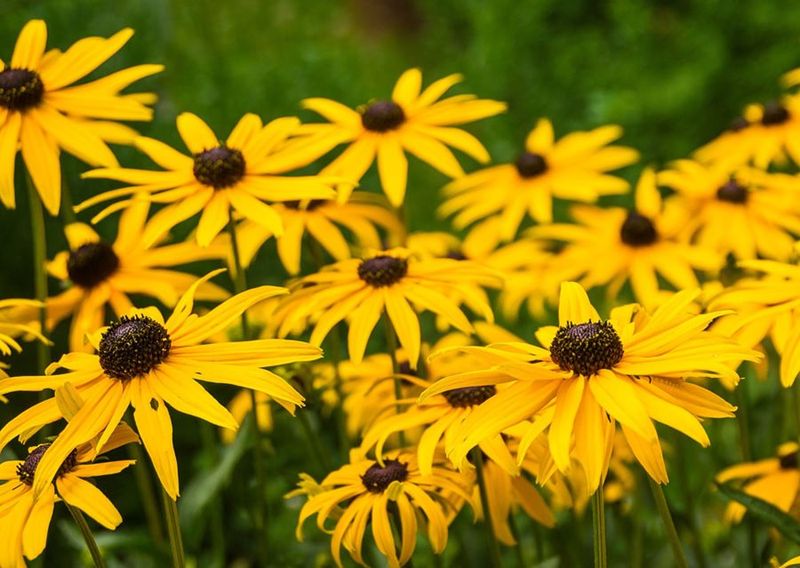
Black-eyed Susan, known for its radiant golden petals and deep brown center, is a staple in many gardens. This perennial is as resilient as it is beautiful, thriving in various soil types and conditions. Its sunny disposition is perfect for attracting butterflies and bees. Plant them in a sunny spot and watch them bloom from late summer to early fall. These flowers require little more than occasional deadheading to prolong blooming. Fun fact: it’s the state flower of Maryland! Its cheerful appearance and low maintenance make it a favorite among gardeners.
2. Coneflower (Echinacea)
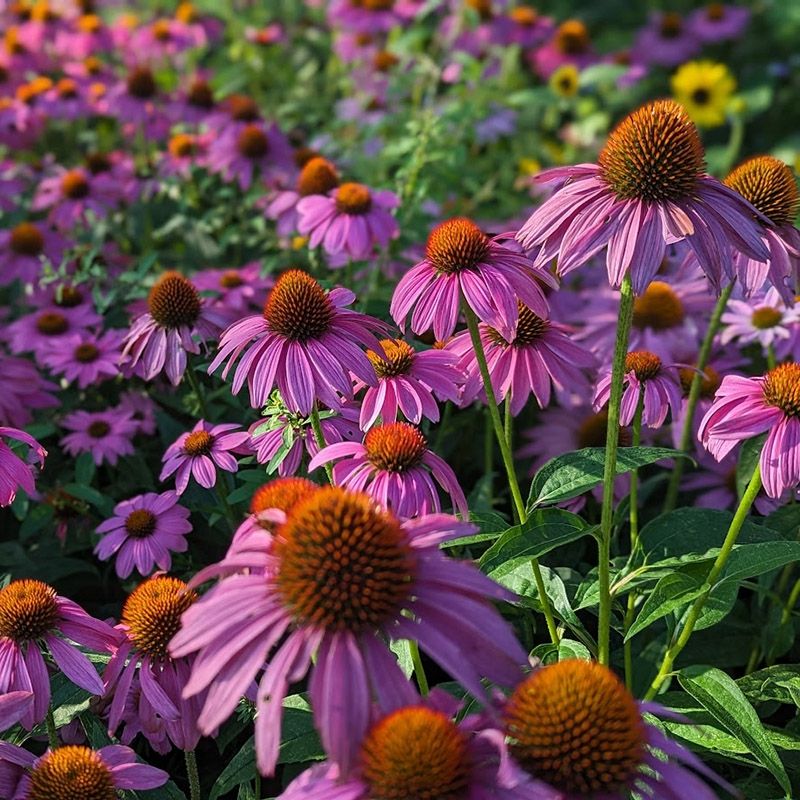
With its striking purple petals and unique spiky center, the coneflower is both hardy and versatile. It thrives in sunny gardens, tolerating drought and poor soil conditions with ease. The coneflower isn’t just a visual delight; it also supports pollinators like bees and butterflies. This perennial’s robust nature allows it to withstand harsh weather conditions, making it a reliable choice for naturalizing in meadows. Besides its beauty, coneflower is well-known for its medicinal properties, often used in herbal remedies.
3. Daylily
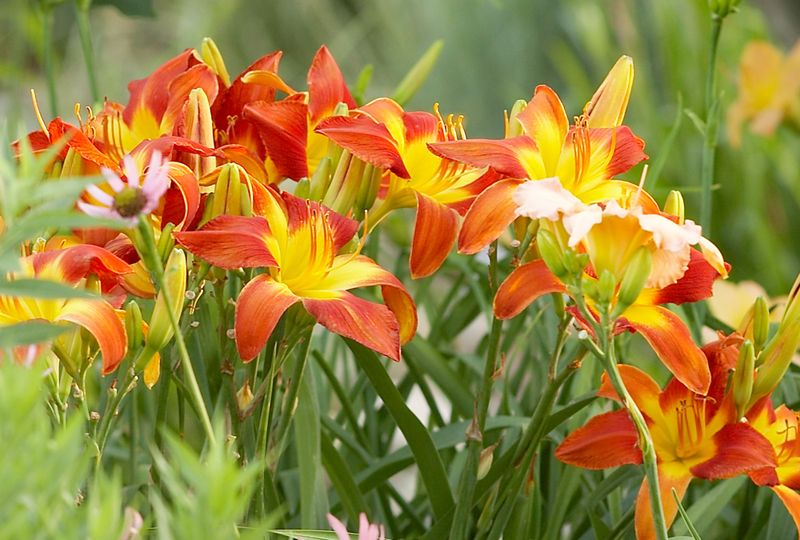
Daylilies are a gardener’s dream, offering a burst of color with minimal effort. These perennials adapt to many environments, thriving in full sun or partial shade. Known for their trumpet-shaped blooms that last just a day, they continuously produce new flowers. Daylilies are disease-resistant and require little watering once established. Their vibrant hues attract hummingbirds and butterflies, adding life to your garden. With a history dating back centuries, they’ve been cherished across cultures for their beauty and resilience.
4. Hostas
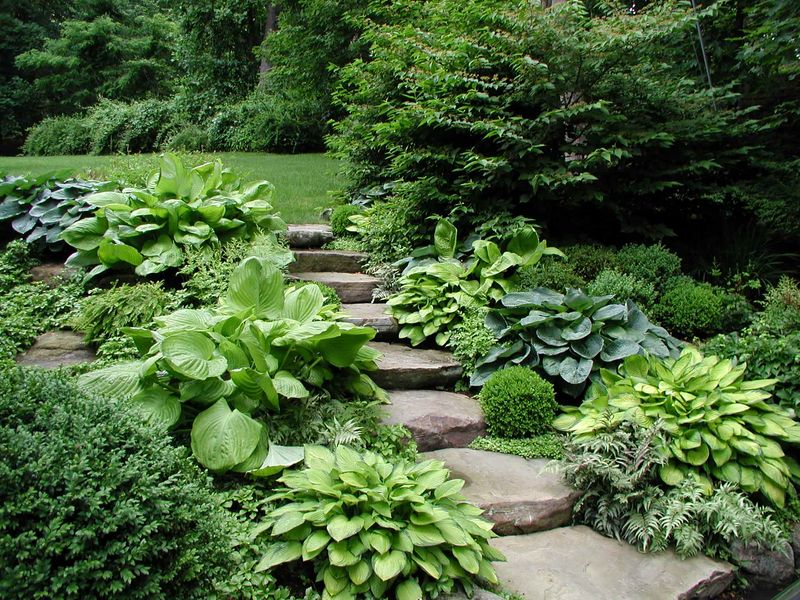
Hostas, with their lush foliage and wide variety of leaf shapes and colors, are a staple in shaded gardens. These perennials thrive in low-light conditions and are incredibly low-maintenance. Their ability to spread and fill spaces makes them an excellent choice for ground cover. Hostas are also known for their fragrant summer blooms, attracting pollinators. Despite their delicate appearance, they are tough and resilient against pests. A garden with hostas is both elegant and easy to maintain, offering beauty year after year.
5. Coreopsis
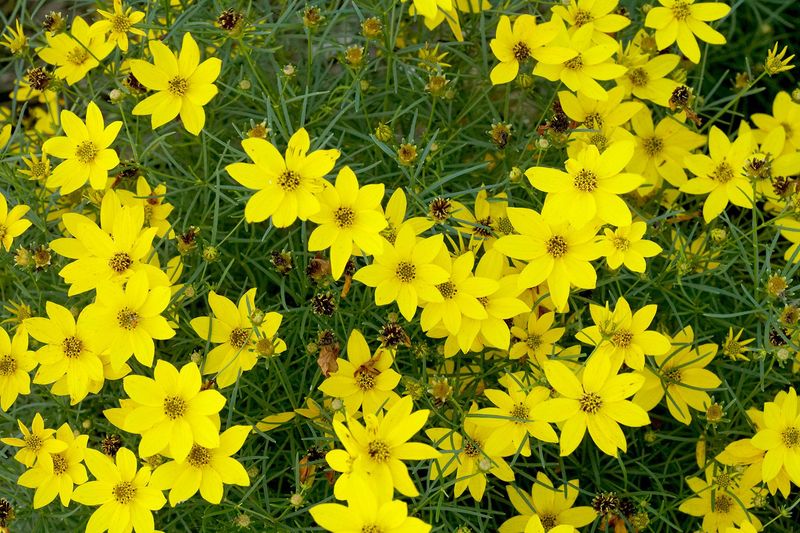
Coreopsis, often called tickseed, is cherished for its bright yellow blooms that seem to capture sunlight. This perennial is exceptionally hardy, thriving in hot, dry conditions where others might falter. Coreopsis flowers from early summer to fall, providing a long-lasting display of color. Its daisy-like appearance is loved by pollinators, making it a great choice for eco-friendly gardens. Once established, it requires minimal care, making it ideal for those with busy schedules. Its vibrant display and low demands make it a garden favorite.
6. Salvia
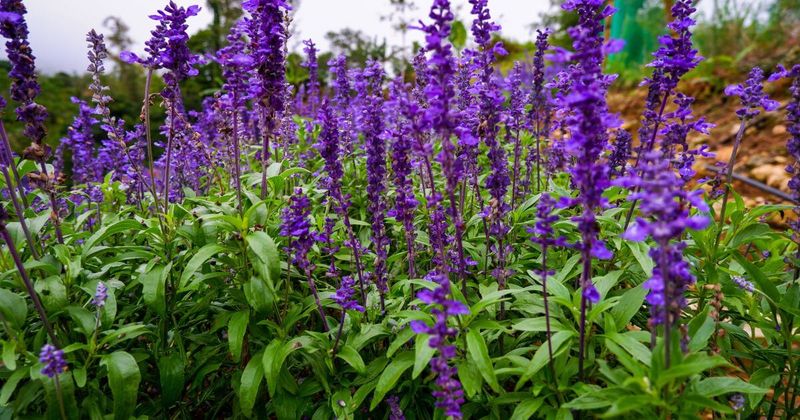
Salvia, renowned for its tall spikes of blue or purple flowers, is a magnet for pollinators. This drought-tolerant perennial thrives in sunny spots and poor soils. Its aromatic foliage adds an extra layer of interest to gardens. Salvia’s long blooming period, from spring to fall, ensures a lasting display of color. Easy to grow and requiring little maintenance, it’s perfect for busy gardeners. Historically, salvia has been used in traditional medicine, adding to its allure. Its vibrant spikes and resilience make it an essential garden addition.
7. Shasta Daisy
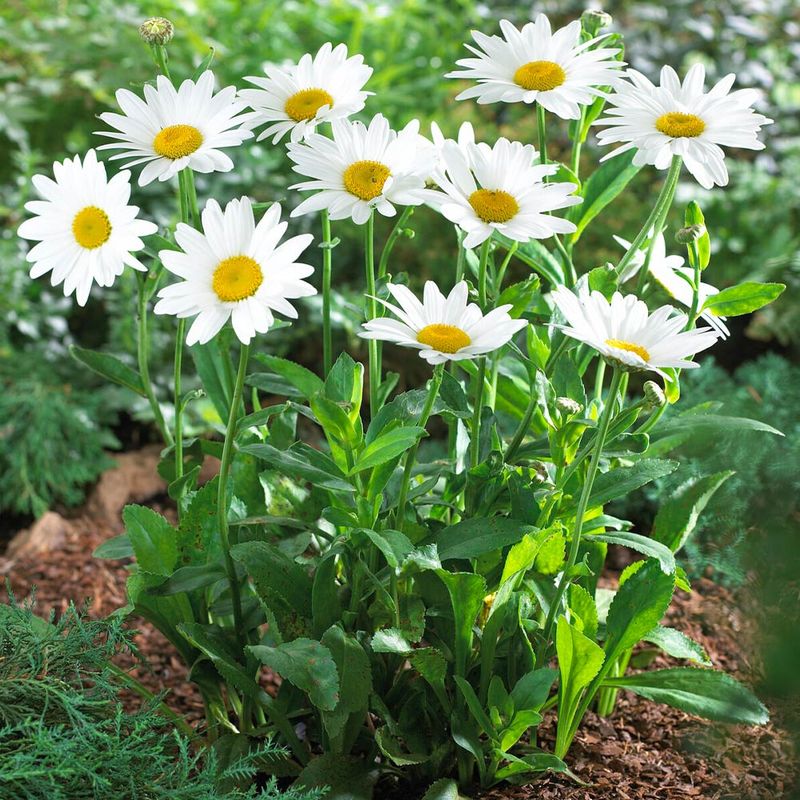
Shasta daisy is an iconic perennial with its classic white petals and cheerful yellow centers. Known for its long blooming season, it brings a fresh look to gardens from early summer until fall. Shasta daisies are easy to grow, thriving in sunny locations with well-drained soil. Their sturdy nature makes them an excellent choice for cut flowers, brightening homes with their fresh appearance. Minimal care is required, with deadheading promoting more blooms. These daisies have been a symbol of simplicity and elegance in gardens worldwide.
8. Sedum (Stonecrop)
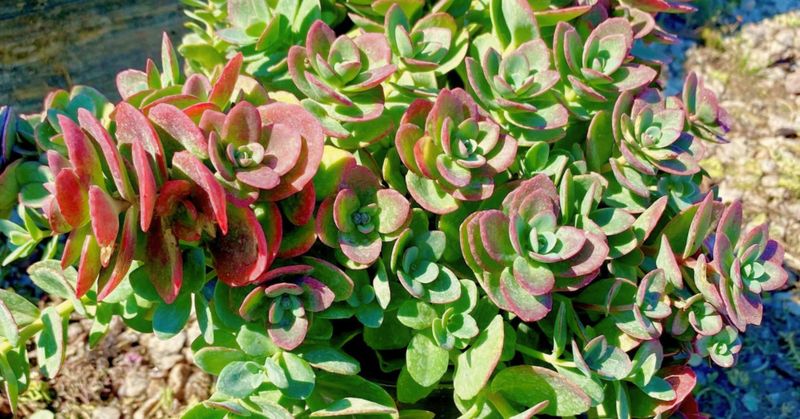
Sedum, or stonecrop, is a succulent perennial that thrives in rocky or sandy soils. Its fleshy leaves and star-shaped flowers add texture and color to any garden. Sedum is incredibly versatile, suitable for rock gardens, borders, or containers. Once established, it requires little water, making it perfect for drought-prone areas. Its blooms attract pollinators, supporting local ecosystems. Sedum’s resilience and ability to grow in challenging conditions make it a favorite among gardeners seeking low-maintenance beauty.
9. Yarrow
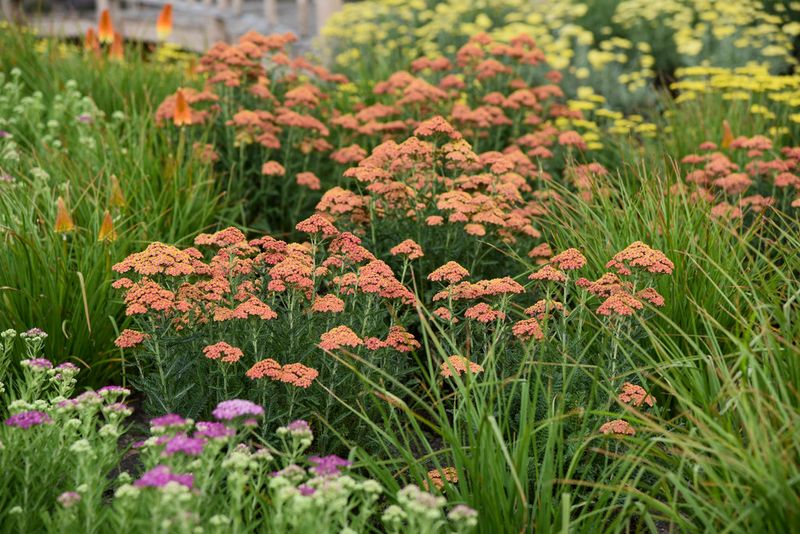
Yarrow, with its feathery leaves and clusters of tiny flowers, is a versatile perennial. Known for its ability to thrive in poor soils, it requires little care once established. Yarrows are drought-tolerant and attract beneficial insects, making them valuable in eco-friendly gardens. Its long blooming season, from late spring to fall, ensures continuous color. Historically, yarrow has been used for medicinal purposes, adding to its appeal. Its adaptability and charm make it a staple in gardens focused on sustainability and easy maintenance.
10. Bee Balm
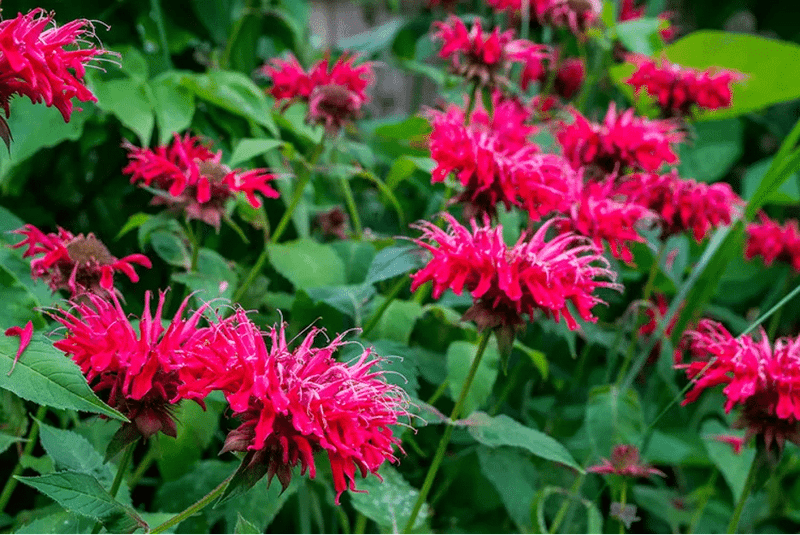
Bee balm, known for its vibrant tubular flowers and fragrant foliage, is a favorite among pollinators. This perennial thrives in sunny, moist locations, adding a splash of color from midsummer to early fall. Bee balm is not only beautiful but also useful, as its leaves can be used in teas and potpourris. Its ability to attract bees, butterflies, and hummingbirds makes it an eco-friendly garden choice. With minimal care needs and a long blooming season, bee balm is perfect for those seeking beauty with little effort.
11. Blanket Flower (Gaillardia)
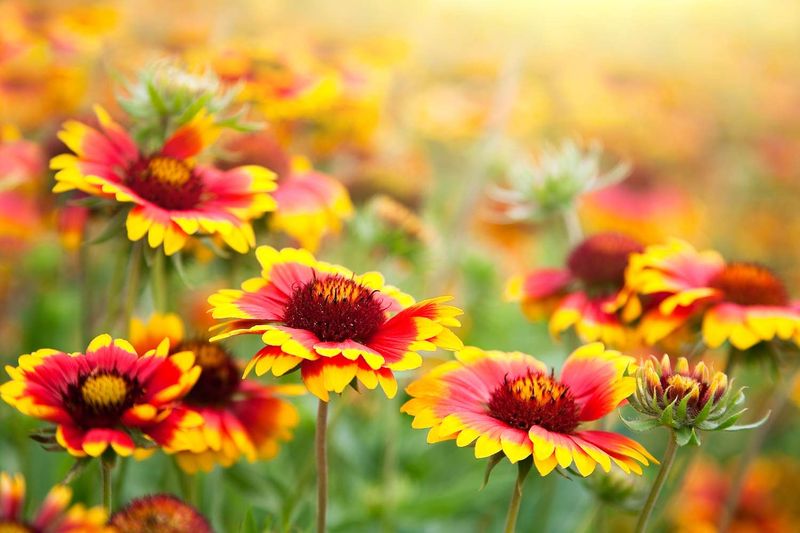
Blanket flower, or Gaillardia, is beloved for its dazzling red and yellow blooms. This perennial thrives in sunny, dry conditions, where its vibrant colors can truly shine. Blanket flowers bloom from early summer to fall, providing a long-lasting display that’s perfect for borders and beds. Their daisy-like appearance attracts pollinators, supporting local biodiversity. Low-maintenance and drought-tolerant, blanket flowers are ideal for gardeners seeking color without constant care. Their cheerful presence and resilience make them a garden staple.
12. Russian Sage
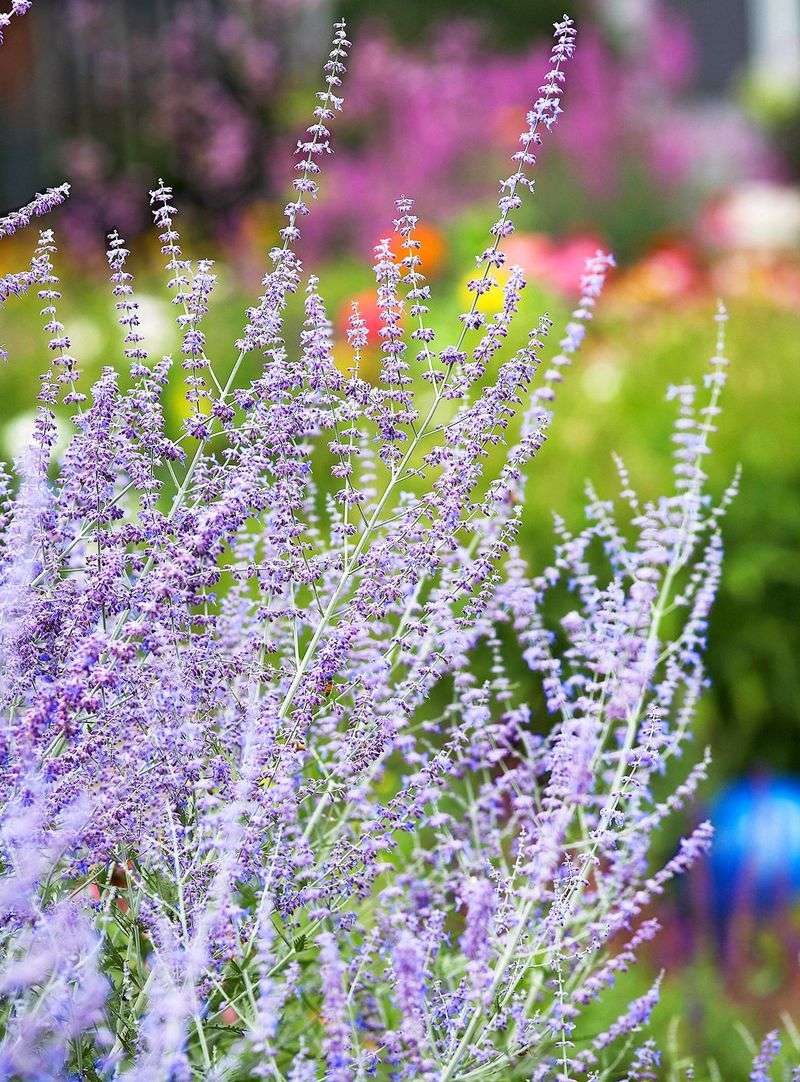
Russian sage is a stunning perennial known for its tall, purple flower spikes and silvery leaves. Thriving in sunny, well-drained locations, it adds an airy, ethereal quality to gardens. Russian sage requires minimal maintenance, needing only well-drained soil and occasional pruning. Its long blooming period from summer to fall provides continuous color. This drought-tolerant plant is perfect for xeriscaping and attracts pollinators, enhancing garden biodiversity. Its unique aroma and graceful appearance make it a beloved choice for easy-care gardens.
1. Catmint (Nepeta)
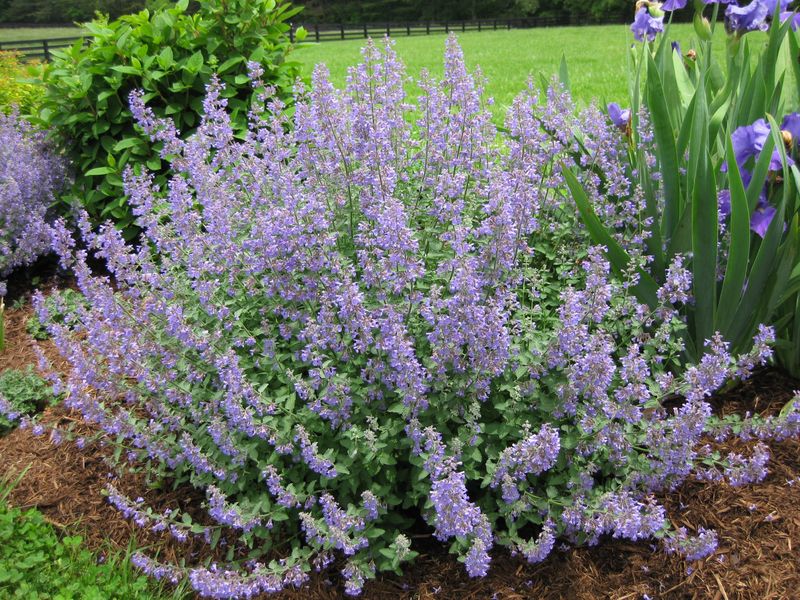
Catmint, with its soft lavender-blue flowers and aromatic leaves, is a delightful addition to any garden. This perennial thrives in sunny spots, offering a long blooming period from spring to fall. Catmint is drought-tolerant and requires little maintenance, making it ideal for busy gardeners. Its fragrant foliage deters pests, while attracting pollinators like bees and butterflies. Historically, catmint has been used in herbal remedies. Its gentle beauty and resilience make it a beloved choice for those seeking effortless charm in their gardens.
2. Lamb’s Ear
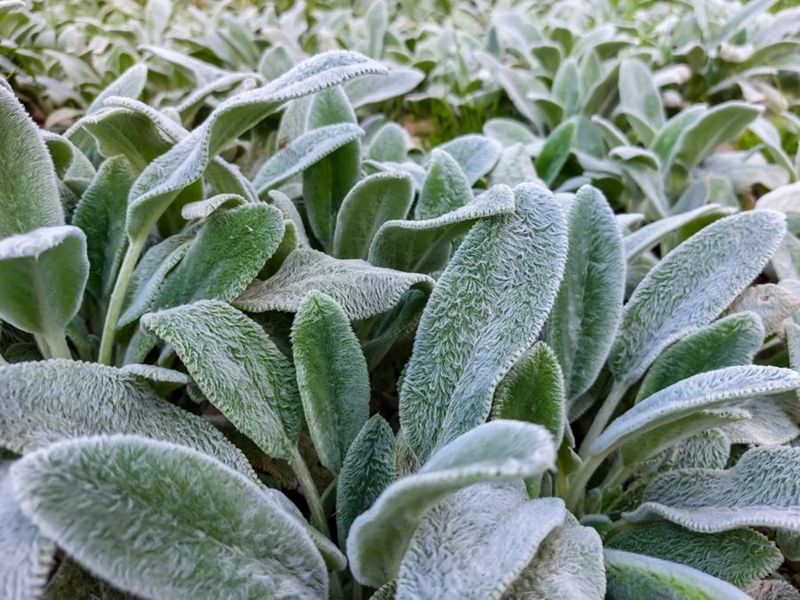
Lamb’s ear, with its soft, fuzzy silver leaves, adds texture and interest to gardens. This perennial thrives in sunny, well-drained locations, requiring minimal care once established. Its unique foliage is not only visually appealing but also deer-resistant. Lamb’s ear is often used as ground cover, creating a soft, carpet-like effect. In summer, it produces tall spikes of pink or purple flowers, attracting pollinators. Its elegant simplicity and low maintenance needs make it a favorite for creating serene, textured garden spaces.
3. Ornamental Grasses
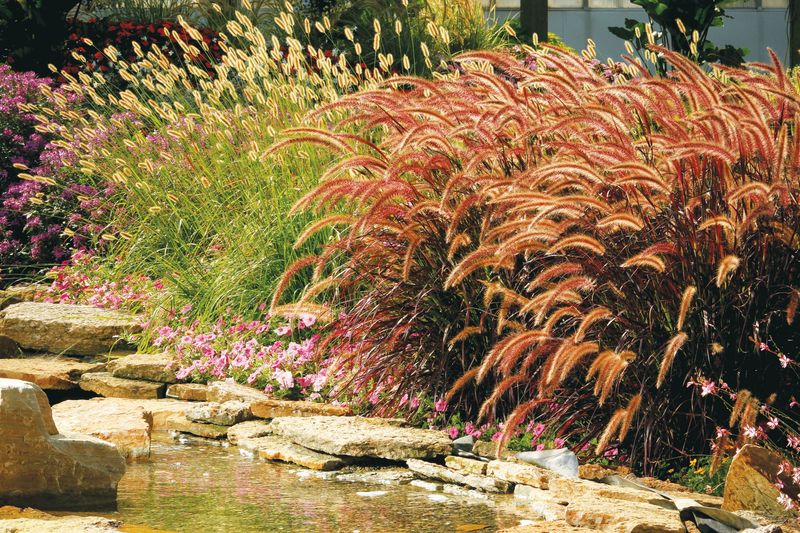
Ornamental grasses, like fountain grass, bring movement and texture to gardens with their flowing forms. These perennials thrive in a range of conditions, from dry to moist soils, requiring little care once established. Their elegant seed heads provide interest year-round, even in winter. Ornamental grasses are perfect for adding height, texture, and contrast to borders and beds. They attract wildlife, supporting local ecosystems. Their low water needs and ability to thrive in challenging environments make them a sustainable choice for modern gardens.
4. Coral Bells (Heuchera)
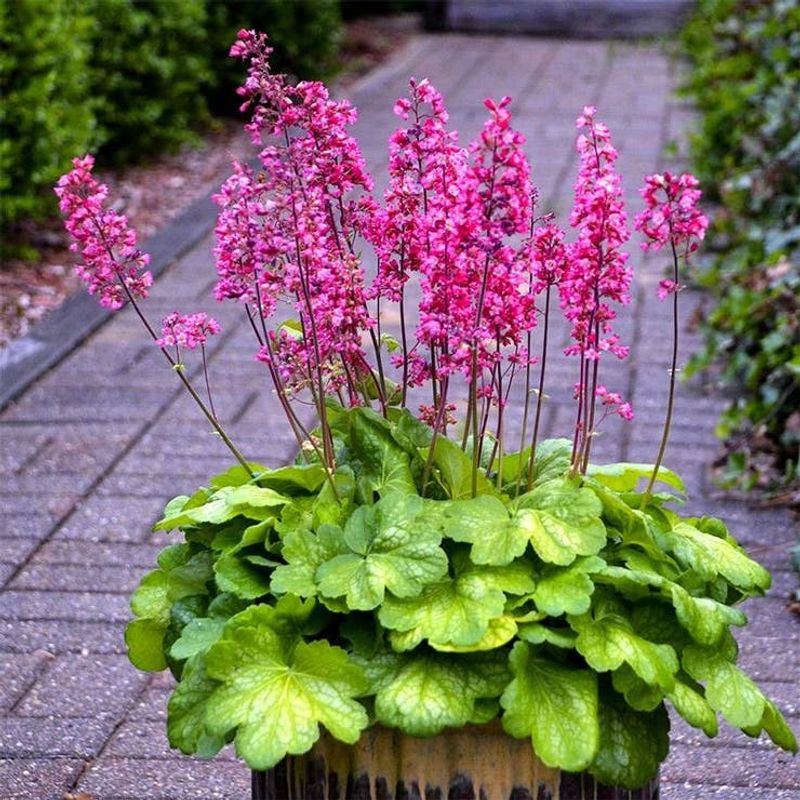
Coral bells, known for their vibrant foliage, offer a splash of color throughout the year. These perennials thrive in partial shade, making them perfect for shaded garden areas. Coral bells are prized for their unique leaf colors, ranging from deep purples to bright lime greens. In late spring and early summer, they produce delicate, airy flowers that attract pollinators. Minimal maintenance is needed, with occasional watering and deadheading. Their stunning leaves and adaptability make them a popular choice for adding color to shaded spots.
5. Ferns
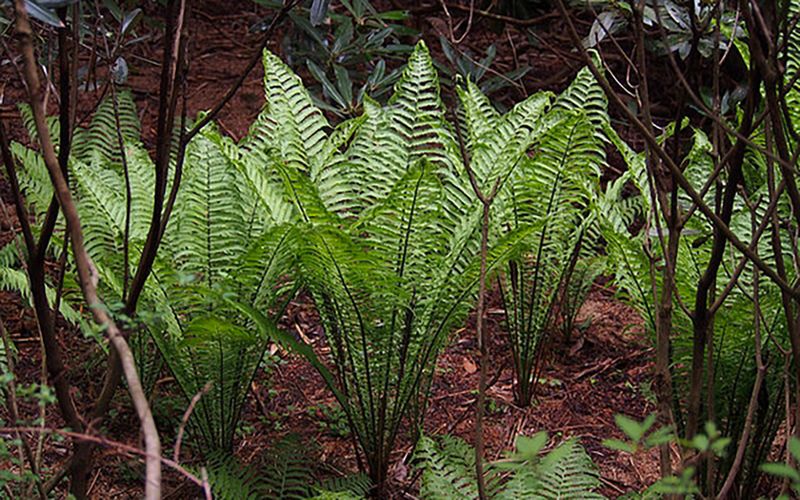
Ferns bring a lush, woodland feel to gardens with their intricate fronds. These perennials thrive in shaded, moist environments, perfect for adding texture and depth to shaded areas. Ferns require minimal care, needing only adequate moisture and shade to flourish. Their timeless beauty and variety make them a staple in garden design, offering a serene backdrop to flowering plants. Ferns are also useful in controlling erosion on slopes. Their elegance and low demands make them a cherished addition to any shady garden setting.
6. Ajuga (Bugleweed)
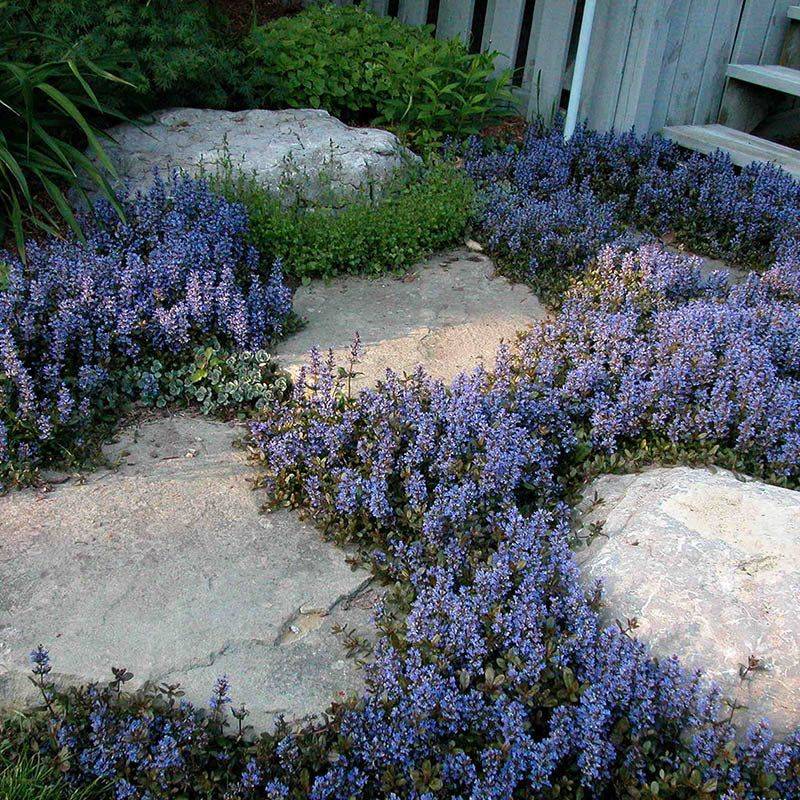
Ajuga, or bugleweed, is a versatile ground cover known for its glossy leaves and vibrant blue flower spikes. This perennial thrives in a variety of soil conditions, making it ideal for challenging areas. Ajuga spreads quickly, creating a dense carpet that suppresses weeds. Its flowers attract pollinators, supporting local biodiversity. Minimal maintenance is required, with occasional trimming to control growth. Ajuga’s adaptability and striking appearance make it a popular choice for gardeners looking to cover ground with minimal effort and maximum impact.
7. Bergenia
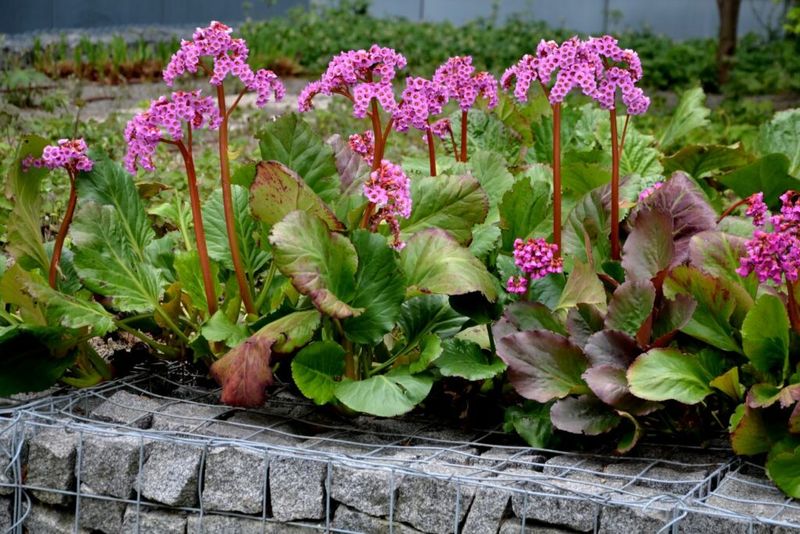
Bergenia, with its large, glossy leaves and clusters of pink flowers, is a standout perennial for shaded areas. This plant thrives in partial to full shade, requiring minimal care once established. Bergenia’s foliage turns a beautiful bronze in the fall, adding seasonal interest to gardens. Its early spring blooms attract pollinators, while its robust nature makes it deer-resistant. Bergenia is often used in borders and as ground cover, valued for its hardiness and decorative appeal. Its versatility and beauty make it a garden favorite.
8. Ice Plant (Delosperma)
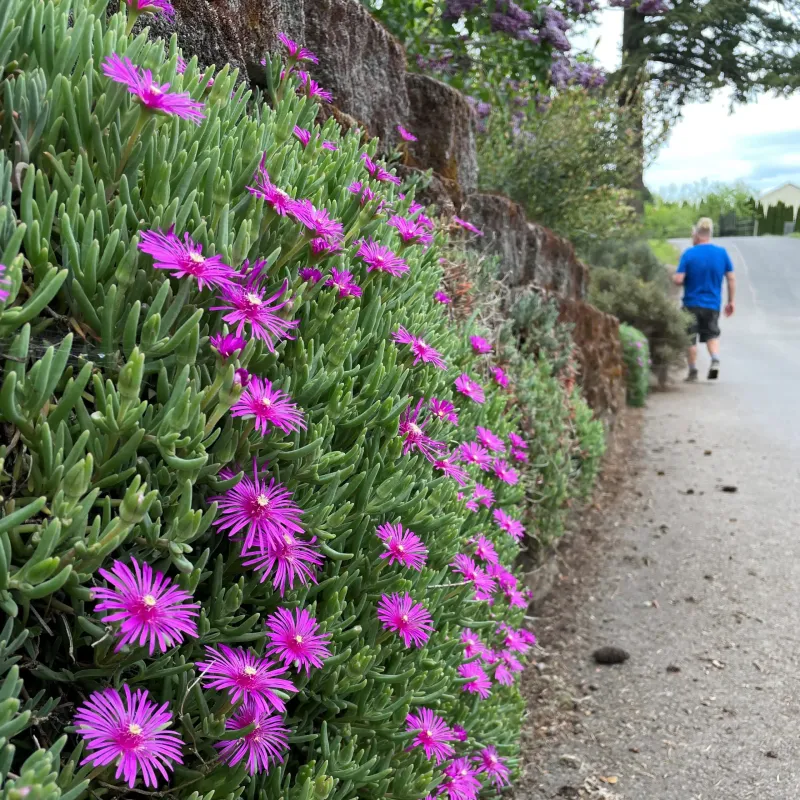
Ice plant, known for its succulent leaves and dazzling magenta flowers, thrives in sunny rock gardens. This perennial is incredibly drought-tolerant, requiring minimal water once established. Ice plant’s blooms are long-lasting, providing continuous color from spring through fall. Its low-growing habit makes it perfect for ground cover in challenging areas. Despite its delicate appearance, ice plant is hardy and resilient, withstanding harsh conditions. Its vibrant colors and minimal care needs make it a popular choice for gardeners seeking beauty with ease.
9. Hellebore (Lenten Rose)
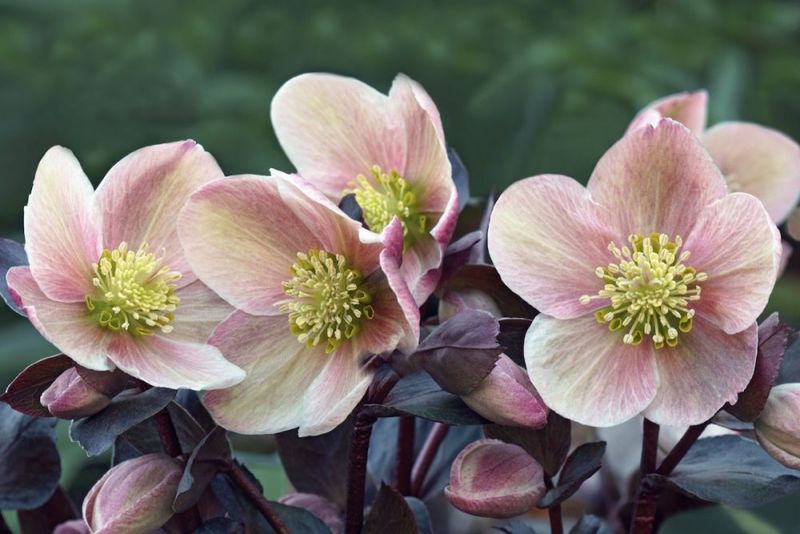
Hellebore, or Lenten rose, is cherished for its early spring blooms that appear when little else does. This perennial thrives in shaded, well-drained locations, offering a splash of color with its nodding flowers. Hellebores are deer-resistant and require minimal maintenance once established. Their blooms attract pollinators, supporting early-season biodiversity. Known for their longevity, hellebores can live for decades, providing continuous beauty year after year. Their unique flowers and reliability make them a beloved choice for shaded gardens.
10. Butterfly Weed (Asclepias tuberosa)
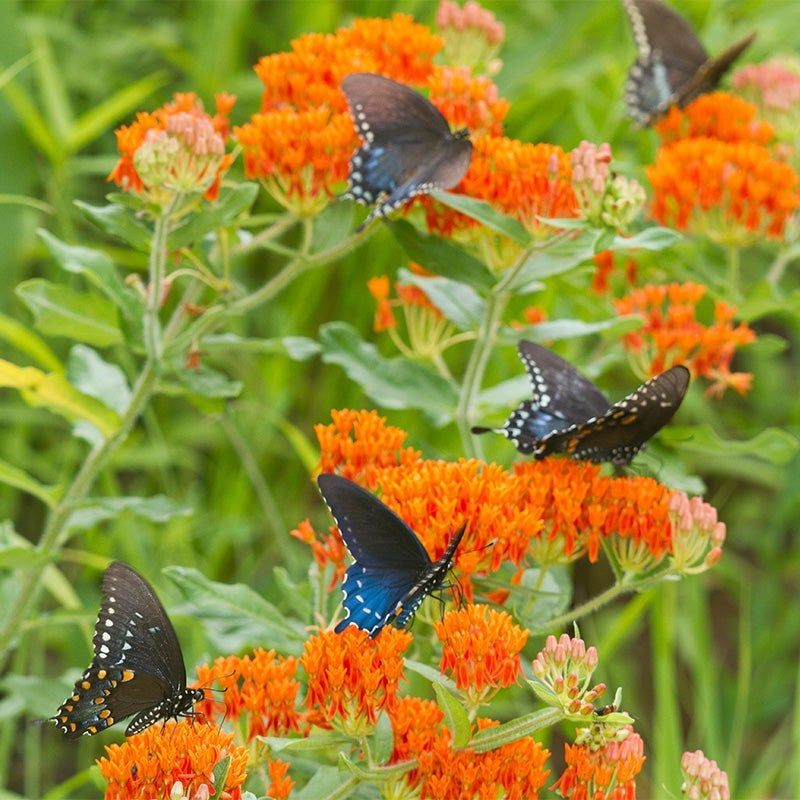
Butterfly weed, with its bright orange blooms, is a magnet for butterflies and pollinators. This perennial thrives in sunny, well-drained locations, requiring minimal care once established. Butterfly weed is drought-tolerant, making it perfect for xeriscaping. Its long blooming season and vibrant flowers provide continuous color from summer to fall. Besides its beauty, butterfly weed plays a crucial role in supporting monarch butterflies, providing food and habitat. Its ecological benefits and striking appearance make it a must-have for eco-conscious gardeners.