 Complete Gardening
Creating an enchanting garden border can be achieved with the right selection of plants that not only complement each other but also thrive in their environment.
Here we present 12 ideal plants for edging garden borders that offer beauty, structure, and resilience, followed by 3 you might wish to avoid due to their invasive or problematic nature.
1. Lavender
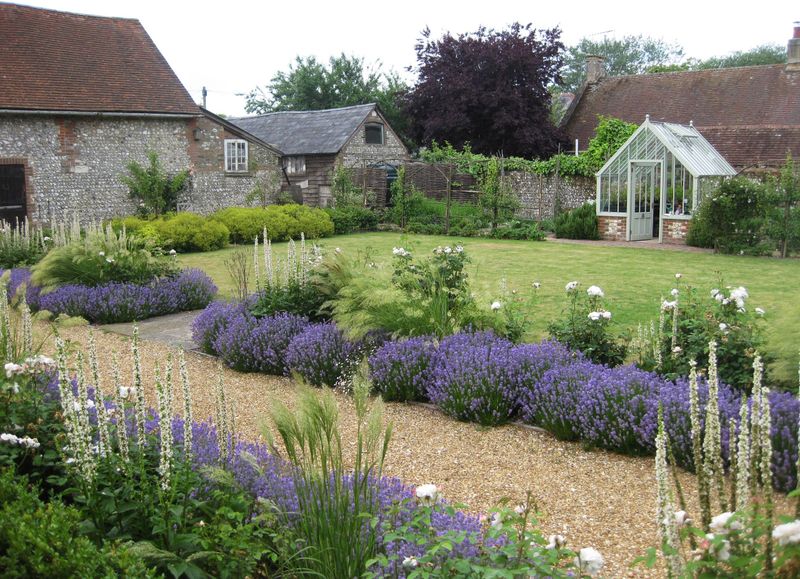
Imagine strolling through a garden enveloped in the soothing aroma of lavender. This aromatic plant is not just a sensory delight but also a hardy perennial that thrives in sunny areas. Its vibrant purple flowers attract bees, butterflies, and other pollinators, making it an essential addition to any garden.
Lavender’s low-maintenance nature means once planted, it requires little care, making it perfect for busy gardeners. With historical uses ranging from medicinal purposes to culinary delights, lavender is a versatile choice. It can transform any garden into a peaceful retreat.
2. Boxwood (Buxus)
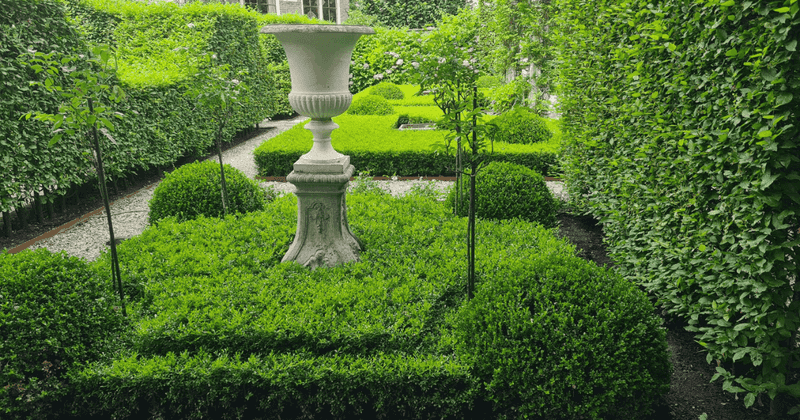
Boxwood, synonymous with elegance, adorns gardens with its dense, evergreen foliage. This classic choice for formal gardens provides a structured appearance, enhancing any landscape design. Its adaptability to shaping makes it a favorite for topiary art.
Boxwood’s resilience to various environmental conditions, including shade, makes it an ideal candidate for diverse gardens. While it prefers well-drained soil, its drought tolerance adds to its versatility. Known since Roman times, boxwood has stood the test of time in garden design, embodying tradition and timeless beauty.
3. Creeping Thyme
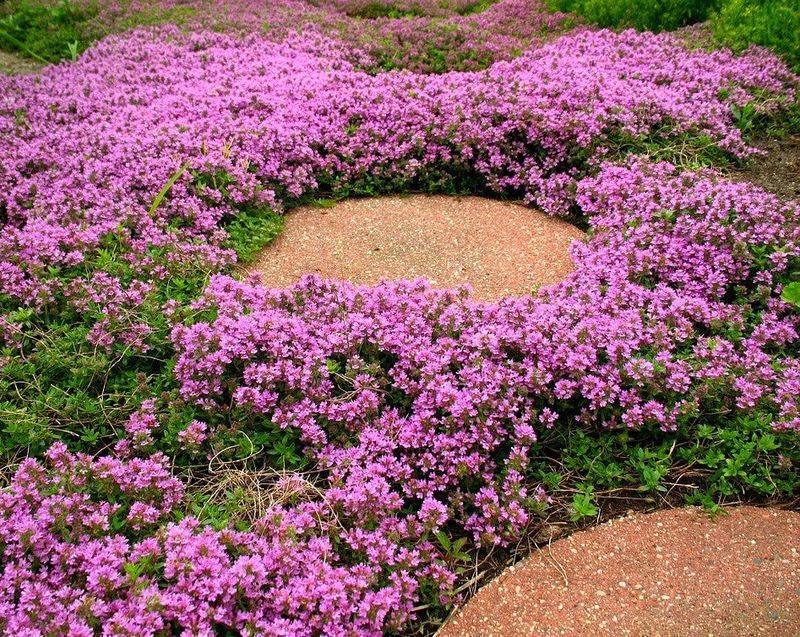
Creeping thyme is the unsung hero of the garden, offering a lush, aromatic carpet that can withstand light foot traffic. Its delicate purple flowers create a charming tapestry that invites bees and butterflies to visit.
This hardy groundcover thrives in well-drained soil and can handle dry, sunny conditions, making it a reliable choice for challenging spots. Beyond its ornamental appeal, creeping thyme has culinary uses, adding flavor to dishes. With its robust nature, it requires minimal maintenance, offering beauty and utility effortlessly.
4. Heuchera (Coral Bells)
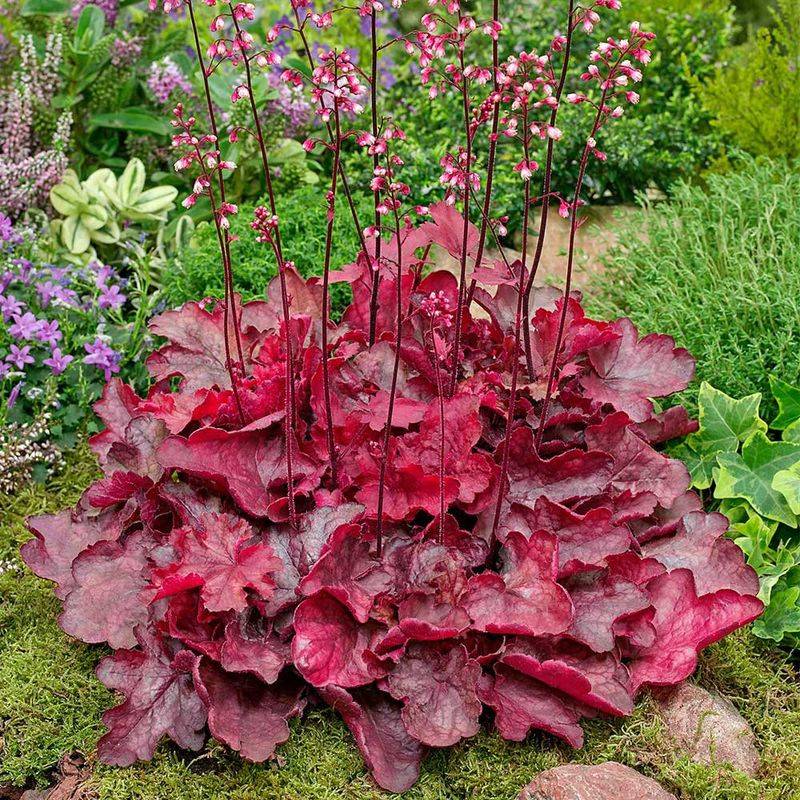
Heuchera, or Coral Bells, is known for its flamboyant foliage that adds a splash of color to shady garden borders. With leaves in shades of burgundy, lime, and more, it provides visual interest year-round.
Ideal for those tricky partially shaded areas, Heuchera thrives with minimal fuss. Its delicate flowers may not be the main attraction, but they offer a subtle charm. Over time, it forms dense clumps that can be divided to propagate more plants. Heuchera’s ability to adapt to various conditions makes it a gardener’s favorite.
5. Hosta
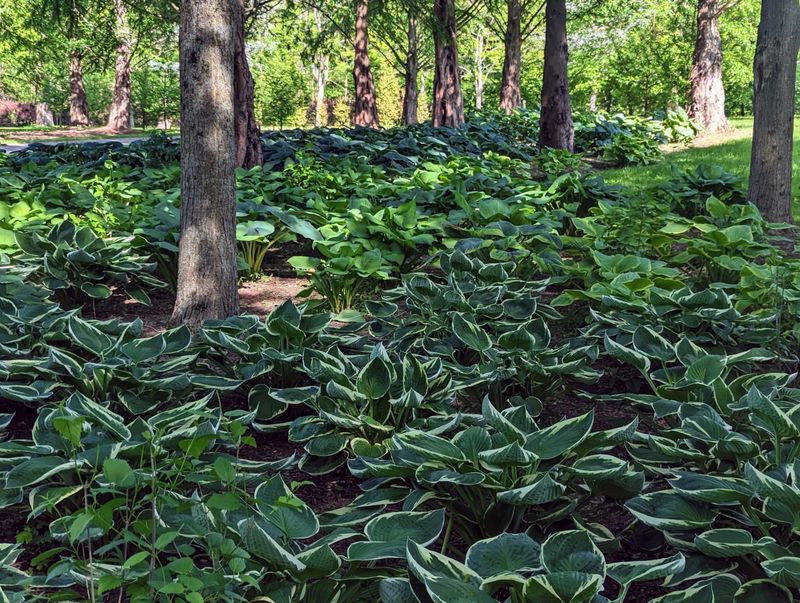
Hostas are a staple in shady gardens, beloved for their lush, textured leaves. Their ability to thrive where many plants falter makes them invaluable for difficult spots.
Available in a myriad of sizes and colors, from blues to golds, Hostas can create a dramatic effect. Despite their serene appearance, they require minimal maintenance. However, gardeners should watch for slugs, which are fond of these plants. Known for their longevity, Hostas can live for decades with proper care, becoming a cherished part of the garden landscape.
6. Dianthus
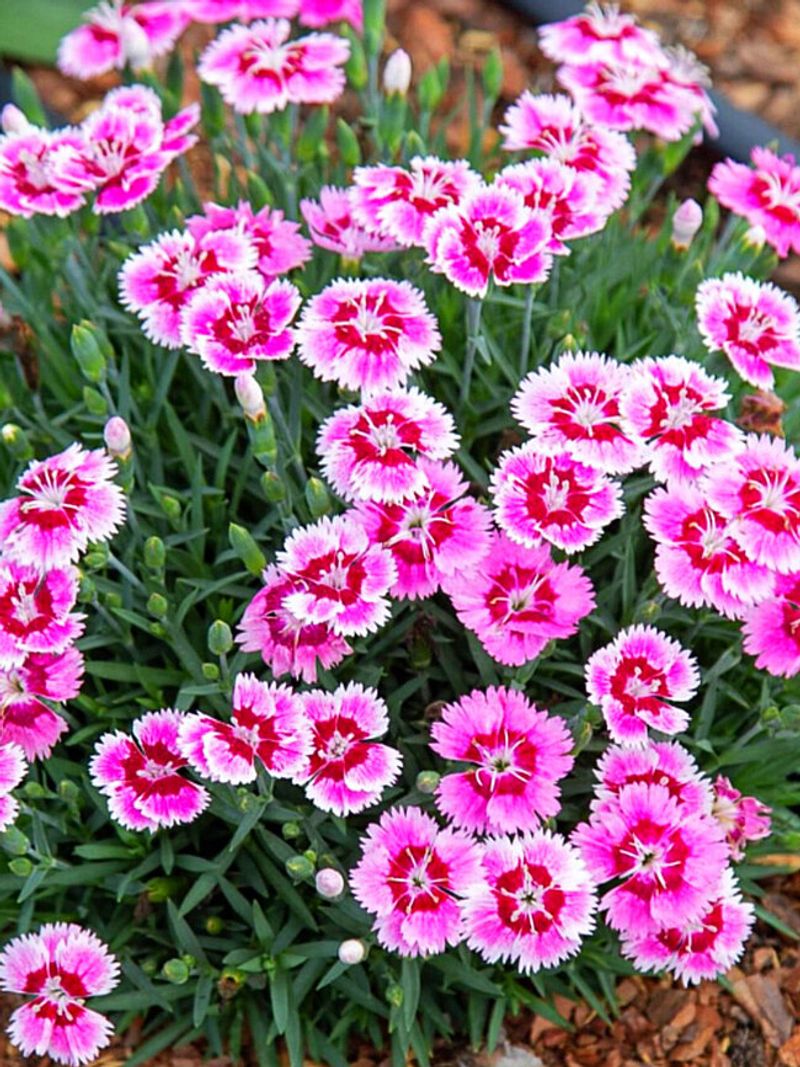
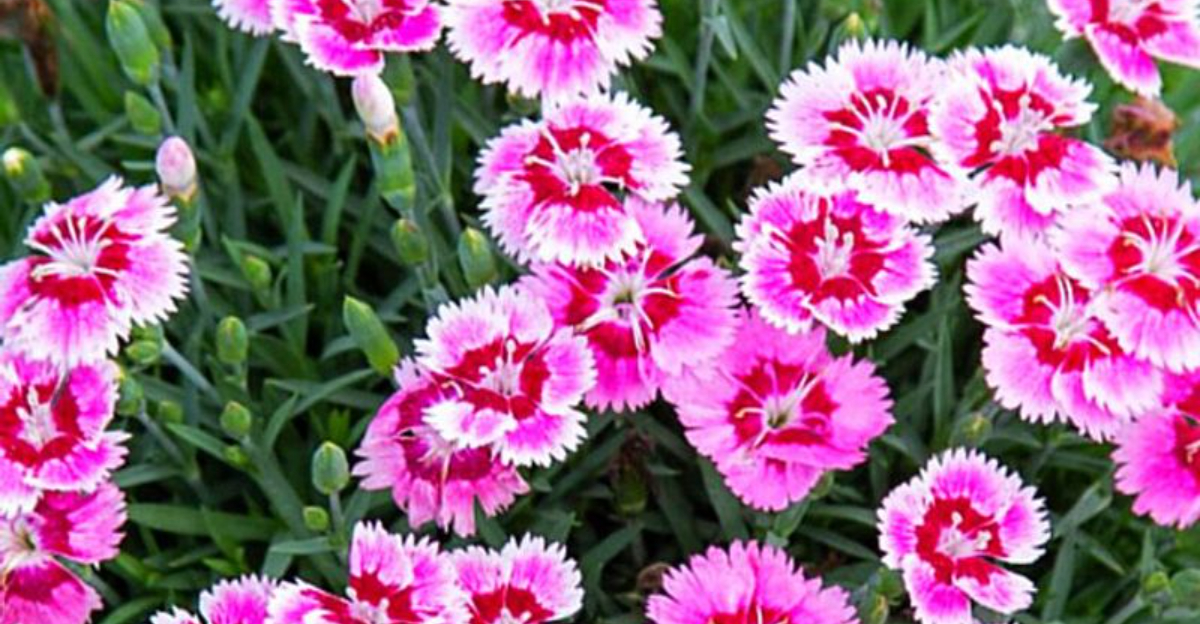
Dianthus, with its spicy fragrance, adds a pop of color and scent to garden borders. These charming blooms, often in pink, red, or white, are a favorite for both their aesthetic appeal and their delightful aroma.
Thriving in sunny locations, Dianthus prefers well-drained soil. It is relatively low-maintenance and offers long-lasting flowers. This perennial is also a favorite among florists for its cut flower potential. A historic choice, Dianthus has adorned gardens since ancient times, captivating gardeners with its simple yet striking beauty.
7. Sedum (Stonecrop)
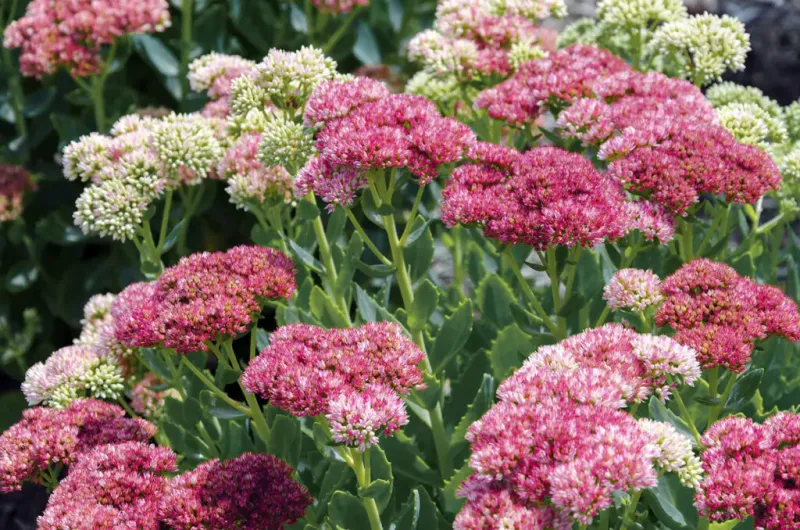
Sedum, or Stonecrop, is a resilient plant that thrives in sunny, dry conditions, perfect for rock gardens or challenging spots. Its succulent leaves retain moisture, allowing it to withstand drought.
With a variety of species offering different colors and forms, Sedum can create a dynamic display. Its star-shaped flowers attract pollinators, adding ecological value to its ornamental appeal. Sedum’s low-maintenance nature means it requires little attention once established, providing lasting beauty with minimal effort. Its versatility and hardiness make it a popular garden choice.
8. Ajuga (Bugleweed)
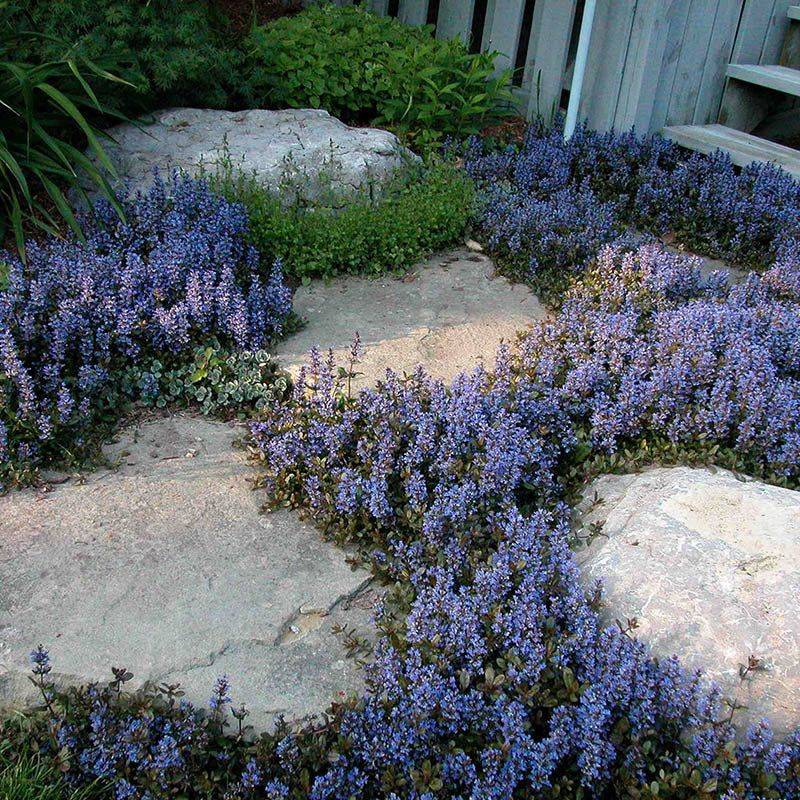
Ajuga, known as Bugleweed, forms a dense, colorful carpet that brings life to any garden border. Its glossy leaves and striking blue flower spikes create a visual spectacle in shaded areas.
This fast-spreading perennial is perfect for groundcover, filling spaces quickly with minimal maintenance. Ajuga’s adaptability to various soil types adds to its charm, making it a versatile option for gardeners. Despite its rapid growth, it is generally non-invasive and easy to control. Ajuga offers both beauty and functionality, enhancing the garden effortlessly.
9. Liriope (Lilyturf)
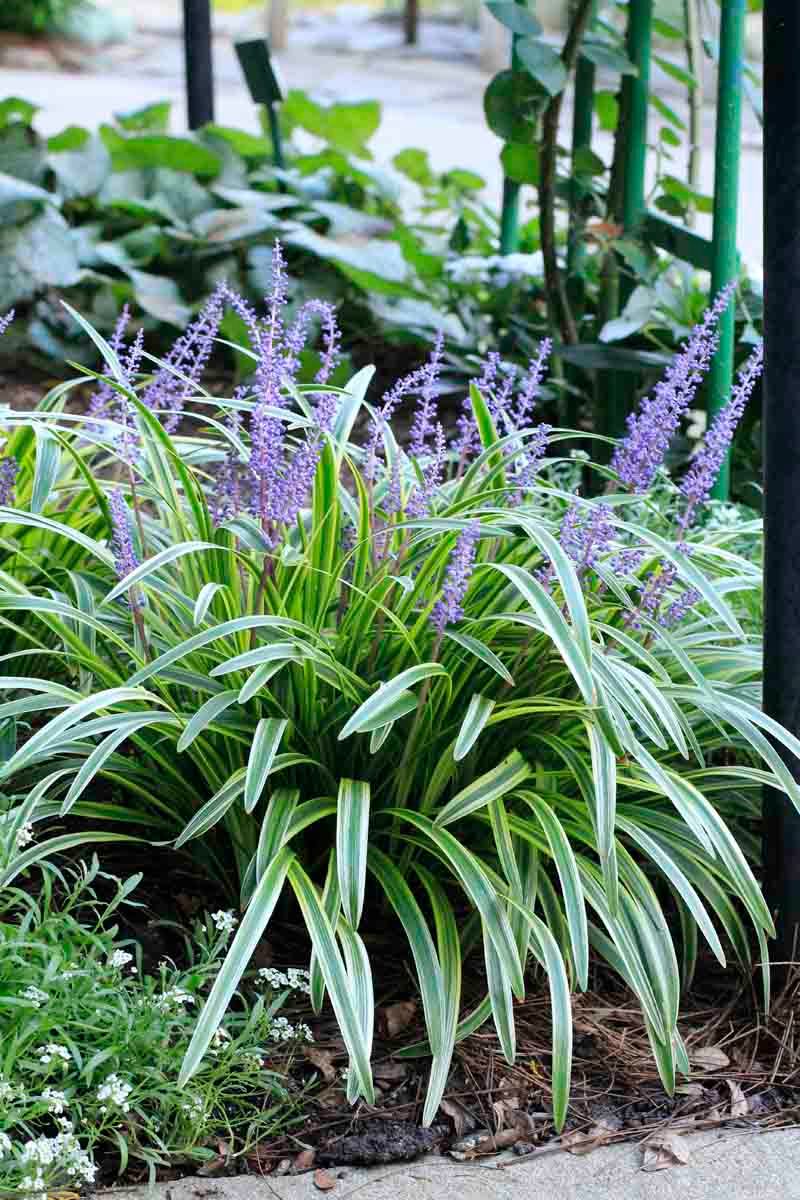
Liriope, or Lilyturf, is a hardy plant known for its grass-like appearance and vibrant purple flower spikes. It serves as an excellent edging plant, providing neat lines and structure to pathways.
Thriving in both sun and shade, Liriope is a versatile choice for various garden settings. It requires minimal care, making it ideal for busy gardeners. Its ability to tolerate drought and poor soil conditions further enhances its appeal. With origins in East Asia, Liriope has been a staple in traditional gardens and continues to be a favorite today.
10. Nepeta (Catmint)
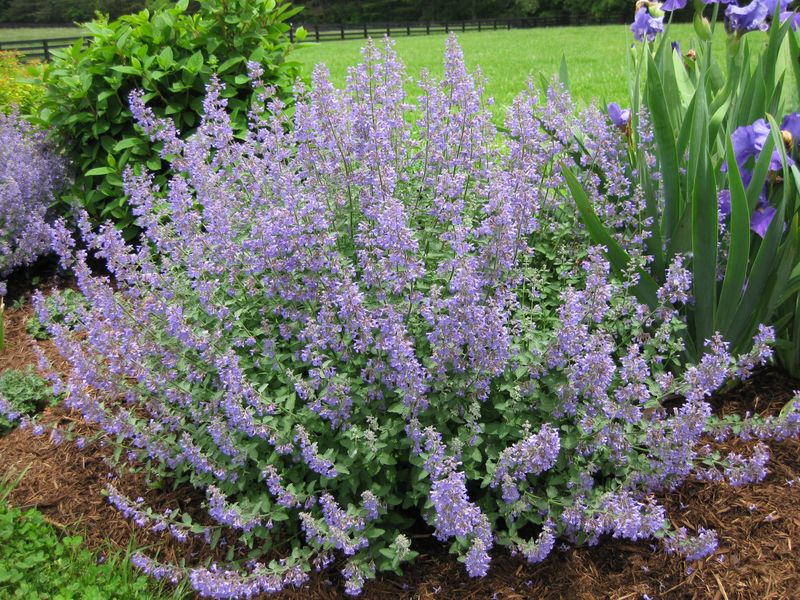
Nepeta, commonly known as Catmint, offers a delightful blend of beauty and functionality. Its silvery foliage and lavender-blue flowers create a soft, calming effect in the garden.
Perfect for attracting bees and other pollinators, Nepeta thrives in sunny spots with well-drained soil. Its aromatic leaves add to its charm, making it a favorite for sensory gardens. Easy to grow and maintain, Nepeta provides continuous blooms throughout the season. This resilient perennial is a joy for both gardeners and wildlife, enhancing the garden’s vibrancy.
11. Alchemilla mollis (Lady’s Mantle)
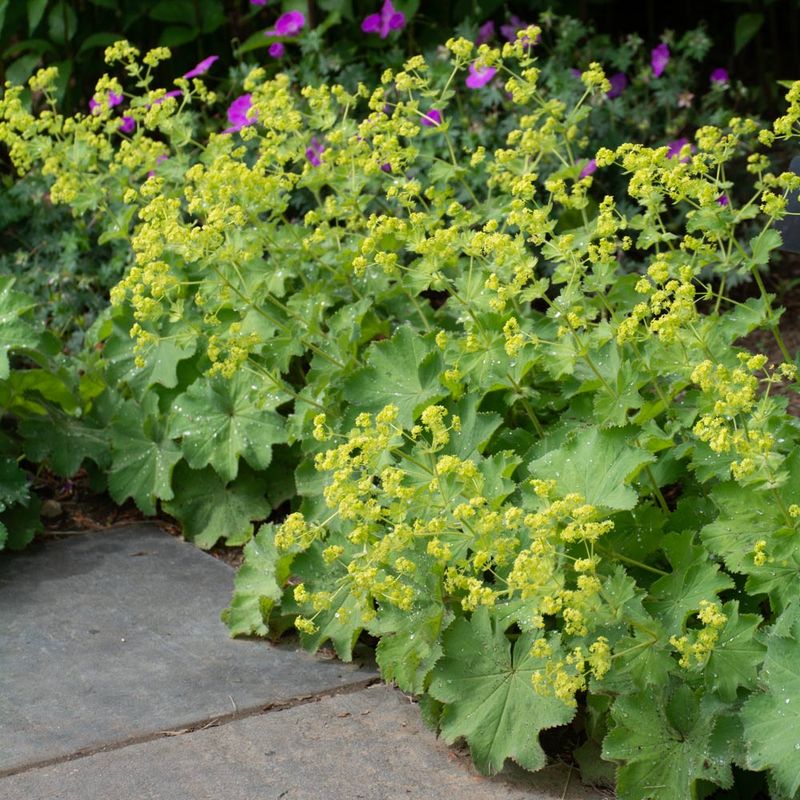
Alchemilla mollis, or Lady’s Mantle, is a charming plant known for its unique scalloped leaves that capture morning dew, creating a sparkling effect.
Its soft, chartreuse blooms add a gentle touch to garden borders, complementing more vibrant flowers. Lady’s Mantle thrives in various conditions, preferring partial shade and well-drained soil. Its ability to self-seed makes it easy to establish. This plant has a rich history in herbal medicine, adding an element of intrigue. Its understated elegance makes it a beloved choice in cottage gardens.
12. Geranium (Cranesbill)
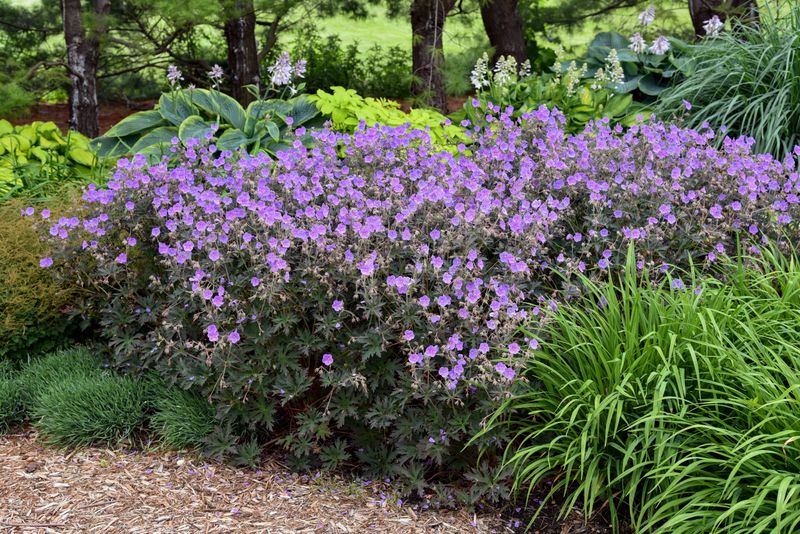
Geranium, or Cranesbill, is admired for its delicate flowers and robust nature. Its low-growing habit makes it ideal for edging, creating a soft boundary in the garden.
With a long blooming season, Geranium provides continuous color, ranging from pink to purple hues. It thrives in sunny or partially shaded areas, adapting well to different environments. Easy to care for, it requires minimal attention once established. Geranium’s historical use in traditional medicine adds to its allure, making it not only beautiful but also fascinating.
1. Mint
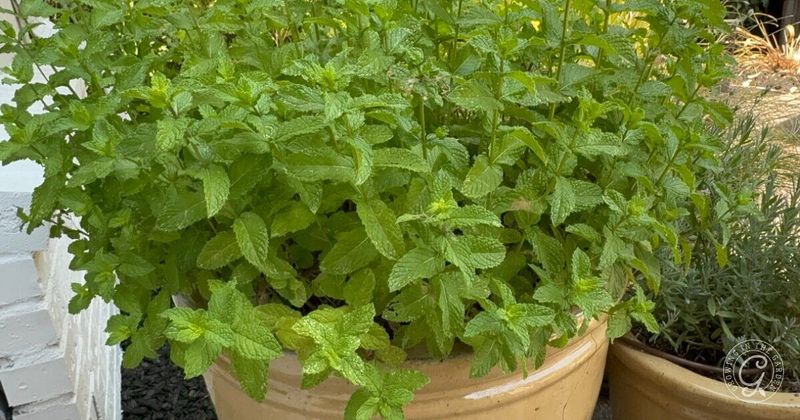
Mint, while aromatic and useful in the kitchen, can become a gardener’s nightmare when planted without boundaries. Known for its aggressive growth, mint can quickly invade garden spaces, overpowering other plants.
Its underground runners spread rapidly, making it difficult to contain. While it thrives in many conditions, this very adaptability contributes to its invasiveness. To enjoy mint’s benefits without the hassle, it is best grown in containers. Despite its unruly nature, mint’s refreshing scent and culinary uses keep it in high demand, albeit with caution.
2. Bamboo
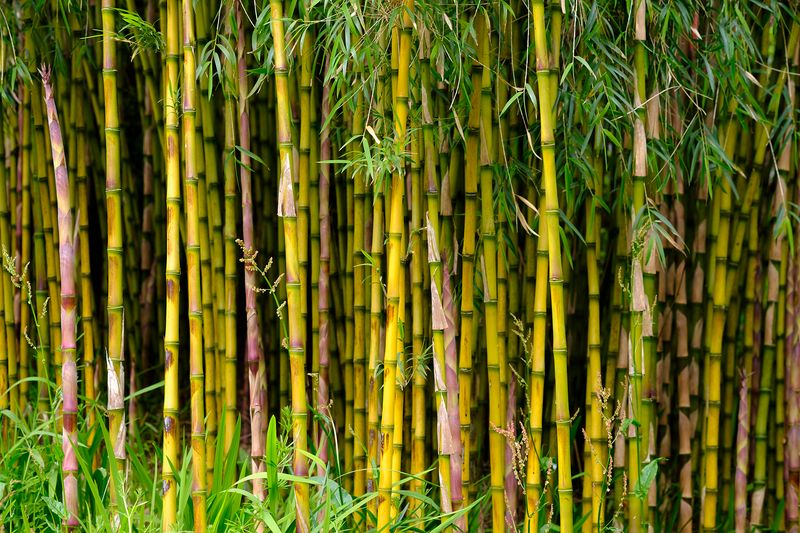
Bamboo, with its elegant appearance and rapid growth, seems ideal for quick privacy hedges. However, its tendency to spread aggressively can lead to significant garden challenges.
Once established, bamboo’s rhizomes extend underground, making it difficult to control without barriers. Its relentless growth can even affect neighboring properties. Despite these concerns, bamboo’s aesthetic allure and strength have made it a popular choice in various cultures. When considering bamboo, it’s crucial to use containment strategies to prevent unwanted spread.
3. English Ivy
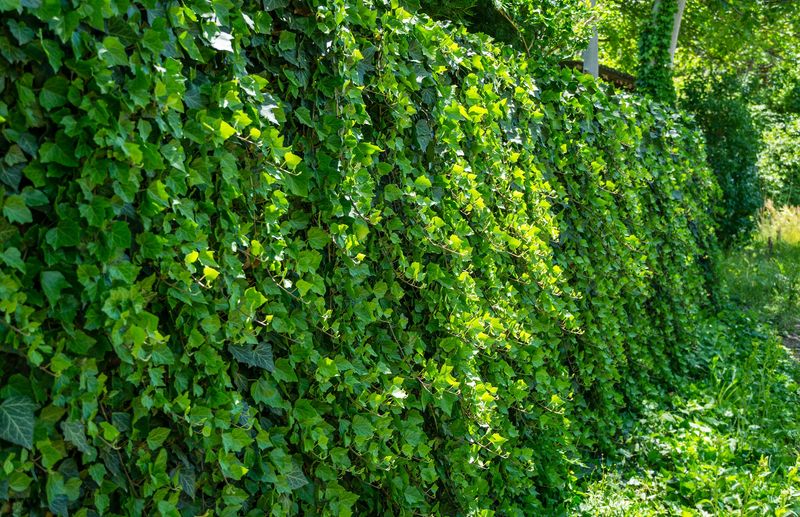
English Ivy, while picturesque and romantic, often becomes problematic in gardens. Its vigorous growth can smother trees, shrubs, and even structures if left unchecked.
As it climbs, it can cause damage to surfaces and become difficult to remove. Although it thrives in shaded areas and offers evergreen coverage, its invasive nature necessitates careful management. English Ivy’s historical use in architecture and landscaping highlights its aesthetic value, but with the risk of unwanted spread, caution is advised. For those who love its look, containers are recommended.