 Complete Gardening

Plants are a wonderful addition to any home, bringing life and vibrancy to our living spaces. However, it can be disheartening to see your plant’s leaves turning brown. This could be due to various unexpected reasons.
Understanding these causes will not only help you revive your plants but also prevent further damage. Let’s explore twelve surprising culprits behind brown leaves and discover practical solutions to give your plants a healthier look.
1. Fluoride in Tap Water

Fluoride can be a silent enemy to your beloved houseplants. Often unnoticed in tap water, this chemical might lead to brown tips on various plant leaves. The leaves, once vibrant, can slowly start looking as if they’ve been scorched at the edges. This is especially true for plants sensitive to fluoride, such as peace lilies and spider plants.
To remedy this, switch to distilled or rainwater. These alternatives provide a pure watering solution without harsh chemicals, ensuring your plants can thrive without any unneeded stress. By changing your watering habits, you can restore your plants’ natural beauty and health.
2. Overuse of Fertilizer
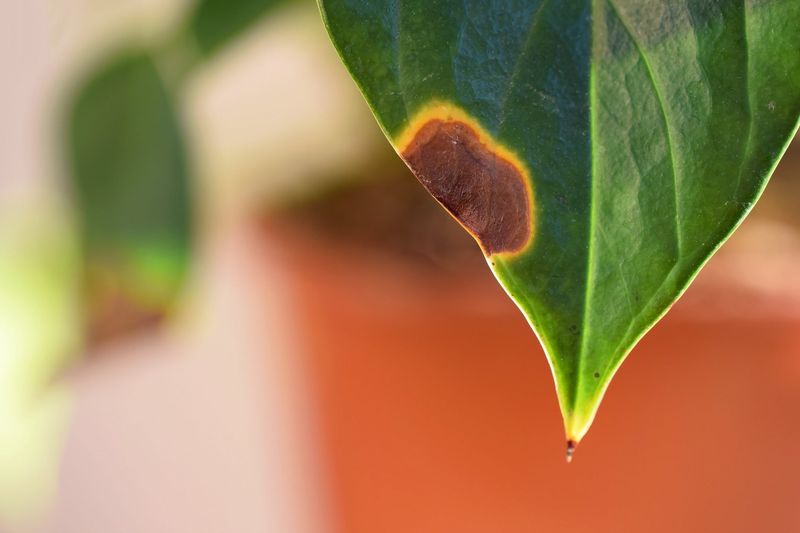
Too much of a good thing can sometimes be bad, and this is true for plant fertilizers. Over-fertilizing leads to salt buildup around the roots, causing the plant’s leaf tips to brown and dry. Imagine a salty desert encircling your plant’s roots, preventing it from absorbing the needed nutrients.
To fix this, regularly flush the soil with water to remove excess salts. Use fertilizers sparingly and follow guidelines closely. This way, your plants can receive the right amount of nutrients without being overwhelmed.
3. Dry Indoor Air
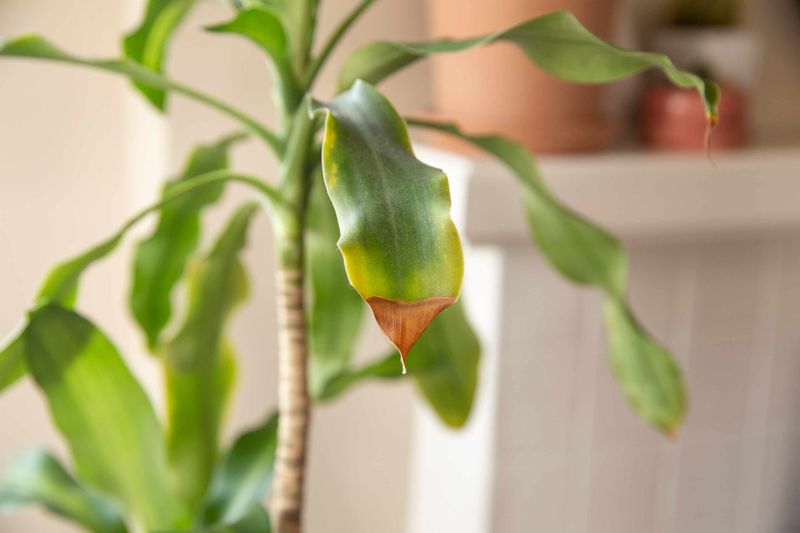
During winter, the air inside our homes can become quite dry, stealing moisture from plants’ leaves and leading to browning. Picture a plant desperately trying to retain moisture as the air whisks it away.
Combat this by using a humidifier to add moisture back into the air. Alternatively, placing a shallow tray of water near your plants can also work wonders. These techniques help maintain the humidity level, ensuring that plants remain lush and thriving all year round. Your plants will thank you with vibrant, hydrated leaves.
4. Cold Drafts
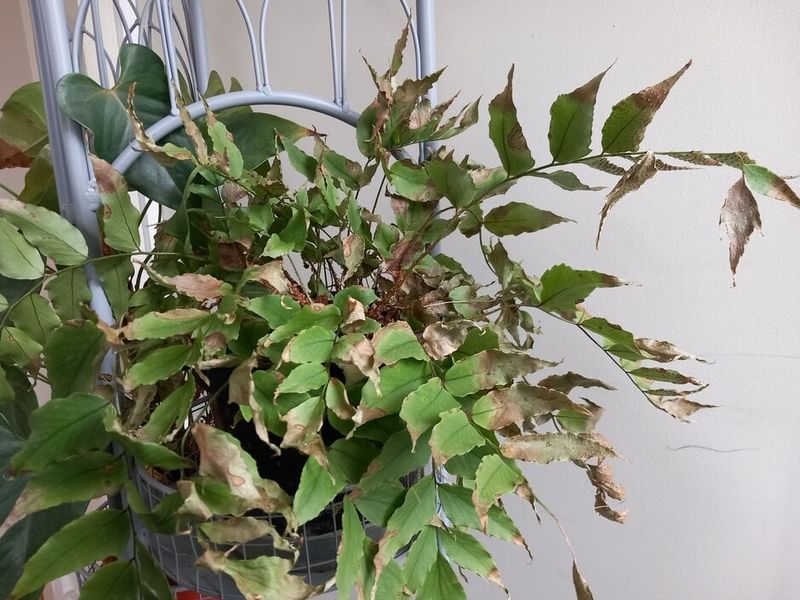
Plants, much like us, dislike sudden changes in temperature. A cold draft can be particularly harsh, damaging the edges of plant leaves and turning them brown. Envision a cold breeze brushing across your skin, leaving behind a chill; that’s how your plant feels.
To safeguard your plants, position them away from drafty windows and doors. This simple change can protect your plants from the shock of cold air, allowing them to maintain their health and vibrant appearance. Protecting your plants from drafts ensures they stay cozy and green.
5. Watering at the Wrong Time
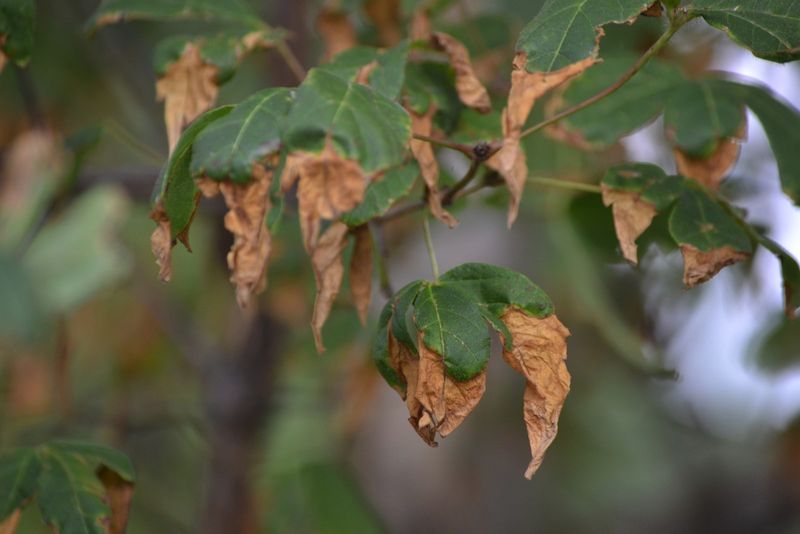
Timing is everything, even with watering plants. Watering during the hottest part of the day causes rapid evaporation, leaving plants stressed and their leaves brown. Imagine pouring water on hot sand—it vanishes before it can nourish.
To ensure maximum hydration, water your plants in the cooler parts of the day, like early morning or late afternoon. This allows water to seep into the soil and reach the roots, ensuring your plants stay well-hydrated and their leaves remain lush and vibrant.
6. Root Bound Plants
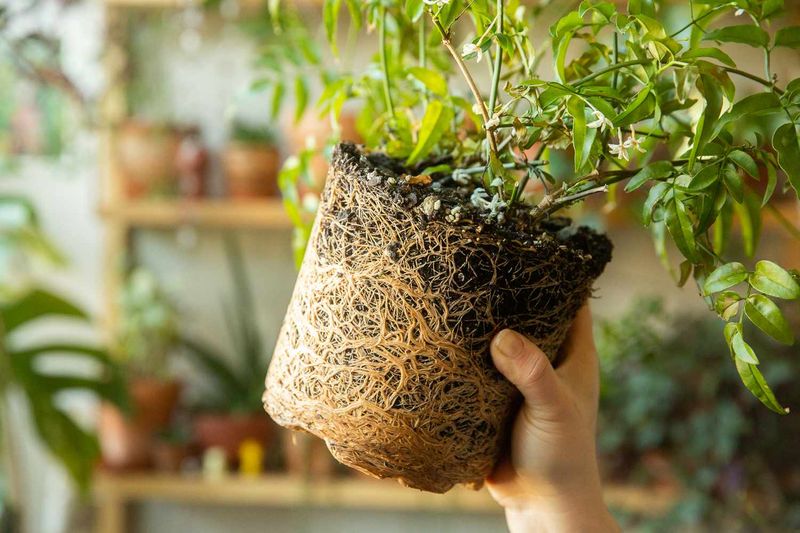
When roots outgrow their pots, they can become bound and unable to absorb nutrients effectively. Picture a plant trying to expand, yet confined within a cramped space. This often leads to nutrient deficiency and browning leaves.
Provide your plant with more room to grow by repotting it into a larger container with fresh soil. This not only allows the roots to spread out and absorb nutrients efficiently but also encourages a thriving plant with healthy leaves.
7. Hard Water
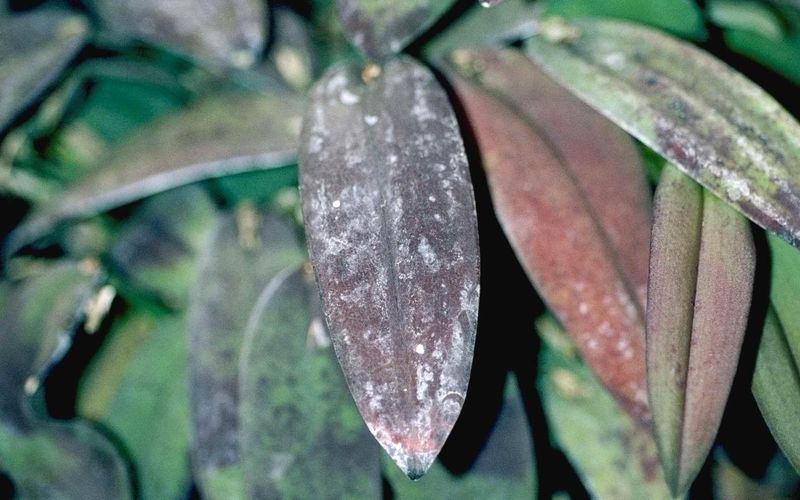
Hard water contains minerals that can accumulate in the soil, negatively impacting plant health and causing leaf browning. Picture a layer of mineral crust forming in the soil, blocking roots from accessing essential nutrients.
Use filtered or softened water to keep your plants healthy. By reducing the mineral content of the water, you prevent the buildup that can cause damage. This ensures your plants can absorb nutrients effortlessly, keeping their leaves green and full of life.
8. Underwatering
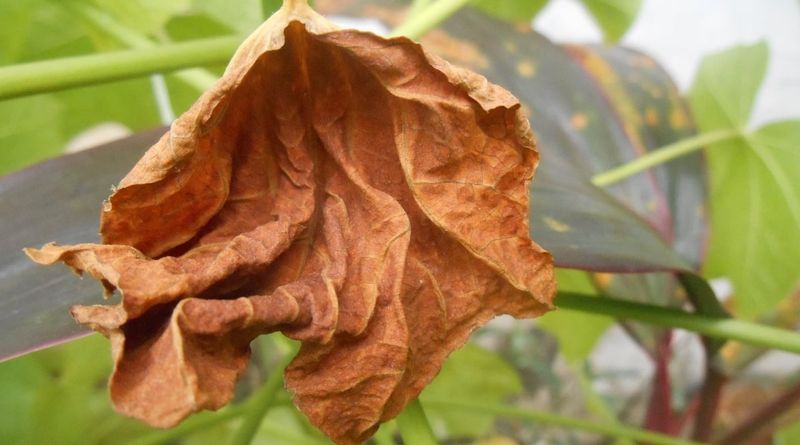
Even drought-tolerant plants need consistent moisture to thrive. When neglected, their leaves can wilt and turn brown, reminiscent of a parched traveler in a desert.
Check the soil regularly by touching it. If it’s dry an inch below the surface, it’s time to water. By maintaining a consistent watering schedule, you ensure that even the most resilient plants remain vibrant and healthy, avoiding the dreaded brown leaf syndrome.
9. Sunburn
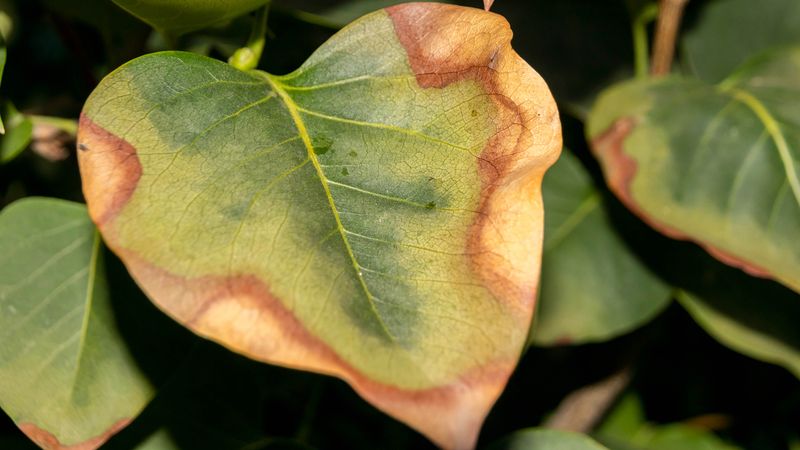
Just like us, plants can suffer from too much sun. Prolonged exposure to direct sunlight can lead to scorched, brown leaves, as if a sunburn had taken place. Sensitive plants, in particular, need protection from harsh rays.
Relocate your plants to spots with indirect light to shield them from sunburn. This adjustment helps them thrive without the risk of leaf damage, maintaining their lush and vibrant appearance.
10. Pests
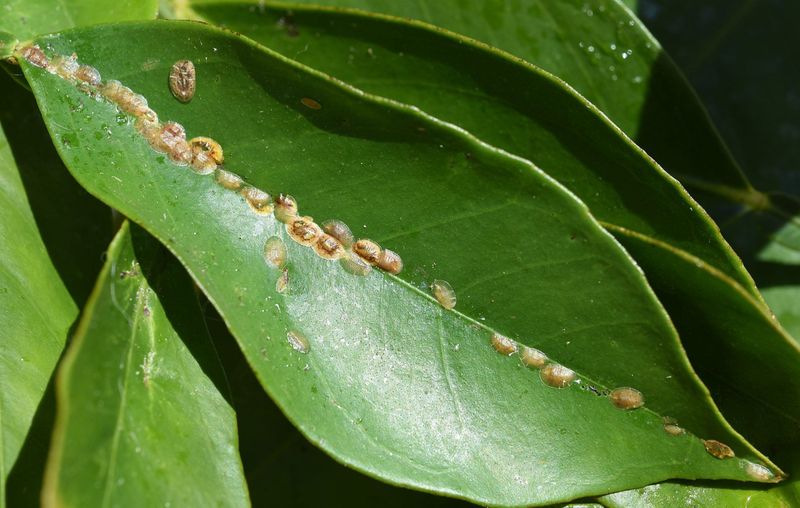
Tiny pests like spider mites, aphids, or thrips can cause big problems, stressing plants and resulting in browning leaves. Picture these minuscule invaders feasting on your plants, causing subtle but significant harm.
Inspect leaves regularly and treat infestations with neem oil or insecticidal soap. This proactive approach ensures that pests are promptly dealt with, preventing further stress and maintaining healthy, green foliage.
11. Soil Imbalance
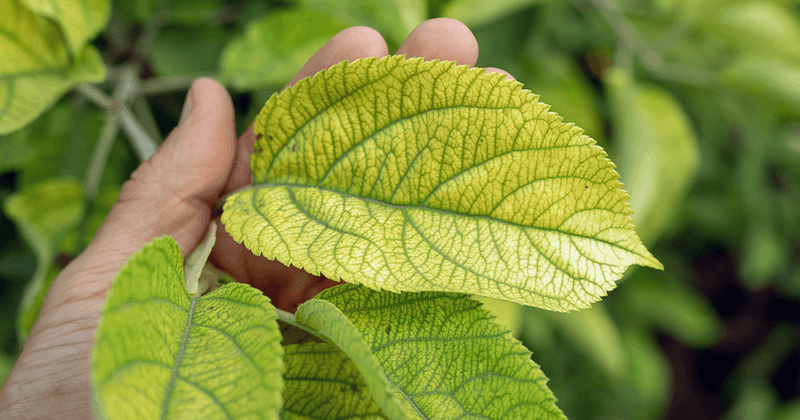
The wrong pH level or poor-quality soil can hinder nutrient absorption, leading to browning leaves. Imagine trying to grow in inhospitable ground, struggling to get the nourishment needed.
Test your soil and adjust it with pH amendments or compost to create a balanced environment. This ensures your plants can access all necessary nutrients, keeping their leaves green and vibrant, free from brown discoloration.
12. Chemical Sensitivity
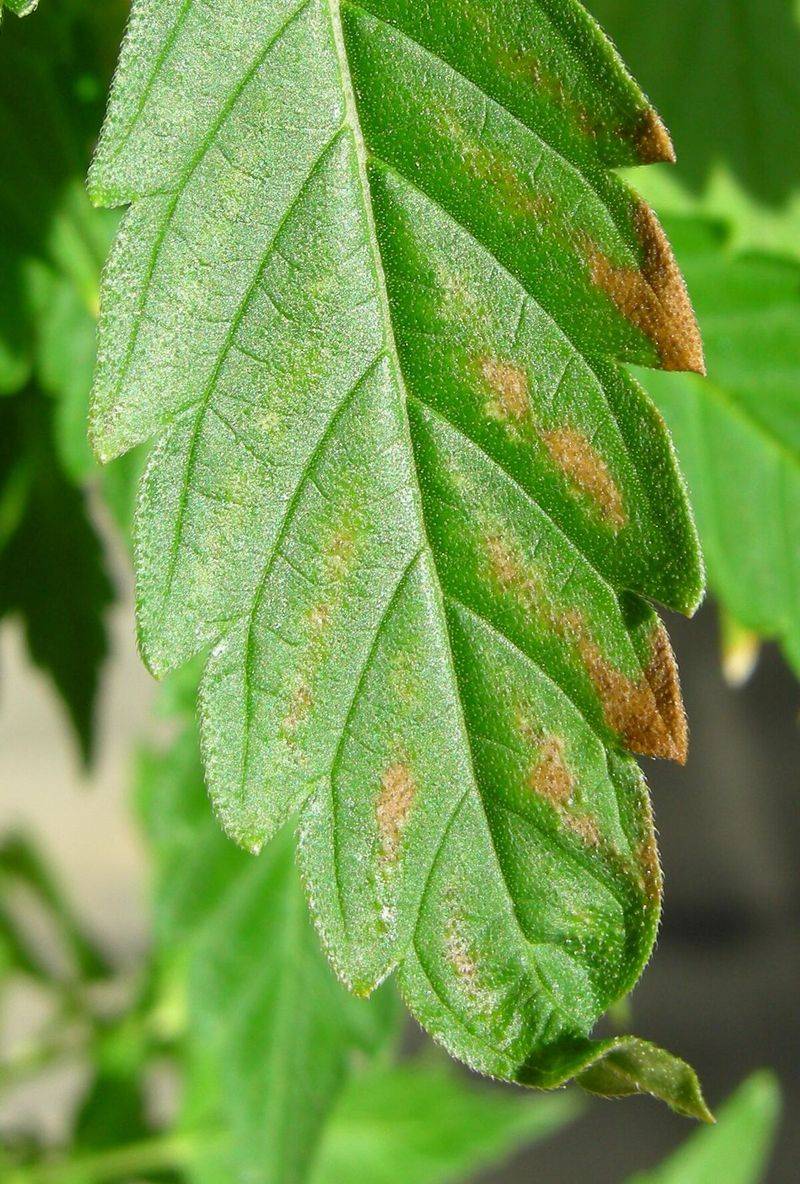
Leaves can be sensitive to chemicals from sprays, polish, or cleaning products, leading to unsightly spots and browning. Picture this as a harsh layer coating the leaves, blocking their ability to breathe.
Rinse the leaves gently with water and avoid using harsh chemicals near your plants. By taking this extra care, you help maintain their natural beauty and vibrancy, allowing them to flourish.