 Complete Gardening
In the natural world, certain plants have the incredible ability to attract frogs, turning your garden into a hub of biodiversity. Frogs are not just fascinating creatures; they’re also effective pest controllers, helping to maintain ecological balance. By incorporating specific plants in your garden, you invite these helpful amphibians to take residence, enjoying both their croaks and their pest-controlling prowess. This article explores thirteen unique plants that magnetize frogs, giving your outdoor space a harmonious and functional upgrade. Each plant offers unique attributes that make them an attractive option for an eco-friendly garden.
1. Water Lilies
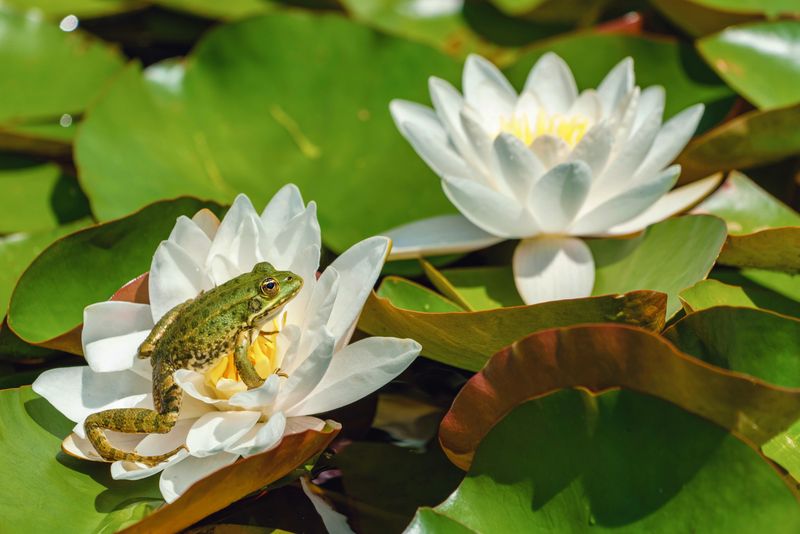
Among garden plants, water lilies stand out for their allure to frogs. Picture a tranquil pond, the water’s surface adorned with these vibrant blooms. Frogs see more than beauty—they find refuge and food. Water lilies offer shade and cooler water temperatures, crucial for frog comfort. Beneath their broad leaves, frogs find a safe spot to lay eggs, safe from predators. Known for their enchanting blooms, water lilies provide a banquet of insects that frogs relish. With roots submerged, these plants oxygenate the water, making it an inviting haven for frogs seeking a serene dwelling.
2. Hostas
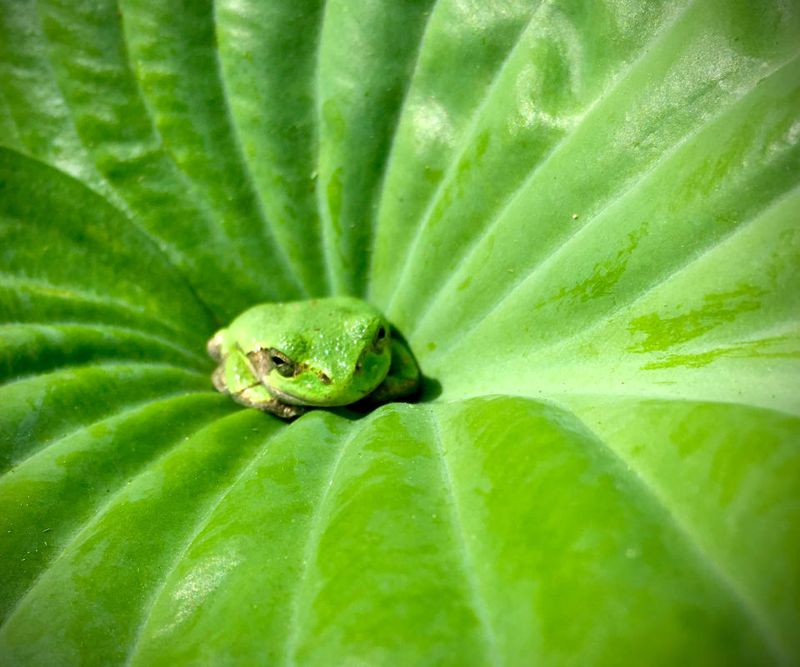
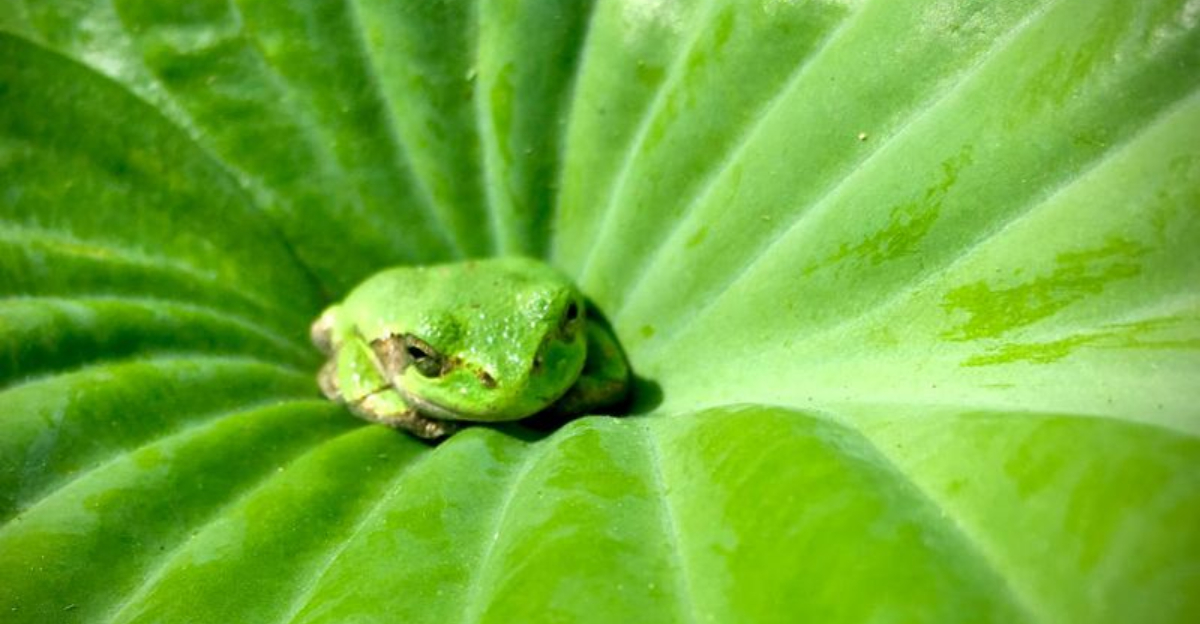
Hostas, with their expansive, shady leaves, are ideal for attracting frogs. These plants create a cool microenvironment that frogs find irresistible. The shade provided by hostas keeps soil moist, an essential factor for amphibians. Frogs adore the shelter these leaves provide, offering protection from both predators and harsh weather. Hostas also attract insects, a primary food source for frogs. With their diverse leaf patterns and robust growth, they not only enhance garden aesthetics but also serve as a vital link in the ecosystem, inviting frogs to thrive in their midst.
3. Marsh Marigold
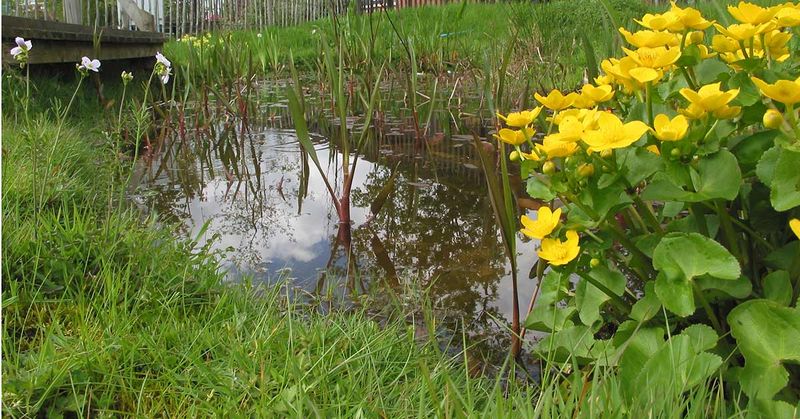
Marsh marigolds, with their sunlit yellow blooms, are a beacon for frogs in wetland areas. These vibrant flowers thrive in marshy conditions, where frogs are commonly found. The marigold’s presence signals a healthy, moist environment, essential for frog survival. Frogs are drawn to the abundant insects these plants attract. The dense foliage offers protection and a suitable place for breeding. As the marigolds sway gently in the breeze, they create an inviting landscape that supports frog populations, contributing to a balanced ecosystem where nature’s pest control thrives.
4. Ferns
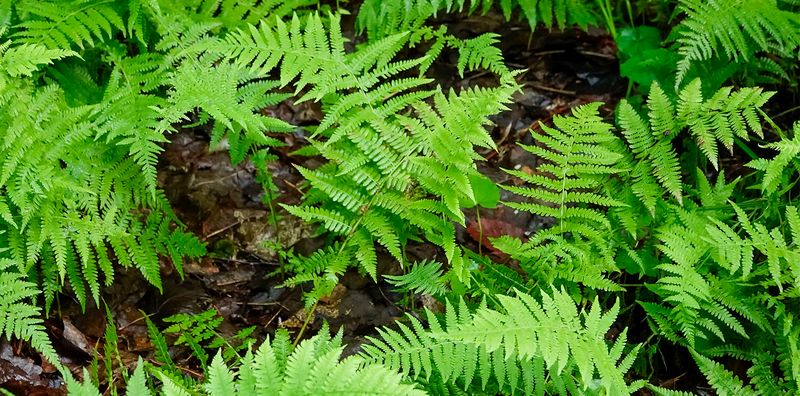
In the undergrowth of forests, ferns create a lush sanctuary for frogs. Their intricate fronds provide ample shade, keeping the environment cool and moist—conditions frogs cherish. Ferns are magnets for insects, ensuring a constant food supply for amphibians. The dense foliage offers concealment, protecting frogs from predators. As ferns sway gently in the breeze, they also contribute to the garden’s tranquility. Known for their resilience, ferns establish a harmonious setting, attracting frogs and promoting biodiversity. Their presence in a garden signifies a commitment to supporting native wildlife.
5. Pondweed
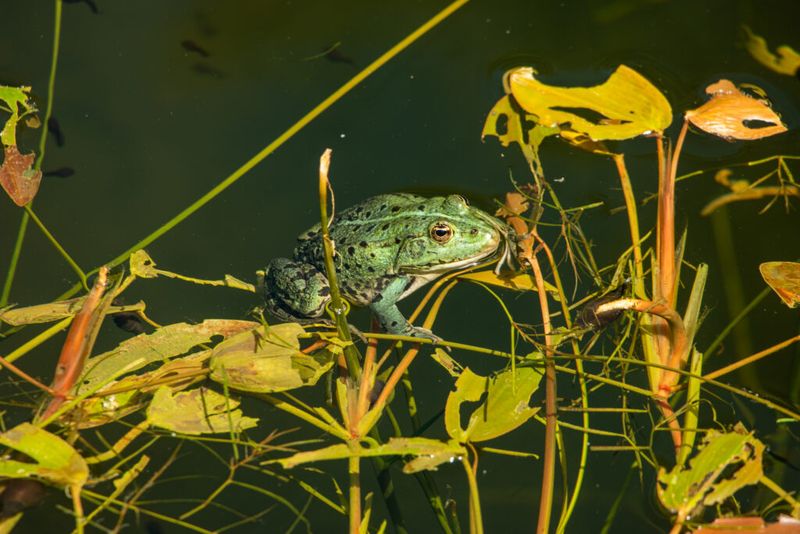
Pondweed, often seen floating in still waters, is a vital plant for attracting frogs. Its presence indicates clean water—a must for amphibian health. Frogs are drawn to pondweed as it provides both food and shelter. This aquatic plant supports frog populations by offering a breeding ground, with its leaves serving as egg-laying sites. The underwater environment teems with insects that frogs feast on. As pondweed sways in the water, it oxygenates the pond, enhancing its appeal to frogs. It’s more than just an aquatic plant; it’s a cornerstone of a frog-friendly habitat.
6. Butterfly Bush
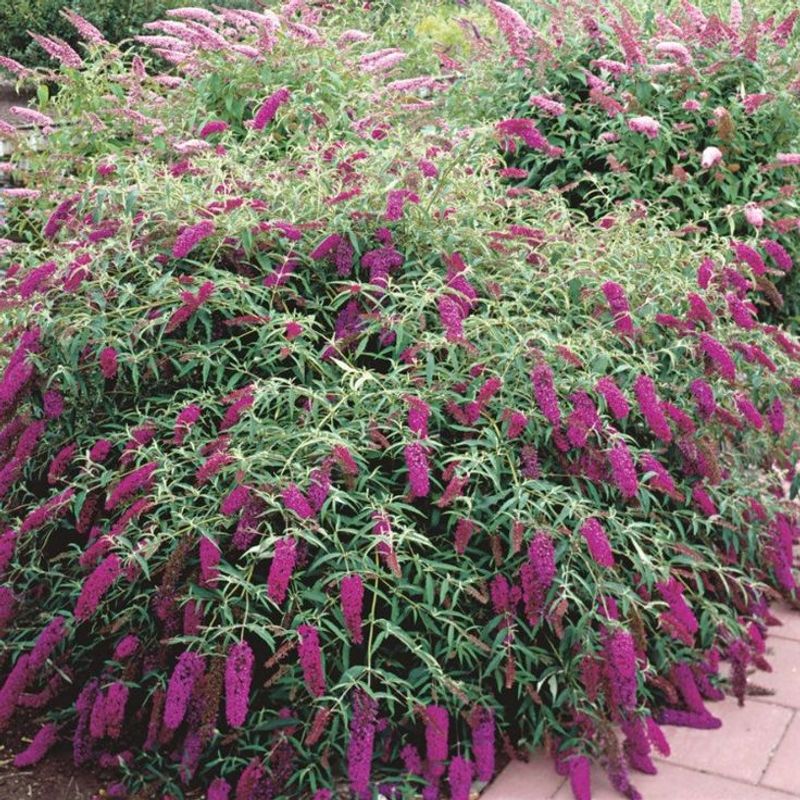
With its striking clusters of flowers, the butterfly bush is a visual feast for both insects and frogs. This plant’s blooms lure insects, which in turn attract hungry frogs seeking a meal. The dense foliage of the butterfly bush provides excellent cover for frogs, shielding them from predators and harsh conditions. As frogs patrol the garden, they help control insect populations, showcasing the plant’s role in a balanced ecosystem. In full bloom, the butterfly bush not only captivates with its beauty but also supports biodiversity by drawing both pollinators and amphibians.
7. Watercress
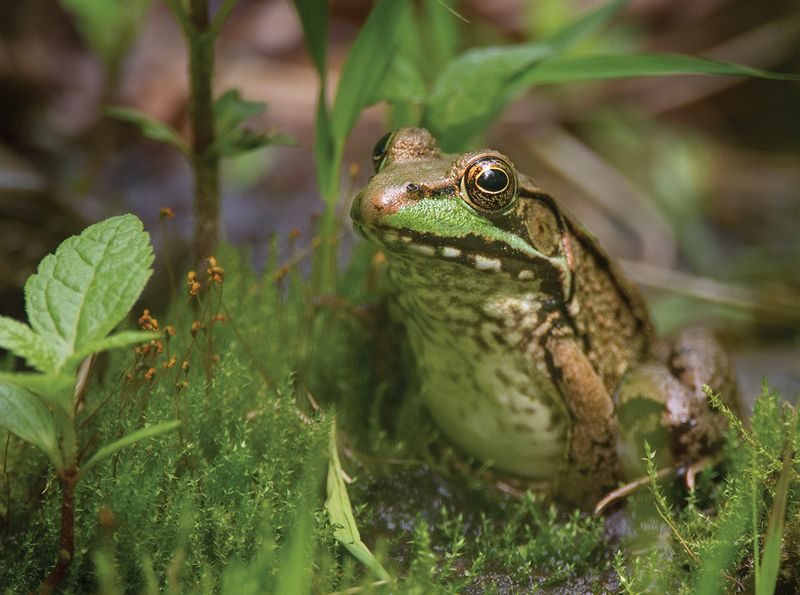
Watercress, thriving in clear, running water, is a magnet for frogs. It indicates a healthy aquatic environment, essential for amphibian life. Frogs are attracted to its peppery leaves, which host numerous insects—a primary food source. The plant offers excellent cover with its dense growth, providing frogs protection from predators. As watercress thrives along stream banks, it helps stabilize the soil, promoting a balanced ecosystem. Frogs, in turn, contribute to the garden’s health by controlling pests. This mutualistic relationship makes watercress a valuable addition to any frog-friendly habitat.
8. Lotus
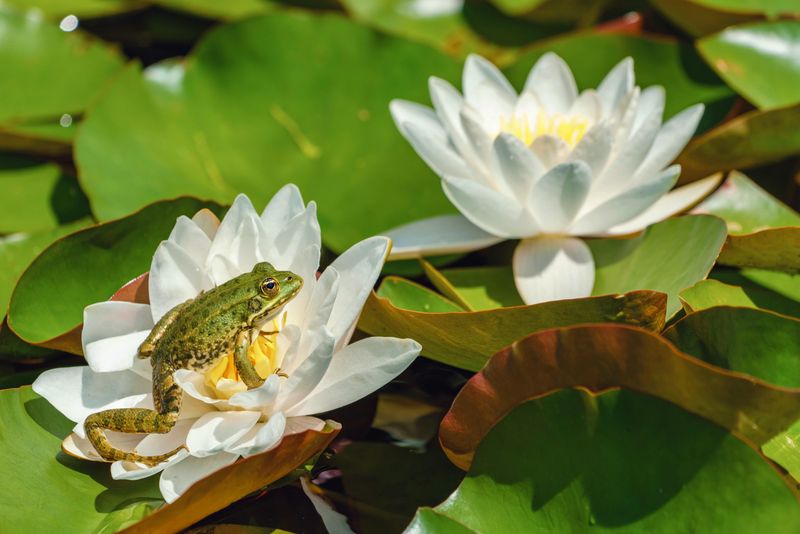
The lotus, with its majestic blooms, transforms any pond into a serene oasis. Frogs are naturally drawn to its expansive leaves, which offer shade and shelter. These plants thrive in still waters, creating a perfect environment for frogs to breed and hunt. Lotus flowers attract a myriad of insects, providing ample food for amphibians. As symbols of purity and tranquility, lotuses enhance garden aesthetics while supporting biodiversity. Their ability to oxygenate water and provide habitat makes them indispensable in frog-attracting gardens, blending beauty with ecological function.
9. Cattails
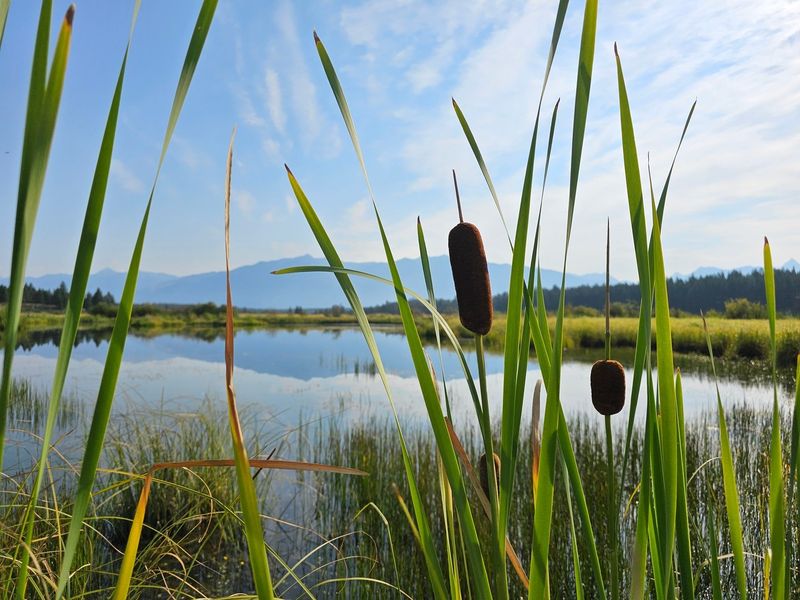
In marshlands, cattails stand tall, offering essential habitat elements for frogs. These plants contribute to water purification, ensuring a healthy environment for amphibians. Frogs are drawn to cattails for shelter and breeding, using the dense foliage and water’s edge for protection. The plant’s structure supports a variety of insects, providing a continuous food source. As cattails sway gracefully, they symbolize the delicate balance of nature, where frogs play a crucial role in pest control. Their robust presence in wetlands underscores their importance in maintaining ecological harmony.
10. Japanese Iris
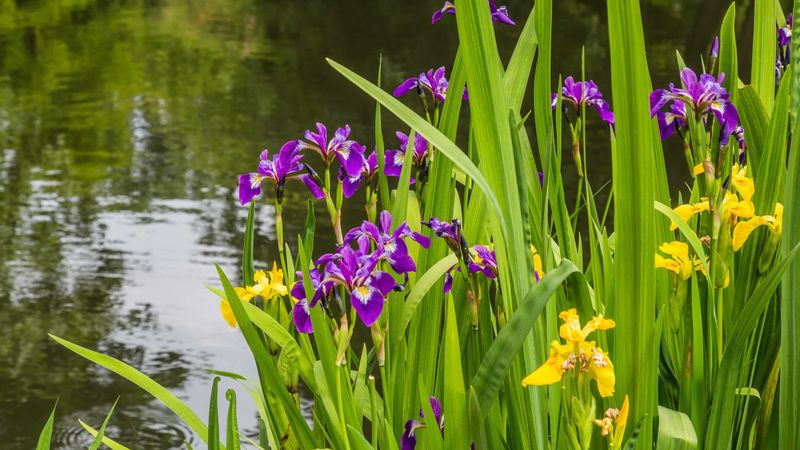
Japanese irises, with their elegant blooms, are more than ornamental; they are key players in attracting frogs. These irises thrive in wet conditions, providing essential moisture and habitat for amphibians. Frogs are lured by the insects that frequent these flowers, ensuring a steady food supply. The plant’s roots help stabilize pond banks, promoting a balanced ecosystem where frogs can thrive. Known for their striking colors and graceful form, Japanese irises enhance any garden, supporting biodiversity and highlighting the dynamic relationship between plants and amphibians.
11. Pickerelweed
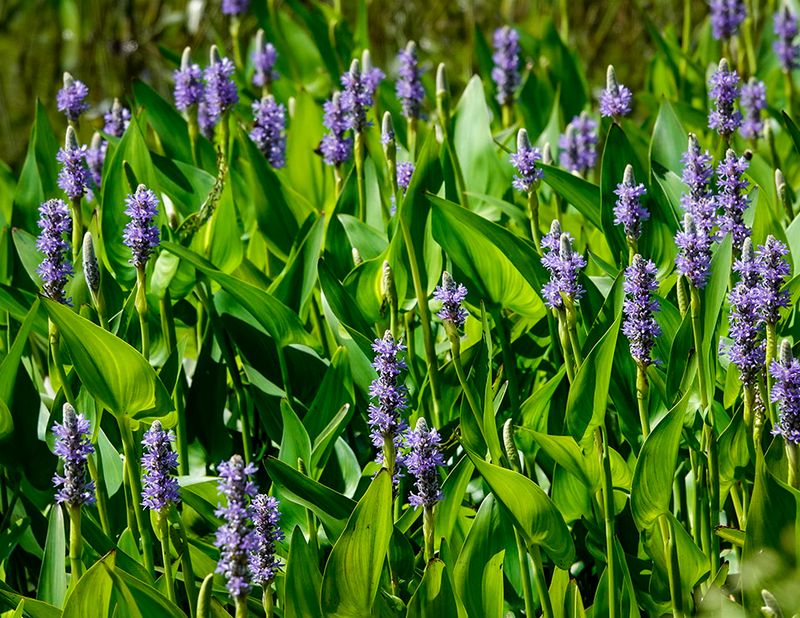
Pickerelweed, with its vibrant purple spikes, is a favorite among frogs. This aquatic plant thrives in shallow waters, providing ideal conditions for amphibian life. Frogs are attracted to the plant’s structure, which offers hiding spots and breeding areas. Insects swarm to its flowers, making it a frog’s buffet. Pickerelweed also plays a role in water filtration, ensuring a clean habitat for frogs. As its leaves float serenely, the plant fosters a peaceful environment, encouraging frogs to linger and contribute to the garden’s ecological balance.
12. Duckweed
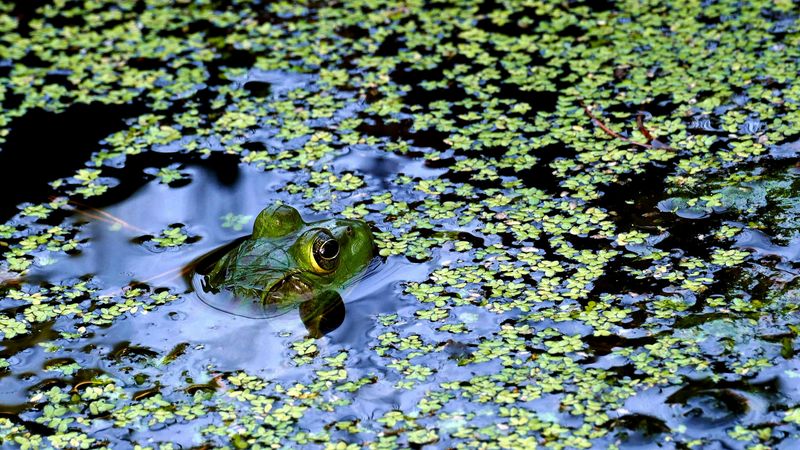
Duckweed, often seen as a green carpet on ponds, is treasured by frogs. This tiny plant covers water surfaces, providing shade and shelter for amphibians. Frogs are drawn to the insects that duckweed attracts, making it an integral part of their diet. The plant aids in water purification, creating a healthy environment where frogs can flourish. As duckweed proliferates, it cools the water, a benefit for amphibian comfort. Its rapid growth and ability to support diverse life forms make it a vital component of a frog-friendly ecosystem, inviting nature’s pest patrol to settle in.
13. Spider Lily
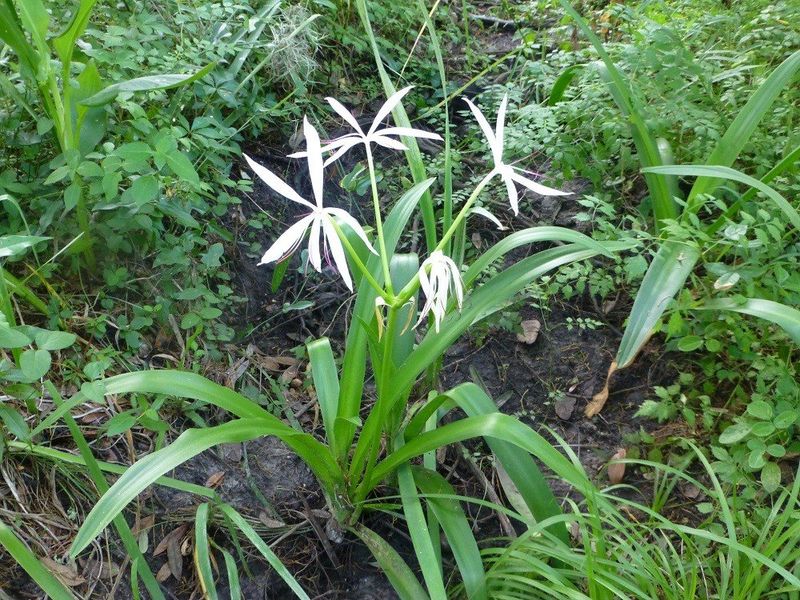
Spider lilies, with their distinctive blooms, are a magnet for both insects and frogs. These plants thrive in moist environments, essential for amphibian habitation. Frogs are enticed by the insects that visit the lilies, providing them with nourishment. The plant’s unique structure offers shelter, keeping frogs safe from predators. As spider lilies grace the garden with their beauty, they also play a crucial role in supporting biodiversity. Their presence in a garden emphasizes the interconnectedness of life, where frogs act as natural pest controllers, enhancing the garden’s health and vitality.
14. Golden Club
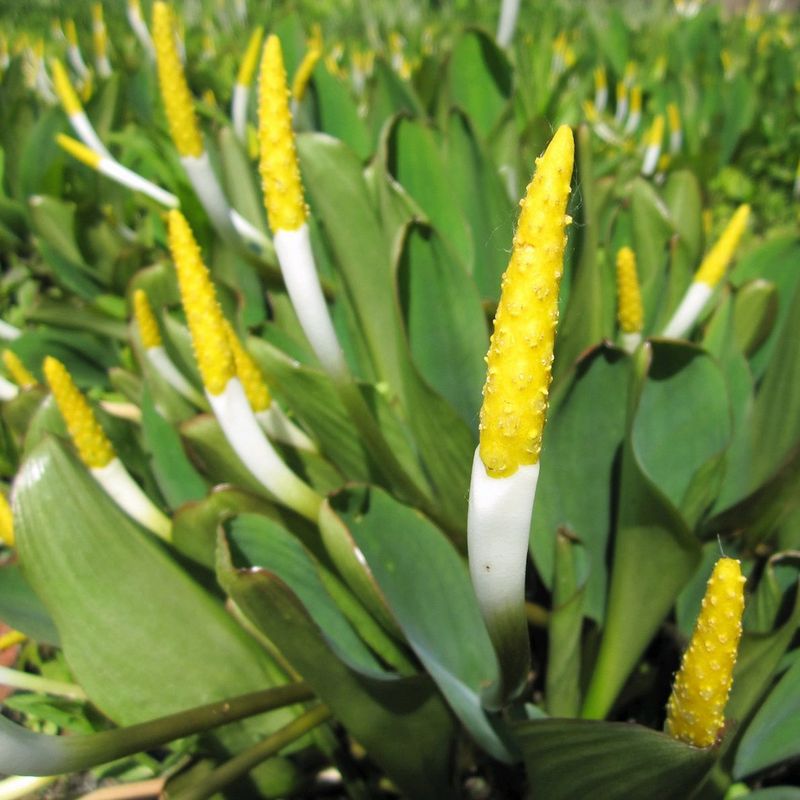
Golden Club (Orontium aquaticum) adds a splash of sunlight to any pond. Its bright yellow flower spikes pierce the water’s surface, creating a striking scene. Frogs are naturally drawn to its calm waters and abundant insect life. This plant thrives in shallow waters, making it a perfect choice for edges. Do you like water features? Golden Club might be your new favorite. It provides shade and shelter, enticing frogs to linger. As spring unfolds, watch the golden spikes rise, signaling a vibrant pond life. A touch of aquatic elegance, it transforms any garden into a lively oasis.
15. Cardinal Flower
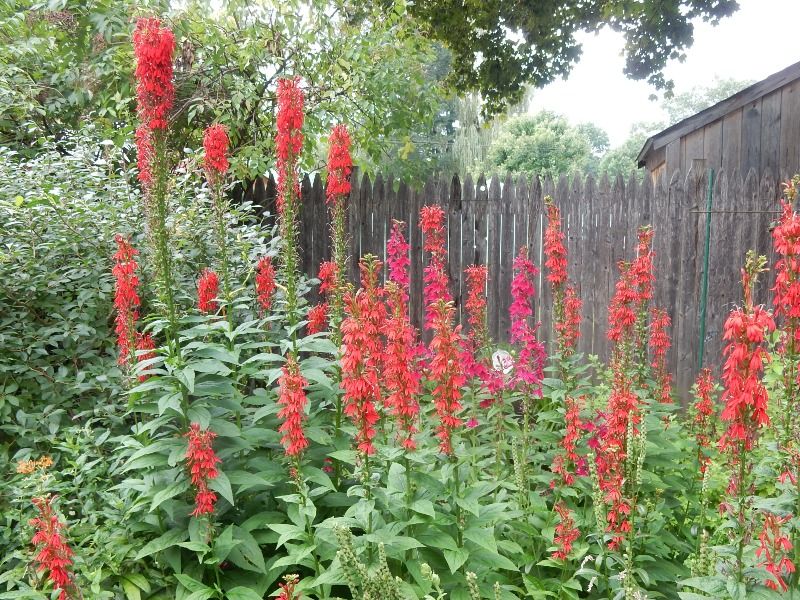
Bold and beautiful, Cardinal Flower (Lobelia cardinalis) captivates with its fiery red blossoms. These striking flowers are a beacon for frogs, luring them with promises of shelter and insects. Their towering stalks add vertical interest, enhancing any water garden. Ever thought of a splash of color by the waterside? This plant thrives in moist soil, making it ideal for pond edges or marshy areas. Its vibrant hue is a magnet for pollinators and amphibians. Witness a dance of colors and life, as frogs find refuge under its lush growth. Cardinal Flower redefines garden vibrancy with its irresistible charm.
16. Swamp Milkweed
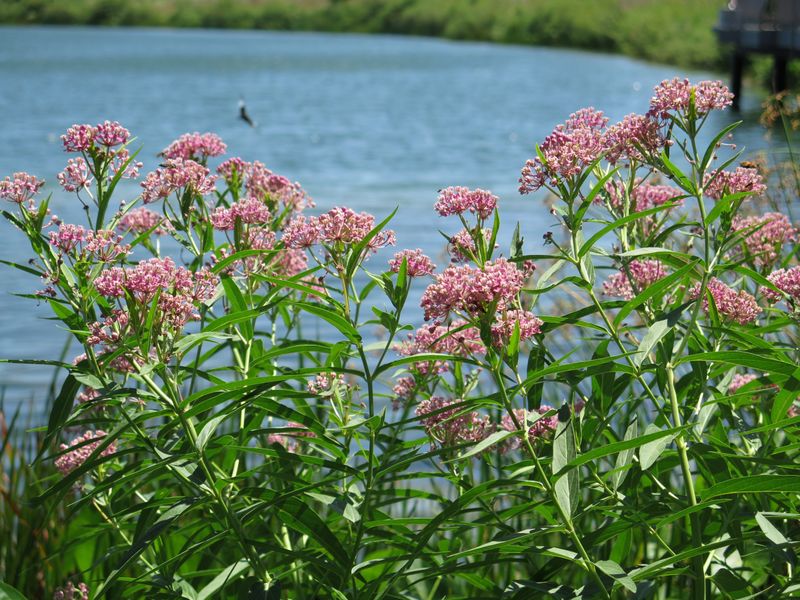
Swamp Milkweed (Asclepias incarnata) is a haven for nature’s tiny wonders. Its delicate pink blooms attract a host of insects, making it irresistible to frogs. Have you seen a pollinator paradise? This plant provides just that. Positioned by ponds or damp areas, Swamp Milkweed thrives, offering ample cover and hunting ground. Its fragrant flowers and lush foliage create a mini ecosystem. Frogs hop through its dense leaves, finding both food and safety. The plant’s resilience in wet conditions ensures lasting beauty. Swamp Milkweed is more than a plant; it’s a community hub for garden wildlife.