 Complete Gardening
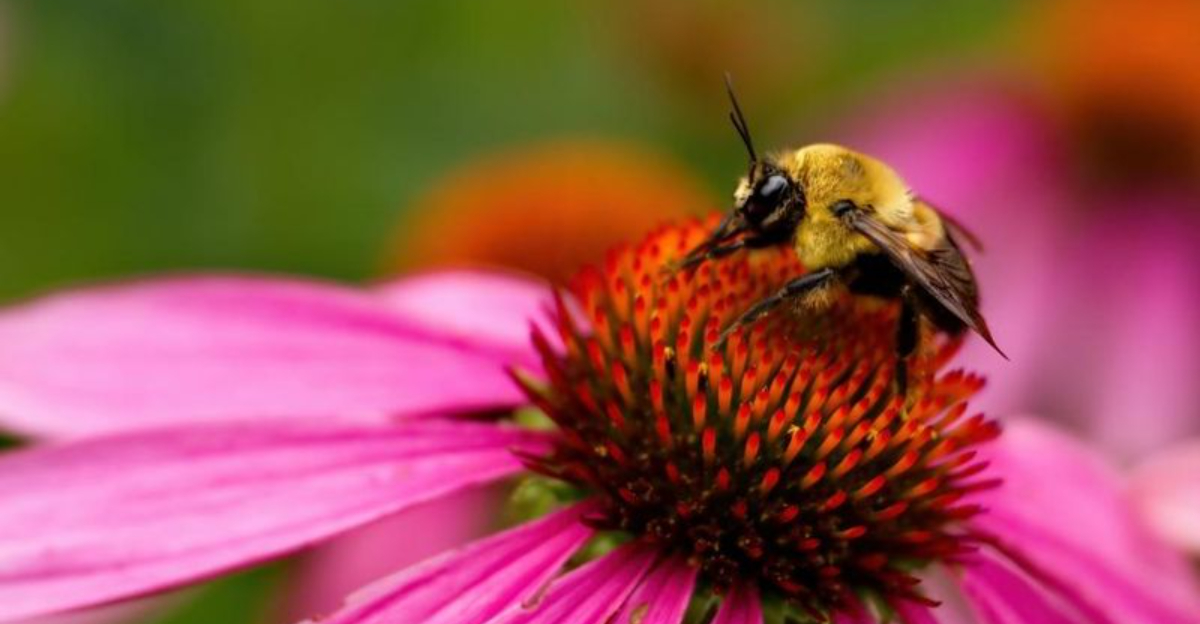
Some plants don’t waste a single second once they open their flowers. The moment they bloom, bees, butterflies, and hummingbirds come rushing in like they’ve been waiting all season.
Having the right pollinator plants in your garden can make a huge difference for local wildlife and even help your vegetables and fruits grow better. These 13 plants get to work immediately, turning your yard into a buzzing, fluttering paradise from day one.
Borage
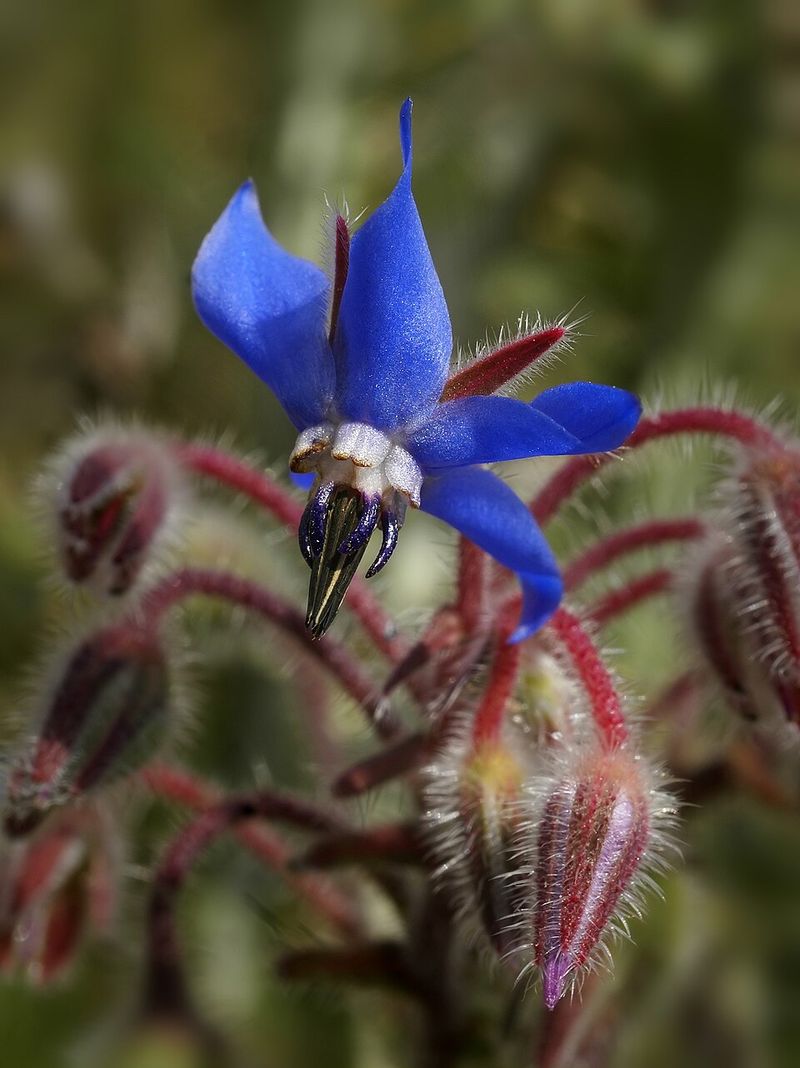
Borage is one of those old-fashioned garden heroes that bees absolutely cannot resist. The moment those star-shaped blue flowers open, honeybees swarm in like they got a special invitation.
Gardeners have grown borage alongside vegetables for centuries because it attracts pollinators so reliably.
Plant it once, and it self-seeds year after year without any fuss. The flowers are even edible, making borage a genuinely useful double-duty plant that earns its garden space quickly.
Phacelia
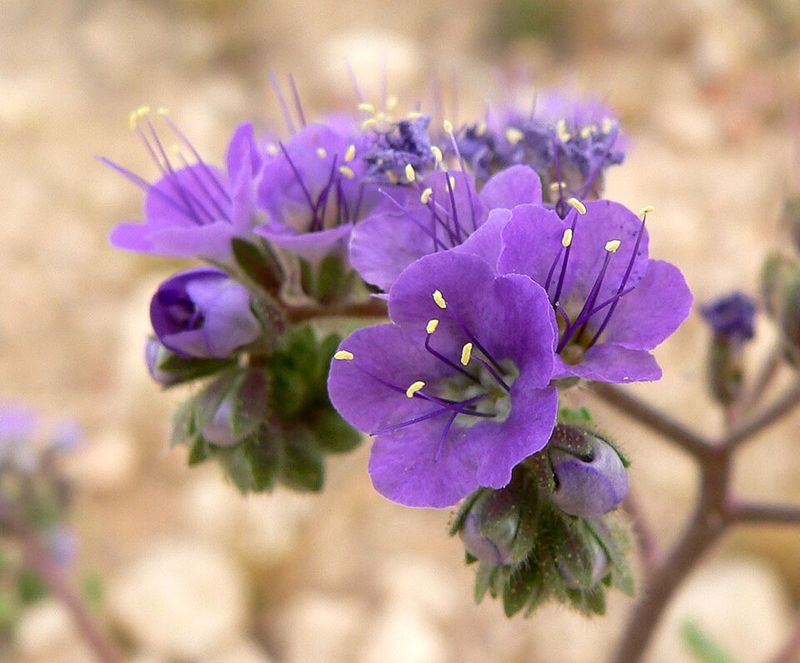
Few plants attract bees faster than phacelia, and scientists have actually studied why. Its purple-blue blooms produce nectar so rich that bees can detect it from impressive distances.
Beekeepers sometimes plant entire fields of phacelia just to boost honey production.
Growing quickly from seed, phacelia begins blooming within weeks of planting. It thrives in poor soil and sunny spots, making it one of the easiest and most rewarding pollinator plants any beginner gardener can grow successfully.
Zinnia
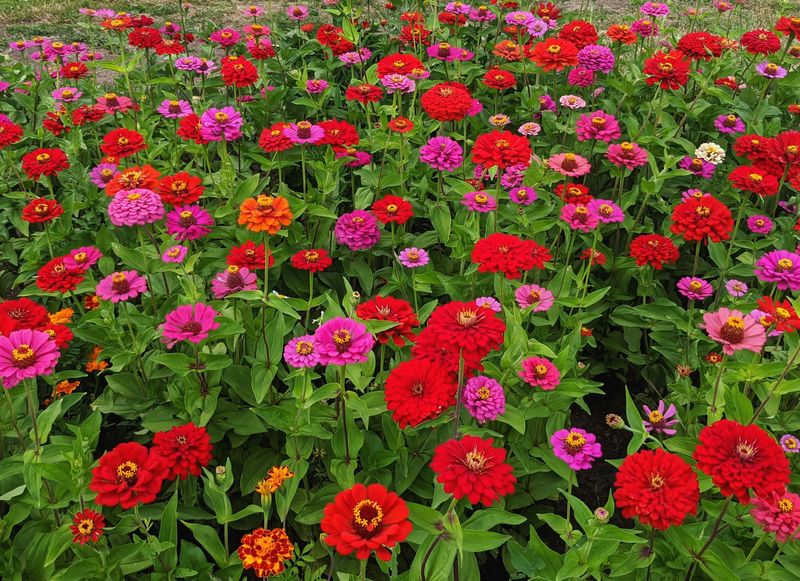
Zinnias are basically butterfly magnets dressed up in the most cheerful colors imaginable. Monarchs, swallowtails, and painted ladies show up almost immediately after the first blooms open.
Unlike many pollinator plants, zinnias keep producing flowers all summer long without slowing down.
They grow easily from seed and tolerate heat like champions. Plant them in full sun, water occasionally, and watch the butterflies arrive.
Kids especially love zinnias because the results come fast and the colors are spectacular.
Lemon Balm
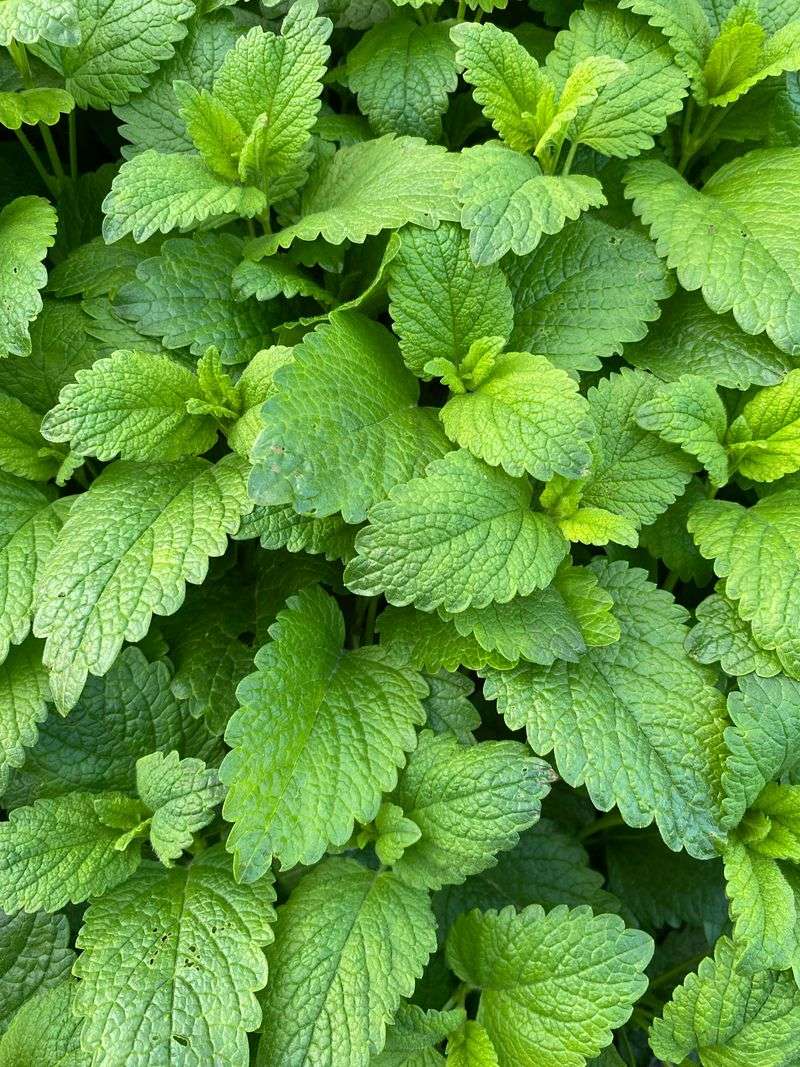
Lemon balm smells like lemons and bees are completely obsessed with it. Even the name in Greek, melissa, literally means honeybee, which tells you everything about its long relationship with pollinators.
The tiny white flowers look modest, but their nectar is incredibly attractive to many bee species.
Growing lemon balm is nearly effortless since it spreads enthusiastically in most garden conditions. Harvest the leaves for tea while pollinators enjoy the flowers.
It is one herb that truly works overtime in the garden.
Catmint
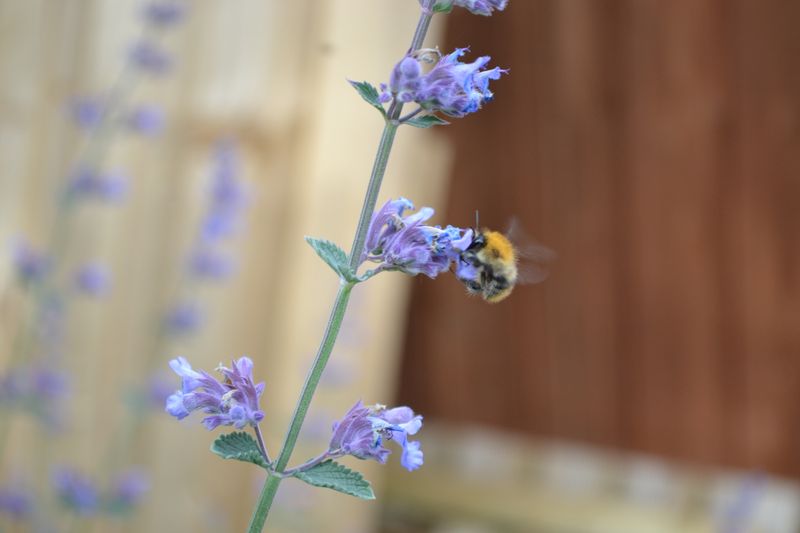
Catmint spills over garden borders in soft waves of lavender-blue, and bumblebees treat it like their personal buffet. The moment those flower spikes open, the buzzing begins and rarely stops until the last bloom fades.
Hummingbirds occasionally join the party too, hovering near the fragrant clusters.
Cut it back after the first bloom and it rebounds quickly with a fresh flush of flowers. Drought-tolerant and nearly indestructible, catmint rewards even the most forgetful gardeners with season-long pollinator activity.
Sunflower
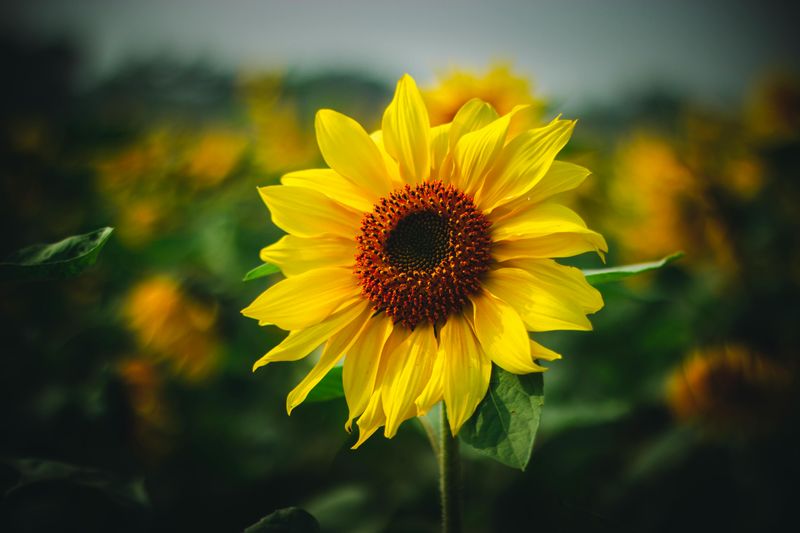
A sunflower in full bloom is basically a five-star restaurant for pollinators. What looks like one big flower is actually hundreds of tiny individual flowers packed together, each one offering pollen and nectar.
Bees, beetles, butterflies, and even specialized native bees depend on sunflowers heavily during summer.
Plant several varieties with different bloom times to extend the season. After pollinators finish, birds arrive for the seeds.
Sunflowers genuinely feed multiple layers of wildlife from the moment they open right through autumn.
Lavender
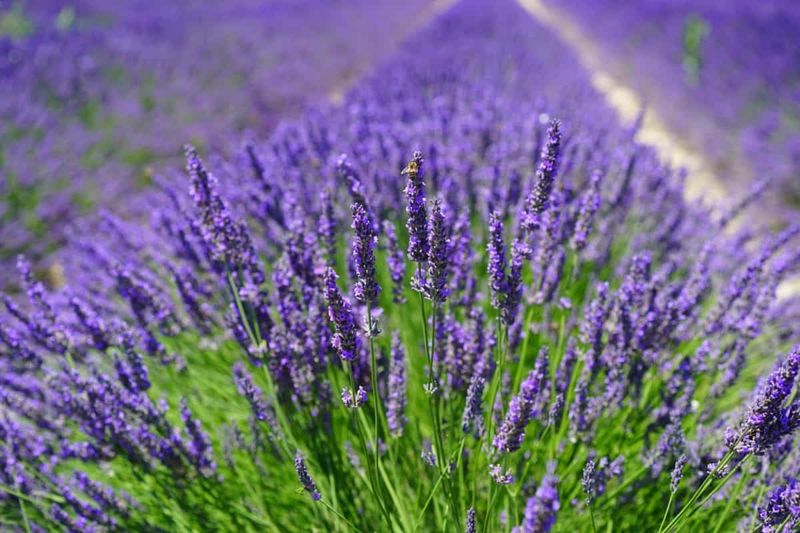
Walk past lavender on a warm summer day and the hum of bees is almost deafening. Lavender produces some of the most sought-after nectar in the plant world, drawing honeybees, bumblebees, and solitary bees in impressive numbers.
Lavender honey is actually sold as a specialty product because the flavor is so distinct.
Plant it in well-drained soil with plenty of sun and almost nothing goes wrong. Lavender blooms reliably for years, making it one of the smartest long-term investments for any pollinator garden.
Echinacea (Purple Coneflower)
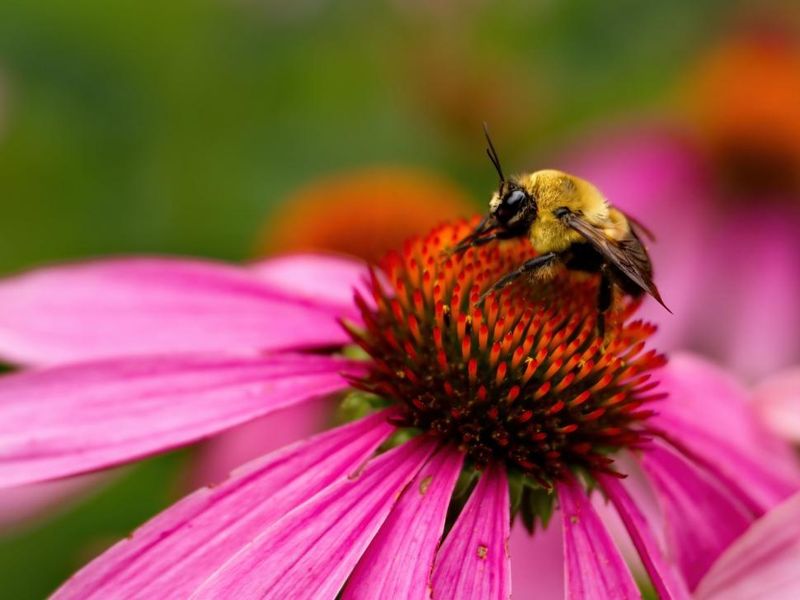
Purple coneflower has a bold, spiky personality that perfectly matches its role as a pollinator powerhouse. Bumblebees cling to the raised center cones while butterflies balance on the drooping purple petals, creating a lively scene throughout summer.
Native bees especially favor echinacea because it evolved alongside them.
Leave the seed heads standing through winter and goldfinches will thank you. Echinacea is perennial, meaning it returns each year with more blooms and more visitors.
Truly one of North America’s most hardworking native plants.
Anise Hyssop
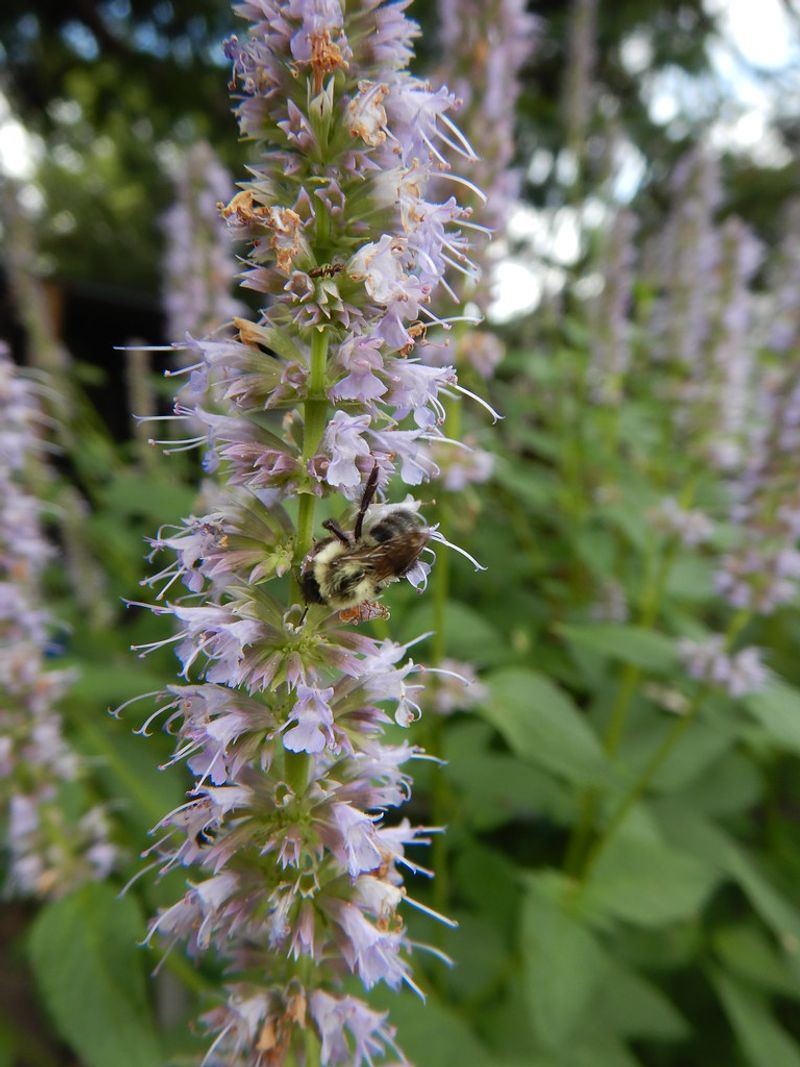
Anise hyssop smells like licorice and pollinators treat it like a dream destination. Bees visit the dense purple flower spikes so frequently that plants can look almost furry with visitors on warm afternoons.
Hummingbirds also stop by regularly, drawn by the rich tubular flowers packed into every spike.
Native to North American prairies, anise hyssop thrives in heat and handles dry periods surprisingly well. It self-seeds gently, gradually spreading through a garden without becoming invasive.
A truly underused gem for anyone building a serious pollinator habitat.
Salvia
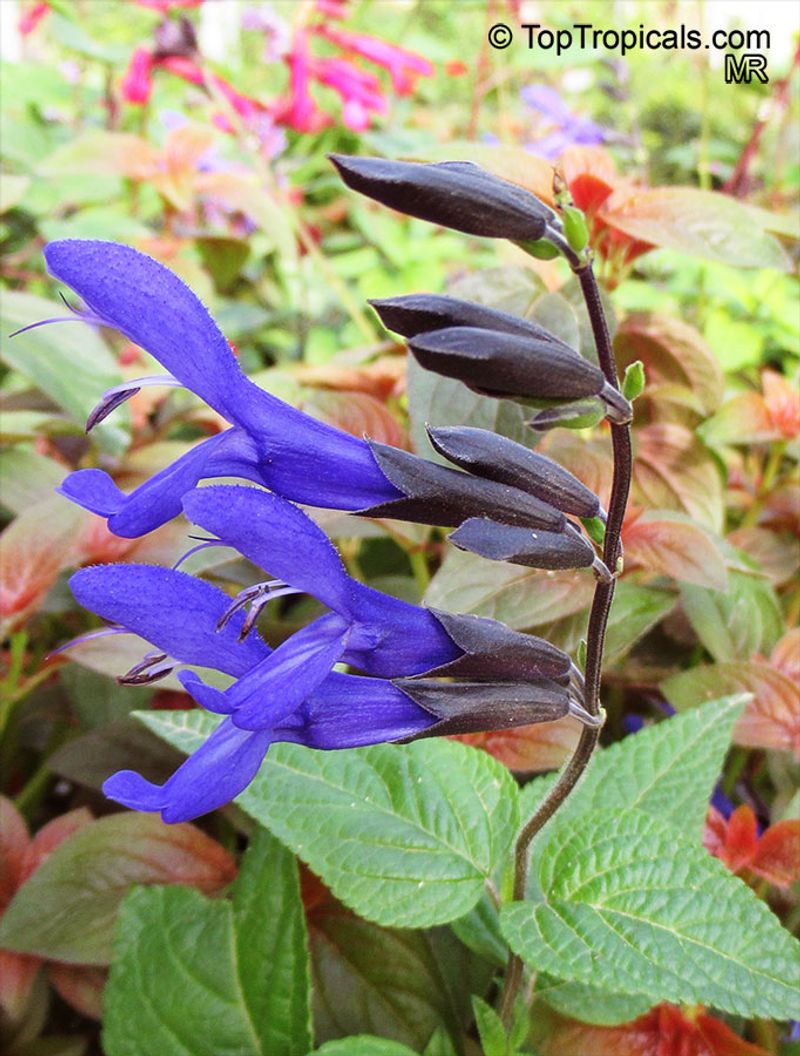
Salvias come in dozens of varieties and almost every single one is a pollinator favorite. Red salvias lure hummingbirds with tubular blooms perfectly shaped for their long beaks, while purple varieties draw bees by the hundreds.
The moment blooms appear, activity begins and rarely pauses until frost arrives.
Many salvias are drought-tolerant once established, making them practical as well as beautiful. They bloom repeatedly when deadheaded, extending the feeding season for pollinators well into autumn when other food sources grow scarce.
Cosmos
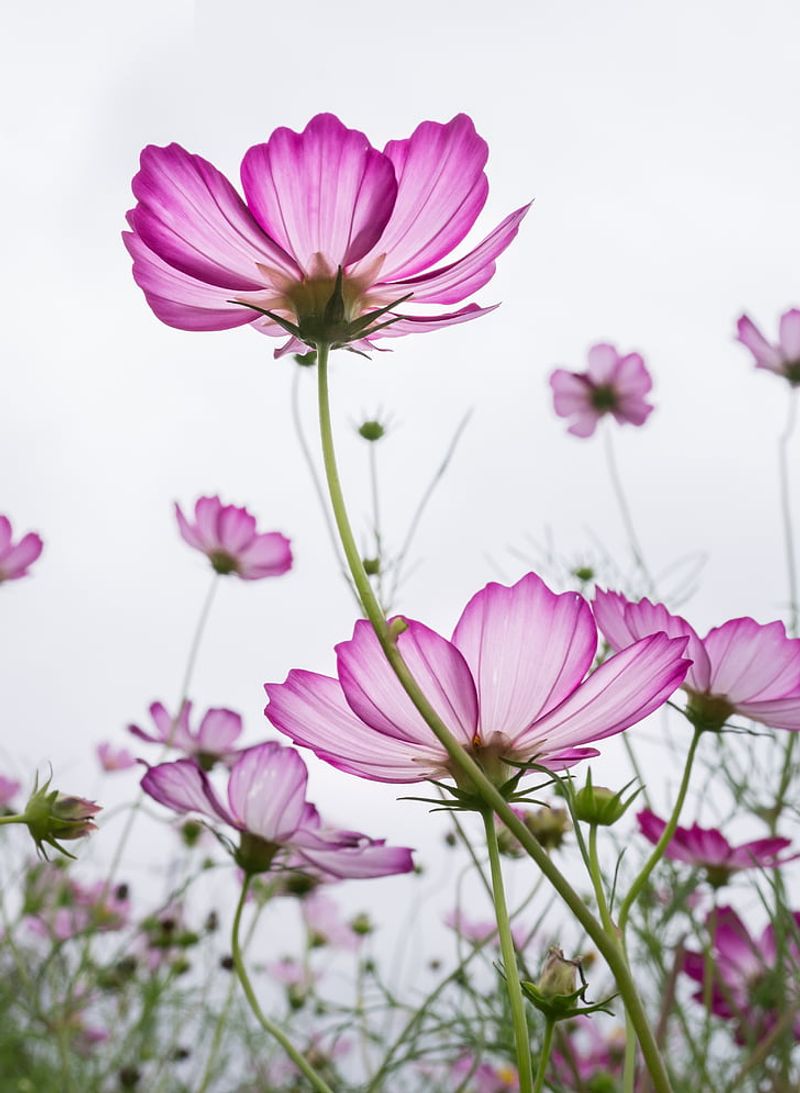
Cosmos has an airy, delicate look that somehow packs enormous pollinator appeal. Butterflies land on the open, daisy-like flowers and stay for long feeding sessions because the nectar is so accessible.
Bees appreciate the flat landing platforms that make collecting pollen effortless and efficient.
Sow cosmos seeds directly into the garden after frost and they bloom within weeks. They thrive on neglect, actually flowering more abundantly in poor soil than in rich garden beds.
For low-effort, high-reward pollinator planting, cosmos rarely disappoints anyone.
Goldenrod
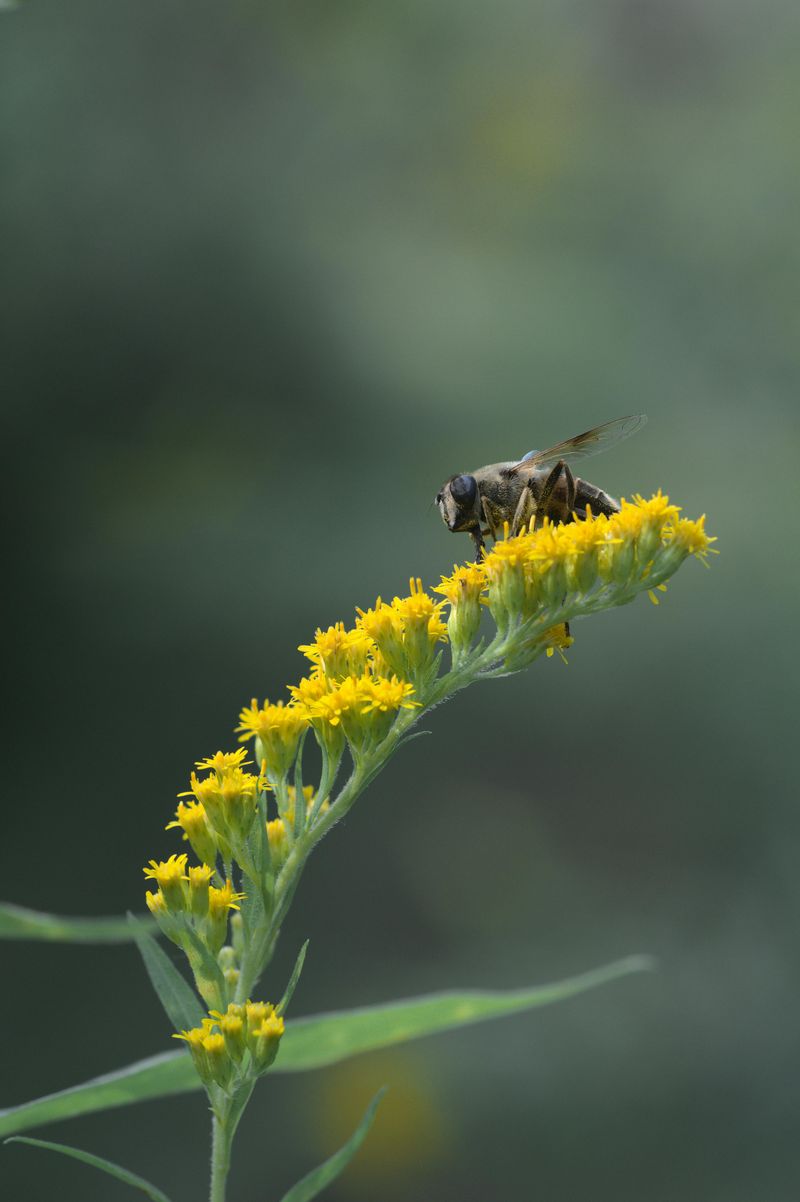
Goldenrod gets unfairly blamed for hay fever, but ragweed is actually the real culprit. Goldenrod’s pollen is too heavy and sticky to float through air; it depends entirely on insects to move it around.
Over 100 species of bees rely on goldenrod, along with countless butterflies and beetles.
Blooming in late summer and fall, goldenrod fills a critical gap when most other flowers have faded. It grows vigorously in sun or partial shade, spreading into cheerful golden drifts that light up any garden during the season’s final weeks.
Bee Balm (Monarda)
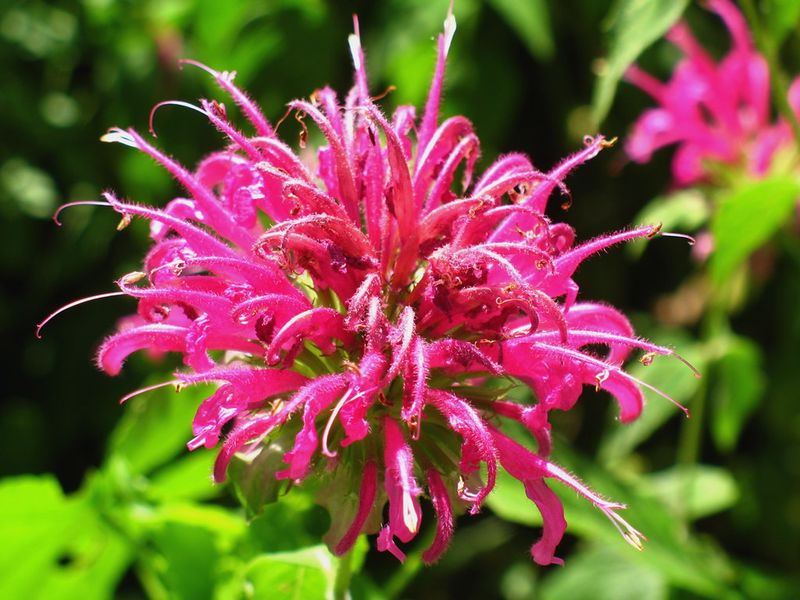
The name says it all: bee balm was practically designed with pollinators in mind. Hummingbirds hover eagerly at the wild, spiky red blooms while bumblebees burrow into every tubular flower they can find.
Swallowtail butterflies join in too, making bee balm one of the most exciting plants to watch on a summer afternoon.
Native to eastern North America, it thrives in moist garden spots and spreads into generous clumps over time. Divide it every few years to keep plants vigorous and your pollinator visitors consistently well-fed all season.