 Complete Gardening
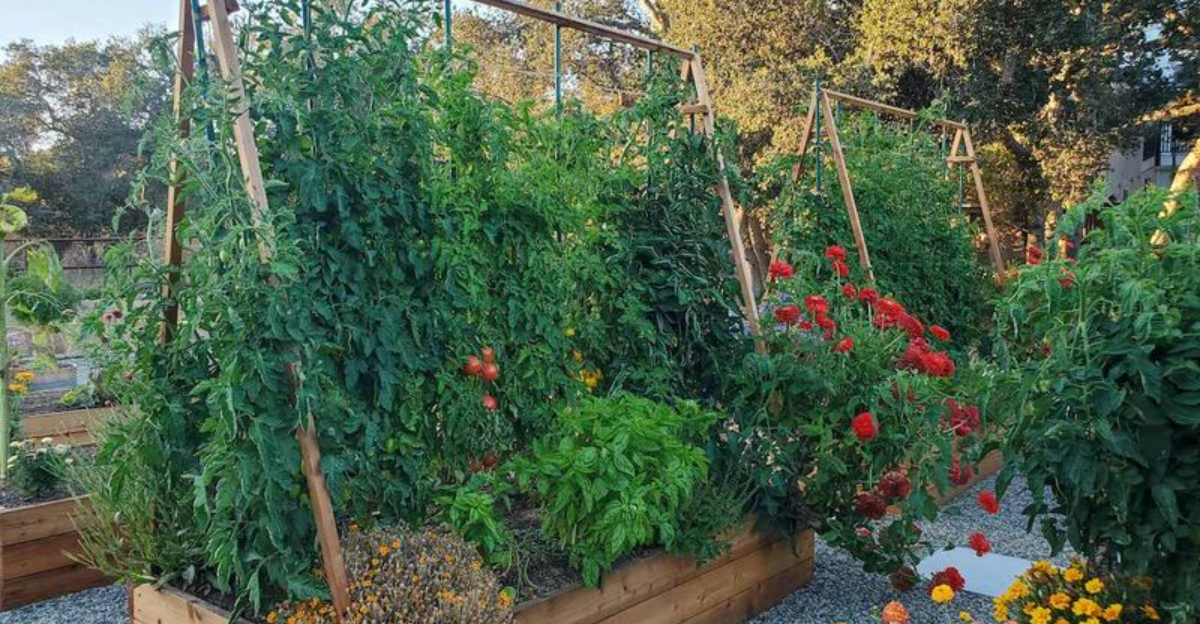
Discover 13 unique and effective strategies to naturally fortify your plant stems and enhance their growth.
These methods blend traditional gardening wisdom with innovative techniques to ensure your plants thrive.
Engage in these practices and watch your garden flourish with stronger, healthier plants.
1. Provide Adequate Sunlight
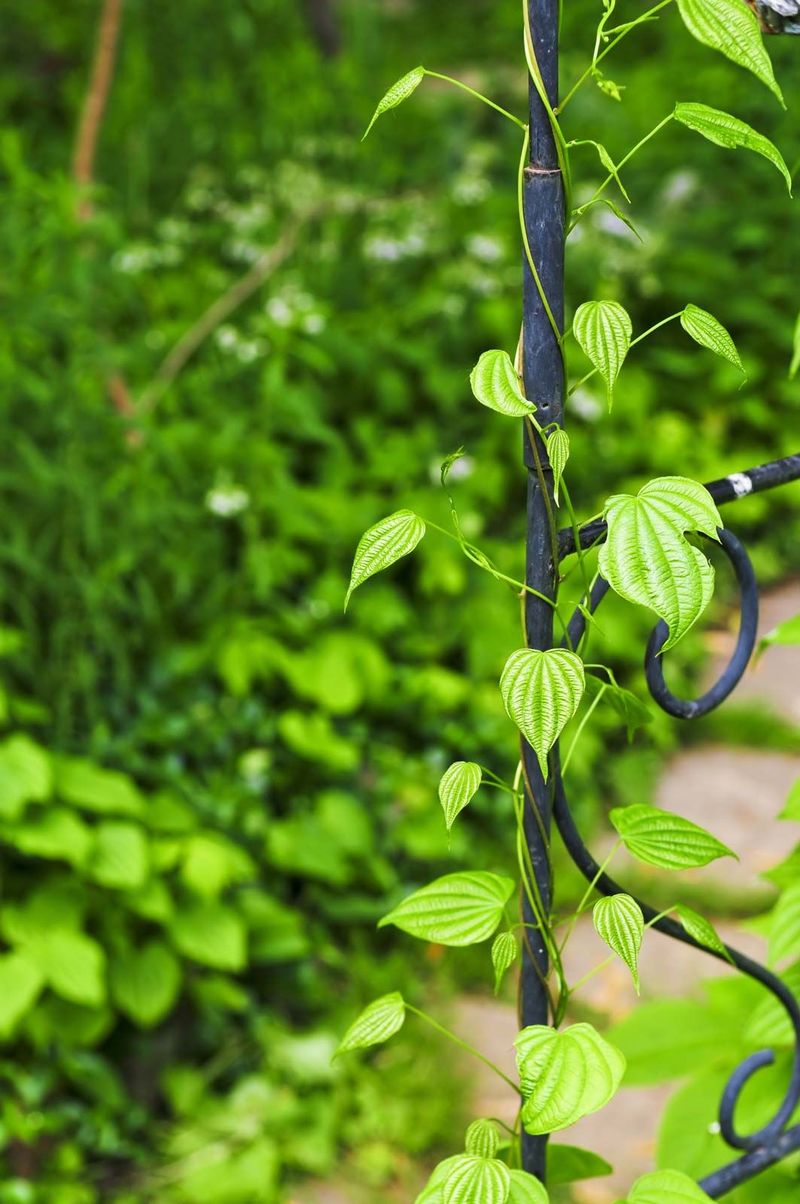
Ensuring your plants receive adequate sunlight is crucial for robust stem growth. Aim for 6-8 hours of direct sunlight daily to strengthen the stems. This exposure not only supports photosynthesis but also helps the plants develop thicker and sturdier stems.
Make sure to position your plants in an area where they can soak in the morning sun, as it is less intense and more beneficial. In shaded areas, consider relocating plants to sunnier spots or using reflective surfaces to enhance light exposure.
This simple adjustment can make a significant difference in your plants’ strength and resilience.
2. Use a Gentle Breeze or Fan
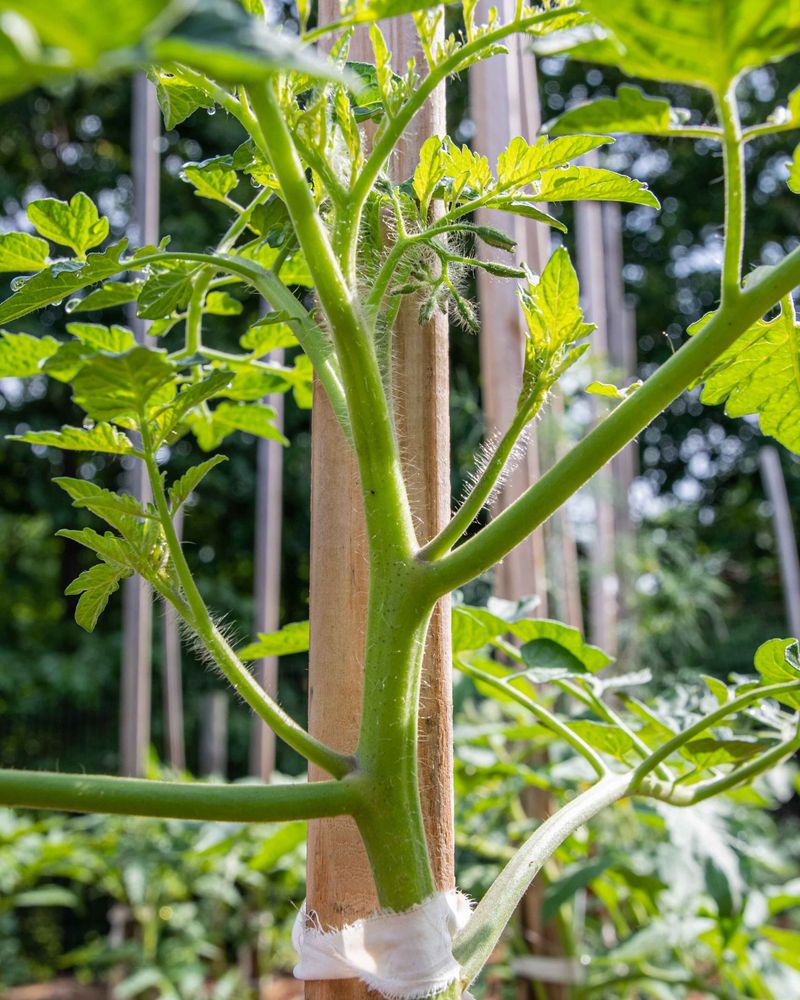
Introducing a gentle breeze, either naturally or with a fan, encourages plants to grow thicker and stronger stems. This practice mimics natural outdoor conditions where wind prompts plants to adapt and fortify themselves.
Position a small fan near your indoor plants for a few hours a day to simulate this environment. The light air movement shakes the plant slightly, triggering its natural defense mechanism to produce sturdier stems.
This method not only enhances stem strength but also helps prevent diseases by reducing humidity around the foliage, making it a dual-purpose strategy for healthier plants.
3. Stake Only When Necessary
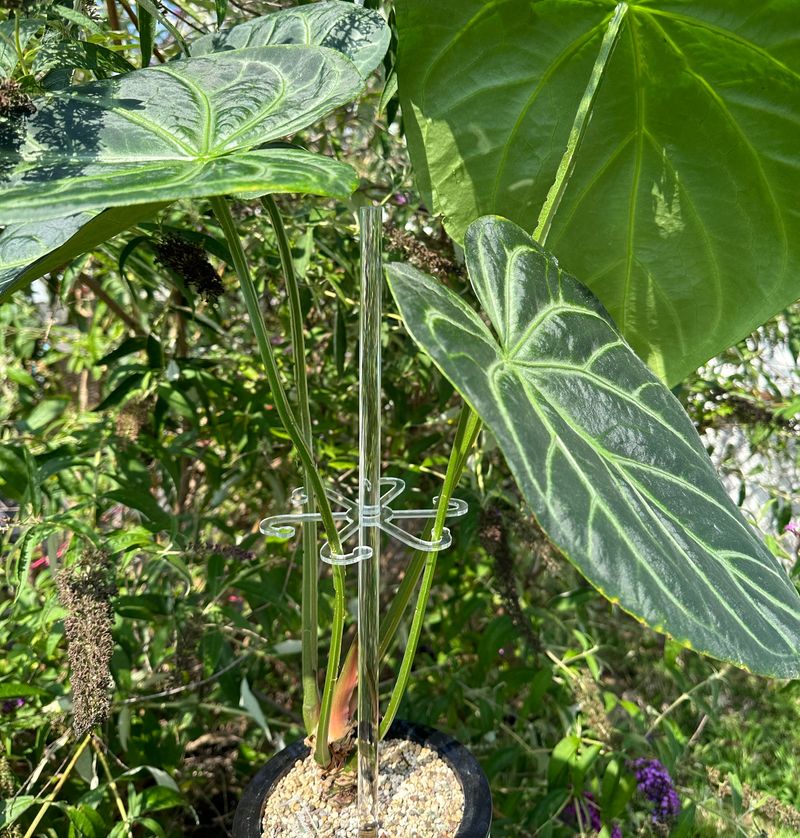
While staking can provide necessary support, over-reliance on it can lead to weaker plant stems. It’s essential to stake only when absolutely necessary, allowing the plant to develop strength independently.
This practice encourages self-sufficiency, enabling your plants to withstand natural forces like wind and rain without external support. Use stakes sparingly and consider alternative support methods such as cages or trellises.
When you do stake, ensure the ties are loose enough to allow some movement, which helps in building stem resilience. This balance nurtures strong, self-reliant plant growth.
4. Pinch or Prune Regularly
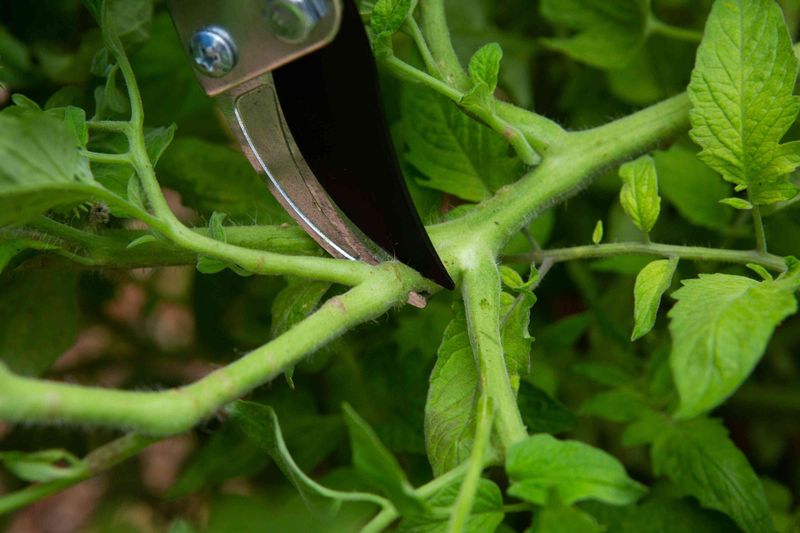
Regular pinching or pruning is an effective way to promote lateral stem growth and overall plant strength. By removing the apical growth or top leaves, you encourage the plant to focus its energy on developing side branches.
This results in a bushier appearance and stronger stems. Make pruning a routine part of your gardening to maintain optimal plant health. Use clean, sharp tools to avoid damage and disease.
Additionally, this practice can improve air circulation within the plant, further enhancing its resilience and reducing pest infestations. Embrace this technique for a thriving, robust garden.
5. Gradually Harden Off Seedlings
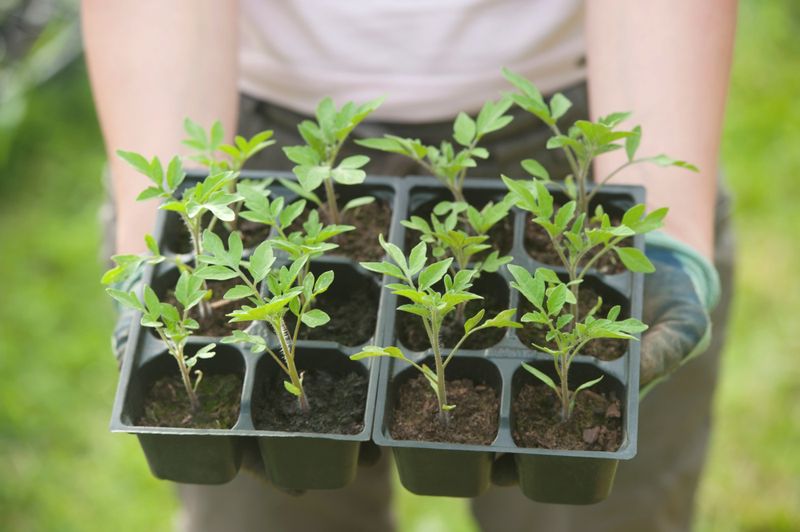
Hardening off seedlings before transplanting is a vital step in ensuring strong stems. Gradually introduce young plants to outdoor conditions by placing them outside for a few hours each day, increasing the duration over a week or two.
This process acclimates them to the new environment, toughening the stems against wind and varying temperatures. Start with shaded areas and slowly move them to sunnier spots.
This method not only strengthens the stems but also prepares the entire plant for successful transplantation. A well-hardened seedling is more likely to thrive and grow into a robust adult plant.
6. Use Epsom Salt
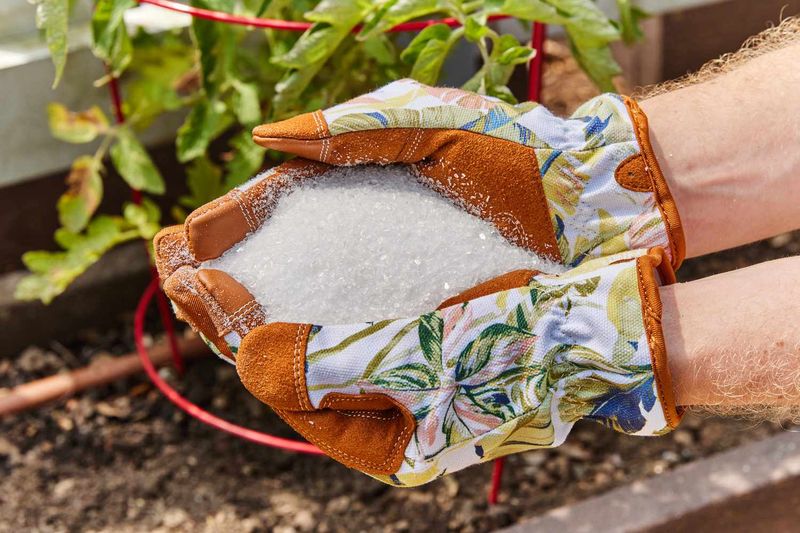
Epsom salt, rich in magnesium sulfate, is a valuable addition to any gardener’s toolkit. The magnesium component plays a crucial role in chlorophyll production, enhancing the plant’s ability to photosynthesize and thus strengthening its overall structure.
Applying a light sprinkle around the base of your plants can work wonders for stem strength. This simple application can lead to darker green leaves and more vigorous growth.
For best results, dissolve Epsom salt in water and use it as a foliar spray. This method ensures direct absorption by the plant, promoting robust, healthy stems and vibrant foliage.
7. Avoid Overwatering
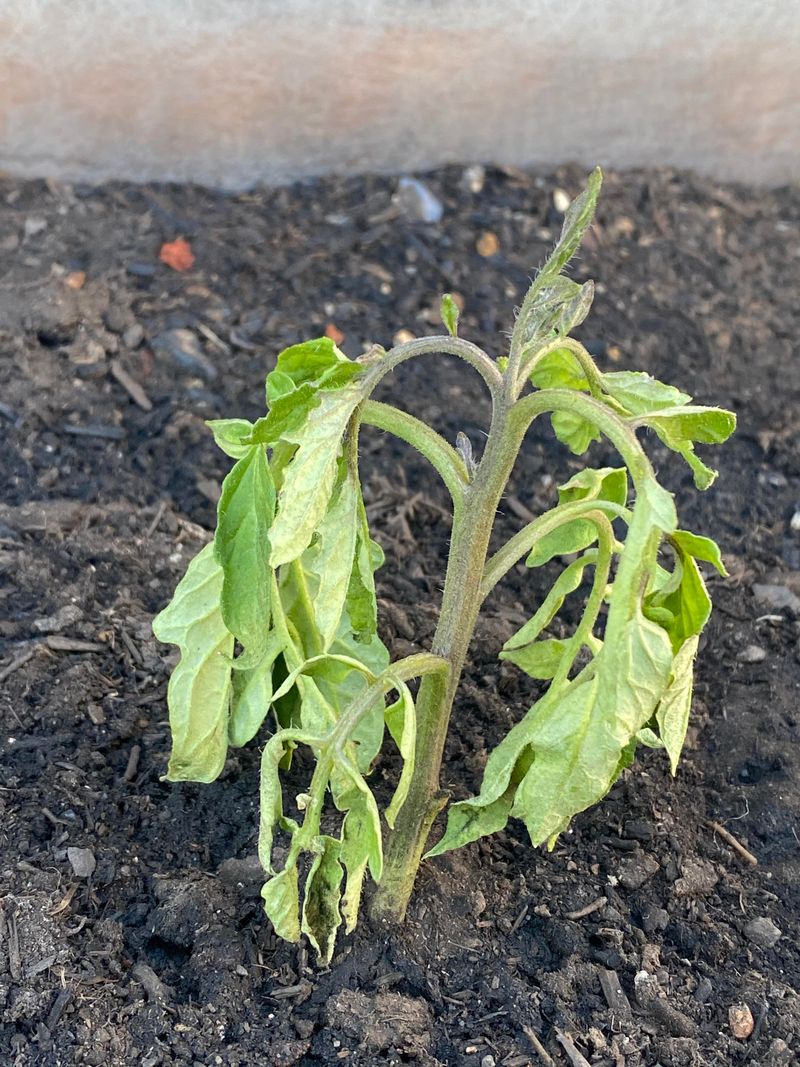
Overwatering is a common mistake that can lead to weak, spindly growth. Allowing the soil to dry slightly between watering sessions encourages plants to develop deeper root systems, which in turn support stronger stems.
Check the soil moisture regularly by inserting your finger about an inch deep. If it feels dry, it’s time to water. Make this a regular habit to avoid the pitfalls of overwatering.
Proper water management not only builds better stem strength but also improves the overall health and resilience of your plants. Consistent practice of this technique fosters a thriving, balanced garden.
8. Apply Silica Supplements
Silica is an often overlooked yet vital element in plant health. It strengthens cell walls, resulting in thicker and more resilient stems. By incorporating silica supplements into your gardening routine, you can significantly enhance your plants’ ability to withstand various stresses.
This mineral is especially beneficial for plants grown in containers, where nutrient availability can be limited. Apply silica as a soil amendment or foliar spray for optimal results.
Regular use helps your plants develop robust stems that can better resist pests and diseases, ultimately leading to a healthier, more vigorous garden.
9. Use Deep Root Watering
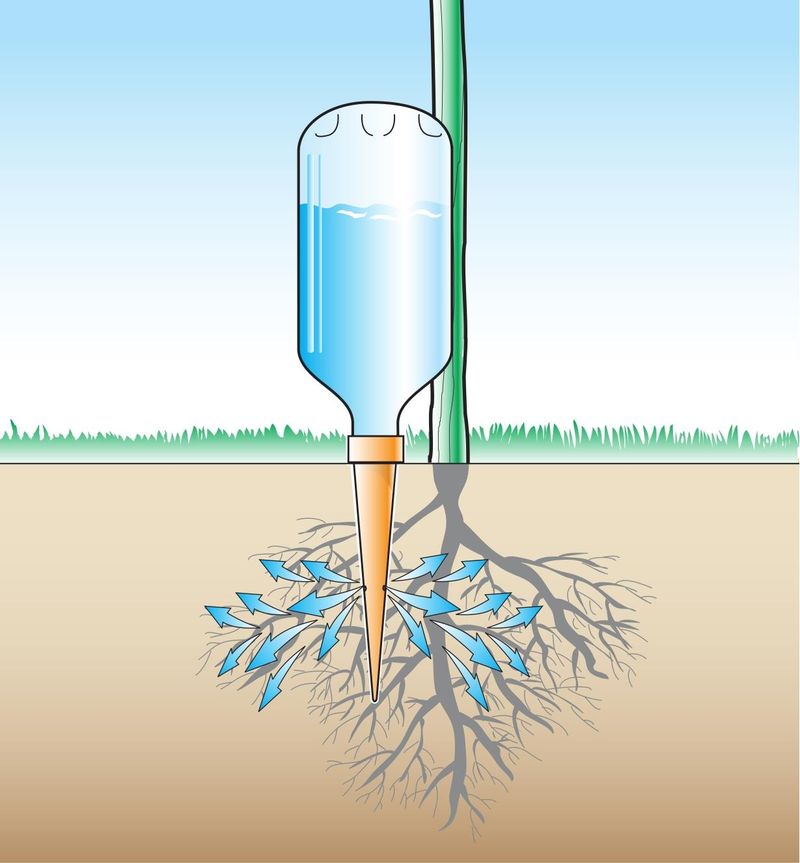
Deep root watering is a technique that directs water to the base of the plant, encouraging the development of strong root systems. This practice supports the growth of sturdy stems by ensuring that the roots are well-anchored and capable of absorbing nutrients efficiently.
Use a deep root watering tool or simply water slowly at the base of the plant to achieve this effect. This method not only strengthens the stems but also conserves water by delivering it directly to where it’s needed most.
Embracing this approach enhances the overall resilience and vitality of your garden.
10. Mulch to Prevent Weak Growth
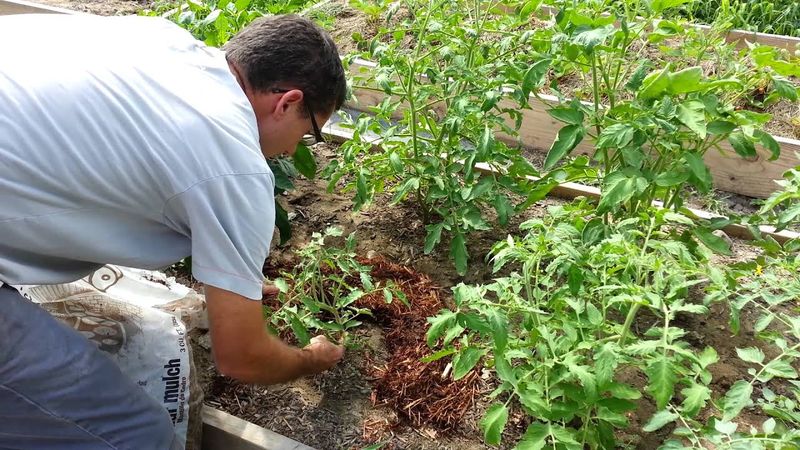
Mulching is an effective way to maintain soil moisture and prevent weak, fragile growth in plants. Organic mulch, such as straw or wood chips, helps keep the roots cool and moist while deterring weeds.
This practice reduces the risk of stem rot and encourages the development of strong, sturdy plants. Spread a layer of mulch around the base of your plants, ensuring it does not touch the stems directly to avoid rot.
Regularly replenish the mulch as it breaks down. This simple yet powerful technique supports healthy stem growth and enhances the overall health of your garden.
11. Train Plants with Support Structures
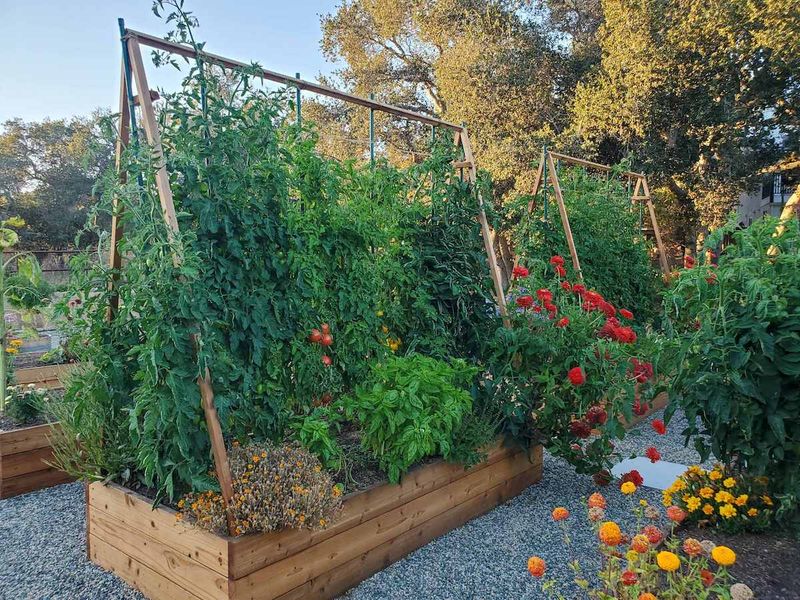
Training plants with support structures such as trellises or cages encourages upright and sturdy growth. This method is particularly beneficial for climbing plants, helping them reach their full potential by providing a stable framework.
Secure the plants gently to the structure, allowing for natural growth and movement. This support not only strengthens the stems but also improves air circulation and sun exposure, leading to healthier plants.
Moreover, it maximizes space in your garden, allowing you to grow more in less area. Implementing this strategy contributes to a well-organized and thriving garden environment.
12. Provide Essential Nutrients
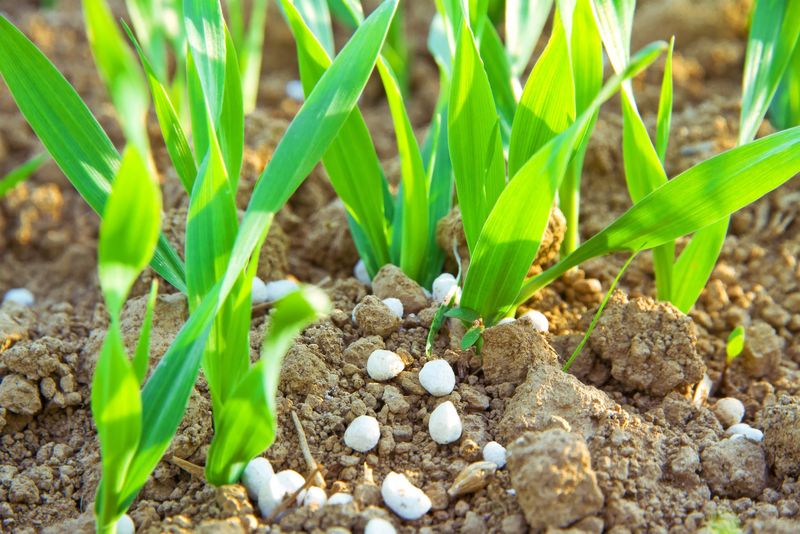
Providing essential nutrients through balanced fertilizers is key to optimal stem development. Use a fertilizer that contains nitrogen, phosphorus, and potassium (NPK) to supply your plants with the necessary elements for growth.
These nutrients support various functions, including root development and stem strength. Apply the fertilizer according to the package instructions, ensuring even distribution throughout the soil.
Regular feeding fosters robust, healthy plants with strong stems that can withstand environmental stresses. By maintaining a nutrient-rich environment, you set the foundation for vigorous growth and a thriving garden.
13. Encourage Natural Pollinators
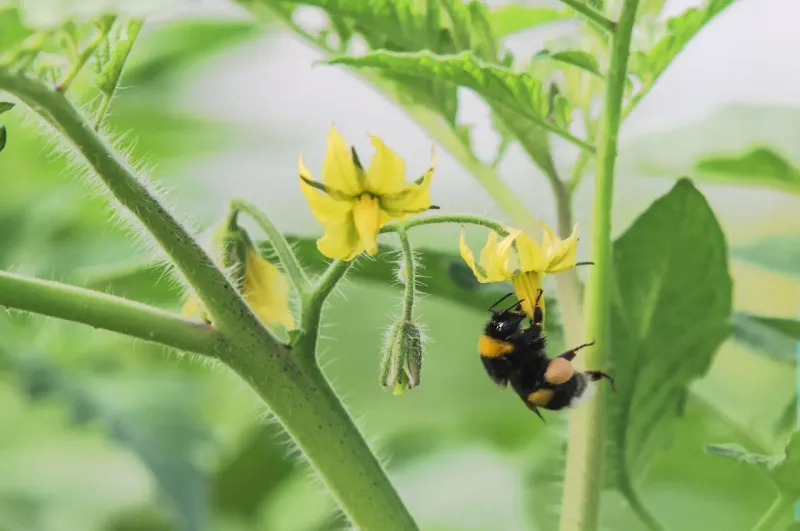
Encouraging natural pollinators like bees and butterflies is a fantastic way to enhance plant growth and strength. These insects play a crucial role in plant reproduction, helping flowers develop into fruits and seeds.
By fostering an environment that attracts pollinators, you can improve flower and fruit production, indirectly supporting the development of stronger stems. Plant a variety of nectar-rich flowers and avoid using pesticides to create a welcoming space for these beneficial creatures.
This symbiotic relationship between plants and pollinators leads to a garden full of vitality and resilience, brimming with life and healthy growth.