 Complete Gardening
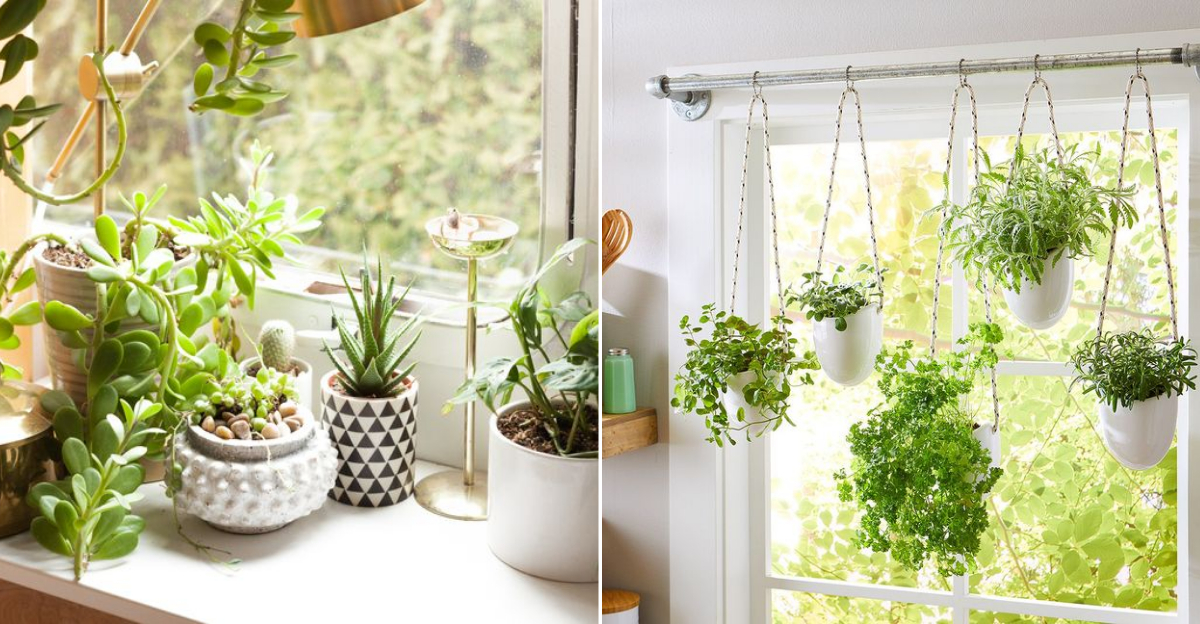
Transforming your window into a lush, green oasis is easier than you think! With a little creativity and planning, you can design a stunning window garden that adds beauty, tranquility, and a fresh touch of nature to your home.
From choosing the right plants to maximizing sunlight, here are 14 must-know tips to create your own indoor paradise.
1. Choose the Perfect Containers and Pots
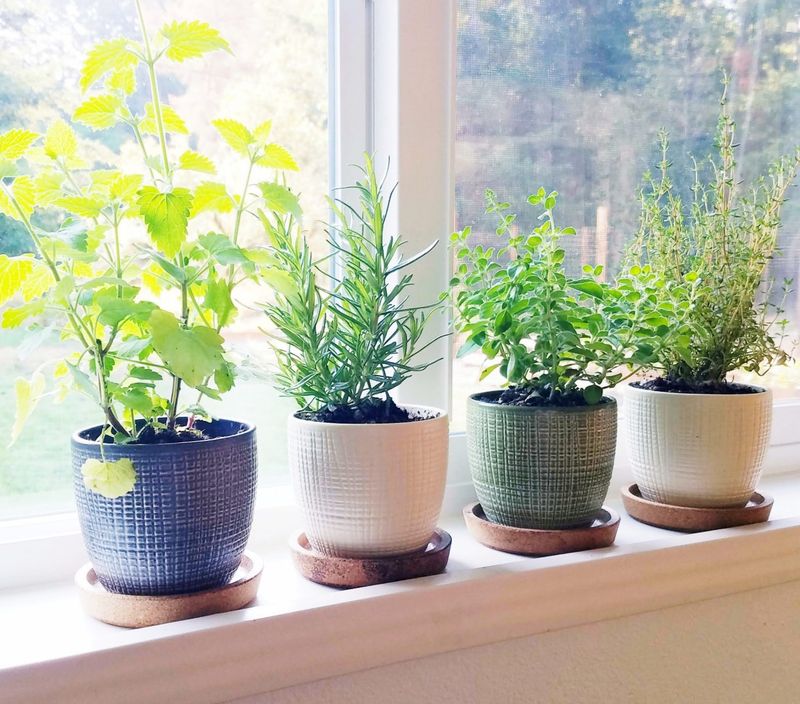
Opt for containers that complement your home’s style, whether modern, rustic, or eclectic. Consider the material of the pots—ceramic, terracotta, or plastic—each offering different benefits like moisture retention or weight considerations.
Choose pots with appropriate drainage holes to prevent waterlogging, which can harm your plants. Using a mix of sizes and shapes can add visual interest and accommodate different types of plants, from tall and slender to short and bushy.
Hanging pots or wall-mounted containers can save space and create a dynamic visual effect. Remember, the color and design of the pots can accentuate the natural beauty of the plants, so choose wisely to create a harmonious balance.
2. Choose the Perfect Window
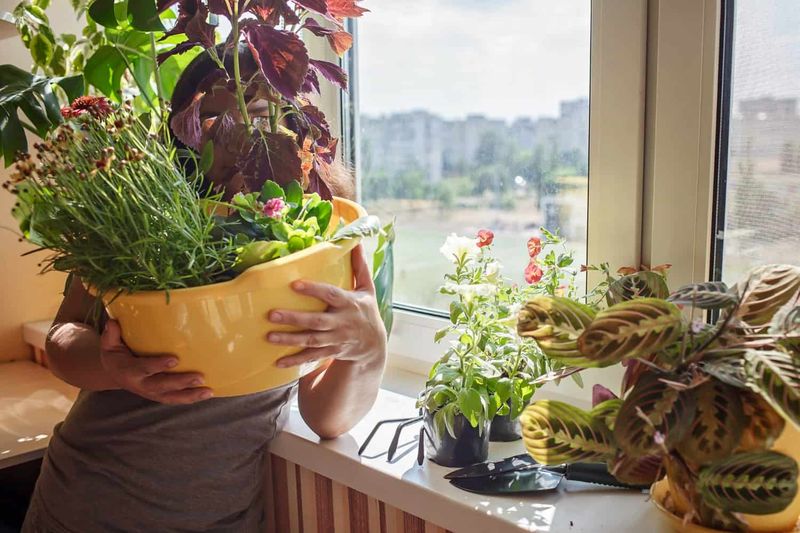
Selecting the right window is the first step in designing your indoor oasis. Consider windows that receive ample sunlight, ideally south-facing, to provide your plants with enough light to thrive. Measure your window dimensions to understand the available space and decide on the arrangement of your plants.
Think about the view: a window overlooking a garden or park can enhance the experience. Ensure your window is easily accessible for watering and maintenance, and check for any drafts that could affect plant health.
Lastly, consider the aesthetic aspect: the window should harmonize with your interior decor, creating a seamless indoor-outdoor connection.
3. Cacti and Desert Beauties
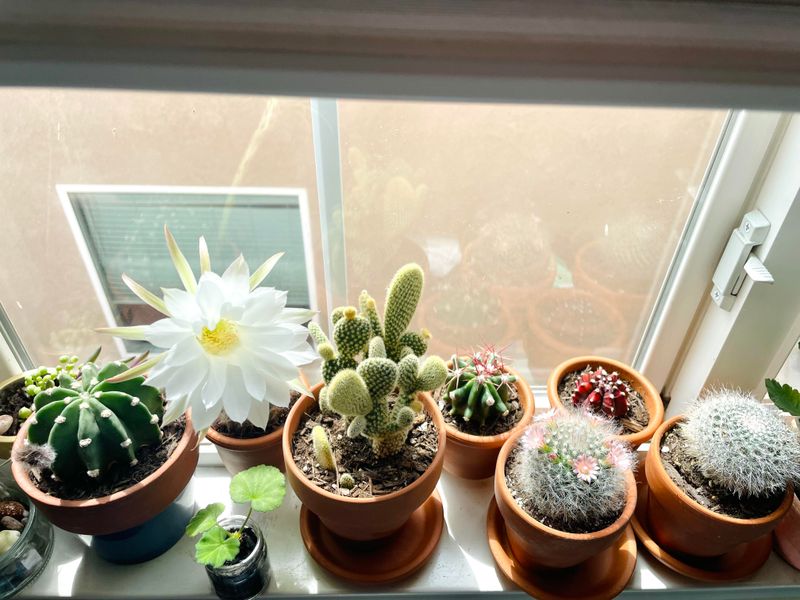
Bring the rugged beauty of the desert into your home with a collection of cacti. These hardy plants are perfect for those who appreciate unique forms and minimal maintenance.
Cacti come in various shapes and sizes, and some even produce stunning flowers. Position them on a sunny windowsill, where they can bask in the light and thrive in dry conditions.
Mixing different varieties in vibrant pots can create a striking visual contrast. Their resilience makes them an excellent choice for those who desire an eye-catching display with little upkeep.
4. Colorful Blooms Display
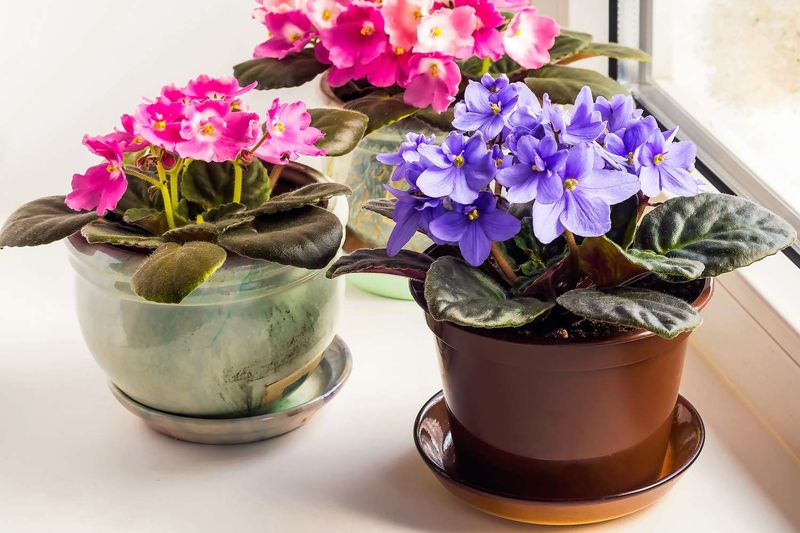
Introduce vibrant colors to your window garden with flowering plants. Orchids, African violets, and geraniums can provide a stunning visual display that captivates the eye. These plants flourish with the right amount of sunlight and regular feeding.
The variety in textures and colors from these blooms can create a dynamic and cheerful atmosphere. Position them at different heights and depths to add visual interest and dimension.
Regular deadheading will encourage new blooms and keep the plants looking their best throughout the season.
5. Tropical Foliage Delight
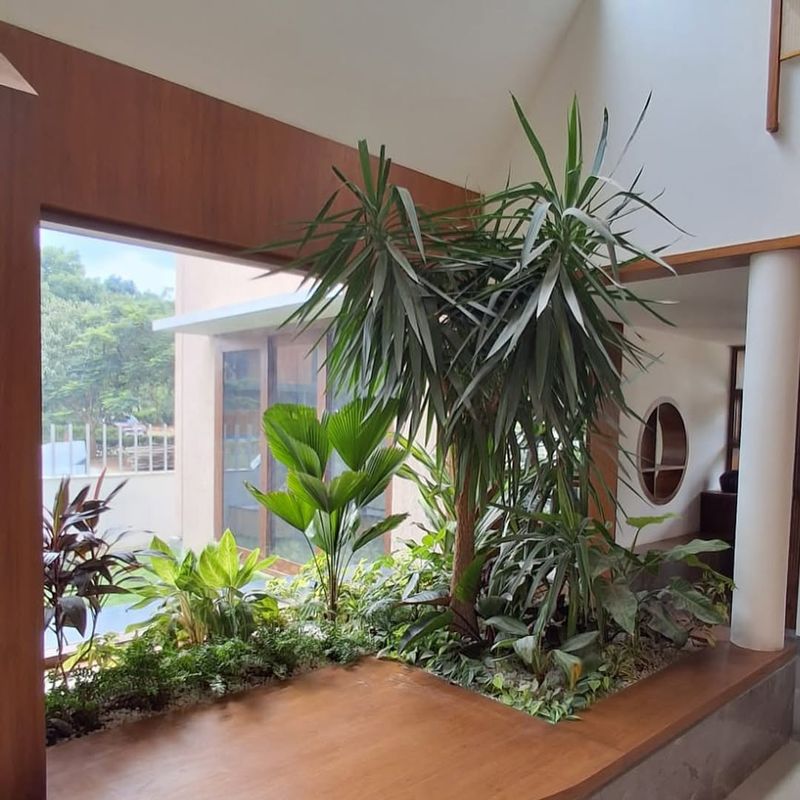
Embrace the exotic allure of tropical plants right at your window. With their broad leaves and vibrant hues, plants like ferns, philodendrons, and peace lilies can transform any space into a verdant paradise.
These plants thrive best when positioned to receive indirect sunlight, making your window the perfect spot. Their lush foliage not only brings a splash of color but also purifies the air, making your home healthier.
Arrange them in clusters for a wild, natural look, or line them up neatly for a more structured appearance. Remember, consistency in watering is key to maintaining their lushness.
6. Integrating Decorative Elements
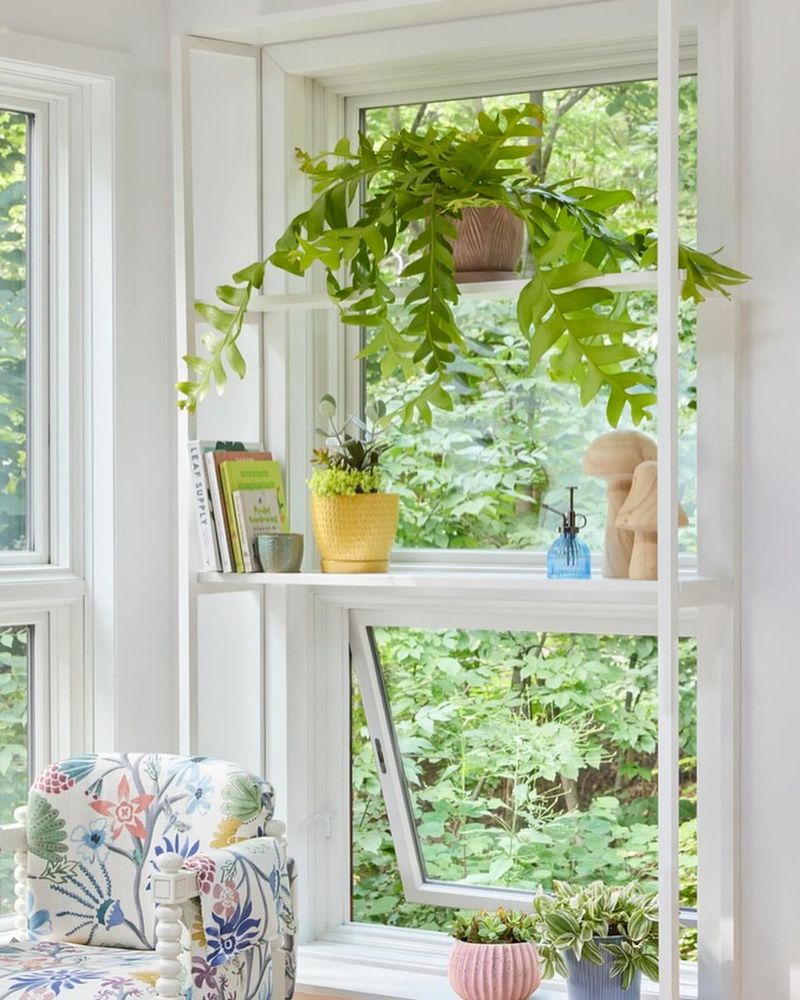
Adding decorative elements to your window garden can enhance its charm and personalize the space. Consider using items like small sculptures, colorful stones, or decorative glass pieces to add sparkle and interest. These elements can reflect your personal style and complement the natural beauty of the plants.
Use mirrors to create the illusion of more space and light, or incorporate LED fairy lights for a magical touch in the evenings. Wind chimes or small water features can add auditory elements that enhance the sensory experience.
Be mindful of the overall theme; whether it’s minimalist, whimsical, or artistic, ensure the decorations unify the look.
These touches can transform your window garden from a simple plant collection into a curated artistic expression, offering a unique space within your home that delights the senses and brings joy to your daily life.
7. Layering Different Plant Heights
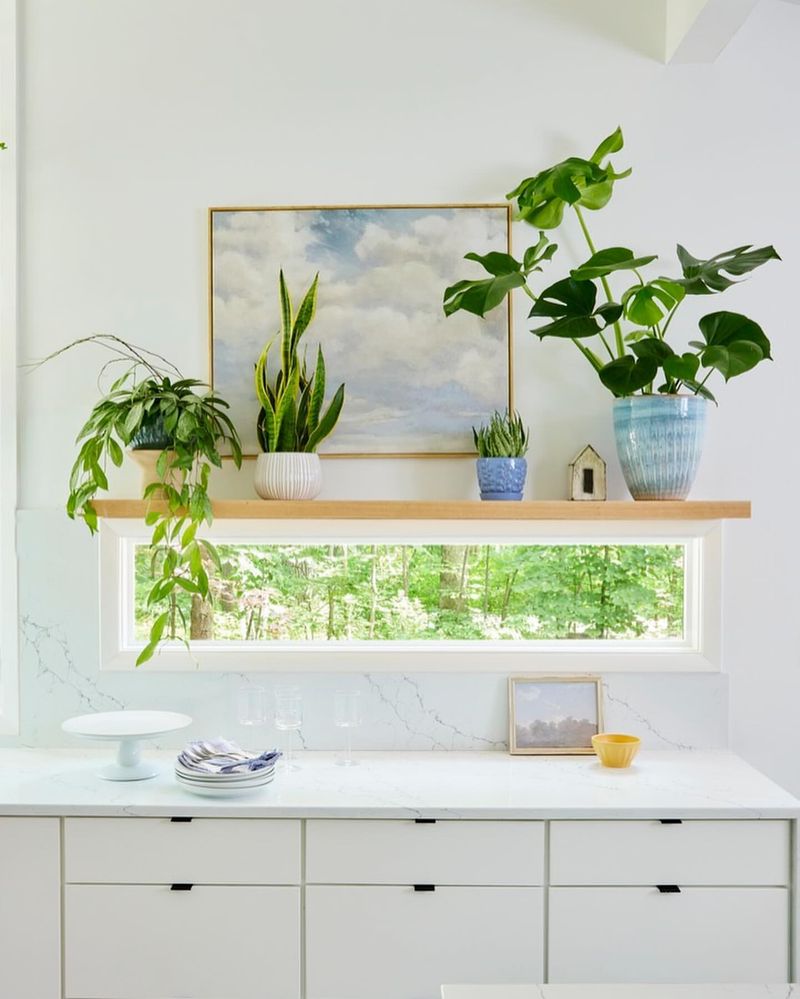
Creating a window garden with layered plant heights adds depth and visual intrigue. Start with taller plants like ferns or rubber plants at the back to form a lush backdrop. Mid-sized plants such as peace lilies or begonias can fill the middle ground, providing a smooth transition.
Front the setup with smaller species like succulents or decorative herbs for easy access and maintenance. This layered approach not only enhances the aesthetic appeal but also ensures that each plant receives adequate light and ventilation.
8. Incorporating Vertical Space
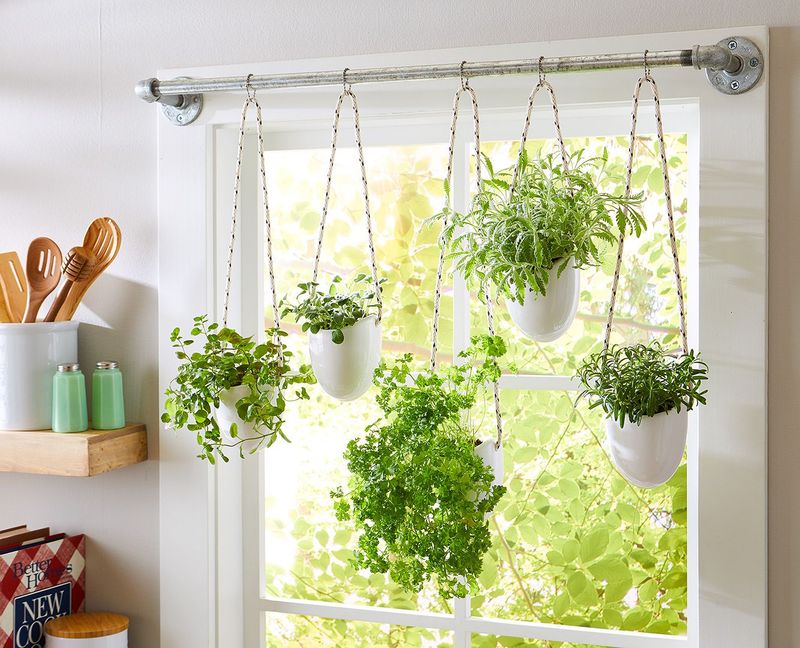
Maximizing vertical space can transform your window into a lush, layered garden. Utilize hanging planters to draw the eye upward and make the most of the height. Wall-mounted shelves or grids can hold an array of smaller plants and add depth to the setup.
Choose plants with trailing habits to enhance the vertical illusion, such as ivy or pothos. Vertical gardening not only saves space but also creates a striking visual appeal, turning your window into a living tapestry. Consider using a tiered plant stand if wall space is limited, allowing for a cascading effect.
This approach is ideal for small apartments or rooms where floor space is at a premium. By thinking vertically, you turn a simple window into an intriguing focal point that draws attention and admiration. This strategy ensures that every bit of your window area is utilized effectively and artistically.
9. Establishing a Watering System
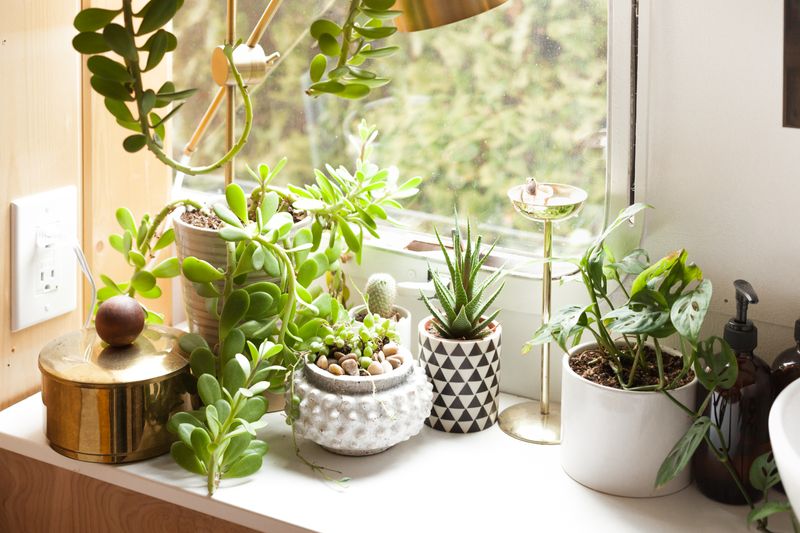
An efficient watering system is crucial for maintaining a healthy window garden. Consider installing a self-watering system, which can be particularly useful for busy individuals or frequent travelers.
These systems use reservoirs and wicking mechanisms to ensure consistent moisture levels for your plants, reducing the risk of over or under-watering.
If a self-watering system is not feasible, set a regular watering schedule and use reminders. Group plants with similar water needs to simplify maintenance.
Incorporate moisture-retaining tools like water spikes or ceramic cones for targeted hydration. Additionally, placing saucers under pots can catch excess water and prevent messes.
10. Optimizing Light Conditions
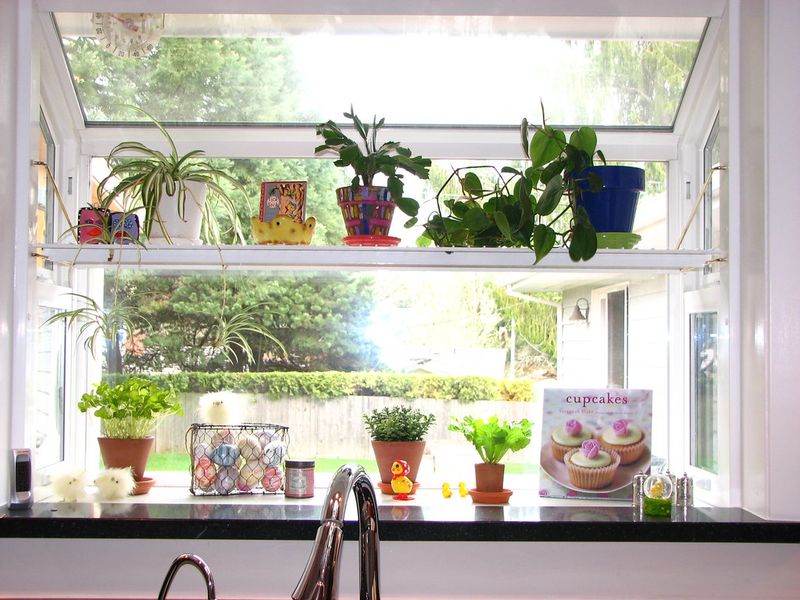
Light is a vital component for plant growth, and optimizing light conditions can make or break your window garden. Assess the natural light your window receives and choose plants accordingly. For bright, intense light, select sun-loving plants like succulents or cacti.
In low-light conditions, opt for shade-tolerant varieties like snake plants or philodendrons. Use reflectors or light-colored surfaces to maximize available light, and consider supplemental grow lights during darker months.
Arrange plants to ensure each receives adequate light, rotating them regularly for even growth.
Be aware of seasonal changes in light patterns and adjust your setup accordingly. Remember, too much direct sunlight can scorch leaves, while too little can stunt growth, so finding the right balance is key.
11. Incorporating Aromatic Plants
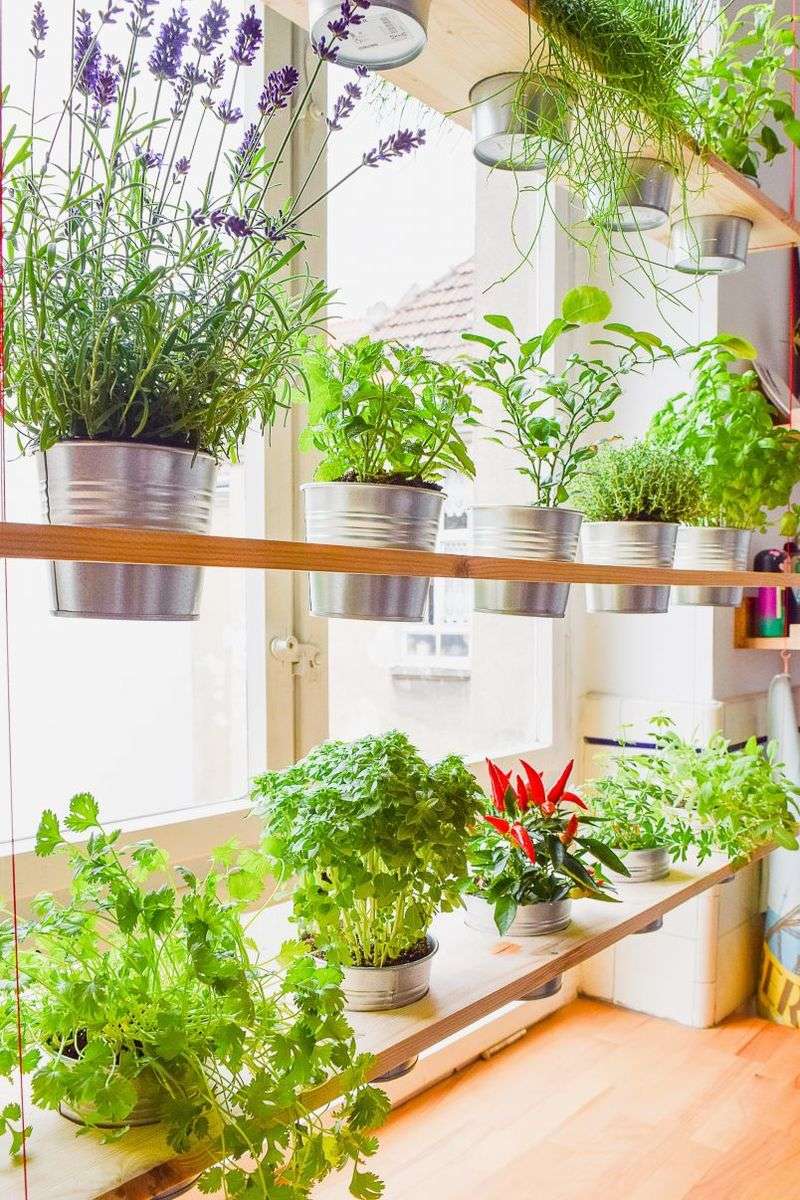
Adding aromatic plants to your window garden can transform the space into a sensory delight. Choose herbs like basil, mint, or lavender, which not only add a pleasant fragrance but can also be used in cooking or aromatherapy.
These plants thrive in well-lit windows and require regular pruning to maintain their shape and encourage new growth. Ensure they are positioned where their scents can be enjoyed, such as near seating areas or open windows.
The fragrance of these plants can boost mood, reduce stress, and enhance the ambiance of your home. Consider combining different scents for a layered olfactory experience, but avoid overpowering combinations.
Aromatic plants are not only functional but also contribute to the overall beauty and eco-friendliness of your window garden.
12. Employing Sustainable Practices
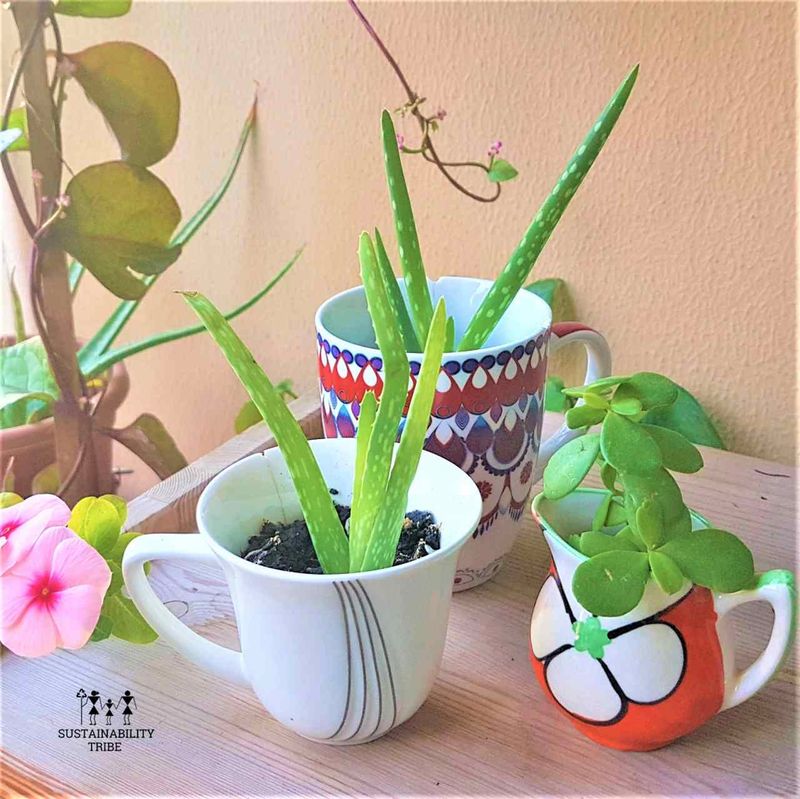
Integrate sustainable practices into your window garden to minimize environmental impact. Use recycled containers or repurpose household items as plant pots to reduce waste. Choose organic soils and fertilizers to nurture your plants naturally and avoid harmful chemicals.
Water conservation techniques, such as rainwater collection or drip irrigation, can reduce your garden’s water footprint. Opt for low-energy grow lights or solar-powered options if additional lighting is needed.
Encourage biodiversity by including a variety of plant species that support local pollinators and beneficial insects.
This eco-friendly approach not only benefits the environment but also enriches your gardening experience. By making conscious choices, you contribute to a healthier planet while enjoying the beauty and tranquility of your indoor oasis.
13. Ensuring Proper Ventilation
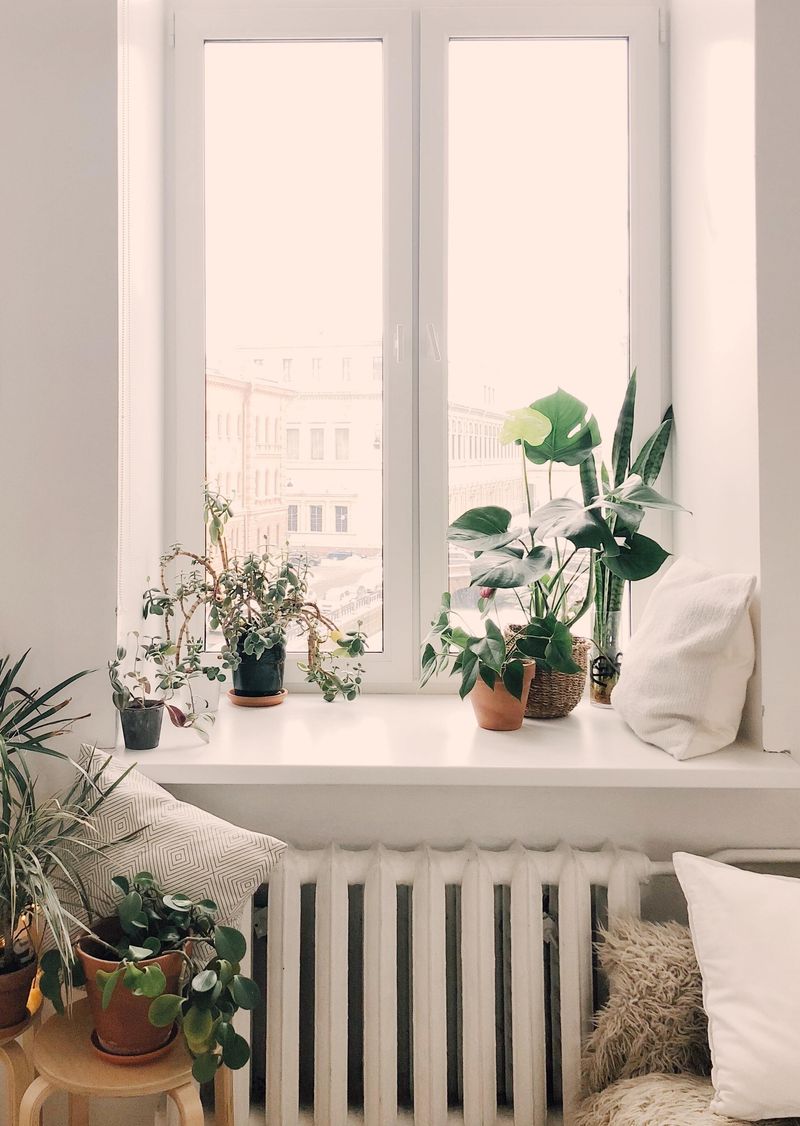
Proper ventilation is essential for a thriving window garden, promoting healthy plant growth and preventing issues like mold or mildew. Ensure your plants have access to fresh air by occasionally opening windows or using small fans to circulate air.
This airflow helps regulate temperature and humidity, creating a suitable microclimate for your plants. For sealed environments, consider using air-purifying plants like spider plants or peace lilies that can improve indoor air quality.
Keep plants spaced adequately to allow air movement between them, which also helps prevent pest infestations. Be cautious of drafts from air conditioners or heaters, as these can harm sensitive plants.
14. Creating Seasonal Displays
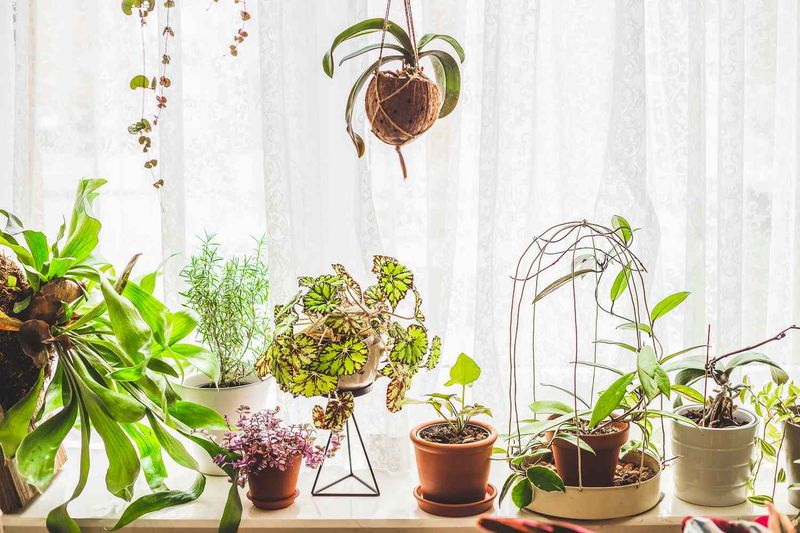
Designing your window garden to reflect the changing seasons adds variety and keeps the display fresh. Choose plants that bloom or change foliage color at different times of the year, like poinsettias for winter or sunflowers for summer.
This approach allows your window garden to evolve, offering new visual interest and excitement with each season. Rotate plants in and out based on their seasonal peak to maintain a vibrant display.
Consider using seasonal decorations, such as autumn leaves or spring blossoms, to enhance the theme.
This strategy not only showcases the beauty of nature’s cycles but also keeps your window garden dynamic and engaging. It encourages you to interact with your garden regularly, fostering a connection with the natural world.
By incorporating seasonal elements, your window garden becomes a living artwork that evolves throughout the year, delighting you with its ever-changing beauty.