 Complete Gardening
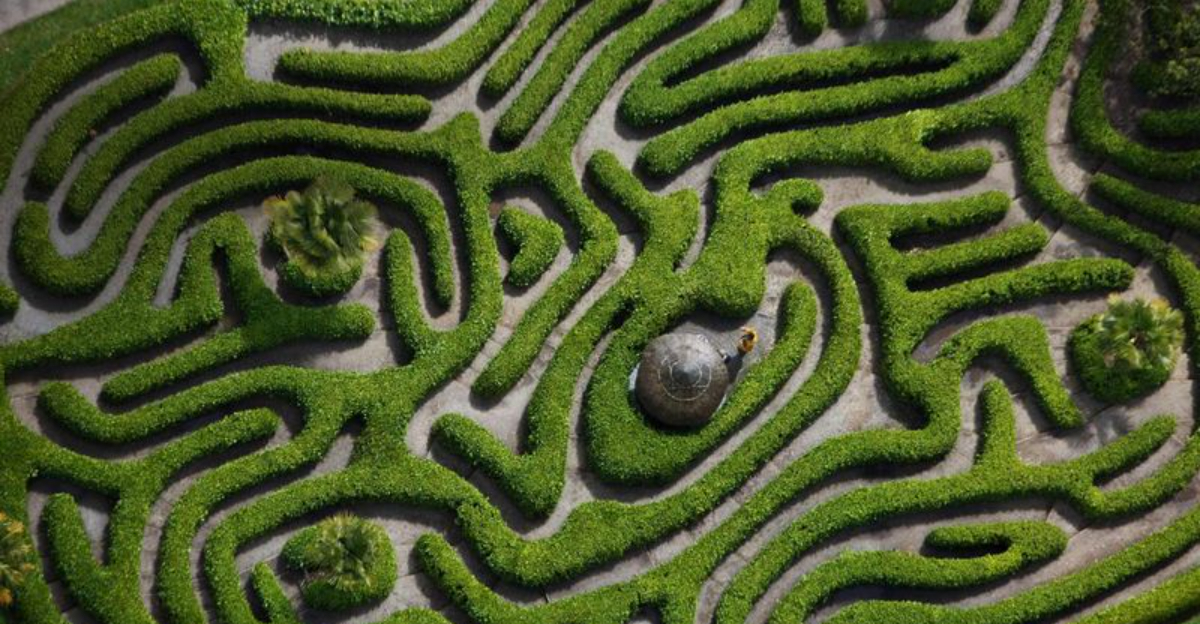
Explore the intriguing world of shrubs designed to delight and mystify in mazes, labyrinths, and optical illusions. These carefully selected plants bring an element of surprise and aesthetic beauty to gardens and landscapes around the world. Discover 15 unique shrubs that are not only functional but also a feast for the eyes.
1. Boxwood (Buxus sempervirens)
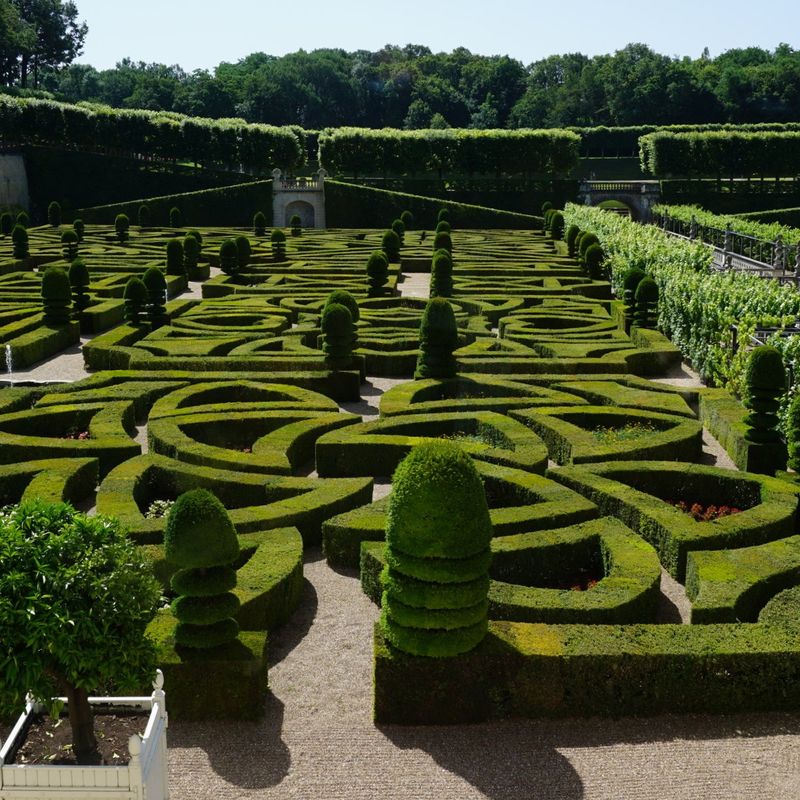
Boxwood, with its compact form and lush evergreen foliage, has been a favorite for creating mazes for centuries. Its ability to be pruned into precise shapes makes it ideal for crafting intricate designs. In gardens, Boxwood is often used to form winding paths that challenge the navigator.
The deep green leaves provide a visually appealing backdrop that contrasts beautifully with blooming flowers or other garden elements. Besides its ornamental use, Boxwood is known for its hardiness and adaptability, thriving in a variety of climates.
This shrub’s historical appeal adds an element of timeless elegance to any landscape.
2. English Yew (Taxus baccata)
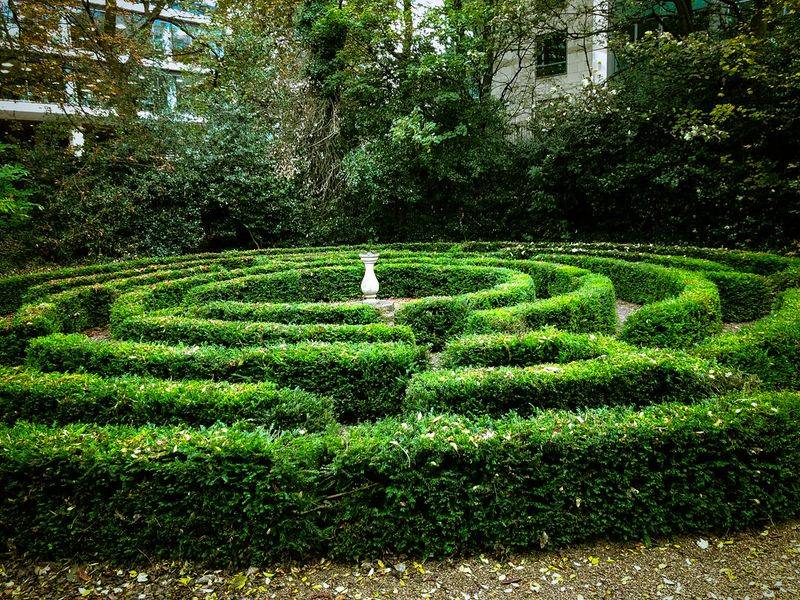
The English Yew is often associated with ancient history and mystery, making it a perfect choice for labyrinths. Its dense, dark green foliage can be shaped into towering walls, creating an awe-inspiring maze.
The Yew’s longevity is legendary, with some specimens living for hundreds of years. This resilience and majestic appearance add a touch of grandeur to any garden setting. English Yews are also known for their ability to thrive in shaded areas, adding versatility to their use in landscapes.
Considered both mysterious and elegant, the English Yew captivates all who wander its paths.
3. Privet (Ligustrum ovalifolium)
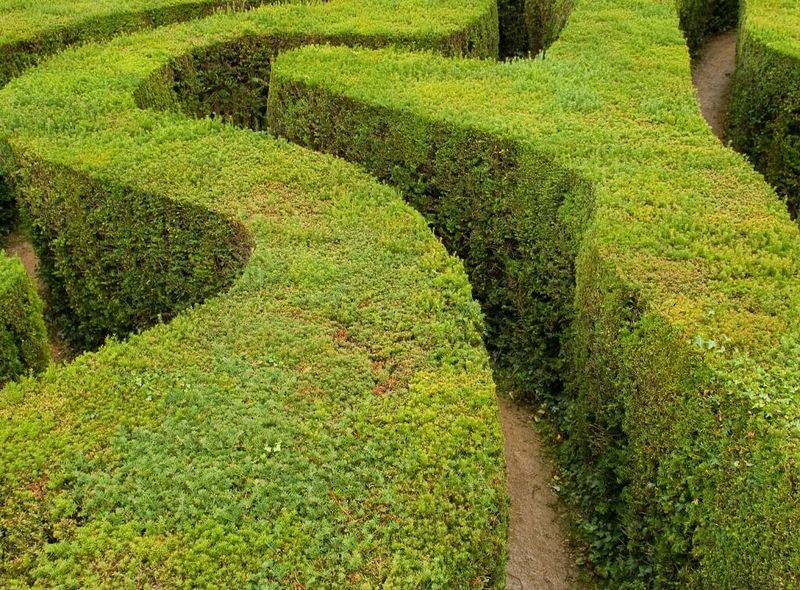
Privet is a versatile shrub that has been widely used in crafting garden mazes. Its rapid growth and dense foliage allow for the creation of thick, impenetrable walls that challenge both sight and sense.
In spring, Privet bursts into a display of small white flowers, adding seasonal interest and fragrance to the maze. Its adaptability to different soil types and climates makes it a practical choice for gardeners looking to create a living puzzle.
Easy to shape and maintain, Privet offers both beauty and functionality, inviting adventurers to explore its verdant corridors.
4. Hornbeam (Carpinus betulus)
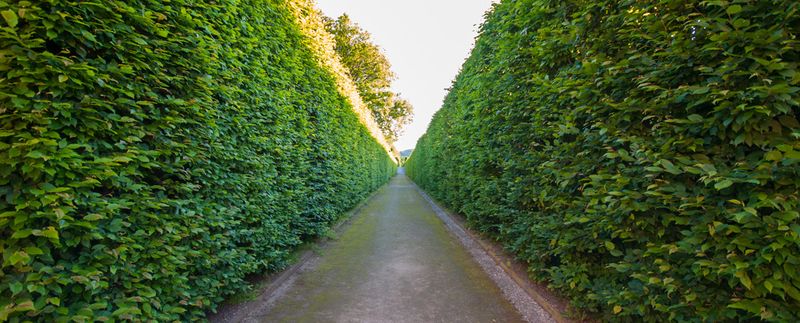
Hornbeam offers a unique seasonal charm to mazes with its attractive foliage that changes color with the seasons. In spring and summer, it displays vibrant green leaves, while in autumn, it turns to a striking golden hue.
Its dense, closely-knit branches create impenetrable barriers, perfect for crafting intricate labyrinths. Known for its strength and durability, Hornbeam withstands harsh weather conditions, making it a reliable choice for outdoor settings.
This deciduous beauty not only captivates with its color transformation but also provides a robust structure for any maze design.
5. Common Holly (Ilex aquifolium)
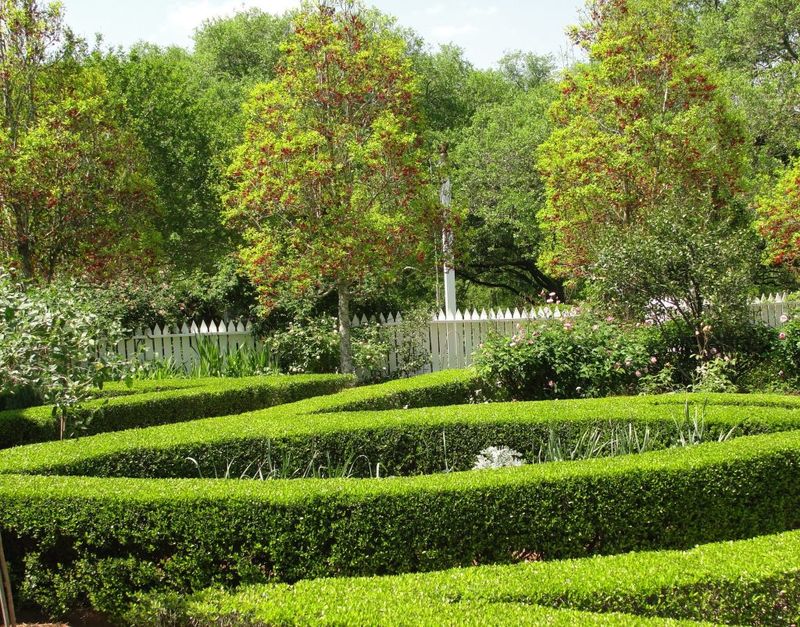
Common Holly adds a festive touch to any maze, especially during winter when its vibrant red berries contrast with the dark green, glossy leaves. These striking features make it an attractive choice for holiday-themed gardens.
Its spiky leaves and dense growth habit create a formidable barrier, adding complexity and challenge to the maze explorer. Holly’s evergreen nature ensures year-round interest, providing a lush backdrop regardless of the season.
With a nod to tradition and holiday cheer, Common Holly offers both beauty and function in a garden setting.
6. Japanese Holly (Ilex crenata)
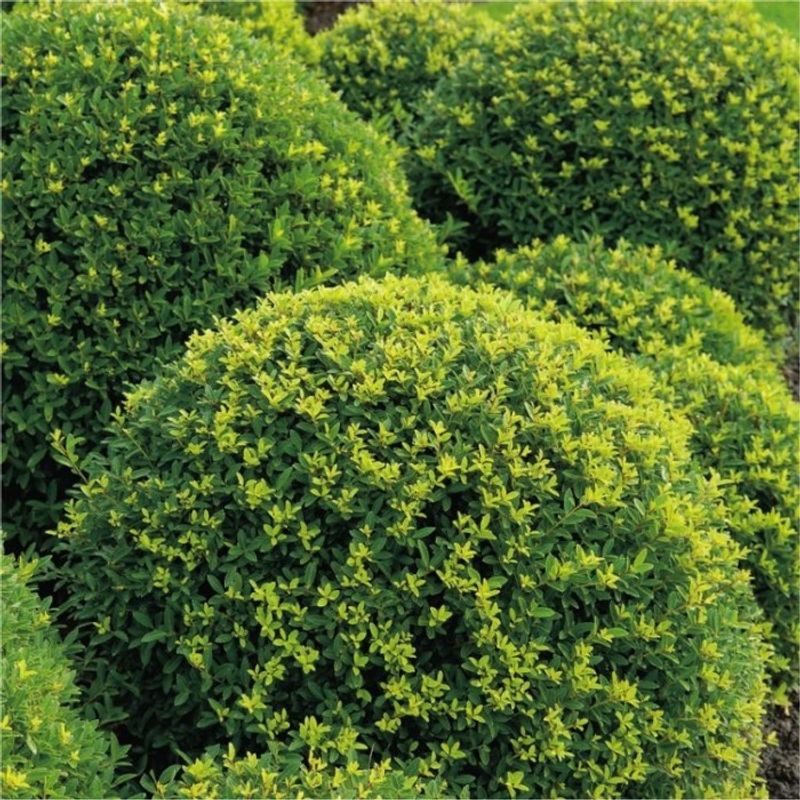
Japanese Holly is celebrated for its small, shiny leaves that resemble those of Boxwood, making it a popular alternative for creating intricate mazes. Its compact growth habit and fine texture lend themselves to meticulous pruning.
This evergreen shrub thrives in a variety of soil conditions, adding to its versatility in garden design. The Japanese Holly’s ability to maintain its shape and form over time makes it a reliable choice for those seeking a long-lasting maze.
With its subtle elegance and robust nature, it provides a tranquil yet engaging experience for garden enthusiasts.
7. Cherry Laurel (Prunus laurocerasus)

Cherry Laurel is known for its glossy, dark green leaves and rapid growth, making it an excellent candidate for creating lush, dense mazes. In spring, it showcases clusters of small white flowers that add a touch of elegance to its robust appearance.
Its ability to thrive in both sun and shade adds flexibility to maze design, accommodating various garden landscapes. The dense foliage offers privacy and seclusion, inviting explorers to lose themselves in its winding paths.
Cherry Laurel’s combination of beauty and resilience makes it a standout choice for maze enthusiasts and gardeners alike.
8. Arborvitae (Thuja occidentalis)
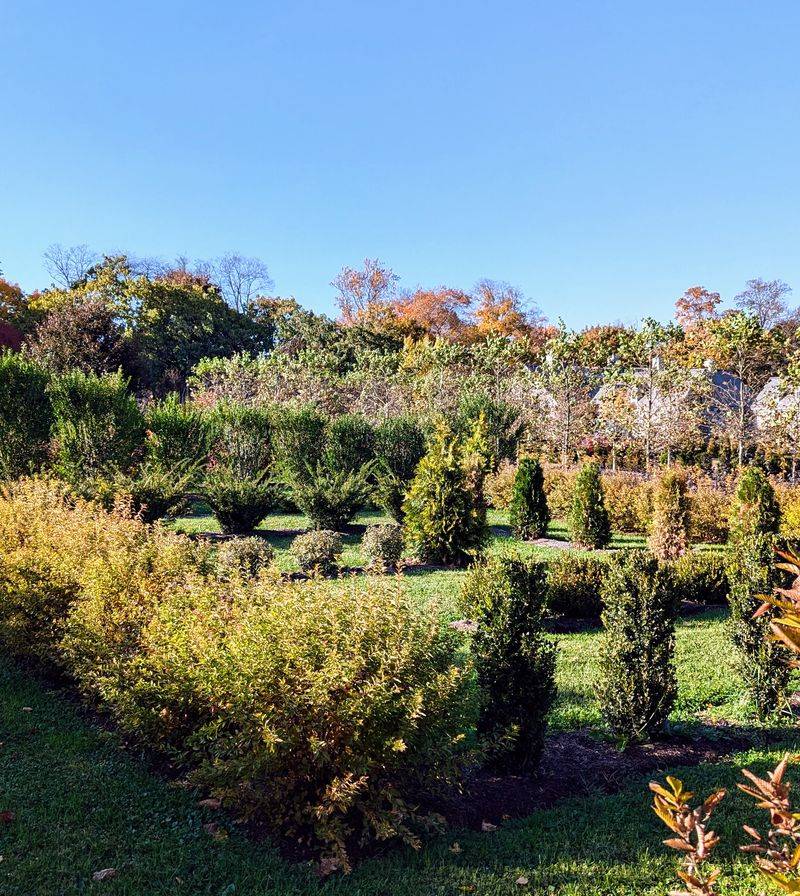
Arborvitae, often referred to as the ‘tree of life,’ is prized for its tall, narrow growth habit, ideal for creating majestic, vertical mazes. Its rich green foliage remains vibrant year-round, offering a constant visual delight.
This coniferous shrub is highly adaptable, thriving in a wide range of environmental conditions. Its natural ability to block wind and noise makes it a functional choice for creating tranquil garden escapes.
With its elegant stature and evergreen appeal, Arborvitae brings a sense of serenity and grandeur to any maze it graces.
9. Osmanthus (Osmanthus fortunei)
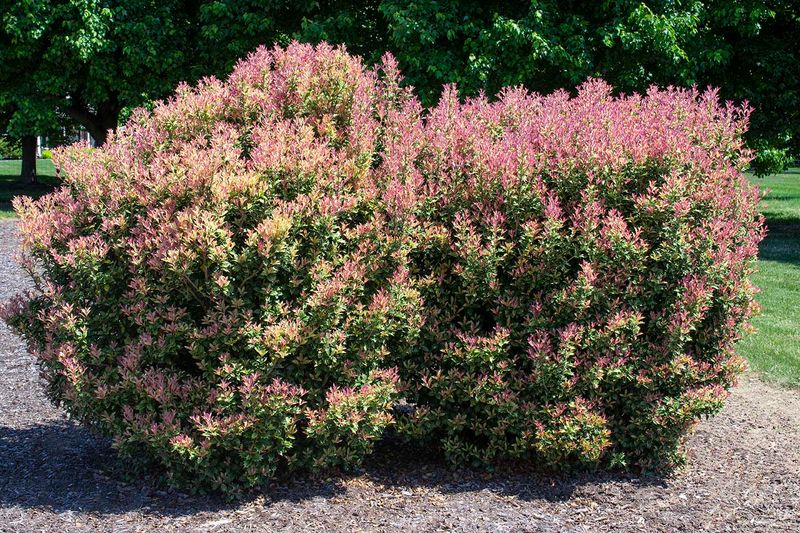
Osmanthus, known for its fragrant white flowers and dense, dark green foliage, offers a sensory delight in maze design. Its sweet scent permeates the air, creating an inviting atmosphere for those who wander within.
The shrub’s dense growth habit and ability to withstand pruning make it perfect for crafting intricate patterns. Osmanthus thrives in various climates, adding versatility to its appeal.
With its combination of fragrance and form, Osmanthus enriches the maze experience, providing both visual and sensory pleasure to garden explorers.
10. Euonymus (Euonymus japonicus)
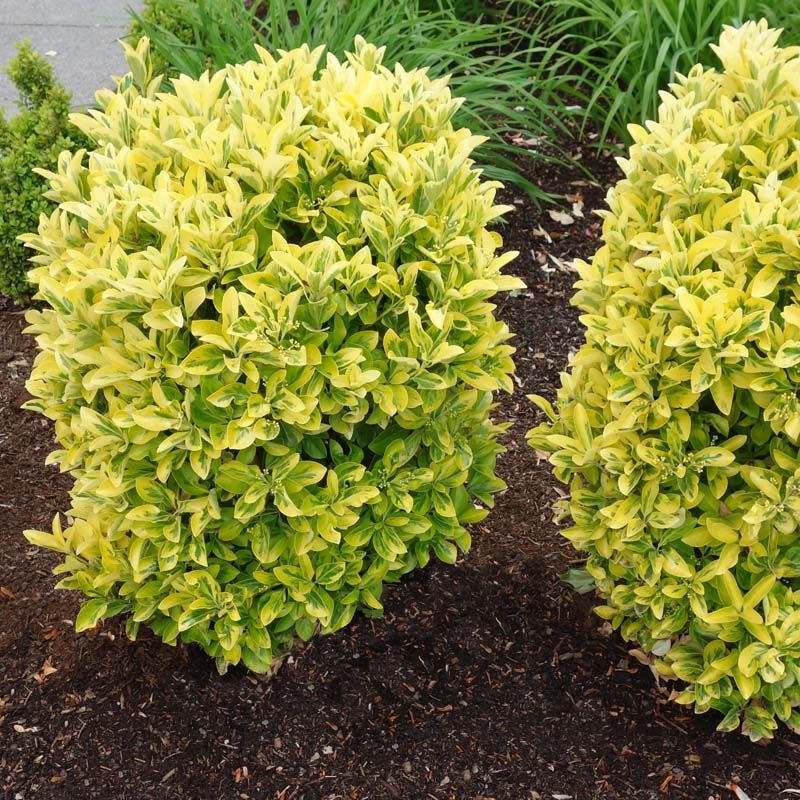
Euonymus is admired for its striking variegated foliage, offering a pop of color and interest to garden mazes. Its adaptable nature and tolerance for pruning allow for the creation of unique and visually stunning designs.
This evergreen shrub provides year-round beauty, with its vibrant leaves lighting up even the dreariest of days. Euonymus is also known for its hardiness, thriving in various soil and environmental conditions.
With its colorful appearance and resilient nature, Euonymus adds a lively touch to any maze, encouraging adventurers to explore its vibrant paths.
11. Red Tip Photinia (Photinia × fraseri)
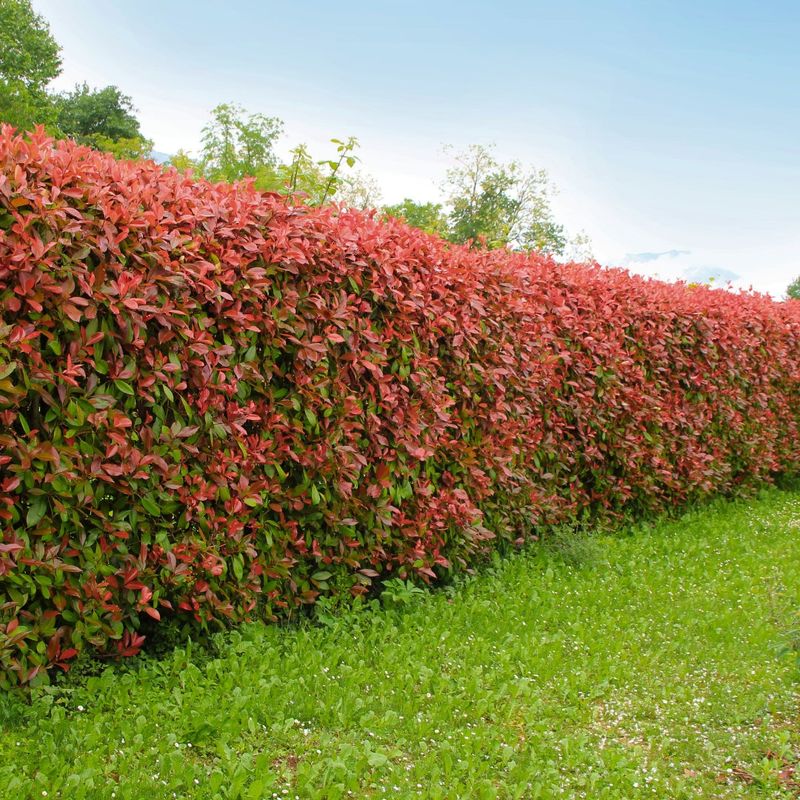
Red Tip Photinia captivates with its brilliant red-tipped foliage in spring, offering a dramatic flair to garden mazes. The vibrant color gradually deepens to a rich green, creating a dynamic visual effect throughout the season.
This shrub’s rapid growth and dense leaves make it an effective choice for creating lush, private spaces within a maze. Photinia thrives in well-drained soil and full sun, ensuring its vibrant colors remain true.
With its bold appearance and robust growth, Red Tip Photinia offers both aesthetic appeal and practicality for maze designers.
12. Oregon Grape (Mahonia aquifolium)
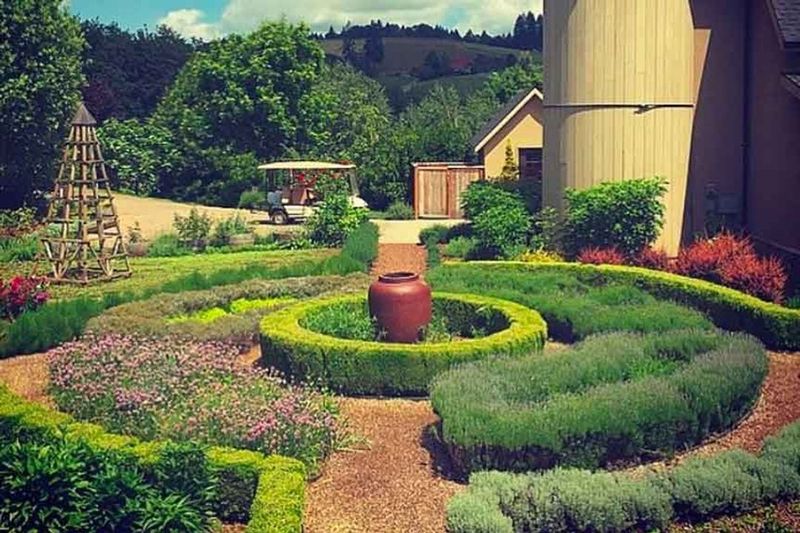
Oregon Grape, known for its holly-like leaves and bright yellow flowers, adds a wild, natural charm to mazes. Its vibrant blossoms attract pollinators, enhancing the garden’s ecological value.
The shrub’s spiky leaves form dense barriers, providing both security and intrigue to maze explorers. In autumn, the foliage turns a striking bronze, offering seasonal interest and beauty.
With its combination of color and texture, Oregon Grape brings a touch of wilderness and vitality to any garden maze, inviting adventurers to wander its paths.
13. Japanese Barberry (Berberis thunbergii)
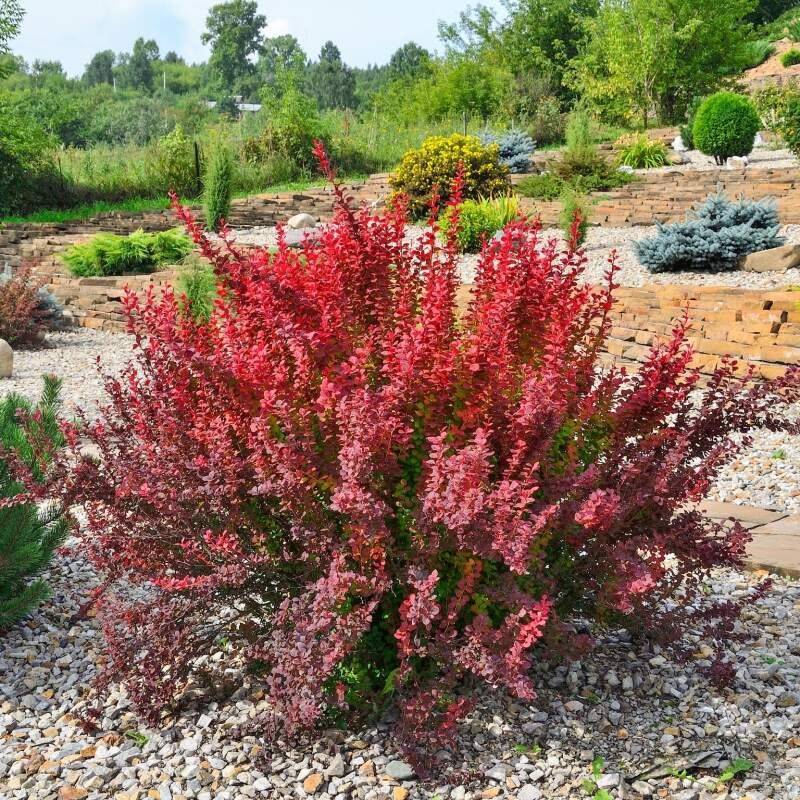
Japanese Barberry is celebrated for its vivid red leaves and thorny branches, adding both color and challenge to garden mazes. Its compact growth habit allows for the creation of dense, impenetrable hedges.
In spring, the shrub is adorned with small yellow flowers, followed by bright red berries in autumn, providing seasonal interest and beauty. Its adaptability to various soil and light conditions makes it a practical choice for maze designs.
With its vibrant appearance and resilient nature, Japanese Barberry offers an engaging and delightful experience for maze explorers.
14. Box Honeysuckle (Lonicera nitida)
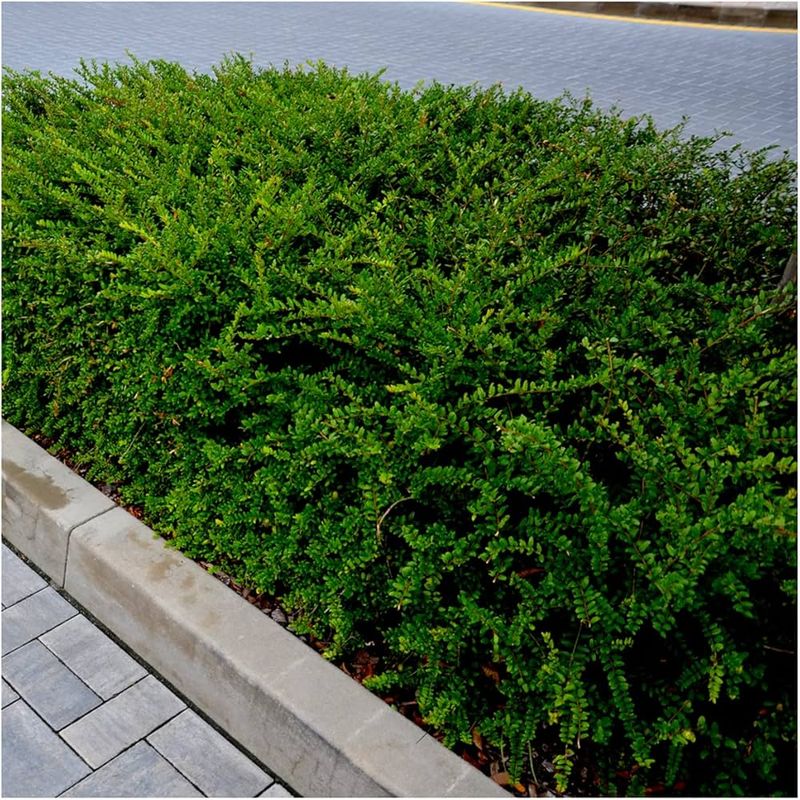
Box Honeysuckle, with its fine leaves and flowing form, offers a soft and elegant touch to garden mazes. Its dense growth and adaptability to pruning make it ideal for creating intricate patterns and designs.
This evergreen shrub thrives in a variety of conditions, providing year-round beauty and interest. Its ability to form low, sweeping hedges adds a unique visual appeal to maze structures.
With its graceful appearance and versatile nature, Box Honeysuckle invites garden enthusiasts to explore its gentle curves and hidden paths.