 Complete Gardening
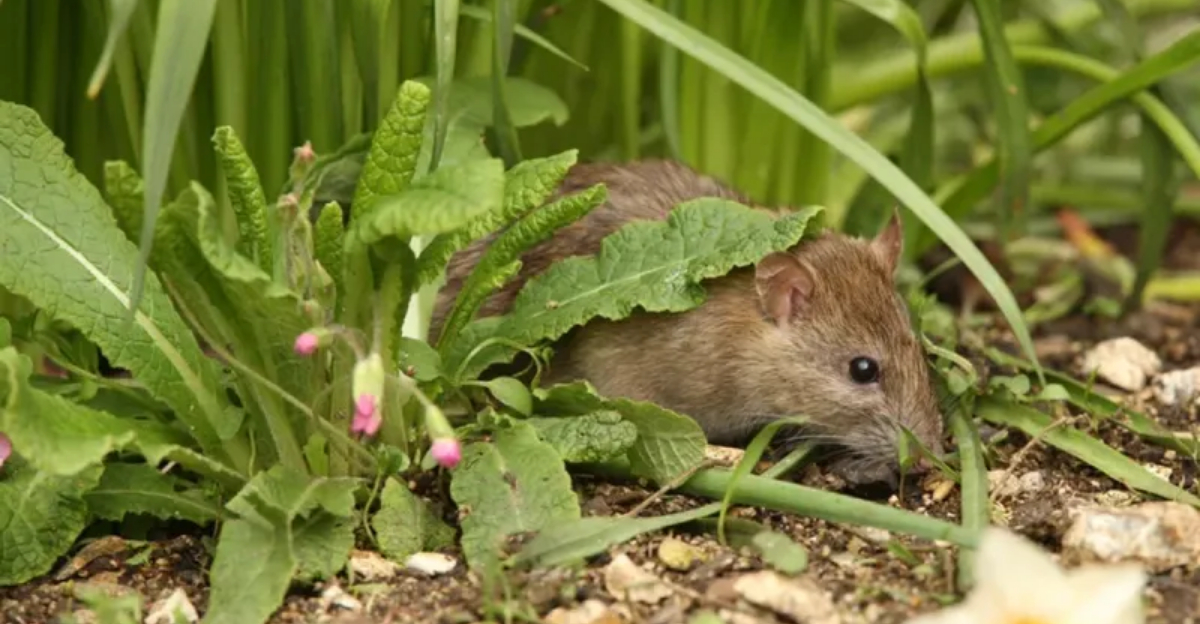
In the quest to keep our homes and gardens free of unwelcome rodent guests, nature offers an array of effective allies. Harnessing the natural power of certain plants can be a delightful and eco-friendly way to deter rats from invading your spaces. This guide introduces 14 remarkable plants known for their rat-repelling properties.
By strategically placing these plants around your home and garden, you can create a fragrant and beautiful barrier that keeps these pesky critters at bay. Join us as we explore these botanical wonders and discover how they can help maintain a rat-free environment.
1. Peppermint
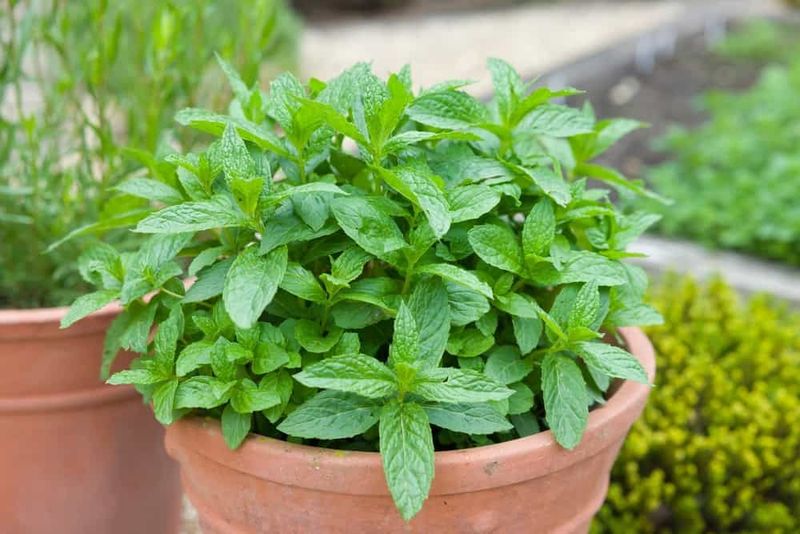
Peppermint, with its invigorating and potent aroma, acts as a natural deterrent for rats. This herb is not only delightful for humans but also overwhelms and confuses rodents, steering them away from your garden. Plant peppermint strategically around entry points to harness its full potential.
You can also make a peppermint spray by distilling its leaves and spreading this natural concoction around areas prone to rat visitation. This versatile plant adds beauty to your garden while serving as an effective barrier against unwelcome guests. Enjoy the minty freshness every time you brush against it!
2. Lavender

Lavender brings a serene touch to any garden with its fragrant purple flowers. While its calming scent soothes humans, it has the opposite effect on rats, making them avoid areas where lavender is present. Plant lavender along pathways or near garden borders to maximize its effectiveness.
The oil extracted from lavender flowers can be used indoors to extend its repelling properties. Imagine walking through your garden, enveloped by the gentle fragrance, while knowing it’s working hard to keep pests at bay. This dual-purpose plant is both a delight and a safeguard.
3. Garlic
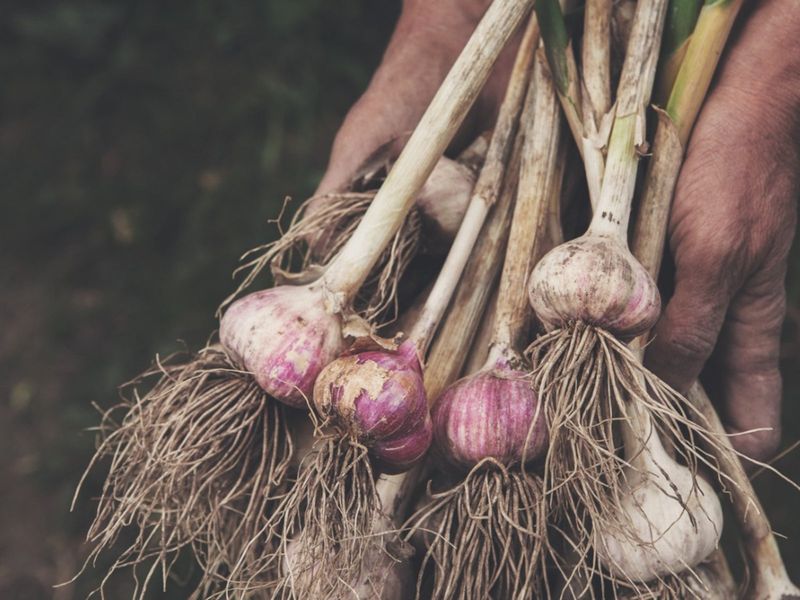
Garlic, known for its sharp and pungent aroma, is a powerhouse in repelling rats. When planted in your garden, garlic releases sulfur compounds that are unpleasant to rodents, creating a natural shield against them. Plant garlic bulbs in clusters to form a protective barrier.
In addition to planting, crush a few cloves to intensify the scent and place them in problem areas. Whether in the form of plants or raw cloves, garlic is a steadfast guardian against unwanted rodent visitors. Plus, you have fresh garlic at your disposal for culinary adventures!
4. Onions
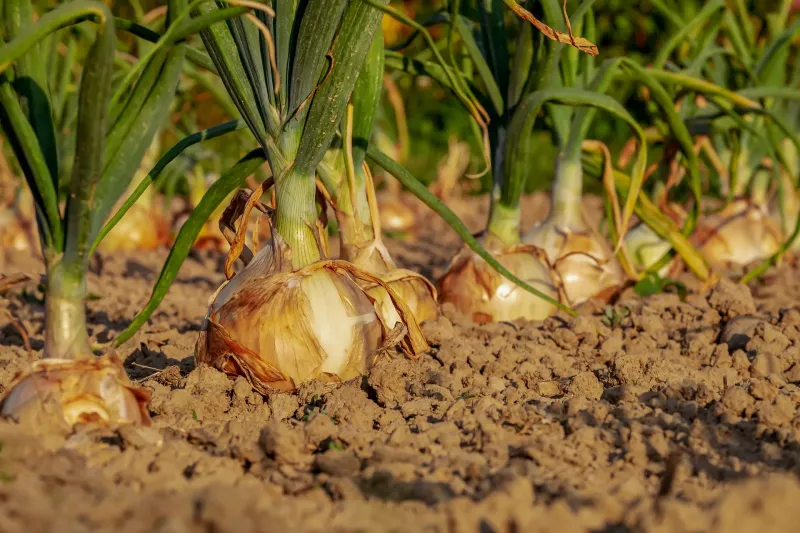
Onions are more than just a kitchen staple; they are excellent at deterring rats with their strong odor. The scent of onions is off-putting to rodents, making them a simple yet effective addition to your garden’s defense strategy. Plant onions in clusters for a stronger impact.
You can also use onion scraps by placing them near garden edges or entry points. This vegetable not only deters pests but also boosts your garden’s yield. With onions in your garden, you not only enhance your meals but also protect your space from unwanted intruders.
5. Chrysanthemums
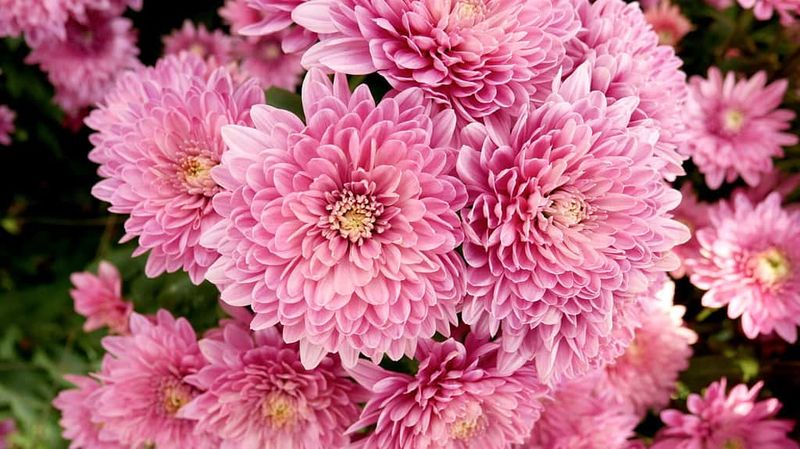
Chrysanthemums are famed for their beauty and their pest-repelling properties. These flowers contain pyrethrum, a natural insecticide that is effective against a variety of pests, including rats. Grow them in your garden to create an attractive yet protective environment.
Beyond their role as pest deterrents, chrysanthemums add a splash of color and elegance to any outdoor space. Their vivid blooms not only brighten your garden but also act as a natural fortress, contributing to a harmonious and pest-free setting.
6. Daffodils
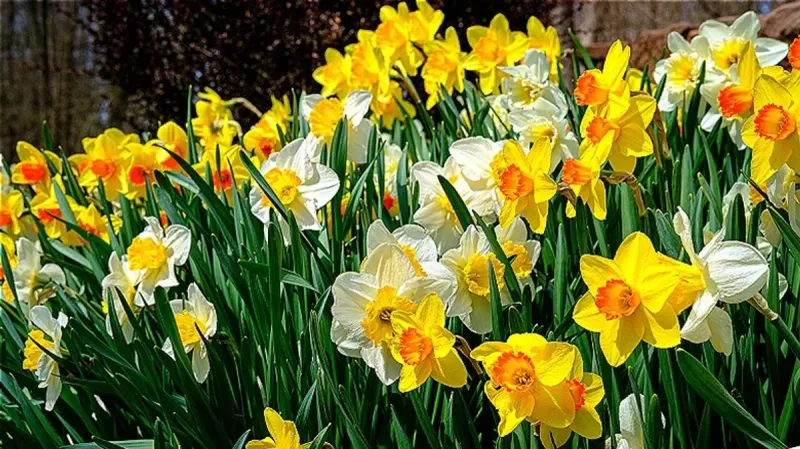
Daffodils, with their cheerful yellow blooms, are toxic to many animals, including rats. These plants naturally deter rodents, making them an excellent choice for gardens seeking both beauty and protection. Plant daffodils along borders or in clusters for a vibrant display.
Their toxicity ensures that rats and other pests give them a wide berth, allowing you to enjoy a garden that is both delightful and secure. With daffodils in bloom, you can bask in their sunny appearance, knowing they are working hard to keep your garden free of pests.
7. Eucalyptus
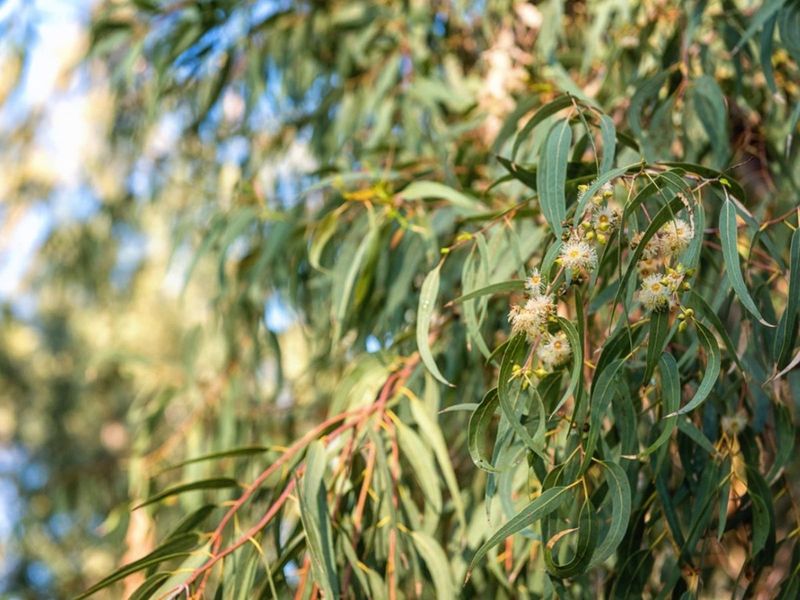
Eucalyptus trees are known for their strong, menthol-like fragrance, which is highly repellent to rats. This plant’s scent is overpowering enough to keep rodents at a distance, making it a strategic addition to your garden’s perimeter.
The leaves can be crushed to release more oils, enhancing their pest-repelling properties. Whether you choose to plant them or use their oil, eucalyptus is a powerful ally in maintaining a rat-free garden. The refreshing scent also adds a touch of nature’s spa to your outdoor haven.
8. Marigolds
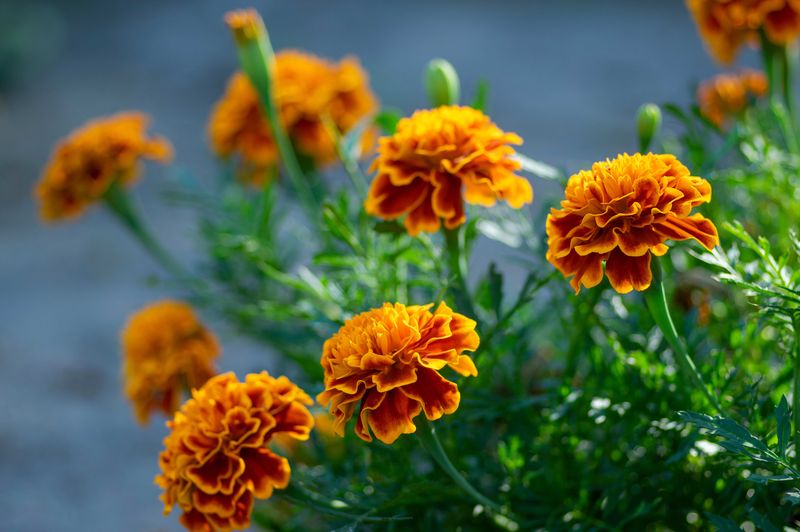
Marigolds are not just visually appealing; they are also effective at keeping rats away. Their strong scent acts as a natural deterrent, making them a useful addition to any garden seeking protection from rodents.
Plant marigolds around vegetable patches or garden borders to create a colorful barrier that is unappealing to pests. These flowers not only brighten up your space but also work tirelessly to keep it safe from unwanted visitors. Enjoy the lively colors and peace of mind that comes with these diligent bloomers.
9. Basil
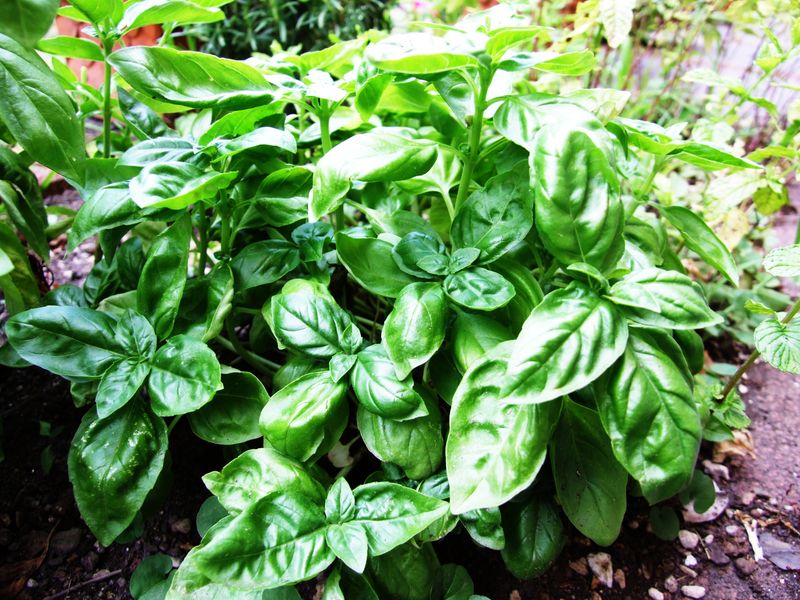
Basil, a beloved herb in many kitchens, offers more than just culinary delight. Its pungent aroma naturally repels rats, making it a dual-purpose plant for your home and garden. Plant basil near entryways or around vegetable gardens for best results.
Beyond its pest-repelling qualities, basil provides fresh leaves for your favorite dishes, adding flavor and protection to your life. Envision a garden where the air is fragrant with basil, serving as both a natural barrier and a source of fresh, aromatic ingredients.
10. Catnip
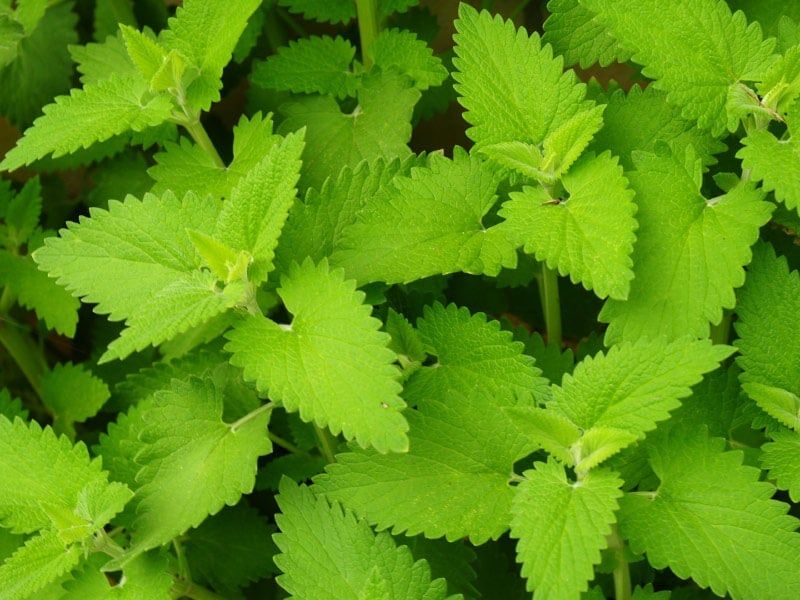
Catnip is famous for its appeal to felines, but it also has the opposite effect on rats. The plant contains nepetalactone, which is despised by rodents, making it an excellent choice for areas prone to infestation. Plant catnip near garden edges or entry points for optimal effect.
This plant plays a dual role by attracting cats, which can further deter rats. Picture a playful garden where cats frolic joyfully, and rodents are nowhere in sight. With catnip, your garden becomes a sanctuary and a fortress.
11. Bay Laurel (Bay Leaves)
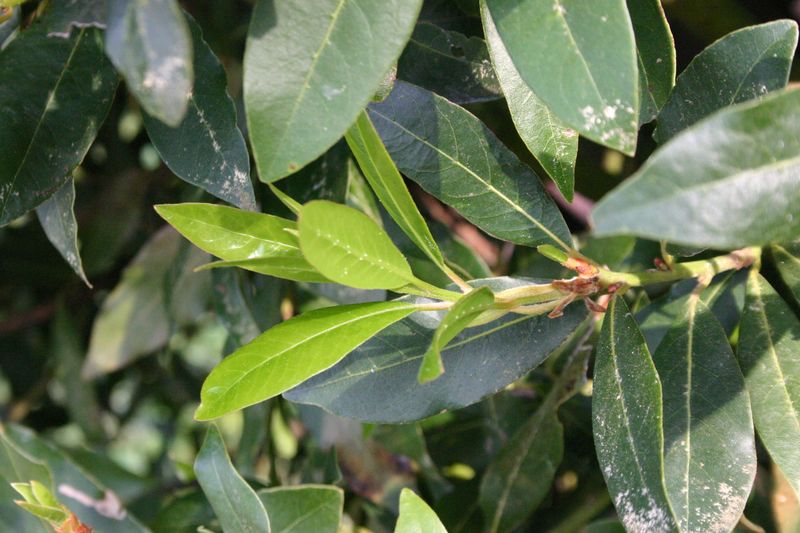
Bay laurel, famed for its culinary use, is also a natural repellent for rats. The scent of bay leaves is unpleasant to rodents, and consuming them can be toxic. Plant bay laurel around your garden or keep dried leaves in pantry areas to ward off pests.
Not only does this plant enhance your culinary endeavors, but it also provides a protective shield against rodents. Envision a garden enhanced by the aromatic essence of bay leaves, serving as both a flavor enhancer and a deterrent for unwanted guests.
12. Rue
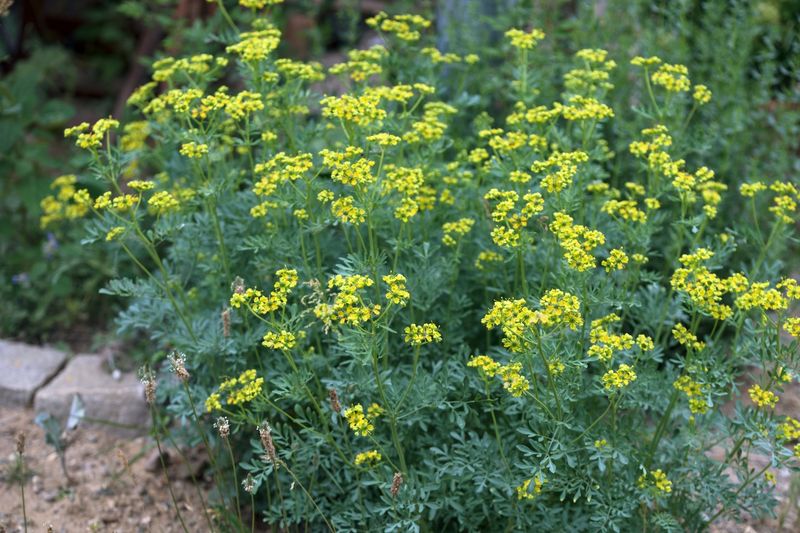
Rue is a hardy plant with a strong and distinctive smell that deters many animals, including rats. Its bitter aroma makes it an ideal choice for garden borders or near entry points to discourage rodent intrusions.
The plant’s unique fragrance can be a refreshing change in your garden, acting as a natural barrier while adding a touch of greenery. Imagine a garden border lined with rue, serving as both a visual and olfactory shield against pests. Rue’s determined nature ensures your space remains rodent-free.
13. Camphor Plant
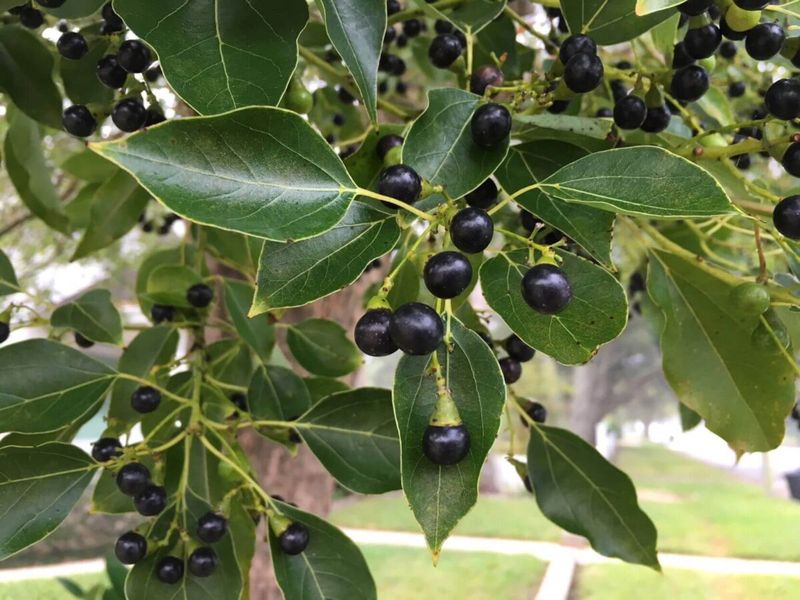
The camphor plant is known for its potent aroma, which rats find unbearable. This strong scent makes it a formidable addition to any garden defenses against rodents. Plant camphor near garden entrances to maximize its pest-repelling properties.
Beyond its protective benefits, the camphor plant adds a touch of lush greenery to any outdoor setting. Picture a garden where the air is imbued with camphor’s invigorating scent, serving as a natural barricade against unwelcome guests while enhancing the garden’s aesthetic appeal.
14. Lemongrass
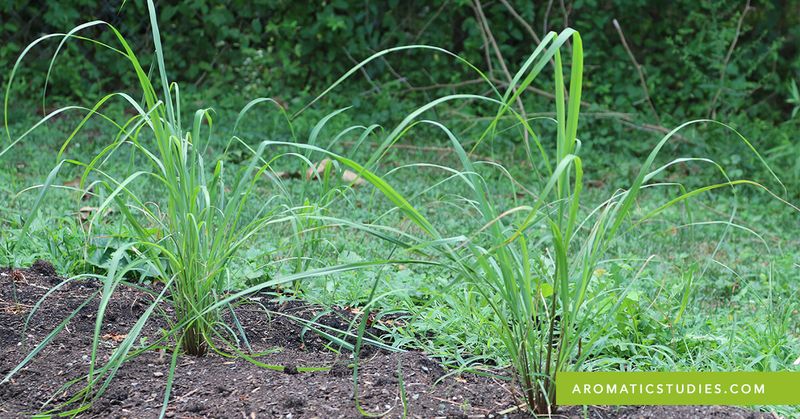
Lemongrass is renowned for its citrusy scent, which works wonders as a natural rodent repellent. This plant’s refreshing aroma is pleasant for humans but deters rats effectively. Plant lemongrass around patios or garden beds to create a fragrant zone that keeps pests at bay.
The tall, swaying stalks of lemongrass bring a touch of tropical elegance to your garden while doubling as a protective barrier. Visualize a garden filled with the gentle rustling of lemongrass, where the air is filled with a zesty aroma that keeps your space pest-free.