 Complete Gardening
Caring for outdoor potted plants might seem straightforward, but there are numerous pitfalls that can lead to less than flourishing foliage. Whether you’re a green thumb or a gardening newbie, understanding common mistakes can save your plants from a wilted fate. This guide explores the most frequent errors and provides expert advice to help your garden thrive.
1. Choosing the Wrong Pot Size
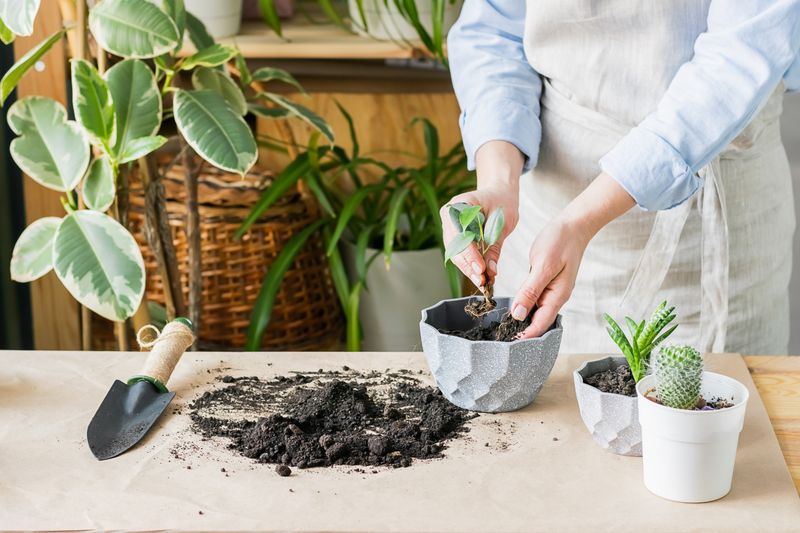
Many garden enthusiasts have tackled the age-old dilemma of selecting the right pot size. A pot too small will suffocate roots, like a shoe that’s too tight for growing feet. On the other hand, an oversized pot is akin to wearing clown shoes—it retains too much moisture, risking root rot. Imagine dancing in shoes that fit perfectly; that’s what matching pot size to root ball is like for a plant. Aim for a pot 2–4 inches wider than the current roots to allow a comfortable yet snug environment. This balance ensures your plants have room to grow without drowning.
2. Poor Drainage
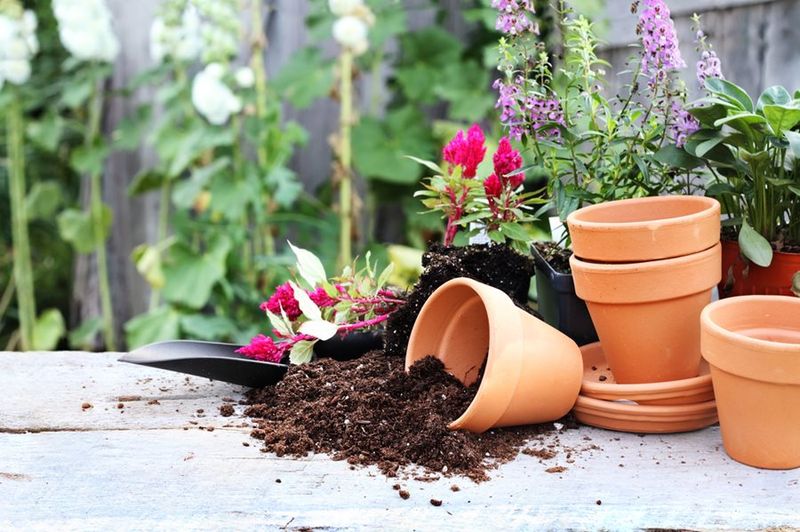
The feeling of sinking into a wet, muddy ground isn’t pleasant, is it? Plants experience a similar discomfort when housed in containers lacking drainage. Waterlogged roots can lead to plant diseases, much like how wet socks can make your feet cold and uncomfortable. Prevent this by choosing pots with adequate drainage holes. Adding a layer of gravel or broken pottery beneath the soil can further enhance drainage, ensuring excess water escapes rather than drowns the roots. Remember, plants enjoy a refreshing drink, not a relentless flood.
3. Using Garden Soil Instead of Potting Mix
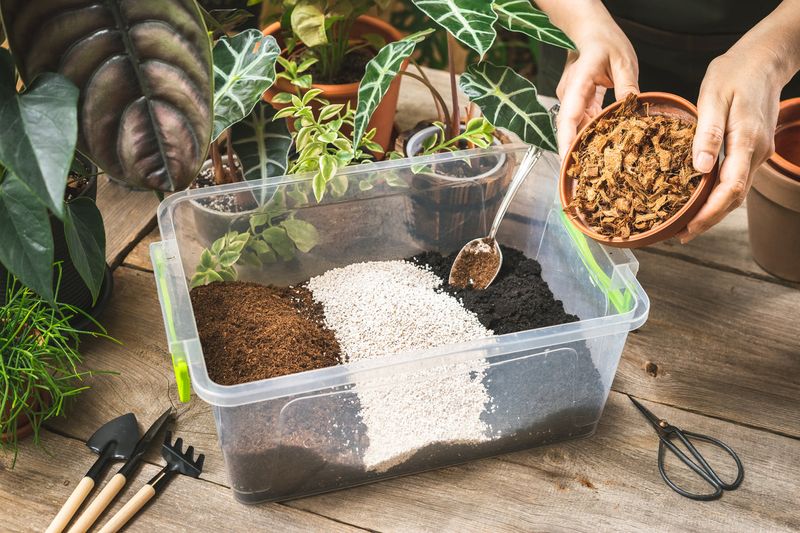
Imagine trying to breathe with a heavy blanket over your face. That’s what dense garden soil feels like to a potted plant’s roots. Outdoor soil tends to compact over time, suffocating the roots and limiting water flow. In contrast, a light, well-draining potting mix acts like a breathable fabric, allowing roots to stretch and access vital nutrients. Choose mixes specifically formulated for potted plants, such as those designed for cacti or succulents, to ensure optimal air and water flow. Your plants will thank you with vibrant growth and blooms.
4. Overwatering
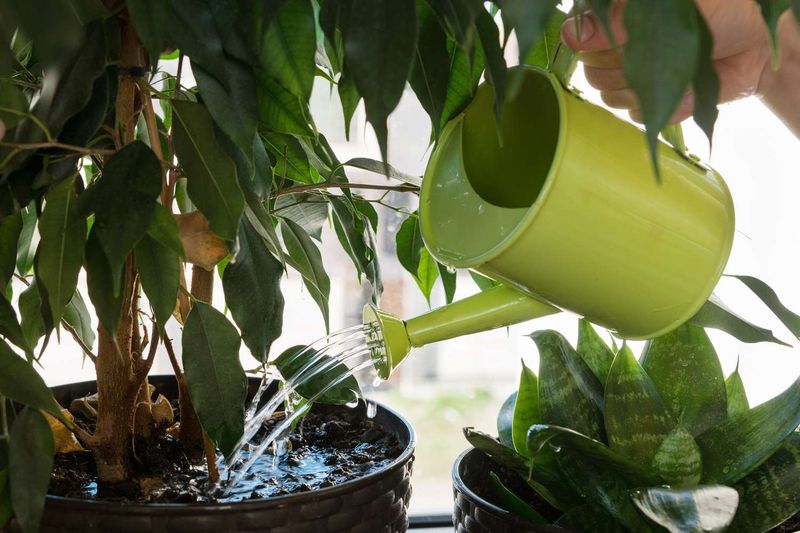
Pouring love into your plants is great, but too much water can drown them. Overwatering is like giving a friend too much advice—they might start to tune out. Instead, water deeply but less frequently, ensuring it reaches the roots without staying stagnant. Aim to water until it drips from drainage holes, then allow the top inch of soil to dry. This balanced approach is akin to a careful dance—graceful and measured, ensuring your plants stay healthy and vibrant, without wilting under excess care.
5. Underwatering
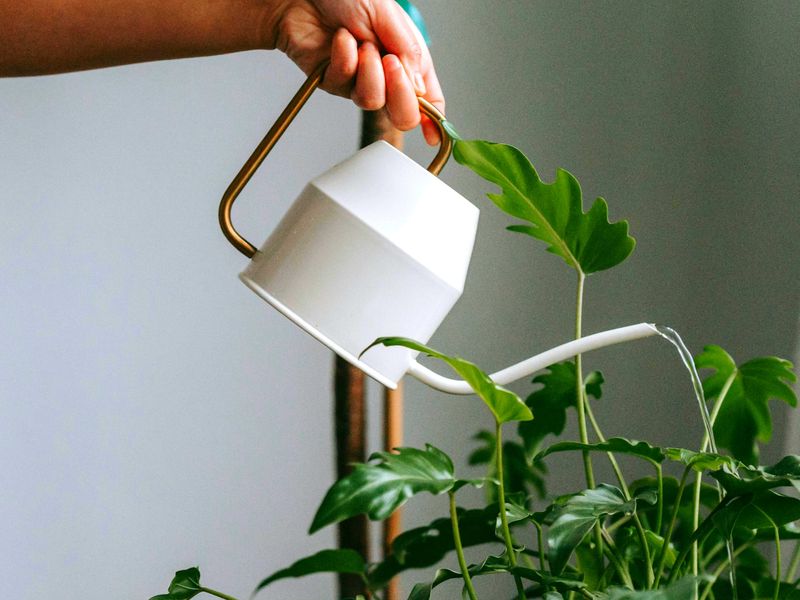
Imagine wandering a desert without water—an alarming thought, right? Underwatering creates a similar crisis for potted plants, leaving them parched and stressed. Check the soil moisture regularly by touching the top inch. If it feels dry, it’s time to quench your plant’s thirst. During hotter months, this might mean watering more frequently, but always with a mindful touch. Providing just enough moisture ensures your plants can thrive, much like savoring a refreshing drink on a hot day.
6. Ignoring Sun Requirements
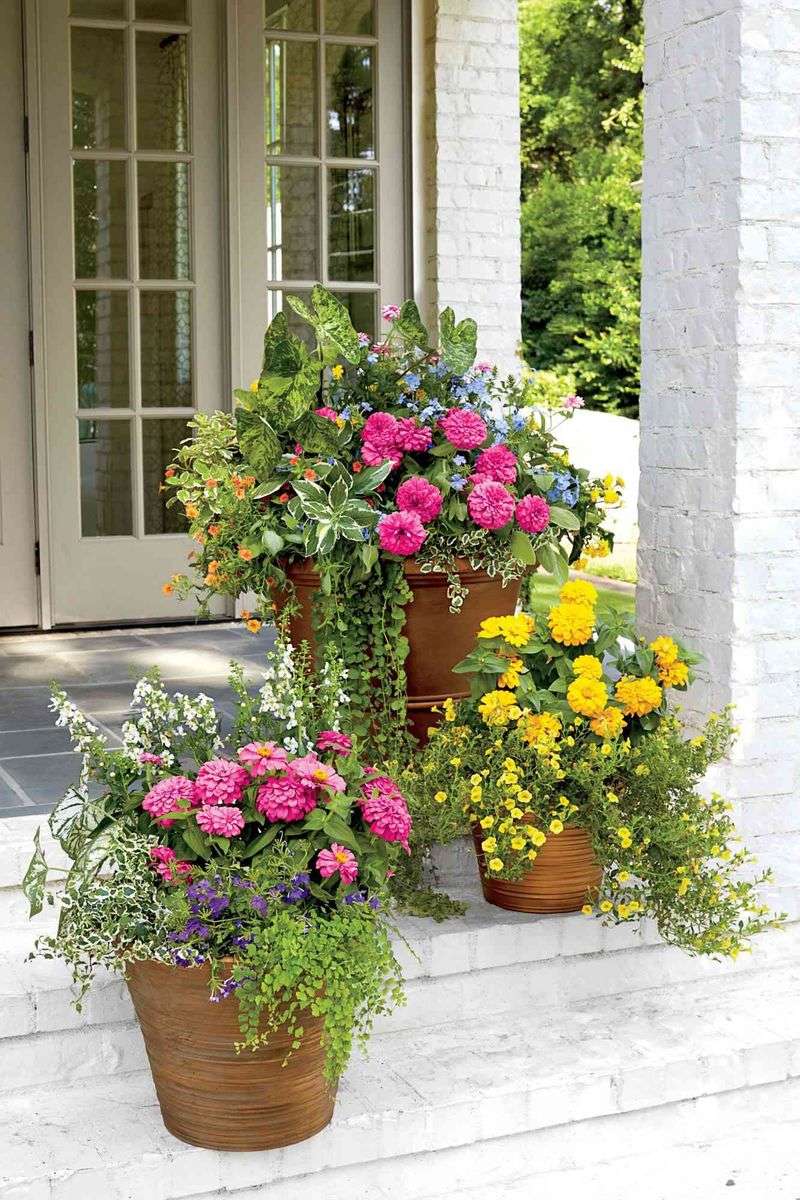
Like people, plants have preferences for sun or shade. Placing a sun-lover in deep shade is like asking a sunbather to enjoy a day at the movies. Conversely, shade-loving plants can get sunburned if exposed to intense sunlight. Group your pots by their sunlight needs to prevent these mishaps. Full sun plants need over six hours, while some prefer the dappled light of part-shade or the cool of full shade. This thoughtful placement ensures your plants grow strong and healthy, basking in the right amount of light.
7. Neglecting Fertilization
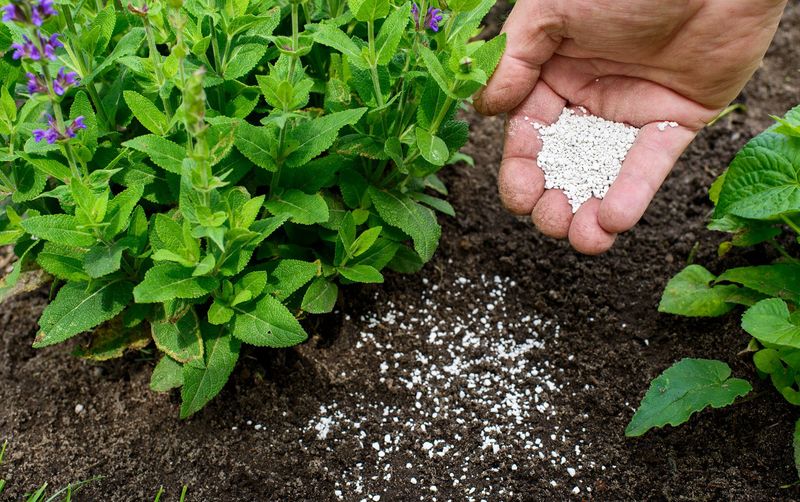
Plants, like us, need proper nutrition to flourish. Neglecting fertilization is akin to skipping meals—your plants might survive, but they won’t thrive. Potted plants quickly deplete soil nutrients, requiring regular feeding to maintain their health. Use a balanced, water-soluble fertilizer every 2–4 weeks during the growing season. This regular dose of nutrients acts like a gourmet meal, fueling vibrant blooms and robust growth, ensuring your garden remains a feast for the eyes.
8. Skipping Repotting
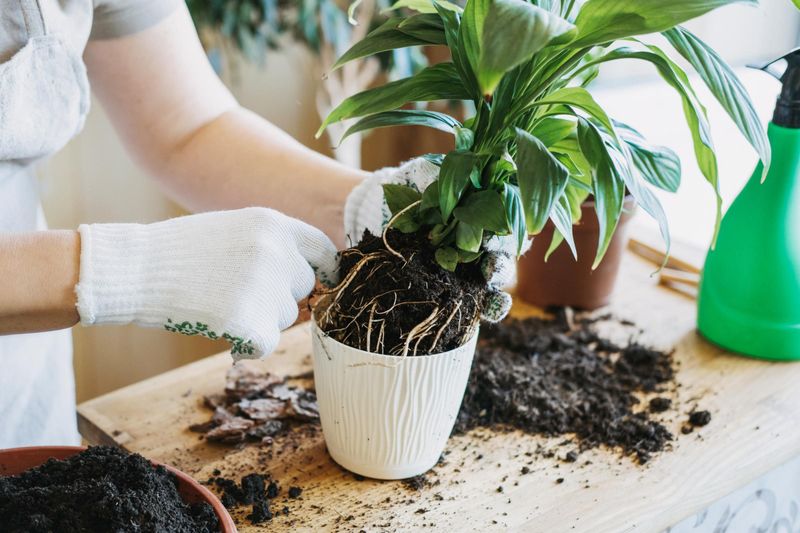
Ever feel cramped in a small space? Plants can relate when their pots are too tight. Skipping repotting leads to pot-bound roots, circling and tangling within. Every 1–2 years, or when roots emerge from drainage holes, it’s time to up-size. Choose a pot just slightly larger to allow growth without overwhelming the plant. Refreshing the soil also provides new nutrients, like moving to a larger home with fresh amenities. This small change can lead to big improvements in your plant’s health and vitality.
9. Overcrowding Multiple Species
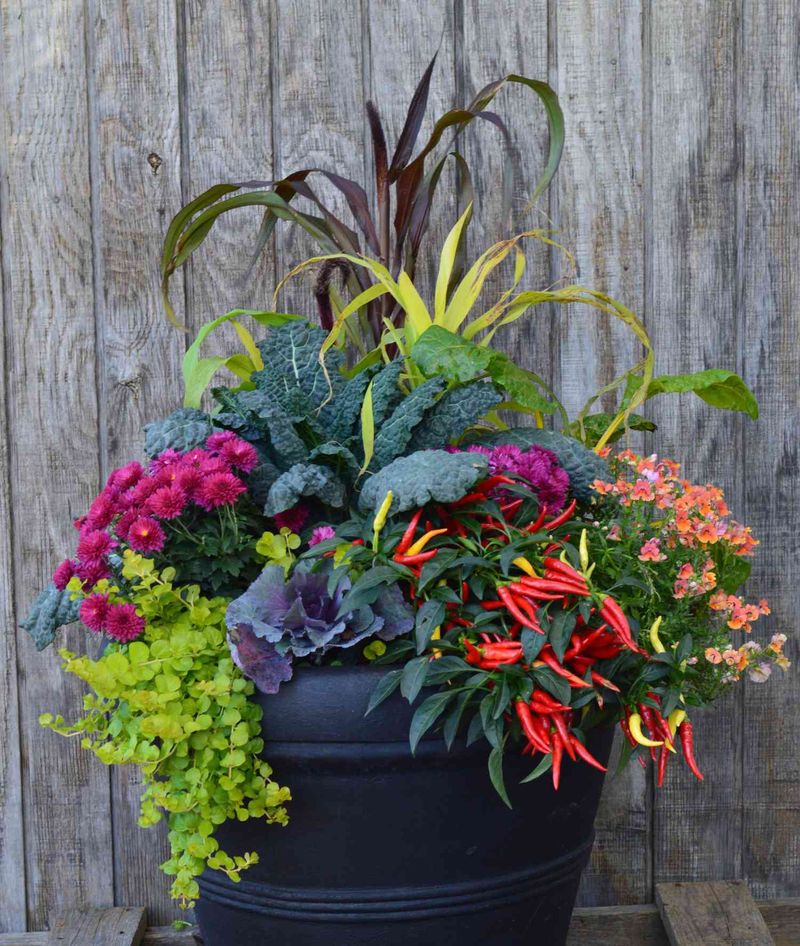
Picture a crowded party where everyone jostles for space—plants feel the same in an overcrowded pot. Too many species compete for light, water, and nutrients, stunting their growth. Instead, give each plant its own container or choose compatible combinations that thrive together. The “thriller, filler, spiller” approach ensures each plant shines, like a well-coordinated dance troupe. Proper spacing allows each plant to breathe and blossom, creating a harmonious display of colors and textures.
10. Neglecting Pest & Disease Checks
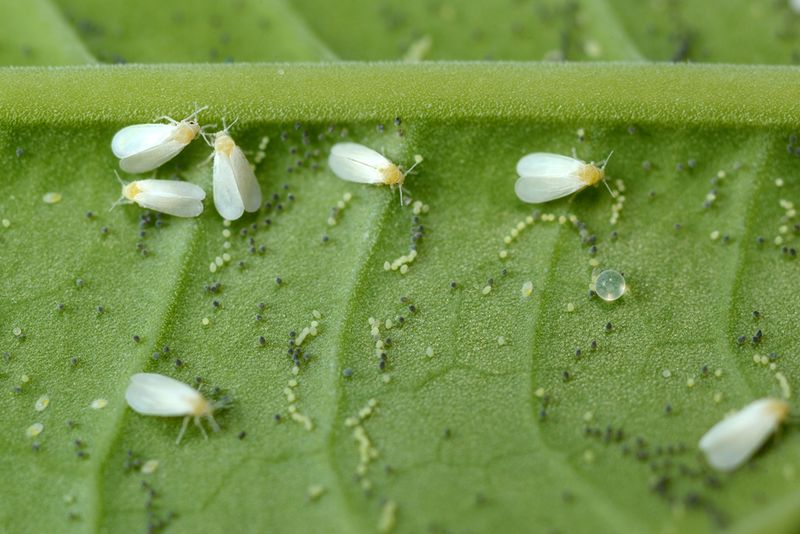
Ignoring pests and diseases is like forgetting to lock your door—problems can quickly escalate. Weekly inspections help catch issues early, preventing infestations from spreading. Look for yellowing leaves, sticky residues, or tiny holes. Remove pests by hand, use insecticidal soap, and trim diseased foliage promptly. This proactive care is your plant’s health insurance, keeping them robust and vibrant. Remember, a vigilant eye keeps your garden safe and flourishing, free from unwelcome intruders.
11. Wrong Watering Technique
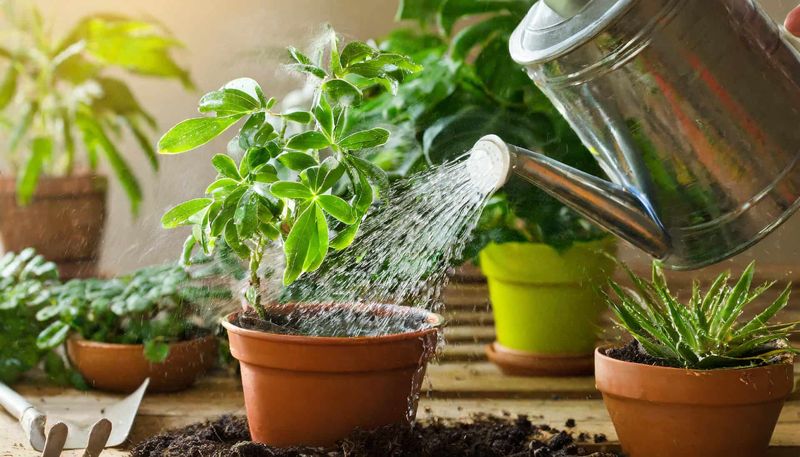
Watering only the leaves is like washing just your hair—it’s not enough. Proper watering technique ensures moisture reaches the roots, where it’s needed most. Use a watering can or soaker hose at soil level, avoiding the temptation to spray from above. This method prevents leaves from staying wet, reducing the risk of fungal diseases. Proper watering is an art, ensuring each drop nourishes and revitalizes your plants from the ground up. Your plants will respond with healthier, more resilient growth.
12. Ignoring Wind Exposure
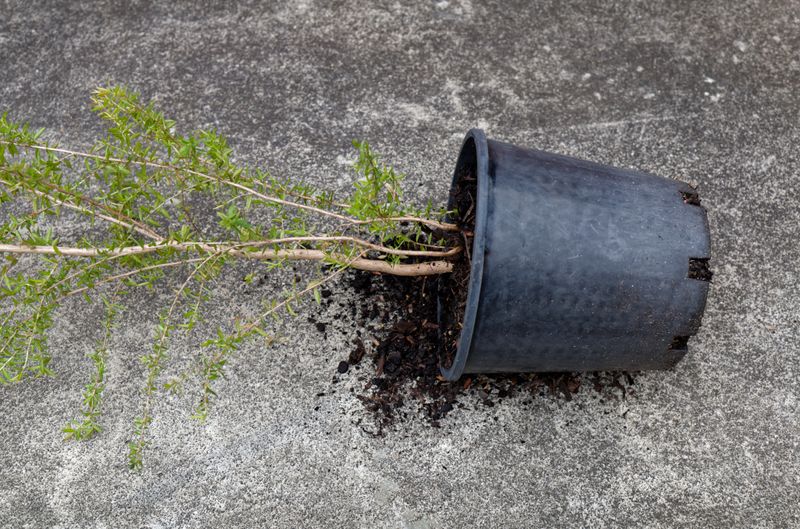
A strong wind can be invigorating, but for fragile pots, it’s a disaster waiting to happen. Placing pots in windy areas can lead to toppled containers and broken stems. Anchor pots near walls or use heavier materials like ceramic or stone to combat this. Group smaller pots behind windbreaks, providing shelter from the gusts. It’s like finding a cozy nook on a blustery day—your plants will appreciate the protection, standing tall and unbroken despite the wind’s attempts.
13. Using Dark-Colored Pots in Hot Climates
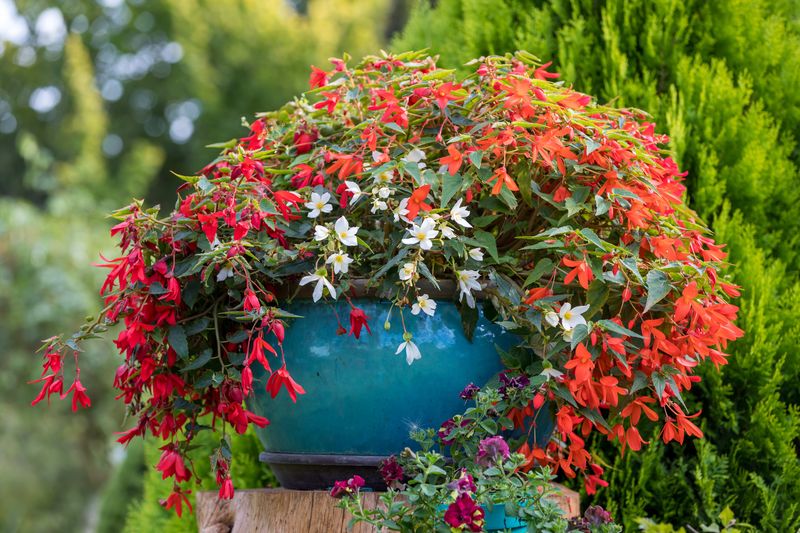
Dark pots basking in the sun can become ovens for your plants’ roots. In hot climates, black or dark-colored pots absorb excessive heat, cooking the roots within. Opt for light-reflective containers like terra cotta or pastel shades to mitigate this. Alternatively, shade the pot’s sides with taller companion plants, providing a cool reprieve. This thoughtful approach ensures your plants are shielded from the sun’s intensity, thriving in a balanced environment without the risk of overheating.
14. Failing to Mulch the Surface
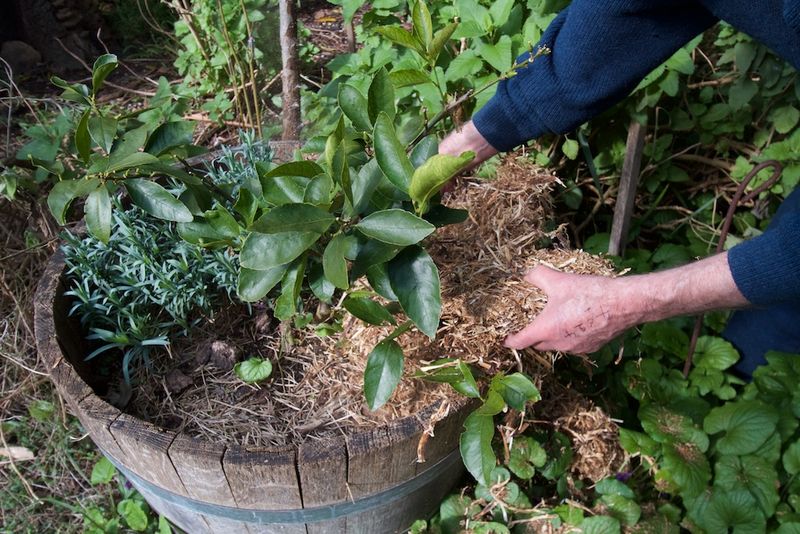
Bare soil in pots is like leaving a cake uncovered—it dries out quickly. Mulching the surface retains moisture, giving your plants a consistent supply. Use organic materials like bark chips, gravel, or decorative stones to top-dress your pots. This layer acts as a protective shield, locking in moisture and deterring weeds. Mulching is an easy yet effective way to keep your plants hydrated and happy, much like a cozy blanket on a chilly night, offering comfort and stability.
15. Planting at the Wrong Depth
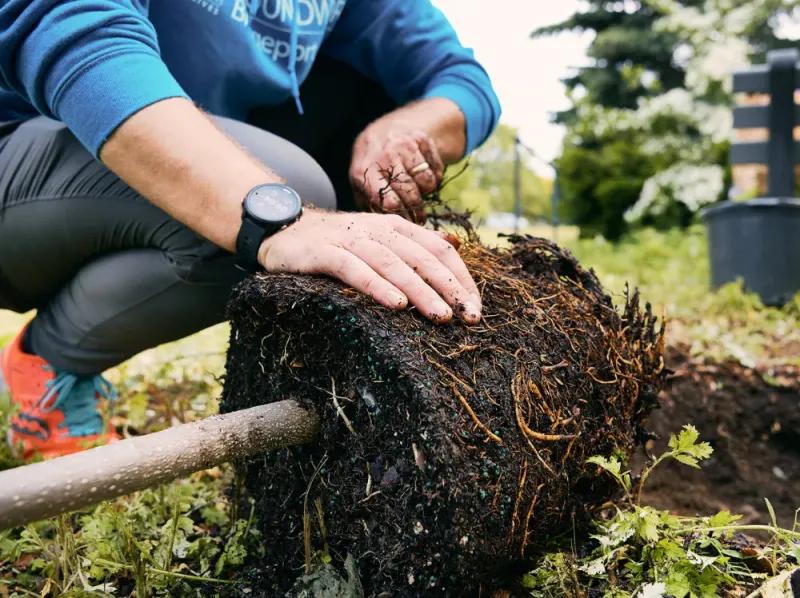
Planting depth can make or break a plant’s health. Burying stems too deeply risks rot, while planting too shallow leaves roots unstable. Follow the nursery’s soil-line mark to ensure the root crown sits just at soil level. This careful placement is like ensuring your feet are firmly planted on the ground, providing stability and growth potential. Correct planting depth allows your plants to establish strong roots, ready to thrive and bring beauty to your outdoor space.