 Complete Gardening
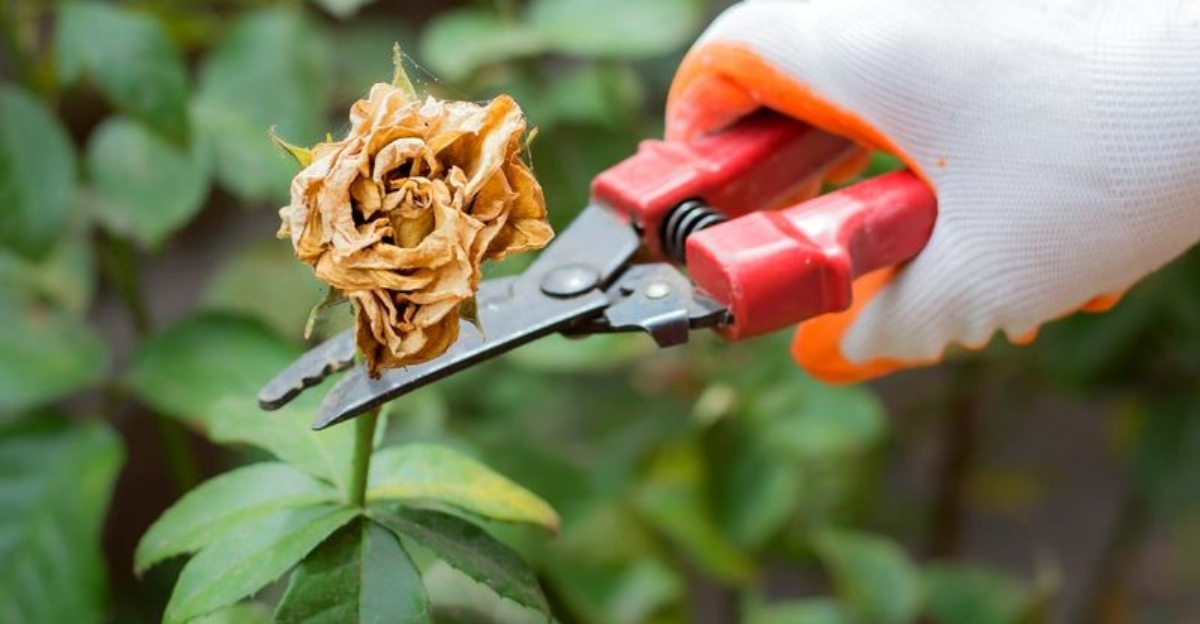
Early summer is a critical time for gardeners, as proper pruning can mean the difference between a vibrant fall bloom and a disappointing display. Pruning mistakes are common and can negatively impact your garden’s beauty. Knowing what to avoid and what to prune instead is key. This guide explores 13 specific errors and provides clear alternatives to ensure your autumn garden thrives.
1. Cutting Flowering Shrubs Too Early
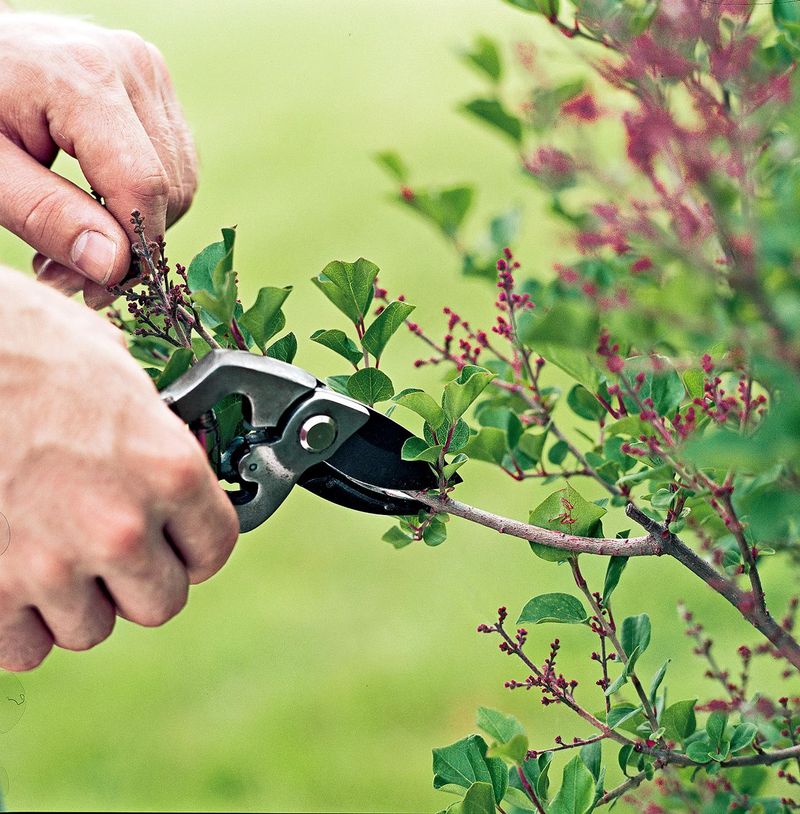
Timing is everything when it comes to pruning flowering shrubs. If you prune these plants too early in the summer, you risk removing buds that would otherwise bloom in the fall. Consider the lilac bush, which should only be pruned immediately after its spring bloom to ensure it has time to set new buds for the following year.
Pay attention to your specific plant’s blooming schedule, and tailor your pruning to match. Allow the plant to express its natural growth cycle, and watch as it rewards you with a stunning fall display.
2. Over-pruning Rose Bushes
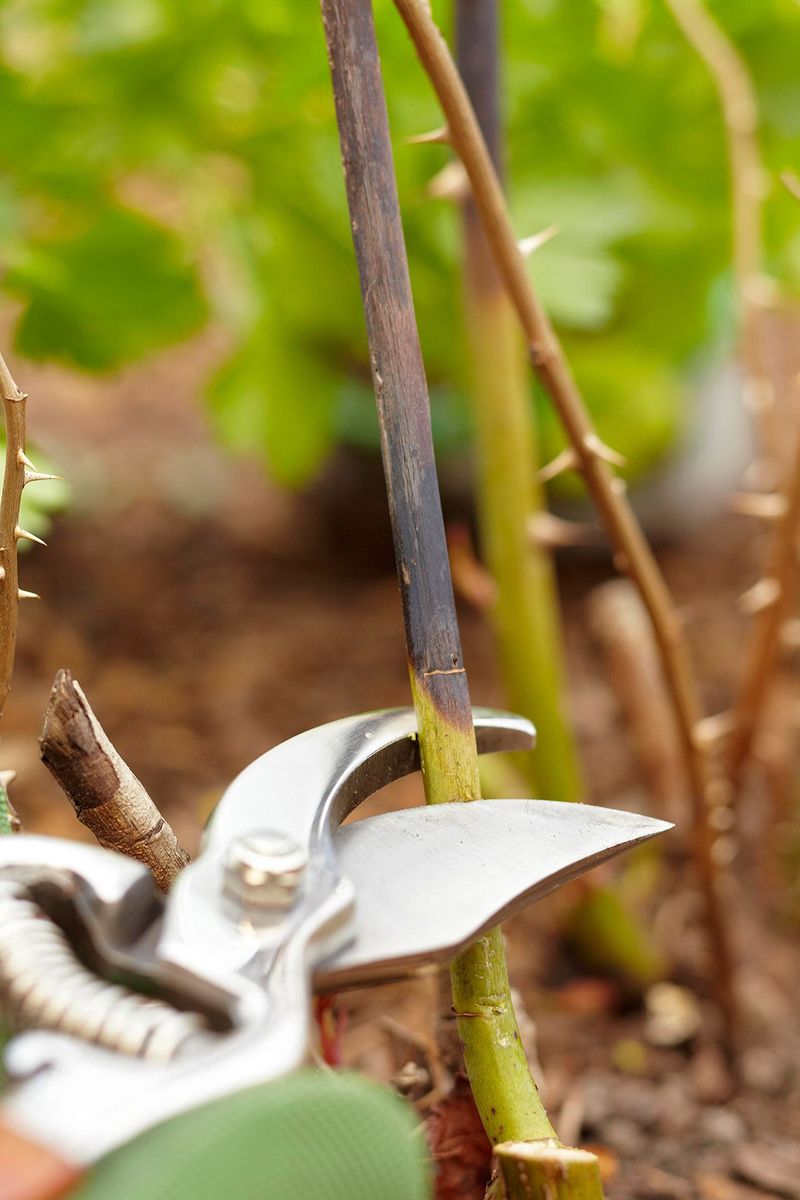
Roses are beloved for their striking blooms, but aggressive summer pruning can limit their fall flowering potential. Over-pruning leads to fewer blooms and can even weaken the plant. Roses thrive when pruned lightly during their growing season.
Instead of cutting back excessively, focus on removing dead or diseased wood and spent blooms. Maintain the overall shape and structure of the bush without being overly aggressive. This simple adjustment will result in healthier plants and more abundant blooms come fall.
3. Neglecting Deadheading
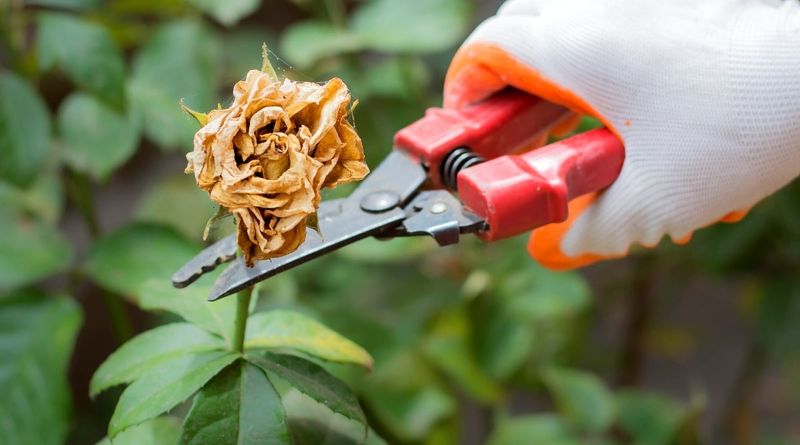
Failure to deadhead can rob your garden of its potential glory. Deadheading is the process of removing spent flowers to encourage more blooms. Neglecting this task in early summer reduces the plant’s ability to produce new flowers for the fall.
By regularly removing fading blooms, you allow the plant to focus its energy on developing new buds. Deadheading is a simple yet effective way to enhance your garden’s beauty and ensure a vibrant autumn display.
4. Pruning Perennials at the Wrong Time
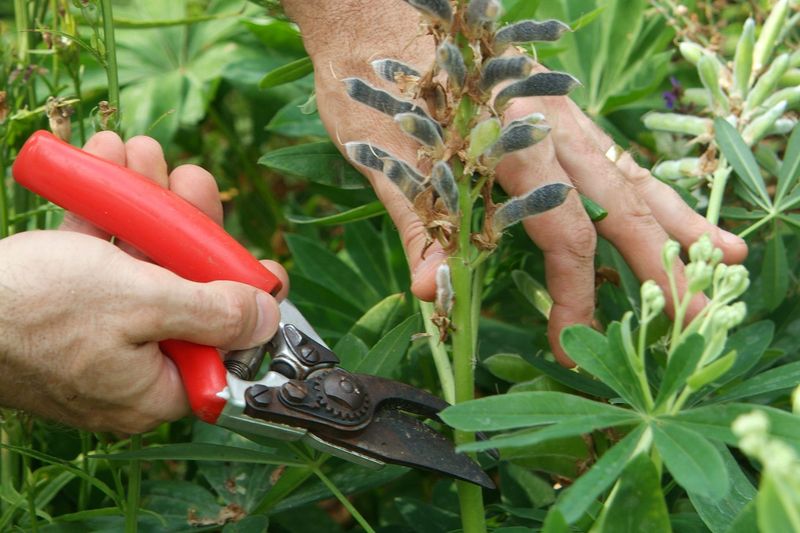
Perennials are garden favorites, but pruning them at the wrong time can adversely affect their blooming. Each perennial species has its own ideal pruning schedule, often dictated by its specific growth cycle.
Prune in accordance with each plant’s needs, ensuring you don’t cut off upcoming blooms. Some perennials benefit from a summer cut, while others should be left until later. Understanding your specific plants’ requirements is crucial for maximizing their fall beauty.
5. Ignoring Tree Suckers
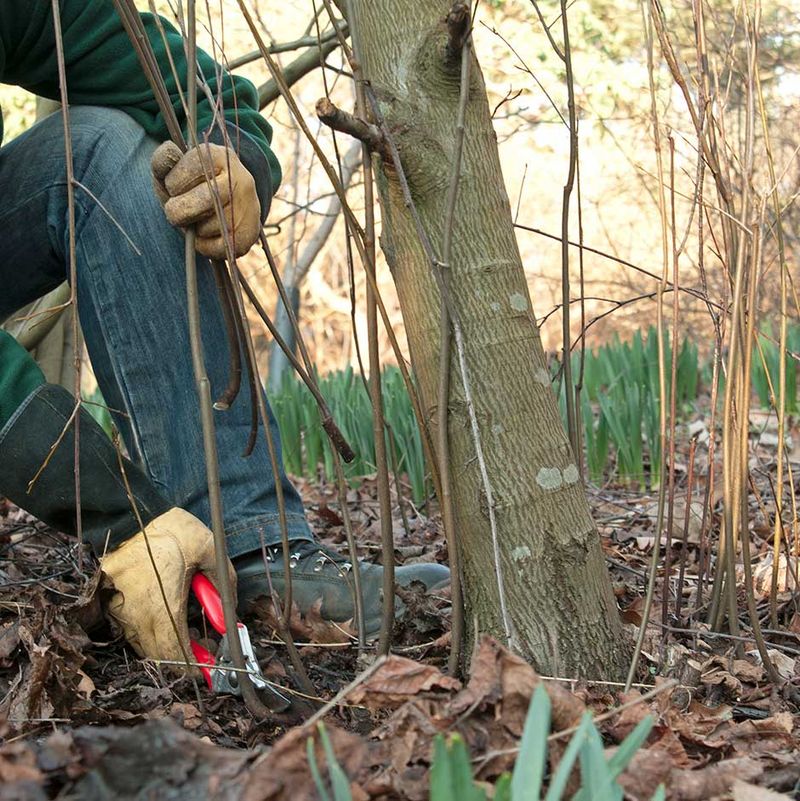
Tree suckers can sap the energy from your trees, diverting resources away from future blooms. These growths typically appear at the base of trees or along branches and can be particularly problematic if left unchecked.
Removing suckers early in the summer helps direct energy where it is needed most—toward the development of healthy blooms. Be vigilant in identifying and eliminating these pests to ensure your trees remain robust and flowering.
6. Not Cutting Back Ornamental Grasses
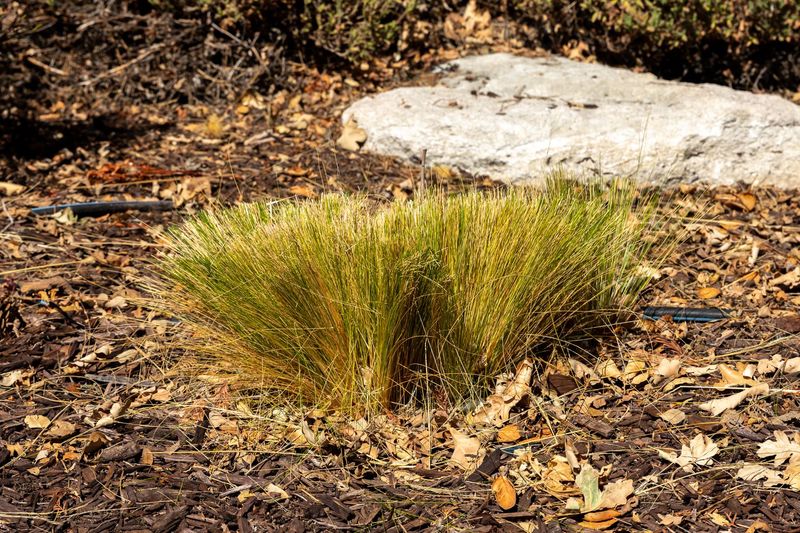
Ornamental grasses add texture and movement to gardens, but neglecting to cut them back in early summer can lead to overcrowding and reduced vigor. Overgrown grasses can overshadow other plants and inhibit their development.
Trimming these grasses encourages fresh growth and helps maintain a tidy appearance. This practice ensures that they continue to complement your garden’s design and contribute to the fall landscape.
7. Cutting Back Bulbs Prematurely
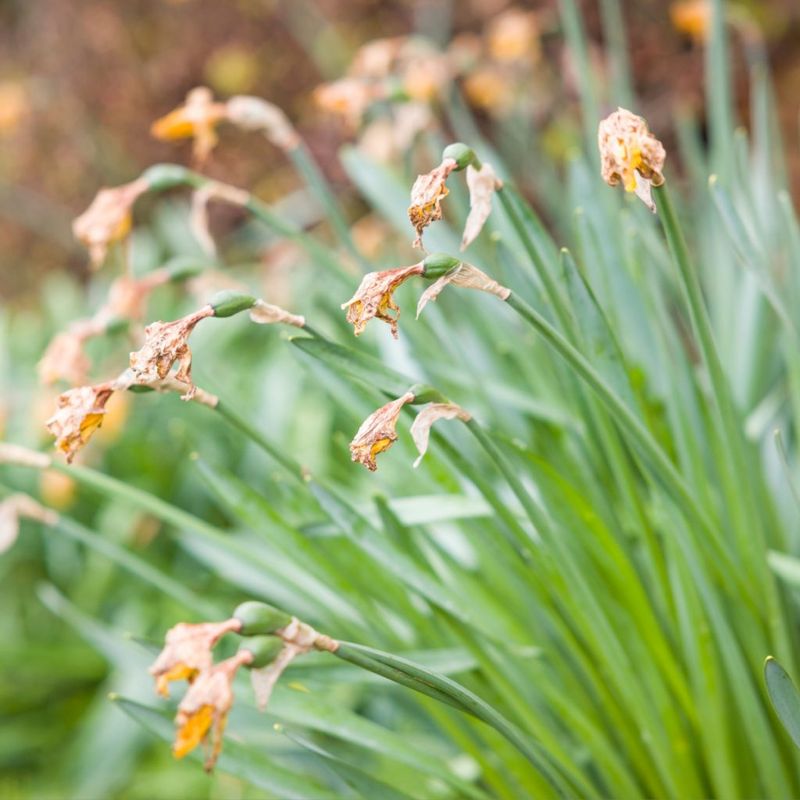
Bulb flowers need their foliage to remain intact until it naturally dies back, as the leaves provide vital nutrients for next year’s blooms. Cutting them back prematurely can weaken the bulbs and diminish future flowering potential.
Instead, allow the leaves to yellow and wither before removing them. This practice supports the bulbs’ health and ensures a robust display next fall. Be patient, and your garden will thank you with lush blooms.
8. Over-trimming Hedges
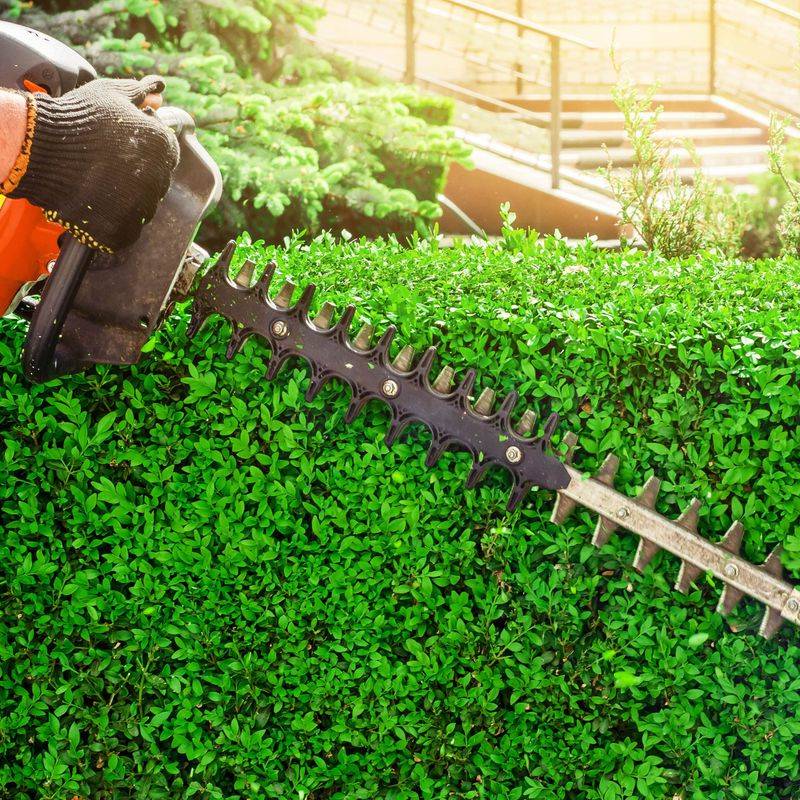
Hedges are often pruned in summer to maintain shape, but over-trimming can lead to sparse foliage and diminished growth. A vigorous cut may remove too much of the hedge’s outer green layer, preventing it from photosynthesizing efficiently.
Instead, opt for a lighter trim that respects the plant’s natural form while maintaining its density. This approach supports healthy growth and a fuller appearance, vital for an attractive fall garden.
9. Neglecting Pruning Tools Maintenance
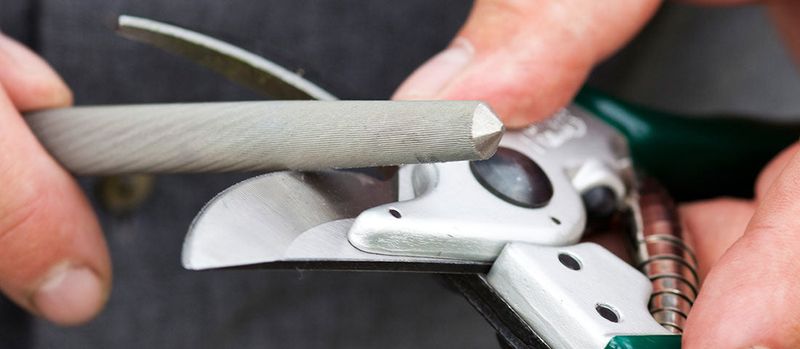
Tools are a gardener’s best friend, but neglecting their maintenance can lead to ineffective pruning. Dull blades can damage plants, making them susceptible to disease. Properly maintained tools ensure clean cuts, promoting plant health.
Ensure your pruning tools are sharp and clean before embarking on your summer gardening tasks. Regular maintenance extends the life of your tools and enhances your garden’s vitality.
10. Pruning Evergreens Incorrectly
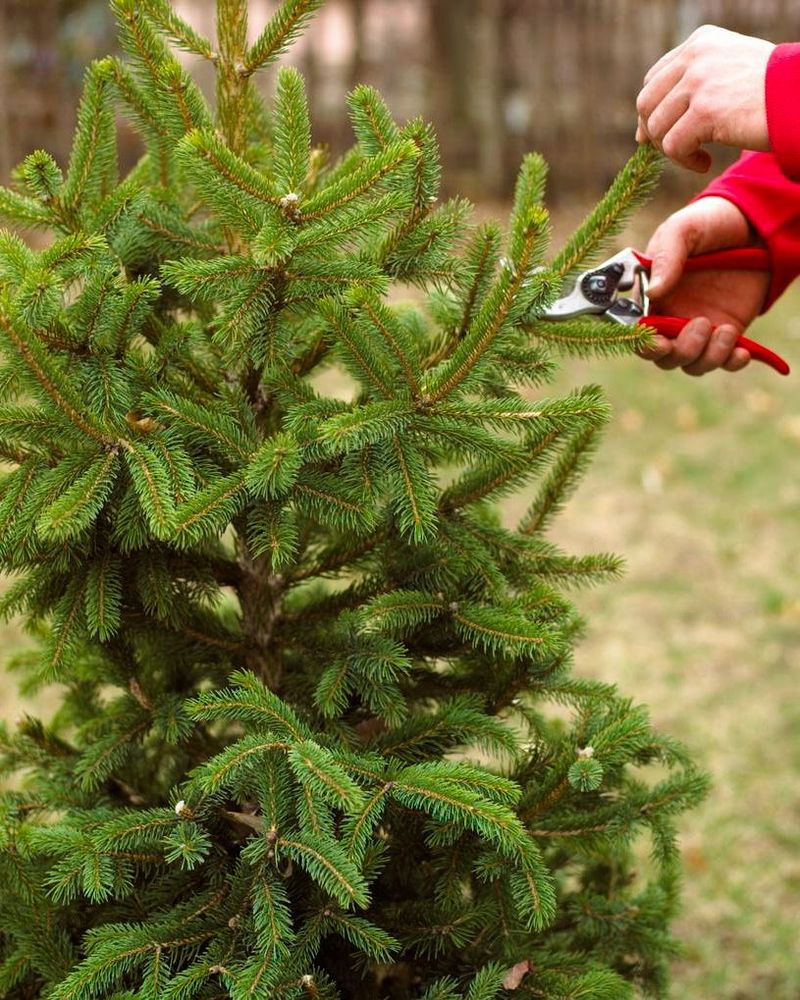
Evergreens provide year-round structure, but improper pruning can disrupt their growth pattern. Unlike deciduous plants, evergreens should be pruned with care to avoid removing new growth.
Focus on trimming back only what is necessary, maintaining the plant’s natural shape. This careful approach ensures your evergreens continue to thrive and enhance your garden with their lush greenery through fall and beyond.
11. Removing New Growth on Fruit Trees
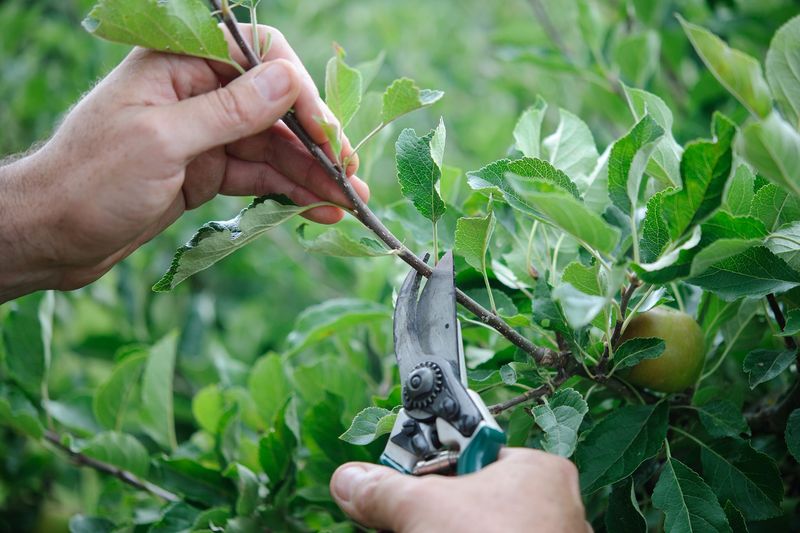
Prematurely removing new growth from fruit trees can limit fruit production and affect overall health. New shoots are essential for the tree’s development, providing the framework for future fruiting.
Prune fruit trees with a gentle hand, focusing on removing only dead or damaged wood. Preserve new growth to ensure a bountiful harvest and a picturesque autumn garden.
12. Failing to Support Climbing Plants
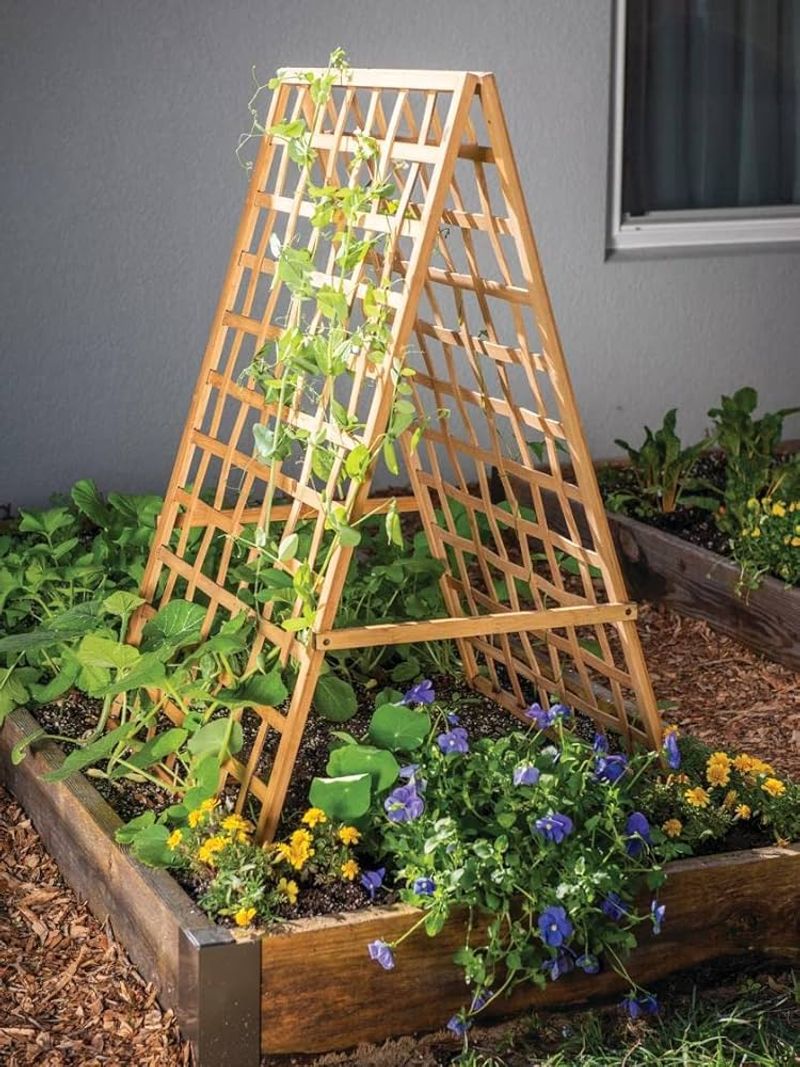
Climbing plants add vertical interest, but without proper support, they can become unruly and underperform. Failing to provide trellises or structures causes climbing plants to sprawl, reducing bloom potential.
Invest time in securing your climbers, ensuring they have the support needed to reach their full potential. This practice encourages a profusion of flowers and a visually striking fall display.
13. Ignoring Pest-Damaged Branches
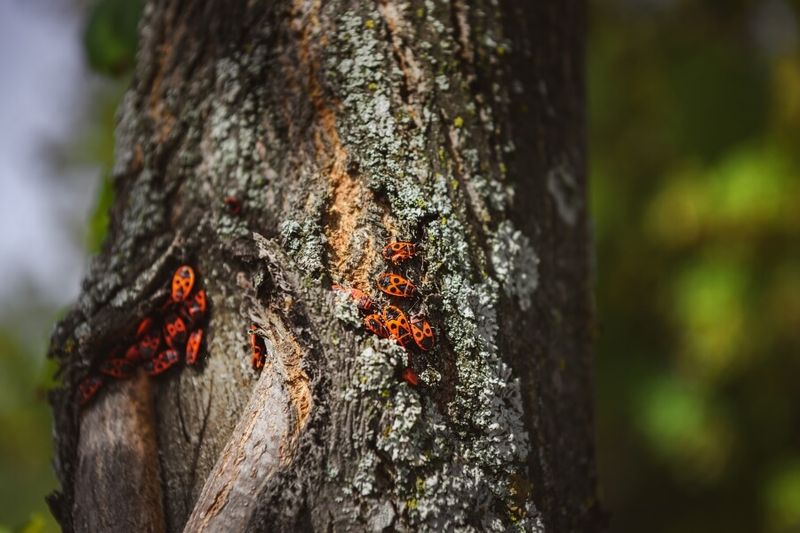
Pests can wreak havoc on your garden, especially if damaged branches are ignored. Attending to pest-infested areas early prevents further spread and supports healthy plant recovery.
Remove affected branches and treat the plant appropriately to stop the pest cycle. Vigilance in addressing these issues ensures a healthier garden with robust blooms all season long.
14. Mishandling Hydrangea Blooms
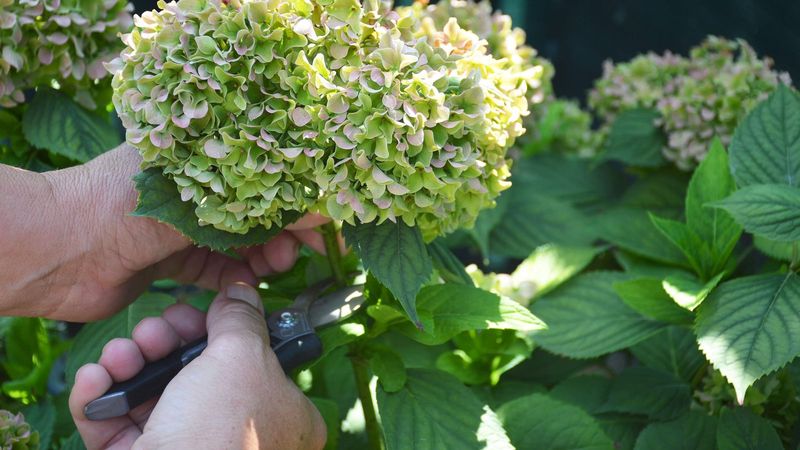
Hydrangeas are known for their stunning blooms, but cutting them at the wrong time can reduce their beauty. Unlike other shrubs, hydrangeas require precise timing. Pruning them during early summer can remove this year’s blooms.
Instead, wait until the blooms have matured. Check for old wood, which should be removed after flowering, to encourage new growth.
Interestingly, the color of hydrangea flowers can change based on the soil’s pH. This adaptability adds to their garden charm, making them a favorite among gardeners.
15. Overcutting Clematis Vines
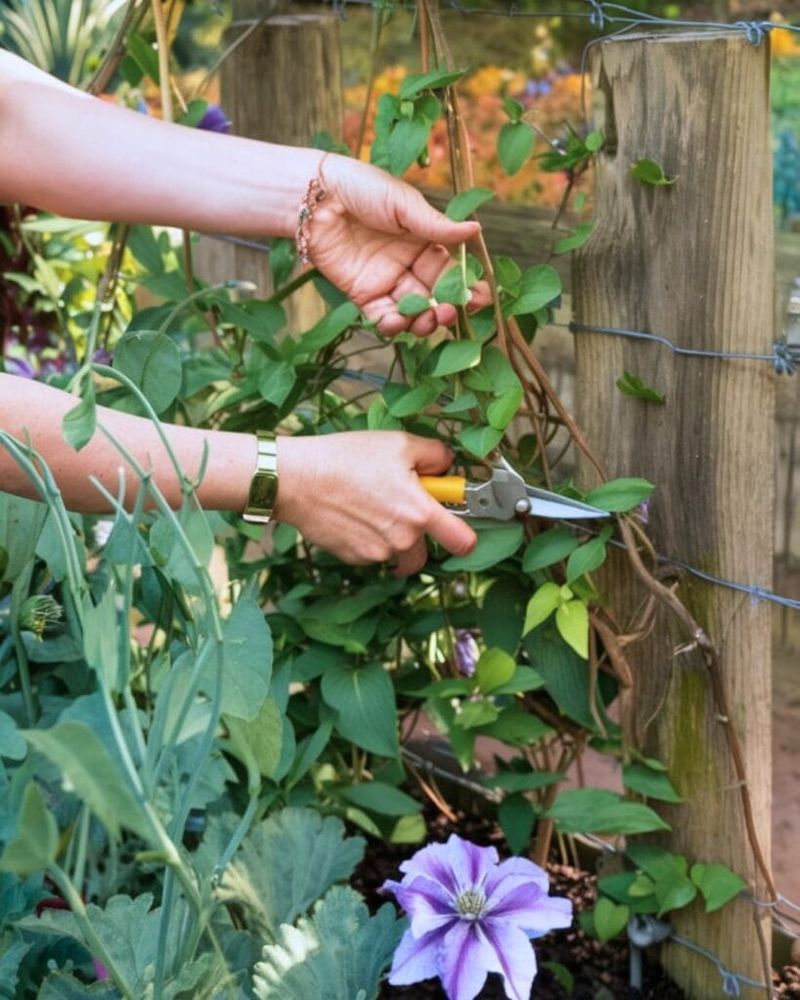
Clematis vines, with their enchanting flowers, can be a gardener’s delight. However, overzealous pruning in early summer can hinder their fall bloom potential. These vines need a gentle touch.
Different clematis varieties have varying pruning needs. Identify which type you have before cutting back. Group 1 blooms should be left alone in early summer, while others might need light trimming.
Fun fact: Clematis is often called the “queen of climbers,” thanks to its ability to cover trellises with a carpet of flowers.