 Complete Gardening
Echinacea, commonly known as coneflowers, are not only a gardener’s delight but also a haven for pollinators. These vibrant flowers offer more than just their beauty; they play a crucial role in supporting the ecosystem.
Discover how these resilient plants can transform your garden into a lively pollinator paradise with these 15 carefully curated secrets that will attract bees, butterflies, and more.
1. Vibrant Variety
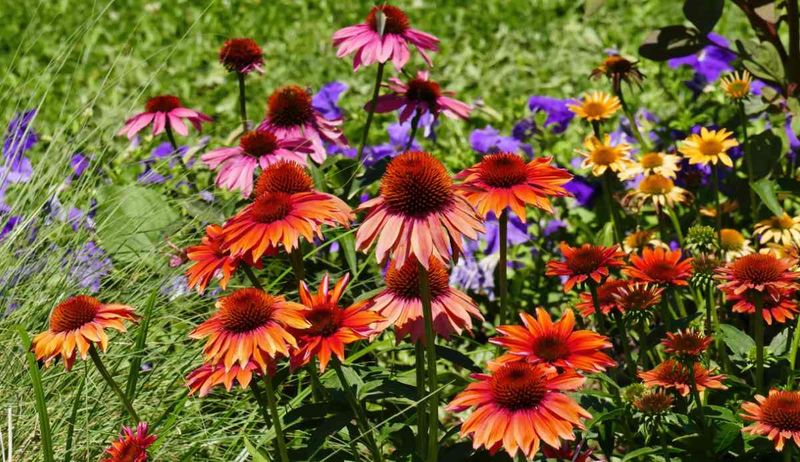
Echinacea comes in a dazzling array of colors and forms. Imagine a garden where purples, pinks, and yellows dance together, each flower attracting different pollinators.
This variety not only pleases the eye but also supports a range of species.
Whether it’s the striking purple coneflower or the sunny yellow variety, each one plays its part in this floral symphony.
2. Long Bloom Season
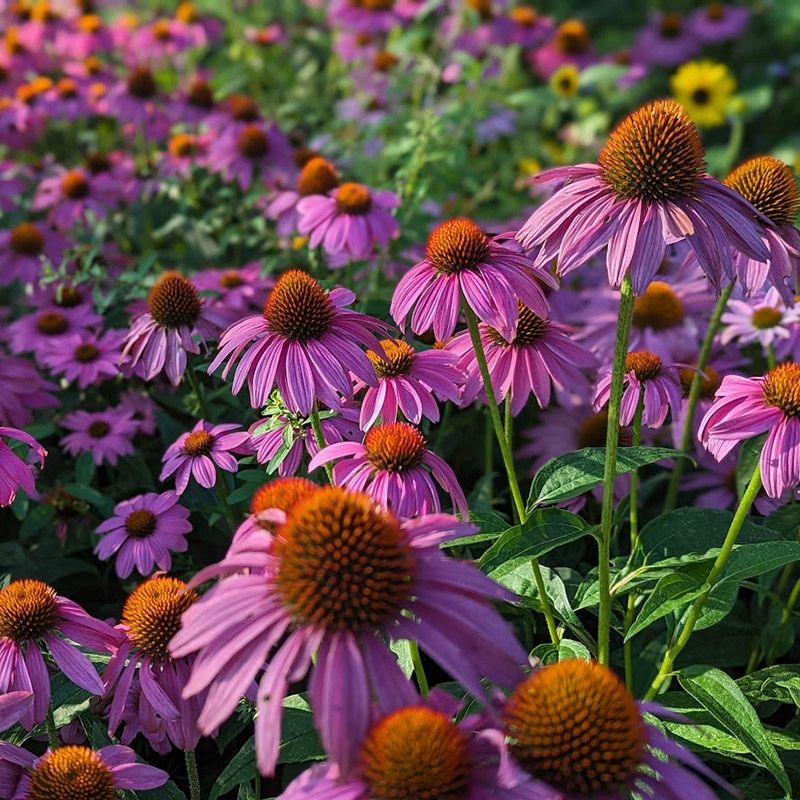
With a bloom season that stretches from early summer to first frost, Echinacea provides a continuous food source for pollinators.
Picture a garden alive with color and life for months on end.
This extended period not only ensures a lively garden but also supports bees and butterflies throughout their active months.
3. Drought Resistance

In times of water scarcity, Echinacea stands resilient. Their drought-resistant nature makes them ideal for sustainable gardening.
These robust plants continue to flourish, attracting pollinators even in dry conditions.
Water conservation meets beauty in a garden filled with these adaptable blooms.
4. Beneficial Native Plant
Native to North America, Echinacea is perfectly adapted to local climates. This native status makes them a crucial part of the ecosystem.
They provide familiar nectar sources for local pollinators, fostering a harmonious garden environment.
Bringing a piece of native beauty to your garden enriches both biodiversity and visual appeal.
5. Easy to Grow
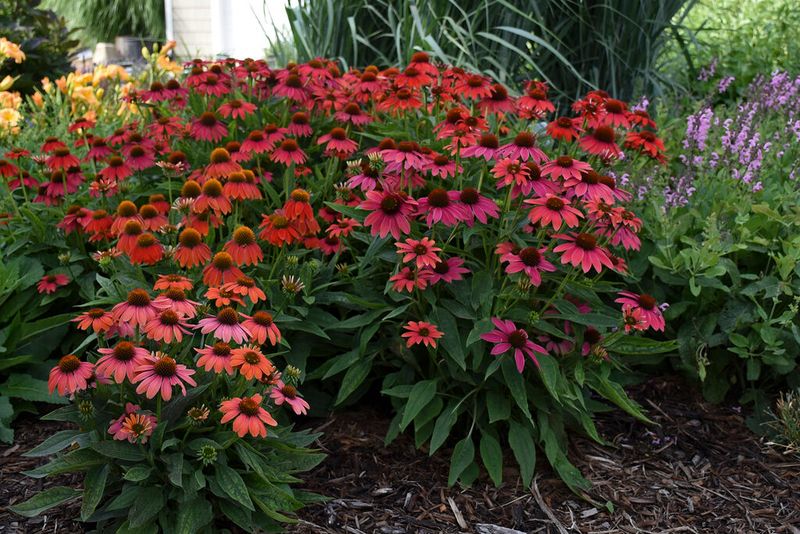
For those new to gardening, Echinacea offers an easy start. With minimal maintenance, these hardy perennials thrive.
Even the most inexperienced gardener can cultivate a stunning Echinacea display.
Ease of growth means more time enjoying the beauty rather than tending to it.
6. Attracts Bees
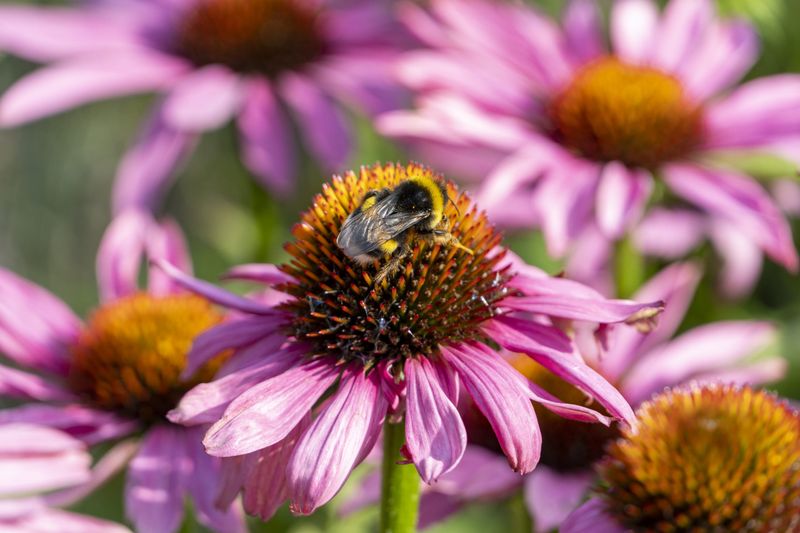
Echinacea is a magnet for bees, crucial pollinators in any garden.
These flowers offer abundant nectar, drawing bees in droves.
Creating a buzzing, lively atmosphere, Echinacea ensures that your garden contributes to bee conservation efforts.
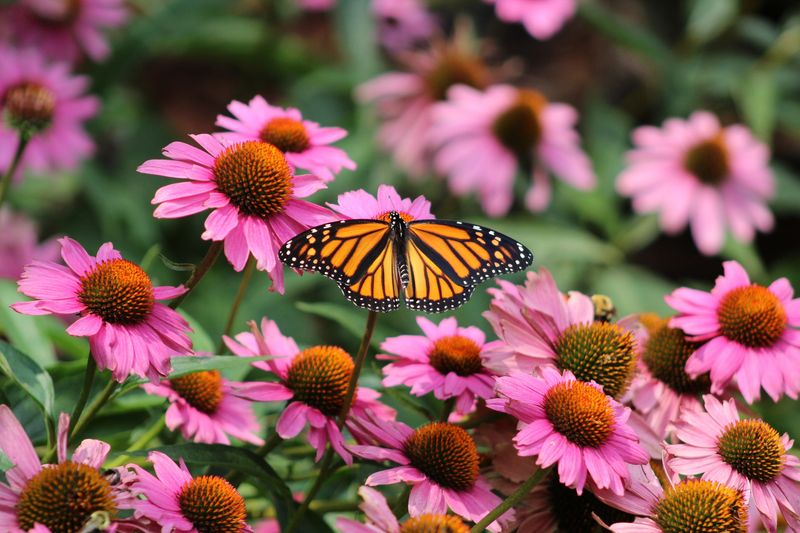
7. Draws Butterflies
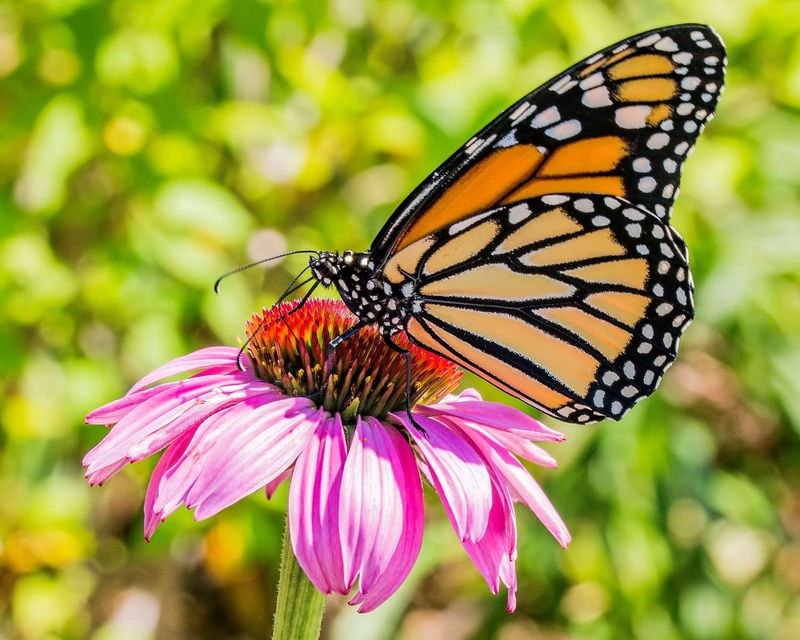
Butterflies find irresistible allure in the vibrant Echinacea blooms.
Their colorful petals serve as a landing pad for these elegant insects.
Watching butterflies flit from flower to flower adds a whimsical charm to any garden.
8. Medicinal Benefits

Beyond their aesthetic appeal, Echinacea offers medicinal benefits, historically used to boost immunity.
Incorporating these plants into your garden combines beauty with wellness.
This dual-purpose makes Echinacea a valuable addition to health-conscious gardeners.
9. Winter Interest

Even after blooming, Echinacea stands tall through winter. Their seed heads provide structure to the garden landscape.
These remnants of summer add interest to the cold months, offering food for birds and a reminder of spring’s promise.
10. Natural Pest Control
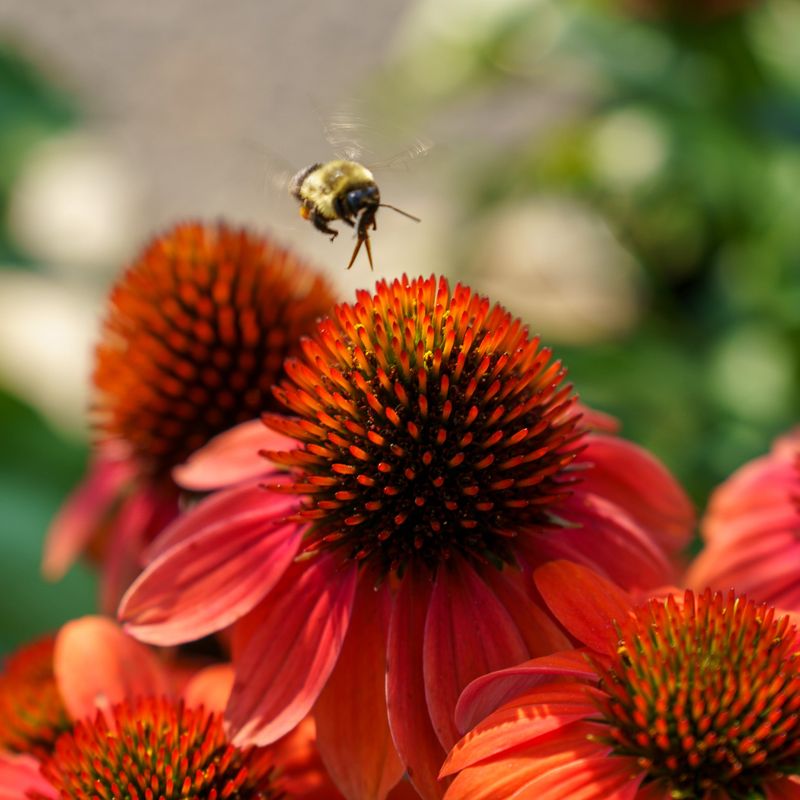
Echinacea plays a role in natural pest control by attracting beneficial insects.
Ladybugs and other helpful creatures find refuge among these flowers, keeping pests in check.
This natural balance reduces the need for chemical interventions in the garden.
11. Supports Birds
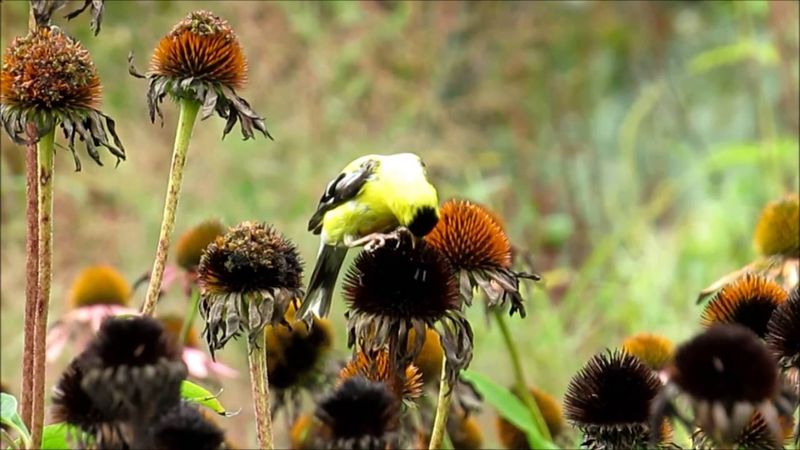
Echinacea not only lures pollinators but supports birds through winter. The seed heads serve as a food source.
As the snow falls, these persistent plants continue to offer sustenance, turning your garden into a year-round sanctuary.
12. Aesthetic Appeal

Echinacea contributes to a garden’s aesthetic allure with their striking forms and colors.
Their towering stems and bold blooms create captivating focal points.
Incorporate them into borders or wildflower gardens to enhance the overall visual impact.
13. Edible Petals

Surprisingly, Echinacea petals are edible, adding color and flavor to dishes.
Their subtle taste complements fresh salads, delighting both eyes and taste buds.
This lesser-known culinary use adds another layer of versatility to these remarkable plants.
14. Symbol of Strength

Echinacea symbolizes strength and resilience, both in folklore and physical presence.
Their ability to withstand harsh conditions and continue blooming is inspiring.
This symbolic strength makes them a meaningful addition to any garden.
15. Versatile Landscaping

Echinacea’s adaptability makes them ideal for various landscaping designs.
Whether in wildlife gardens, cottage settings, or urban plots, they fit seamlessly.
Their versatility ensures they enhance any garden style with ease.