 Complete Gardening
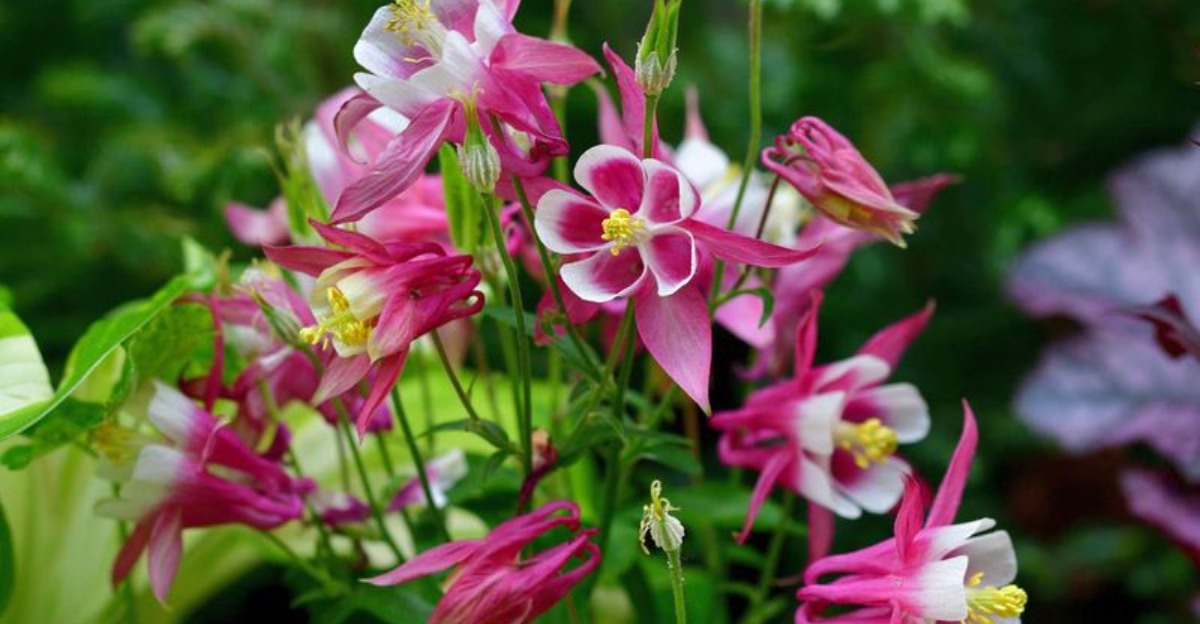
A classic English garden is a serene escape filled with lush greenery and vibrant blooms. These gardens are designed to capture the essence of the countryside while offering a touch of elegance and nostalgia.
Whether you’re looking to add structure, fragrance, or a splash of color, the following plants will help you create an enchanting English garden that feels both timeless and inviting. Here’s a curated list of 15 must-have plants, each with its own unique charm and characteristics, perfect for anyone looking to bring a piece of classic English beauty to their garden.
1. English Roses (David Austin Roses)
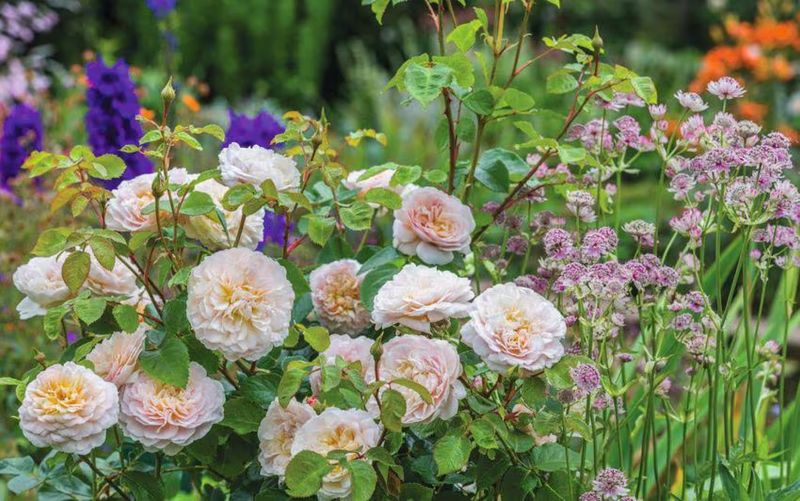
English roses, with their fragrant, full-petaled blooms, are a quintessential feature of any classic English garden. Their enchanting scents and delicate colors, ranging from soft pinks and creams to bright yellows, make them a perfect choice for creating a romantic atmosphere. Renowned varieties such as ‘Gertrude Jekyll’ and ‘The Poet’s Wife’ are popular among gardeners for their robust growth and repeat blooming. In the garden, English roses can be used as eye-catching focal points or integrated into mixed borders for added depth and texture, bringing timeless elegance to any outdoor space.
2. Lavender (Lavandula angustifolia)
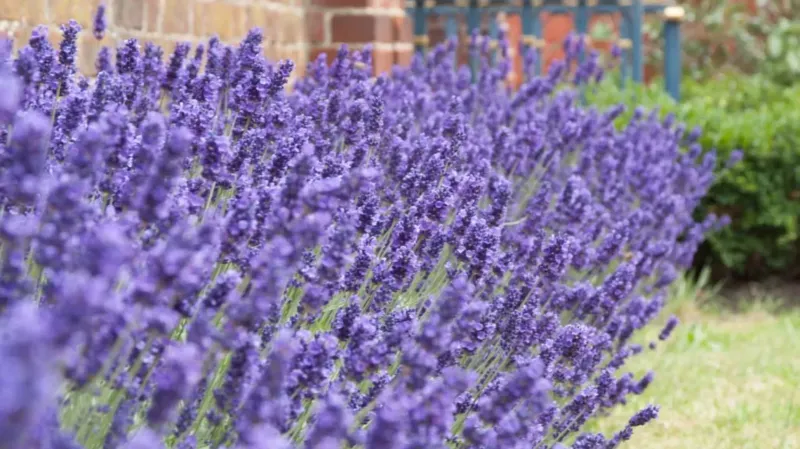
Lavender, known for its soothing fragrance and striking purple blooms, is a favorite in English gardens. This drought-tolerant plant thrives in sunny spots and well-drained soil, making it ideal for borders and pathways. Lavender’s aromatic qualities are not only pleasing to humans but also attract bees, offering a boon to any garden ecosystem. Whether pruned into neat hedges or allowed to grow naturally, its silvery-green foliage and vibrant flowers provide year-round interest. Lavender brings a sense of calm and tranquility to any garden setting, making it an essential addition to your planting scheme.
3. Boxwood (Buxus sempervirens)
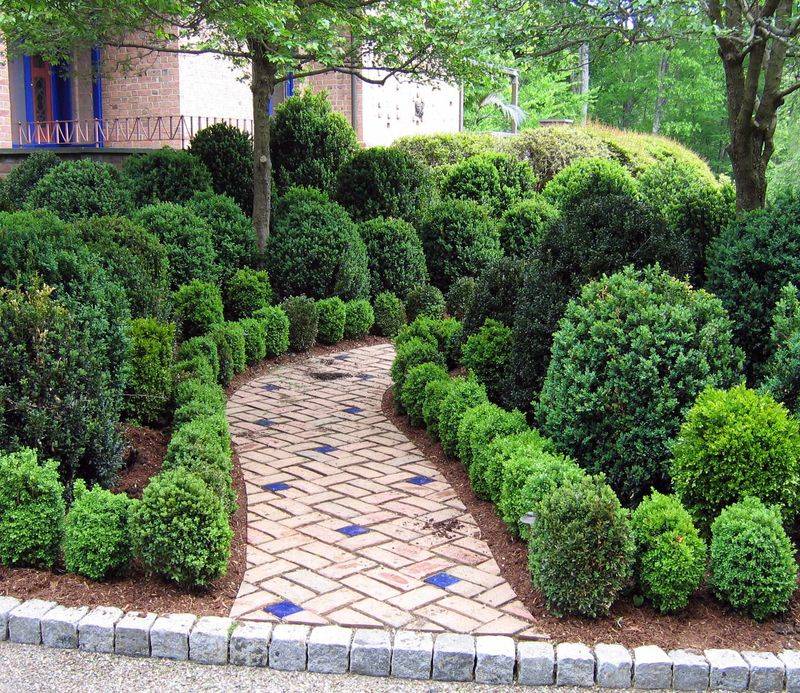
Boxwood is a classic choice for creating structured garden edges and topiary. Its dense evergreen leaves can be shaped into neat, geometric forms, providing a formal touch to any garden. In English gardens, boxwoods are often used to line pathways or form low hedges, creating a sense of order and sophistication. This versatile plant can be pruned into various shapes or allowed to grow naturally, offering flexibility in design. Boxwood’s timeless appeal and adaptability make it a staple in classic garden design, perfect for adding elegance and structure to any space.
4. Delphiniums
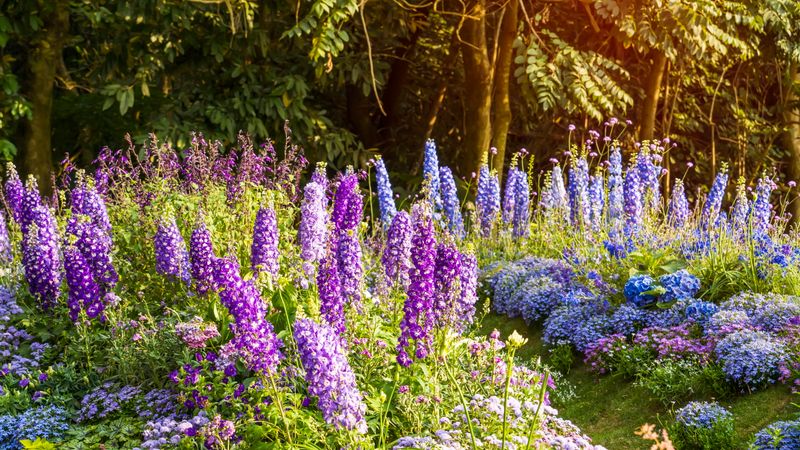
Delphiniums, with their towering spires of blue, purple, or white flowers, add vertical interest to any garden. These stately plants are perfect for creating a cottage garden feel, offering a sense of grandeur and romance. Delphiniums thrive in fertile, well-drained soil and require staking to prevent flopping, especially in windy locations. Their vibrant blooms attract butterflies, bringing additional life and movement to the garden. Whether planted in groups or as standalone specimens, delphiniums provide dramatic flair and are a captivating addition to any garden seeking classic charm.
5. Foxgloves (Digitalis purpurea)
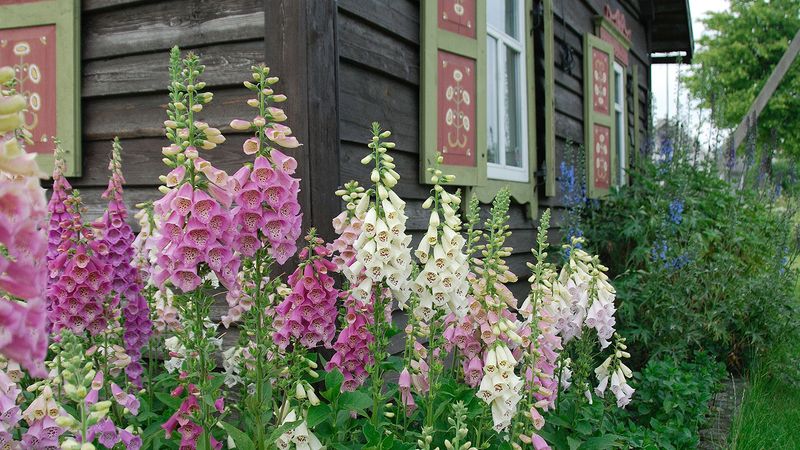
Foxgloves are beloved for their charming bell-shaped flowers that come in shades of pink, white, and purple. These biennial plants often self-seed, providing a naturalized look over time. Foxgloves thrive in partial shade and bring a touch of whimsy to any garden setting. While their beauty is undeniable, it’s important to remember that all parts of the plant are toxic if ingested, so caution is advised around children and pets. Despite this, foxgloves remain a popular choice for adding vertical interest and a cottage garden aesthetic to any outdoor space.
6. Peonies (Paeonia lactiflora)
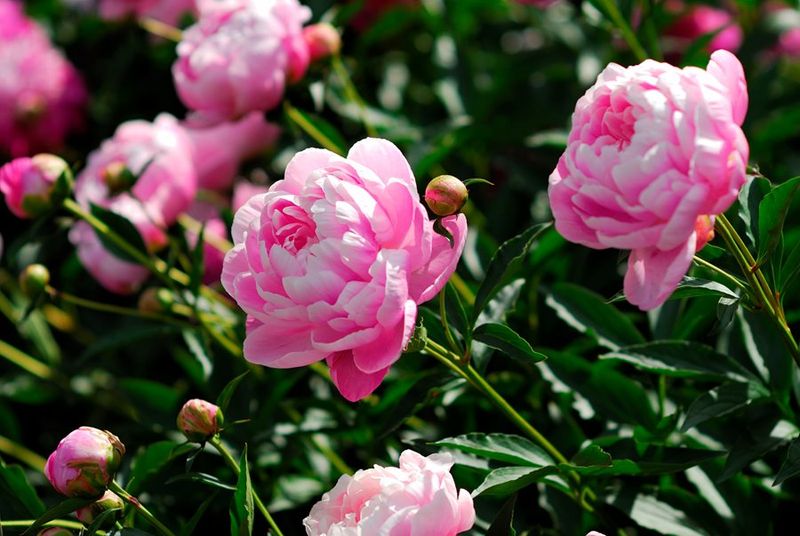
Peonies are celebrated for their large, luxurious blooms and delightful fragrance. These perennials bloom in late spring, offering a spectacular display of color in shades of pink, red, and white. Peonies prefer well-drained soil and a sunny position to thrive. An interesting fact about peonies is their relationship with ants; the ants help peonies bloom by feeding on the sugary sap they release. This unique interaction makes them a fascinating addition to the garden. With their showy flowers, peonies are perfect for creating stunning bouquets and adding elegance to any garden setting.
7. Hollyhocks (Alcea rosea)
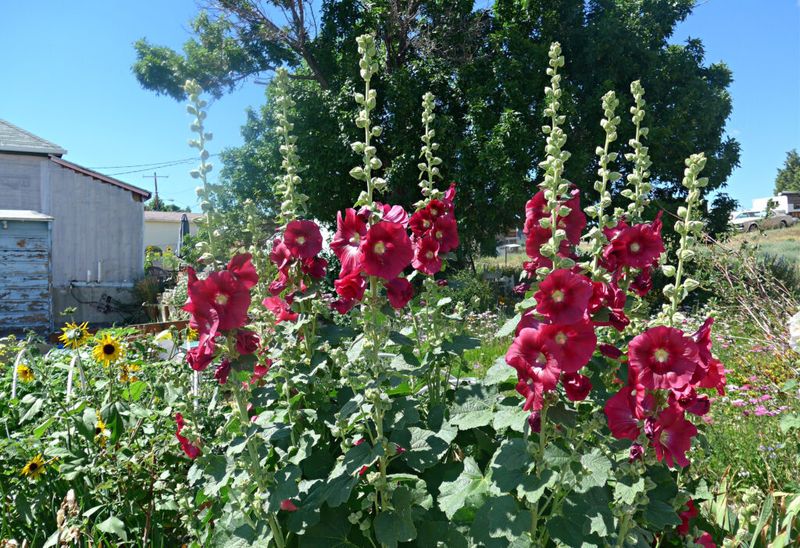
Hollyhocks are traditional favorites in English gardens, known for their tall spikes of vibrant blooms in shades of pink, red, yellow, and white. These biennial plants are perfect for planting against walls or fences, where they can reach impressive heights. Hollyhocks are relatively easy to grow from seed, and once established, they will self-seed readily, ensuring continuous blooms year after year. Their old-fashioned charm and towering presence make hollyhocks a beloved choice for gardeners looking to evoke a sense of nostalgia and timeless beauty in their outdoor spaces.
8. Catmint (Nepeta)
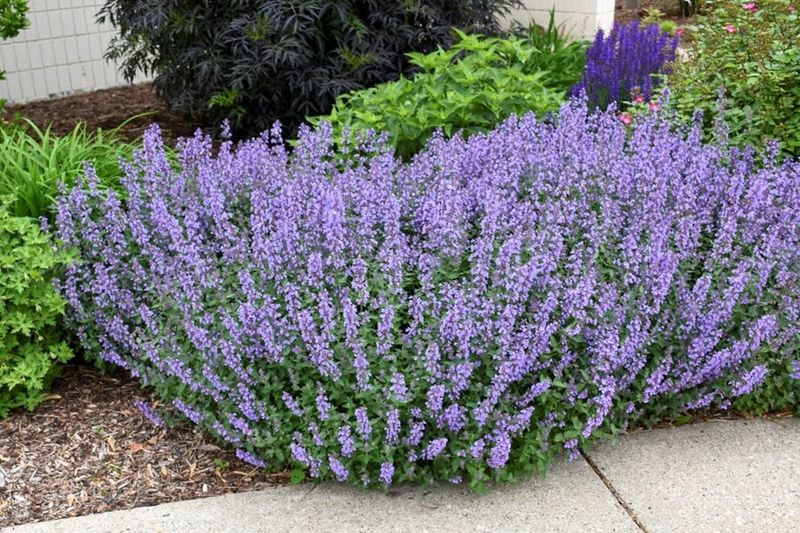
Catmint is a robust perennial known for its lavender-blue flowers and aromatic foliage. This herbaceous plant thrives in poor soil and full sun, making it a low-maintenance choice for gardeners. Catmint is often used as a companion plant for roses, as its aromatic leaves can deter aphids, a common pest. Its soft, billowy appearance provides a lovely contrast to more structured plants, adding an informal touch to the garden. Catmint’s ability to attract pollinators like bees and butterflies further enhances its appeal, making it a delightful addition to any English garden.
9. Lady’s Mantle (Alchemilla mollis)
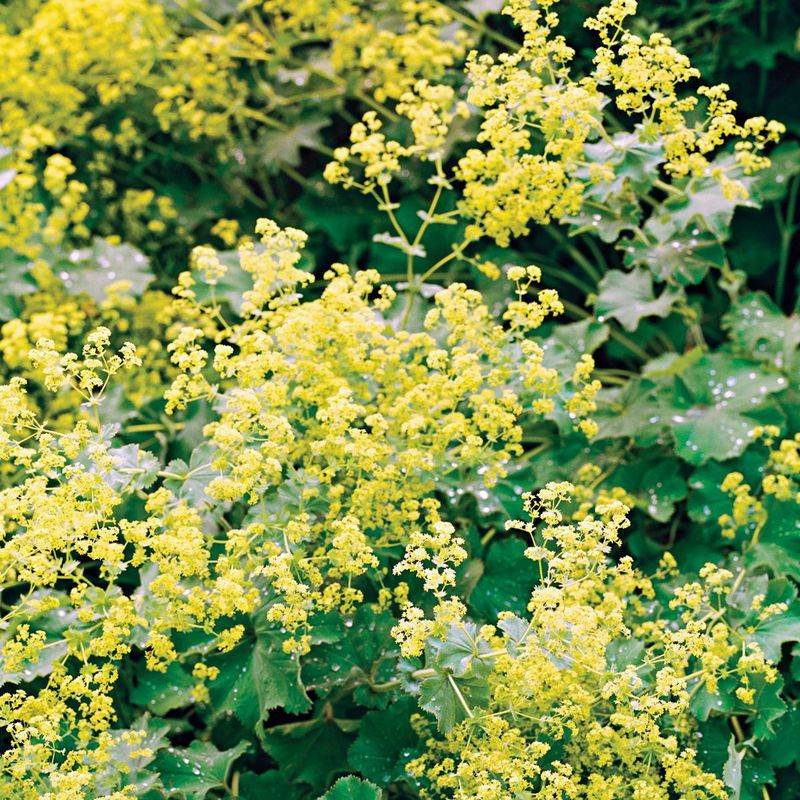
Lady’s mantle is cherished for its softly scalloped leaves that hold dewdrops like jewels, creating a sparkling effect in the morning light. This hardy perennial produces clusters of lime-green flowers, offering a fresh contrast to its lush foliage. Ideal for edging and ground cover, lady’s mantle thrives in a variety of conditions, from full sun to partial shade. Its versatility and understated beauty make it a favorite for adding texture and color to borders and beds. The plant’s adaptability and charming appearance ensure it remains a staple in classic garden designs.
10. Sweet Peas (Lathyrus odoratus)
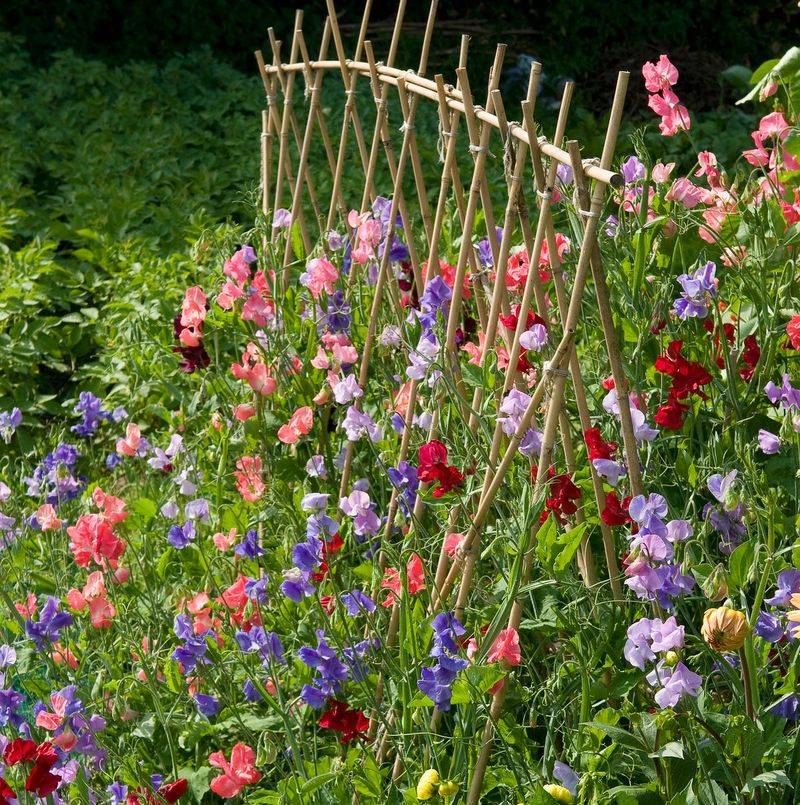
Sweet peas are renowned for their enticing fragrance and vibrant, delicate blooms. These climbing annuals are perfect for trellises and obelisks, adding vertical interest and a burst of color in pastel shades. To ensure successful growth, soak the seeds overnight before planting, as this helps with germination. Sweet peas thrive in sunny locations with well-drained soil and regular watering. Their enchanting scent and charming blossoms make them a popular choice for cutting gardens, providing beautiful bouquets that bring the outside in. Sweet peas are a delightful addition to any garden, offering both beauty and fragrance.
11. Wisteria
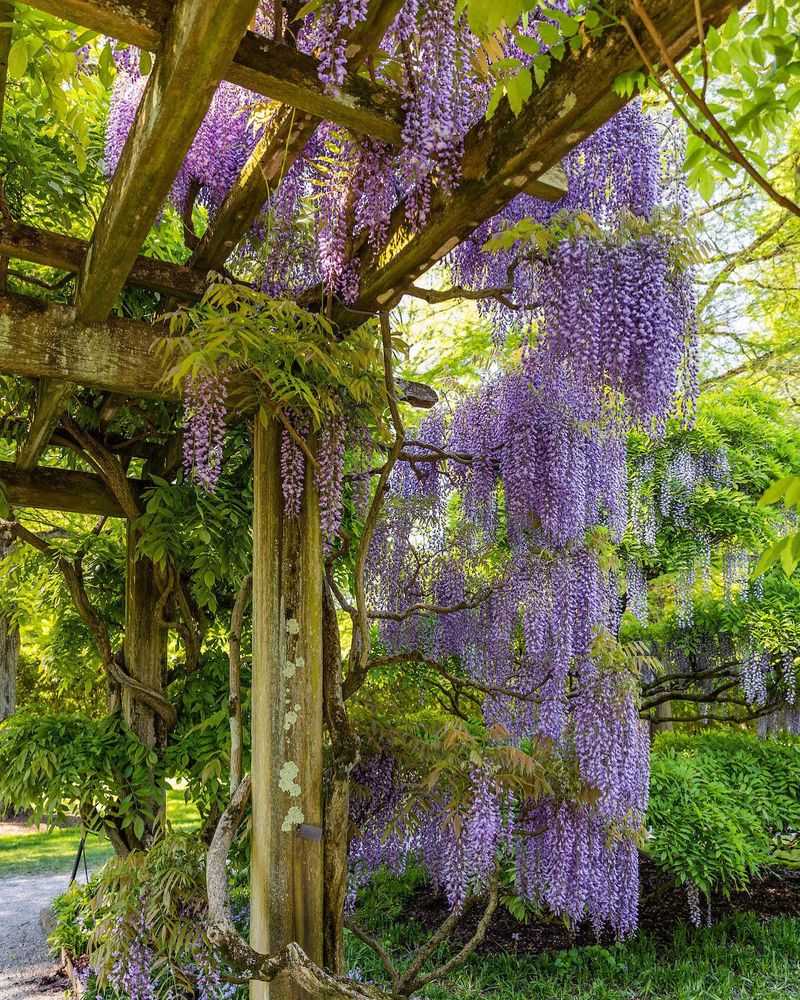
Wisteria is a show-stopping climber known for its cascading blooms in shades of purple and white. This vigorous plant needs strong support, such as pergolas or arbors, and regular pruning to maintain its shape and prevent it from becoming invasive. Wisteria’s stunning floral display is a highlight in any garden, creating a romantic and dramatic effect. While beautiful, it can be a challenge to train and maintain due to its rapid growth. Nonetheless, wisteria remains a favorite for those seeking to create a breathtaking focal point with its lush, pendulous blooms.
12. Columbine (Aquilegia)
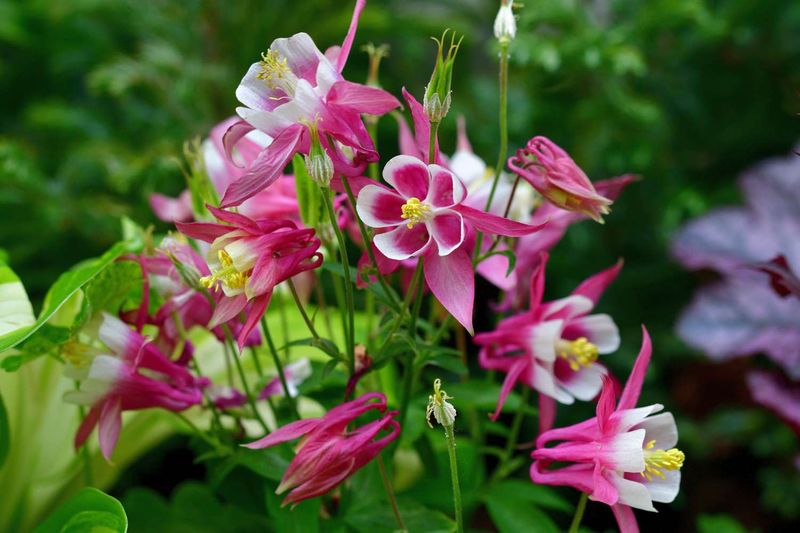
Columbine flowers bring a touch of delicacy to the garden with their nodding blooms and spurred petals. Available in a wide range of colors, including pink, purple, and white, these perennials are versatile and adaptable to various garden conditions. Varieties like ‘Nora Barlow’ with double blooms and ‘William Guiness’ with dark purple flowers offer unique accents to planting schemes. Columbines thrive in dappled shade and are particularly attractive to hummingbirds. Their intricate blooms add a whimsical yet elegant touch to borders and woodland gardens, making them a cherished choice for gardeners.
13. Iris (Bearded Iris)
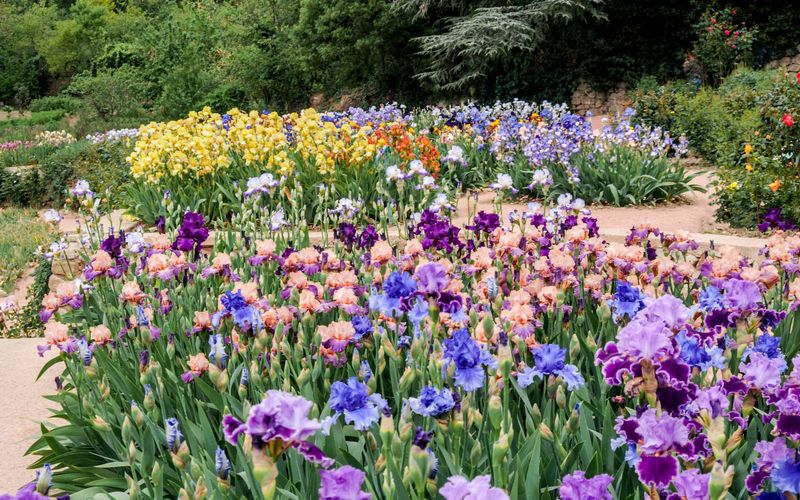
Iris plants, particularly the bearded variety, are known for their strikingly beautiful flowers with velvety petals. These rhizomatous perennials bloom in a stunning array of colors, including deep purples, yellows, and whites. To prevent rot, it’s important to plant iris rhizomes slightly exposed. Irises thrive in full sun and well-drained soil, adding a splash of vivid color to any garden. Their majestic blooms and sword-like foliage create a dramatic effect, making irises ideal for adding height and interest to borders and beds. They are a classic choice for creating a bold garden statement.
14. Hydrangeas (Hydrangea macrophylla)
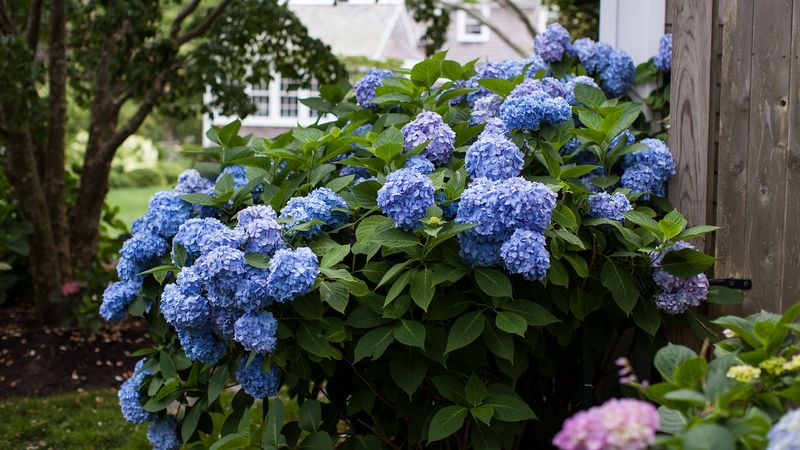
Hydrangeas are cherished for their enormous, showy blooms that can change color depending on the soil pH. These woody shrubs produce mophead flowers in shades of blue, pink, or white, offering a spectacular display in mid-summer. Hydrangeas prefer partial shade and moist, well-drained soil. Pruning should be done right after flowering to avoid cutting off next year’s buds. Their dramatic clusters of flowers make hydrangeas a favorite for adding volume and color to garden borders. With their lush foliage and vibrant blooms, hydrangeas are a standout choice for any gardener seeking bold beauty.
15. Campanula (Bellflower)
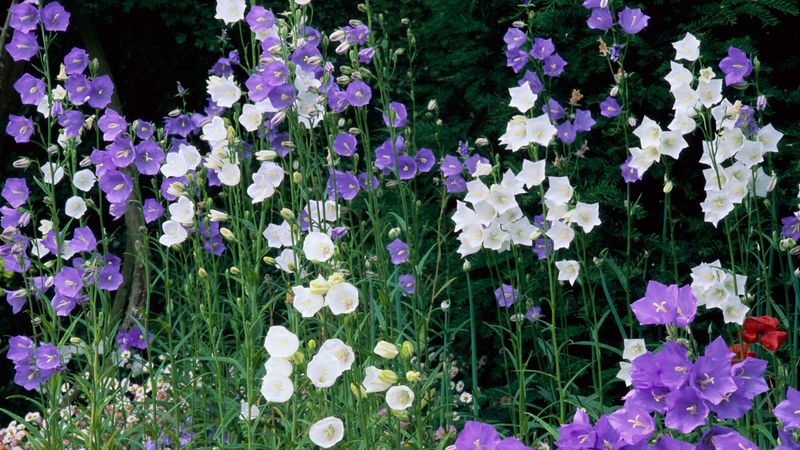
Campanula, commonly known as bellflower, enchants with its bell-shaped blossoms in colors like blue, white, and purple. This versatile genus includes both tall varieties, such as C. persicifolia, and ground covers like C. portenschlagiana. Bellflowers thrive in well-drained soil with moderate sunlight, making them suitable for diverse garden settings. Their delicate flowers and graceful habit add a touch of whimsy to perennial borders and rock gardens. The charming simplicity of campanula makes it a timeless choice for gardeners looking to enhance their landscapes with subtle elegance and color.