 Complete Gardening
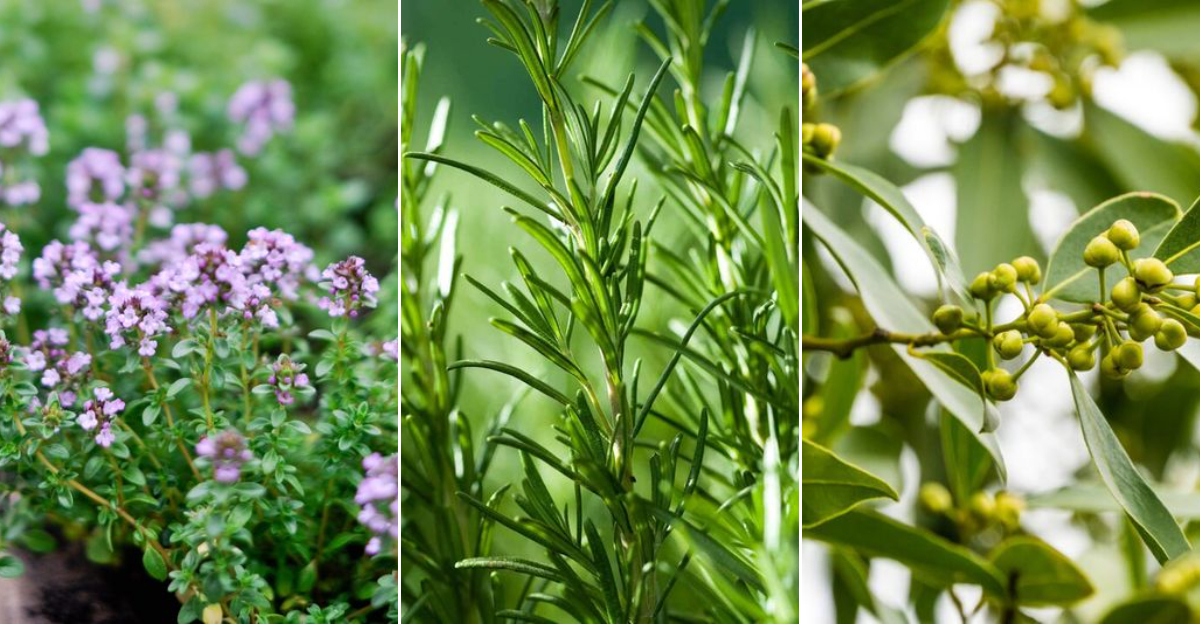
Potpourri is a delightful way to bring nature’s scents indoors, and growing your own fragrant herbs for this purpose can add a personal touch.
From calming lavender to the invigorating aroma of rosemary, here’s a list of 15 wonderful herbs you can cultivate to create your custom potpourri blends.
1. Lavender
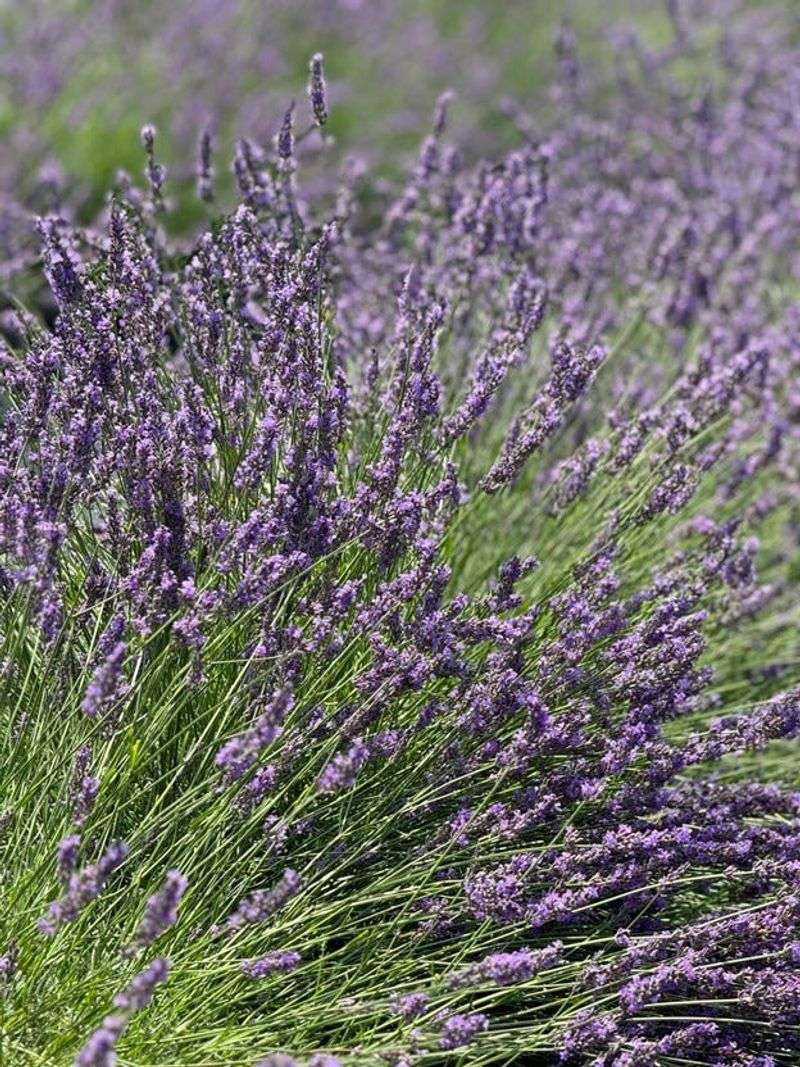
Lavender, with its iconic purple blooms, exudes a soothing scent known to calm the senses. These perennial plants thrive in sunny gardens and are adored for their vibrant color and fragrant appeal. Often used in aromatherapy, lavender also serves as a natural sleep aid.
To dry lavender for potpourri, cut the stalks just before the flowers fully bloom and hang them upside down in a cool, dark place. This ensures the preservation of both color and fragrance. Lavender is a timeless choice, perfect for adding a touch of serenity to any setting.
2. Rosemary
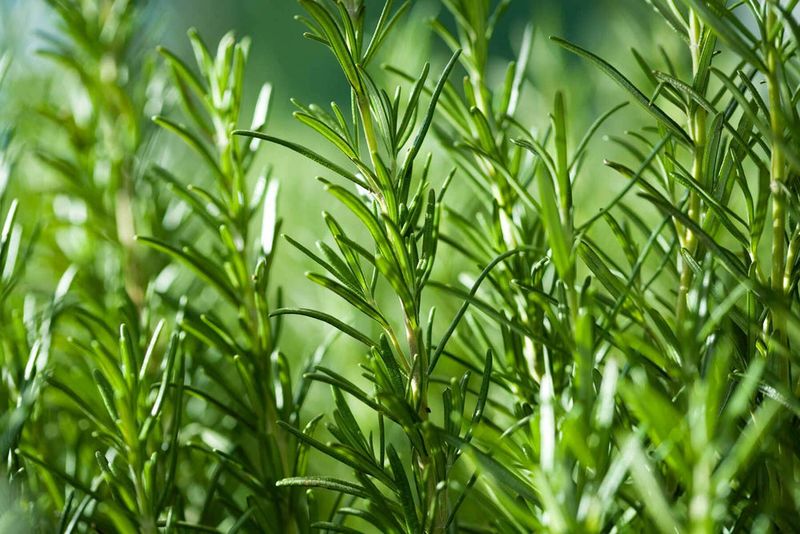
Rosemary offers a refreshing, woodsy aroma that invigorates the senses. This hardy herb, with its needle-like leaves, is not only a staple in kitchens but also a delightful addition to potpourri blends. Known for its ability to enhance memory, rosemary can fill any room with a rejuvenating vibe.
When drying rosemary, harvest the sprigs in the morning after the dew has dried. Hang in small bunches to ensure even drying. Its robust scent can stand alone or complement other herbs, making it a versatile choice for creative mixes.
3. Mint
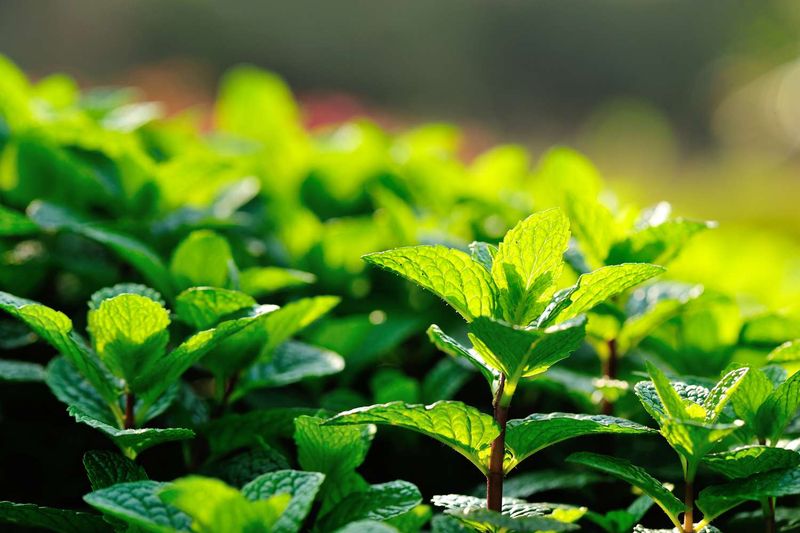
Mint is cherished for its invigorating, crisp fragrance, making it a refreshing addition to potpourri. The sheer variety, from peppermint to spearmint, offers a range of scents to experiment with. Mint grows abundantly, making it a favorite among gardeners.
To prepare mint for potpourri, pick the leaves before flowering and lay them flat to dry. Mint’s cool and clean scent pairs beautifully with floral or citrusy herbs, adding a layer of freshness to any mix. It’s a versatile herb that livens up any potpourri collection.
4. Lemon Balm
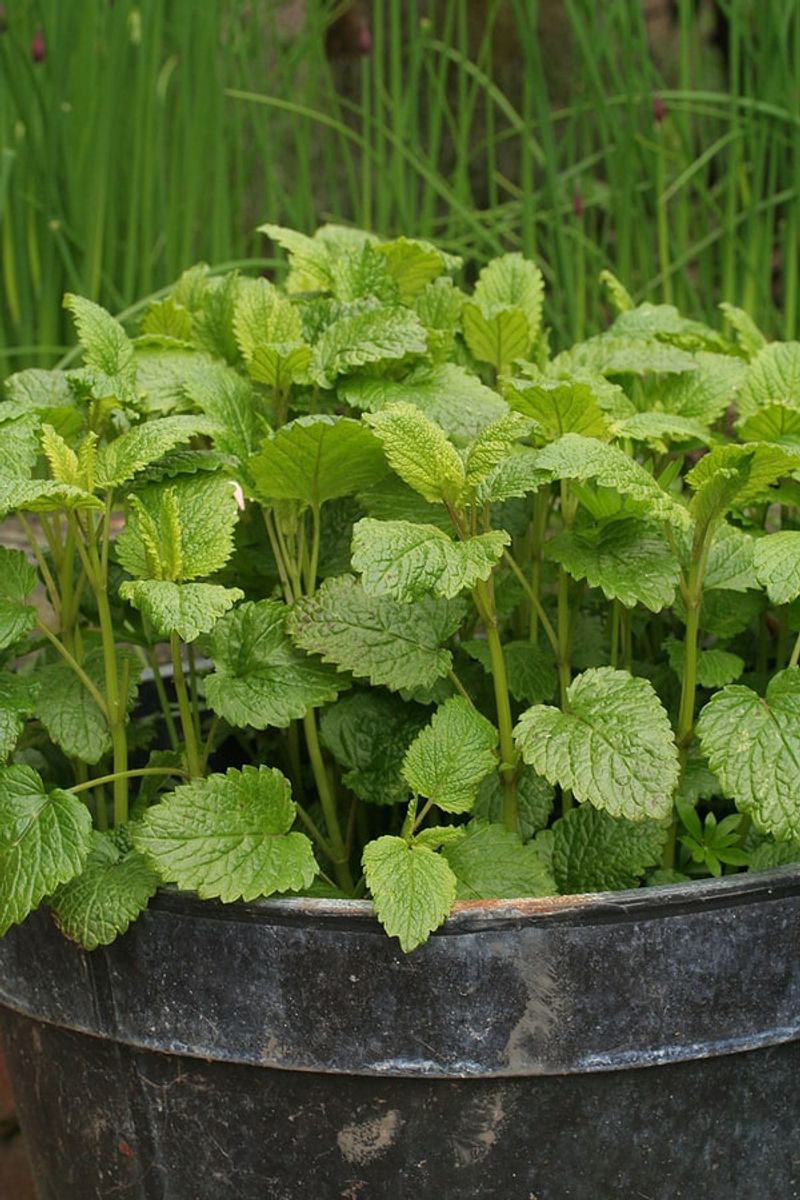
Lemon Balm is a citrusy delight that brings brightness and freshness to any potpourri blend. This herb, with its lemon-scented leaves, is easy to grow and thrives in both gardens and pots. Its calming aroma is known to uplift and soothe the mind.
Harvest lemon balm by picking the leaves in the morning when the essential oils are at their peak. Dry them in a shaded area to retain their citrusy scent. Lemon Balm’s zesty fragrance is perfect for adding a burst of energy to your potpourri creations.
5. Thyme
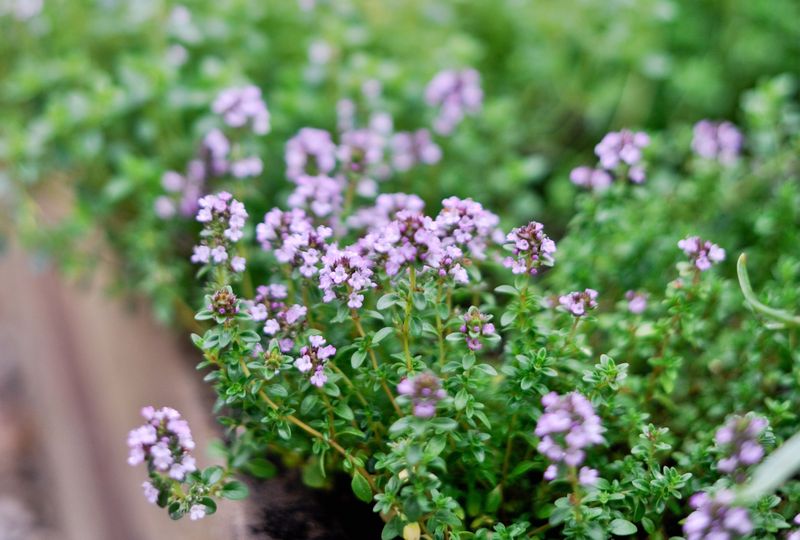
Thyme is a staple with its earthy, subtly floral fragrance, making it ideal for grounding stronger scents in potpourri. This hardy perennial grows well in various climates, offering small, aromatic leaves and occasional flowers.
To dry thyme, gather stems just before flowering and hang them in a well-ventilated area. Thyme’s fragrance deepens when dried, adding an understated elegance to any potpourri blend.
It’s perfect for those seeking a balance between robust and mild aromas, bringing a natural touch indoors.
6. Basil
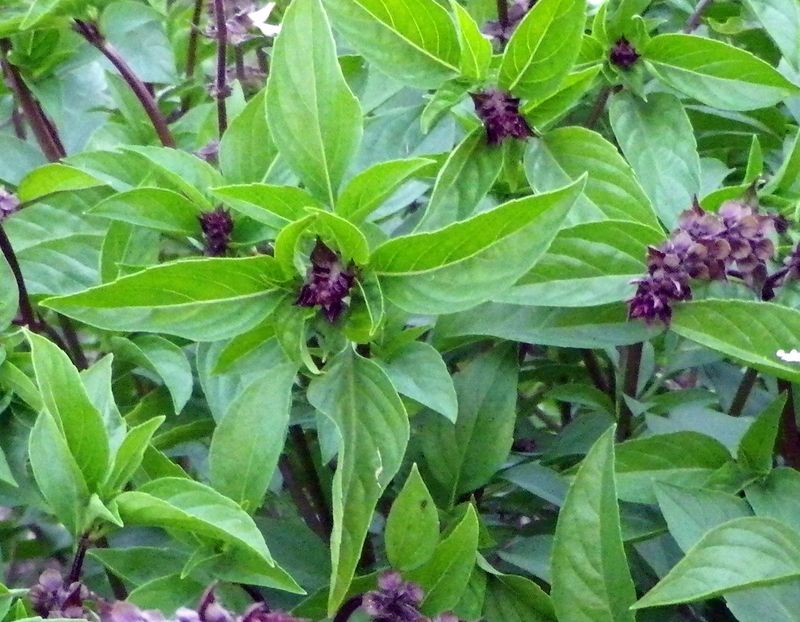
Basil is not just for pesto; its aromatic leaves add a unique twist to potpourris. Varieties like lemon basil or cinnamon basil bring distinctive citrus or spicy notes to the mix. Basil thrives in warm, sunny spots and can be easily grown on windowsills.
For potpourri, harvest basil leaves before flowers appear, and dry them in a shaded, ventilated area. This ensures they retain their vibrant scent. Basil’s lively fragrance enlivens any potpourri, offering an exotic touch to your aromatic crafts.
7. Sage
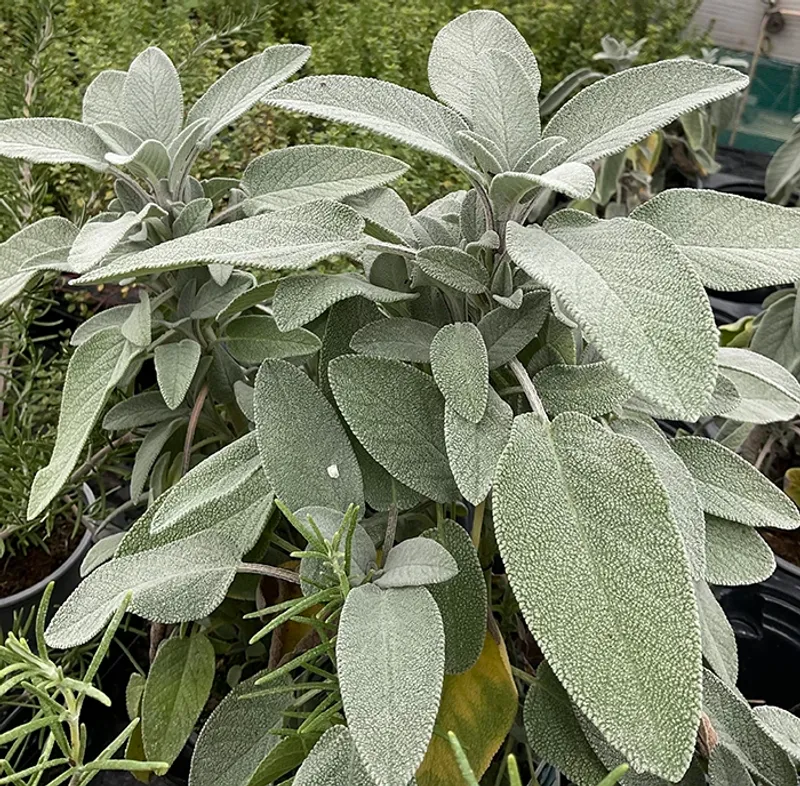
Sage, with its strong, herbal fragrance, is revered for its cleansing properties. This perennial herb, part of the mint family, features soft, velvety leaves and is often used in rituals for purification.
To prepare sage for potpourri, pick the leaves in the morning, avoiding flowering stalks, and dry them in a cool place. Sage’s robust scent can stand alone or complement other herbs, making it versatile for various aromatic combinations. It brings a sense of grounded tranquility to any room.
8. Chamomile
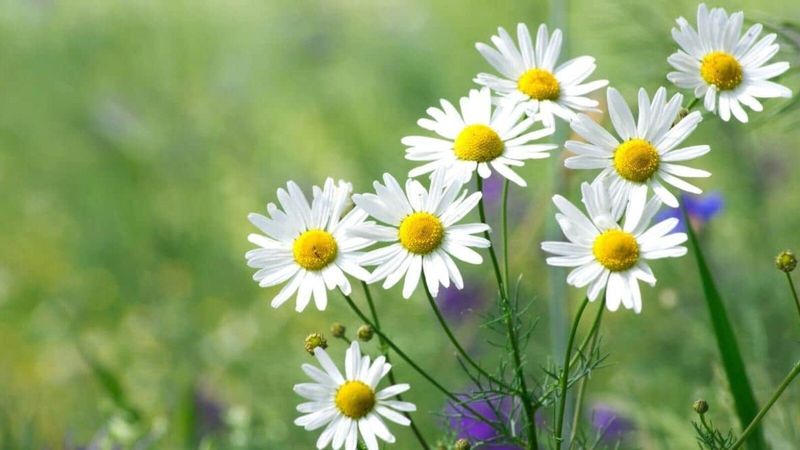
Chamomile offers a delicate, apple-like scent that soothes the senses. Its dainty white flowers with yellow centers not only look charming but also carry calming properties, making them a favorite in herbal teas and potpourri.
To dry chamomile, harvest the flowers when fully open and hang them in a cool, dark place. Chamomile’s gentle aroma adds a soft, sweet note to potpourri blends, enhancing the overall sensory experience. It’s perfect for those who seek a touch of serenity in their aromatic creations.
9. Oregano
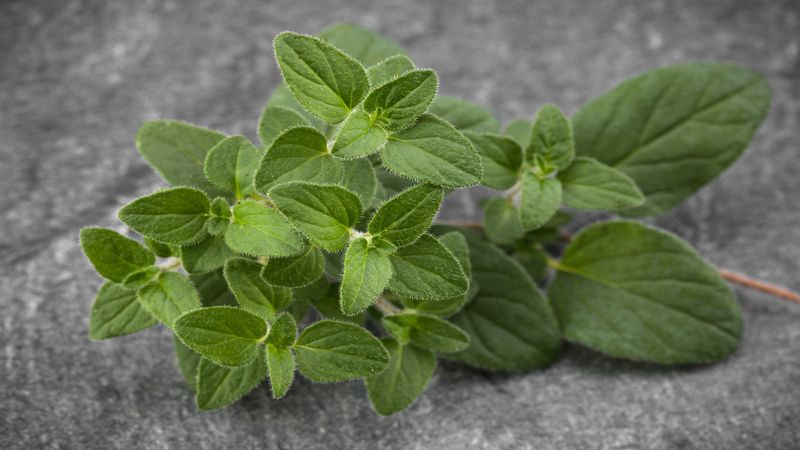
Oregano, with its bold, spicy aroma, infuses potpourri with a rustic charm. This popular culinary herb is not just for pizzas and pastas; its aromatic leaves are a wonderful addition to any potpourri blend.
When preparing oregano, harvest the stems before the flowers bloom and hang them to dry in a shaded area. Its invigorating scent can stand alone or blend beautifully with other herbs, creating a warm and welcoming atmosphere. Oregano adds a touch of Mediterranean flair to your fragrant creations.
10. Hyssop
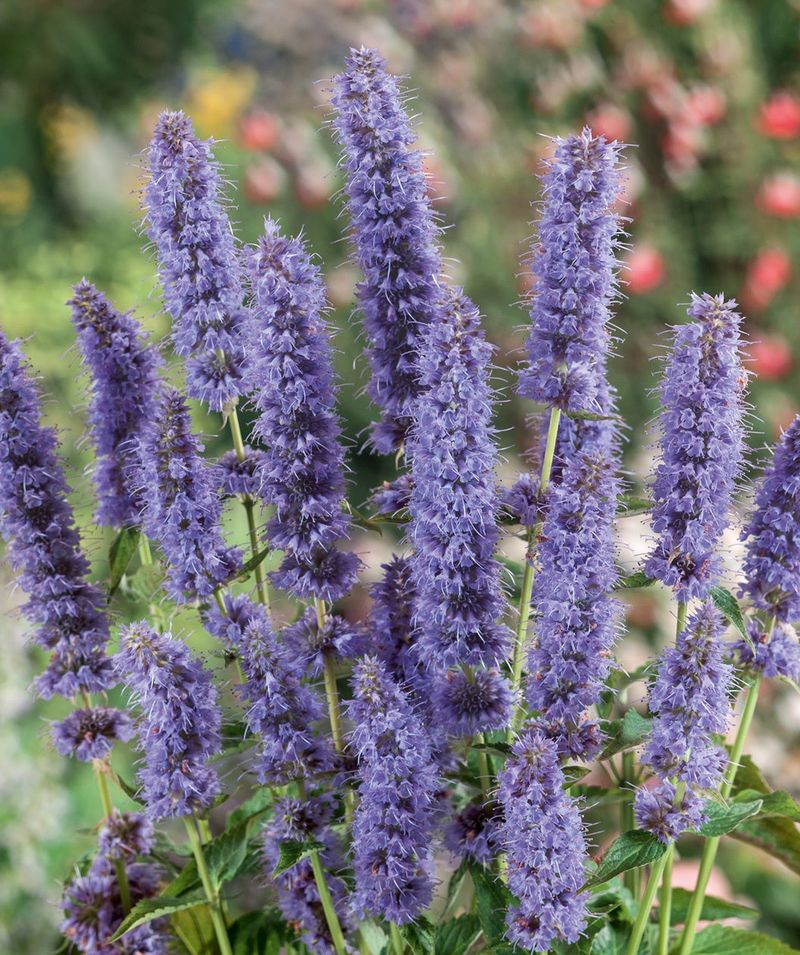
Hyssop is a fascinating herb with a sweet, minty aroma and a touch of floral elegance. Known for its striking blue flowers, hyssop is often used in traditional medicine and aromatherapy.
To dry hyssop for potpourri, gather stems just before full bloom and hang them in a dry, airy place. Its unique scent adds depth and character to any potpourri mix.
Hyssop brings a fresh yet sophisticated fragrance, perfect for those seeking something a little different in their aromatic experiences.
11. Bay Laurel
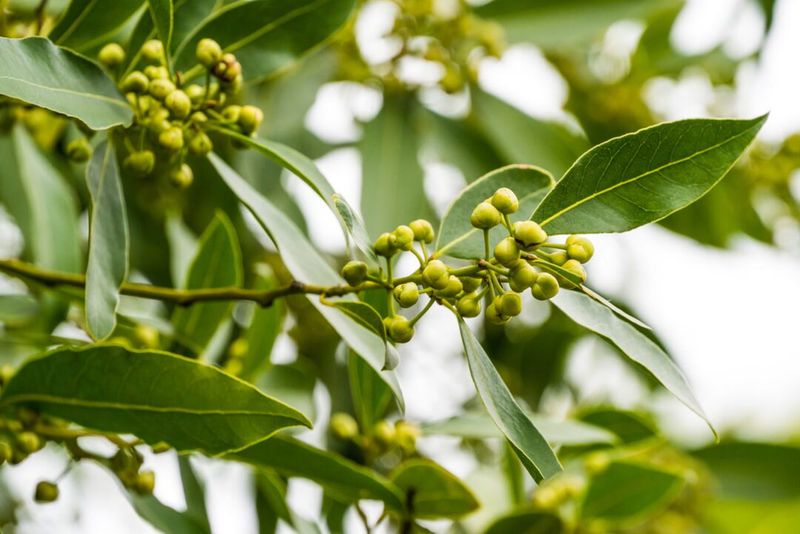
Bay Laurel, with its woody and slightly spicy aroma, adds depth to any potpourri blend. The glossy green leaves of this evergreen tree are prized for their culinary uses and aromatic qualities.
When preparing bay leaves, pick them in the late morning and dry them in a well-ventilated space.
Their robust fragrance is perfect for complementing softer, floral scents, making them a versatile addition to your potpourri collection. Bay Laurel brings a hint of the outdoors inside, enriching your aromatic crafts.
12. Anise Hyssop
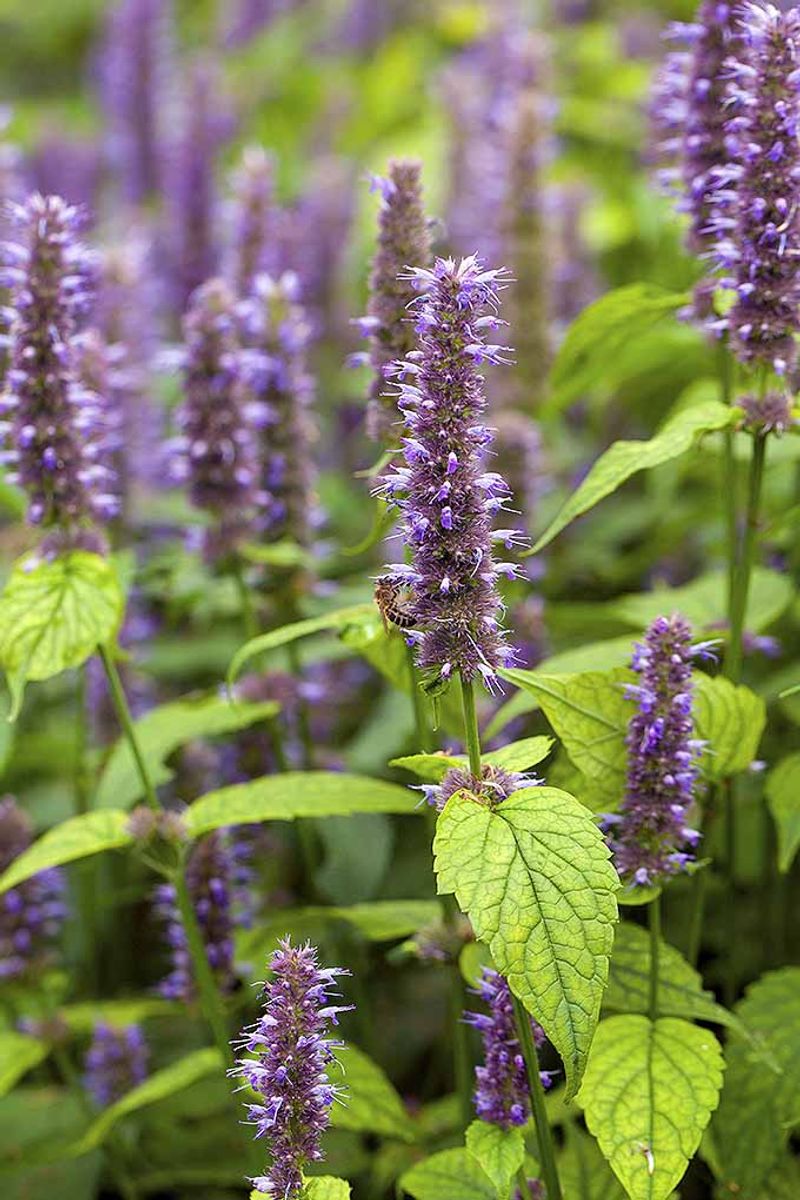
Anise Hyssop offers a delightful blend of licorice and mint, both striking and soothing. This herb, with its tall spikes of lavender flowers, is a favorite among pollinators and herbalists.
To dry anise hyssop, harvest the stems when the flowers are in full bloom and hang them upside down in a dry, dark space.
Its fragrant leaves and flowers add a distinctive aroma to potpourri, making it a unique choice for aromatic creations. Anise Hyssop’s intriguing scent brings both sweetness and spice to the blend.
13. Marjoram
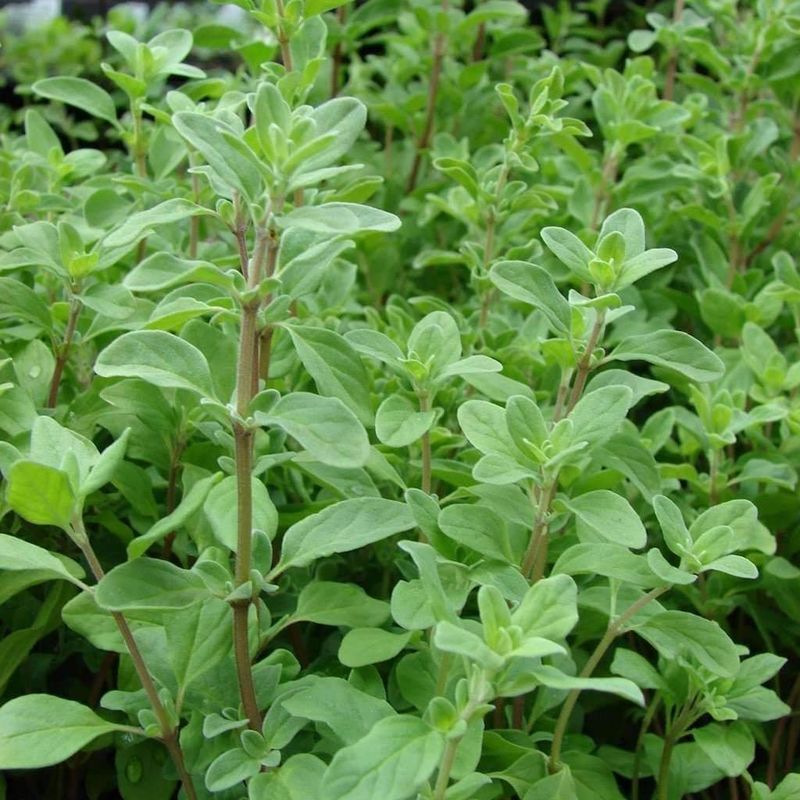
Marjoram is cherished for its soft, sweet fragrance that complements floral and citrus herbs well. This tender perennial, related to oregano, is known for its tiny green leaves and delicate, mild aroma.
For potpourri, harvest marjoram just as the flowers appear, and dry them in small bunches. Its gentle scent adds a harmonious note to potpourri blends, balancing more robust fragrances. Marjoram is perfect for those who appreciate a subtle, sweet aroma in their aromatic creations.
14. Tarragon
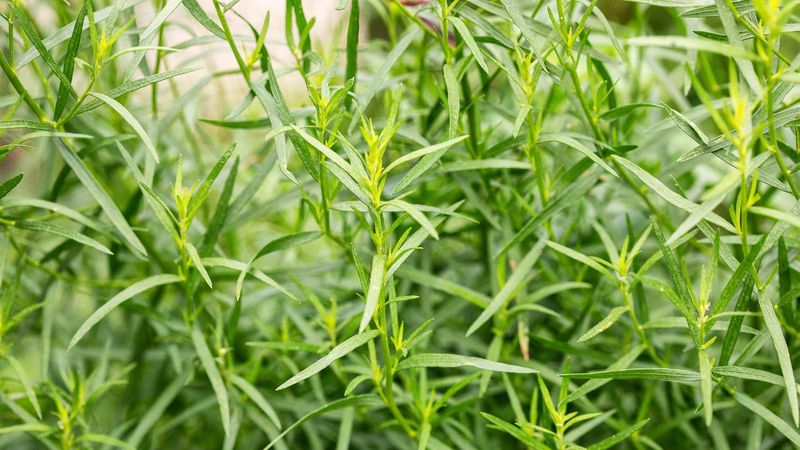
Tarragon, with its hint of anise and fresh, herbal edge, introduces a unique aroma to potpourri. Known for its culinary uses, this aromatic herb grows well in warm, sunny conditions.
To dry tarragon, cut the stems early in the morning and hang them in a dark, airy space. Its distinct scent can stand alone or blend with other herbs to create a refreshing potpourri.
Tarragon’s unique aroma offers an unexpected twist, making it a captivating addition to any fragrant mix.
15. Costmary
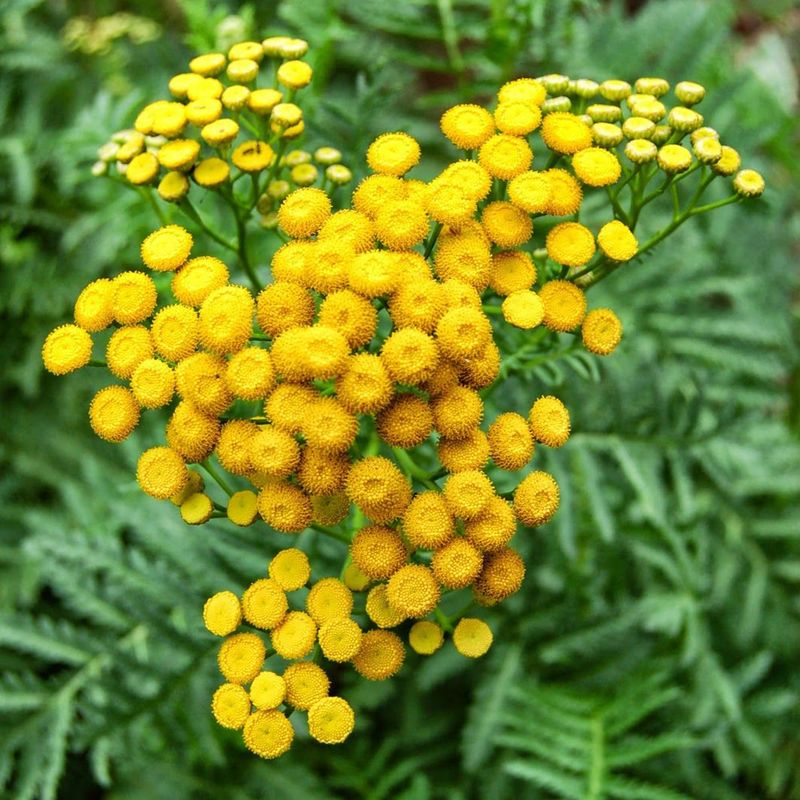
Costmary, an old-fashioned herb, offers a minty-balm scent that was once popular for bookmarks, thanks to its lasting fragrance. This perennial features long, soft leaves and small, white flowers.
To prepare costmary for potpourri, harvest the leaves before flowering and dry them in a shaded, airy spot.
Its distinctive scent adds a historic charm to any aromatic mix, making it perfect for those who appreciate a touch of nostalgia in their potpourri. Costmary is a unique and intriguing addition to your fragrant creations.