 Complete Gardening
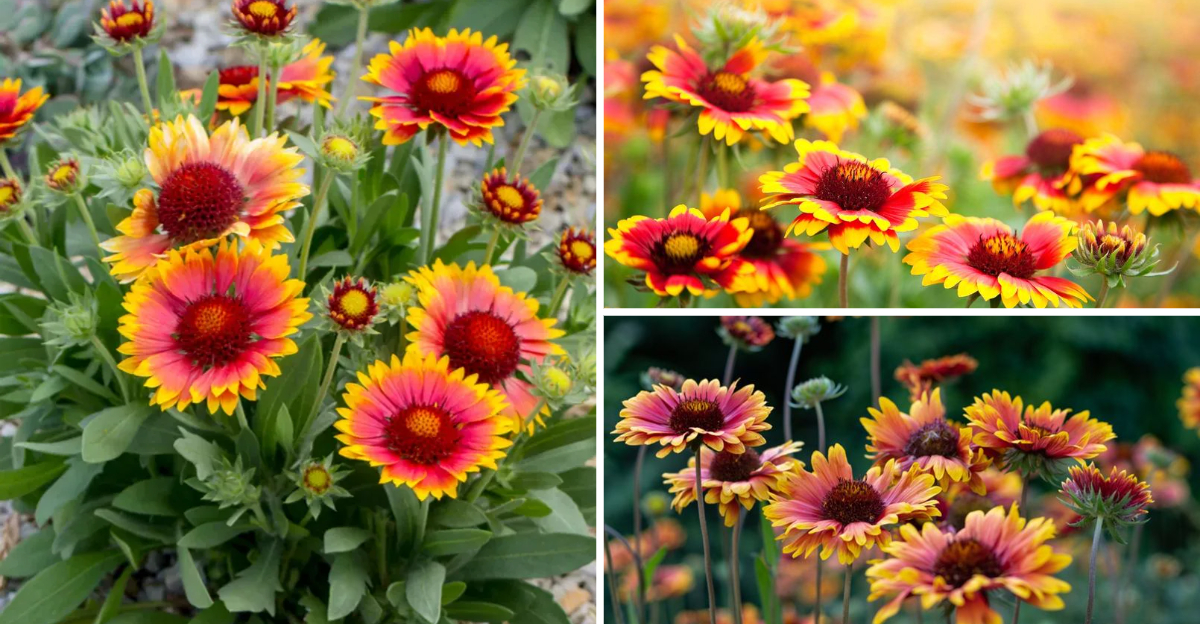
Blanket flowers, known for their vibrant colors and resilience, are a favorite among gardeners. These cheerful blooms not only add beauty to gardens but also attract pollinators, making them an excellent choice for any green space. With the right care and attention, growing a field of blanket flowers can be a rewarding experience. Whether you’re an experienced gardener or a novice, these tips will guide you in cultivating a flourishing blanket flower field, ensuring a vibrant display throughout the blooming season.
1. Choose the Right Location
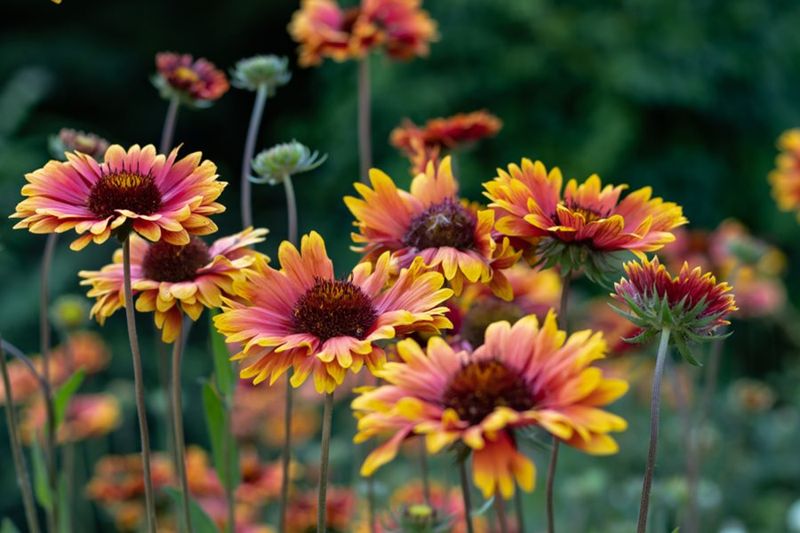
Selecting an optimal spot with full sun exposure is crucial for blanket flowers. These sun-loving plants thrive in open areas where they can soak up the sunlight for most of the day. Consider soil quality as well; it should be well-drained to prevent waterlogging, which can harm the roots. Avoid shady locations that limit sunlight, impacting growth. A field that receives at least six hours of direct sunlight daily will support robust blooming and healthy plants, ensuring your blanket flowers achieve their full potential.
2. Soil Preparation
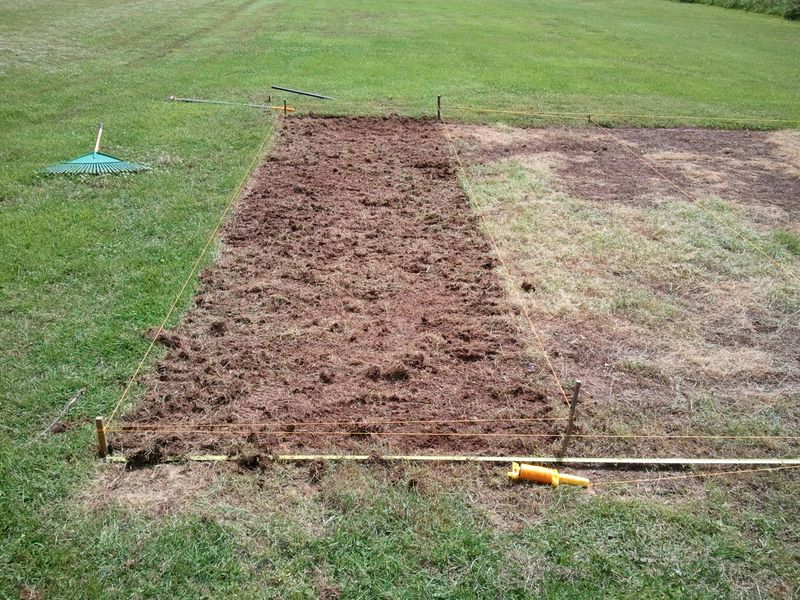
Proper soil preparation sets the foundation for successful growth. Start by tilling the soil to enhance aeration, which facilitates root development. Incorporating organic matter like compost enriches the soil, providing essential nutrients. This step improves moisture retention and drainage, creating an ideal environment for blanket flowers. Test the soil pH and ensure it is slightly acidic to neutral for optimal growth. Preparing the soil with care ensures that your flowers have the best start in their growing journey.
3. Select Quality Seeds
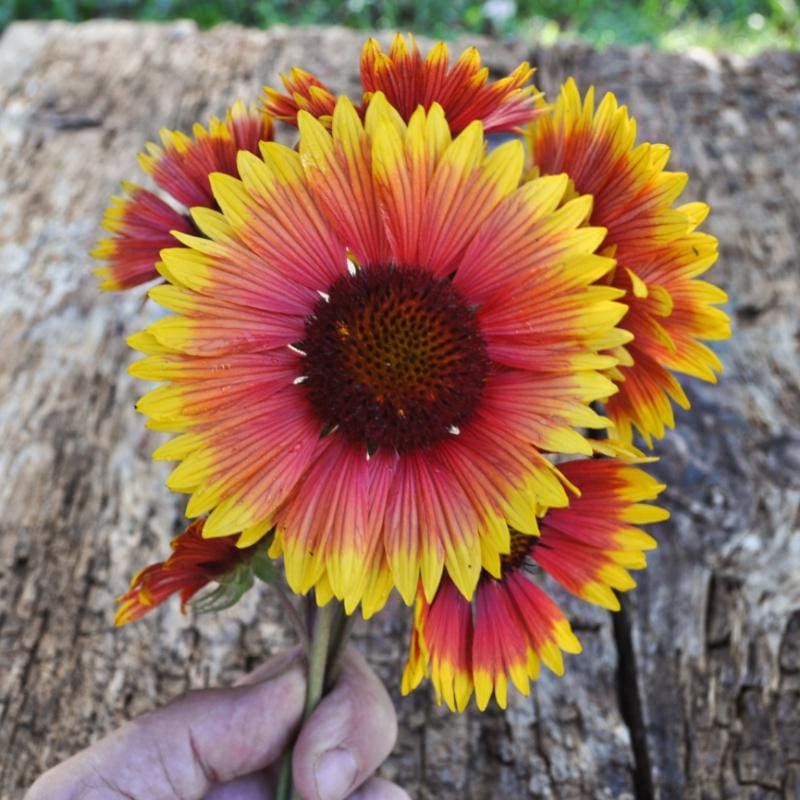
Investing in high-quality seeds is paramount for a thriving garden. Quality seeds lead to healthier plants with vibrant blooms. Choose seeds from reputable suppliers to ensure purity and high germination rates. Inspect seeds for any signs of damage or discoloration before purchase. By starting with the best seeds, you set a strong foundation for your blanket flowers, increasing the likelihood of a successful and beautiful garden. Remember, the quality of seeds directly influences the garden’s overall health and appearance.
4. Planting Time
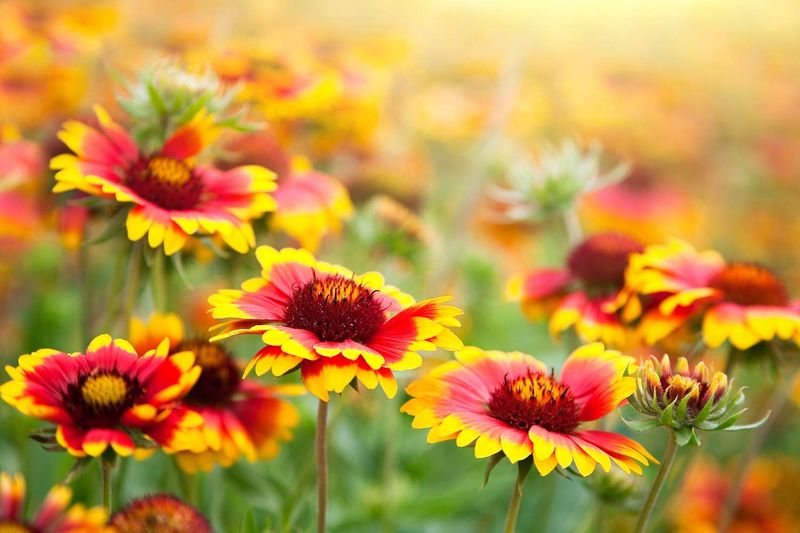
Timing is everything when it comes to planting blanket flowers. The ideal planting period is in the spring after the last frost. This timing allows the plants to establish roots before the hot summer. Monitor local weather patterns to determine the best time for planting in your area. Planting too early may expose young plants to frost, while too late may stress them in the summer heat. By planting at the right time, you ensure a healthy start for your blanket flowers, promoting strong growth and blooming.
5. Proper Spacing
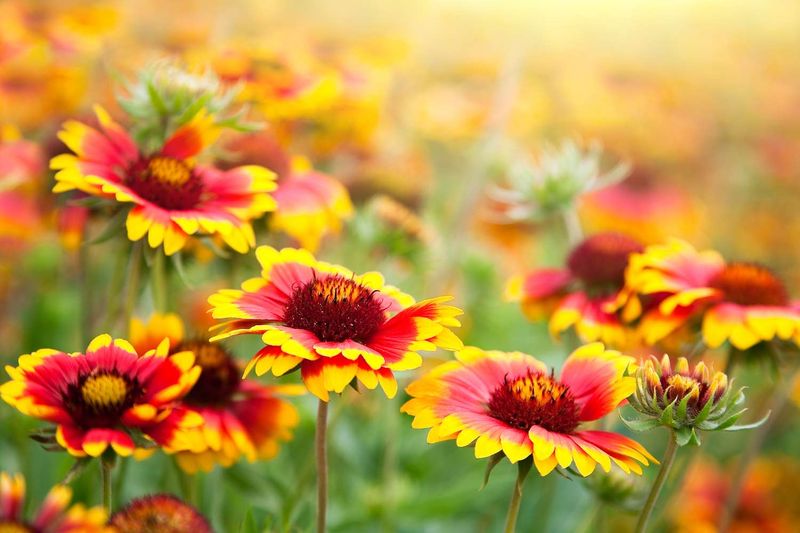
Providing adequate space between plants is crucial for healthy development. Blanket flowers need room to grow without competing for resources. Space plants about 12 to 18 inches apart, allowing air circulation to prevent diseases. This spacing ensures each plant receives enough sunlight, nutrients, and water. Overcrowding can lead to stunted growth and increased susceptibility to pests. By giving your blanket flowers the space they need, you promote a robust and flourishing garden, full of vibrant blooms.
6. Watering Techniques
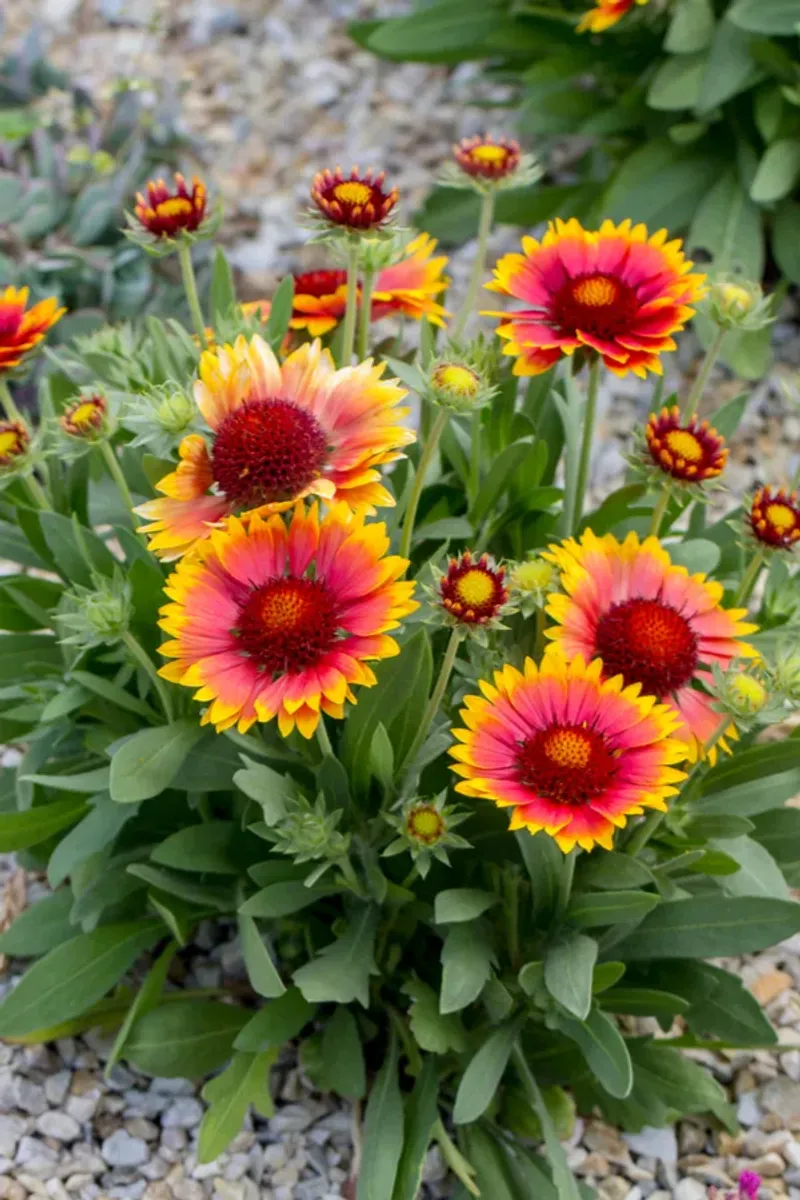
Watering is an art that requires balance and attention. Blanket flowers prefer consistent but moderate watering. Deep soakings encourage deep root systems, making plants more drought-resistant. However, avoid overwatering, which can lead to root rot. Early morning watering reduces evaporation and allows plants to absorb moisture efficiently. Adjust watering frequency based on weather conditions, with more frequent watering during dry spells. Proper watering techniques are essential for maintaining healthy, thriving plants, ensuring a vibrant display.
7. Feeding and Fertilization
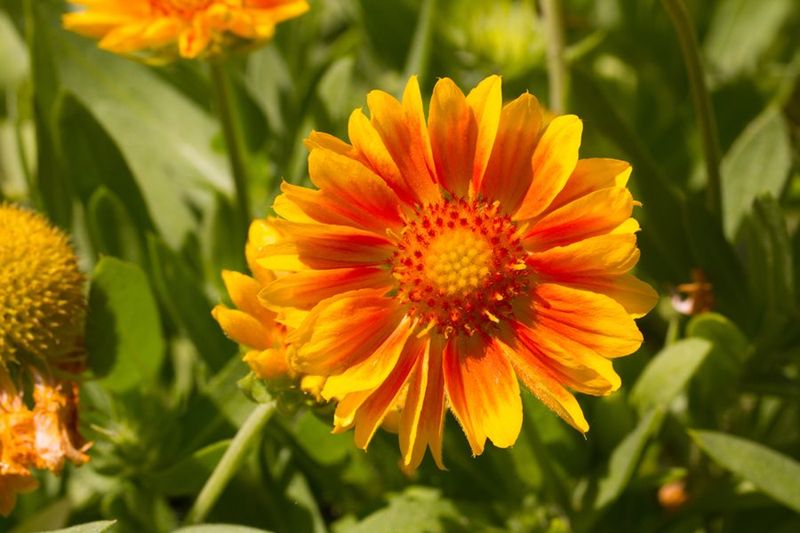
Feeding your blanket flowers with the right nutrients supports vigorous growth and blossoming. Use a balanced, slow-release fertilizer to provide essential nutrients throughout the growing season. Apply fertilizer sparingly, avoiding over-fertilization that can harm plants. Incorporate organic options like compost to enhance soil fertility naturally. Regular feeding, combined with proper soil preparation, ensures your blanket flowers receive the nourishment they need. By maintaining a well-fed garden, you encourage abundant and colorful blooms.
8. Mulching Benefits
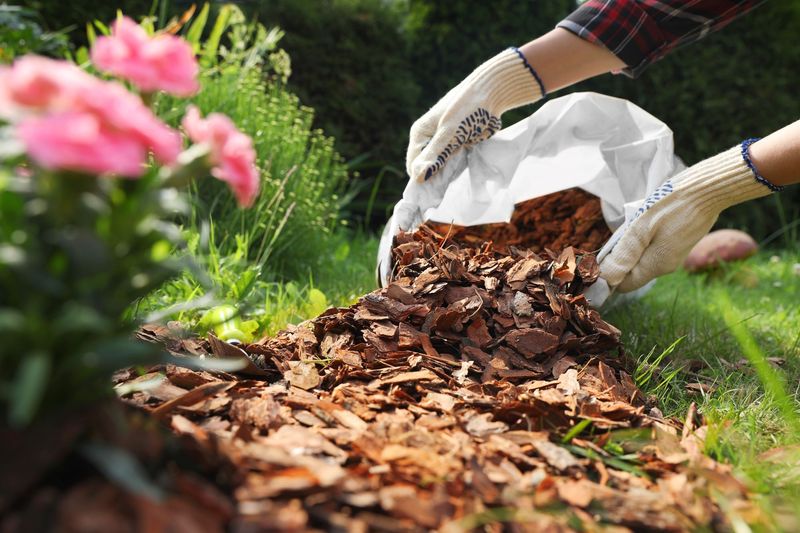
Mulching offers numerous benefits for blanket flowers, aiding in moisture retention and weed control. Apply a 2-3 inch layer of organic mulch around the base of the plants. This practice conserves soil moisture by reducing evaporation, which is especially beneficial during hot weather. Mulch also suppresses weed growth, minimizing competition for nutrients. Additionally, as mulch decomposes, it enriches the soil. By incorporating mulching into your gardening routine, you create a healthier environment for your blanket flowers to thrive.
9. Deadheading for Prolonged Blooming
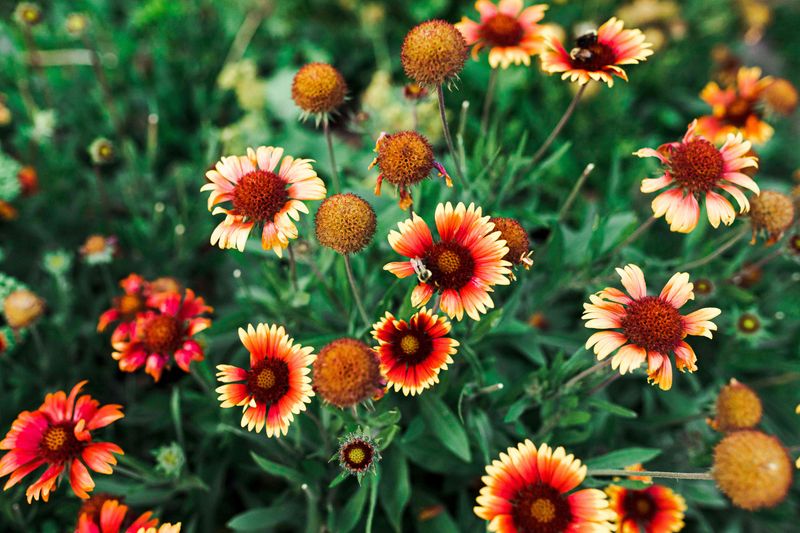
Deadheading, or removing spent blooms, is a simple yet effective technique to extend the flowering period. By trimming off faded flowers, you encourage the plant to produce new blooms instead of focusing on seed production. This practice not only enhances the garden’s appearance but also promotes continuous flowering throughout the season. Use clean, sharp scissors to deadhead regularly, ensuring new growth and vibrant blooms. Incorporating deadheading into your gardening routine ensures a longer and more colorful display of blanket flowers.
10. Pest Management
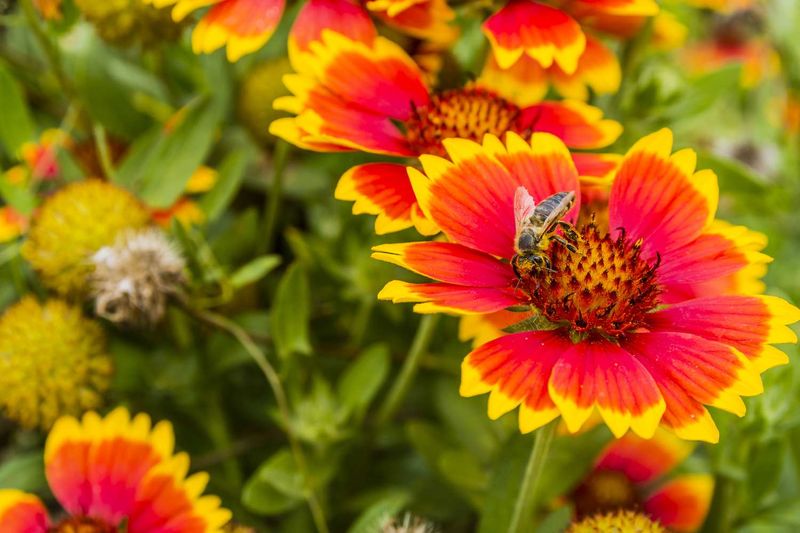
Vigilant pest management is essential for maintaining healthy blanket flowers. Regularly inspect plants for signs of pests such as aphids or slugs. Employ natural pest control methods, like introducing beneficial insects or using organic sprays. Avoid broad-spectrum pesticides that harm beneficial organisms. Encourage biodiversity in your garden to naturally control pest populations. By staying proactive in pest management, you protect your plants and ensure a thriving garden with minimal damage from invasive pests.
11. Disease Prevention
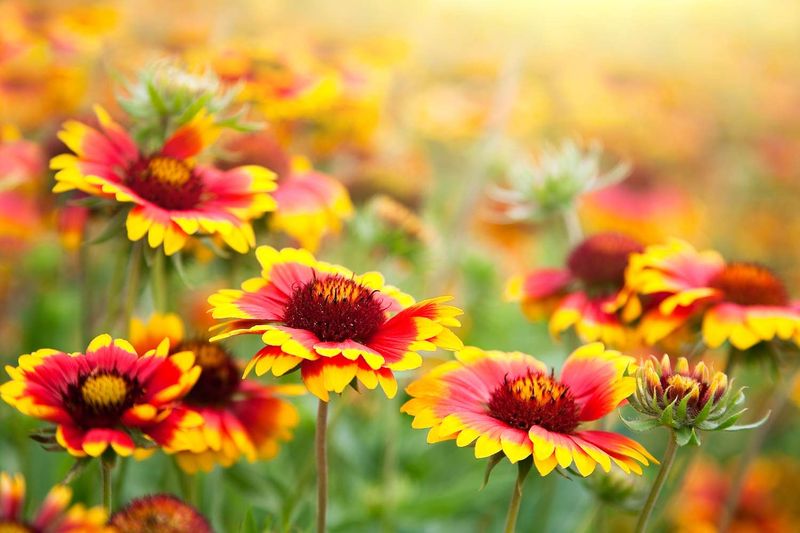
Preventing disease in blanket flowers requires diligence and proper care. Ensure good air circulation by spacing plants adequately and pruning as needed. Water plants at the base to avoid wet foliage, reducing the risk of fungal infections. Keep the garden clean by removing debris and diseased plants promptly. By practicing these preventive measures, you reduce the likelihood of disease outbreaks, maintaining a healthy and vibrant garden. Disease-free plants are more resilient and produce more stunning blooms.
12. Overwintering Practices
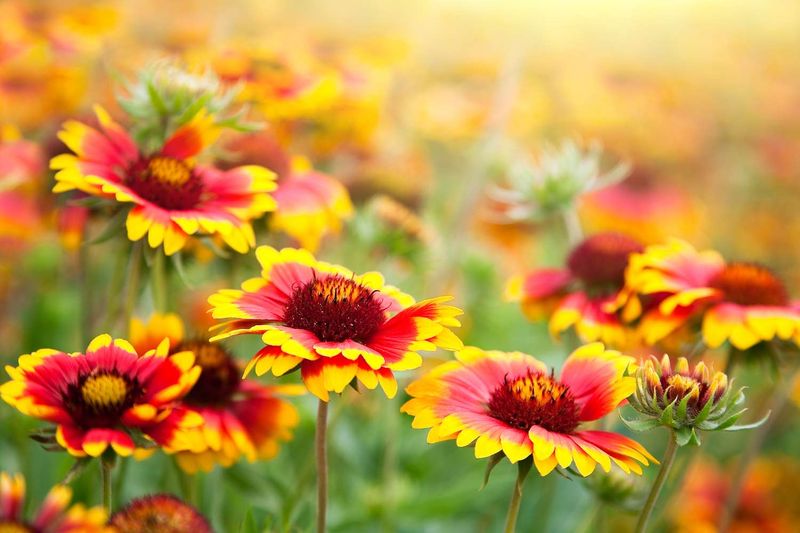
Preparing blanket flowers for winter ensures their survival and vitality in the next growing season. In colder climates, apply a thick layer of mulch to insulate the roots from freezing temperatures. Consider covering plants with breathable fabric for added protection. Reduce watering as the plants enter dormancy, preventing root rot. These overwintering practices safeguard your blanket flowers, allowing them to rebound in spring with renewed vigor and beauty. By taking these steps, you ensure a flourishing garden year after year.
13. Companion Planting
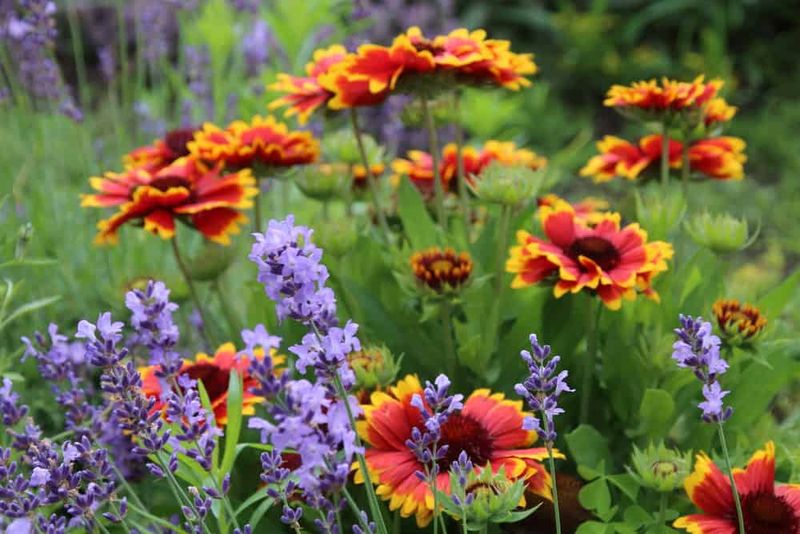
Companion planting enhances the growth of blanket flowers by pairing them with synergistic plants. Choose companions that attract beneficial insects or deter pests, like marigolds or lavender. This strategy promotes biodiversity and reduces the need for chemical interventions. Consider plant height and spacing to avoid shading your blanket flowers. By creating a diverse planting scheme, you foster a balanced ecosystem that supports healthier and more resilient plants. Companion planting adds visual interest and ecological benefits to your garden.
14. Harvesting Seeds
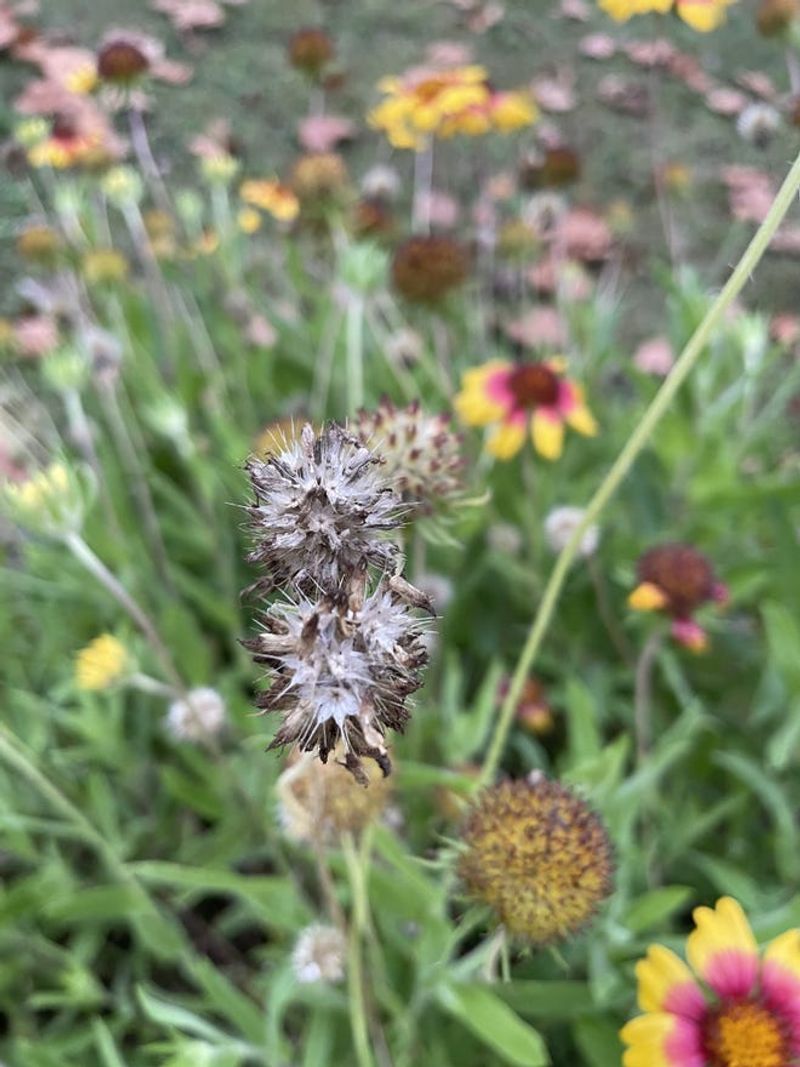
Harvesting seeds from blanket flowers allows you to expand your garden naturally. Wait until the blooms have faded and the seed heads dry on the plant. Carefully collect the seeds, dry them thoroughly, and store them in a cool, dry place. This practice ensures a sustainable and budget-friendly gardening approach. By saving seeds, you can propagate your favorite varieties and maintain a thriving blanket flower field. Harvesting seeds also fosters a deeper connection with your garden, promoting self-sufficiency and creativity.
15. Enjoying the Blooms
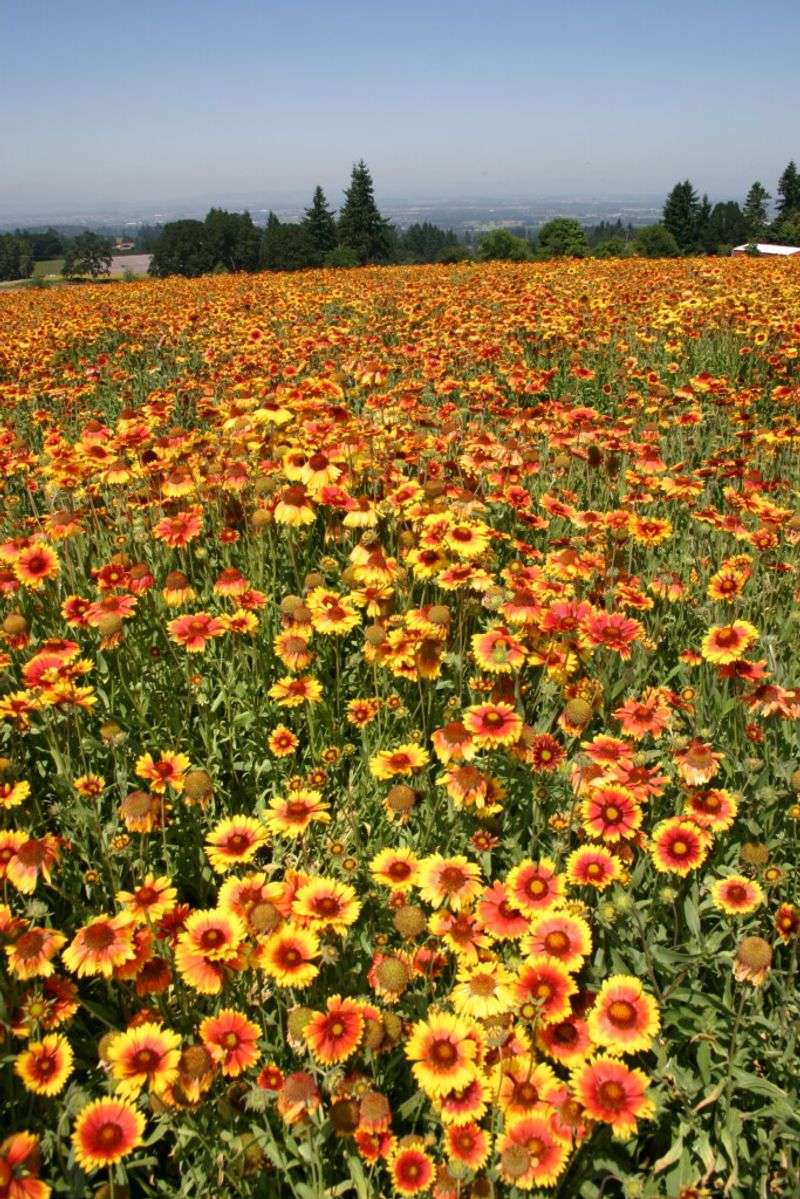
After all the hard work, take time to enjoy the vibrant beauty of your blanket flowers. Their colorful display is not only visually pleasing but also attracts butterflies and bees, enhancing the garden’s vitality. Stroll through your field, observing the diverse wildlife that these flowers support. Share the joy of your flourishing garden with family and friends, or use the blooms in arrangements to bring nature indoors. Relish in the fruits of your labor, and let the radiant blooms inspire your next gardening adventure.