 Complete Gardening
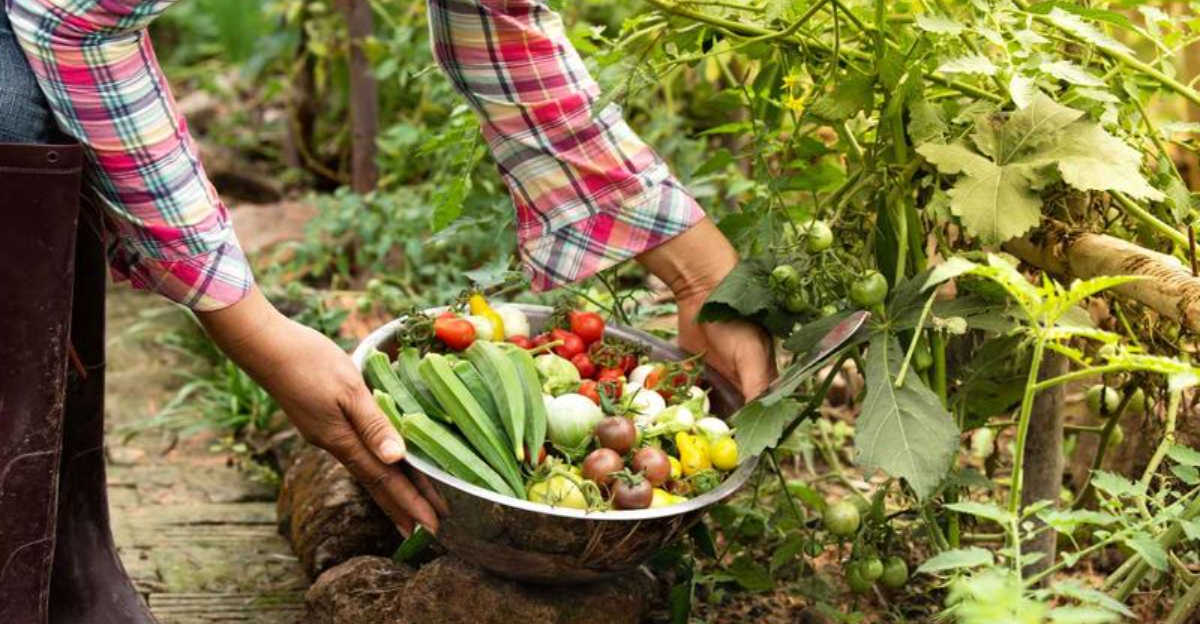
Discover the secret techniques that seasoned gardeners use to double their harvests.
From understanding soil health to strategic planting, these methods ensure a bountiful and sustainable yield.
1. Start with Healthy Soil
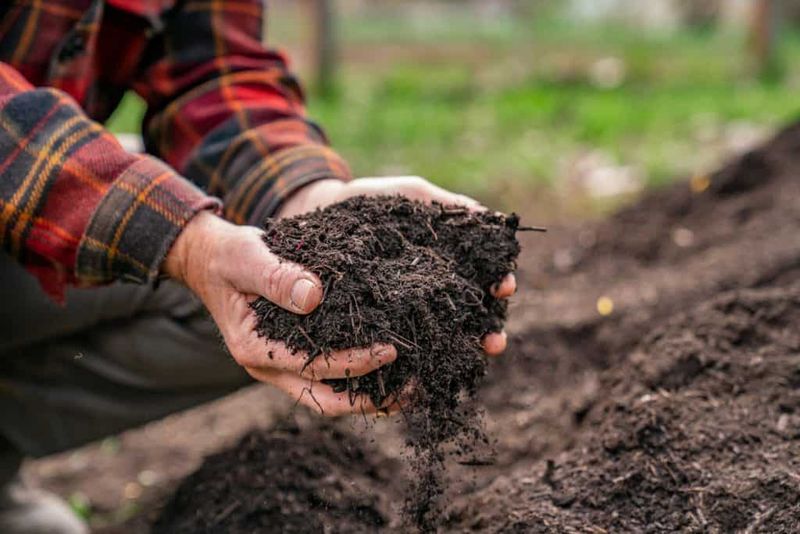
Healthy soil is the foundation of a thriving garden. Enriching the earth with compost, worm castings, or aged manure provides essential nutrients that plants need to flourish. Imagine the feeling of dark, crumbly soil slipping through your fingers, alive with earthworms.
These organic additives create a nurturing environment, fostering strong root systems and vibrant plant growth. Not only do they improve soil structure, but they also enhance water retention, reducing the need for frequent watering.
By focusing on soil health, you’re setting the stage for a lush and productive vegetable garden.
2. Use Raised Beds or Containers
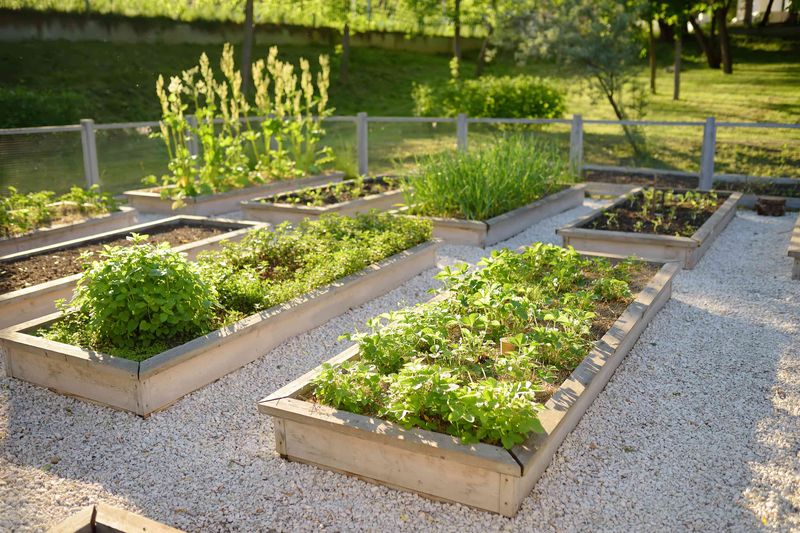
Raised beds and containers offer numerous benefits for vegetable gardening. Elevating the soil improves drainage, ensuring roots don’t become waterlogged. Picture a neat row of raised beds, each brimming with lush greenery.
This setup allows for better control over soil quality and weed management. In urban settings, containers offer flexibility, fitting into small spaces like balconies or patios.
With raised beds, you can extend the growing season by warming the soil earlier in spring. Enjoy the convenience and productivity that these methods bring to your gardening adventure.
3. Companion Planting Works Wonders
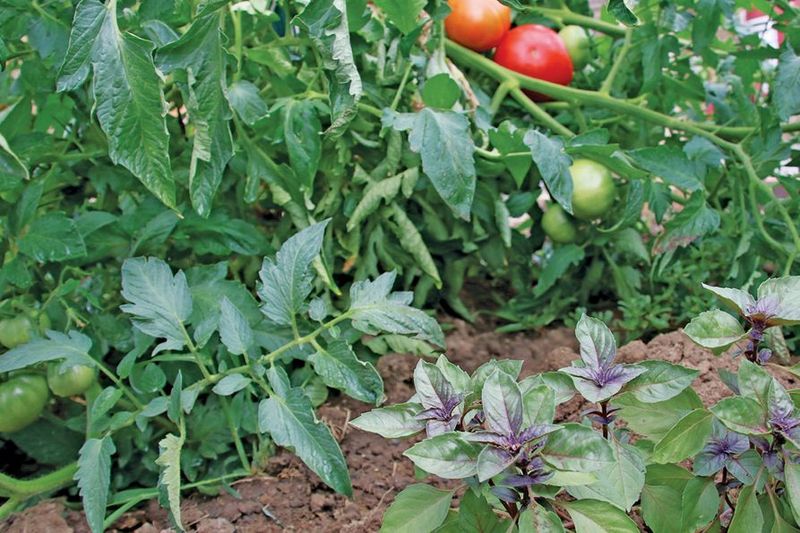
The art of companion planting transforms ordinary garden beds into symbiotic ecosystems. By pairing plants like tomatoes with basil or radishes with cucumbers, you create a dynamic that promotes growth and deters pests.
These clever combinations provide natural pest control, reducing the need for chemical interventions. Picture the delicate fragrance of basil mingling with ripe tomatoes, offering both flavor and protection.
This method also maximizes space and enhances biodiversity, creating a thriving garden filled with varied textures and colors.
4. Practice Crop Rotation
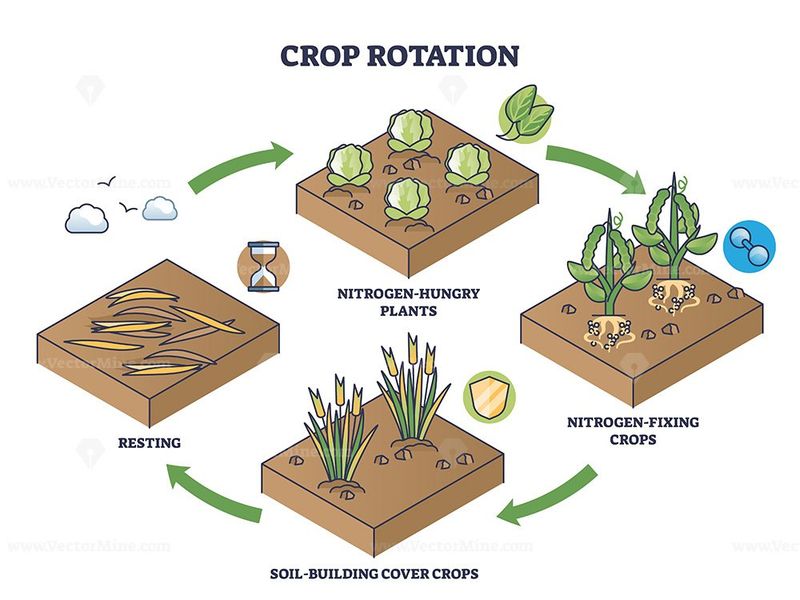
Crop rotation is a time-tested technique that rejuvenates soil and prevents disease. By rotating crops, you break pest cycles and reduce soil depletion, leading to healthier plants.
Visualize a garden divided into sections, each hosting different crops every year. This method encourages nutrient balance, as different plants have varying nutrient needs and contributions.
Rotating crops also helps control weeds and improves soil structure, promoting a diverse and resilient garden ecosystem. This strategic approach ensures long-term garden success and sustainability.
5. Mulch to Retain Moisture and Block Weeds
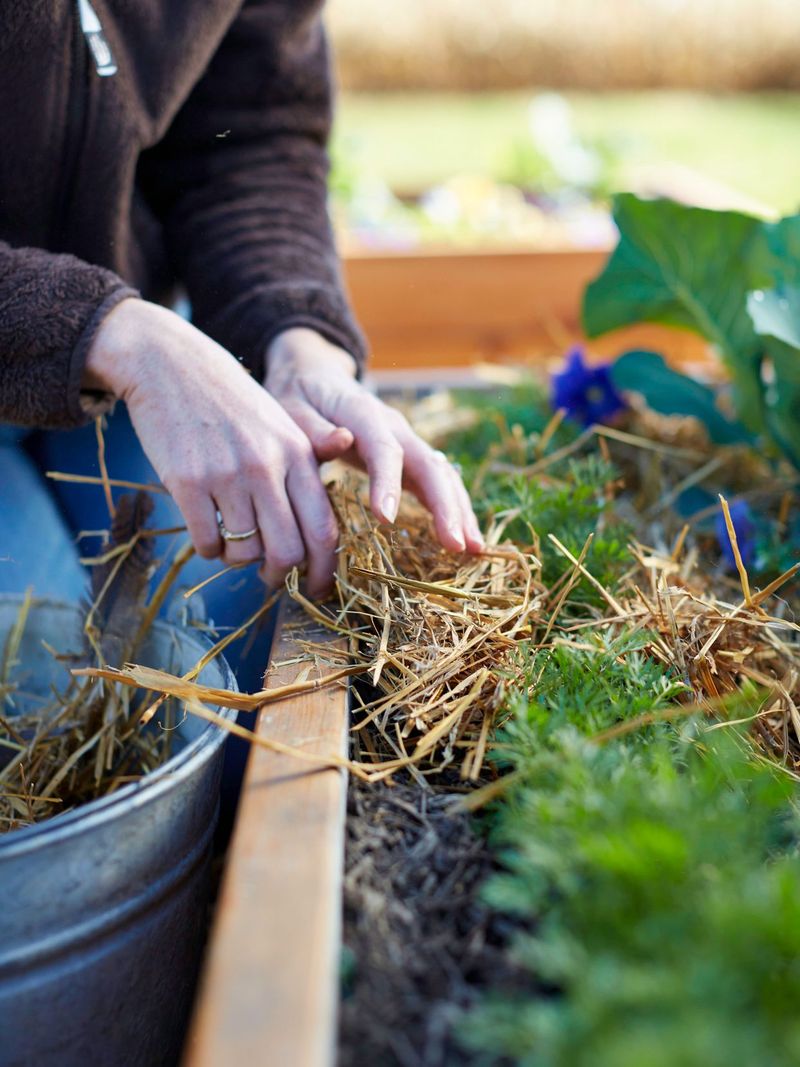
Mulching is a gardener’s best friend when it comes to moisture retention and weed suppression. Picture a layer of straw or wood chips blanketing the soil, locking in moisture and keeping weeds at bay.
This protective layer reduces evaporation, so you water less often, conserving precious resources. It also keeps soil temperatures consistent, creating a stable environment for plant roots.
With mulch, your garden remains neat and tidy, with fewer weeds to pull. Embrace the simplicity and efficiency that mulching brings to your gardening routine.
6. Water Deep, Not Often
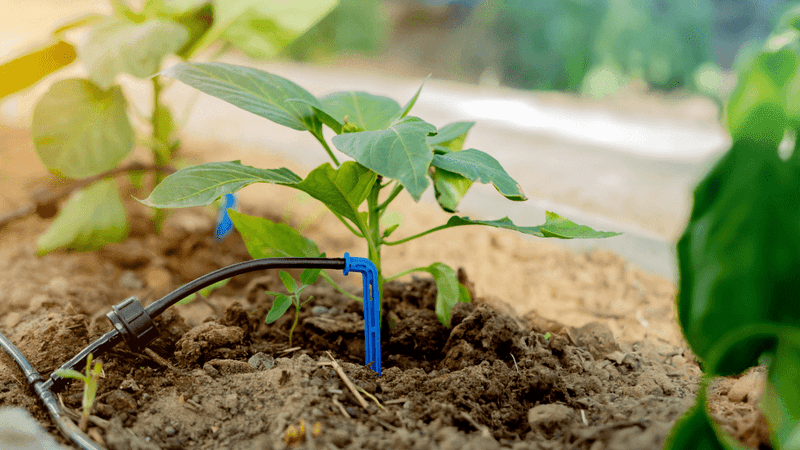
Deep watering is essential for developing strong root systems. Instead of frequent, shallow watering, give plants a good soak. Imagine the satisfaction of water seeping deeply into the soil, nourishing roots below.
Watering early in the morning reduces evaporation and allows plants to absorb moisture before the heat of the day. This technique promotes drought resilience, turning gardens into robust, thriving ecosystems.
Enjoy witnessing plants flourish with sturdy roots, better equipped to withstand dry spells. It’s all about quality over quantity when it comes to watering.
7. Use Trellises and Vertical Supports
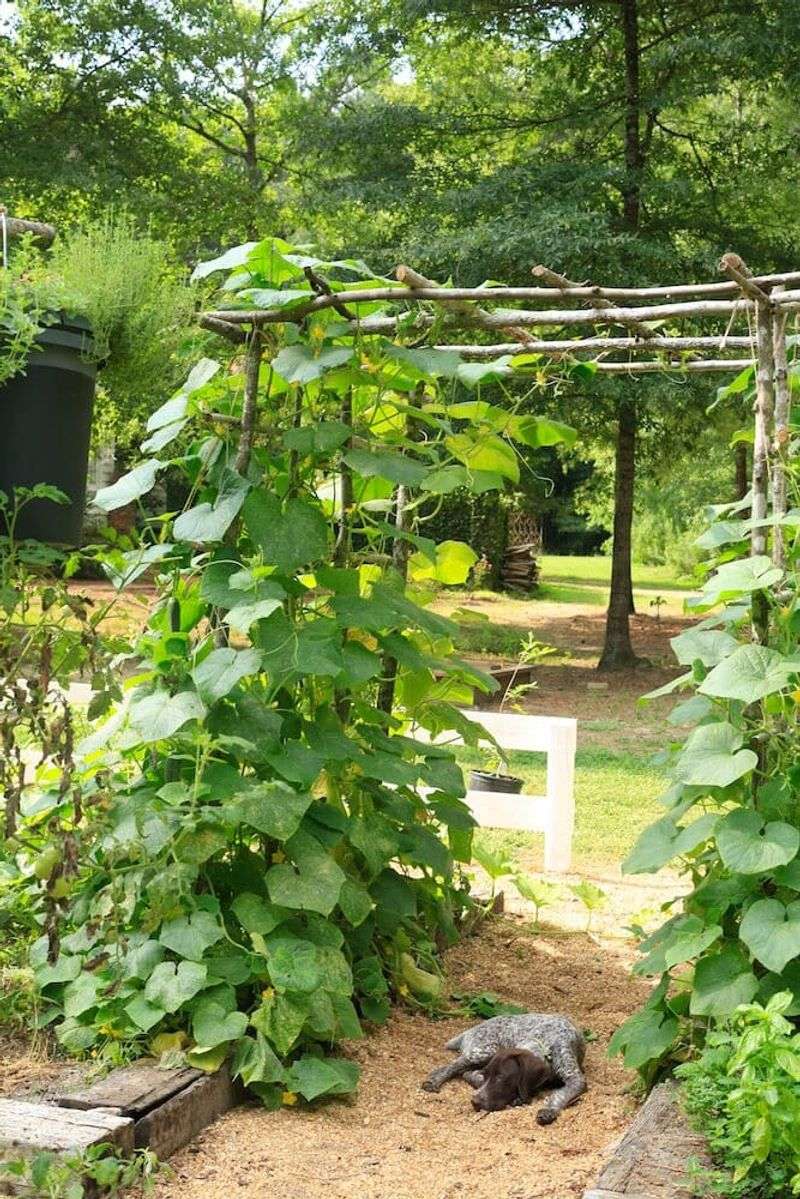
Vertical gardening with trellises and supports is a game-changer for maximizing space and yield. Visualize cucumbers and tomatoes climbing skyward, basking in sunlight and enjoying improved air circulation.
By training plants to grow vertically, you free up ground space for other crops and enhance fruit production. This method also makes harvesting easier and reduces the risk of diseases by increasing airflow.
Trellises add an attractive, structured element to your garden, turning it into a living piece of art. Elevate your gardening game with this vertical approach.
8. Feed Your Plants
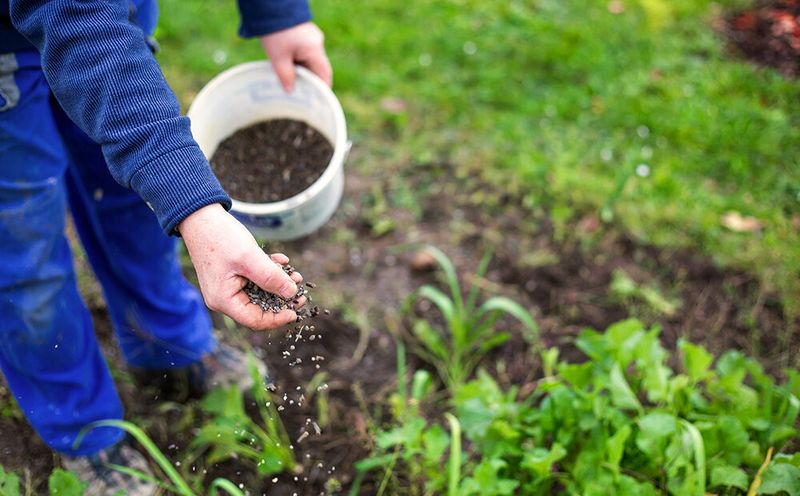
Feeding your plants is like giving them a nutritious meal, fueling their growth and productivity. Consider using organic fertilizers like fish emulsion or compost tea.
Imagine vibrant leaves and robust stems, thanks to a consistent nutrient supply throughout the growing season. These organic options enrich the soil without the harsh chemicals found in synthetic fertilizers.
Regular feeding ensures plants receive essential nutrients, leading to bountiful harvests and vigorous growth. Embrace the natural approach and witness the transformation in your garden.
9. Pinch and Prune Strategically
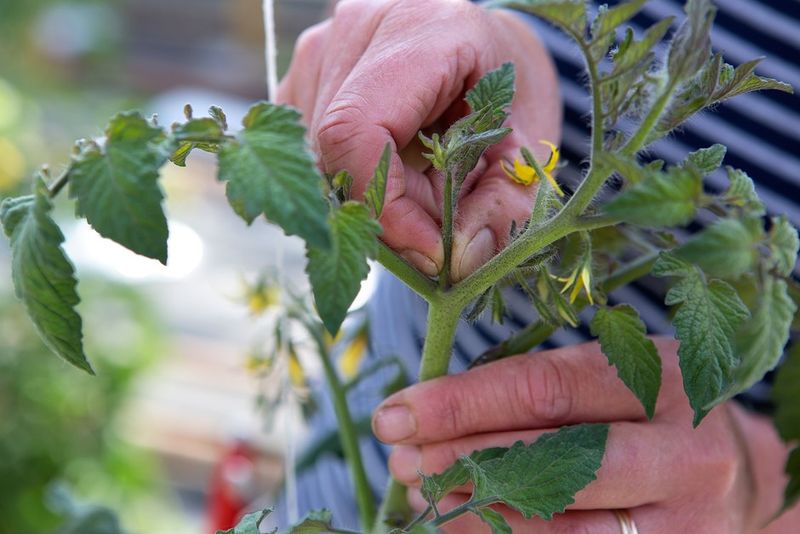
Strategic pinching and pruning can boost plant health and productivity. By removing tomato suckers and dead leaves, you direct energy towards fruit development.
Picture yourself gently plucking away excess growth to unveil a well-managed plant, with improved airflow and sunlight exposure. This careful attention enhances fruit quality and reduces disease risk.
Pruning is a mindful practice that fosters a balanced and vibrant garden, where every plant has room to thrive. Let your plants’ true potential shine with thoughtful trimming.
10. Pollination Power
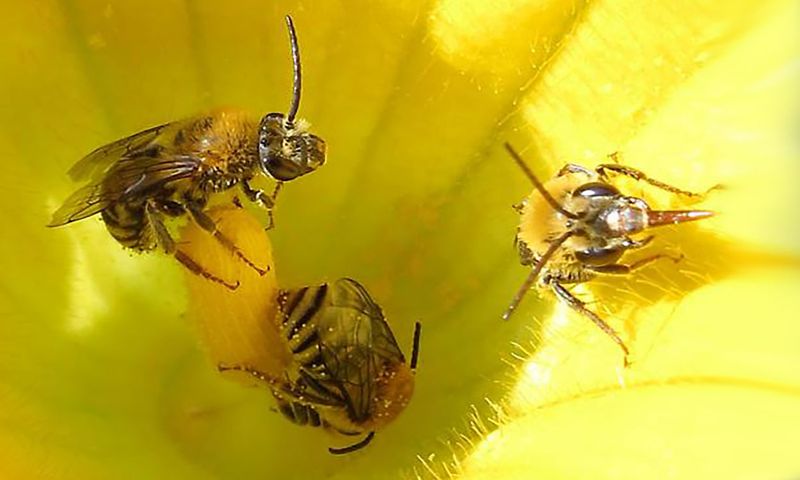
Pollination is the magic that turns flowers into fruits. Attract pollinators like bees with vibrant flowers, or hand-pollinate crops like cucumbers and squash.
Envision busy bees flitting among blossoms, turning potential into produce. This process ensures consistent yields and healthy fruit development.
By fostering a pollinator-friendly garden, you support biodiversity and enjoy the fruits of nature’s labor. Reap the rewards of abundant harvests through effective pollination strategies.
11. Succession Planting
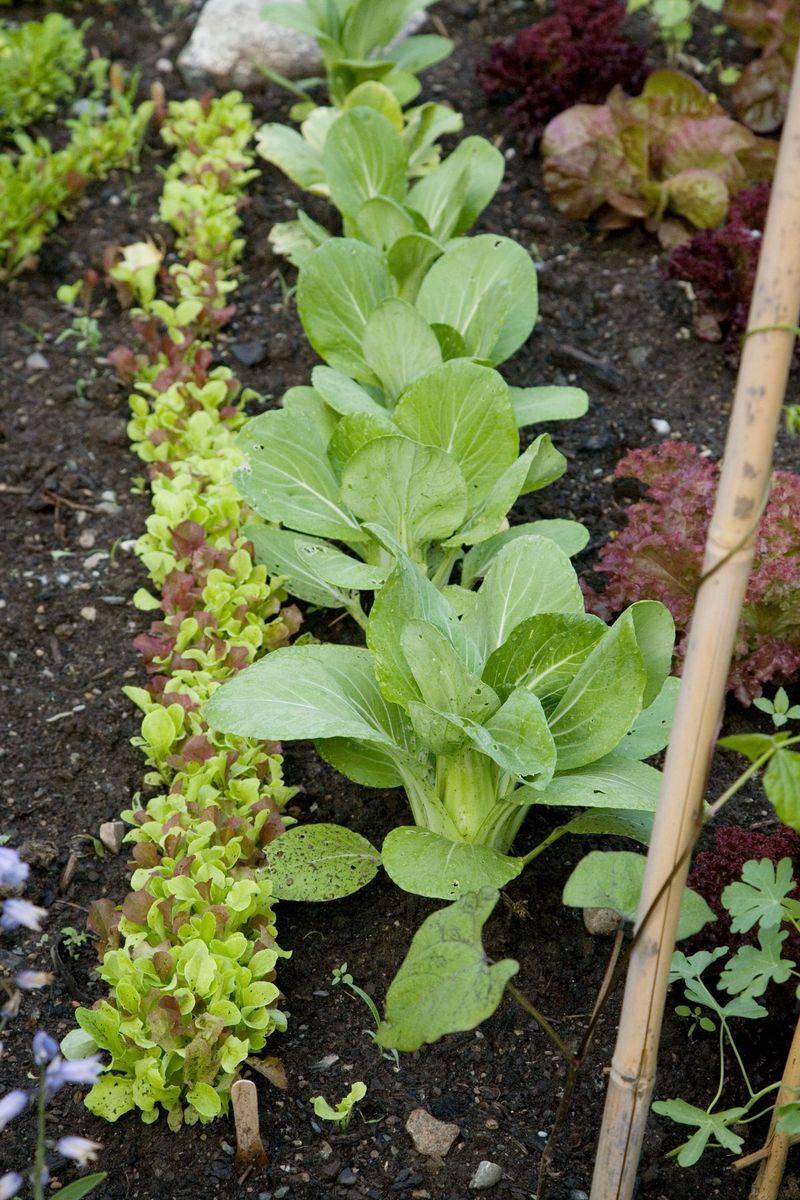
Succession planting is a clever trick to keep your garden productive all season long. By replanting quick-growing veggies like lettuce or radishes every few weeks, you ensure a continuous supply.
Visualize a plot with a mosaic of different growth stages, from seedlings to mature plants ready for harvest. This method maximizes your garden’s output, offering fresh produce without gaps.
Enjoy a steady stream of garden-fresh vegetables through clever timing and planning. Embrace the rhythm of continuous planting and harvesting.
12. Protect From Pests
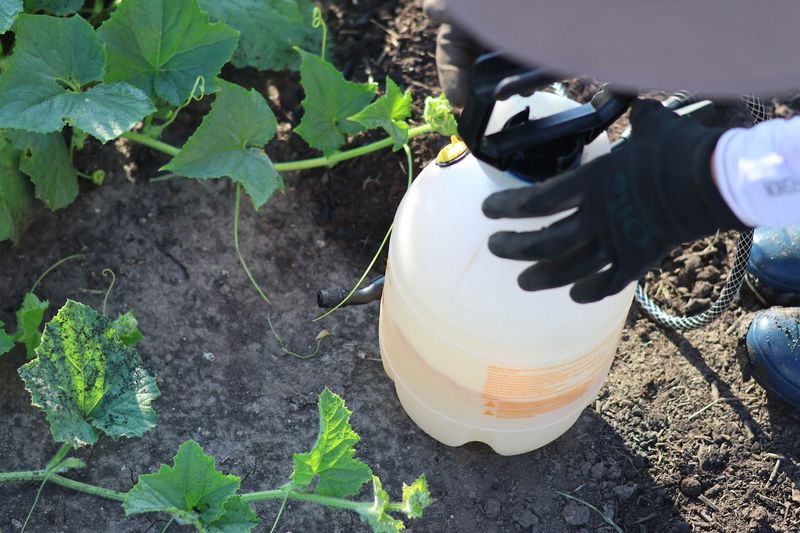
Pest protection is crucial in safeguarding your hard-earned garden bounty. Use row covers, neem oil, or insect netting to keep unwanted visitors at bay.
Imagine a fortress-like garden where plants flourish free from pest damage. These protective measures create barriers, reducing the need for chemical pesticides.
By prioritizing pest management, you maintain a healthy, thriving garden where vegetables reach their full potential. Enjoy the peace of mind that comes with a pest-free paradise.
13. Harvest Often
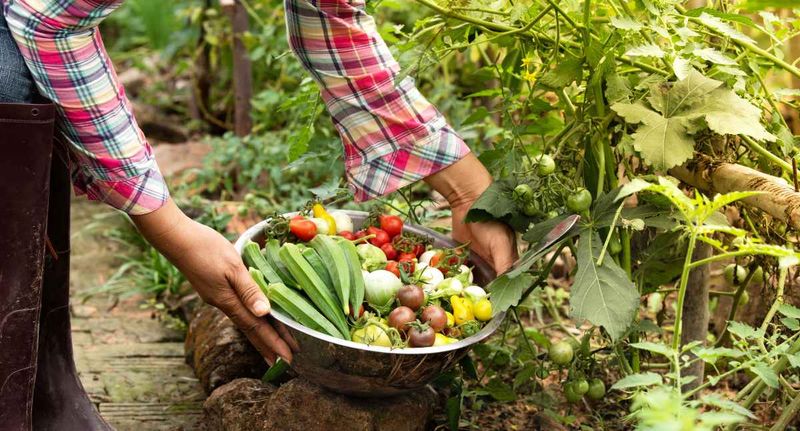
Regular harvesting is key to encouraging continuous production. Picking ripe vegetables often signals plants to keep producing, boosting overall yield.
Picture a garden teeming with abundance, where every visit yields a basket of fresh produce. This practice not only maximizes output but also prevents overripening and waste.
Embrace the joy of frequent harvests and the satisfaction of a flourishing garden that keeps on giving. Keep your garden lively and productive by staying engaged and attentive.
14. Plant High-Yield Varieties
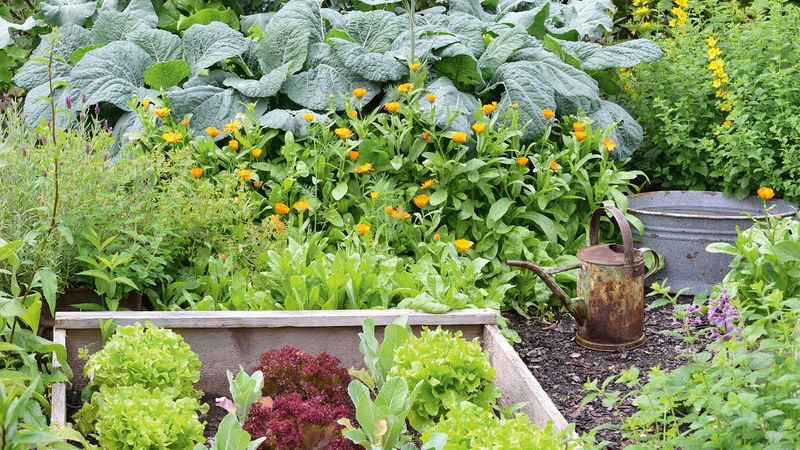
Choosing high-yield varieties is a strategic move to maximize your garden’s output. Select proven producers like ‘Roma’ tomatoes or ‘Marketmore’ cucumbers.
Envision a garden abundant with vigorous plants, each laden with fruits ready for picking. These varieties are bred for productivity, ensuring you get the most from your space.
By planting high-yield veggies, you enjoy a bountiful harvest with less effort. Elevate your gardening success with these powerhouse plants.
15. Practice Square Foot Gardening
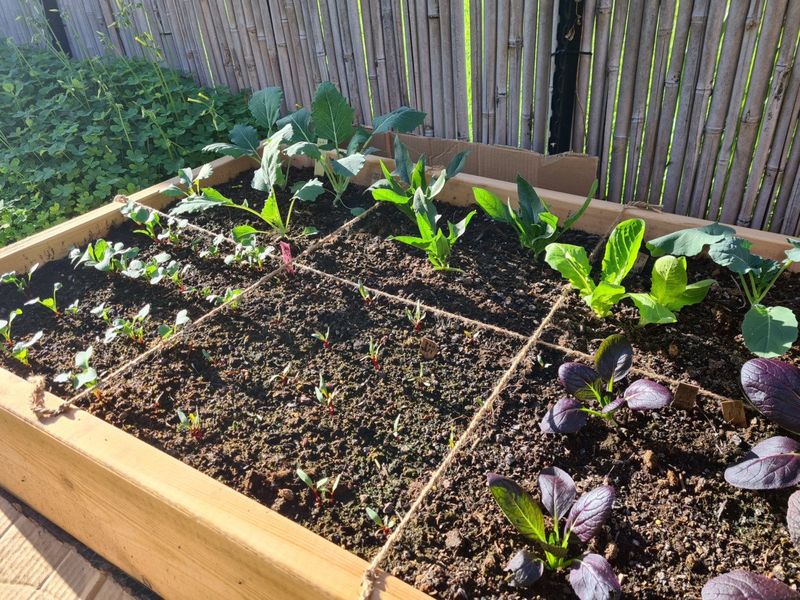
Square foot gardening is an efficient method that maximizes every inch of space. By dividing a garden into square foot sections, you can grow a variety of veggies closely together.
Imagine a tidy grid filled with a vibrant patchwork of colors and textures. This technique enhances plant density, minimizes weeds, and simplifies maintenance.
With square foot gardening, you achieve high productivity in small spaces, making it ideal for urban settings. Experience the joy of a well-organized and bountiful garden.