 Complete Gardening
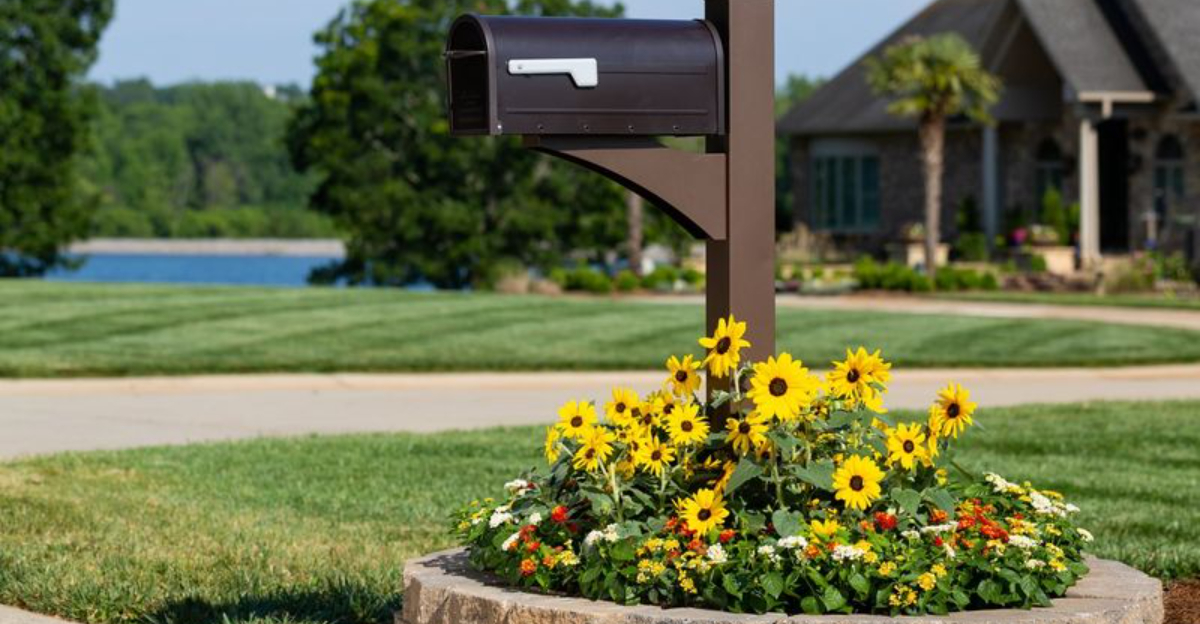
Enhancing your mailbox area with vibrant and easy-to-grow flowers can bring charm and curb appeal to your home. Here, we present 15 delightful flower options that thrive with minimal care, tailored to various sunlight conditions and growing needs.
1. Marigolds
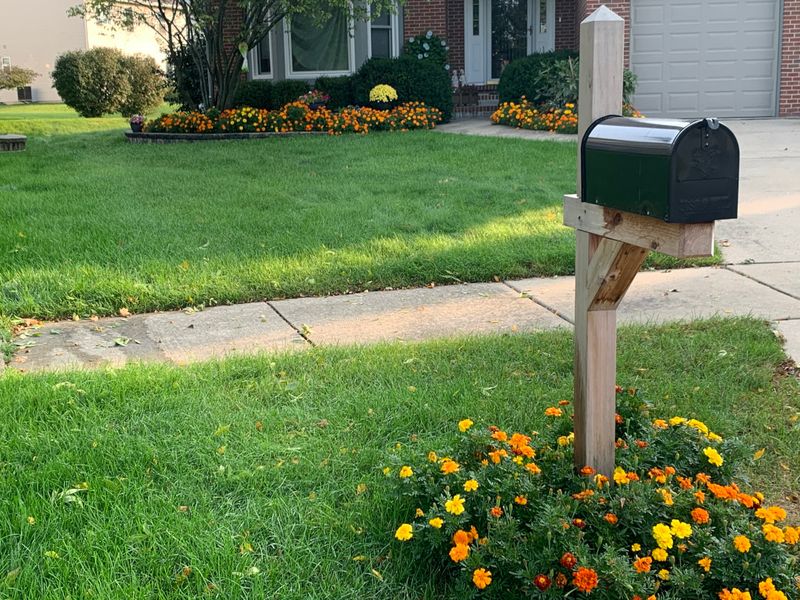
Marigolds, with their brilliant yellow, orange, or red blooms, are a gardener’s delight. Their vibrant colors add a sunny charm to any space, especially around a mailbox. Marigolds are not only visually appealing but also functional. They are known for their pest-resistant qualities, making them a natural deterrent to garden pests.
These flowers are drought-tolerant, thriving in full sun, which means they don’t demand constant watering. Additionally, marigolds are easy to grow, making them perfect for beginners. Their ability to withstand harsh conditions while maintaining their beauty is unmatched.
2. Zinnias
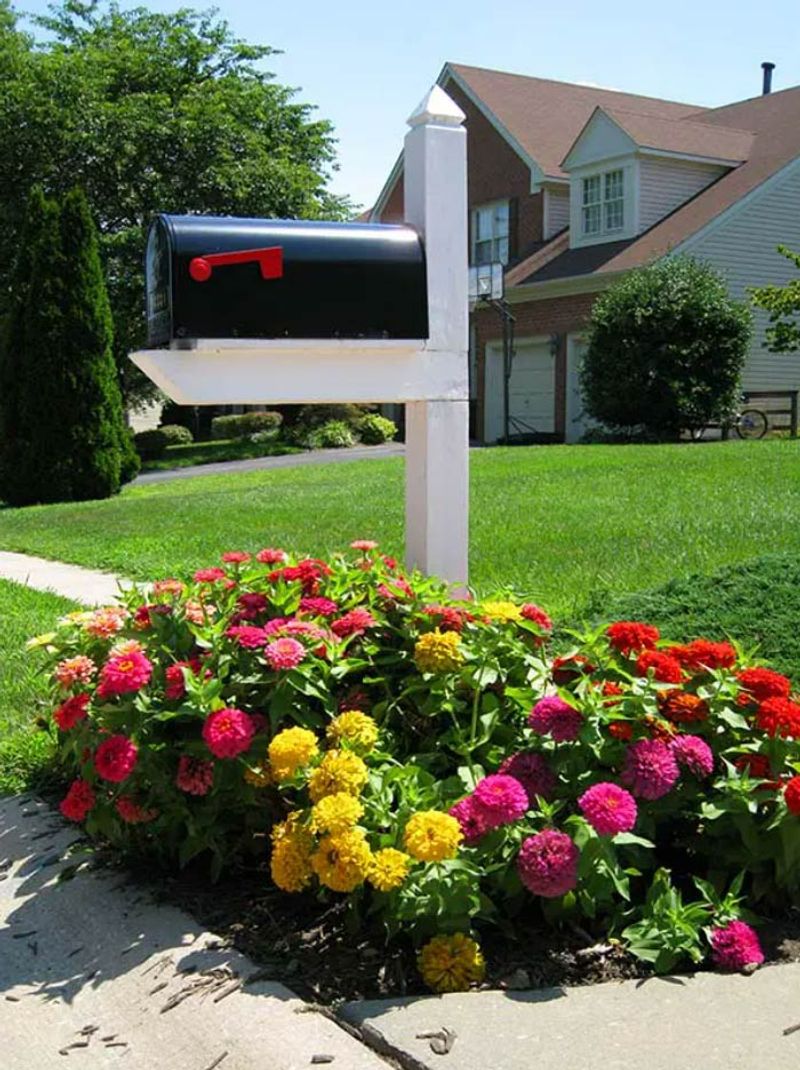
Zinnias stand out with their cheerful and long-lasting flowers that come in a spectrum of vibrant colors. They are a favorite among pollinators, often attracting butterflies and bees, making them not just a visual treat but also a boon for the ecosystem.
Planting zinnias near a mailbox can turn a mundane spot into a lively display. These flowers thrive in full sun and require minimal care, making them ideal for busy gardeners. With their resilience and beauty, zinnias are a wonderful addition to any garden setting.
3. Black-Eyed Susans
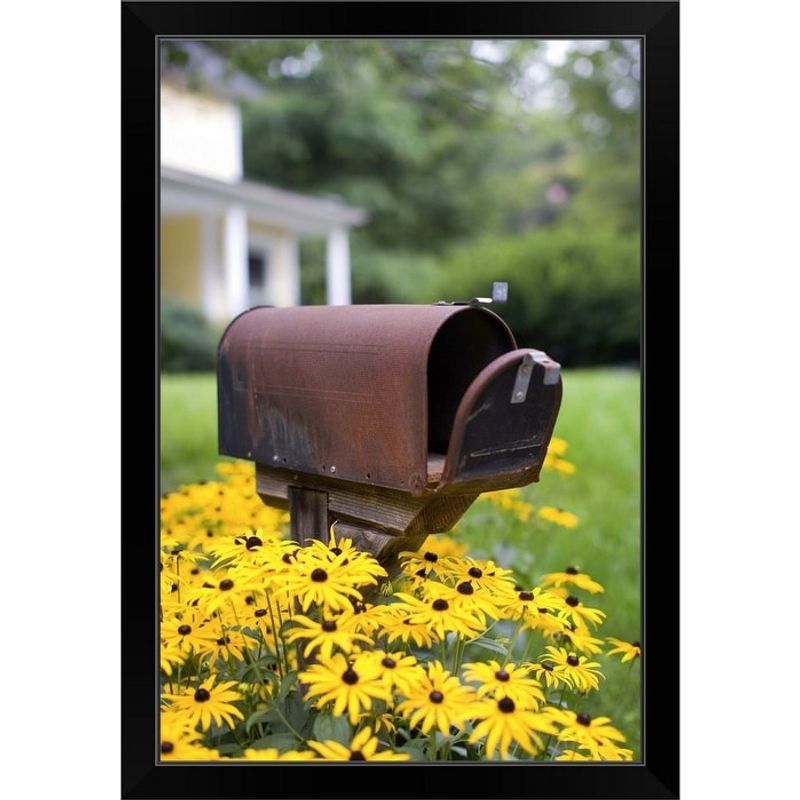
Black-Eyed Susans bring a touch of sunshine with their golden-yellow, daisy-like flowers. These hardy plants are known for their drought-resistant nature, thriving even in less-than-ideal conditions.
They make for a perfect choice to plant near your mailbox, adding a pop of color and a touch of wild beauty. Their ability to attract birds and butterflies is an added bonus. Black-Eyed Susans are low-maintenance, requiring little more than well-drained soil and sunlight to flourish.
4. Coreopsis (Tickseed)
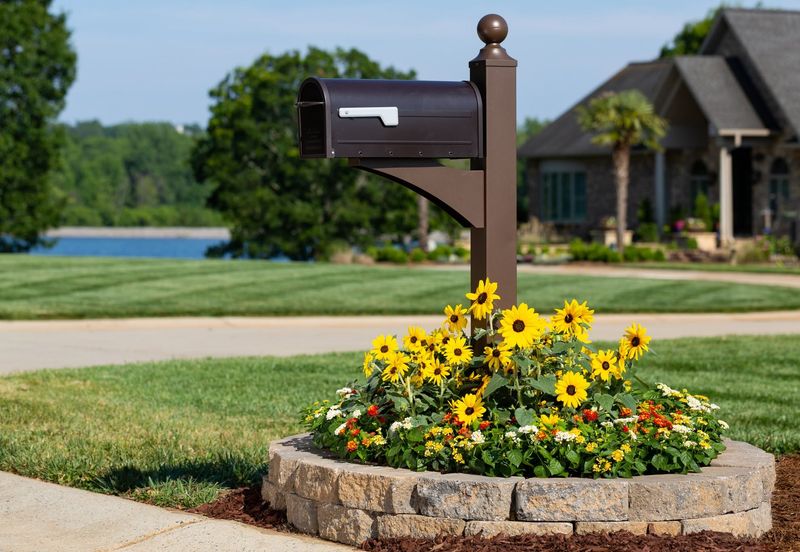
Coreopsis, also known as Tickseed, is a cheerful addition to any garden with its sunny yellow or soft pink blooms. These perennials are incredibly low-maintenance, making them an excellent choice for busy homeowners.
They thrive in full sun and are drought-tolerant, which means they can withstand dry spells without losing their vibrancy. Planting coreopsis by your mailbox will ensure a bright and welcoming entrance to your home. Their long blooming period keeps your garden looking lively for months.
5. Salvia
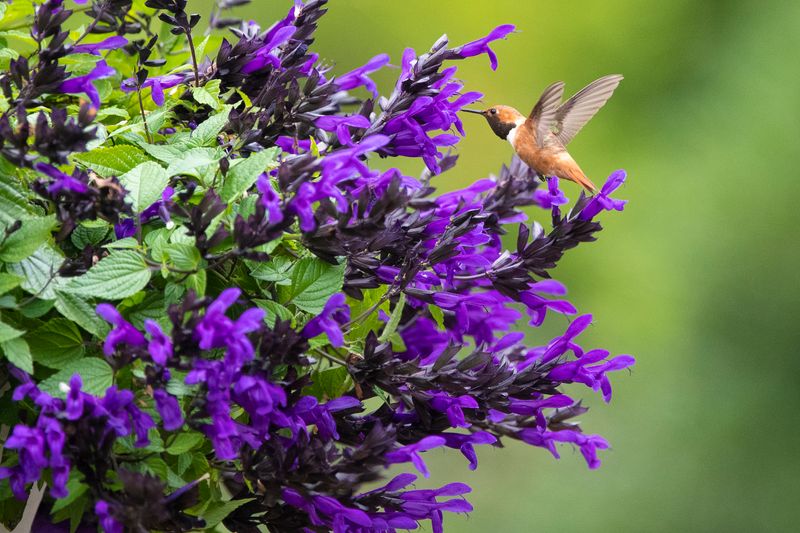
Salvia plants are known for their striking spikes of blue, purple, or red flowers, which can bring a dramatic flair to any garden. They are particularly attractive to hummingbirds, adding a dynamic element to your outdoor space.
These flowers thrive in full to partial sun and are relatively easy to maintain. By planting salvia near your mailbox, you not only enhance the aesthetic appeal but also create a lively spot for bird watching. Their ability to adapt makes them a versatile choice for various garden settings.
6. Hostas
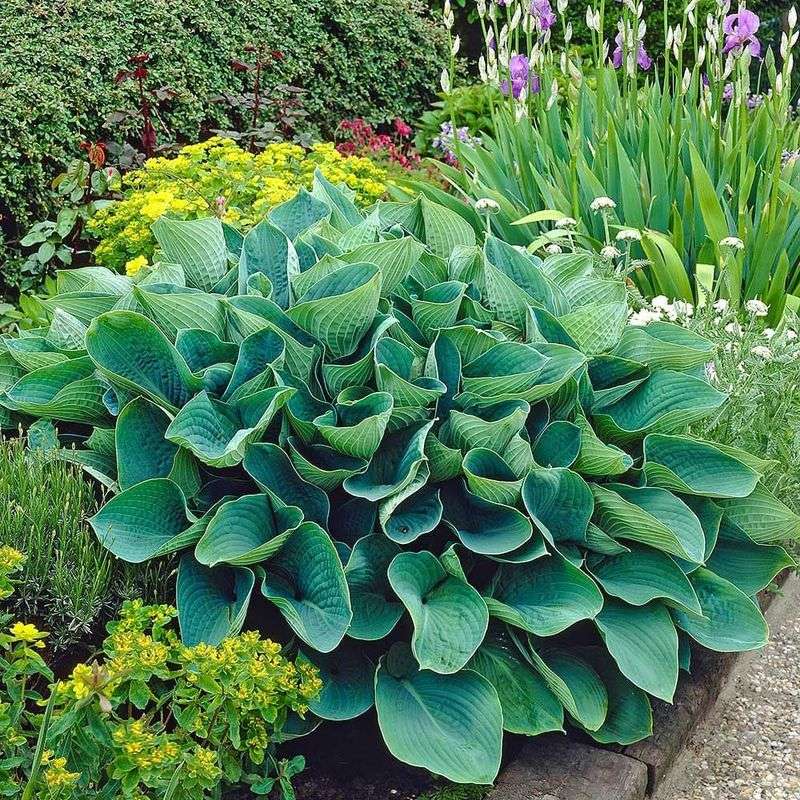
Hostas are beloved for their lush foliage and delicate white or lavender blooms. These shade-loving plants are perfect for areas that receive limited sunlight, such as under tree canopies or near shaded mailboxes.
Their large, attractive leaves add a rich texture to garden beds. Hostas are easy to grow and require minimal care, making them a popular choice for low-maintenance gardening. Their ability to thrive in shade makes them perfect companions for shaded mailboxes, providing a cool, refreshing look to your garden.
7. Impatiens
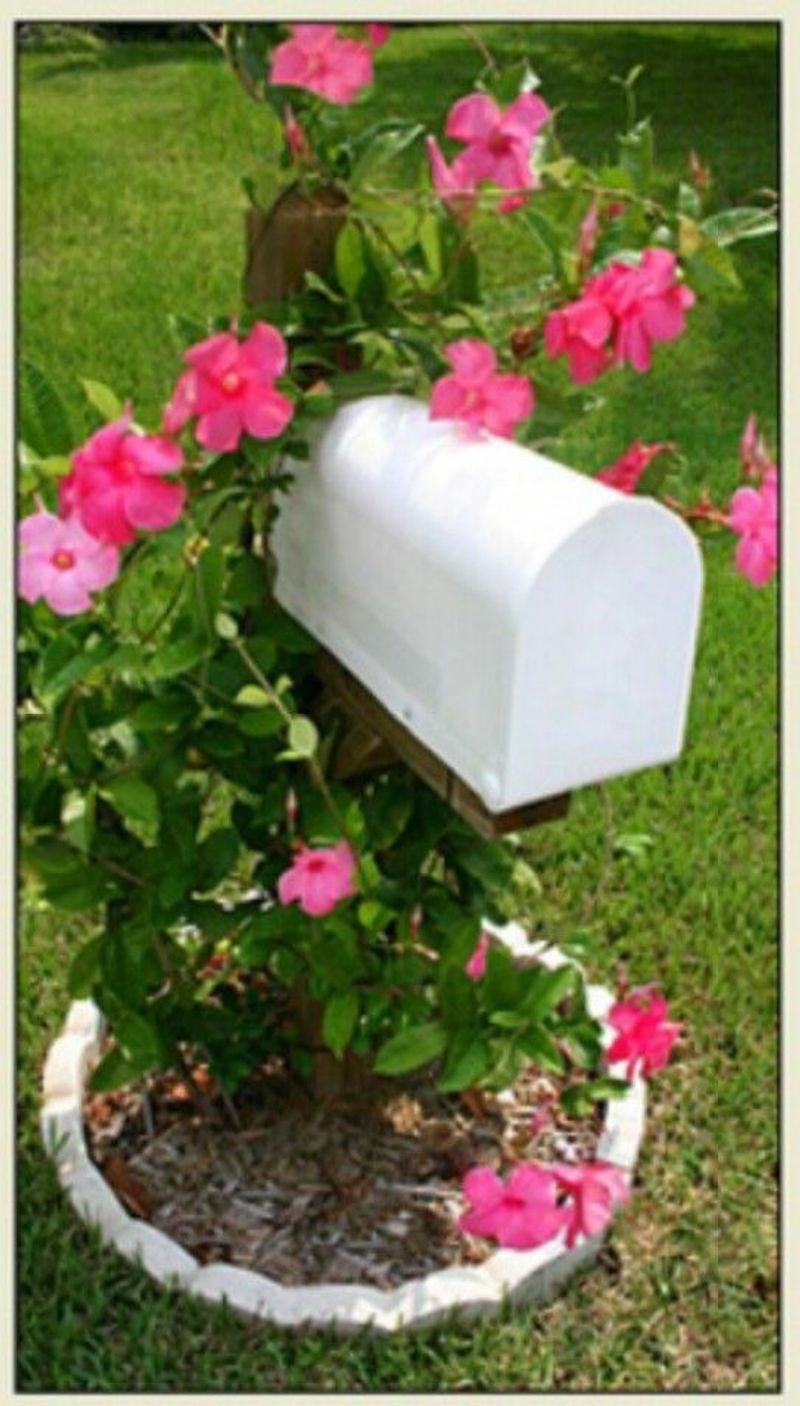
Impatiens are the go-to choice for brightening up shady areas with their vibrant blooms in shades of pink, red, and white. These annual flowers add a splash of color to any part of the garden, particularly around shaded mailboxes.
They thrive in partial to full shade, requiring little more than regular watering to keep them looking fresh. Their delicate petals and lush appearance make them a favored choice for creating a lively, welcoming garden atmosphere. Impatiens are easy to grow, making them ideal for beginner gardeners.
8. Bleeding Heart
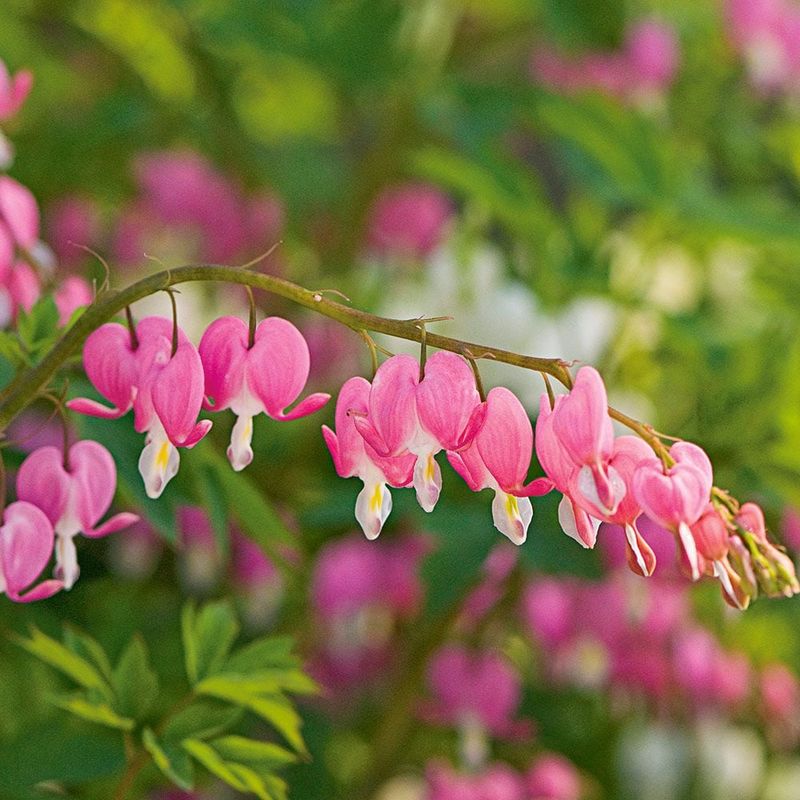
Bleeding Heart plants are renowned for their unique heart-shaped flowers that dangle elegantly from arching stems. These pink or white blooms love the shade, making them ideal for planting near shaded mailboxes.
Their charming appearance adds a whimsical touch to any garden setting. Bleeding Hearts are relatively easy to maintain, requiring moist soil to thrive. Their enchanting beauty and graceful form make them a delightful addition to your garden, drawing the eyes of all who pass by.
9. Astilbe
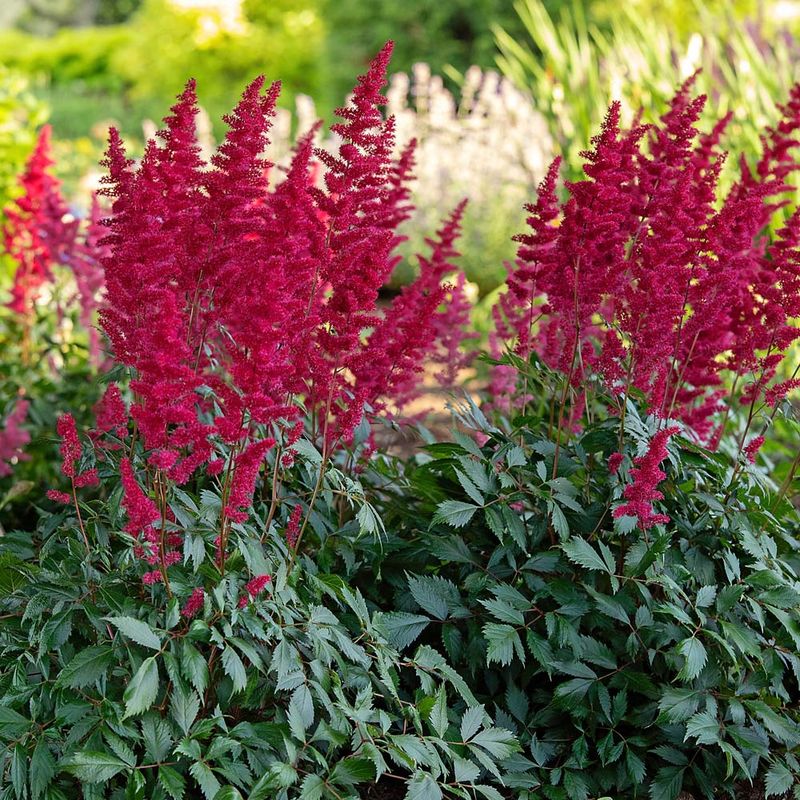
Astilbe is celebrated for its feathery plumes that come in shades of pink, white, or red. These flowers thrive in damp, shady areas, making them perfect for planting near shaded mailboxes or in garden corners that don’t get much sun.
Their fluffy, textured blooms create an ethereal look, adding depth and interest to your garden. Astilbes are relatively low-maintenance, requiring only regular watering to keep them looking their best. Their graceful appearance can transform a simple garden space into a lush, inviting retreat.
10. Lavender
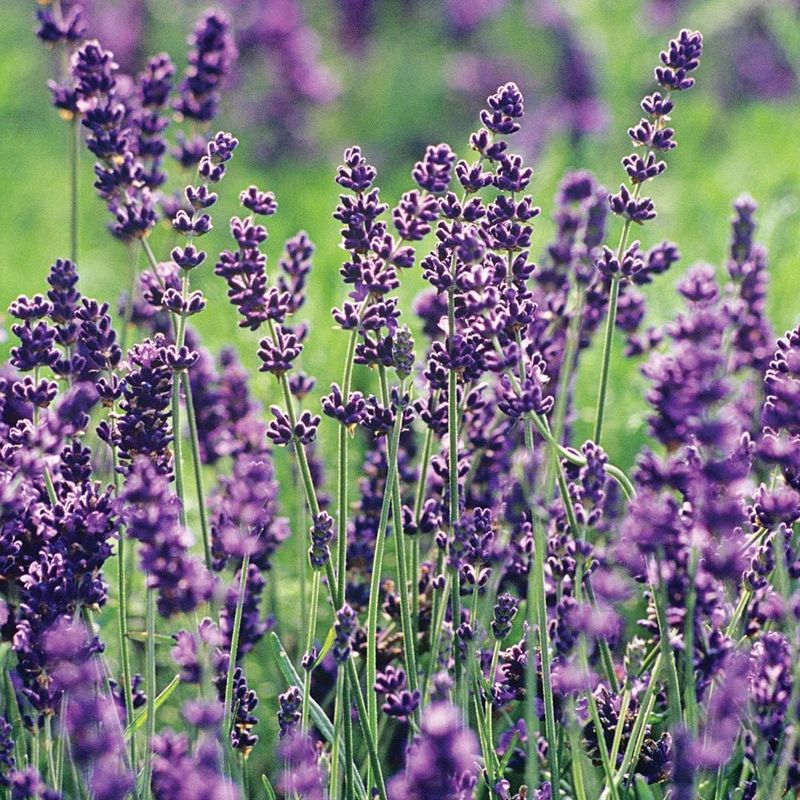
Lavender is cherished for its fragrant purple spikes that add both beauty and a soothing scent to any garden. These flowers thrive in sunny, dry spots, making them ideal for planting near mailboxes that receive full sun.
Lavender’s hardy nature allows it to withstand drought conditions, requiring minimal watering. Its aromatic presence not only enhances the garden’s appeal but also deters pests. Lavender is perfect for creating a calming, aromatic garden space, inviting you to pause and enjoy its tranquil beauty as you collect your mail.
11. Sedum (Stonecrop)
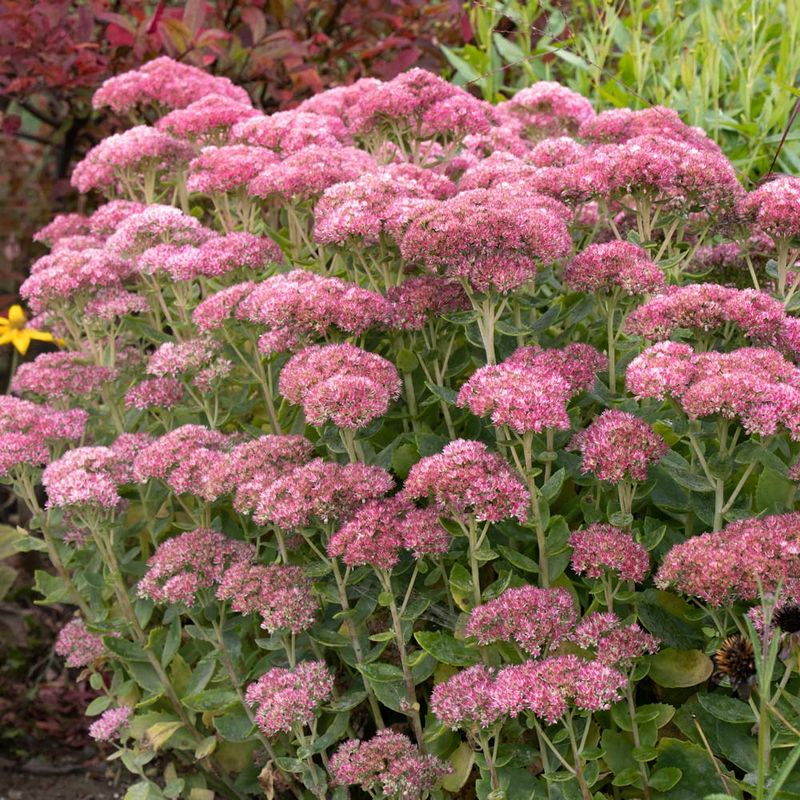
Sedum, commonly known as Stonecrop, is admired for its succulent-like foliage and clusters of pink or yellow flowers. These sun-loving plants are exceptionally hardy and drought-tolerant, making them an excellent choice for sunny mailbox areas.
Their thick, fleshy leaves store water, allowing them to thrive in dry conditions with minimal care. Sedum adds a modern, architectural element to the garden, with its unique texture and form. Perfect for those seeking a low-maintenance yet visually striking plant to enhance their mailbox surroundings.
12. Yarrow
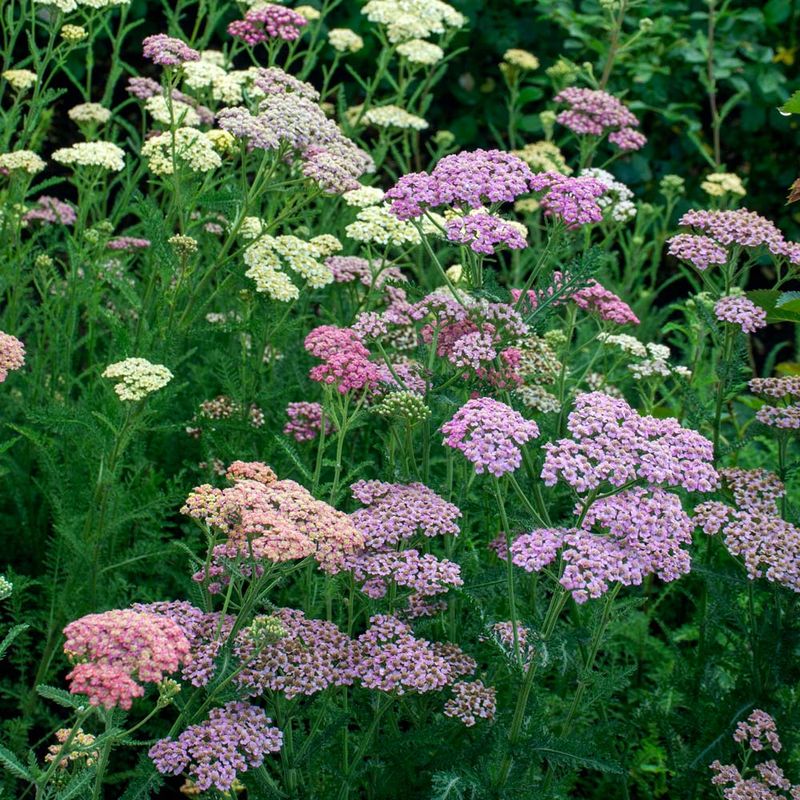
Yarrow is a tough, resilient plant known for its flat-topped clusters of flowers that come in yellow, pink, or white. These hardy perennials thrive in sunny conditions and are remarkably drought-tolerant.
Planting Yarrow near your mailbox will add a touch of rustic charm to your garden. They are easy to grow and require minimal maintenance, making them perfect for those seeking a carefree addition to their outdoor space. Yarrow’s ability to attract beneficial insects is a bonus, promoting a healthy garden ecosystem.
13. Daylilies
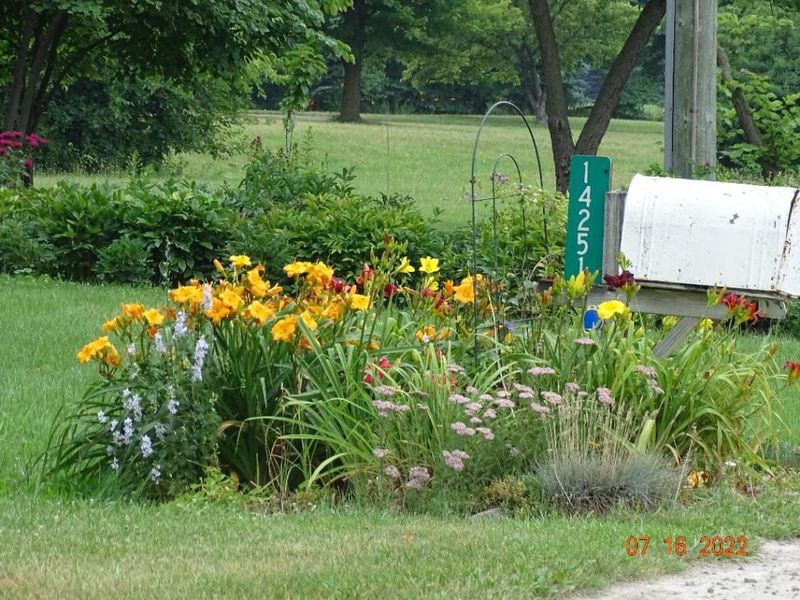
Daylilies are known for their bright, trumpet-shaped blooms that come in a wide array of colors. These tough perennials are incredibly resilient, thriving in a variety of conditions, including full sun to partial shade.
They make excellent companions to mailboxes, providing a vibrant and enduring display throughout the growing season. Daylilies require minimal care, making them ideal for gardeners seeking beauty without the hassle. Their long-lasting blooms and ease of growth make them a staple in many gardens, offering continuous color with every new day.
14. Daffodils
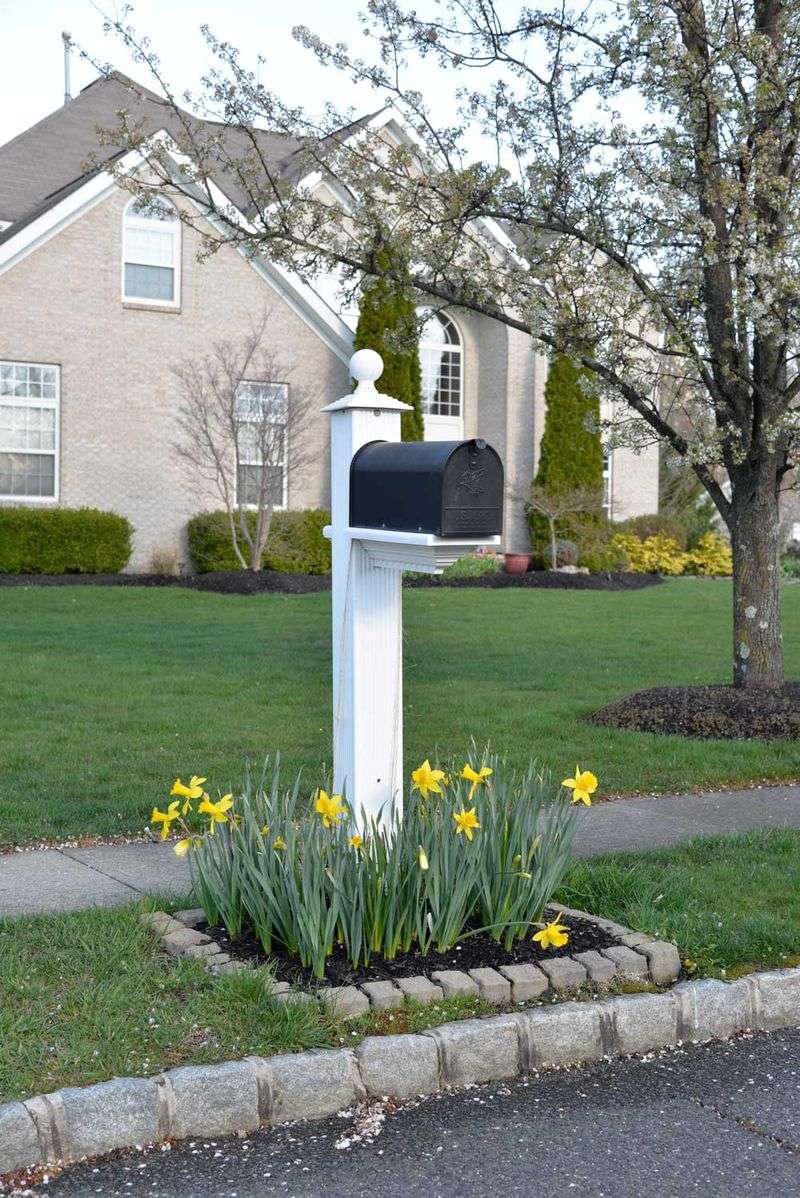
Daffodils herald the arrival of spring with their bright yellow petals and orange centers. These early spring bulbs are not only beautiful but also deer-resistant, making them a reliable choice for gardens where wildlife is a concern.
Planting daffodils near your mailbox creates a cheerful welcome as winter turns to spring. They are easy to grow and require little maintenance, thriving in well-drained soil. Daffodils bring a touch of classic elegance to any garden, with their sunny disposition brightening even the gloomiest days.
15. Cosmos
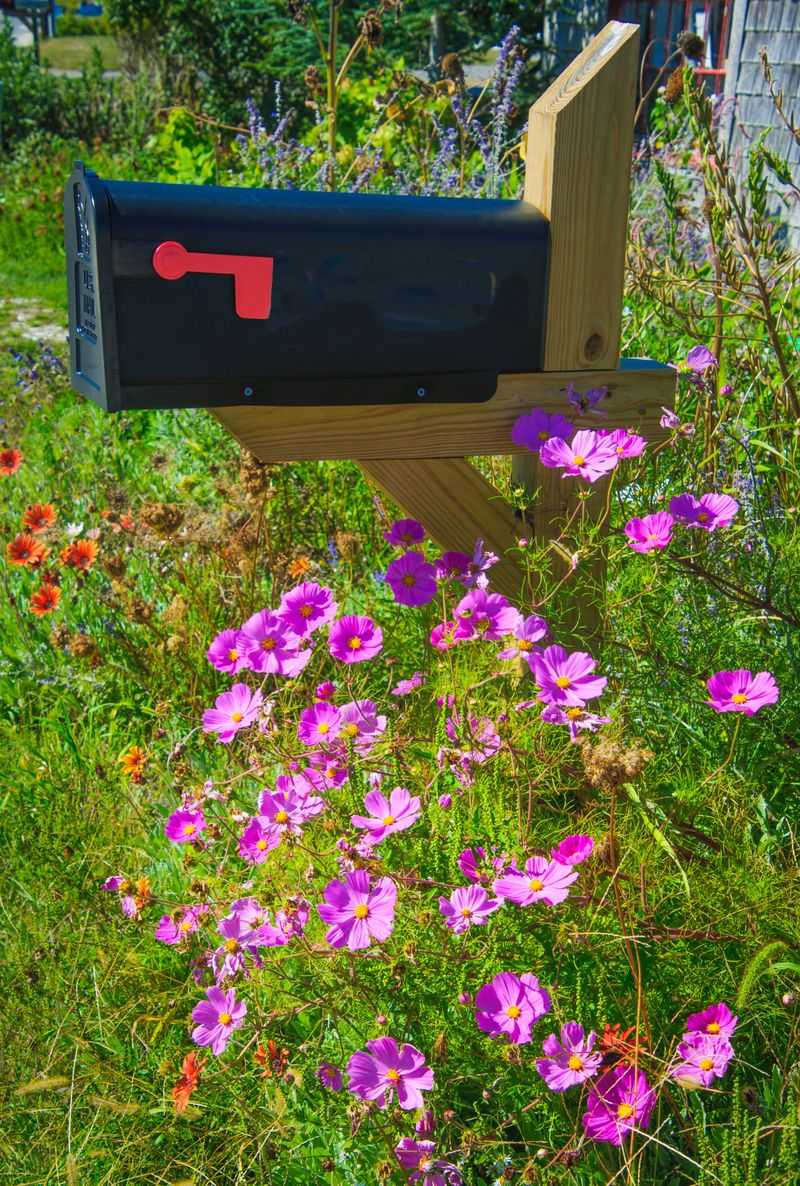
Cosmos flowers are a delightful addition to any garden with their airy, daisy-like blooms in shades of pink, white, and purple. These self-seeding annuals are easy to grow and require minimal care, thriving in full sun.
Their delicate appearance belies a robust nature that can withstand dry conditions. Planting cosmos around your mailbox will ensure a continuous splash of color throughout the growing season. Their ability to attract butterflies and other pollinators makes them a valuable addition to a garden striving for ecological harmony.