 Complete Gardening
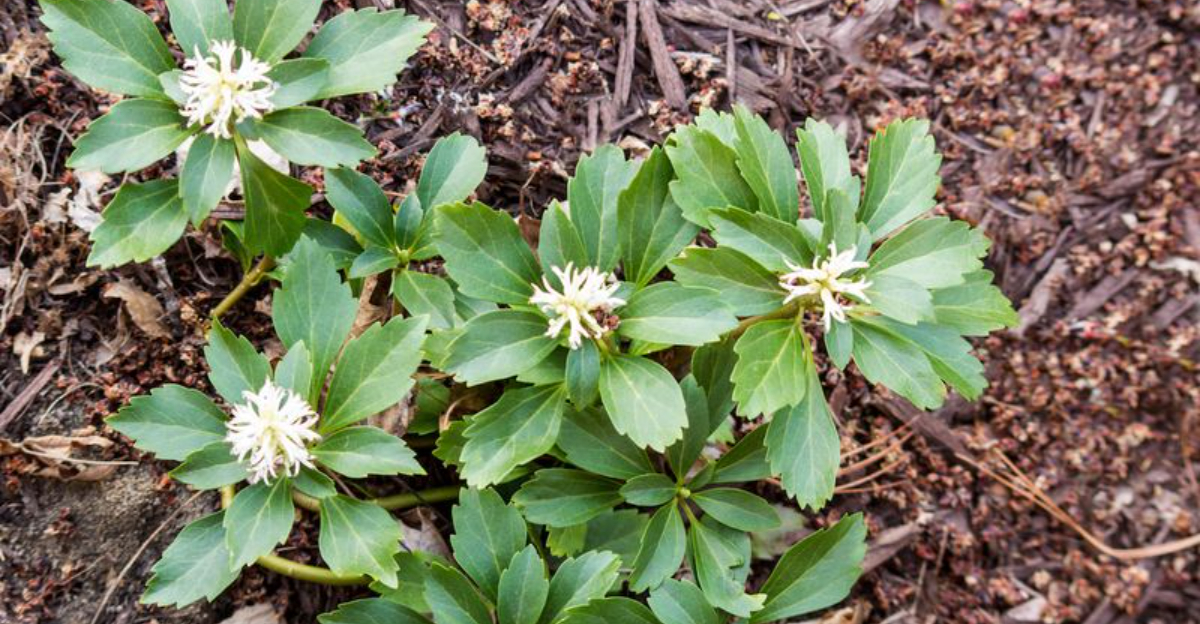
Georgia’s clay soil can be quite a challenge for gardeners, but nature offers a variety of ground covers that not only thrive in these conditions but also provide superior benefits over traditional mulch. These plants not only resist erosion but also enrich the soil and bring vibrant life to your garden.
Creeping Jenny
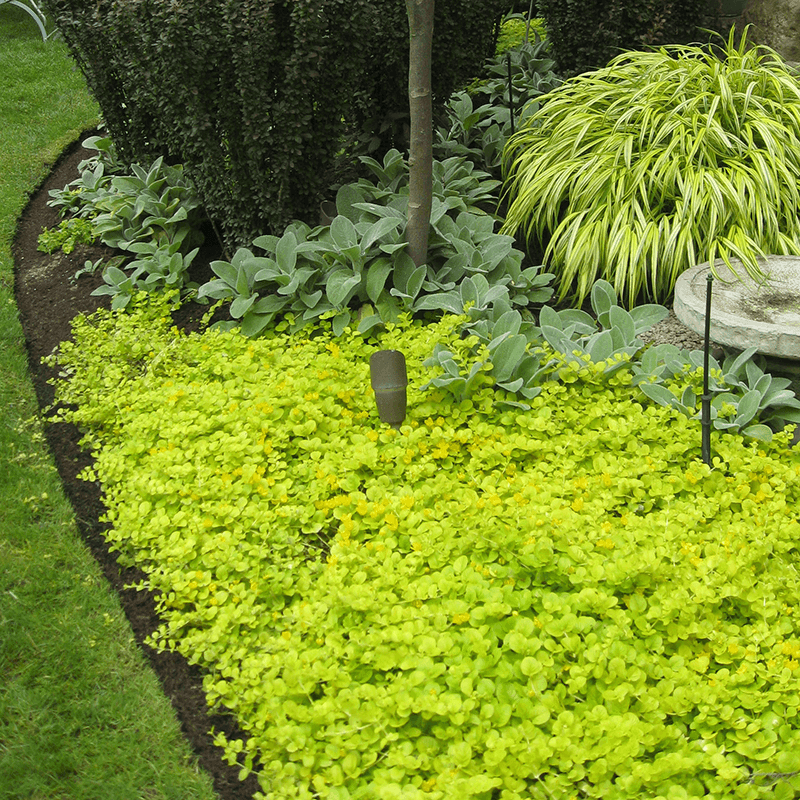
Creeping Jenny, known for its bright chartreuse leaves, adds a splash of color to any garden. Its low-growing nature makes it an excellent ground cover, especially in Georgia’s dense clay soil.
This plant is not only visually appealing but also incredibly hardy, thriving well even in wet conditions. Its vibrant foliage creates a stunning contrast against darker greens and can light up shady corners of your garden.
An interesting fact about Creeping Jenny is its ability to survive both drought and flood, making it versatile for various weather conditions.
Sweet Woodruff
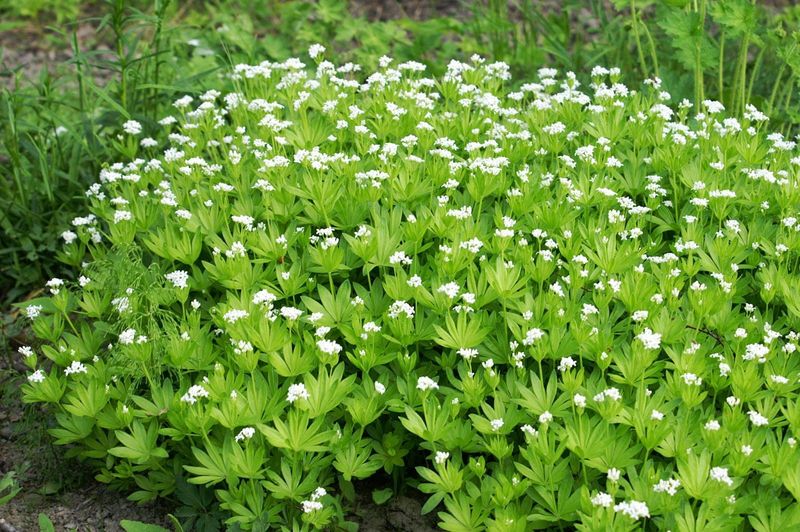
Sweet Woodruff, with its delicate white flowers and whorled leaves, is a fragrant addition to any shaded area. It forms a dense mat that can suppress weeds effectively.
In Georgia, it thrives under the canopy of trees, providing a lush ground cover that remains attractive throughout the year. Its sweet scent is reminiscent of freshly cut hay, adding an aromatic dimension to your garden.
This plant has historical uses in making May wine, showcasing its versatility beyond just ornamental value.
Liriope
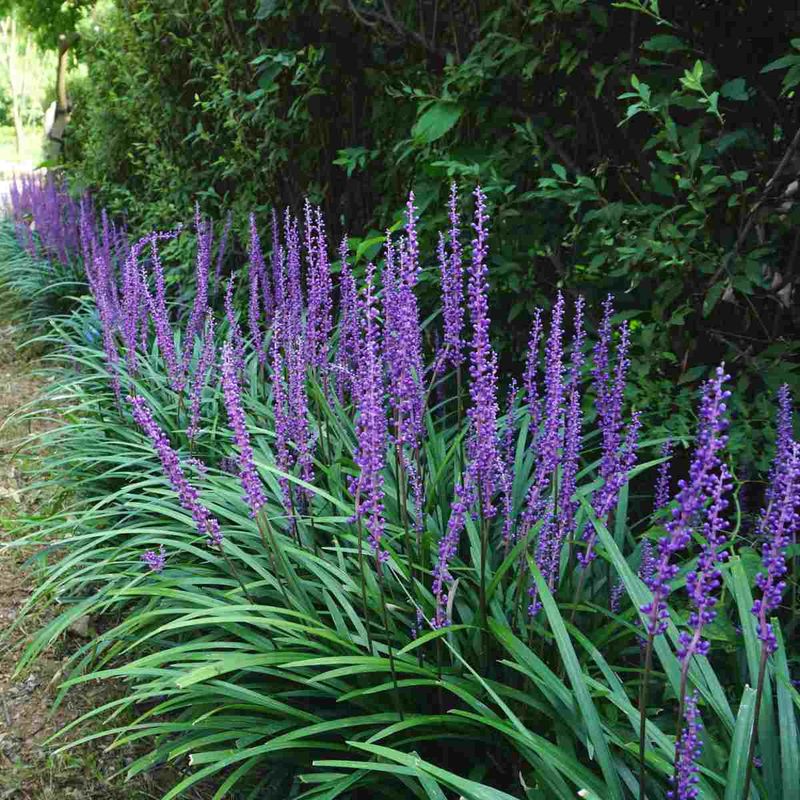
Liriope, often mistaken for grass, is a perennial favorite for many gardeners. Its purple flower spikes add a touch of elegance to its deep green foliage.
This plant is especially suited to Georgia’s clay soil, where it spreads easily, providing excellent erosion control and weed suppression. Liriope’s evergreen nature ensures that your garden remains lush even in winter.
Fun fact: Liriope is sometimes called “monkey grass,” though it’s no relation to grasses at all!
Ajuga
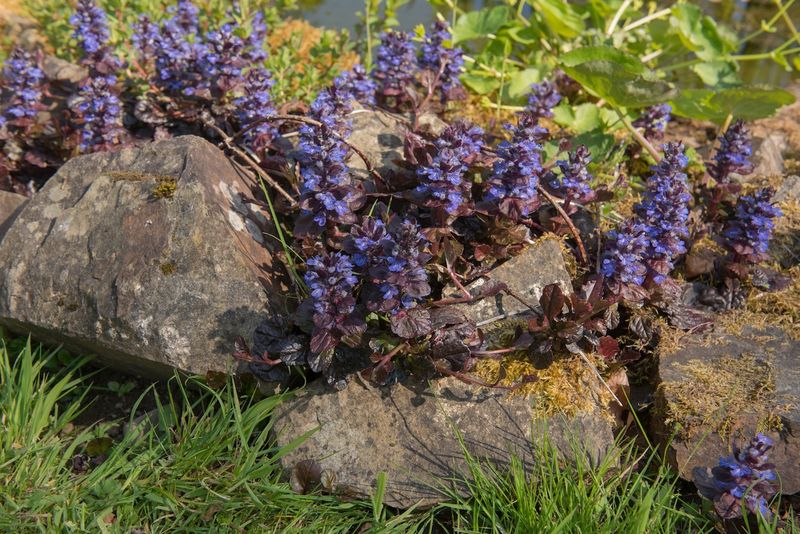
Ajuga, also known as Bugleweed, is a stunning ground cover known for its vibrant blue flowers and dark foliage. It’s perfect for adding a pop of color to your clay soil garden.
This plant spreads quickly, forming a dense mat that can choke out weeds. Its adaptability makes it suitable for both sunny and shady spots, offering flexibility in garden design.
Ajuga’s low-growing habit and resilience make it a popular choice for those seeking easy, low-maintenance landscaping solutions.
Periwinkle
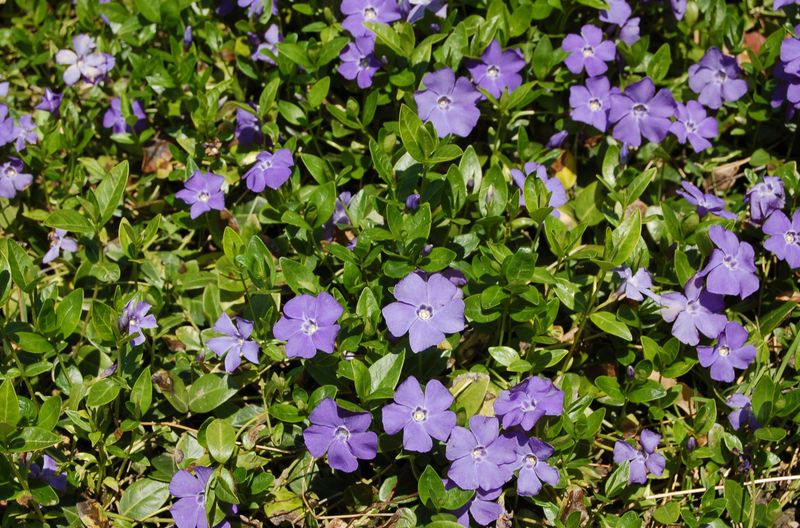
Periwinkle, or Vinca, is cherished for its charming blue flowers and glossy foliage. Its robust nature allows it to flourish in various conditions, including the challenging clay soil of Georgia.
It’s an excellent choice for those looking to cover large areas quickly, as it spreads efficiently, forming a beautiful carpet of green and blue.
Aside from its ornamental appeal, Periwinkle has been used traditionally in herbal medicine, adding an intriguing layer of history to its garden presence.
Creeping Thyme
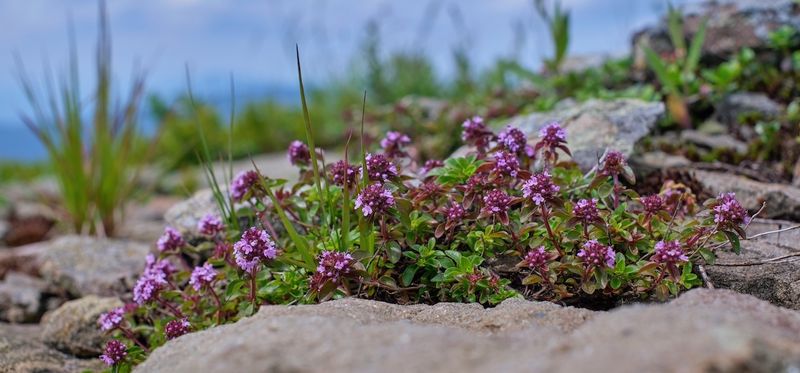
Creeping Thyme is not only a decorative ground cover but also a fragrant herb. Its tiny purple flowers attract pollinators, bringing a lively vibe to your garden.
It thrives in Georgia’s clay soil, creating a lush carpet that releases a pleasant aroma when walked upon. Its drought-resistant nature makes it a practical choice for sustainable gardening.
Did you know? Creeping Thyme has culinary uses too, making it a versatile addition to your garden space.
Pachysandra
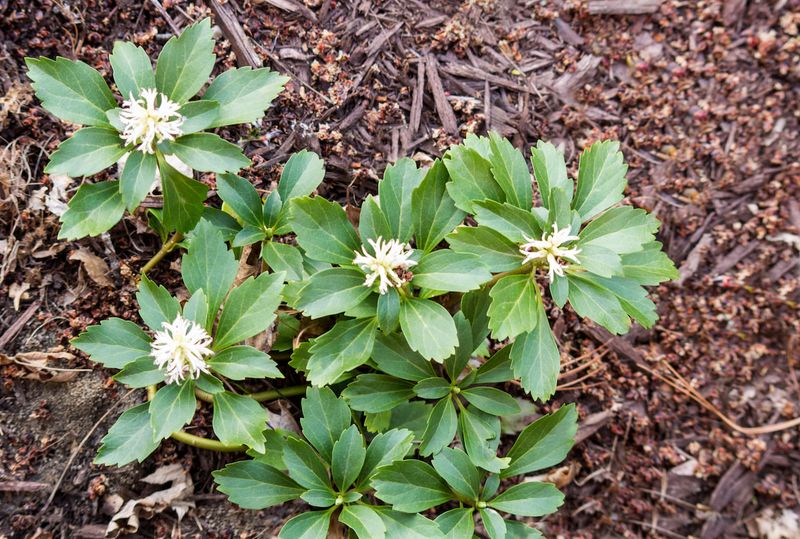
Pachysandra is a well-loved ground cover, particularly for shaded areas. Its deep green leaves and white blossoms create a serene, cool atmosphere in your garden.
In Georgia’s clay soil, Pachysandra excels, forming a dense mat that effectively prevents weed growth. Its low-maintenance nature makes it a favorite among busy gardeners.
Fun fact: Pachysandra’s name is derived from Greek, meaning “thick” or “stout,” aptly describing its lush growth habit.
Hosta
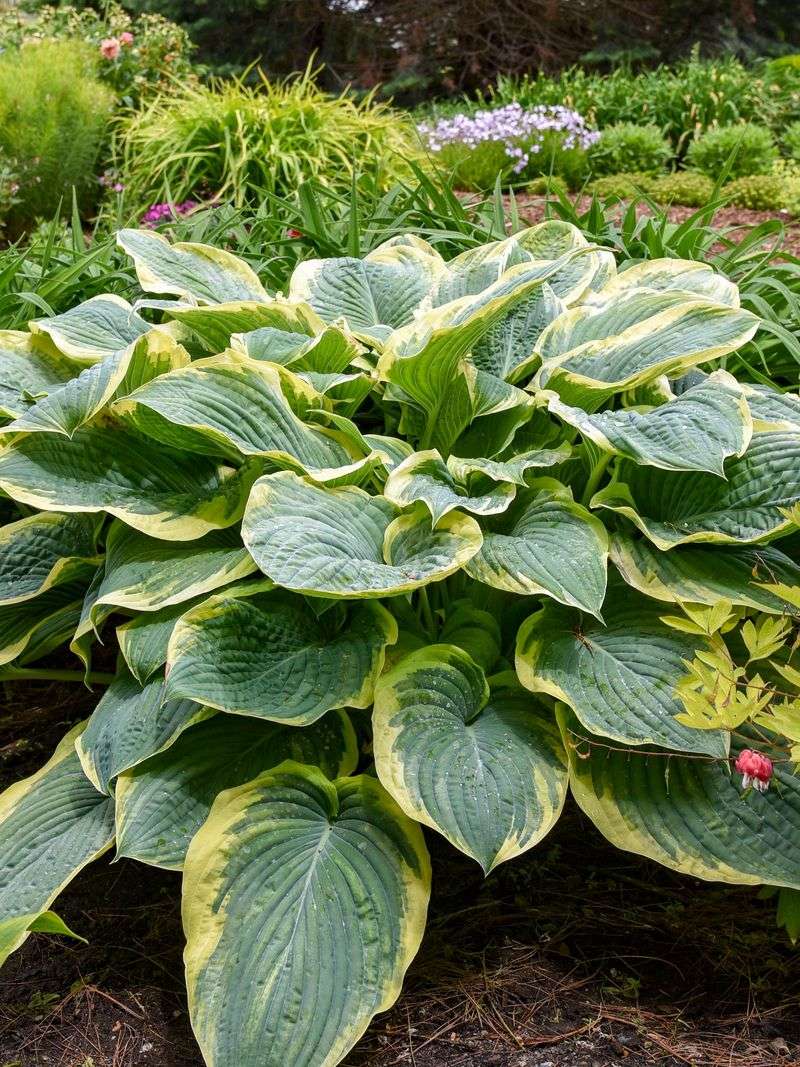
Hostas are known for their large, attractive leaves that come in a variety of colors and patterns. They bring texture and volume to shaded garden areas.
These plants thrive exceptionally well in Georgia’s clay soil, making them a reliable choice for gardeners seeking low-maintenance beauty. Hostas also offer seasonal interest when their delicate flowers bloom.
An interesting tidbit: Hostas are sometimes referred to as “plantain lilies,” despite having no relation to lilies.
Sedum
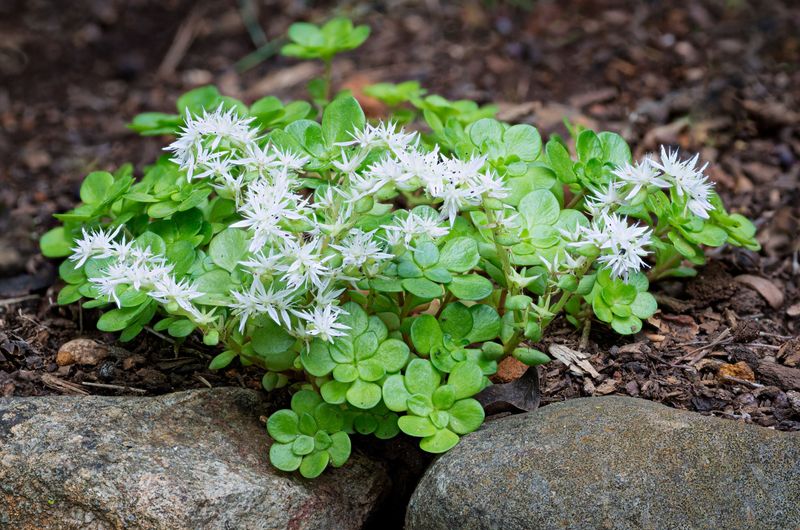
Sedum, often called stonecrop, is a succulent that boasts a variety of leaf shapes and colors. Its drought-resistant qualities make it ideal for Georgia’s sometimes dry conditions.
These plants are perfect for sunny spots and offer a unique texture and color palette to garden designs. Sedum’s ability to store water in its leaves provides resilience in less-than-ideal soils.
Did you know? Some Sedum varieties turn red in cooler temperatures, adding seasonal interest to your garden.
Heuchera
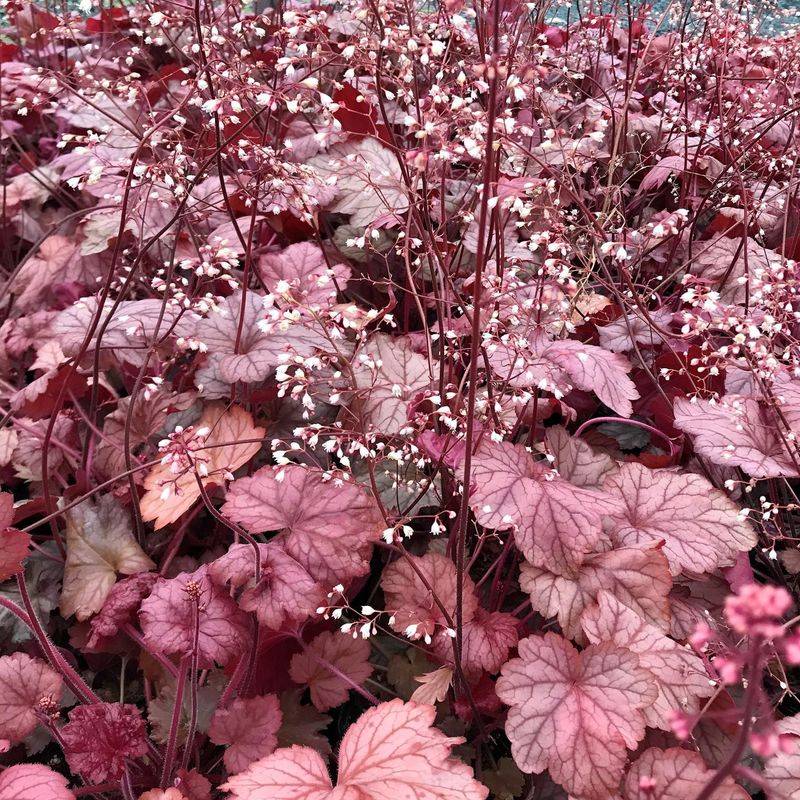
Heuchera, or coral bells, is prized for its striking foliage that comes in various shades, including burgundy and silver. These colors provide a wonderful contrast in the landscape.
In Georgia, Heuchera performs well in clay soil, thriving in both full sun and partial shade. Its delicate flowers also attract hummingbirds, adding dynamic life to your garden.
Fun fact: Heuchera is named after Johann Heinrich von Heucher, an 18th-century German physician and botanist.
Lamb’s Ear
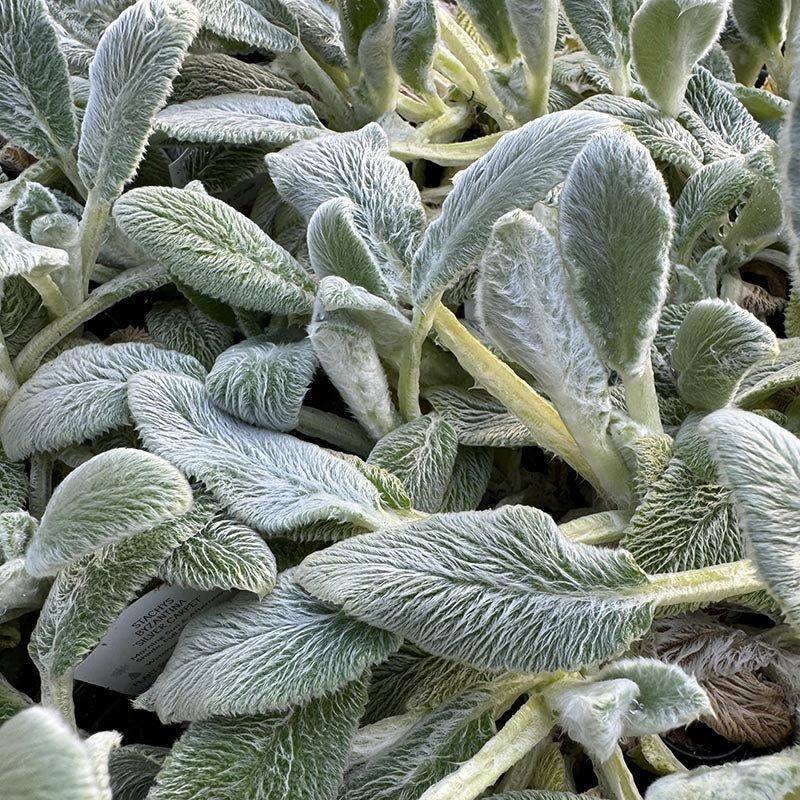
Lamb’s Ear is adored for its soft, velvety leaves that resemble the texture of a lamb’s ear. This touchable plant adds a sensory element to your garden space.
It thrives in Georgia’s clay soil, preferring sunny spots where it can spread and suppress weeds effectively. The silvery leaves also reflect sunlight, adding brightness to garden areas.
Did you know? Lamb’s Ear has been used historically as a natural bandage due to its soft, absorbent leaves.
Ferns
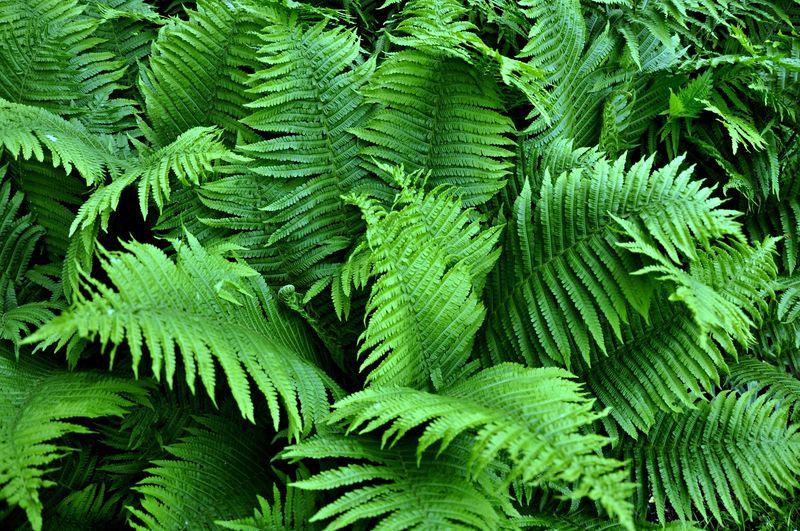
Ferns are classic ground covers that bring a touch of the wild to cultivated landscapes. Their feathery fronds create a soft, elegant backdrop in shaded areas.
In Georgia, ferns adapt well to the clay soil, flourishing under tree canopies and adding lush greenery to your garden. They are ideal for creating a woodland feel.
Fun fact: Fossil records show that ferns have been around for over 360 million years, making them ancient inhabitants of the earth.
Japanese Spurge
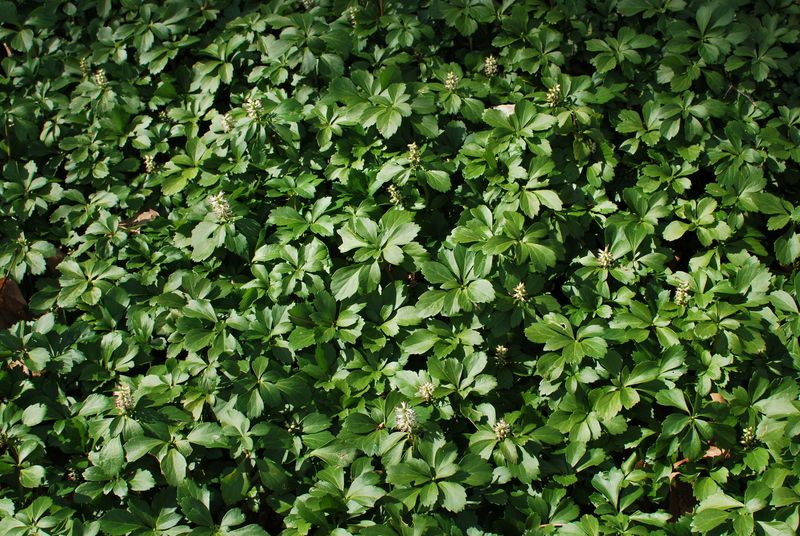
Japanese Spurge, or Pachysandra terminalis, is a versatile ground cover for shaded areas. Its glossy leaves form a dense carpet that remains attractive year-round.
This plant is well-suited to Georgia’s clay soil, where it provides excellent weed control and soil stabilization. Its low-growing habit is perfect for creating a seamless, carpet-like look.
An interesting point: Despite its name, Japanese Spurge is native to China and Japan, reflecting its broad adaptability.
Golden Stonecrop
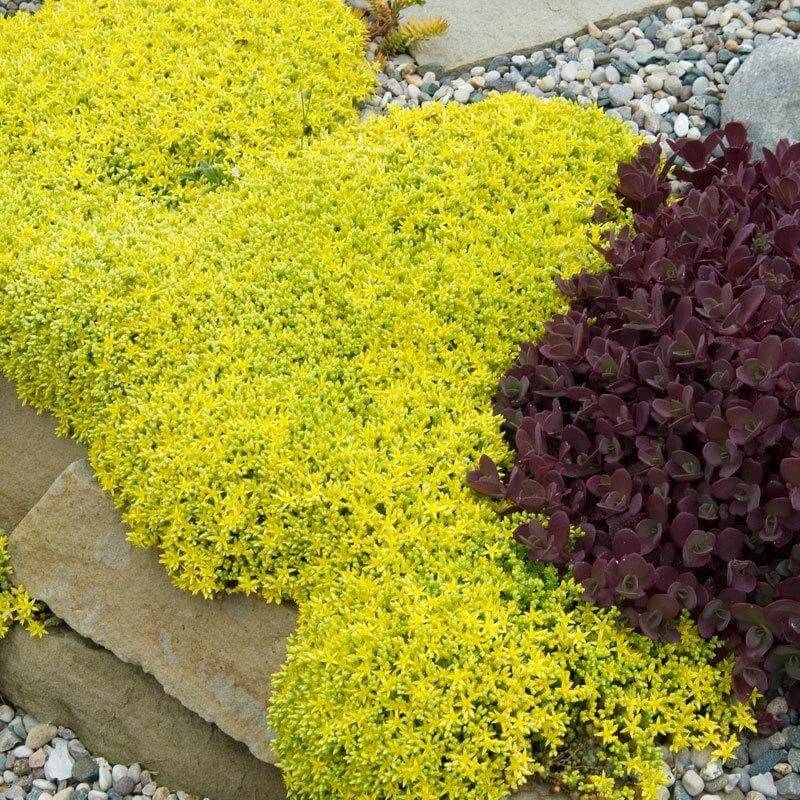
Golden Stonecrop, a type of Sedum, is cherished for its bright yellow foliage and flowers. It adds a sunny splash of color to gardens.
Thriving in Georgia’s clay soil, it is perfect for hot, dry spots where other plants might struggle. Its succulent nature means it requires minimal water, making it a sustainable choice.
Fun fact: Golden Stonecrop is named for its stone-like, robust qualities and its preference for rocky, well-drained soils.
Mazus
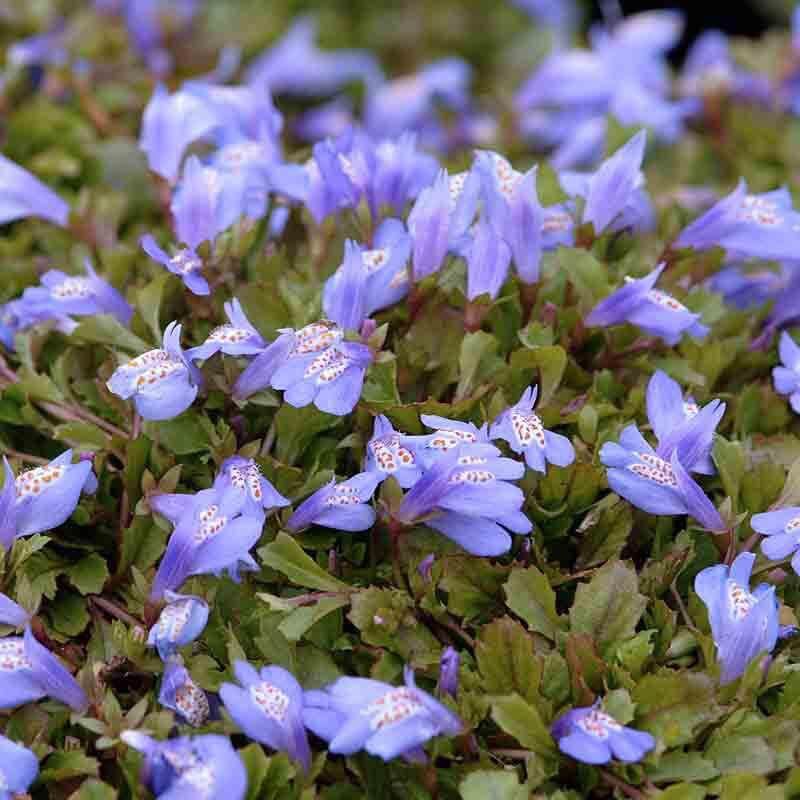
Mazus is a delightful ground cover known for its low-growing habit and small, vibrant purple flowers. It’s perfect for adding a splash of color in moist garden spots.
In Georgia, Mazus thrives in clay soil, especially in areas that retain moisture. Its rapid spread ensures quick coverage, providing an effective alternative to mulch.
Did you know? Mazus is also known as “creeping blue lips,” a nod to its striking floral display.