 Complete Gardening
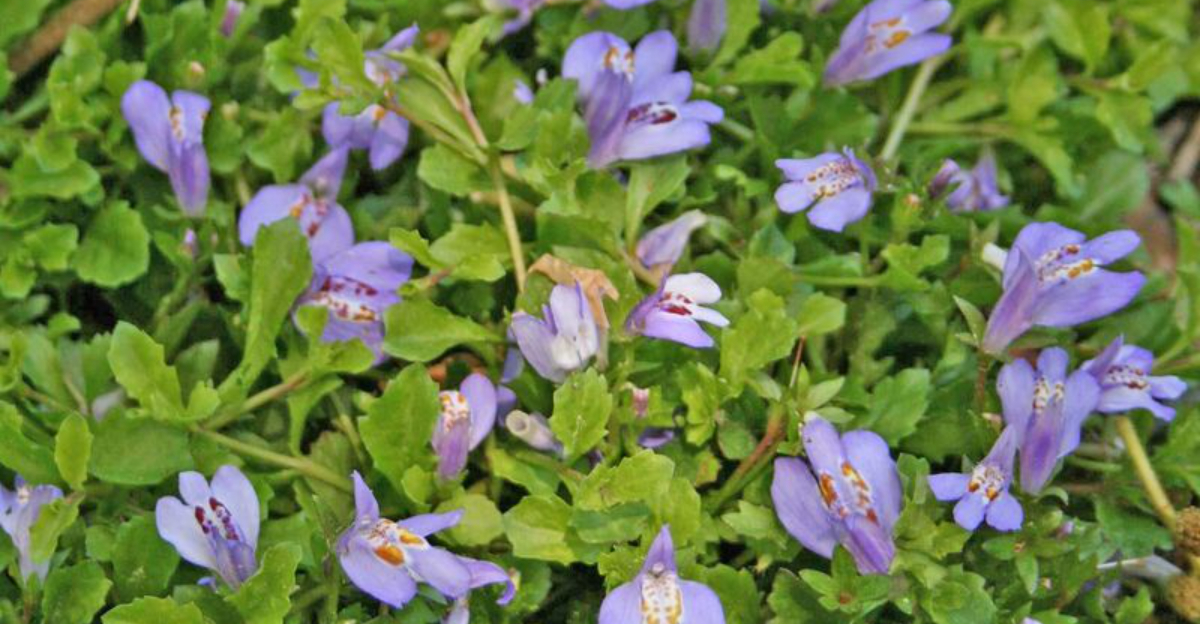
Ground covers offer a natural and aesthetically pleasing solution to controlling weeds in your garden.
These hardy plants not only add beauty but also outcompete unwanted growth, reducing the need for chemical herbicides.
Here are 15 ground covers that effectively crowd out weeds.
1. Creeping Thyme
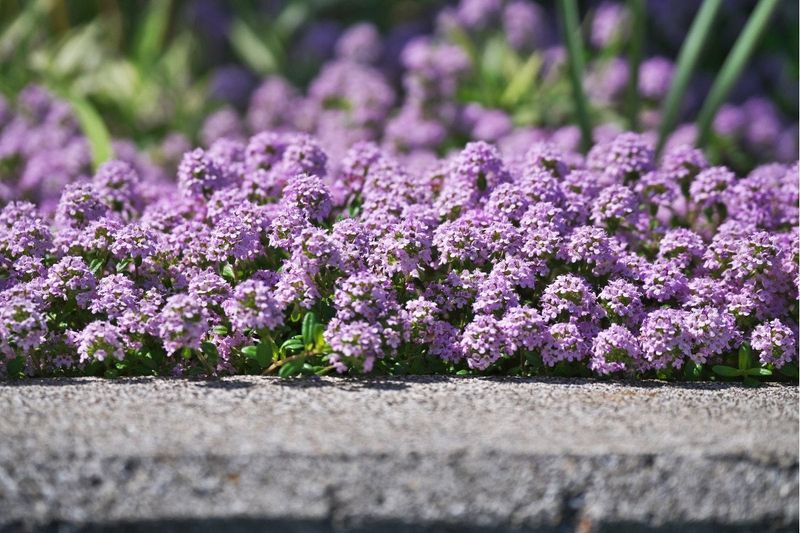
Creeping Thyme is a versatile perennial that spreads quickly to cover bare patches. Its tiny purple flowers add a splash of color, while its aromatic leaves offer a delightful scent when walked on. Perfect for rock gardens or between stepping stones, this hardy plant thrives in full sun.
Its dense matting habit suppresses weeds effectively, making it a charming yet practical choice for gardeners. In addition to its beauty, Creeping Thyme is drought-resistant, requiring minimal maintenance once established.
A fun fact: this plant not only attracts pollinators but also repels pesky insects, adding to its appeal.
2. Irish Moss
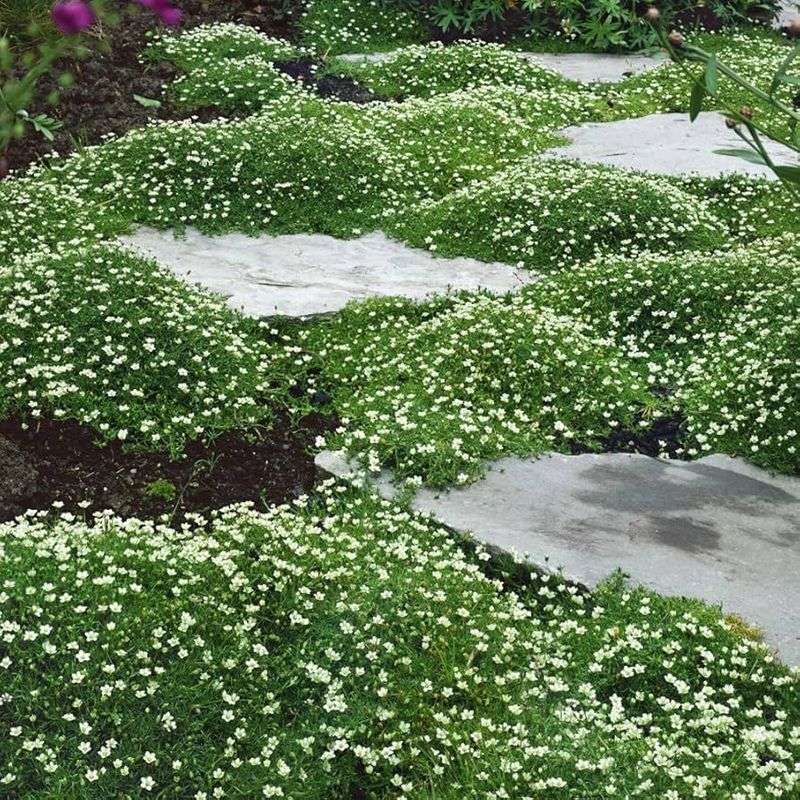
With its soft, moss-like texture, Irish Moss creates a rich green carpet that feels luxurious underfoot. Ideal for shady areas, this ground cover thrives in moist, well-drained soil, making it perfect for areas that struggle with grass.
Its dense growth pattern outcompetes weeds, while its tiny white flowers add a delicate touch during bloom. Easy to maintain, Irish Moss requires little more than occasional watering.
Did you know? Irish Moss is not actually a moss but a flowering plant, valued for its ability to create seamless verdant landscapes in gardens.
3. Periwinkle (Vinca Minor)
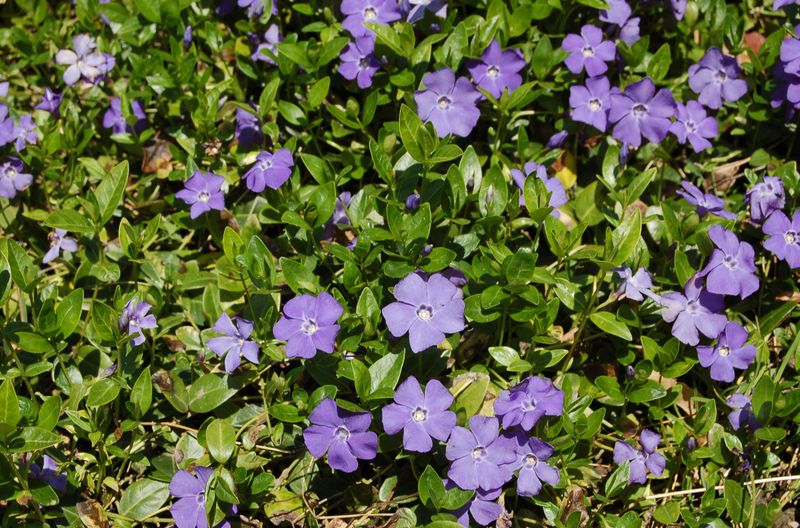
Periwinkle, or Vinca Minor, offers a cascade of glossy leaves and cheerful blue flowers that light up any garden space. This evergreen ground cover thrives in both sun and shade, providing year-round color and texture.
Its robust growth habit makes it an excellent choice for sloped areas, where it swiftly forms a thick mat that suppresses weeds. Low-maintenance and drought-tolerant, Periwinkle is a gardener’s friend.
Fun fact: Periwinkle has been used historically in traditional medicine, believed to offer various health benefits.
4. Sweet Woodruff
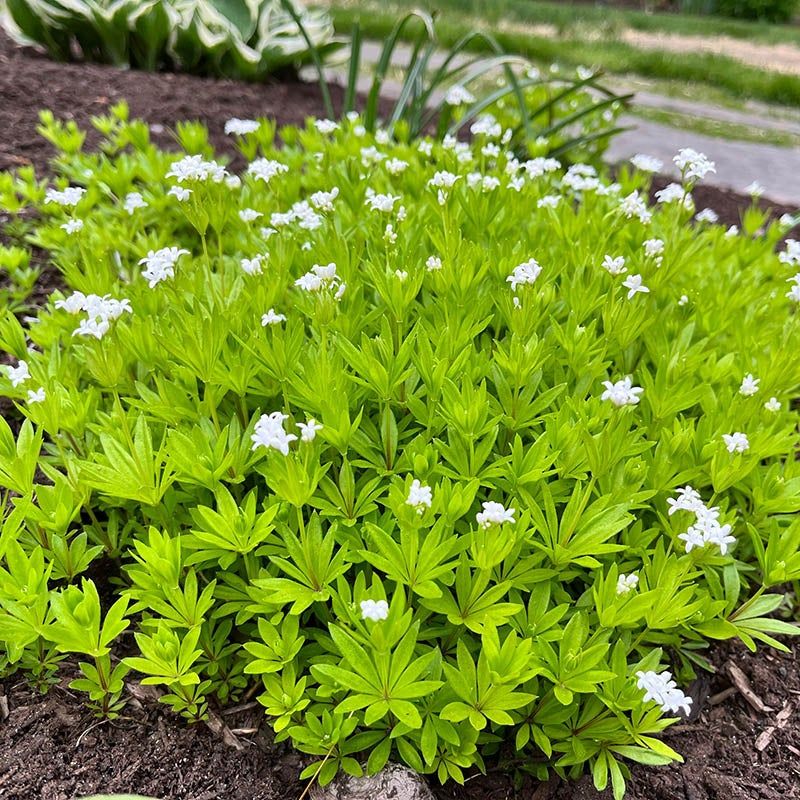
Sweet Woodruff is a charming shade-loving ground cover known for its whorled green leaves and delicate, star-shaped white flowers. It’s a favorite for woodland gardens, where its sweet scent lingers through spring.
This herbaceous perennial forms a dense mat, effectively crowding out weeds and providing a lush carpet under trees. Low-maintenance, it thrives in moist, shaded areas, making it perfect for creating fairy-tale landscapes.
Historically, Sweet Woodruff was used to scent linens and even flavor May wine in Germany, adding a touch of history to its charm.
5. Ajuga (Bugleweed)
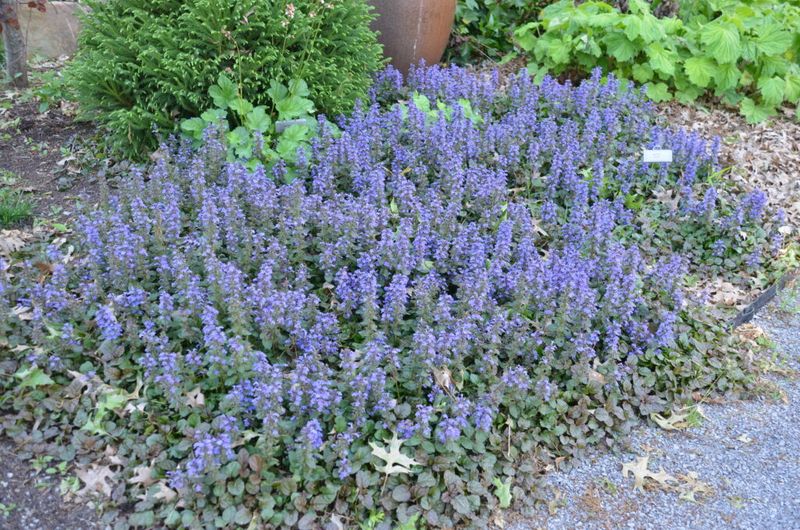
Ajuga, or Bugleweed, dazzles with its deep blue flower spikes and striking bronze foliage. This fast-spreading perennial is perfect for adding a dramatic flair to your garden.
Its vigorous growth quickly covers ground, outcompeting weeds with ease. Ajuga thrives in sun or partial shade, demanding minimal upkeep while providing maximum visual impact.
Interestingly, Bugleweed has been utilized in traditional medicine for its supposed healing properties. Its unique appearance and tough nature make it a standout choice for gardeners seeking both beauty and functionality.
6. Lamb’s Ear
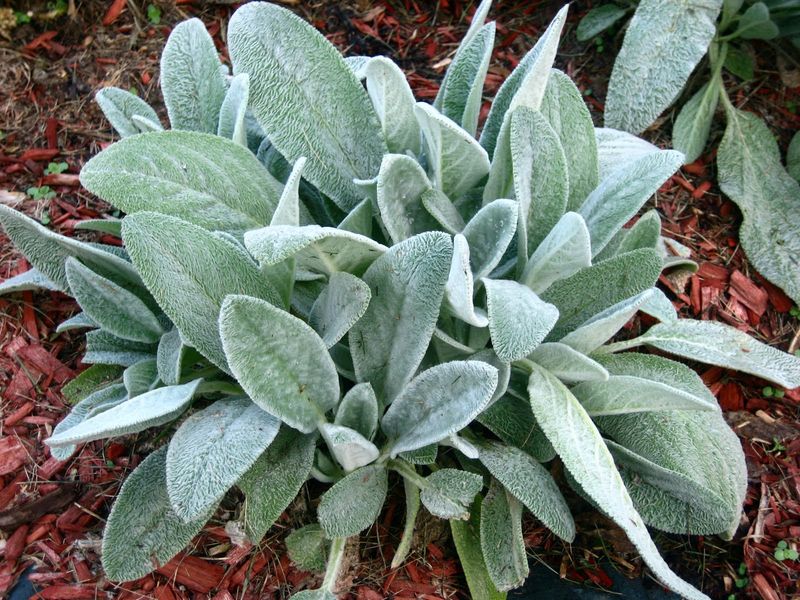
Lamb’s Ear captivates with its soft, velvety leaves that invite touch. Its silvery-green foliage adds texture and color to any garden, acting as a striking contrast to other plants.
Ideal for sunny, well-drained locations, Lamb’s Ear forms dense mats that suppress weeds effectively. It’s particularly suited for dry areas where other plants may struggle.
Fun fact: Lamb’s Ear was historically used as a natural bandage for its antibacterial properties. Its unique, tactile leaves make it a favorite among children, adding a playful element to gardens.
7. Sedum (Stonecrop)
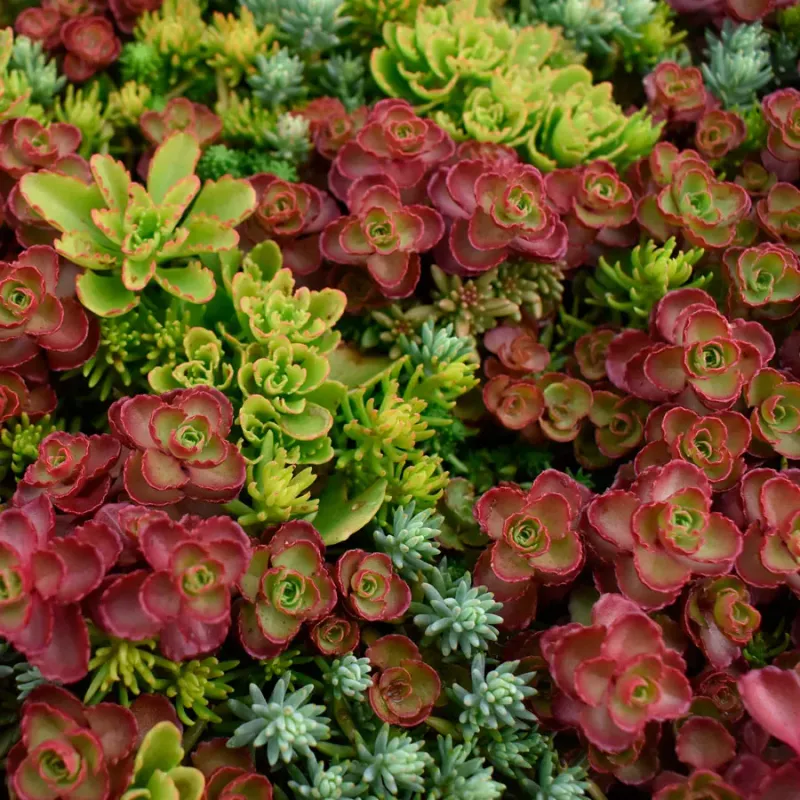
Sedum, commonly known as Stonecrop, is renowned for its fleshy, succulent leaves and starry flowers. It’s a popular choice for rock gardens and dry, sunny areas.
This hardy plant requires minimal maintenance, thriving in poor soil conditions where others might fail. Sedum’s vibrant shades and textures make it visually appealing while effectively crowding out weeds.
Did you know? Stonecrop is a favorite among pollinators, attracting bees and butterflies with its nectar-rich blooms. It also offers a splash of color year-round, even during winter months.
8. Creeping Jenny
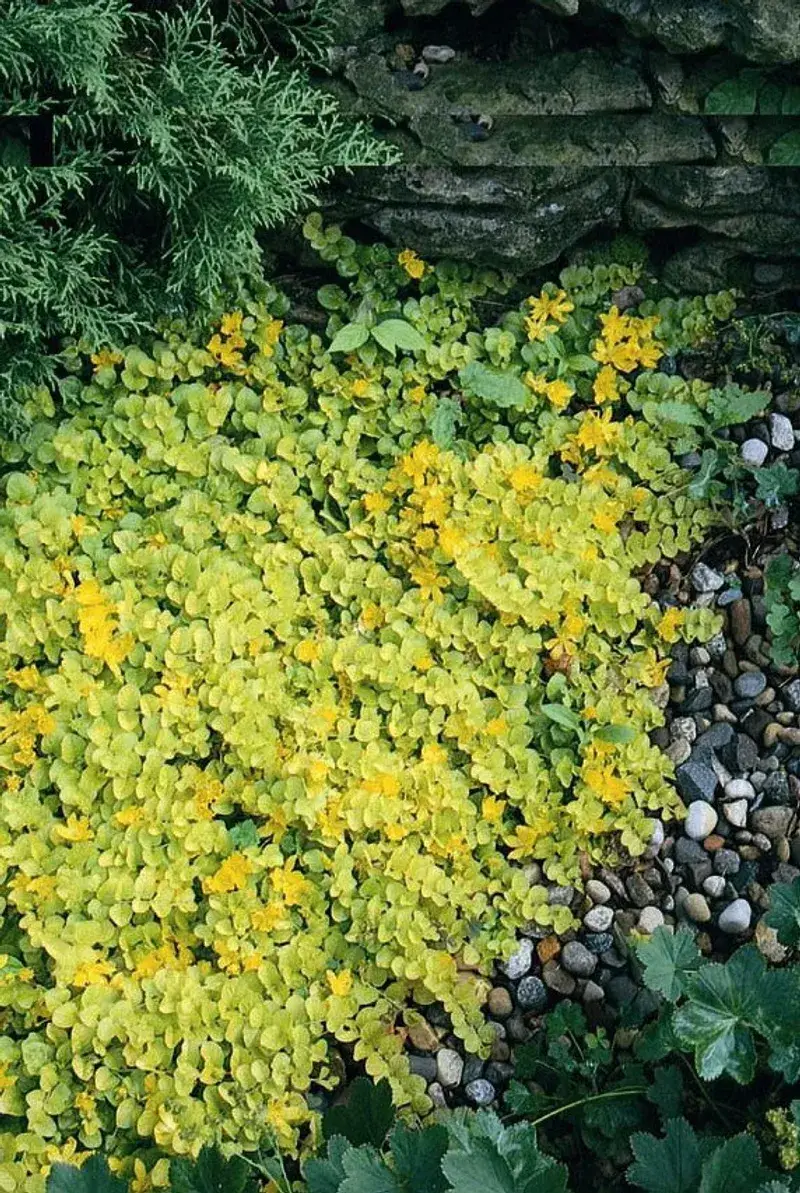
Creeping Jenny, with its golden-green leaves, creates an enchanting cascade over rocks and walls. This low-growing plant is perfect for adding color to shaded or wet areas.
Its vigorous growth habit ensures it quickly covers ground, preventing weeds from taking hold. Creeping Jenny requires little care, thriving in damp conditions where other ground covers may falter.
A quirky tidbit: Creeping Jenny’s Latin name, Lysimachia, is derived from a Greek king known for pacifying oxen—a nod to the plant’s calming nature. Its cheerful yellow blooms add a touch of sunshine to gardens.
9. Bishop’s Weed (Goutweed)
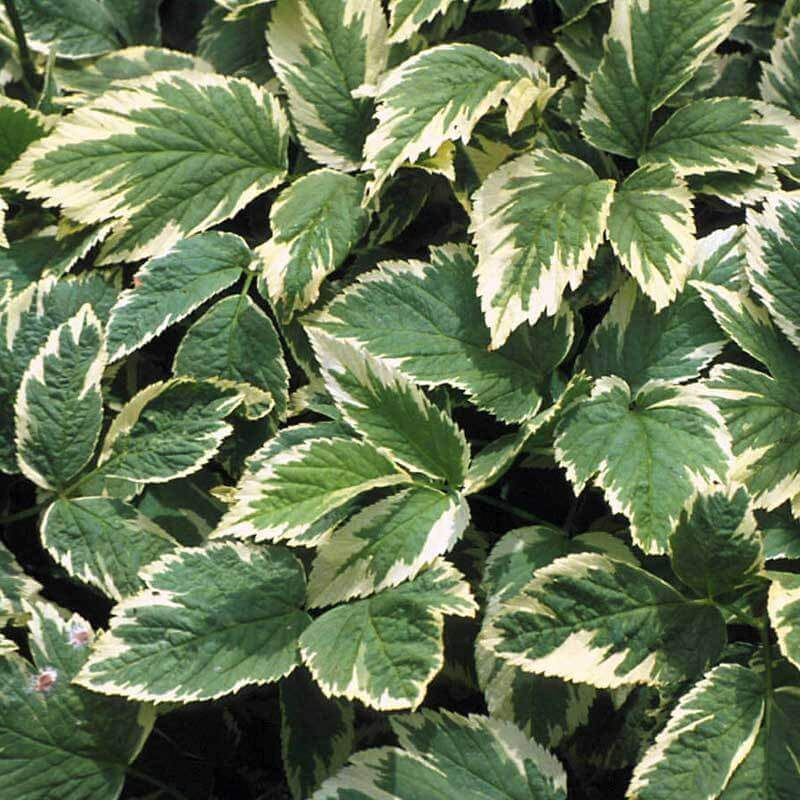
Bishop’s Weed, or Goutweed, is known for its striking variegated foliage, featuring vibrant green leaves edged in white. This hardy perennial thrives in partial shade, brightening up dim corners with its contrasting colors.
Its rapid spread can cover large areas quickly, effectively suppressing weeds. Bishop’s Weed is a low-maintenance choice for those seeking a vibrant, textured ground cover.
Historically, Goutweed was used medicinally for its purported healing properties. Its ability to thrive in challenging conditions makes it a reliable option for gardeners looking to fill space efficiently.
10. Golden Creeping Speedwell
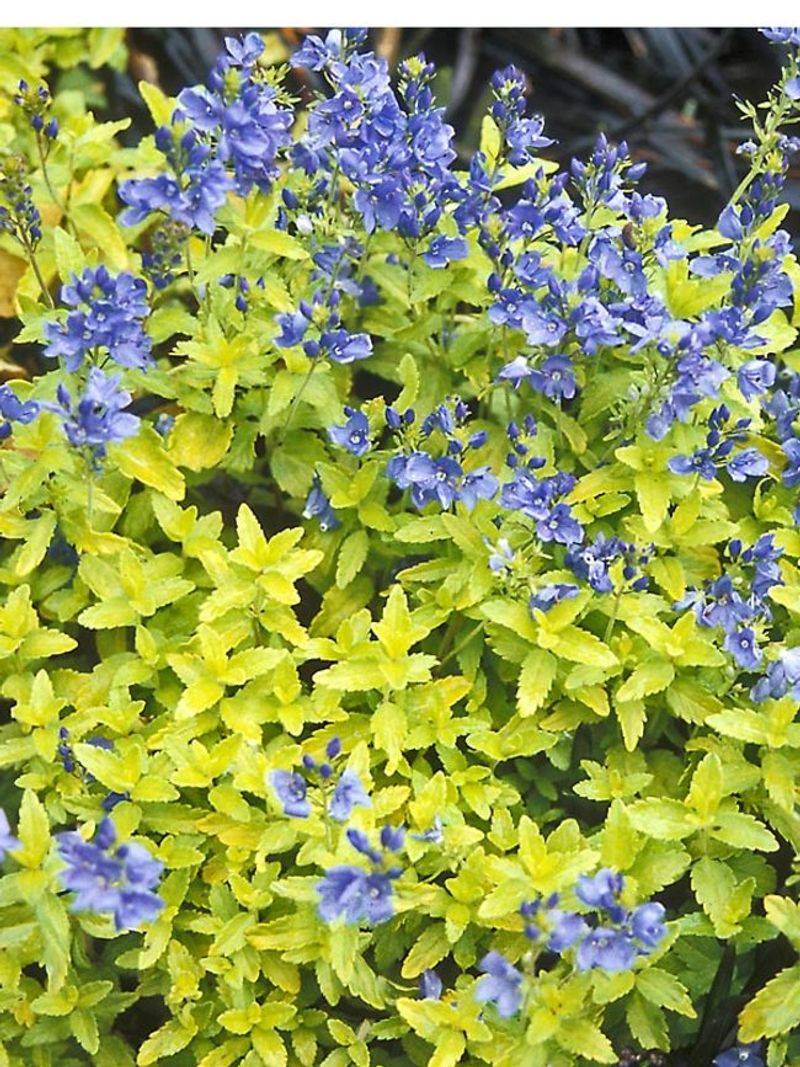
Golden Creeping Speedwell enchants with its vibrant yellow foliage, providing a bold splash of color in any garden. This resilient ground cover forms a dense mat, effectively crowding out weeds with its robust growth.
Thriving in sun to partial shade, it requires minimal attention, making it perfect for busy gardeners. Its small blue flowers add a delicate contrast during bloom.
Did you know? Speedwell’s Latin name, Veronica, is said to derive from Saint Veronica, symbolizing true image—a nod to the plant’s striking appearance. It’s a lovely choice for adding year-round interest.
11. Hellebore
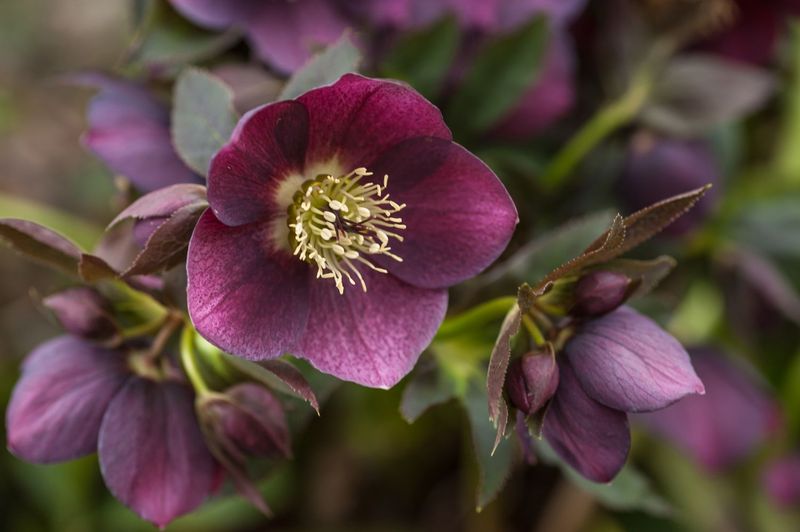
Hellebores, often called the Christmas rose, bring joy with their nodding blooms in late winter and early spring. Their large flowers range from delicate pinks to rich purples, providing early color when few other plants bloom.
These perennials form clumps of leathery, evergreen leaves that suppress weeds effectively. They thrive in shaded areas, offering a colorful ground cover beneath trees.
A fun fact: Hellebores have been cultivated since ancient times, prized for their beauty and hardiness in challenging garden conditions. Their unique flowers and lush foliage make them a gardener’s delight.
12. Deadnettle (Lamium)
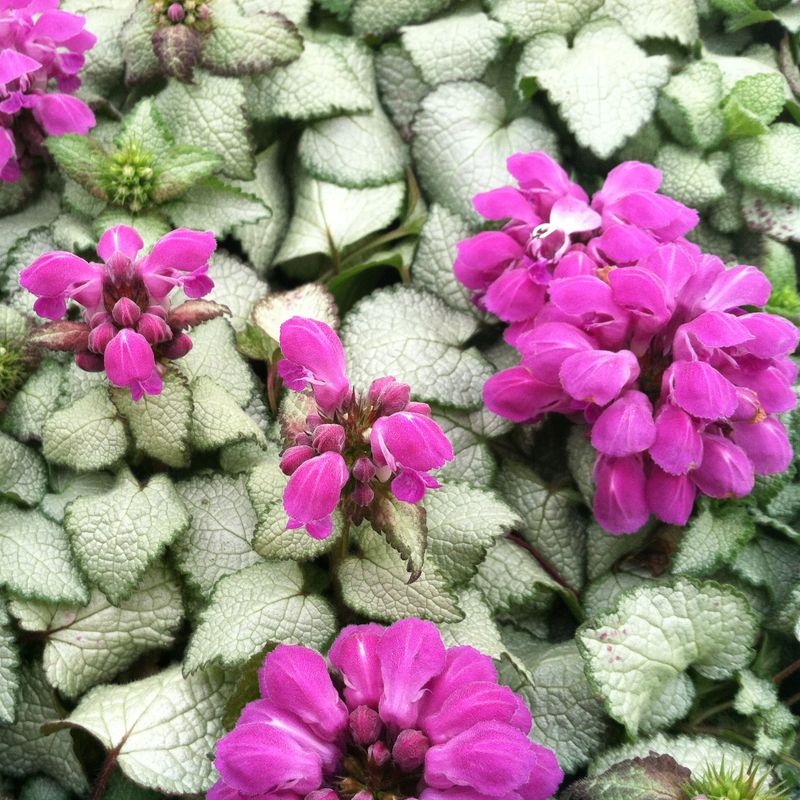
Deadnettle, or Lamium, is a versatile ground cover known for its eye-catching variegated leaves and delicate purple flowers. Its silver and green foliage brightens up shady areas, creating an attractive tapestry of colors.
This hardy plant is low-maintenance, thriving in a variety of soil conditions. Deadnettle’s rapid spread ensures that it outcompetes weeds, making it a practical option for many gardeners.
Interestingly, despite its name, Deadnettle is unrelated to true nettles and doesn’t sting. Its gentle nature and aesthetic appeal make it a beloved choice for woodland gardens.
13. Mazus
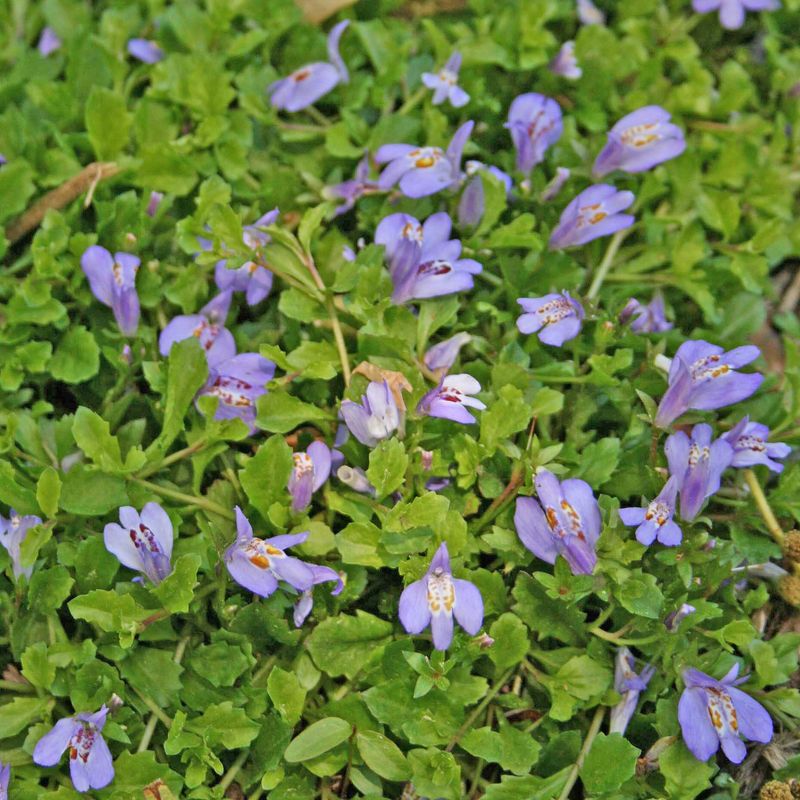
Mazus is a low-growing perennial that creates a lush carpet of green foliage adorned with petite purple flowers. It’s ideal for garden paths and borders, thriving in damp, well-drained soils.
Its dense growth quickly fills spaces, preventing weeds from taking root. With minimal care requirements, Mazus is perfect for gardeners seeking a vibrant, easy-to-maintain ground cover.
A little-known fact: Mazus is incredibly resilient, capable of withstanding light foot traffic, making it a popular choice for garden walkways where beauty and functionality meet.
14. Japanese Pachysandra
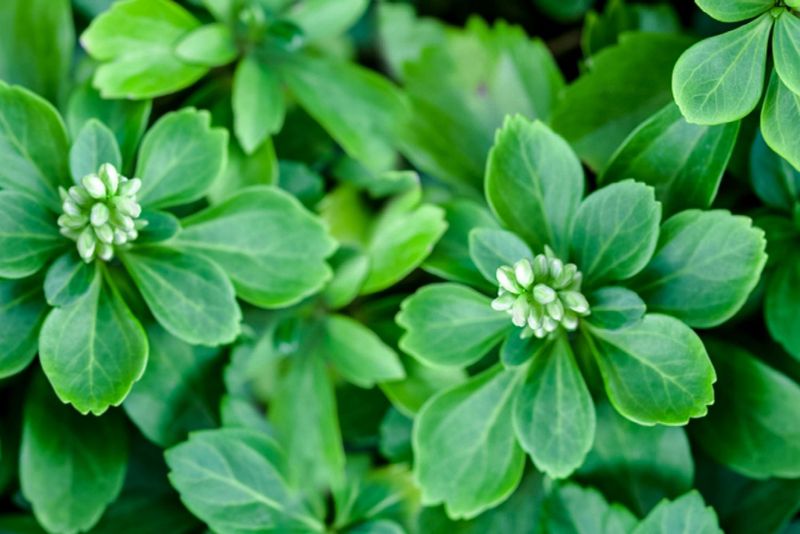
Japanese Pachysandra offers a lush, evergreen carpet of rich green leaves, accented by small white flower spikes in spring. Perfect for shaded areas, this ground cover thrives where others may fail.
Its dense foliage effectively suppresses weeds, requiring little maintenance once established. Pachysandra’s ability to form a thick mat makes it a reliable choice for challenging spaces.
Did you know? Pachysandra is also known as the Japanese Spurge and has been a staple in traditional Japanese gardens for its elegance and simplicity. It’s a timeless choice for gardeners seeking tranquility and order.
15. Bearberry (Kinnikinnick)
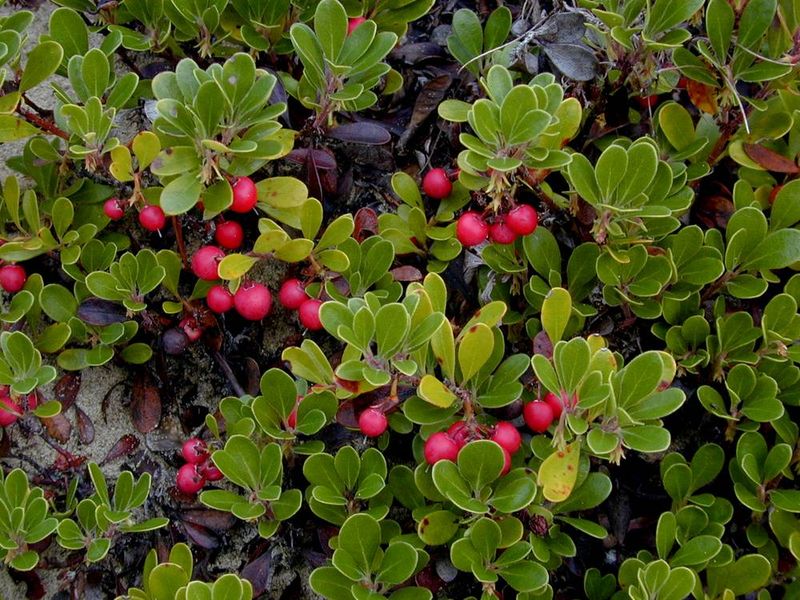
Bearberry, or Kinnikinnick, is a delightful evergreen shrub known for its glossy leaves, white flowers, and vibrant red berries. This hardy plant is perfect for sandy, well-drained soils, offering year-round interest.
Its low-growing habit and dense foliage make it effective at crowding out weeds, while its colorful berries attract wildlife, adding biodiversity to gardens.
A quirky fact: Bearberry leaves were traditionally used by Native Americans for medicinal purposes and in smoking mixtures. Its adaptability and charming appearance make it a valuable ground cover for natural landscapes.