 Complete Gardening
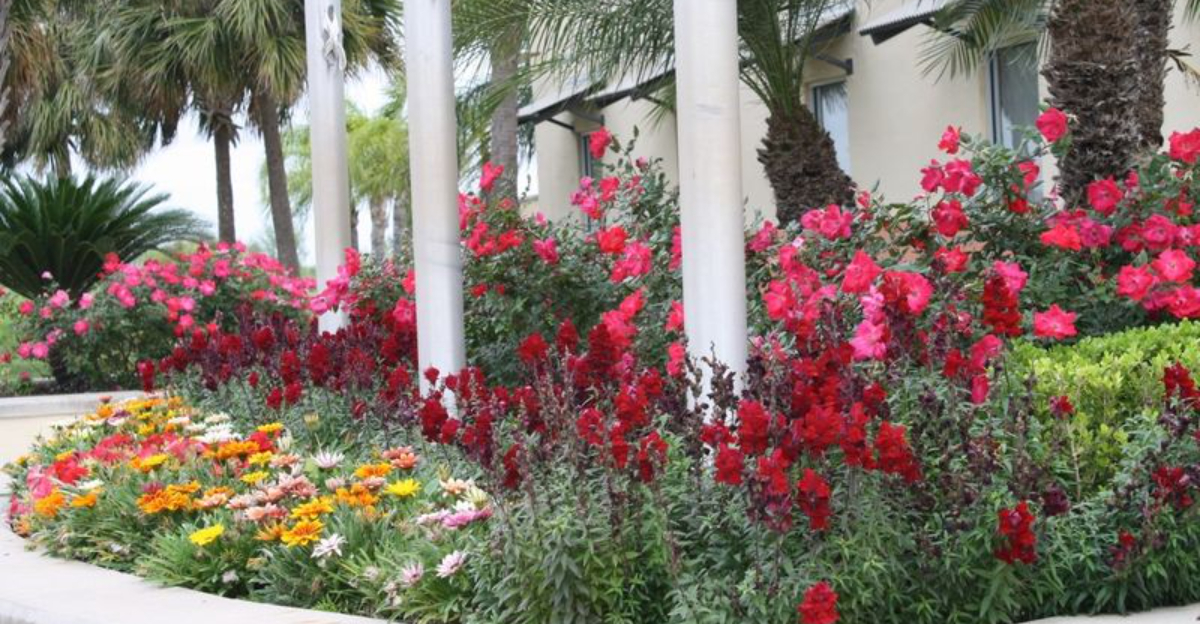
Explore the latest landscaping trends that infuse timeless charm into your outdoor spaces. From rustic pathways to sustainable gardening practices, these trends promise to transform your garden into a captivating haven.
1. Cottage Gardens
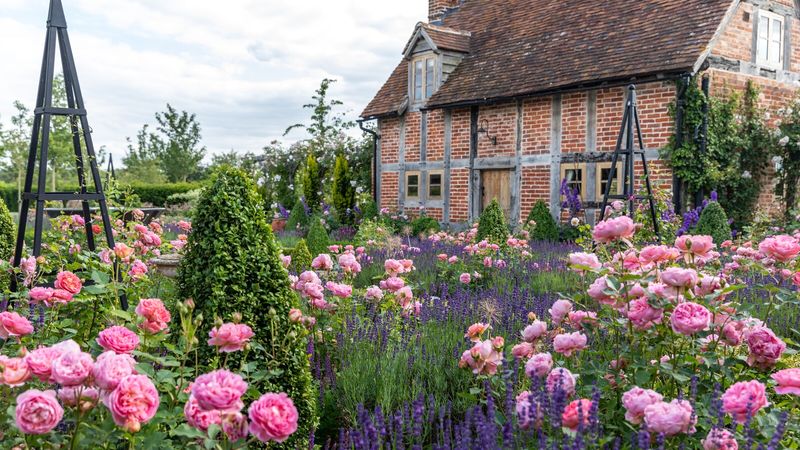
Cottage gardens evoke the charm of a bygone era, where vibrant flowers spill over paths and fragrant herbs add character to the scene. With their relaxed plantings, these gardens are a visual feast. Imagine strolling through a riot of color, where every turn reveals a new bloom. These gardens are not just beautiful; they are a haven for wildlife. Birds flit between branches, and butterflies dance over petals. The key to a cottage garden is a mix of flowers—roses, foxgloves, and daisies—all jostling for space. Each nook feels timeless, inviting you to linger a moment longer.
2. Natural Stone Pathways
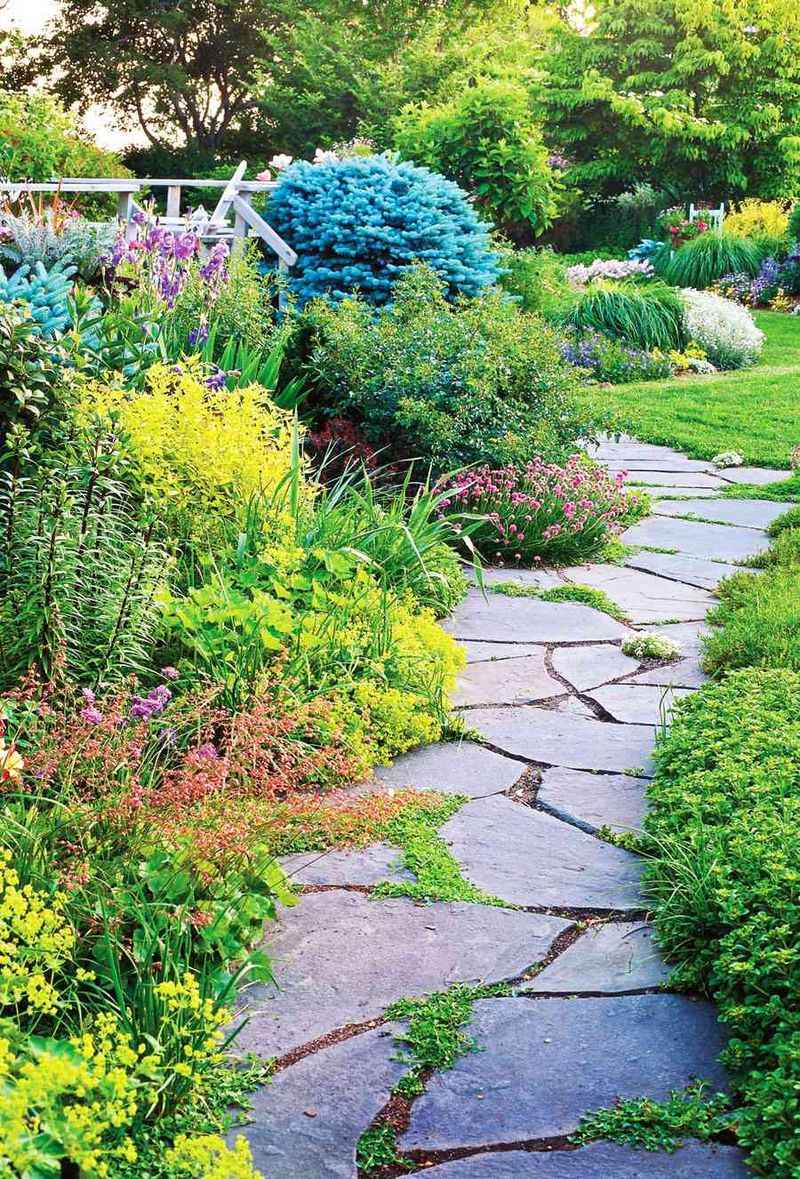
Natural stone pathways bring an organic, timeless appeal to any garden. Each stone tells a story, its surface worn smooth by time. These paths curve and wind, leading you on a journey through your outdoor space. As you walk, you feel the cool touch of stone underfoot, connecting you to the earth. Natural pathways blend seamlessly into their surroundings, with plants softening their edges and moss growing between stones. They invite exploration, drawing you deeper into the garden’s embrace. Perfect for any style, from formal to wild, these paths add a touch of rustic elegance.
3. Outdoor Living Rooms
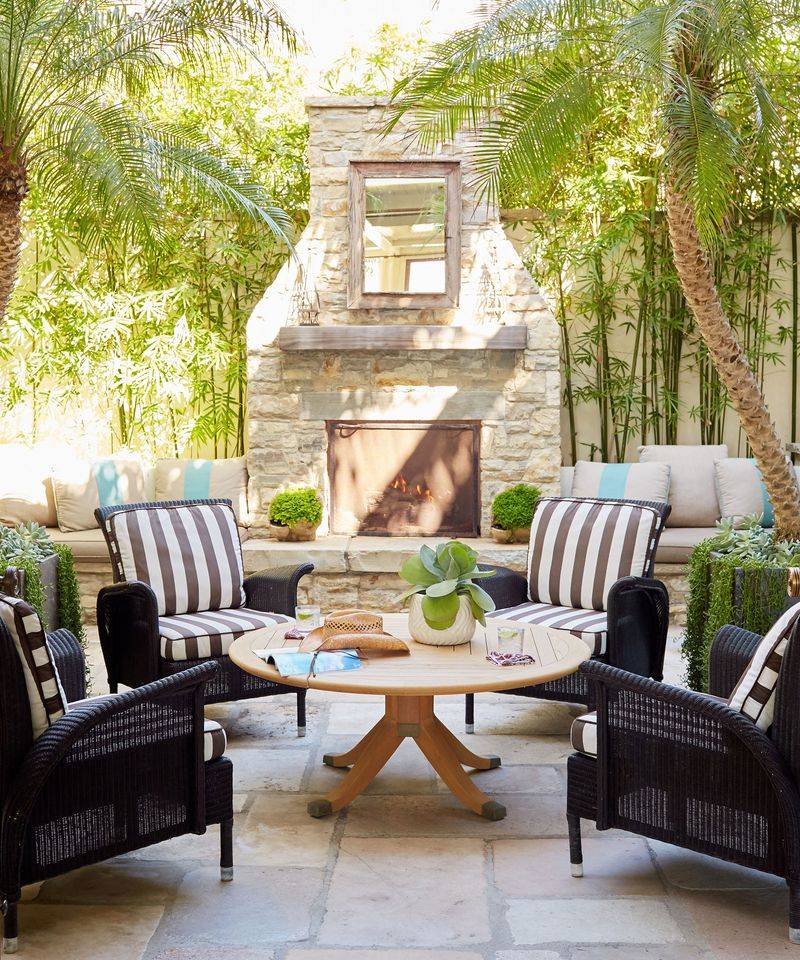
Outdoor living rooms blur the lines between indoor comfort and nature’s embrace. Imagine plush sofas set under a pergola, where you can relax with a book or entertain friends. The space is defined by style and function, with area rugs and cushions adding warmth and color. A fire pit or outdoor fireplace becomes the heart of this outdoor retreat. As evening falls, the space transforms under soft lighting, extending your living area into the garden. Each element is chosen to withstand the elements, ensuring that your outdoor room remains inviting and practical throughout the seasons.
4. Water Features and Fountains
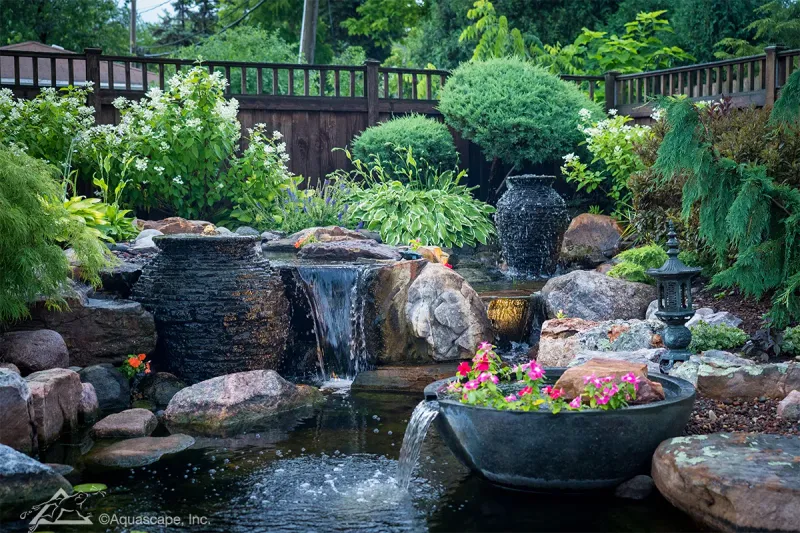
Water features bring tranquility and movement to gardens. Whether a gentle fountain or a cascading waterfall, the sound of water soothes the senses. Picture a fountain surrounded by lush greenery, its reflective surface capturing sunlight. These features become focal points, drawing attention and adding drama. Water attracts wildlife, inviting birds to bathe and dragonflies to dart across its surface. The design can be anything from a modern minimalist feature to a natural rock waterfall. Whatever your choice, water enhances the garden’s ambiance, creating a serene haven where you can escape the bustle of daily life.
5. Pollinator-Friendly Gardens
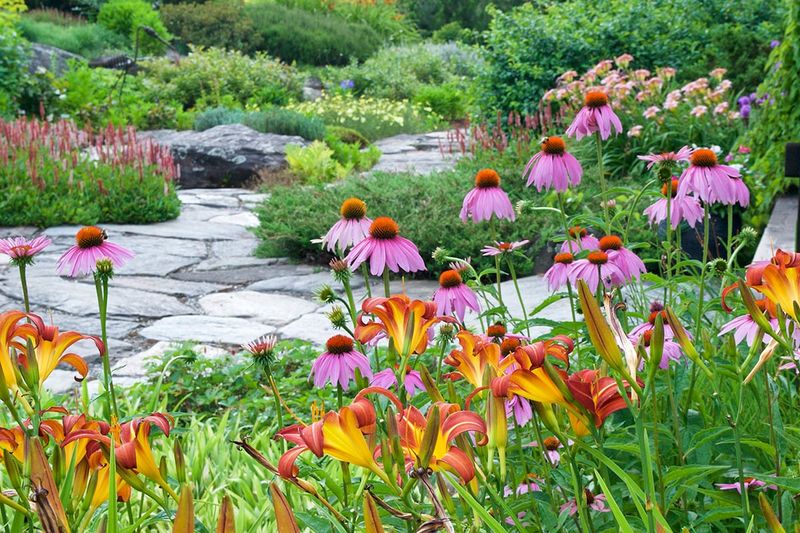
Pollinator-friendly gardens buzz with life, offering blooms that attract bees, butterflies, and hummingbirds. These gardens are alive with color and movement. Flowers like lavender, coneflowers, and bee balm provide nectar and pollen. By creating these habitats, you support biodiversity and enhance your garden’s ecosystem. Picture butterflies flitting from flower to flower and bees busy in the sunshine. These gardens are low-maintenance, thriving on diversity and balance. They not only beautify your space but also play a vital role in conserving pollinator populations. Embrace this lively trend, and your garden will sing with life and color.
6. Native Plant Landscaping
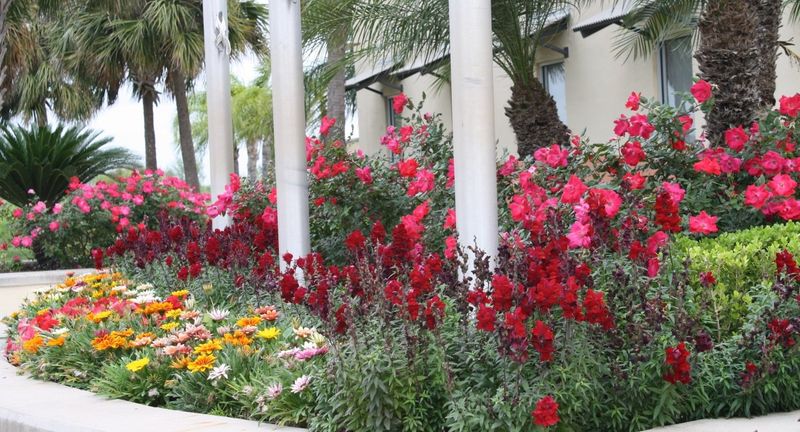
Native plant landscaping emphasizes sustainability and regional beauty. By using plants indigenous to your area, you create a garden that thrives naturally. These plants are adapted to local conditions, requiring less water and maintenance. A native garden is a tapestry of textures and colors, with grasses swaying in the breeze and wildflowers blooming in abundance. It’s a sanctuary for local wildlife, offering food and shelter. Embrace the elegance of nature by letting native flora take center stage. This approach not only protects the environment but also celebrates the unique beauty of your region.
7. Pergolas and Garden Arbors
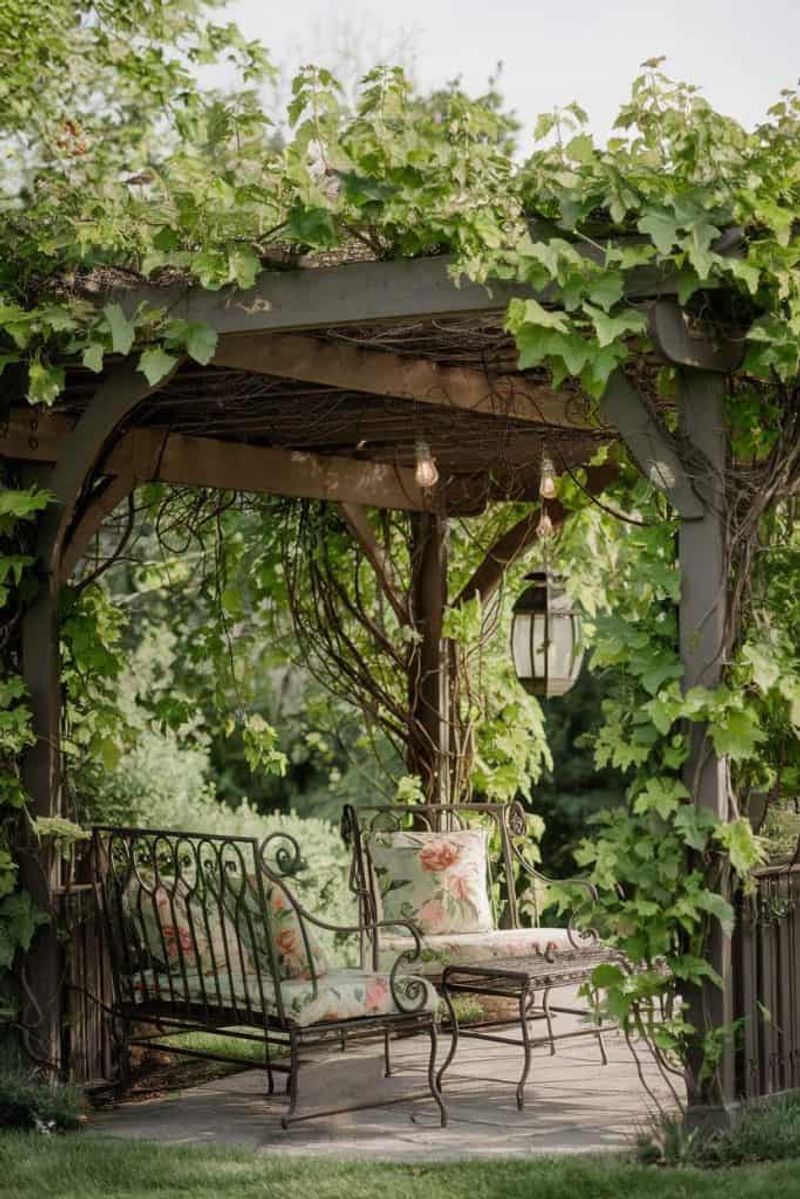
Pergolas and garden arbors add architectural interest and shade to outdoor spaces. These structures, often covered with climbing vines, create inviting passageways or intimate seating areas. Imagine a wooden pergola draped in fragrant jasmine or roses, offering respite from the sun. As vines grow, they create a living canopy, softening the structure’s lines. These elements are both functional and aesthetic, providing support for plants and defining outdoor rooms. They evoke a sense of romance and tradition, making your garden not just a place to visit, but a destination to linger.
8. Edible Landscaping
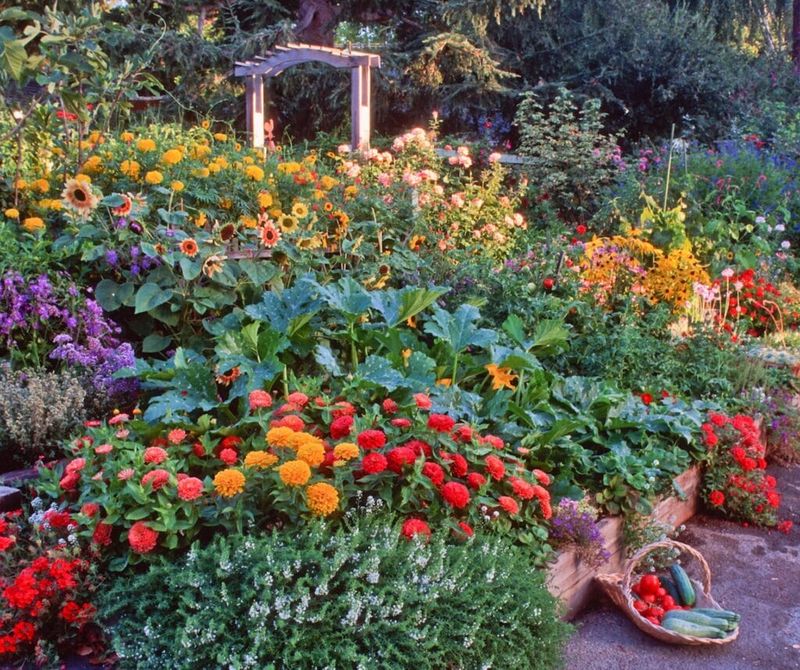
Edible landscaping combines beauty with utility, incorporating food-producing plants into decorative gardens. Imagine a landscape where fruit trees, berry bushes, and herbs mingle with ornamental flowers. This approach not only provides fresh produce but also adds texture and interest. Picture tomatoes ripening alongside marigolds, or apple trees offering shade. Edible plants can be as attractive as any ornamental, with colorful fruits and lush foliage. This trend encourages sustainability and self-sufficiency, turning gardens into productive spaces. By blending edible and ornamental plants, you create a garden that is both beautiful and bountiful.
9. Vintage and Antique Elements

Incorporating vintage and antique elements into gardens adds character and a sense of history. Weathered benches, old wheelbarrows, and reclaimed materials bring stories to life. Picture a garden where a wrought-iron gate leads to a path lined with antique lanterns. These elements offer a unique charm, transforming your garden into a quaint retreat. Vintage touches can be subtle, like a birdbath or a set of rustic planters. Each piece invites nostalgia, hinting at past adventures and timeless beauty. This trend celebrates individuality, allowing gardeners to express personal style and create spaces rich with personality.
10. Gravel and Pea-Stone Patios
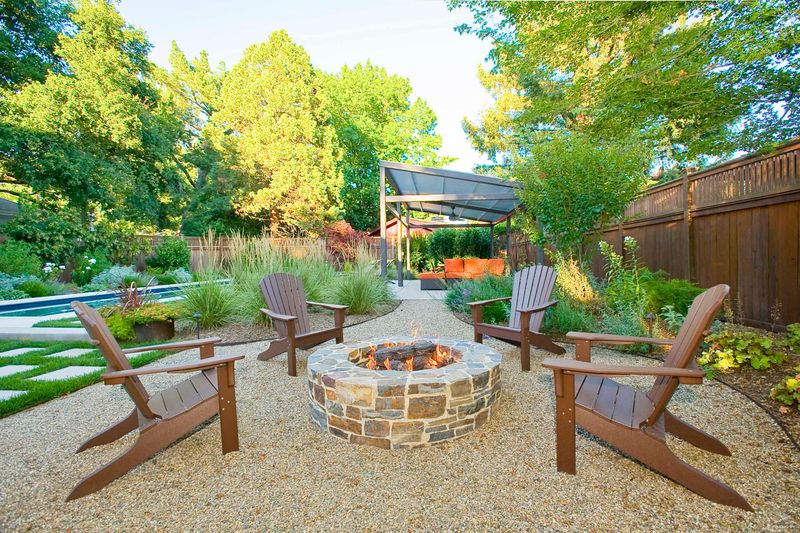
Gravel and pea-stone patios offer a rustic, low-maintenance option for outdoor spaces. These surfaces crunch underfoot, their natural tones blending with the environment. Picture a cozy patio where you can dine al fresco or relax in the sun. The texture of gravel adds interest, while its permeability ensures rainwater drains efficiently. It’s an ideal choice for informal settings, requiring minimal upkeep. Surround these patios with potted plants or raised beds to soften their edges. This trend is practical, environmentally friendly, and perfect for creating casual, inviting spaces that feel both connected to nature and timeless.
11. Garden Lighting and Lanterns
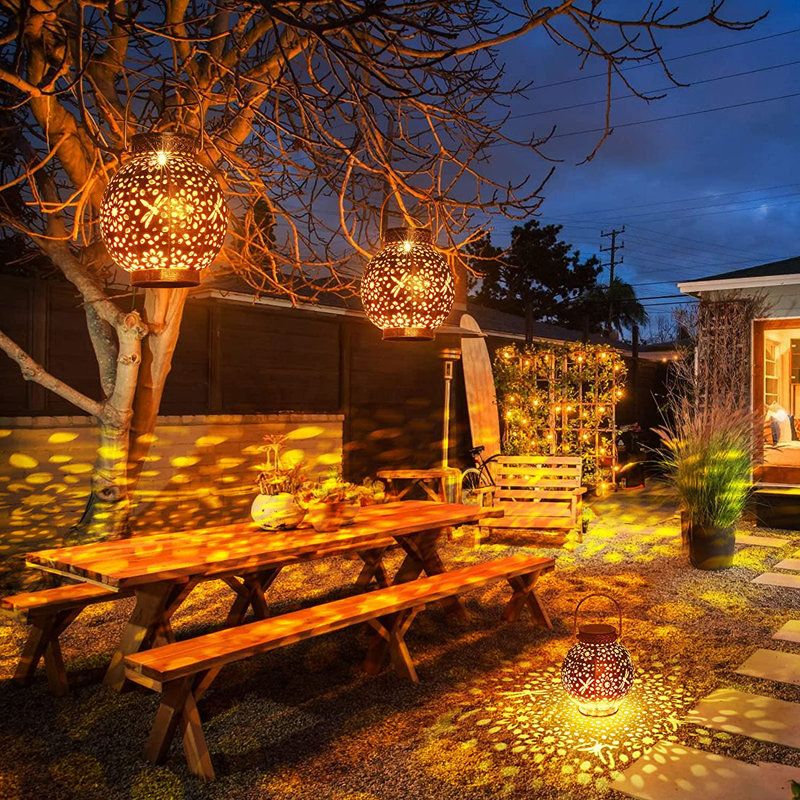
Garden lighting and lanterns transform outdoor spaces, extending their use into the evening. Soft, ambient lights highlight pathways, while lanterns create pools of warmth. Imagine a garden aglow, where shadows dance and every leaf is touched by light. These elements not only ensure safety but also add drama and romance. Solar lights, string lights, and LED fixtures offer energy-efficient options. Lighting brings gardens to life after dark, enhancing their charm and inviting evening gatherings. By carefully choosing and placing lights, you create a magical atmosphere that invites relaxation and enjoyment under the stars.
12. Fire Pits and Outdoor Fireplaces
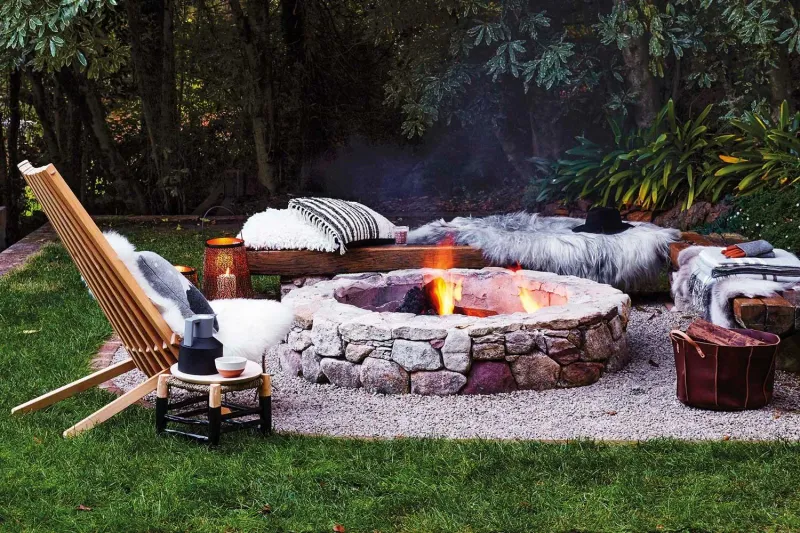
Fire pits and outdoor fireplaces become the heart of outdoor gatherings, offering warmth and ambiance. Picture evenings spent around a crackling fire, where stories are shared under the stars. A fire pit can be a simple steel bowl or an elaborate stone structure. Its glow invites conversation, creating a focal point in your garden. These elements extend the usability of outdoor spaces into cooler months. With comfortable seating around, they become cozy retreats. Whether for roasting marshmallows or enjoying a glass of wine, fire features make gardens welcoming, encouraging year-round enjoyment and connection with nature.
13. Raised Garden Beds
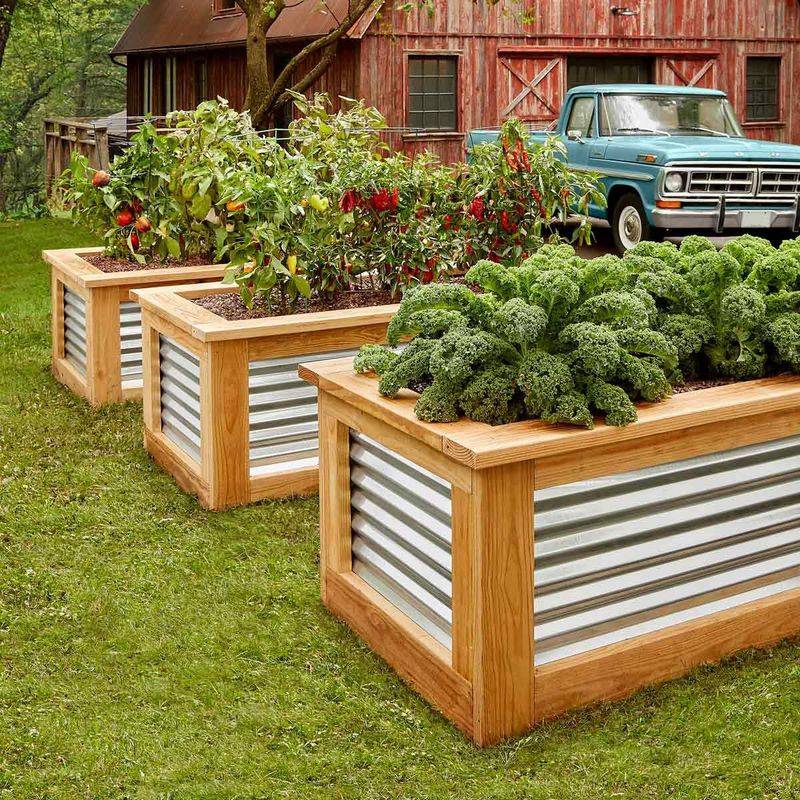
Raised garden beds offer a structured approach to gardening, elevating both plants and aesthetics. These beds can be crafted from wood, stone, or metal, each adding its own style. Raised beds improve soil quality and drainage, making gardening more accessible and productive. Imagine a neat row of beds filled with vibrant vegetables and herbs, or a mix of flowers and foliage. This setup allows for efficient planting and maintenance, ideal for small spaces. Raised beds bring a sense of order and elegance, transforming gardens into organized, flourishing havens where nature and design meet.
14. Formal Hedges and Topiaries
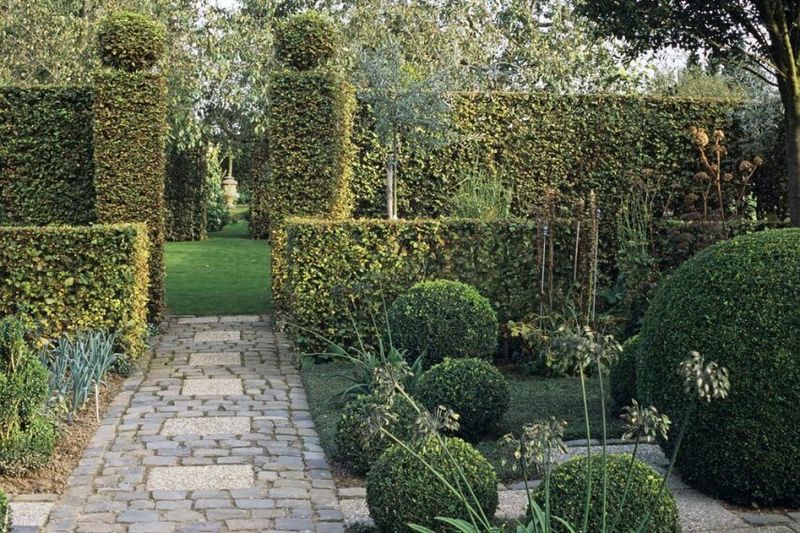
Formal hedges and topiaries introduce elegance and structure to gardens. These meticulously pruned plants create defined spaces and focal points. Picture a garden where hedges line paths, their uniformity striking against colorful blooms. Topiaries add whimsy and art, with shapes ranging from classic spheres to playful animals. These elements require regular maintenance but reward with striking visual impact. They embody classical sophistication, transforming ordinary spaces into grand landscapes. By incorporating formal elements, you create a garden that speaks of tradition and artistry, where every leaf is a testament to care and creativity.
15. Xeriscaping (Drought-Tolerant Landscaping)
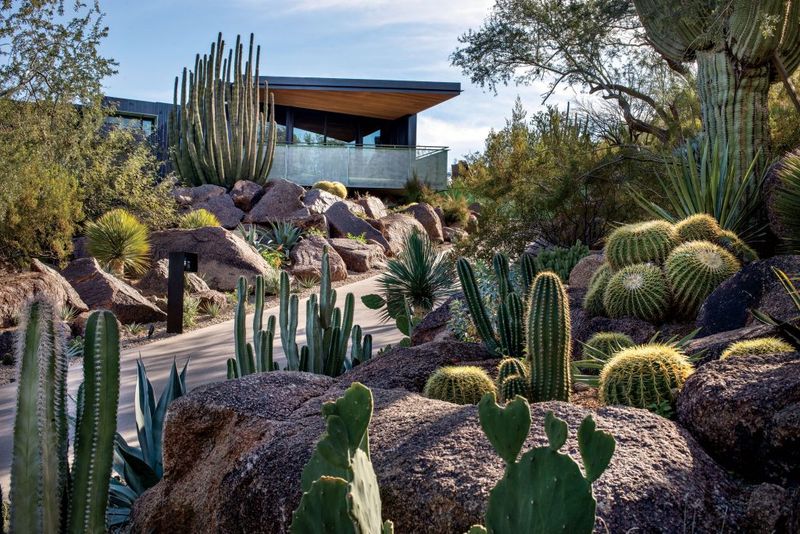
Xeriscaping focuses on water-efficient garden designs, perfect for arid climates. This approach uses drought-tolerant plants, like succulents and native species, to create lush landscapes with minimal water use. Picture a garden with gravel paths and plantings that thrive in dry conditions, their colors vibrant against the earth. Xeriscaping reduces water bills and maintenance, offering a sustainable solution for environmentally conscious gardeners. The design embraces variety, with textures and forms that captivate. This trend not only conserves resources but also creates striking, resilient gardens that stand out with their beauty and practicality.